














Virgil's Aeneid is a Roman epic poem written around 19 BC that reimagines Homer's Iliad and Odyssey to establish Rome's cultural and historical legitimacy; unlike Greek heroes who valued individual honor and cunning, the Trojan hero Aeneas embodies Roman virtues of duty, perseverance, and truthfulness, as he carries his father Anchises during Troy's fall and ultimately sacrifices personal love for his duty to found Rome, while the poem explores profound questions about empire, colonialism, and what it means to be Roman.
The Aeneid by Virgil: Summary & Analysis | Roman Epic Explained
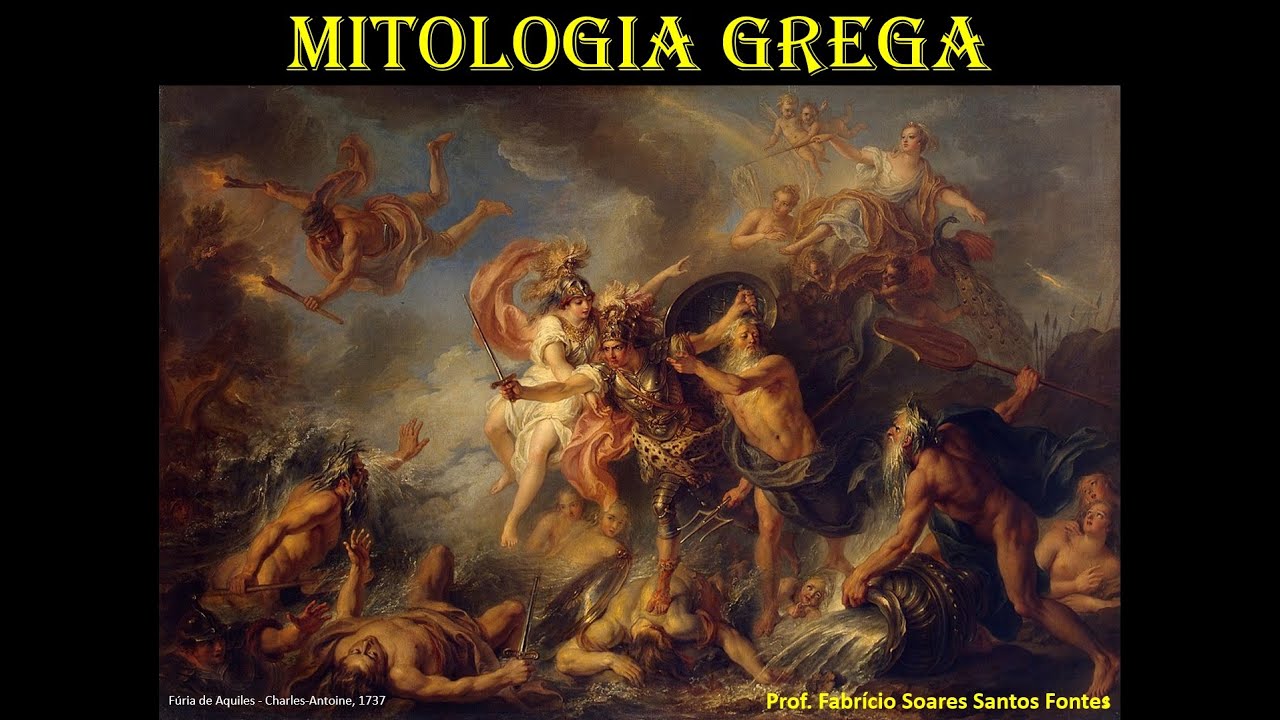
Added:Familiarity with Homer's 'The Iliad' and 'The Odyssey', specifically the events of the Trojan War and the origins of the Trojan survivors.
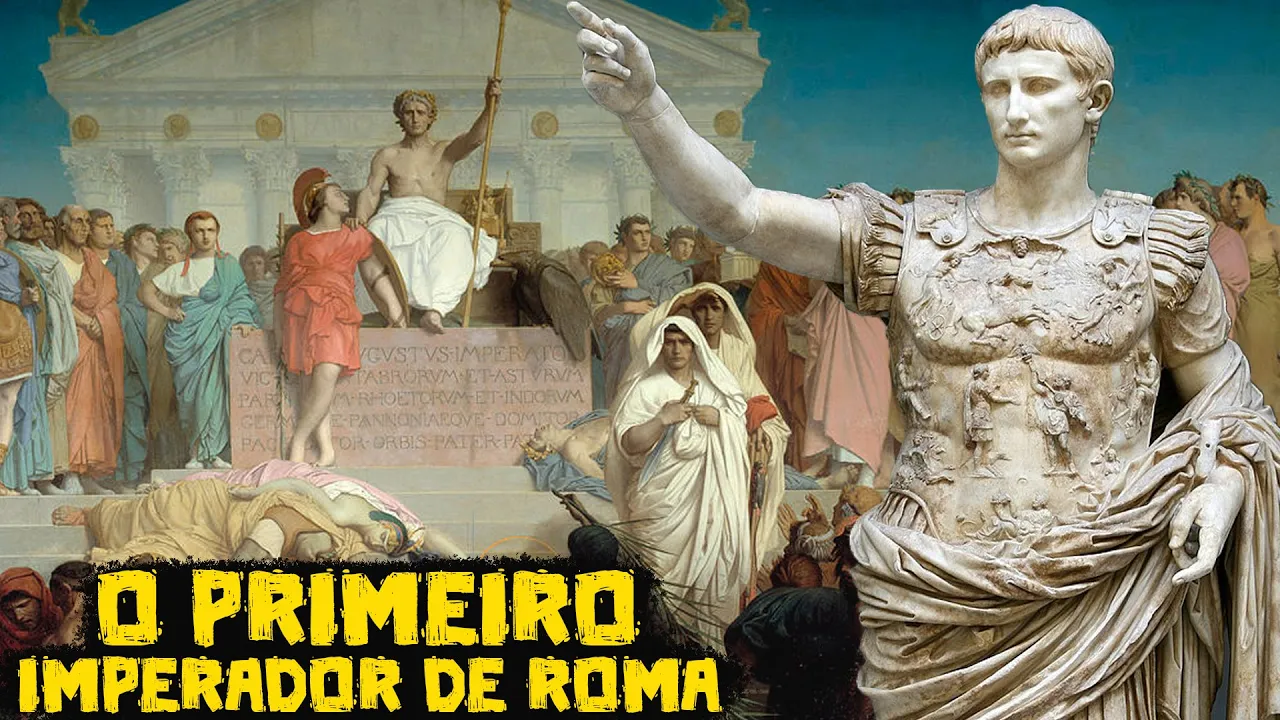
An understanding of the political transition of Rome from a Republic to an Empire under the reign of Caesar Augustus.
Basic knowledge of Roman mythology and how Roman gods correspond to their Greek counterparts (e.g., Juno/Hera, Venus/Aphrodite, Jupiter/Zeus).
The defining characteristics and conventions of the classical epic poetry genre, such as the invocation of the Muse and starting 'in media res'.
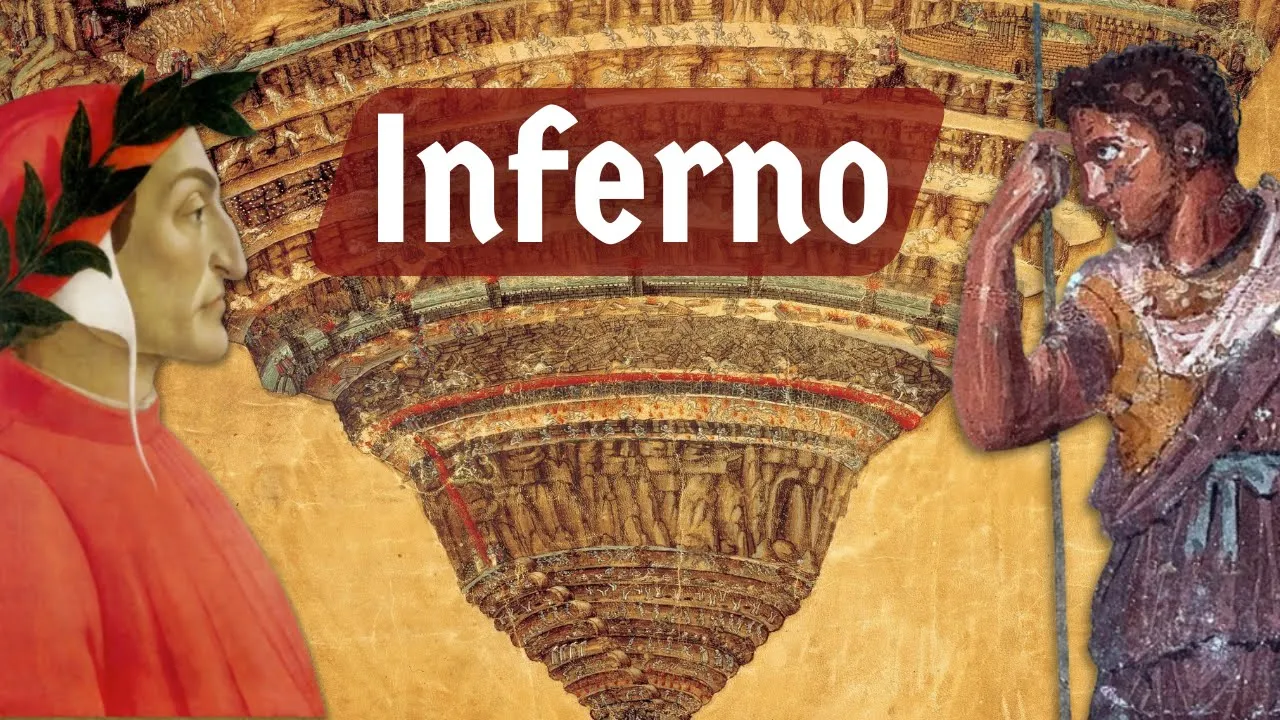
An in-depth analysis of Dante Alighieri's 'Divine Comedy', focusing on why Virgil is cast as Dante's guide through the Inferno and Purgatorio.
Comparative study of Roman cultural values, specifically comparing the Roman virtue of 'pietas' (duty/devotion) with Greek heroic values like 'kleos' (glory).
Investigation of the 'Two Voices' theory in modern Virgilian scholarship, which explores the tension between state propaganda and personal tragedy in the text.
Examination of how 'The Aeneid' influenced subsequent Western epic literature, such as John Milton's 'Paradise Lost'.
17K views175likes1:53:31Original Release: 2012-09-12
hello everyone this is Jason Tundra I'm your professor lit and we are starting in on our next reading which is the Aeneid you need is by Virgil I'm trying to change the scenery a little bit once in a while so instead of just getting it yet another picture of my office with my empty bookshelves behind me now you get a picture of my home with my empty bare walls behind me because I I just moved here in everything still in boxes but let's let's get to the text I want to try and construct this in a way that's helpful and useful to you so we'll do it kind of like we did last one I'll talk a little about the introduction to the book and kind of give you guys an orientation and then we'll walk through it sort of one book section at a time with the presumption that you are listening to me before or as you are reading the book rather than after I'm sort of constructing these now as as setups for you so that you can kind of give you some ideas of what to look for and some signposts and some some may be helpful moments in the in the book as we read the Ennead is not as frequently read in high school as the Iliad or the Odyssey chances are more of you have never read it before but it is an extraordinarily influential work as influential if not even more so than Homer one of the things that you'll see is that the Iliad is in many ways riffing on Homer there's a lot of sections of our book which will seem very familiar to you either from the Iliad or from Odyssey sections that you maybe you read in high school in a sense the Aeneid is kind of a combination of Odyssey and Iliad sort of knitted together its protagonist is the character of Aeneas aen EAS he's a champion of Troy he's not one of premiums sons like Hector in Paris and all those guys were but he is a high-ranking prominent member of the Trojan aristocracy and a warrior and when Troy is invaded and captured by the Greeks he flees the city with his father and and his son and a lot of his soldiers and what is frequently referred to in our poem as the household gods these were statues or representations physical representations of ancestors in the Trojan family that the that Aeneas his family would have revered as as their ancestors they they didn't he didn't consider these folks it's early to be gods in the same sense that we today think of gods but they would have honored and respected their ancestors and they had statues of these people which were very important to Roman worship at the time and Aeneas escapes Troy with these objects and with his father and his son and his fellow soldiers and they flee Troy looking for a new home they sail through the Mediterranean much in the same way that Odysseus sails for years trying to find his way home but where as Odysseus arrives home to find define all of his old friends and his wife who's now trying to fend off a horde of suitors and so on Aeneas arrives home basically to find the Iliad he finds he arrives home to find a war he has to UM this is not a place he's ever been before he's been promised this homeland in Italy and he lands there but of course they're already people living there and um and and he arrives in the middle of this sort of struggle between different leaders in Italy and he ends up taking sides with some of them or they take sides with him they ask him to sort of join them and he gets caught up in the Civil War and he meets a woman that he would like to marry he's already got he had his he's a widower now because his wife is dead and and he has to get involved in this war and so suddenly he ends up getting a rival he ends up getting a rival in the form of a man who was already going to marry woman that an ESS now is now eyeing and this guy Turnus is his name Ternes becomes sort of like the the Achilles to aneesa's nes as hector and we go through that whole sort of a Iliad thing complete with super shield and everything all kind of played out in a different way in in Virgil's poem so we kind of have this combination of Homer and Virgil it's not doing this accidentally he's intentionally kind of trying to out Homer Homer he's trying to take homers material and say yeah that was good if you were a Greek but we're Roman let's talk about Rome let's take Homer's ideas and change them and better them and show Roman values rather than Greek ones and this is one of the things that I really want you to keep an eye out for as you read think about the kind of virtues that that um the Iliad prized what what was important if you were a character in the Iliad well issues of personal honor for example and an individuality you know that this was a the the Greeks were about individual achievement and they prayed to the gods but the gods often didn't answer so it was good to be pious but that shouldn't be relied upon contrast this with with a nice and the story of the Aeneid in which it's not about individual achievement and it's always about the group and Aeneas is a champion he's a leader not because he's an individual but because he knows how to make the team win it's about it's about rather than his individual accomplishments it's about his duty you know he's a he's an admirable Roman because he always remembers his obligations and he's always true to those obligations this is very different ah then in the Greek story and secondly this idea of the way that Aeneas honors the gods you know we see Hector honor the gods all the time and they never help him Aeneas honors the gods and the gods respond it's there is a different kind of pity involved in a different kind of relationship between the gods and the men um what else who would be looking at we've talked in previous classes about this issue of characters traveling from one spot to another we saw a lot of this at the Hebrew Bible characters who were exiled who were wandering and they encounter new places new people and how do they respond and how do those people respond to the traveler look for that in the Indian but for the ways that that um Aeneas encounters new people how does he treat them how do they treat him and which of those reactions are we supposed to identify as the right way or wrong way to treat strangers and travelers think of Aeneas as this sort of refugee this pilgrim who's you know going from one place to another another thing to keep your eye out and this is something that's kind of unique to the Aeneid that we haven't seen much in our previous reading is this question of empire and colonialization this is one of the reason I would still read The Iliad the India Today the Aeneid is a poem in many senses about building Rome which at the time that it was written about fifty or so BC was was building into an empire unlike unlike the construction of the Iliad which took place 800 BC in a time player that we know almost nothing about because there was no historical written records we know a lot about Virgil and about his patron Augustus when I say the word patron I mean the guy the wealthy powerful guy in this case the emperor of Rome that Virgil wrote his poem for he was asked to write this poem and the Romans were meticulous in their record-keeping so we know all kinds of things about Virgil you know we know that he was a real person we know what he had written before we know what he wrote after we know the way some of the ways that his book was received um we know that Augustus seemed to like it although it maybe wasn't as self flattering as he had hoped it would be when he asked Virgil woman you write an epic poem about Rome he probably meant oh and make it about me right but Augustus disappear in the book but in a very only a couple of spots and although those spots are always intensely flattering it's always presented very positively he's not he's not a major character he's he's a sidenote because of course the events of the Aeneid are happening uh well if they're set right after the Trojan War which is about 1200 BC they're happening over a thousand years before Augustus lived right so Augustus can't be a character except in those moments where we get prophecy about the future but all of this leads up to this idea that um that it's a book about Rome and Rome was becoming an empire it was conquering its neighbors it was especially places like Carthage and and and places in Egypt and and farther out through across throughout Europe and even what we would think of is the Middle East across the Mediterranean how should we think about that idea that that the empire is growing that Rome is now conquering and taking over these other lands and these other people's should we how do we treat those people do we integrate them into our society do we make it possible for them to become Romans do we call them Romans I mean you might live in Egypt or you might live in Lebanon or something but but because you're part of the Roman Empire does that make you a Roman or do you have to live in Rome to be Roman this is not an inconsequential question in our own country right or even today we're talking about what does it mean to be an American you have to be born in America to be American maybe that's not enough maybe it's not enough free you know your parents do a flown here when you when your mother was pregnant so that you could be born here and be an American maybe that's not enough or maybe we should make some kind of maybe you have to earn or maybe it is maybe you know we have now this idea of well maybe you weren't born here in America maybe you you were born in another country but now you're here and you're going to college here and you're serving in our army and you've done you know you've done service for our country so maybe we should recognize that and maybe that's what makes you an American so these are the same kind of questions that we're going to be talking about in this book when Aeneas lands in a foreign country and he helps to create an empire there he takes over a city and that city starts to expand and it finds its neighbors and it has to relate relate to those neighbors are you going to relate peacefully or are you going to conquer them and how you're going to integrate these people into your own land the this creates questions of what we call colonialism and Empire you know the idea of reaching out beyond your nation's borders to take somebody else's land and how do you incorporate that in and the United States has a long history of colonialism not only as a colony where we were founded and originally a colony of another Kingdom but then we in our turn over the last 200 years have often gone out and taken over places and added them to our country not only physically in the continental United States but other places too in South America and so on where we have gone and basically tried to you know we didn't we didn't necessarily conquer Cuba for example or conquer Porto Rico or other parts of Central America but we have often attempted to influence those places and make them do what we want them to do the this question of colonialism and the ethics of empire are going to be brought up a lot in India near because these were questions that that Romans themselves were asking themselves and finally I think one of the ideas that we should keep our eye out is this question of what kind of values and virtues does Aeneas have as a role model for Romans think of this book much like the Iliad or the Hebrew Bible or the Christian Testament as a book that's designed to each moral conduct is designed to give you an example of good conduct which we the readers should then mimic or honor doesn't do this through long speeches about how people should act necessarily it does it through example through a character making choices and doing things and reacting to problems in his life and then because we admire that character we think oh okay I'll act like him what would Annie is do right and what we often find is that Aeneas is confronted with these challenges these problems in his life and his reaction is usually well we have to persevere we have to muscle through it we have to just endure and there's this notion of what we would now call stoicism although the stoicism as a philosophy wasn't really quite developed by the time that Virgil was writing but this notion that life is very difficult it's very hard and challenging and we have to endure we have to just we have to accept that difficulty and we by enduring it we show ourselves to be better people there is a kind of nobility in enduring hardship we're going to see Aeneas do this a lot ask yourself when we're talking about the difference between Greek and Roman beliefs how does Aeneas react to that kind of cunning and trickery and cleverness that we've talked about in the Iliad and in the Hebrew Bible right in in the Iliad Odysseus is a hero because he comes up with a way to solve the Trojan War right and and he for example it diseases the one chosen to go talk to Achilles and you know dis-ease has constantly looked to as you know the guy who's good with words and he's he's clever and cunning and we should admire that in the the Aeneid of dis-ease is a bad guy all of that trickery and and kind that we would admire is portrayed rather as deceitfulness and lime he's just not trustworthy he's a common man as a scam artist and and this shows the difference of a difference in Roman value versus Greek value Roman values are prized truthfulness and straightforwardness and honesty more than the Greeks who valued this cunning and trickery and your ability to be smart is better better than being than being strong it is not true in this book so keep your eye out for those changes and I think we're going to find is this all becomes very useful ways of getting into our text finding a way to think about it and talk about it in comparison with other books which of course live itself to test questions and that's going to get us to the midterm your first midterm which you will be taking after you've read this book and watch this lecture now you have a lot of questions about the midterm and I'm sympathetic to that after we do this lecture right now I will put up the midterm questions and you will have a week to write them and respond to them before we get into the next reading section we're going to start our medieval they're going to start Babel okay so let's pause right there we're going to pause for a few minutes we'll come back and we'll start right away with book one okay of the Union all right we're back and we're going to start off with the first couple books of the way if you look at our book and you flip through it at all what you've seen is is that we have the first three books in their entirety and then we skip book four we've got you know another book book five and then we skip a whole bunch more then we go right to the end this is pretty common the Aeneid is twelve books long it's a it's it's amazing poetry it's it's very it's very good literature but we don't have time to read whole thing and even the exurbs are 100 pages what parts do we keep well we keep two sections essentially the first is all the stuff about Dido Dido is the great female character of the Aeneid she is aneesa's first love interest she is the queen of her own City Carthage now you'll want to probably do some quick historical research here you can just Wikipedia Carthage and you'll get the whole short version but but in brief if you imagine the Mediterranean Sea and Italy is up here right and and Rome is on the bottom of Italy across the Mediterranean Sea on the northern coast of Africa is the city of Carthage right and it's referred to in our poem as being in Libya but that was just a Roman term for everything in North Africa that wasn't Egypt Carthage is an F is a city in northern Africa but it's people are not considered by Rome Africans they are considered to be what we would think of as Middle Eastern Dido herself is a refugee from the city of tier T why are e and you see her and her fellow refugees from that land often referred to as Tyrians or Tyrians tyr is um she's physically referred to as having golden hair so although she is the queen of a city in North Africa race I think does get into this poem a little bit in the sense that she is not portrayed as being black she's portrayed as white and and again if we were trying to imagine what Dido was like as a person we would think of her today as being Middle Eastern tier as a city in Lebanon famous because it was eventually conquered by Alexander the Great tear where Dido is from is a city that's basically on an island off of the coast and you can't you can't get to the city most of that except by boat Alexander the Great conquered it after building an enormous causeway which is like a bridge except made of dirt it's like this he basically made an a man made a pathway leading from the shore most of the way out to teat the city of tear but he wasn't able to finish it because the ocean dropped off real steeply steel right very close to tears so he wasn't able to actually finish the last bit of the of the light well anyway Dido is a refugee lived here where she was married but she got into a dynastic squabble there her brother was the ruler of the city and he got a hate on for Dido's husband and and killed him and she ended up fleeing the city of tear along with all the rest of a bunch of her followers and hangers-on and so she arrived in Carthage which at that time was just a small little town and she was welcomed there and was made the Queen so think about it right this becomes a connection that Dido and Aeneas both have they're both refugees they're both settling new lands and they're there they have this kind of spiritual connection well you know we both we both been kicked out of our previous home and and they're both they're both once married already Aeneas has had a wife in Troy and Dido had at her husband Dido is an immensely important and interesting character who has been the object of poetry prose and song for literally 2,000 years so keep your eye on her and and come to some sort of idea as as a reader what you think of Dido and the the situation that she is in and that she puts Aeneas in the the beginning of the Aeneid begins with a call to the gods right um if we look at the beginning of the of the poem Wars and a man I sing an exile driven on by fate I sing in other words Virgil is pretending he's putting on the appearance that his book is actually oral poetry it was designed to be spoken to be recited of wars and a man I sing it wasn't it was written down but it's pretending to be oral I think back to all the things that we noticed when we were reading The Iliad that were signs of oral poetry like patterns for example that a poet would use so when Agamemnon tells about all the trophies and awards he's going to lavish Achilles with as as a presence if only Achilles will come back to the fight then when Odysseus goes to repeat that those those gifts he uses the exact same word for word language because the poet had this pattern that he had memorized he just used it all over again these are signs of oral poetry that are absent in the Aeneid it's much more of a written text and what does that mean for us the reader well for one thing it's got more going on it just has more plot in the Iliad we had a lot of sort of cyclical repetitive stuff you know one guy when a Greek attacks a Trojan they throw Spears at each other they fight over the body this sort of cycle repeats over and over and over again I mean you guys probably are bored as you thought you had to read a bunch of it but there's whole books of the Iliad that are nothing but repetitions of war fought war scenes and fighting the Iliad is a fast moving plot things that Homer would have spent half a page on like preparing a banquet for a feast because he has this whole pattern structure of how we portray patrol CLIs carving up the beef you know for his guests that have come to visit he has this whole set piece that he recites Virgil doesn't have that set piece and he doesn't feel obligated to show that he knows that set piece this is you know to us and we look back at at Homer we think that it's a sign that the oral poets you know weren't very good that they had to repeat this stuff over and over again but but to the audience they thought this was a sign that the poet was good that he knows all these patterns and he can call them up at the drop of a hat and looks knit them together and put them together in all these interesting ways Virgil doesn't want to show all that he doesn't want to use those patterns and so what you'll find is is that he's got more varied language more varied structure which makes it generally speaking faster and easier to read for us because we don't feel bored we don't feel like we're hitting repetitive moments but this means the plot goes pretty rapidly and it means we need to be closer readers all right so make sure that you give yourself the time to read this book you've got about a hundred pages and the poetry is is not as fast as as Homer so budget the hours right read the first couple of books see how long it takes you and then you can budget the rest of your tongue ah what else should we look at um there are moments in this book in the first book in which we get signs of this question of patronage we talked about how Virgil had been asked to write this poem this book by Augustus Caesar okay so let's very briefly trace some of the history of this Augustus guy and who is he okay so you've all heard of Julius Caesar Julius Caesar the first emperor of Rome well not really he he was going to be made king of Rome when some other members of his court betrayed him because they were afraid that that as a king he would make himself a dictator which was probably true and so rather than let him become king they stabbed him in the public forum and killed him and it claimed that this was done to preserve the Republic Rowland previously been ruled as a as a shared power will will create a Senate and will will give some of the power there but we'll also put people in charge but will split the power up so maybe we have we don't have one leader of the city maybe we have two or three and we'll split the power up between them and they'll be fighting sort of each other at the same time as we're fighting the Senate and all of this will help to keep people honest and keep any one person from taking over you sound is it this sounds familiar to you that's because the American system of government was inspired by and in many senses built on this question of Rome think for a minute about the people who founded the American system of government are weren't they refugees too weren't they also having is just set sail from a place which was in lit within living memory of some of these people you know had been a repressive and and had had persecuted them and so that they fled like died up or like Aeneas who felt like he had to fight a war with the Greeks you know before before he could sit say oh well anyway so you have a country founded by refugees so of course they look to a poem written about refugees founding a city when they start thinking about founding their own and their own system of government anyway um so Julius Caesar his family name was was Julius and yo as you read this first book you'll come across lines where we find out that Aeneas is son is called Julius ah or Julius ulis I ul us however you want to choose to pronounce that but it's probably iOS this becomes a this is a call out to Virgil's audience because Julius Caesar had a great nephew which he had adopted into his family and that guy's name was Octavian after Julius Caesar died there was a civil war in Rome the Galip between people that thought that caesar should have been killed and people that thought he should and the person that thought he should have been killed was Mark Antony and Mark Antony fled to Egypt where he shacked up with the queen of Egypt okay so this sounds familiar to people right you've got this North African country ruled by a woman who was not African but white Cleopatra's name Cleopatra is Greek and it comes from her dynasty which which took over in Egypt after Alexander the Great conquered it they were called the Ptolemaic PT Ptolemaic dynasty and and Cleopatra is part of that and Mark Antony fled to Egypt had an affair with Cleopatra they had children the other side of the Civil War was won by Octavian he was the leader of that side and Octavian was Caesar's great-great nephew adopted into the family and the two had a eventually had a massive battle by set C and Mark Antony lost and Octavian won and Cleopatra committed suicide these facts are not irrelevant to the poem you're about to read because Dido's Dido becomes a Cleopatra sort of stand-in in mirror and just as Mark Antony's relationship with Cleopatra was portrayed as a bad thing for a Roman to be doing as a stain on Mark Antony's character so an ESS relationship with Dido is portrayed as a stain on his character that he must if he wants to be a good man he must reject and avoid and like Cleopatra Dido will end up taking her own life so she's a she's a kind of commentary on Cleopatra after those events would already have now so Octavian ends up winning the war uniting the empire and he takes it named Augustus Caesar and he becomes the first emperor of Rome and it's that guy who asked Virgil to write this poem so these events these events with Cleopatra and Mark Antony and the death of Julius Caesar and all that stuff that was living memory for the people that are reading and writing the poem you have in your hands and so all this stuff about Dido and North Africa and refugees and Civil War this was not a Roma this was this was like yesterday to the people that were reading this poem okay all right so um so anyway so I'm looking at page 972 around lines 330 down to about 350 where Aeneas traces the family line of the Julius family which is Julius Caesar back to Iowa's the son of Aeneas it's like it's like saying well you know you're Washington you know you're your family line goes all the way back to George Washington the founder of the country speaking of which is a clever passage down in here I'm looking at about line 351 the terrible dates this is a prophecy the section of the book is a prophecy about the future and Aeneas is being told about how all of these great family members are going to arise and and they're all the future leaders of Rome the terrible gates of war with their welded iron bars will stand bolted shut and locked inside the frenzy of civil strife will crouch down on his savage weapons hands pinion behind his back with a hundred brazen shackles monstrously roaring out from his bloody jon's okay so that's a lot of imagery what's it about okay well the civil strife issue and then you had the gates of war issue what what virgil is writing about here is that augustus became famous as a guy who after all the civil war was over had a time of peace and Rome had not known a time of peace for hundreds of years this line about the gates of war there were actually physically gates of war in Rome which were opened where the city was at war and and closed where the city was at peace it's sort of that idea I'm going to open a can of whoop-ass on you right well I'm going to open the gates of war and I'm going to open them and you're going to get right don't make me open the gates of war on you right well the trouble was is that rome never closed them they opened the gates of war and the war went on and there were just always more Wars until finally Augustus after the civil wars were all over close the gates and had a time of long-lasting peace and that peace which it was happening during the time that Virgil was writing is what here appears as a prophecy of the future because of course Aeneas lives a thousand years before all those events okay ask yourself if we had gates of war here in America when was the last time they were closed it's been a while since the gates of war were closed all right so uh are there any other elements that we should look at um on page 975 um okay so Aeneas like many of the characters from The Iliad has a divine relative remember back last week we're talking about the whole origin of the Trojan War with the Golden Apple and the three goddesses in Paris had to pick one one of those goddesses Aphrodite one of them was Athena and the other one was joke give me Juna the wife of the zeus well Paris picked Aphrodite the goddess of beauty and love because her bride was better than the other two goddesses well when he did that that meant that Aphrodite was going to side with the Trojans in the war but that the other two women who got slighted and felt like they had been insulted because they weren't pet they would side with the Greeks right okay that conflict is still going on in this book so Aphrodite who into the Romans was known as Venus Venus is Aeneas mother and she sides with the Trojans meanwhile Athena who is known as Minerva in this book and Juno are siding with suddenly against Aeneas pretty much whoever's against it is there in favor of right there they're no longer fighting with the Greeks in outside of Troy because that war is over and the Greeks have all gone home but but sometimes the Greek characters sort of pop back up in this book because it's kind of a sequel so you'll see characters like Diomedes whom we mentioned very briefly last last week Diomedes shows back up other characters saying oh yeah I'm a Greek refugee and and Aeneas will reach out to them and create a bonds of loyalty and ties them and say we'll look that fighting that's that's all over now Troy's toys fallen let's put that war behind us and team up and and we're starting to get these ideas of Roman virtue going on here right let's build a consensus let's let's put our our old differences aside and and build a political union so that that structure is still taking place and at this point in this point of the poem on Venus shows up and to give her son a little helpful advice and to help him out and she will continue to do this throughout the poem but she appears to him in disguise as like an Amazon Huntress with a bow her skirts all hyped up so that she can run and and she pretends to be this anonymous Amazon that shows up and guides Annius in to the city of Carthage but as she's disappearing Aeneas recognizes her as his mother but and he's he's frustrated by this because she never just shows up and talks to him you know like like a mother would do right she always has to pretend to be somebody else he knew her at once his mother and called after her now as he sped away why you too cruel as the rest so often you ridicule your son with your disguises why can't we clasp hands embrace each other speak out and tell the truth see that we were talking about this question of truthfulness of honesty that's to be promised and trickery is to be to be disregarded mean it's effective it works but it's not honorable it's not it's not the way that the best heroes conduct themselves right you're going to see throughout this poem throughout this book that Aeneas is can be a very human character he has moments where he struggles where he he wonders what to do um he he was a very sympathetic hero and we talked with a little bit last week the Greeks identified with the Greek heroes of the of the Iliad writing with characters like Achilles and Agamemnon and Menelaus and Odysseus but ever since the Greeks the rest of us have identified with the Trojans the the people of Rome in particular considered the Troy to be the good guys of the Trojan War and and the people who were more deserving to praise and they consistently throughout this poem you're going to see a kid who's referred to as a brute who's as mean and wicked to the Greeks as he is to the Trojans he just can't be relied upon he can't be trusted he's just too reckless and too and that rage that homer speaks of that Homer acknowledges is a problem was too much of a problem for the Romans to overcome you know they just couldn't see the human side of Achilles he was just he's just a I mean the guy that savages Hector's bond for example the way that done that Achilles does there's just no no excuse for that kind of behavior you're a lesser man when you do stuff like that so uh Aeneas as a Trojan is is the champion he's the hero and and in centuries that come later on this idea that that the Trojans were the heroes and that every great society is inspired by Troy and by lineage from Rome would take root in a lot of societies there was a for awhile for example this is during the time of Chaucer whom we haven't gotten to yet but in Chaucer's era there was actually a move to change the name of of London to new Troy Nova trove antium and there was this route this legend that Britain was called Britain because it was named after Bruton who was a member of Troy who's a Trojan refugee right who sailed all the way and founded a new home in Britain in other words they wanted to out Rome Rome right so in that context American government and political culture founded on Rome is just one more example of this idolization of the Rome and of Troy in an attempt to grab on to that and kind of ride its coattails into history right if Troy is great and Rome is great then if we could be like Troy and Rome will also be great right okay um a few other sections of this first book that are maybe worth worth looking at so Aeneas lands on the on the shore of Carthage and first on his fleet is attacked by storms Juno the queen of the Gods has a hate on for him because he's a trojan and and also because she knows his his legend for the very beginning of the book it's established that Aeneas is going to land in Italy he's going to form found this great city and his ancestors are going to rule that city Juno is jealous of that and she seeks to destroy Aeneas and ruin his future so she convinces the god of the winds to create a terrible storm and wreck the boats and the storm continues until a cyton the god of Neptune the god of the sea comes up and says hey this is my territory yeah and and he calms the storm and and but the sleet has been scattered and Aeneas thinks that the boats are all sank so he lands on the shore this is when his mother appears to him as an Amazon and leads him into Carthage or he sees Dido and it turns out he also sees a bunch of his other sailors who are on these other boats that were all scattered and they've also come but they'd come to Dido basically begging her to let them let them into the city give them food and shelter and let them fix their boats and get back to sea at this point Nadia's mother Venus is concealing Aeneas and all of his crew with like a magic spell of invisibility so they can't be seen or heard they're just listening to everybody else but then finally right when everyone is that you know and Boronia is he's probably dead the spell falls away and Aeneas and all of his men are revealed to them and Aeneas is Gnaeus is the son of the goddess of beauty right so of course he's incredibly handsome he's like supernaturally beautiful because his mother is it not just a goddess but the goddess of beauty and Dido sees him and and says he's so dreamy and and the the their fate is starts to become entwined at that very minute ah well Dido is reluctant at first to express her affection for Aeneas because she was married her her husband is dead but she feels that to be faithful to her husband she should not love another man and so Aeneas his mother has to get involved and so Venus goes to her her other son not her mortal son Aeneas but her immortal son and of course this is Cupid the God the the guy with the arrows and we think of Cupid now is like a little baby with wings but the role is in Dayton like that he was just this really handsome guy with but he still had the bow and he's dumped the arrows and she goes to cupid and says okay look I want you to masquerade put on the disguise and I want you to pretend that you are an ESS child his son and you're going to go to Dido and you're gonna use your powers and make her fall in love with Annies and there's the scene where where Cupid and the shape of Aeneas Sun comes up to Dido and sort of buries her head his head in her chest you know and she sort of Pat's him and she said he's such a beautiful kid and and and she finds him so it resists Obi charming and if you if you think back to last week we were talking about how this the presentation of the gods might not have been literal it might be just a poetic device designed to show social or psychological forces that are hard to explain otherwise you can kind of see what's happening here you know Dido is Dido is cute she's she's falling in love with Aeneas because he's so handsome and he's got this great reputation and he's a great leader and so on but then then she starts to really bond with Aeneas his kid and she thinks you know maybe maybe this is okay maybe this is right maybe this is the way that my life should go so um she she makes Aeneas an offer you know why don't you just stay uh I'm on I don't want to get too far ahead here because it's in book two but she she welcomes any instances look you and all your men you could just stay here as long as you want and I'll feed you and set you up and and then we'll just kind of see how it goes so this is the the initial book and it's our first set up um the court I was looking for is here it's on page 980 about line 685 I will provide safe passage this is Dido speaking to all of the Trojans I will provide safe passage escorts and support to speed you on your way when you decide to leave here I'll I'll help you with that everyone now I can or would you rather settle here in my realm on equal terms with me the city I build it's yours all ships to shore Trojans Tyrians they will be all the same to me if only the storm that drove you drove your king and Aeneas we're here now she's talking to the refugees before Lydia since the spell is broken this is Dido's offer before she's even met Aeneas she says look you're refugees I'm refute I'm a refugee let's all just make this our home together and before she even knows that it is is here she shows her generous heart I think this is it seems like this are really important for Dinah because it shows that she's she's not a selfish person she's not self-motivated she has nothing to gain from welcoming the Trojans she just has compassion for them and for their situation okay let's pause here and then we'll get two books two and three of the Dido story okay okay but two of the Aeneid is the flashback scene like the Iliad and the Odyssey the Aeneid starts off in media res this term we used in a previous class it means in the middle of things it starts off with Aeneas in the storm like paquimé exciting moment for the story to start but at some point we had to tell how it is got here and a lot of the things that we think about the Trojan War are actually found here in the Iliad in the Aeneid rather than in the Iliad some if when you get to book two and you read book two you're going to see a lot of familiar signs and stuff from the from the Trojan War including the horse and the whole strip other tours gets built and how it gets smuggled into the city and and and all of that story um you're going to meet a lot of characters there's a couple of them that I want to dwell on one of them is this character of seinem um all right so you're the Greeks and Odysseus comes up with this plan look we're going to build this giant horse and we'll we'll take apart a bunch of our ships to make it because II don't have any wood and we'll put the very best Greek soldiers that are still alive because it killings is dead bunch of other people are dead but the best soldiers are still alive in the horse and then we've got to get the horse into the city how do we convince the Trojans to bring the horse into the city well the first thing that they do is they move their boats and there's like an island that's barely within side of Troy's they all hide their boats on the far side of the island but then they get a guy and his name is Simon and he gets captured they leave him on the shore and when the Trojans come out because they see that all the boats are gone they are suspicious and they go out and they find this guy the Simon guy when Sian tells them the greatest lie ever told right he says Oh I came out to hunt you guys down I came out to kill Trojans but but I was captured back again I was recaptured by the Greeks hmm and uh and they were going to sacrifice me now this is a reference to the story how the Greeks left Greece in the first place after the army the Greek army had been assembled the the gods were unhappy especially Artemis and the goddess of the hunt the Virgin goddess of the hunt and she she had a grudge against an amendment the leader of the Greek army and so she stopped the winds well of course the Greek the Greeks all had a sail to get to Troy so without the wind they literally could not set sail the army there's a thousand ships sitting there doing nothing month after month after month until finally Eggman then goes to the Oracle and says ok what do I got to do I'm obviously pissed off the gods what do I got to do the Oracle says you have to sacrifice your virgin daughter and Agra man then doesn't want to do it this becomes a chest a test for him are you gonna sacrifice your daughter for this war this she's innocent she's never known anything well Agamemnon makes the wrong choice he sacrifices his daughter but you shouldn't do because she's an innocent but he doesn't because this is to demonstrate his conviction and his commitment to the war not to the gods to the war right because if we can get the Troy we're going to be the richest men aligned well anyway so he sacrifices the daughter although at the last minute he doesn't know it the last minute Artemis whisks the daughter away and saves her which reminds us of something else right from the Hebrew Bible stuff whisks the daughter away and she lives forever peacefully in another place but she has only the story but I am of the things that he killed her and more importantly Agamemnon's wife Clytemnestra thinks he killed his daughter and she hate and she plots to kill him when he returns well anyway so Simon's story is oh the greeks they're tired of fighting they wanted to go home and they went to the god to the Oracles and asked what do we got to do to go home and the Oracle said oh you have to sacrifice somebody again and and to the Trojans you know this all kind of makes sense right okay you had a sect or somebody to get here so it's like for us somebody to get back and and Simon Says and they picked me they were going to sacrifice me boy and I got out of there at the last minute I snuck away and and they left anyway and I'm so glad you guys found me because I was going to be sacrificed and this this story has got enough you know convincing parts in it that the Trojans are convinced and there's a couple of people in the Trojan camp that think this is wrong that they shouldn't believe this guy but they're discredited or killed one of those naysayers is Cassandra who can see the future and she knows that the Greeks are going to conquer the city but she's also been cursed by the god Apollo so that whenever she gives it props in the future no one ever believes her we still use this phrase today we call some money when we call someone a Cassandra this is specifically meaning you're a person who's wise enough to see the future but no one ever believes you right ah the other guy that can see this coming is a guy named Leo kun he's another priest he knows what's coming but when he tells the Greeks what's going on tell the Trojans what's going on the Greeks and a sea monster to come eat him and his kids so everyone decides oh oh see Leo kun said bad things about this horse so and he got punished by the gods by getting eaten so obviously we should take it so they take the horse in and they bring it into the city and then that night the soldiers Cynon the Greek guy opens up the belly of the horse and all the Greeks get out once again Cynon is this tricky guy this trickster guy who's a villain he's a bad guy he's not in any way honorable in this book he's portrayed very badly now in if silent was in the iliad he portrayed be portrayed very differently right ah much of the bulk of this story of chapter 2 book 2 is the story of Aeneas his escape from the city he's been asked to tell the story by Dido and Aeneas is staying in Dido's home he's at dinner and feasting all the time with her of course she's lavishing gifts on him he's a prince of Troy a great hero and none of that she's falling in love with him so she wants to you know make him trust put on the the best show she can so she asked him many times because she loves just hearing him talk she loves hearing him tell the story tell the story of how you escaped from Troy and what we hear is the whole story of Aeneas and how he woke up to find the city on fire and then how he gathered his family and smuggled them out of the city and we find we meet for example his father this scene is it's in our book I have to find it now uh starts on the 102 to 1,002 1,003 about line some 790 or so Aeneas finds his father and his father as as an old man he's a grandfather uh and his father tells Aeneas you know don't don't worry about me because he is his father is also crippled his he has to walk with a cane he's lame he can't walk he was punished with this by the gods um because he didn't respond the right way after he found out he had slept with Venus right because Aeneas is the child of the goddess of love well she fair with Aeneas his father and he didn't know who she was at the time and he found out who she was and he wasn't properly grateful that he'd been tricked by the goddess of love and so he was cursed with with physical deformity at last gaining the door of father's ancient house my first concern was to find the man my first wish to spirit him off into the high mountain range but father seeing ilium raised from the earth ilium was a another neighbor Troy refused to drag his life out now and suffer an exile you he argued you and your prime untouched by age your blood still coursing strong you heart some oak you are the ones to hurry your escape myself if the gods on high had wished me to live on they would have saved my palace for me here enough more than enough that I have seen one sack of my city once survived its capture here I lie here laid out for death come say your parting salutes and leave my body so I will find my own death sword in hand my enemies keen for spoils will be so kind death without burial a small price to pay for years now I've lingered out my life despised by the gods a dead weight to men ever since the father of gods and king of mortals stormed at me with his bolt scorched me this fire he's talking about his physical injury he says ever since the gods crippled my legs I've been useless now I'm going to stay here and I'm going to die with my sword in my hand this is very much a Roman virtue this idea of I'm going to die by sword in my hand and yes we all know I'm going to die but I'm gonna stand here and go down like a man this this is a Roman virtue and you're gonna see characters throughout this book holding up this idea well Aeneas says hell with that you're coming with me he grabs his father and he tells his father look just hold on to my back carries his father piggyback out of the burning City in addition they take the household gods we talked about these before these are the statuettes that would represent revered members of the ancient family um they're never named they're never given any more specific than the household gods and and Aeneas feels like he's not clean enough he's not pure enough to touch them so he asked his father to carry them so his father's got the household gods like bubbled up under one arm and he's holding on to Aeneas is no neck with the shoulders with his other arm and Aeneas has got his shield in one hand and his spear in the other and he's just trying to make it out of the city with his father and then he's got his son he like grabs his son by the hand and leads him out to this is a famous scene that shows up in art and poetry and and drama for 2,000 years of Aeneas caring physically carrying his father out of the burning city um well while you're reading this look at things like Aeneas is a speech to his own men which can help to establish a Mises reputation as an excellent public speaker and a leader men brave hearts though bravery cannot save us if you're bent on following me and risking all to face the worst look around you see how our chances stand the gods who short of our empire have left us all have deserted their altars and their shrines you race to defend the city already lost in flames but let us die go plunging into the thick of battle one hope saves the defeated they know they can't be saved this is mrs. Aeneas speaking to his fellow soldiers before he's found his father as wrote as Troy is burning around them he's like look we have nothing left to lose let's go out like men right ah what else should we look at around on page 1001 you will encounter Helen ah and there's a moment where Aeneas finds Helen and has a moment where he wonders what should I do about her because he's furious over the destruction of his city and of course he blames it all on Helen so maybe I should do something about this but he restrains himself and leaves her because if he you know if he gives in to his rage that's not going to be an honorable choice that's not something that's worth worthy of a champion and a leader and the hero uh all right so that that's just a very quick skim through book - then we skip book three entirely we have a very brief summary in your book of book three which is telling the story the Gnaeus travel across the Mediterranean all of his various adventures where he does things kind of like Odysseus does in the Odyssey he visits his dead father his father passes he rescues his father but then his father dies on the boat they travel for a while and then he travels to the underworld and he has trauma then where he sees his father and his father and gives some prophecies about the future and then we pretty much pick up in the present where Aeneas is now back in Dido's Dido spouse okay so let's pause there for a minute and we'll come back and talk about book four okay welcome back were doing comic book four of the Aeneid which in my opinion is the heart of the book this is that the chapter that deals with Aeneas and Dinos conservation of their love and then an easy decision to leave her and then Dido's self-destruction it's it's the most famous part of the elite it's the part that that poets and singers and artists and writers have talked about for 2,000 years it starts off with um with Dido admitting to his her sister and that she's in love with Aeneas but she she doesn't feel like she should continue this relationship she feels guilt over loving him because she has a dead husband and Anna becomes the voice of encouragement and reason here is the very bottom one thousand eight but Anna answered dear one dearer than light to me your sister would you waste away grieving your youth away alone never to know the joy of children all the gifts of love do you really believe that's what the dust desires the ghosts in their ashen tombs have it your way you know this she's arguing with Dido look you know do you really think that's what your husband would want do you really think this is what the gods and and our ancestors want is for you to be unhappy for the rest of your life live your life you know if you love a guy love it well so encouraged by Anna um Dido decides that she she will yield to her love and they she's out partying with they decide to go on a hunt and the gods start getting involved here and they uh they arrange a thunderstorm to take place which drives Dido and Aeneas into nearby caves well got a handsome guys beautiful girlfriend and they had the first moment of privacy in probably two weeks right because they're never alone there there's always servants and hangers-on and friends and relatives and everybody around their first moment alone since they've gotten here and they're not the rain storm keeps anybody from finding them and they they're not going to be expected back as long as the storm is on so you know nature takes its course right well it's more than just that um the gods specifically Juno the goddess of the queen of the Gods creates a kind of marriage ceremony for them in Roman tradition you would use torches that the the two lovers would the two that are going to get married would have a torch and they would sort of swear by their torches so if we look I'm on page 10 12 primordial earth that is that the god or the the force of the earth itself and Juno queen of marriage give the signal and lightning torches flare and the high sky bears witness to the wedding nymphs on the mountaintops wail out the wedding hymn this was the first day of her death the first of grief the cause of it all from now on Dido cares no more for appearances nor for her reputation either she no longer thinks to keep the affair a secret no she calls it a marriage using the word to cloak her sense of guilt okay Juno and the earth cooperate to stage a kind of cosmic wedding there's no priest there's no official rites they didn't Aeneas doesn't think he married her he at least he says later I didn't marry you I didn't say the rights I didn't help I didn't own the torch the torch and the marriage hymns are provided by the earth and the sky and the news you know that sort of cosmic forces are going on that creates the wedding and for Daigo that's that's enough to her she's married and she doesn't even try to hide the relationship anymore she tells everybody oh yeah Aeneas and I remember you know this is in the ancient world you didn't need a priest to be married to people got out in public and they said their vows and they were married and and to die no their marriage is blessed by the gods I mean that's who held the torches at their way was the earth you know so she's convinced that they're married and and we see this idea that's concerned with rumour Rumour will be personified as a kind of evil wicked goddess in this in this book it's not in the Iliad that she that should make us wonder right that maybe this is a concern and anxiety of Romans in particular for your reputation your a good name the concern of keeping your good name unstained seems to be much higher for the Romans than it was for the Greeks ah so Virgil says that that now Dido is just like she's not even pretending to keep her good name anymore she's claiming she's married well but she wasn't according to Virgil she wasn't really married she she had this kind of cosmic wedding but that's not the same thing and you can see Virgil judging this marriage on the next page the end of that first long stands of there I'm on ten thirteen about line 245 here thus Aeneas born of Trojan blood has arrived in Carthage and lovely Dido Danes to join the man in wedlock even now they warmed the winter long as it lasts obscene desire oblivious to their kingdoms abject thralls of lust and this it turns out is actually the problem that ignorant of their kingdom when Dino and Aeneas get married whatever you want to call it they stop paying attention to their duties and all of the new towers and construction that was going on in Carthage because Dido had to build the whole city right that all stops and she just hangs out in the house and parties with Aeneas all the time you know they just hang out with each other and Aeneas also forgets his duty because he also has a duty a duty to Rome to the city that he has yet to found and he's forgotten all that in fact there's this point later on where he specifically shown wearing like a toga or cloak that Dido has had made for him a purple with golden golden marks on it and so on yeah 10:15 this is this line is said from the point of view of Hermes a mercury that messenger God has come down to find it is soon as his winged feet touched down the first Hudson sight he spots Aeneas founding the city fortifications building homes in Carthage and his sword hilt is studded with tawny Jasper stars a cloak of glowing Tyree and purple drapes his shoulders a gift that the wealthy Queen had made herself weaving into the weft a glinting mesh of gold mercury lashes out at once you so now you lay foundation stones for the soaring walls of Carthage okay what about Rome now you're now you're wearing your girlfriend's clothes now you're now your sword is studded with jewels now you're building a house here you got you've got a duty it's not it's not Aeneas joy to leave Dido and to go off and found Rome it's his duty and a good Roman does his duty to Rome and he's is perfectly happy Dido is even happier but he is shirking his responsibilities and that must end and so that the gods get involved in Zeus says ok you go telling the estate he's had enough of a break he needs to get back on the boats and his way to Italy because we got things to do well Aeneas is affection for Dido breaks instantly I'm being reminded of his duty because he's a good Roman he puts all of his on a fine clothes away and he begins wondering how am I gonna break it to her that I've got to go he can't figure out how to do this he knows he needs to tell her and he plans on telling her but he can't figure out how to tell her like boyfriends around the world can sympathize girl foots too for that matter right I know I want to break up with him but I don't know how to break up with him so we'll just let it go for a little while it's like a figure out how so he's thinking about how how he's gonna do it he tells all of his men to get the boats ready cuz you know once I tell her she's gonna blow her top so we got to be ready to go so they all get the boats ready and she finds out that the boats are being being prepared so of course she says weren't you gonna tell me you're gonna sneak out weren't you you were just gonna slip out and never say anything to me he's like no no I was gonna tell you it's like every lover's quarrel ever right now for 2,000 years nothing has changed anyway the break-up speech you know is always exactly the same well so so she accuses him of trying to hide that he was gonna leave once again truthfulness right versus deceit he insists that he was going to tell her he's a truthful honorable Roman but he just hadn't figured out how yet and and finally he says look okay I'm just gonna go and and he goes to his boats they haven't said sail yet because I don't have a win so they go back to the boats and she could see the boats from her Palace right and so she keeps like sending messengers and stuff saying just please don't go just to stay a little bit at one point she says oh if only you'd given me a kid then I'd have like a little Aeneas you know that I could I would at least keep me company in my old age and then she says you know then she says her sister Anna just he always liked you Anna just go you go you go telling and say well maybe you could just stay for a little while I mean I understand that we're broken up but maybe you can just kind of hang out here for a little while longer so I have some time to say goodbye none of that works and and Dido begins to lose all hope and she she's tortured by her love for Aeneas and his rejection of her and it's the rejection in particular that burns her and she feels guilt because she feels like she betrayed her original husband for nothing no right I mean it was different when she had what she had in these with her but now she feels like she's lost Aeneas and she spurned her the memory of her dead first husband so she decides that she's um in like a in in true Cleopatra fashion right she's going to take her own life but she knows that if she tells people that what she's gonna do they'll stop her so she has a trick she has to trick them which I don't think we're supposed to think is a good thing I think we're supposed to understand this is bad she was gonna just kill herself she should just do it but she convinces her sister Anna that she's gonna use a magic spell she's gonna get a witch I got an enchantress and this enchantress is gonna cast a spell that will cure her of her longing for Aeneas they're gonna get all of the possessions that India's had because you know he had clothes and all kinds of belongings and there's the bed that they slept in together and all the stuff all the physical things that remind Dido of Aeneas and you know every girlfriend and knows what I'm talking about the sort of box of stuff that you that remind you of all the things you did together well anyway she says look we're just burning we'll burn them it'll be part of the spell and we'll burn all these things and when the spell is cast I'll be free of him or he'll return to me one of the two things will happen well Anna's pretty skeptical of this whole business but she's like okay before whatever if it'll help you will do it so they start getting all the things together meanwhile dido's planning on killing herself so she finally um she finally does but not until after she insists my times two Aeneas that they were married and we can really see Dido's perspective on this you know this is one of the reasons why the character has been so captivating to history is because she's sympathetic she she feels like you know we had the only marriage that kind of mares accounted and we said we were together and we were together but Aeneas insists some page 10:17 I never dreamed I'd keep my fight a secret of course I was going to tell you I was going to leave don't imagine that nor did I once extend a bridegroom's torch or enter into a marriage pact with you he says I never married you it's pretty cold I slept with you but I never married you so I don't feel like I have to stay and he's kind of an ass he's but I think if there's any redemptive feature here it's that he doesn't want to go but rather he feels like he must go he's doing what he must do and this compulsion to do to leave he's not happy about it and he tries to explain it to Dido in every way that he can but she can't get over his betrayal and especially her guilt over her dead husband so they gather all the things together and Aeneas finally departs and Dido um she lays down on the bed with his sword which she's kept and and she's lying down the bed with the sword and then someone comes in and they realized that she's rolled over on it and it's impaler and it's it's a terrible tragic scene for a moment before that before the death she wonders well what am I gonna do now you know I mean we look back on her and we think well you know you just he left you the stories commit suicide suicides a drastic reaction she's in a bit of a she's traumatized and also she does give some thought to what she's gonna do next but she feels like she's out of options this is the bottom of 10 22 and now what shall I do make a mockery of myself go back to my old suitors tempt them to try again should I go back to Teeter not what people that were chasing after me there where all the guys were chasing after me here and Carthage Dido was a beautiful Queen and she was single you there never named for us but you can bet there were hug guys in Carthage that wanted to marry her and she told them oh no well what's she gonna tell them now cuz clearly she's not placing the memory of her dead husband first and foremost she doesn't have that as an excuse anymore because she shacked up with the knees now she feels like now you know every guy in the city is gonna think I'm a beg the numidians grumble plead for a husband though time and again I scorn to Wed their likes what then what else okay so if I can't go back to the suitors trail the Trojan ships bend to the Trojans every last man I just chase after them wherever they go so pleased are they with all the help the relief I lent them once they they have a listen to me now I'm not gonna listen to me when I chase them well anyway she decides that death is her only way out and as she dies she curses them she curses Troy the Trojans and says that there will never be peace between my people the people of Carthage and your people the people of Rome and this is Virgil explaining the long antagonism and in fact the wars that happened between Rome and Carthage previous to Julius Caesar's day the greatest series of wars that Rome fought and it's early time during the Republic with the so called Punic Wars which were fought against Carthage and this is the famous scene have you've heard of it of the Emperor Hanna the the general Hannibal of Rome is he getting all my step not general Hannibal of Carthage who attacked Rome by with elephants which they couldn't take on the boats because they opens were too heavy so they went all the way around around the Mediterranean and went over the Alps with elephants and attacked try to get let's get these elephants over the mountains they attacked Rome with them these these wars between Carthage and Rome were epic and legendary and they were seared into the memory of everybody that was an audience was poem and now Virgil explains why Rome and Carthage have been Edmund enemies who eventually Rome won and they didn't just defeat Carthage they completely annihilated the city and they ruined the field so the fields wouldn't grow anything and they did just they went Roman on them compare this death curse for example to the power of death in this special magic words that you see in things like like the Old Testament okay let's pause there and then we'll move on with the rest of the book once Dido is dead Aeneas is past is kind of behind him and then he sails on to Italy where he arrives and finds a political controversy already happening that he has to get himself injected in for our purposes that's basically halfway through the book the first the Dido stuff is based in the first half and then at the end is when he has to deal with Turnus and and his new and he is his new future wife Lavinia okay so we'll pause for a minute okay um I'm not going to spend as much time on the rest of the Iliad the rest of the India because frankly I don't think is as interesting as the Dido stuff but I want to give you some heads up so you have at least some milestones to look for as you get to the to reading the remainder of the book you're going to meet some characters who become mirrors of characters in the Iliad at this point think of Aeneas as being like Hector he becomes the Hector of the second half of the Iliad well if he's Hector then he meets a guy an old king whose name is Evander this is sue Evander Holyfield's named after a van der is a king in Italy old he's got a young son his name is Palace now the young he's not so young he can't fight he's a young warrior it's just just old enough to be able to fight and Evander sort of puts palace in two aneesa's studentship and it we this is a becomes a physical representation of many sex is what this whole book is about which is teaching Romans how to be good Romans palace uh this is Evander talking I'm on page ten forty two i will pair you with palace my hope is my son my comfort under your lead let him grow hard to a soldier's life and the rough work of war let him get used to watching you in action admire you as his model from his youth to him I will give two hundred horsemen now fighting Hearts of Oak our best and Pallas will give you two hundred more and palaces name and Palace becomes kind of the the heroic character of the of the second half of the Aeneid the junior version of Aeneas if you will okay well if we've got a hero now got Aeneas and Pallas well if Hector who's our enemy going to be we need an Achilles right and this Achilles I aneesa's rival is named turn us turn us is formally engaged to Lavinia who is Evander's daughter and Lavinia doesn't have much of a presence in these books she doesn't speak very much she's certainly no Dido but she seems willing to do the politically expedient thing and marry Aeneas because Aeneas is a powerful leader with a big army in boats and he's got a big family not dynasty and my father likes him so I think it's also important that Evander is old enough that he's thinking about who's going to run the kingdom when I'm dead but Palace isn't quite old enough to really be an effective leader yet maybe he's looking for somebody to hold the reins until Palace is old enough to do it and Aeneas would fit that bill better than Ternes well think about the plot of the Iliad with Achilles refusing to go to battle Hector as the as the enemy um and then at ro CLIs goes into battle and dies and that forces Achilles into battle well it's kind of a reversal of that um palace becomes kind of like the Patronus to Hector he becomes if you think of Aeneas as a kind of Achilles just for a second but patrol CLIs is kind of like his his second right so what happens is his palace goes into battle and Turner's killed him and this prompts Aeneas to go after terms but the second half of this book is punctuated by two great attempts at peace treaties the two warring cities the city what Ernest is leader versus the city the as leader they try to come up with a peace treaty and both times it falls through it's the second time that it falls through that we actually see it in our pages the first time we skipped over is in one of the books we skip over but what we see is Aeneas and Evander swearing that they're going to have all internists is involved as well that they're going to have a single duel turn us and Nia's will just fight one-on-one and this will spare all the armies in any innocent casualties and innocent people getting caught up in the battle turn us and Aeneas will fight and whoever wins gets to marry Lavinia and and will become the future king and we'll just we'll call it there and turn us agrees to this even though he thinks that he can't be in the ascendant stand up fight now this is after he's killed pals well like Achilles who had a supernatural mother who showed up and did all these kinds of things for him Turnus has a supernatural sister who's a magical being like a fairy creature and she manipulates people in the same way the fetus kill eases mother used to manipulate people and so she um she doesn't want her brother to get into this duel because she thinks he'll lose and he will so she ruins the peace she actually gets the rest of the army she picks a fight and she scares this one priest who throws a spear and the speeder kills one of these brothers who happens to be in a van der city and the brothers all draw their weapons and pretty soon everybody's fighting and so she creates this civil disorder and this strife in order to save her brother from the one-on-one duel and just like Achilles refuses to go into the battle and spend a lot of it hanging out of the battle so Turnus spends a lot of this resulting the last book of of the Aeneid spends a lot of this time avoiding a fight with Aeneas and instead driving his chariot around the outside of the battle where he's picking off stragglers he's using his speeders and his sword to kill single soldiers kind of running around the outside of the battle and he kills lots of people this way but he but he doesn't fight Aeneas and so once again we see turn us is turn is's actions mirror achilles and not in a good way in a way that I think we as readers are supposed to are supposed to consider a bad example so there's a lot of parallels with the with the Iliad but well as the Iliad takes 24 books to do all of this the Aeneid compresses it and there's a lot of action that happens very quickly um there's two more things that I want to touch on before we wrap up the first is this question of the shield because like achilles Aeneas gets a special magic shield Aeneas his mother is Venus the goddess of love and in this tradition we don't see it in the Iliad but in this tradition Venus is actually Hephaestus 'as husband Hephaestus is the Greek name for the guy that the Romans called Vulcan he's the god of the Forge and although he was physically deformed and ugly he was the goddess of Love's husband and so she goes to him and she embraces him and hugs him there's one one point where Virgil writes and they and they they did what men and women do and then the next morning right Vulcan is asked to help Venus out by making armor and shield for her son and he agrees to do this I think we can see a lot of very interesting stuff if we compare aeneas is shield and the symbology that's there to the akiles of shield and the symbology the metaphor that's working in there see if we can find the shield the shield is on 10:45 page 10:45 and it starts about line 738 then the burnished Greaves of electrum smelted gold the speeder and the shield the workmanship of the shield no words can tell it's power virgil says no words can tell you how great the shield is now let me tell great the shield is right so he writes for about a page about the shield and like Achilles is it has pictures all on the outside of the shield's divided into sections and each section has a different image on look back I'm mean line line for line look back at the description of Achilles a shield and compare it to this one and what are you going to see Achilles a shield depicts people at war kings marriages funerals people working in the fields none of whom are named all of whom are anonymous and by making them anonymous that means that they become everyone there's no Spartans or Athenians or Thebans or Corinthians all the people who they're not even Greeks and Trojans it's just everybody the sons that are on the outside of that shield of Achilles those are actions everybody in the war would recognize and identify with regardless of what side you are on it becomes a unifying symbol compare this to Annie as a shield ah aeneas shield depicts famous characters from Roman history and because he's a God famous characters that will be in Rome's future but which to Virgil were in the past right Virgil's writing like 50 BC about event that took place a thousand BC so he's writing about things which - Aeneas were the future but which - Virgil were the past so on the shield of things like Romulus and Remus the founders of the city of Rome this confused me a lot when I was a kid I was like whoa wait a minute if Aeneas founded Rome I thought Romulus and Remus founded Rome okay to be fair to clarify this Aeneas does not found the city of Rome he wins the city a city but they make a big deal about this at the end of book twelve when Juno comes to Zeus Joe the king of the gods is ok ok ok you win Aeneas is going to win but these people the Italians I love these people these are my people Wow I'll stop throwing obstacles in Aeneas is way but don't make the Italians lose who they are their identity as Italians as Latins the word the word they uses Latins right after the language of Latin don't make the Latins lose their cultural identity and become Trojans she says look Troy is destroyed Troy is dead let let Troy stay dead and let the Latins be lands and and Zeus agrees he says yes you're right true Troy is no more troy is burned this is not Troy these are the Latins and Aeneas will become their king but he won't call them Trojans and he won't change their name his son will inherit and become the new ruler and then later a couple of generations later Romulus and Remus will found the city of Rome will become the center of this empire that's already started so anyway back to the shield you see Romulus and Remus and legate's they get raised by a wolf this is the legend but then you see other famous people in Roman history all the way up to Augustus himself a gust disappears around line seven 97 95 and here in the heart of the shield the bronze ships the Battle of Actium that was the battle between Octavius which was a Gustus before changes named Octavian and Mark Antony that took place near Egypt where where Cleopatra took her life you could see it all the world drawn up for war Luke on a headland seething the breakers molten gold is that he's depicting trying to depict the the naval action this was a battle at sea on one flank Caesar Augustus leading Italy into battle the Senate and people to the gods at hearth and home and the great gods themselves highest earn he stands the twin flames shoot forth from his lustrous brows his eyes like fire and rising for the peak of his head his father's star on the other flank Agrippa stands tall as he steers his ships in line impelled by favoring winds and gods and from his forehead glitter the beaks of ships on the naval crown proud ensign earned and ward Agrippa was Augustus it's a lie all right so the Roman shield Aeneas a shield in some ways it's the same in that it represents all of society and it depicts and there's a point the room that we were quite passive just reading was like oh he's not just Rome he also represents the people in the Senate which themselves are the Senate itself as a representation of the people it's a symbol meaning all of Rome right all of the Roman citizens all the people helped to be create the Senate so it has a sense of that aspect of it killed as a shield in the sense that it represents all of society but it's all Romans Achilles a shield was a unifying theme that broke down this borders of nationality and that United Romans just not romans united greeks and trojans together into one people one common shared human experience this is not an ESS you Anisa shield is us against everybody else rome it's a celebration of rome not of shared humanity but of wrong it's a propaganda piece in a way that that we should understand is not new right and it's not it's not unique to this poem or this book america has plenty of propaganda pieces this is one you know it's it's it's like the Pledge of Allegiance it's celebrating national identity imagine imagine um you know last last episode in this lecture we were talking about this example the shield we talked about how if a guy goes into battle with a red and white circles on a white star with a blue sip with with a blue background on that he's not just carrying a shield anymore he becomes a walking metaphor for his his country that the shield represents that's much closer to what's going on here in Achille with Annie is a shield he may as well have a Roman flying on it it's it's I'm captain Rome right when I put on this shoot not just the room that I that I know because Aeneas doesn't know Rome yet he's only been in Italy for you know a couple of weeks but for the Rome that's coming the room that I will build all of that Rome that Empire of Rome I represent and I think this interest this is an interesting comparison and contrast and it shows you maybe what what the Aeneid is saying and where it's coming from as a peace when its purpose is as a piece of literature compared to the Iliad z-- object as it as an instrument of literature right I would sit I would postulate and we'd have to work a lot more about this we wanted to prove it one way or the other but using the shield solely as an example I think we could argue that the Iliad is more about sympathy for all humanity it's more about seeing what you admire and respect in your enemies as well as yourselves it's about breaking down barriers much as much as it about war it's about seeing yourself in your enemy and realizing hey maybe he's more like me than I think but this book is about the triumph of one cultural identity over another cultural identity and Ternes isn't nearly as admirable of a character as either Achilles or Hector at least in our reading of the poem none of the people that were in Rome Achilles was a jerk and Turnus has all of Achilles as faults and none of his virtues all those moments where Achilles would think back and had those moments of calm reflection where he realized you know how how lousy the world is and how it just keeps getting worse and you could work and work and work and work and never earn the reward you deserve all those moments where he repents where he is gracious to Priam for example furnaces that many of those moments he just has all the bad things of Achilles right well all this makes the Aeneid come out to sound like a lesser work of literature when you compare it to the themes of the Iliad but I want to get to the end of this book and see if maybe this casts it in a bit of a different line at the very end of the Aeneid Ternes has finally figured out that his sister is leading him off of keeping him from battle and he rejects her and agrees to fight Aeneas one-on-one he's got his sword and Aeneas has his spear now we talked about this last class this isn't losers fight right because everybody knows a spear is longer and before Turnus can get to him the estab sit I mean it's that simple it's really a factor it's not a matter of skill or whatever it's a matter of who hits first and Aeneas his first intern is a dead or actually let's remikit turn us he's injured he's grievously he gets stabbed in the leg and Aeneas is one he's one and he comes up to turn us internist asks for mercy well isn't that interesting because it's the route it's it's a reverse Hector right think back to the moment when Hector was lying there dying and he was telling achilles take a good look man I guess you're next you're gonna be me and when you're me and you're dying the gods are gonna remember what you did to me right now and he asks Achilles you know just when my father comes to ransom my body just give him what he can't when he asks for and he's gonna offer you money to take it and it kill he says no way right no way I'm gonna I'm gonna step on your face my boot and I feed you to the dogs the vultures after psycho so this is the great Achilles this is the guy that everyone else praised this is it's so great I think I this kind of brags about stepping on my face when I'm dead okay so what do you think it means does what do you think in the instance if Annie is this Hector if he's the Hector metaphor right and and turn us is the Achilles of this book then you would think that Aeneas would be cool he would do the right thing he would say you're right you're this is let's look at the last scene I know I'm kind of spoiled in the end right but all right so this is the bottom I'm on the bottom of 1071 turn is pleated seize your moment now or if some care for a parents grief can touch you still I pray you he's pleading with aeneas based on love for a father which Aeneas carried his father on his back out of the city this is a huge deal for Aeneas you had such a father and old anchises pity darkness that's Turner's his father pity darkness in his old age and send me back to my people or if you would prefer send them my dead body stripped of life here the Victor and vanquished I stretched my hands to you I stretched my hands to you so the men of Latium have seen me in defeat in other words I am lying on the ground and I reach up physically from the ground so that everybody around can see that I'm defeated right I raise my hands I'm I'm beaten I surrender a gift Lavinia is your bride you want she's yours go no further down the road of hatred what an astonishing thing for Ternes to say okay you win she's yours go no further down the road of hatred this is Hector's moment remember that moment in the Iliad when Hector was thinking oh here comes Achilles I could just give him everything I could just give him Helen I could give them all the money of Troy that's stupid Achilles would just kill me Aeneas ferocious and armor stood there still shifting his gaze and held his sword on back ordering himself back to as soon as his words began to sway him more and more Aeneas is persuaded by turn is's please of first Father's guilt right look my father's old he's gonna miss me when I'm dead have pity on the old guy and just send me back okay or how about this you win everyone sees I'm surrendered everyone sees I'm lost you get Lavinia you win and then finally go no further down the road of hatred and he sort of pulls a moral argument look there's no reason to hate me and Aeneas is buying it he's your right on all at once he caught sight of the faithful sword belt of Pallas Ternes wears trophy if he got off of palaces dead body like like the way that Hector was wearing the armor of Achilles that he looted off the trellis right and Hector sees the belt that he's wearing swept Oh returned as his shoulder gleaming with sight studs Aeneas knew by heart young Pallas whom turn us had overpowered kicking down with the wound and now his shoulder flaunted his enemy's battle emblem like a trophy and he sees this sign from the young palace that was under Annie as his personal care and his rage just boils over and it overwhelms his morality Aeneas soon as his eyes drinking that plunder keepsake of his own savage grief it's his grief over the death just like Achilles I was outraged by the death patrol CLIs flaring up in fury terrible in his rage does that sound good killings he cries deck to the spoils you stripped from one I loved escaped my clutches never palace strikes this below palace sacrifices you now makes you pay the price with your own guilty blood and in the same breath blazing with wrath he plants his iron sword he'll deep in his enemy's heart turn us his limbs went limp in the chill of death his life breath fled with a groan of outrage down to the shades below as the last lines of no Aeneas Aeneas loses I know it doesn't seem like that because he he's done everything up to this point and he lead he wins the battle and he gets Lavinia he gets to be king and but he betrays his moral code and yields to grief and rage at the end and he kills Ternes who is helpless it's a it is I think along it is Aeneas --is most human moment in the entire book and it comes in the last eight lines and and we see this moment in I mean it's a revenge moment right how many how many movies have we seen with this like milk gives his entire career is based on this moment right now it's Liam Neeson doing all these revenge movies but it's the same idea it's like okay well I should let you go but you know you're an so you're gonna die and or you did something wrong to me you know you killed someone close to me you you killed my wife you killed my child you kidnapped my daughter you whatever so I'm going to I'm going to kill you and that's and that's Annie is his excuse he says it's not me killing you it's Palace killing you it's it's revenge it's I for an i right now we should ask ourselves what would be the audience's reaction to this moment would they have sympathized with Aeneas would they have said you know you should have killed him that's fair or would they have said yes you you did the wrong thing I mean you made a mistake I understand why you did it but you made a mistake you should have let him go that would have been the more noble act how do our audience respond to that that's a very good question I hope that we know but I think it's it this is the moment that makes it nice as interesting to me as Dido is in book 3 right when they have tough decisions and they give in to flaws of their character and it's motivated by guilt and it's motivated by anger and it's when these characters are at their most human writers critics academics professors who say that that these characters written in classical era are not realistic are not are not reading the same poems I'm reading I think these characters incredibly realistic they have challenges and problems and they try to navigate those problems and they give in and fail in very human understandable sympathetic ways well um all right so this has been a very brief discussion I know it seems not very brief to you but a very brief skin of the onion and the books of the Aeneid it hopefully will give you some signposts as you read I'm going to pause the stop here for today and I'll be posting up your midterms you'll have a week to work on those and then we'll start in on Beowulf okay but that'll be the second of the third sections of our class so think of this as an end and the midterm will deal with the previous readings the Hebrew Bible the New Testament the Iliad the Aeneid and connections between them and how they relate to one another okay all right please continue to keep work on on our discussion boards and contact me online and I'll put up the quiz in a couple of days and you guys will have time to fill that out after you've done the reading for this week okay see you then
Up Next

13:43
The Role of Gods in Homer's Odyssey: Classical Civilisations AS Level
@KaiaaSmiley
3.9K views•2012-04-25

13:43
Formalism in Literary Criticism: An Academic Lecture Overview
@mattalberhasky9952
39.1K views•2015-08-05

6:08
Point of View in Fiction: First Person vs. Third Person
@magicalthriftyteacher
153.8K views•2014-03-31

15:25
1984: Orwell's Dystopian World and the Mechanisms of Totalitarianism
@AlternateHistoryHub
7M views•2017-03-04
Related Study Plans & Knowledge Roadmaps
Structured learning paths in Literature
literature
Graphic Memoirs: Visual Art, Trauma & History
01Foundations of Sequential Art and Visual Language
02Autographics and Processing Historical Trauma
03Visualizing Personal Trauma, Grief, and Graphic Medicine
+ 2 more learning modules
14h5 modules
Explore Roadmap
literature
Campus Novels: Evolution, Themes & Critique
01Introduction to the Campus Novel Genre
02Mid-Century Satire and the Post-War Academy
03Dark Academia and the Critique of Privilege
+ 2 more learning modules
14h5 modules
Explore Roadmap
literature
Theater of the Absurd: Philosophy & Plays
01Postwar Existentialism & Historical Roots
02Dismantling Narrative: Esslin & Absurdist Conventions
03Samuel Beckett and Tragicomic Existentialism
+ 2 more learning modules
12h5 modules
Explore Roadmap
literature
Revenge Tragedy: Justice, Madness & State
01Foundations of Early Modern English Theatre
02Anatomy of Revenge: Structural Conventions
03Psychological Complexity: Madness and Melancholy
+ 2 more learning modules
15h5 modules
Explore Roadmap