













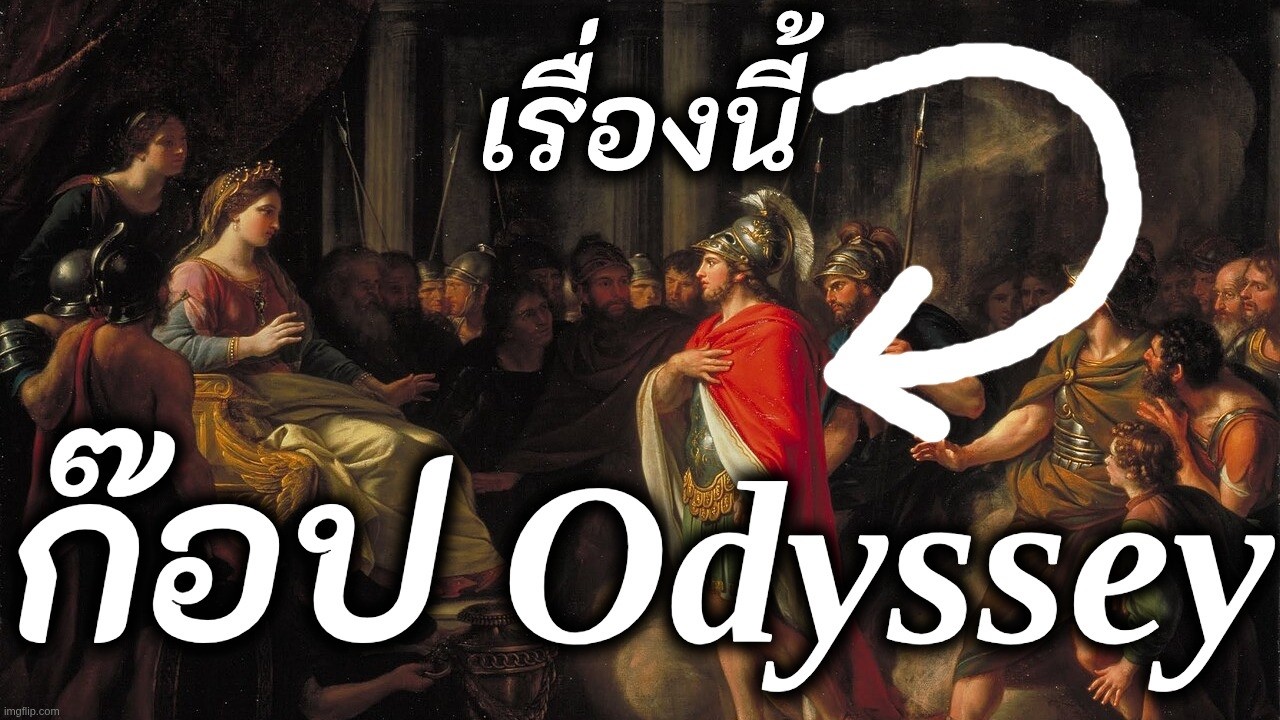



In Homer's Odyssey, the gods serve as powerful narrative devices that provide omniscient perspective, drive plot development, and create dramatic tension through their interventions. Athena, for example, guides Odysseus's journey, sends dreams to characters, and enhances heroes' appearances without diminishing their heroic status. The gods' involvement reflects Homeric society's belief that divine assistance enhances rather than weakens heroes, and their interventions reveal cultural values about justice, sacrifice, and moral testing. The gods' presence allows Homer to transition between wide narrative views and close-up scenes, creating suspense while maintaining audience engagement through divine manipulation of events.
The Role of Gods in Homer's Odyssey: Classical Civilisations AS Level
Added:Familiarity with the basic plot, key characters, and narrative arc of Homer's 'Odyssey'.
An understanding of the primary Olympian pantheon, particularly the attributes and domains of Zeus, Athena, Poseidon, and Hermes.
Basic knowledge of key ancient Greek cultural values, especially 'xenia' (the guest-host relationship) and 'kleos' (renown/glory).
A foundational grasp of the concept of fate ('moira') in ancient Greek thought and how it relates to mortal life.
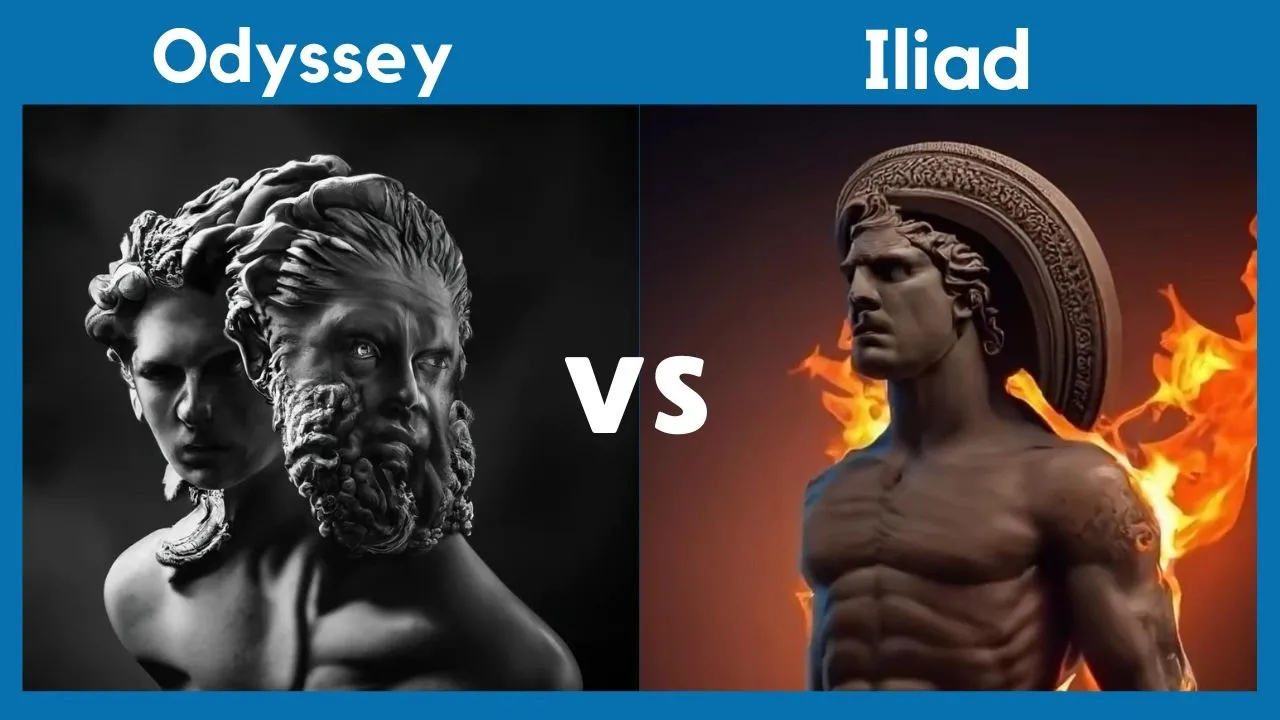
Comparative analysis of how the roles of the gods differ between Homer's 'Iliad' and the 'Odyssey'.
Exploration of the philosophical critiques of Homeric theology by later Greek thinkers like Xenophanes and Plato.
Study of how the divine apparatus is adapted in Roman epic poetry, specifically in Virgil's 'Aeneid'.
Examination of the representation of justice ('dike') and cosmic order in other archaic Greek texts, such as Hesiod's 'Theogony' and 'Works and Days'.
3.9K views48likes13:43Original Release: 2012-04-25
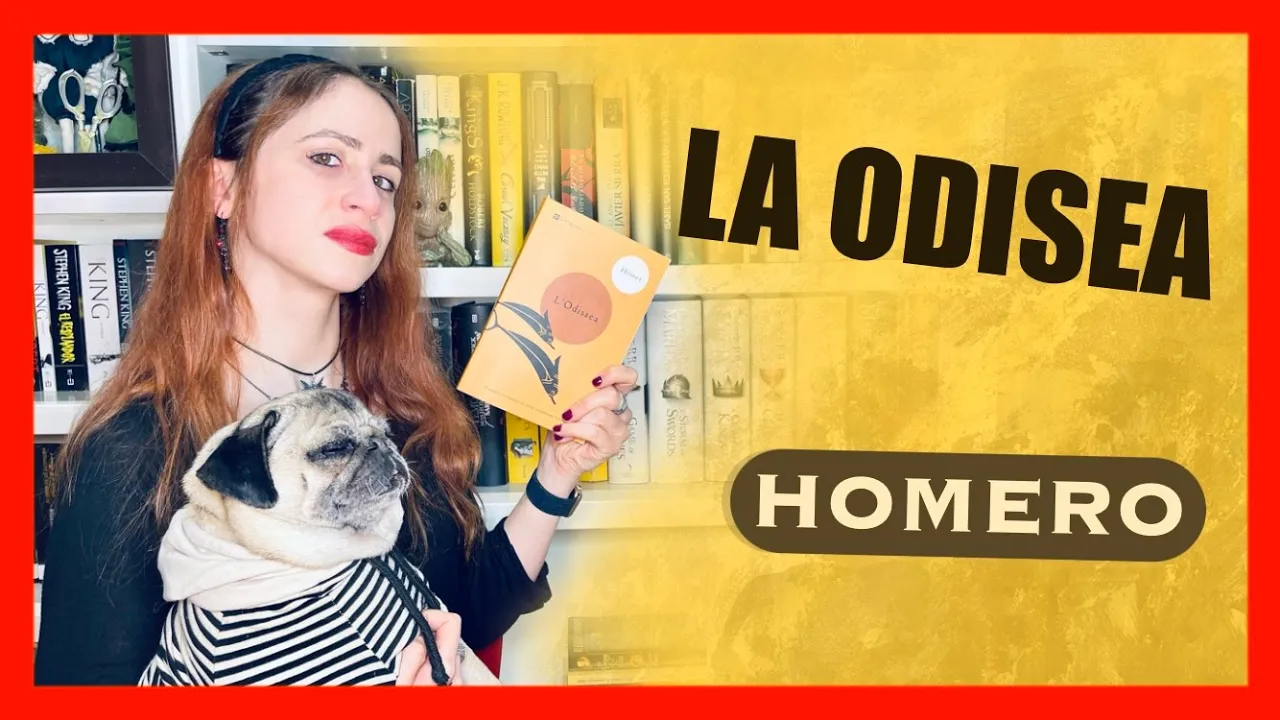
hi my name is Ka I'm doing classical civilizations for as level and I need see more Vision cuz the exam is in like 3 weeks so today I'm going to be going over um themi and the Odyssey and this video will be focusing on the role of gods mainly with a bit of fate and Justice throwing and that's in the Odyssey and the was WR my home so start off with Gods um they serve l D functions within him poetry and at the beginning of the Odyssey the gods are all having this big Council this big meeting um they're discussing things like aisus and all other families that live below them all The Mortals and um the Council of the Gods and the Olympians bird iew that um gives us the audience the same reaching knowledge as them and so it allows us to go from like this wide view lens of from like well the gods are looking down and then it can sort of go into closeup of various scenes so like for example we're looking at this we're looking at all the gods talking about everything Athena getting annoyed with her dad for not looking after aysus and then all of a sudden we go straight into what's happening in telemachus's house and what's happening with the Suites and stuff so we can go from really far away to really zoom in and that's we can do that because of the Gods um they come in one of the Gods comes in in book two and we think it's Mentor but it's not it's actually Athena and Athena is disguised as mentor and she comes in and says that the suitors will be punished um and because she said that because she's come in and told us already that the SES will be punished that means that Homer drawing suspense intention out of how they'll be punished because the story is really well known known all the audience in them homeric times will be like yeah we know the story we know they're going to be punished but Homer can change um the details in the story so they don't know how they're going to be punished so yeah so the outcome is inevitable but it's like really built up so we can find out what's happened and Homer also uses the gods to draw the narrative and that that's like they make convenient starts to action like um adicus is being brought out of his girly and glorious hidden despair um like athenus obviously sent Hermes to um get adicus moving um cuz he's like stuck on cp's island and isn't really bothering to do anything about it we assume although that's kind of vague we don't know if the adus actually can't get off or if he can't really be bothered cuz he does get off surprisingly quickly when um cypo just like go so anyway so Athena sends Hermes she send Hermes to get dis smothing Athena also Spurs T son to go on a journey to make him famous to Wi Glory cuz to be honest he's not really doing much back just sitting there just going oh my dad come home so Athena sends him off she also gives aysus this plan to destroy the sutors um spoiler if you Haven read it but three month three weeks to the exam I think you should have read it um yeah so she ssus has plan to destroy the suitors and she also comes in in the battle doesn't she and like makes them all lose their wits and go mad and finally end the Bloodshed beef and even like a really small level cuz all of those were quite main things um in the story that she's done she's kind of really affected the story there are also lots of small things that they've done um she sends her dream Thea sends or think metha sends a dream to noica um and that Spurs her to go meet adicus she also sends a vision to Penelope when Penelope is really upset and crying in her bed and she sends the vision of pel's sister um kind to stop crying and stuff and that Comforts her um pel just thinks that's a dream though but she's comforted and stuff and she all um oh she makes all of them look good like all the time like she makes Penelope look absolutely so hot so beautiful when she comes down so the cats will like still love her so much um oh she oh she makes p all the time she makes adicus look great like when he's an NAA so she's like well he is good um cuz before when they first meet he's like naked and has just got leaves all over him so that's not the greatest thing so when he's all washed and showered and everything he looks better he looks like a god I think I think that's one of the quotes he looks Godlike or something so very good uh she also hides if from IUS Anda so lot of small things aen does um and because dsus has always got Athena even though she doesn't he doesn't always know um that sort of relates to the homeric world having health of gods doesn't make you weaker or less of a hero um even though Ajax think does but this is such a tragedy so I'll talk about that in another video but um in the homic world H helps God does not makeo or l a hero actually enhances the hero and gives them a special magn magnificence and everything and they all know that adicus has the Divine on his side very clearly um so everyone's like wow you've got a God on your side that's so cool cuz aysus he isn't he's great and stuff but what could he have done without Athena to be honest because he wouldn't have well without any God to be honest like he makes the um all I can't actually remember who is he makes the god when he's on cersei's little place and without him anyway without them I put it underneath I'm WR to my description and without that God he wouldn't have been able to escape um he' been turned into a pig and eaten and be dead and that would have been a really boring story like everything aysus does she has to God's help for but that doesn't make him pathetic or anything um to us we're a bit like yeah great well if you actually done anything have you ysus but to everyone else they're like well you've got God on your side that's so cool yeah but um there are some people who think that the gods of Homer aren't actually real they're like well of course they're not real but I mean in the story they think they're just like literary devices and they're in the epics like only to give a b h with the B some way to include variety and like cause and effect and stuff because of course they're like hilarious in some places and another place is they explained our way as like a psychological motivation in the characters themselves however they do add a bit more than that but that's kind of they do do lots of strange things um and the epics I call the novels there are sofs from which we can derive insight into homeric society quote from my notes um like there's loads we find out loads about rituals within the Odyssey For example telemus tells Penelope to Bow sacrifice to the Gods in if sutors will grant them Vengeance no if seus will grant them Vengeance on the suitors cuz they obviously want Vengeance because the suitors are absolute idiots and no one likes them and they have no friends apart from each other so in book 17 they want Vengeance on them so Y and um what else have we got Nest son I'm going to say this wrong patus Straus anyway he says that all men need the gods which they kind of do cuz look at adicus he's awful without him really um when telemus arrives at pyos the locals are sacrificing to beside them um remember Athena's there too she's all disguised and she loves it she's like oh pass me the car join in she finds it hilarious because she's a god dressed up she's like oh let's sacrifice to other God and at the end she loves it because Nester sacrificed to her so imagine if you were there and they were like oh let's sacrifice to the great kind I just be like I I I see no problem in that I'm perfectly happy with that so obviously Thea is perfectly happy with that um and yeah alanus mentions that Gods walk among men in this disguise well obviously but tus thinks that means that his father is a God when he comes back he doesn't know who he is he's like oh must be a god Al say they walk on them in disgu must be a god obviously it's not but he does look fantastic iena made him look like a god um in book 17 we're told the gods W of the earth um hidden to test mankind for virtue and vice and stuff and that's true in the sense like dsus is tested when he went to norica and um he was saying things to her like oh any per any man will be um honored to have you as wife and her dad is like oh Qui take my daughter and he was like no I have a wife it's okay very honored which is like a really big test to show if dises can come back and like be normal again cuz n NASA would be perfect for him apart from She's 14 but they don't really care about that to be honest one sec my battery's dying um where if my leave there it is so um yes so Mala would be perfect for him cuz she's like really cunning um is she cunning yeah I think she is anyway so m is great so that's just a test to show that he really does trust canapy and loves canap and stuff okay all charging up that's good um what else have we got oh yeah the God's command fear and they're not always just funny they are I think they're always funny I think it's funny that Poseidon's on holiday at the beginning away with his friends and then gets angry and comes back but they're not always just funny um even like um's dogs herder they recognize divinity when athenas comes to Huts they're like freaking out they're terrified so even the gods are very um dogs are very good at recognizing gods um when telemus and aysus take the weapons out the H in 19 and Athena likes the way in the passage telemus re telemachus's reaction is like oh my God this is so cool he's like a really childish man he's like a and reverence and Athena there is mysterious she's not comic but she always is um when Athena raises her Aus AIS I know how to write it I don't know how to spell it and yeah when she raises her agis against the sutus in book 2 too they all lose their wits and are like they go mad don't they so um yes sorry one second I was choosing another song I have to have songs in the background otherwise I can't revive um oh yeah the characters of homus Creations believe that the god are powerful and need to be woried we've looked at the rituals SP about bit about the rituals and they're really common and they think that only fools transgress the laws of the Gods those who do are punished um as you see the suit of disena they're punished they things and the gods are more to a contemporary audience than like merely literat devices it's kind of hard for us to understand like the reaction of this different culture that would have listened to it with the politic Gods but um we shouldn't assume that their reactions are the same as ours especially when it comes to religion we're like um why are they doing why are they cutting off so or sorry my hair's awful I've just been out in the rain it's still wet um but they're like why is this person cutting off this shoulder and feeding it to this boy little boy shoulder and feeding it to the gods why do the Gods like that um that's some tragedy go that but um but back in the olden times they're like Yay cut of shoulders feet stuff actually no they didn't like that like Yay cut of pigs yay cut up little girls and like kill them for wind and stuff so yeah so we must remember like when we write something about it um it doesn't matter what we think it's what the homeric audience back there would have thought would they have thought wow the gods are cool would they me like no but they would have been because um it's all different back then yeah so I think I'll go over Justice in another video because this one was quite long and I just mostly talk about the gods but um we might be asked about like how the gods add to the Epic um if they're necessary or whether it's better without them and modern per take might not include them um cuz it's like a post our old own culture but if we didn't have them what would we lose like um for example with the ilad I haven't read it talked about it lot in class um we don't need to until next year um in there's like a film version of it Troy um my teacher written that it is abominable so it must not be that good um the answer should be obvious like with the loss of the Gods kinds like the loss of moral imperatives and stuff which perve the Epic as a message to its contemporary audence um and that leads nicely on to just Justice which I'll be looking at in the next video so thank you for watching good luck with learning about the gods and good luck with your classical civilizations as level um I think I need it
Up Next

95:44
Brave New World vs 1984: A Debate on Dystopian Visions
@Intelligence-Squared
719.6K views•2018-02-12

40:06
Street Haunting: Virginia Woolf’s London Essay Analysis
@ExtraLiteraryAffairs
146 views•2025-01-24

6:08
Point of View in Fiction: First Person vs. Third Person
@magicalthriftyteacher
153.8K views•2014-03-31

15:25
1984: Orwell's Dystopian World and the Mechanisms of Totalitarianism
@AlternateHistoryHub
7M views•2017-03-04
Related Study Plans & Knowledge Roadmaps
Structured learning paths in Literature
literature
Graphic Memoirs: Visual Art, Trauma & History
01Foundations of Sequential Art and Visual Language
02Autographics and Processing Historical Trauma
03Visualizing Personal Trauma, Grief, and Graphic Medicine
+ 2 more learning modules
14h5 modules
Explore Roadmap
literature
Campus Novels: Evolution, Themes & Critique
01Introduction to the Campus Novel Genre
02Mid-Century Satire and the Post-War Academy
03Dark Academia and the Critique of Privilege
+ 2 more learning modules
14h5 modules
Explore Roadmap
literature
Theater of the Absurd: Philosophy & Plays
01Postwar Existentialism & Historical Roots
02Dismantling Narrative: Esslin & Absurdist Conventions
03Samuel Beckett and Tragicomic Existentialism
+ 2 more learning modules
12h5 modules
Explore Roadmap
literature
Revenge Tragedy: Justice, Madness & State
01Foundations of Early Modern English Theatre
02Anatomy of Revenge: Structural Conventions
03Psychological Complexity: Madness and Melancholy
+ 2 more learning modules
15h5 modules
Explore Roadmap