

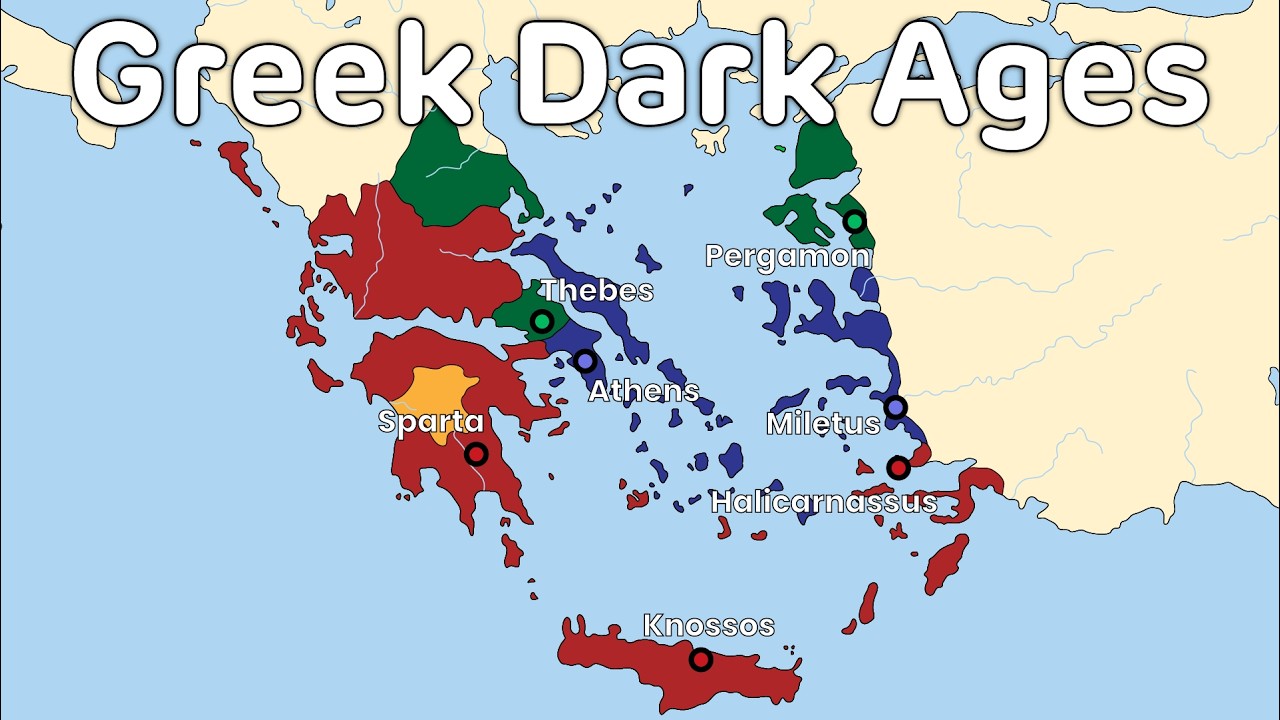

















![에게 문명 [통합본] ─ 미노아 │ 미케네 │ 트로이](https://i.ytimg.com/vi_webp/mCpoPIvNYJY/maxresdefault.webp)
The Homeric epics, The Odyssey and The Iliad, are foundational works of Western literature that originated in pre-literate ancient Greece and were transmitted through oral tradition for centuries before being written down; these epics reveal essential aspects of Greek culture including the importance of oral tradition for preserving cultural identity, the concept of xenia (guest-host relationships) as a sacred social bond, and the distinction between nostos (homecoming) in The Odyssey and kleos (imperishable glory) in The Iliad, which together illustrate how ancient Greeks understood honor, mortality, and the human condition through epic storytelling.
Homeric Epics and Their Impact on Greek Culture | Lecture Part 1
Added:Basic familiarity with the narrative outlines of the 'Iliad' (the Trojan War) and the 'Odyssey' (Odysseus' return journey).
Understanding of the historical transition from the Mycenaean Bronze Age to the Greek Archaic Period, which forms the setting and composition era of the epics.
Concept of oral tradition and how epic poetry was composed, memorized, and performed by bards (aoidoi) in ancient times.
A foundational knowledge of the Olympian pantheon and the role Greek gods played in the lives and fates of mortals.
In-depth analysis of specific Greek ethical concepts introduced in the epics, such as Kleos (glory), Time (honor), Arete (virtue/excellence), and Xenia (sacred hospitality).
Investigation of how the Homeric epics fostered a unified Panhellenic identity among fragmented Greek city-states (poleis).
Examination of the 'Homeric Question' regarding the identity, unity, and existence of Homer as a historical figure.
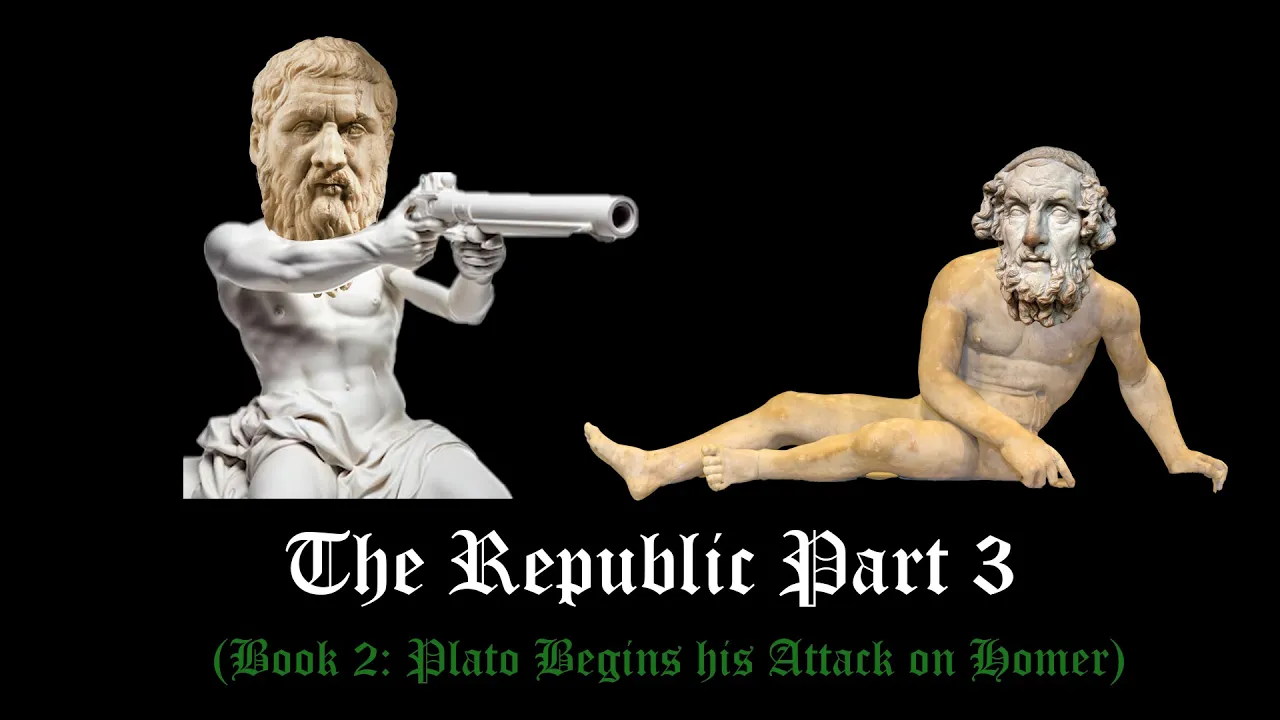
Analysis of how classical Greek philosophers, particularly Plato in 'The Republic', critiqued and challenged the moral authority of Homer's depictions of gods and heroes.
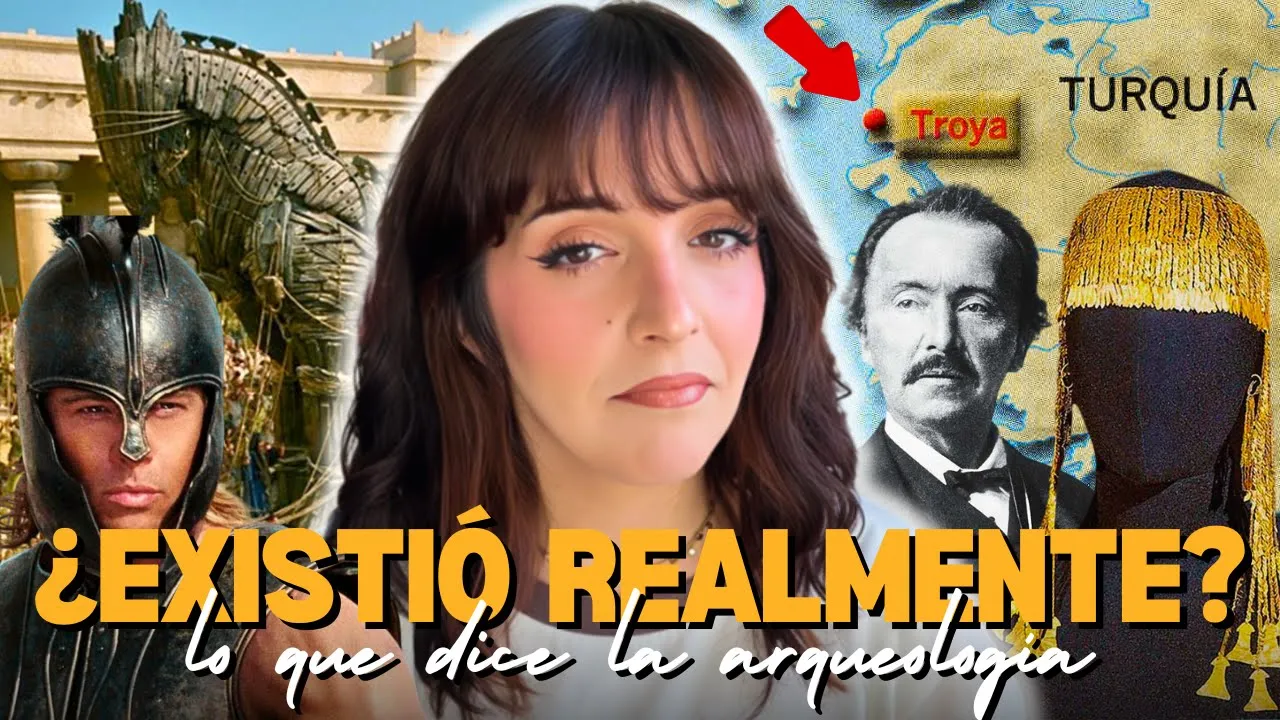
Study of archaeological discoveries, such as Heinrich Schliemann's excavations at Troy and Mycenae, to evaluate the historical reality behind the myths.
233 views3likes30:02Original Release: 2013-03-25
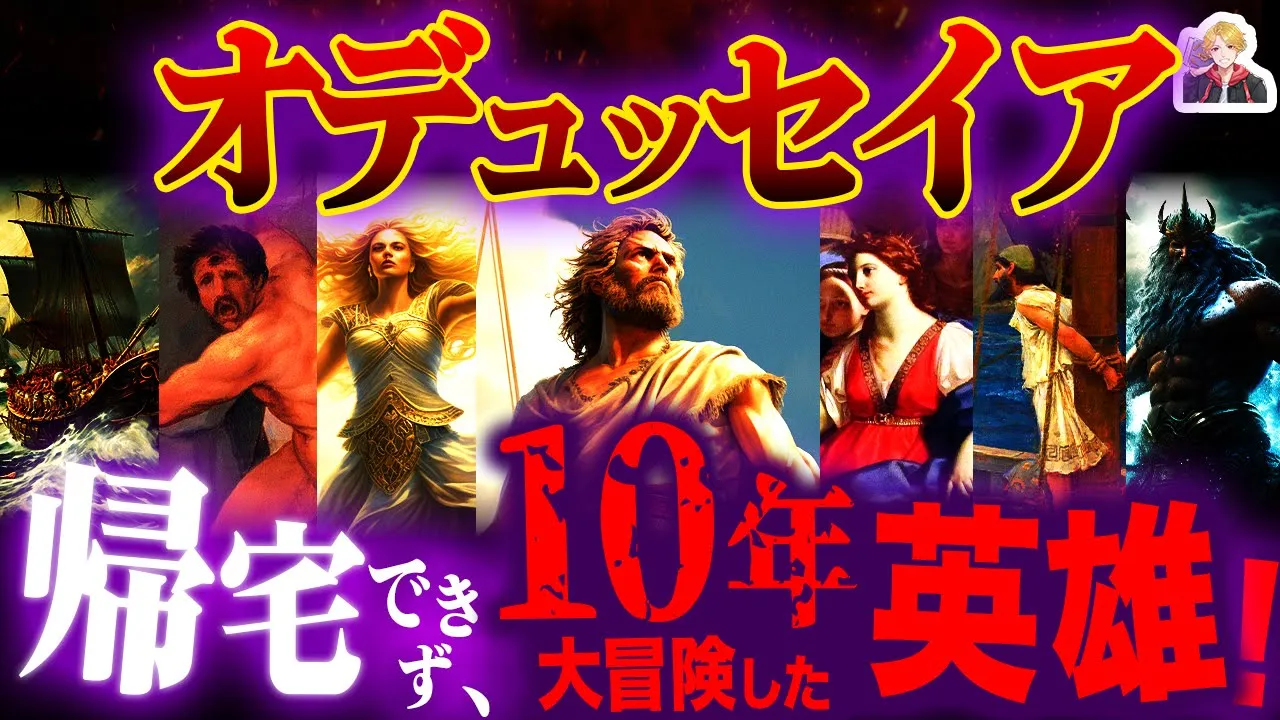
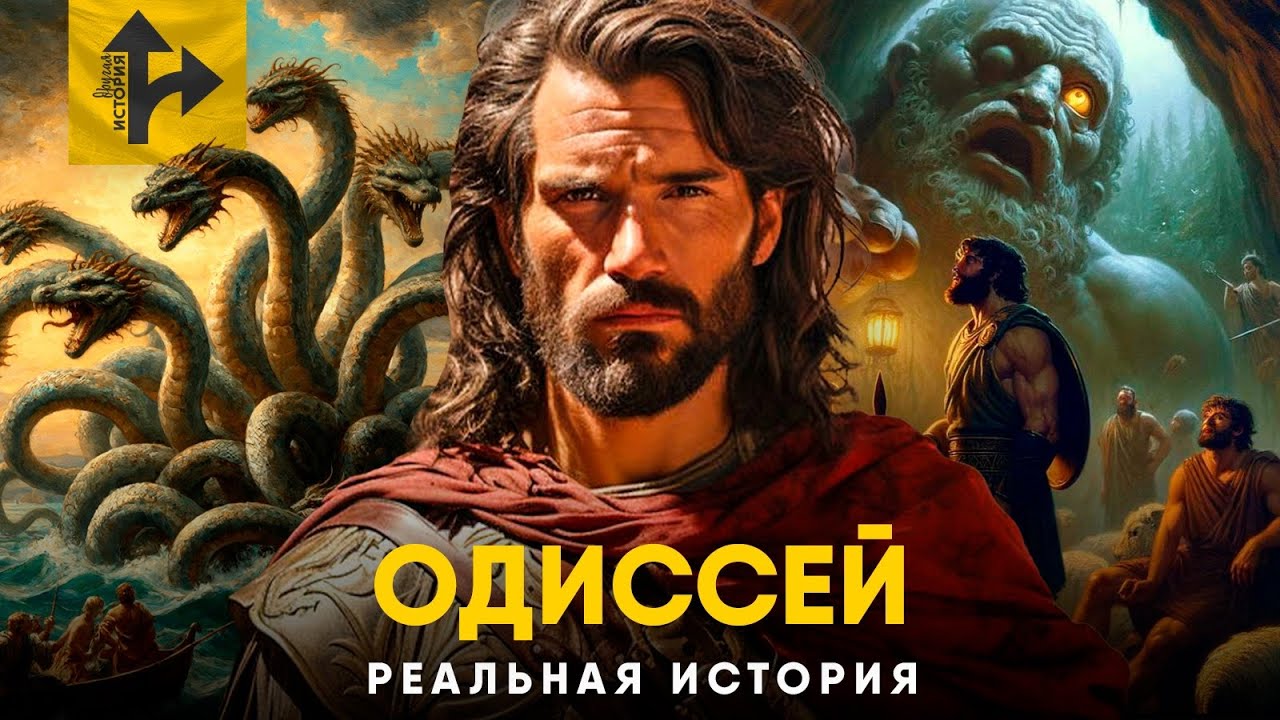
head okay hello everyone welcome to the second speech or this spring season of Taipei discussion and learning today we have Tom leshnick who is going to talk about Homer and what is it the Homer epics yes the Americans yeah American picks Universe on the ancient Greek culture and consequently on the western culture we also they say that the Western culture started from ancient Greece but how how do we do it we maybe some of us are not not really clear about it uh there was this uh this guy called Homer and who wrote not really wrote but he invented this is responsible for responsible for inventing these epics the most famous are the odise and The Iliad they were produced in the preliterate time of the ancient Greek period and later became a very big subject of studies of all the the scientists in the world like linguistic linguists philosophers artists I mean anthropologists yeah and so on and so on okay so without further Ado I think Tom is ready okay so good evening everyone so yeah the uh like he said there's a lot of us that don't know anything about how our Western our request our culture came from and I'll say I'm also one of those um although the home although what I have learned in my brief study of this stuff I said something like that I'm still by no means an expert at all I've done a 24 24 series lecture course on this side I really am not an expert so um I will just convey what I have learned uh anyways today I will discuss the homeric ethics or the epics by Homer The Odyssey and The Iliad the uh this is a treasure Trove of information and I the professor that I took this classroom mentioned that she has only 24 lectures to convey the information she wants to convey and she could do it in uh in over years of daily lectures and then never and still never run out of information so my challenge is to do this in 20 minutes um I'll try to do it in 20 minutes I'll be missing a lot of things uh so anyways over this time I want to over five main points first the importance of oral tradition in pre-literate cultures uh number two how the homeric ethics are possibly the most important examples of oral tradition in Greek culture three I want to do a quick summary of both Iliad and the Odyssey let you know the key points and then from those summaries I will draw on the important themes that I've highlighted they're more important themes in this book as well but the ones that I'm choosing which will be war and loss war and Glory Zania which is a Greek word I'll translate that very soon and the wrath of God and the Wrath of the Gods and the Wrath of the cuties so those are the themes I'm going to explore and then next point I'll move on to it their influence on Western literature and last part is just my selfish part about saying why I like it um the importance of oral tradition in pre-liter cultures right now in today's society there are a multitude multitude amounts of Information Technology that we can we can use to see technology you think about it we have TV shows movies music and that's not even the more modern if you bring an information age it's it's ridiculous but the uh if you think think about a culture not just that doesn't have writing but it's before any electricity any type of Technology they really only have what they what they say that's the only way to transfer information from one person to another person and uh right right now nothing that we have will ever be forgotten but before if it wasn't said again it would be forgotten now think about culture from so um what does what do we get from our from our TV shows movies and music and whatnot we get values that are important we learn we have lessons what what how we ought not to behave or how we ought to behave it's usually about how we shouldn't behave um there's a lot of these different lessons that actually keep our keep our culture together whichever culture it is that we're living in in that isolated culture if everyone follows these rules the culture functions and if you don't have anyone if no one's following the rules or no one knows what the rules are it falls into disarray and uh and Chaos really um the anthropological definition of of culture is the Learned patterns of behavior and thoughts and tools that help a group to adapt to its surroundings passed down from generation to generation so anthropology anthropology anthropologists anthropologists look at look at culture as a tool that a society develops that helps this Society deal with all the issues in the culture everything that could happen to them there's a specific thing okay if this happens this is how we reactive if this happens this is how we react to it so if you think about culture in that sense as a tool that a group of people new to you in order to in order to function then the importance of oral tradition in a preliterate society is unbelievably great if you think about the uh the only way to keep themselves as a functioning Society is by the stories that they tell that is one huge thing other thing is how do you tell yourself apart from other cultures around you the stories you tell and the the gods you believe in and whatnot if it wasn't for if it wasn't for a strong World tradition you would have uh no cultural identity so that is I I don't have there's a lot more I could talk about world Traditions I think it's fascinating um there are a few cultures that are still existing that are uh bardic cultures where they where they sing their history and whatnot from from generation to generation very very interesting stuff I guess we can talk about in a discussion time later but that is about okay and now the the homeric epics as important works of region of Grecian oral tradition uh for me when I first read The Odyssey in the Ilia that didn't I had no idea that it was actually um really it was it's really performance art it's not it was not really a book it's a it's a thing that you and your family would go see in Greece and a Bard a singer would perform it and would sing it to you and you would sit and listen sometimes thousands of people would be uh would be attempting to listen to One Bard recite or sing The Odyssey of the idiot these the the events that um that transpired that transpired in The Iliad The Odyssey is a lot more um Supernatural and and and Mythic than the alienist The Iliad is actually most Scholars now believe now all do actually believe that there was the Trojan War and that a lot of the events in the book are true um that's still open for debate but anyways regardless the events that took place is now believed to have transpired in like the 1300s BC uh anywhere between 1100 to 1500 BC and the uh the Greeks didn't actually develop a written language until 500 BC so depending on which which age which year you want to look at it could have the uh the elite and the Odyssey were sung for 500 to a thousand years before they were written down now there are lots of other works that we've lost in fact we probably only have about four percent of all the Greek literature Greek cultural works that ever existed because of the difficulty and even once they did develop a writing system they were using Papyrus and Papyrus would rot and need to be recopied every so every few months before before today so just the fact that these two do exist right now shows their importance to the to that Society just the fact that they that these are two Works uh are still with us show us their importance the um in this you can find very clear definitions of social rules the role of the life the role of a husband the role of a soldier the role of a of a person that's worshiping a God or or Hiatus uh believer in a god um you can find all types of social roles explained in these books you can find lessons on how you ought not to behave you can find uh you can find very important stories within the stories that are uh that make up their history and you can also have a very clear definition you can see a very clear idea of how the gods um How the Gods work with with the humans and how everyone gets along and what the relationship is there so that's another reason just the fact that you can see all the all the main reasons why oral tradition is important for preliterate culture all these things that are important to be passed down all of those things you can see in the elite and the Odyssey um so the there's controversy right now about whether or not Homer was a person or he was a Shakespeare or so to speak uh some a lot of people believe that it was one person that wrote it and or a lot of people believed that uh it was it was sung for at least five to one 500 to 1000 years and then once they had a written language they wrote it down a lot of people believe that because in the in our studies of other bardic traditions where bars are reproducing Works we've done studies where we asked the bar to produce the exact the same bar to produce the same exact work two years later and he did it and we had with a tape recorder and he was different actually and we said is that the same exact thing you sang to us two years ago I said yeah whether or not that is actually them just wanting to get some money or whether it's uh whether they actually believe it's the same work and slight variations in it make are of no no consequence um it's possible but anyways there are there's a school of thought that also believes that our copy of the Home Run of the Odyssey and The Iliad are just snapshots of one particular bard doing this in that particular variation that he chose at that time and that's what we have right now we don't we don't actually have a representation of the whole kind of work and some so there's it's open to a lot of debate um about who Homer is uh I believe that he was a person that actually did create this work I whether or not he wrote it down in writing uh I think I I believe that he was probably uh he's probably part of the pre-literate Greece that didn't have writing he he made these stories and they were sung they were they were homers Iliad and Homer's Odyssey were sung throughout time and finally it was written down but I won't go into why because I don't have much time so uh um generals generals filial piety God's values excited okay so a quick a quick uh overview of the Odyssey and The Iliad so in the Odyssey I'm going to talk about the Odyssey first even though chronologically The Odyssey happens after the Odyssey is the return of uh on Odysseus is the return of his return home after the Trojan War and all the problems he has in that and uh is the Trojan War I'm going to say the Odyssey first for a couple reasons a first of all the alien is way better I think uh and it's better for last but in the Odyssey you can see it sets up it sets up the stage for people like us that don't know Greek culture homework took took for granted that everyone part of his audience knows these stories on 100 and knows all these different people and there's all the everything that's that it's referring to we don't so the Odyssey kind of sets us up and the iliad's much more complicated so it's easier so anyways in The Odyssey um she uh Odysseus is is a returning home it takes them 10 years to return from Troy to his home and uh the the reason why it took so long is because of some of the atrocities that uh that the Greeks performed during the sacking of Troy which is when they when they finally defeated Troy and they went into the City and they uh and they sacked to Troy they did some very very bad things that the gods the angered the gods and the gods made it very difficult for the Greeks to return and uh before I go any farther actually I forgot to say one thing Greek uh all ethics actually can be can be put into two categories nostos or cleos epics nostos is the Greek word for homecoming and cleos is the Greek word for the way we would translate would be imperishable glory not it's hard to imagine but chaos is um well claos is really what The Iliad is about so I'll return to that later but the the Odyssey is a nostos epic it's epic about a homecoming it's an epic about a person who's trying his best to get home um that was a very very important part of of uh degree culture is to get home and to enjoy the glory that you have won for yourself while you're still living during um during his return home oh sorry during the sacking of of Troy Hector who was a um who is the Trojan hero amongst the amongst the Trojans he is his by the way in the in the Ilias Hector was the alien one of the very very tragic parts of the alien is that Homer really paints a very very uh human portrait of the Trojans he doesn't want us to hate them he wants us to identify with him he wants us to love them in the uh in The Iliad you see Hector with his with his baby son in his hat and his baby son's a little bit scared and Hector takes off his helmet and uh and the baby recognizes him as his father and he kisses his father he kisses his son goodbye and these and he goes up to Zeus and says I wish that someday this boy will become an even greater Warrior than me and Homer says Zeus Zeus heard his prayer but did not uh did not Grant it yeah one of the atrocities that happened during the sacking of Troy is they threw his baby from the tower uh they raped uh Cassandra iOS the Lesser raped Cassandra in the temple of Athena Athena is a virgin goddess she's a servant of Athena so it's kind of under Athena's protection and uh and uh first of all it's it's the rape of the servant of God so there's there's three or four main uh big problems with what with what iOS the Lesser did and uh King PR King Priam Hector's father was killed while he was on his knees holding on to the statue of Zeus which means he gave himself up to protection to Zeus and killing him there would be an attack on Zeus so these are a few of the atrocities that were committed during uh the sacking of Troy and it spread the Greeks all over some of them weren't able to get home at all so a lot of them died in the and the way he says his uh Zeus deprived them of their of their nostals of their homecomings me killed them uh the Menelaus and Helen this whole battle was because of menelaus's Helen they've got blown off course and spent seven years in Egypt Odysseus took 10 years home he was a captive for seven years he was um he was in he was captive for seven years in one place one year another place blown off course ship destroyed injured um so and Odysseus one of the reasons one of the Odysseus's personal uh problems with the guys is he blinded Cyclops and that was Neptune's uh Neptune or uh Poseidon if you're the Greek gods that was his son so anyways the nostos is what the uh is what artist is uh Odysseus is looking forward to and when he's a captain for seven years with a beautiful beautiful Greek Goddess that uh that forces him against his will to have sex with her every night um he just longs to see this the smoke coming up from his his Island in Ithaca he longs to see the day where he can he can have his homecoming uh the um okay and one more thing about the Odyssey is it's Zania I mentioned Zenia is a very very important part of Greek culture you can it's very eminent by In This in these two books um is defined as guest host relationship it is a set of rules that tells you if you're a guest how you should behave in another person's house there's a time before hotels if you are traveling to another place and you just spend the night we'll spend the night at someone's house so if you're traveling it's the set of rules that you have to be do as it follows a guest it's a set of rules that the host has to follow as a host and these are ordained by Zeus so Zeus if you break these rules Zeus will you'll have Zeus to answer to um this was 100 believed in Greek culture uh and you need you can't be having dangerous Travelers walking around without fear of a God and people staying in each other's houses with this wouldn't work but unless there is a fear of of repercussions if someone doesn't honor this uh this is Ania so in the Odyssey one of the very very nice things about the Odyssey is you can see many cases of goods in here when the host was doing all the things that should be done and how it and how it uh what how it transpired afterwards and bad zunia the worst in the impossible is Cyclops brought obviousness and then he and he ate his uh companions you don't if you're in the guest house relationship you don't eat your guests and uh the Cyclops ended up blind from it there's throughout this whole uh throughout this whole book there are million million pound million I would say probably eight or nine very very good examples of little uh a quick little thing on this the in the okay um so there's there's one uh there's one line that Odysseus says to himself every single time when he's wandering home he comes across a new new uh civilization That civilization hasn't met yet and he he knows that he's going to have to offer them offer uh himself to their Mercy in order to get home the only way he can get home is to be their help and at every time he gets to one of these uh places he says alas what kind of people have I come amongst are they cruel Savage on civil uncivilized or hospitable and Humane and fear the Gods so he says that same sentence every time and sometimes just after the sentence his companions get eaten or bad things happen there they turn out to be uncivilized and civil and civilized and cruel and sometimes he has the best you could possibly imagine um it's I won't have enough time to go more farther into Sania but it's a very very important idea in Greek culture and it's kind of one of the things that keep that kept the Greeks together um if you if you think of Greeks the Greek being in many different city-states that actually Ward together sometimes um they were able to unite and uh and fight off the Persians twice then they're just all being small city-states when they had a threat to the outside they were able to unite and and fight out the Persians so so this Unity um helped through helped by with Zinnia there's actually a huge a huge help to the Greeks very important to them so um war and loss why did I say war and loss well while Odysseus is gone he is uh by the way he he left to the war from Ithaca taking ithaca's youth taking all of the youth that Ithaca he's the king of Ithaca and he took all the youth that's all the people that are able to able-bodied Fighters with them none of them returned they all died because of Homer Homer Homer in order to uh to let Odysseus be the great leader he is and still let his uh let his companions die Homer attribute attributes it to them eating the cattle of a specific God that Odysseus said don't eat that cattle but they ate it anyways and they were all they were all killed but um while he's while he's out the younger generation is he's been gone for 10 years no one knows if he's if he's alive or if he's dead and the younger generation their suitors are trying to marry Penelope his wife so this is a very very good example of bad bad bad zunia they refuse to leave her house they eat his uh his his pigs and his uh sheeps and all of his livestock all the time they're drinking his wine and they're harassing his his wife and she is offering these things she's doing all the all the things she needs to do and they're not they're not uh holding up their end of the bargain later they'll have consequences um also their sheer lack of um their sheer their lack of Honor towards the lack of honoring this this thing their lack of respect towards Elders there's many examples but their lack of a lot of things that are really really unacceptable in Greece Society shows what happens to us to a society when the fathers are gone for 10 years when you have a group of boys others Penelope at this time as here's here's an example of Social and gender roles being discussed Penelope is is completely uh Torn Between Two conflicting roles she doesn't know what she is is she a widow is she a wife if she's a wife it's a very very clear role she has to kick out the suitors and to uh and to and to wait for her Faithfully wait for her husband to come home if she's a widow it's a very there's no in ancient Greek society there's absolutely zero place for a single woman uh if she is a widow then her duty is to go back to her father and let her father choose another husband for her maybe let one of the suitors marry her so be this this conflict is what is also allowing this problem to be happening at home um so that's war and loss loss of a generation of fathers loss of parenting towards towards the youth the youth being completely out of control um some more loss to uh the Trojan War was 10 years long that means that this has not been done 20 years uh when he was gone his son telemachus had just been born or was still in the womb meaning when he gets back his son is already 20 years old or 21 years old so he lost Odysseus not only lost his homecoming he um he lost his homecoming which is what he wanted he wasn't able to be greeted uh in splendor the way uh the way a Greek Greek hero should be treated he was he had to come back in hiding because the suitors were still dangerous at that time um he lost his homecoming he lost his son he lost his uh he lost 20 years of time with his wife the children lost their fathers then the mothers lose their children at the end when Odysseus kills all the suitors and you have you have actually two generations of people that are destroyed so the over if you if if you read these books in The Odyssey the over the prevailing tone is a tone of misery and sadness it's a very very sad tone summer tone throughout the whole book um and I believe that this is this is a war story in show in a way showing the horrors at the aftermath of War that's a big part of what the Odyssey is okay so I'm sure I missed a lot of things but I don't have much more time uh two generations lost okay okay so let's get into the Ilias The Iliad is a story of the Trojan War itself it does not cover like most people who saw Troy would think the actual death of Achilles it goes until the uh the death of Hector that is when it when it finishes after Achilles kills Hector is when it stops so you don't it's not the whole story of the Trojan War the rest of the story we've extrapolated from other works and references to other works um there are three other epics that are no longer in existence and we have summaries of them and some other things so we know what happened but anyways he um chaos and teammate are the two major words you need to know for The Iliad chaos is imperishable Glory like I said and teammate is uh I guess kind of like honor it's translated says honor but team a is physical representations of Honor if you're a soldier and you come back every single person you kill in battle you take their you take their armor and their weapons and you hang it on your walls and it's kind of it's physical representations of water pretty much anything you you get when you sap the city and when you sack a city it's very normal to steal as many women and children as you can that's part of uh that's put the women and children into slavery every person every Greek warrior when they're fighting knows what their what the stakes are they know that their their their family is at stake that their their kids will be taken off into slavery my wife will become a mistress um so all the things you get is actual physical representation of uh of Honor any gold whatever you take the another really good uh thing that the Ilia does is it is it gives a clear definition of the difference between Mortals and Immortals and it's it sounds simple but it's it's a bit more complicated when you really look into it the difference is literally Immortal and Mortal Mortals cannot die Immortals can die but if you look at that a little bit closer you see that actually risking your if you're an immortal person honor glory risking your life um bravery these are things that only exist for immortals Gods cannot be brave because they have nothing to risk there's a lot of things that only humans can have there's a lot of Virtues that only humans can possibly have in Greek in these in these uh ethics the and because humans cannot have cannot live forever imperishable Glory the chaos is their way to immortality now imperishable Glory I still haven't got into what that is Imperial Glory is what people say about you after you die it's songs that are sung about you there's many many references about about someday songs will be sung about you in this book is imperishable Glory is what people say about you after your death it's your way of becoming Immortal it's if we're gonna die that we need to make a story for ourselves and uh and they do this through Warfare another good example just let you know how important this is It's hard to understand how important this is Achilles knows before he goes to war that he will die if he chooses to go to war he is one of the oh he's the only case in all of the in all of the stories of all the Greek myths that we have he's the only case where the Fate is actually clear to this person if he goes to Troy he will die but he will have he will have uh Glory imperishable Glory he'll have chaos that unlike any person that ever could ever could imagine if he goes and he chooses he still chooses to go knowing that he's not going to be able to enjoy any of the spoils he takes back he goes because he knows he'll have this uh this unbelievable Glory that no one else could even dream of having so and if you think about it he did what are the what's their what's their Glory their glory is the songs and the stories they're told about them after they're dead every single person in the world today and their population of I don't know how many billions of people knows accused so in a way he did accomplish getting his his unbelievable and imperishable Glory so you have to understand how important these things are before you understand this next part that I'm saying it starts off with a fight between an agenda the king or the the leader of the Greeks in this case if there was no Greek like I said before there's no King for the Greeks the leader of the king and achilles uh both of them had sacked another town on the way Detroit and they both had taken uh they've both taken the female slave with them a mistress and one the slay the Agamemnon took was a servant of the god of Pablo and Apollo is angered and put a and started giving plagues to the Greeks and when they when when Eggman consulted a consulted his uh seer that Seer said you need to bring that girl back to her father and then the plays will stop I I remember that if you think about the girl is teammate the girl is this physical representation of Honor no one no Soldier wants to part with that they already have it it's kind of part of them it's and uh Agamemnon is angered by this and says okay well if I have to take it back then I will take Achilles I will take Achilles uh slave that he took and because of because of agamemnon's reaction because of agamemon taking Achilles slave um Achilles the wrath of Achilles now starts Achilles gives extremely angry with Agamemnon knowing that he's going to die soon anyways knowing that he is faded to die early um and he refrains from Battle that's where it starts I want us just so you can get a quick idea
Up Next

51:11
Did Jesus Really Go to Hell? The Harrowing of Hell Explained
@bartdehrman
70.1K views•2024-06-18

12:54
Triumph of Orthodoxy Icon: Byzantine Art & History Explained
@BenCallan
2.1K views•2024-08-06

9:49
FastAPI vs Flask vs Django: Choosing the Right Python Web Framework
@TechWithTim
302.5K views•2024-05-26

1:42
Game of Thrones Opening Credits: A Cinematic Analysis
@gameofthrones
46.3M views•2011-04-18
Related Study Plans & Knowledge Roadmaps
Structured learning paths in General & Interdisciplinary Studies
general-studies
Elevator Engineering: History, Physics & Cities
01From Hoists to Safety Brakes: The Dawn of Vertical Lift
02Hydraulic vs. Traction: The Engineering Physics of Elevators
03Modern Speed, Safety, and Algorithms
+ 2 more learning modules
12h5 modules
Explore Roadmap
general-studies
Rubber: Material Science, History & Geopolitics
01Origins of Natural Rubber & Mesoamerican History
02The Chemistry of Natural Rubber & Vulcanization
03The Geopolitics of the Rubber Boom & Colonization
+ 2 more learning modules
12h5 modules
Explore Roadmap
general-studies
Containerization: Evolution, Logistics & Trade
01Ancient Trade & Bulk Cargo: Amphorae to Barrels
02The Industrial Revolution & Cardboard Packaging
03The Containerization Revolution: Malcom McLean
+ 2 more learning modules
12h5 modules
Explore Roadmap
general-studies
Textile Tech: Evolution, Labor & Global Impact
01Pre-Industrial Textiles: Handloom & Cottage Industry
02Mechanization: The Spinning Jenny to the Power Loom
03The Factory System & Global Labor Transformation
+ 2 more learning modules
10h5 modules
Explore Roadmap