




![EL SIGLO XVII EN ESPAÑA - ⚔️Crisis monarquía de los Austrias ✔️[EXPLICACIÓN]✔️](https://i.ytimg.com/vi/J_2SqyucxbE/maxresdefault.jpg)






![Lazarillo de Tormes - Tercero de secundaria [Literatura]](https://i.ytimg.com/vi/1G661QayBeI/maxresdefault.jpg)


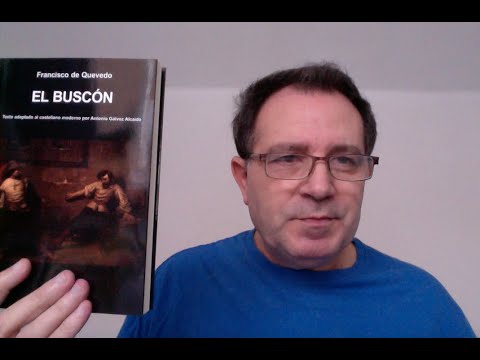

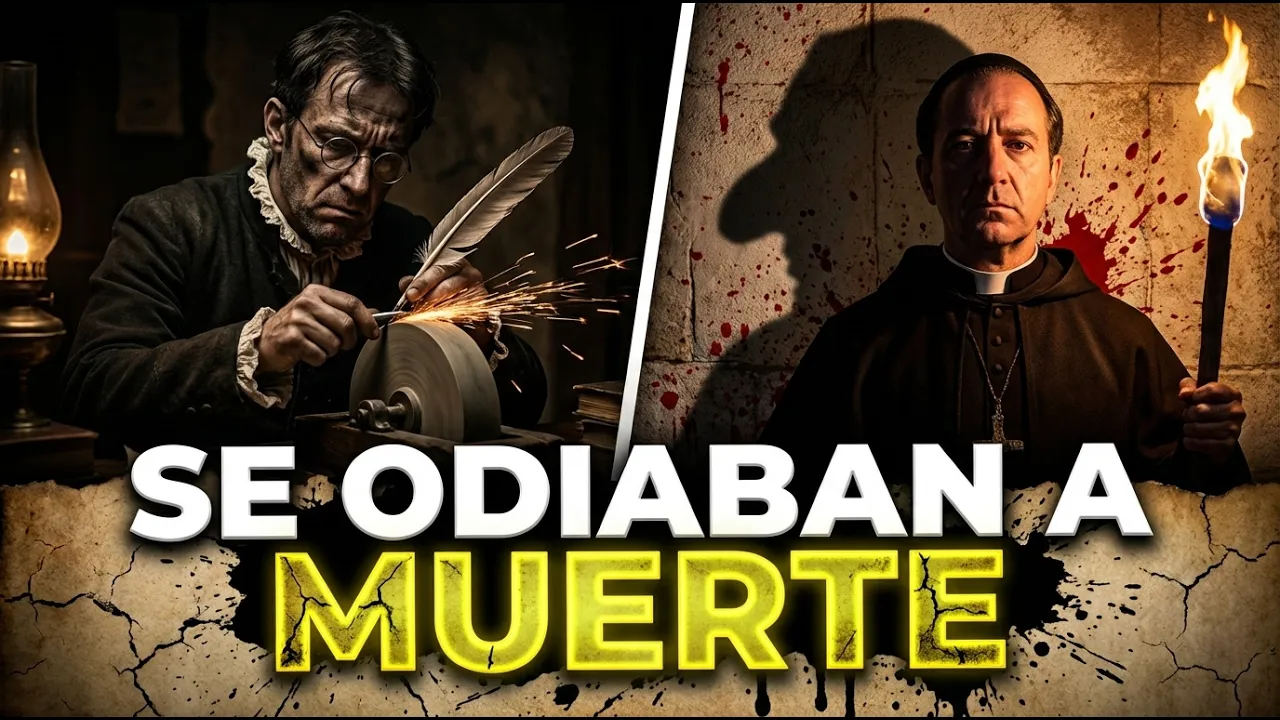







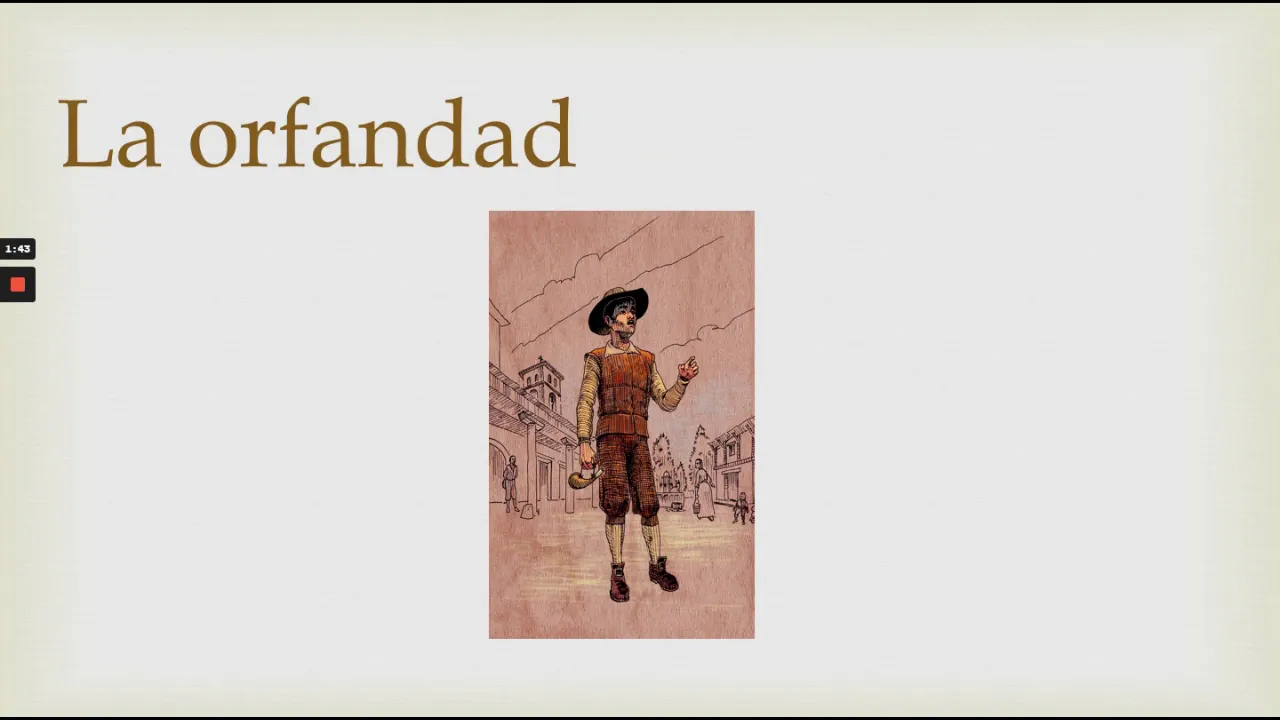
Francisco de Quevedo's 'The Swindler' (El Buscón) is a Spanish picaresque novel that follows Pablo, a young boy trained by his thief father and witch mother to become a criminal; unlike the lighter tone of Lazarillo del Tormes, this novel is darker and more tragic, depicting Pablo's constant victimization by abusive boarding houses, untrustworthy friends, and corrupt authority figures, culminating in his transformation from an innocent child seeking education into a hardened criminal, serving as a biting social indictment of 17th-century Spanish society's failure to protect vulnerable youth.
The Swindler by Francisco de Quevedo | Spanish Picaresque Analysis
Added:Definition and key characteristics of the Picaresque novel genre, including the 'pícaro' protagonist and episodic narrative structure.
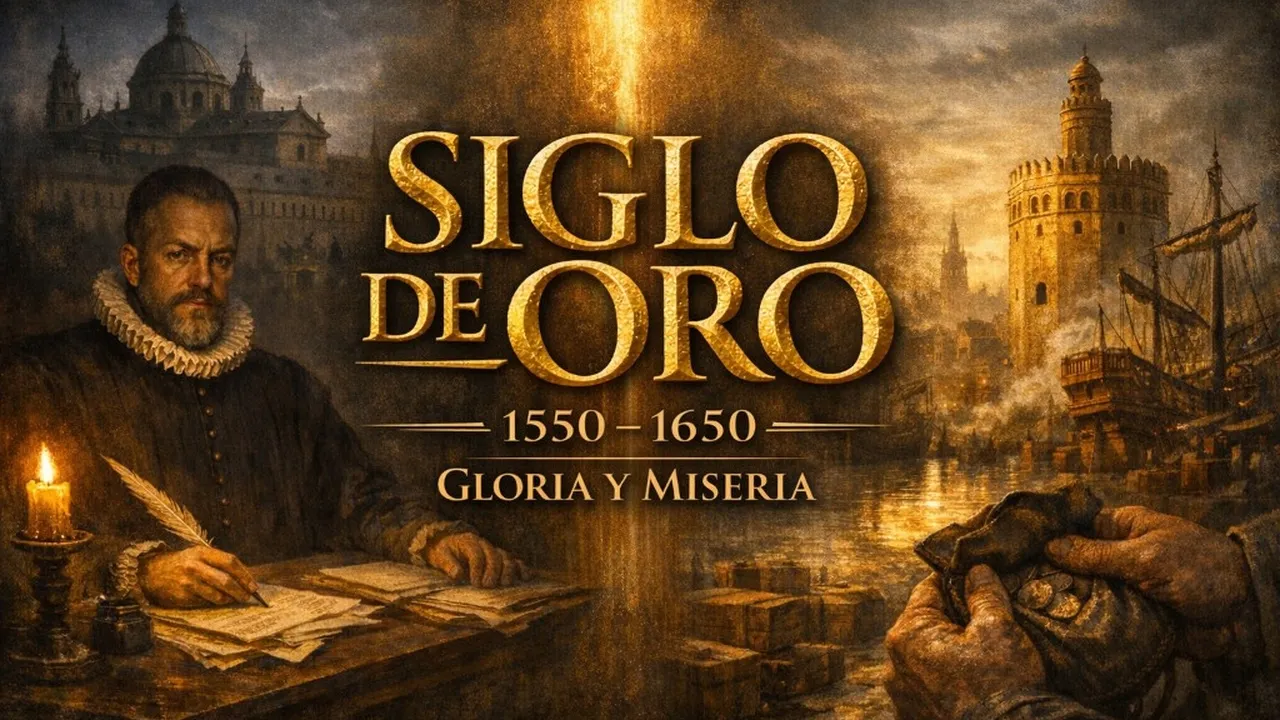
Socio-political context of the Spanish Golden Age (Siglo de Oro), particularly the rigid class divisions and economic decline of 17th-century Spain.
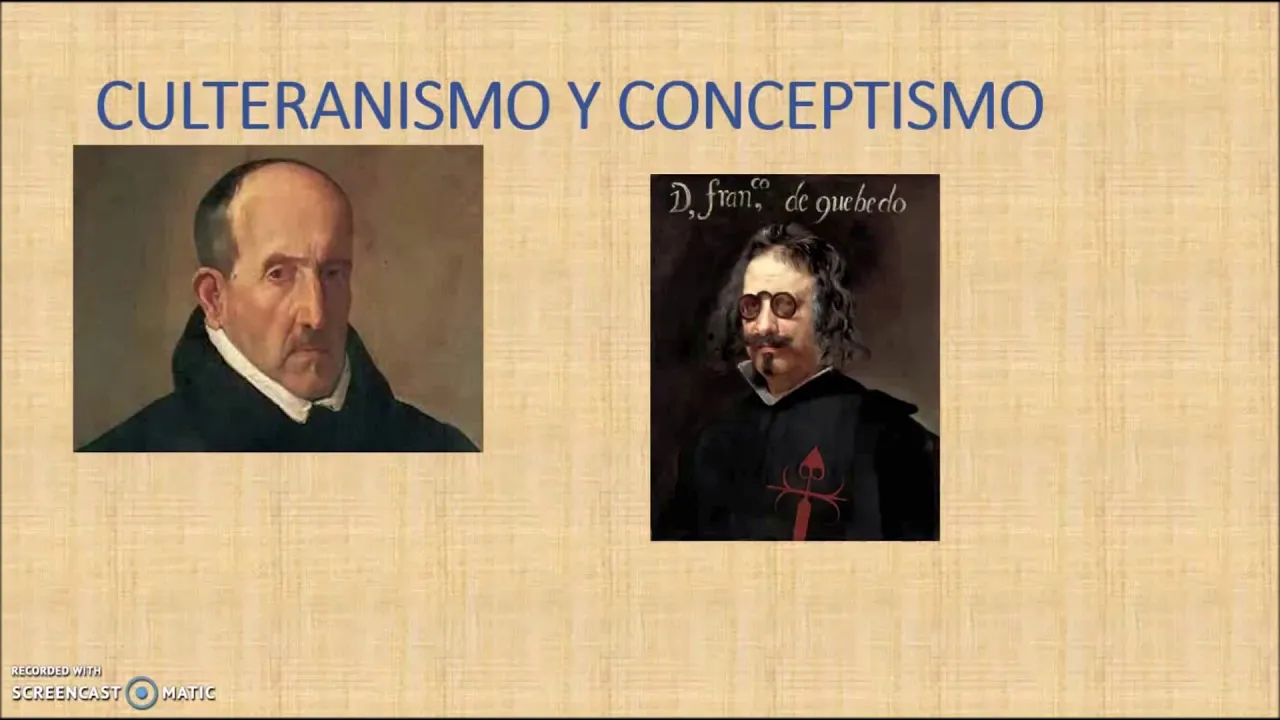
An introduction to Francisco de Quevedo and 'Conceptismo', a literary style emphasizing witty wordplay, complex metaphors, and dark humor.
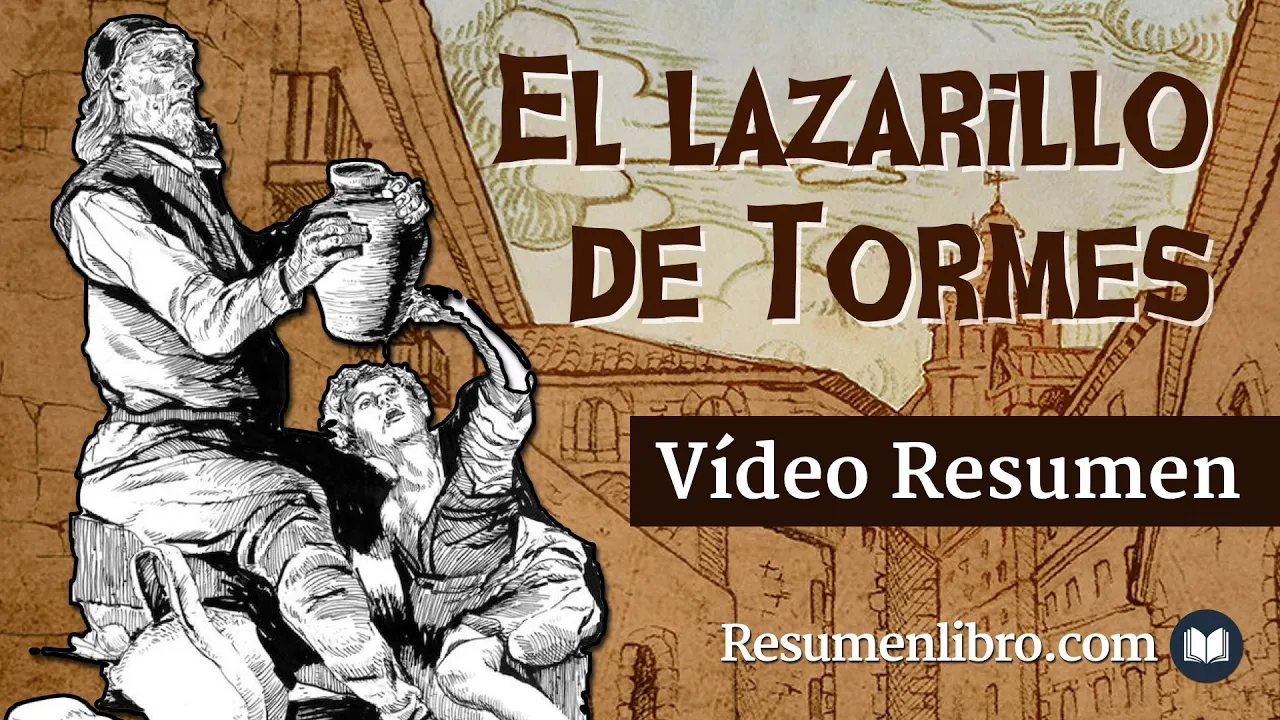
Familiarity with 'Lazarillo de Tormes', the foundational text of the picaresque genre, to provide a comparative baseline.
A comparative analysis of 'El Buscón' alongside 'Lazarillo de Tormes' and 'Guzmán de Alfarache' to track the evolution of the genre's moral and philosophical outlook.
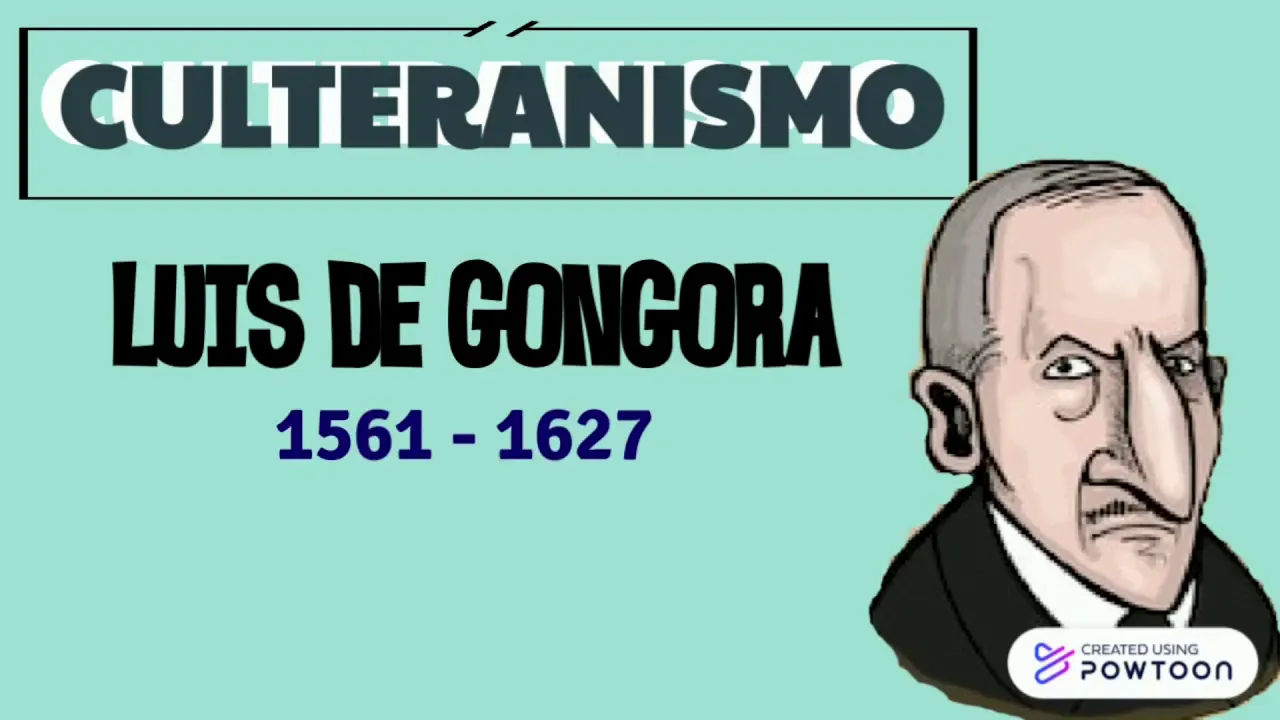
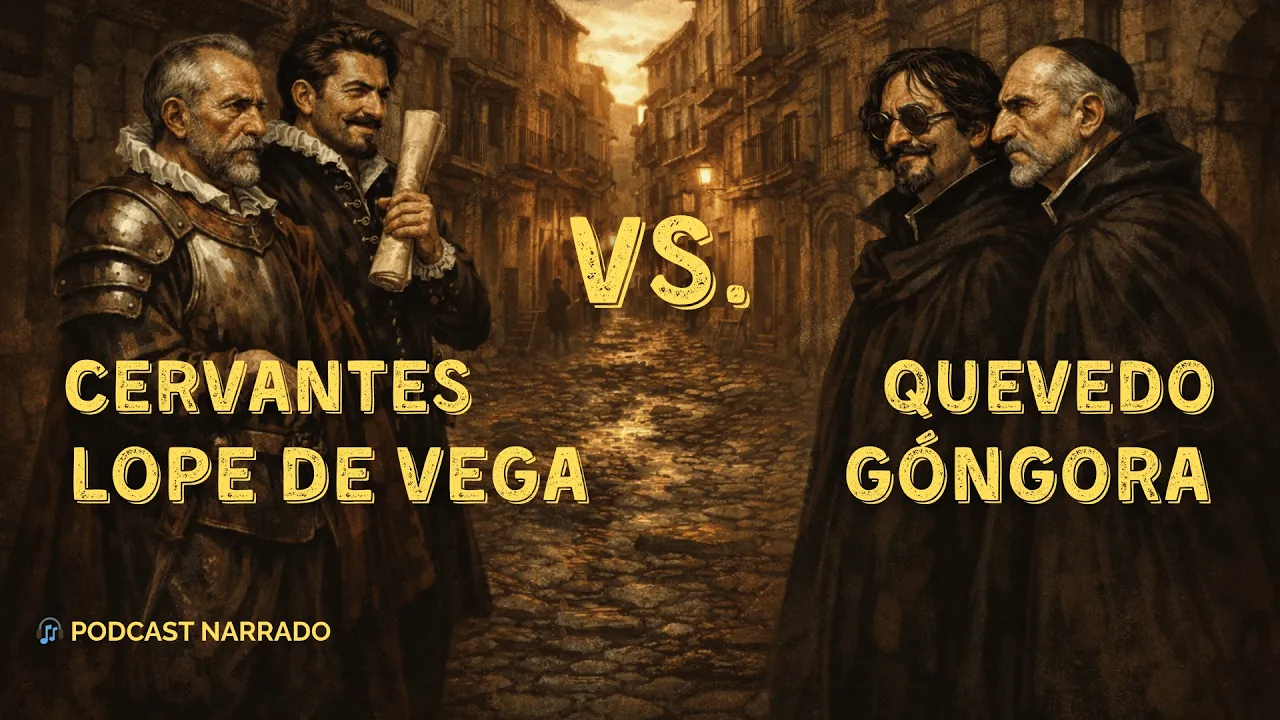
Deep dive into the literary rivalry between Quevedo (Conceptismo) and Luis de Góngora (Culteranismo) to understand Baroque stylistic debates.
Tracing the influence of the Spanish picaresque on broader European literature, such as the works of Daniel Defoe, Henry Fielding, and Thomas Mann.
An examination of 'limpieza de sangre' (purity of blood) and class determinism, analyzing why Quevedo denies his protagonist any hope of social redemption.
330 views26likes12:36Original Release: 2022-01-02
uh hello my name is matthew and i read another one of those spanish picaresque novels and i read the swindler by francisco de cabedo and it's part of uh this wonderful little penguin penguin classic which has lazario del tormes uh and the swindler two picaresque uh two spanish picaresque novels and they are very similar having a young protagonist being off out in the world having misadventures and a secession of slightly comedic episodic situations that are strung together into a little story the swindler of of of these picaresque novels compared to lazarillo lazario del tormes is much darker more tragic it's funny but there's there are funny moments in this story but there is so much shame and anger on every page and um like the way that these pickeresque novels are set up we have um a young boy who is going to be leaving his family and has to live by his wits and cunning and at first it does seem to have that levity and frothiness that there's that kind of biting sardonic humor but you're kind of laughing along things like he gets stuck up in this um boarding house and we're gonna have a landlord or the the headmaster um who's essentially starving the children all the children that are in this boarding house and it's funny so there's a big dinner table and they bring out soup and the soup is just clear and uh our character uh pablos is looking down at this clear bowl and he sees a single chickpea at the bottom of the bowl and it's just like i'm starving to death and you kind of laugh along um and it nails you the the story that the details um the the narrator's tone um and and the protagonists inappropriate laughter it all sort of builds um in a way that the fact that you're reading about child abuse and child torture uh in a funny way doesn't go unnoticed um the the the child in this book goes from place to place has different boarding houses and um staying at friends houses and things like that he's constantly being abused and victimized and the characters laughing it off and acting for the most part as if it's all no big deal but you can see it mounting this is pressure mounting and it's scandalous how poorly treated this boy is his parents his father was a thief and his mother was this kind of witch they're trying to train their son at the very beginning they're trying to train their son to be a thief and a con artist and criminal and the reason he leaves his childhood home is because he wants a better life for himself he wants to go off to school he wants to learn grammar and speak properly and think knowledgeably and have an expectation of being productive and successful and good and we just get a series of events from family members that don't have his best interests people that are in a position of of authority who should be taking care of him and mistreating him friends that are stabbing him in the back strangers that are lying to him every encounter every interaction that our character the young boy pablo's comes in contact with is just another opportunity for deceit and there's one of the boarding houses that he's in when he's young and it's sort of a turning point in the book when um he's just beaten merciful mercilessly by the other school children it's the middle of the night while while he's sleeping they hold the bed sheets down so he's trapped and bound underneath the bed and they just beat him relentlessly one of the boys takes uh feces um and throws it under the sheets and so he gets covered in a human feces and he's just left there beaten and sore and humiliated the boarding house mcmaster has to come down and finds him in this state and pablo is just makes this decision if if this is how it's going to be then i i can be worse if if we are going to uh all be out for our own and not be helping each other not being empathetic and sympathizing and treating each other with kindness then i will be cruel i i will be a criminal criminal and i will steal and be heartless and shameless and it's just this downfall of a very young child who didn't have didn't have opportunities and um it really comes across as this indictment of some of the social structures around this time in spain but mostly the the people around him that he should have been able to trust and rely on and failing him he goes off on his own again he gets a letter from his uncle who's a hangman and in the letter it recounts that his father died through something shameful and criminal and that the uncle was the executioner it's calling the son to come back home in order to get get a portion of his will and he it just ends up in this um kind of rotting squaller um of a home that this uncle lives in and there's just um drunkenness and debauchery and laziness and it's all just pathetic and pitiful um he looks around and just thinks like i i don't i i can't deal with this either and again there was like a little opportunity where he has a chance to have money and be successful but just looks around and thinks like this is not what i want and then then he goes off again and the great thing about this book is that it is a bit of a travel log we go from all we go around to all these spanish towns at this point he goes off to madrid and we get description descriptions of um all sorts of different areas of spain which which i just love and again there's like these uh episodic situations that come up different people that he meets um and it's it's not all just harsh and criminal there really are some very funny parts throughout the whole of the book especially because of the quality of the narrator describing his point of view of all of these terrible things my main point is just how biting and sardonic that humor can be and the novel ends with a promise of more to come as if there's going to be another volume or another novel and maybe there is um the the author francisco de quebedo was a prolific writer of the time [Music] and there could be other volumes but um it ends just as episodically as any other part of the book um as if it could just go on for another hundred pages uh the book is only it's it's like a novella length maybe 120 pages something like that um but the the ending of the book is just tragic um it's not a redemption story it really is a picaresque tale it's a amoral it's this character that had to learn how to survive um has to has to eat and live and he's just um a common criminal he's met a band of criminals and spends time with these thieves and prostitutes funny little moments happen but um at the beginning of the book when you know that this was a a character that had eyes of promise and just nothing went his way everything failed him and he turns out to be the man or young man that his parents expected of him which was a criminal a swindler so the swindler by francisco de quebedo the spanish title is el buscon fantastic start of the year i started it last night finished it today and first book of spanish literature for 2022 let me know if you've read it i thought it was fantastic and please leave a comment if you would like thank you for watching and take care bye
Up Next

2:39
Satire in Literature: Definition, Types, and Examples
@Tutors-com
23.9K views•2024-02-15

13:43
Formalism in Literary Criticism: An Academic Lecture Overview
@mattalberhasky9952
39.1K views•2015-08-05

6:08
Point of View in Fiction: First Person vs. Third Person
@magicalthriftyteacher
153.8K views•2014-03-31

15:25
1984: Orwell's Dystopian World and the Mechanisms of Totalitarianism
@AlternateHistoryHub
7M views•2017-03-04
Related Study Plans & Knowledge Roadmaps
Structured learning paths in Literature
literature
Graphic Memoirs: Visual Art, Trauma & History
01Foundations of Sequential Art and Visual Language
02Autographics and Processing Historical Trauma
03Visualizing Personal Trauma, Grief, and Graphic Medicine
+ 2 more learning modules
14h5 modules
Explore Roadmap
literature
Campus Novels: Evolution, Themes & Critique
01Introduction to the Campus Novel Genre
02Mid-Century Satire and the Post-War Academy
03Dark Academia and the Critique of Privilege
+ 2 more learning modules
14h5 modules
Explore Roadmap
literature
Theater of the Absurd: Philosophy & Plays
01Postwar Existentialism & Historical Roots
02Dismantling Narrative: Esslin & Absurdist Conventions
03Samuel Beckett and Tragicomic Existentialism
+ 2 more learning modules
12h5 modules
Explore Roadmap
literature
Revenge Tragedy: Justice, Madness & State
01Foundations of Early Modern English Theatre
02Anatomy of Revenge: Structural Conventions
03Psychological Complexity: Madness and Melancholy
+ 2 more learning modules
15h5 modules
Explore Roadmap