
![[개정판, 기침제거ver] 토양학 합본 - 10강~14강](https://i.ytimg.com/vi/SklMMiGSWOk/maxresdefault.jpg)






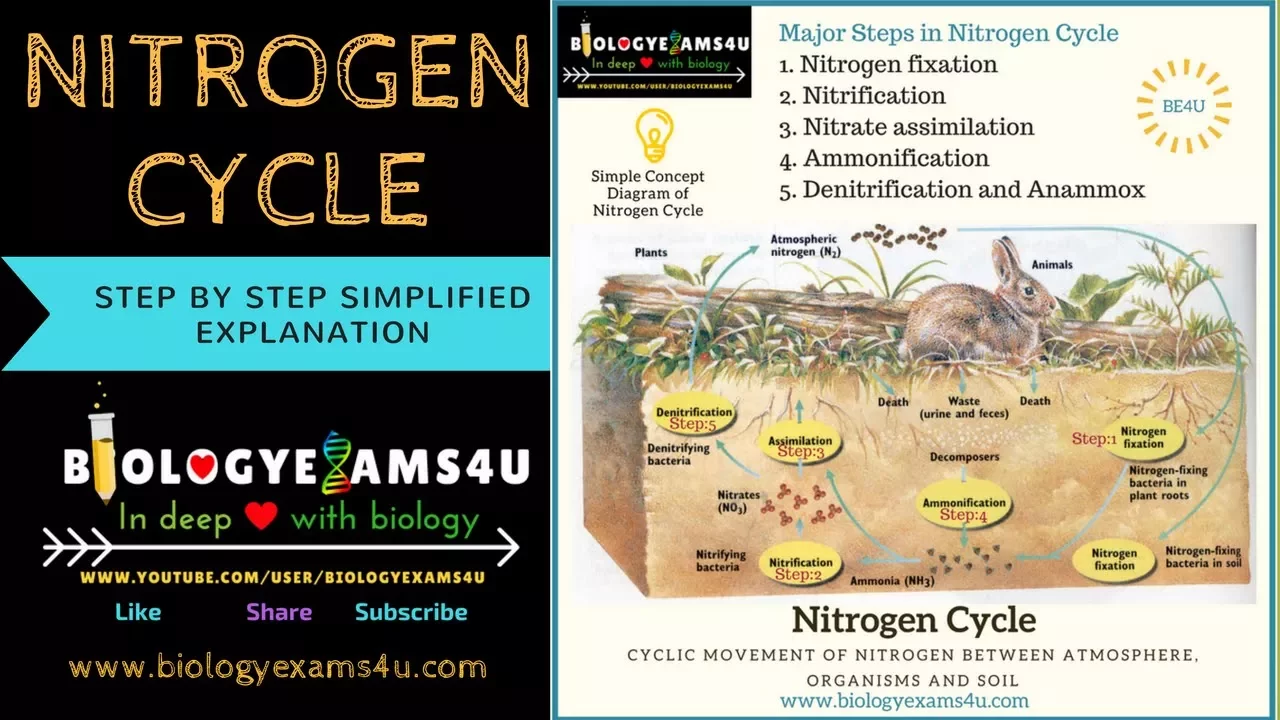














Mycorrhizal fungi and Rhizobium bacteria form symbiotic relationships with plants that significantly enhance agricultural productivity and soil health; mycorrhizal fungi extend root systems to access water and nutrients up to 10-1000 times more efficiently, while Rhizobium bacteria fix atmospheric nitrogen (which constitutes 78% of Earth's atmosphere) into a usable form for plants, reducing synthetic fertilizer needs and improving crop resilience through natural biological processes.
Soil Health: Mycorrhizal Fungi and Rhizobium Bacteria Benefits
Added:Basic soil chemistry, including the primary plant nutrients (nitrogen, phosphorus, potassium) and their roles in plant growth.
The ecological concept of symbiosis, specifically mutualism, where different species interact to mutual benefit.
Basic plant physiology, particularly how root systems function in nutrient and water uptake.
An introductory understanding of the nitrogen cycle and why gaseous nitrogen must be 'fixed' for plant use.
The use of commercial microbial inoculants (biofertilizers) to enhance crop yield and reduce synthetic fertilizer dependency.
The impacts of industrial farming practices (like intensive tilling and chemical pesticide use) on beneficial soil microbes.
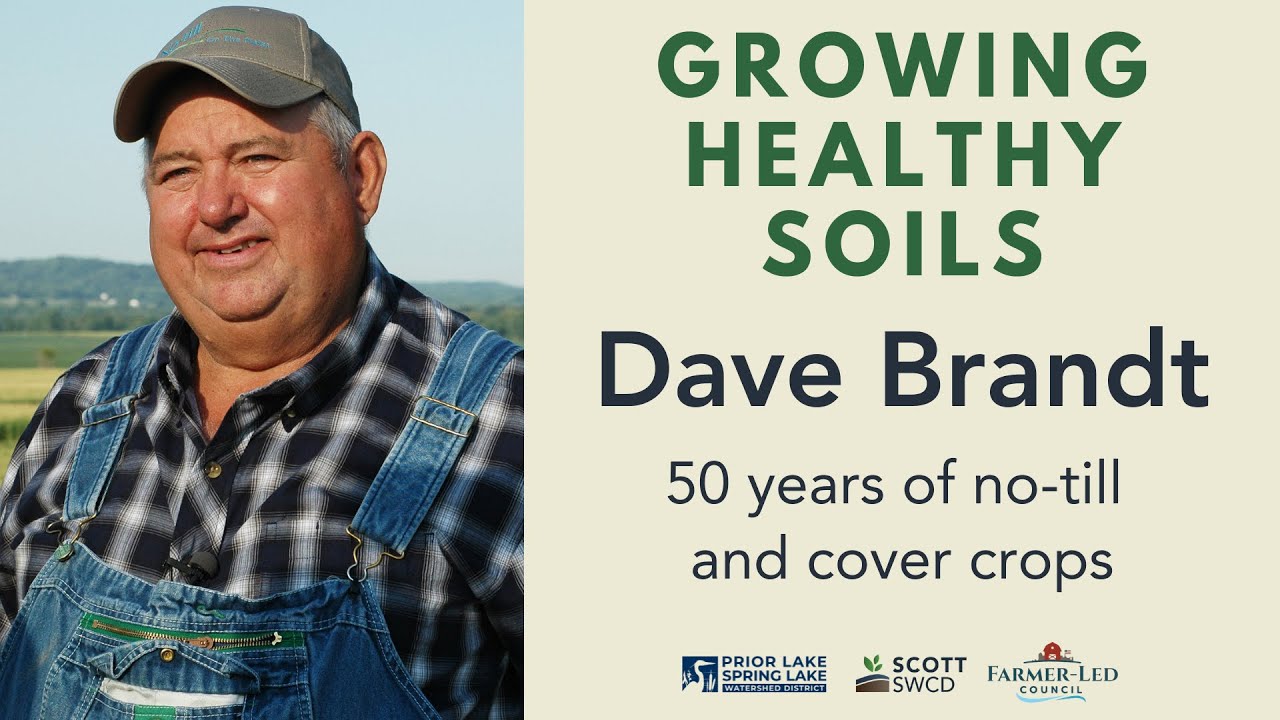
Regenerative agriculture techniques, such as no-till farming and cover cropping, designed to foster soil biodiversity.
In-depth study of the soil food web and how trophic interactions influence nutrient availability and soil structure.
35.2K views608likes50:28Original Release: 2020-04-01
welcome everyone to our webinar today my name is Travis Avery and I am our regional economic Marketing Manager with Taurus for central and eastern Manitoba and today I have a special guest here so you talked about mike rizzo fungi and Rhizobium bacteria and i guess is joseph gardener from joseph gardener farms he tried out thanks for having me cool well let's let's just jump right into it here and get to know your farm a little better cool yeah so like Trapp said i am my name is Joe gardener I am the owner/operator manager of Joseph gardener farms I farm with my parents we manage 19 quarters 1600 arable acres of land we have 250 at a beef cow right in the middle of calving right now yeah our farm has always been I guess somewhat open to new ideas my parents in 2002 did the holistic beef management course so we've kind of done some different techniques as far as as far as managing our beef herd as far as myself personally I'm soil health er I guess I've been researching it for the better part of Oh going on a decade or so my first cover crop was in 2013 we did lots of trials lots of different stuff that was a time when I was going to a lot of conferences doing a lot of reading podcast documentaries and stuff and kind of had it figured there was a better way to do things so our farm went full regenerative in 2018 what does that mean there's no one set definition for regenerative agriculture but we basically intercrop everything so unless soprano grass that's growing every that we're going for seed yeah we enter crop everything with different species we incorporated the cattle as much as possible we've been zero till for about 15 years yeah trying to reduce herbicides and trying to use fertilizers more efficiently and oh as far as cover crops basically the the theme we go on is we try and just match different warm and cool season cereals with warm and cool season legumes sprinkle in some brassicas just try and mimic nature and create as much diversity on the land as possible so that gives you a little background of kind of where I come from and what we're doing here Travis you got any other questions right on well I do have a lot of questions Joe that's kind of how we're gonna structure this little webinar but basically just gonna pop up a screen like this we've kind of went through this you and I before so which wanna you know touch on certain questions this one specifically who are your influencers on your path to you know building a healthier soil on your farm so I was really lucky when I went to University of Manitoba and I met a professor by the name of Martin ents he was the organics professor at the U of M but I never about a huge huge urge to go organic but he really presented a different way of farming that farming didn't have to be input input input we can actually use management skills and different crops and livestock to to get the same desirable result which is profitability but a different way of doing it and utilizing the resources you have on your farm much better so Martin I have to give credit to I wouldn't be here I'm sure I wouldn't be farming today if it wasn't for him he got me excited about the idea and it's and it's kind of kept my enthusiasm right through and today I'm more excited for the future than than ever before but I would try out I would suggest all of the people on the screen right now every one of them kind of the uniqueness of them or that the difference between them is their uniqueness there's scientists there's farmers there's entomologists there's university professors and you know on people that didn't graduate high school but they're all amazing people with different stories and and kind of in this soil health world we can't learn at all we can't try it all so we need to we need to kind of come together as a larger group peer group to share each other's ideas and our trials and you know both positive and negative so we can you know further benefit one another yeah very cool definitely goes to show the systems approach that you need to adopt some of these so health principles I noticed every do you have everything from a first-generation farmer to microbiologist on this list right so it is quite the journey that's that's an understatement so anything else Burton didn't agree more yeah perfect all right well let's dive into something a little bit different here but you know I I typically like to show this presentation and asked farmers s growers you know what's the difference between these two pictures you know there's there's 450 million years of research and development is the difference so Joe can you tell me what the picture is on the left yeah in the bars it is it is a picture of Mars and on the right is a picture of a native native grasslands so I think what we want to drill home on this point is this the fact that we got up start paying attention to some of these biological processes in the soil some of the stuff that nature's taught us for for many many years so and that's kind of the whole idea around this webinar is to actually dive into some of these biological processes and how we can start the harnessed nature to the girls you know grow some better crops so any grab you're a lot more in tune with the chemistry side of it and you've kind of been my soil test guy a long time so I'm fortunate to have you that I don't necessarily have to know the chemistry stuff because I don't mind find it as interesting as the biological side but correct me if I'm wrong if you took a soil test of Mars there it might show it might look okay on soil test yeah I actually NASA proved that they snåsa actually had a report out to say that they could take every essential element off of Mars and that a plant requires to grow I obviously the difference is life that is what Mars doesn't have right so so yeah it's just it's just go to show it goes to show like let's let's let's really dial in these biological processes because you know we sometimes I think take them for granted so you know that being said I'm gonna hop into this slide arguably actually undisputed the number one most important biological process would be photosynthesis you know somehow plants have figured out a way to convert sunlight into sugar and oxygen you know that oxygen is for us to breathe and that sugar is to to build the plant which is when you really think about it something really really astonishing so anything to add on this on this slide Joe I know photosynthesis is true to your heart you hit on most the good points without photosynthesis it's a non-starter so we need to find better ways to do it more efficiently and most importantly more often yeah for sure I like to say it's our jobs as farmers and agronomist to to manage what we have in the yellow here you know manage mineral nutrition so we can maximize photosynthesis and minimize stress because this glucose molecule is the building block to to everything we see here so and to touch on that Travis from a farmer our job is to give the means to be able to do that and what does that require a growing plant the seed in the ground that can capture sunlight yeah very very well said so so yeah we're gonna pay attention to one thing on this this diagram this carbon has rude accidents you know there's lots of stuff we could but that carbon has read accidents you know we're looking at a picture of a root exit coming off a plant right now but I'd like to ask why even when I saw you know or this picture for the first time I always thought why why is a plant giving up this you know a third of its carbon to the soil right so but actually those rude accidents are the communication system between the soil and the plant you know if we take a minute to to really think about that it truly is truly is astonishing that these plants and soil have evolved together from the start of time so any comments on on on rude accidents Joe I know it's a oh I thought it you you touched on all the good points trav I think what like what I like to think is a plant doesn't have the ability to build itself it takes that carbon it gives it as an offering and instructions to the biology and that biology goes in and gather some minerals bring some back to the plant and literally builds that plant it doesn't happen without those root exits yeah yeah quite crazy actually when you really dive into it think about it soul but what we're gonna do today yeah we're gonna have to speed this up a little bit but anyway we were looking at to to soil microbes we're looking at rides opium bacteria and mycorrhizal fungi so what we're gonna do we're going to dive right into Rhizobium bacteria and the symbiotic relationship it hosts with the plant and ask Joe both the importance of Rhizobium bacteria to your farm you know why you know why are you utilizing Rhizobium bacteria on your farm yeah so the the reason one is we are trying to mimic natural systems but two is I'm trying to lower my operating loan as well so why when there's so much nitrogen in the air already and these little bugs that you see in your screen right now are willing to go out gather it from the air in the Soraa soil pores and give it to the plant for free I it just for from a regenerative farming standpoint one it makes sense for the soil but two it makes sense I'm not cutting a nitrogen check you know substantial nitrogen check I still am but yeah it's something we can focus on and we can utilize rise obeah to our synthetic nitrogen needs yeah I would say how many people would know that seventy percent of the atmosphere is actually nitrogen gas I travel I know we're short for time but Gabe brown is a classic line if you take a 2000 bushel bin and you fill it right full of 4600 there's more nitrogen in the atmosphere above that bin than what's sitting as a as a granular form in the bin interesting interesting yeah so how do we how do we utilize that that nitrogen above the bin rate so you know there's I think that well there's two ways we're doing it right now we're doing it through the hopper boss process and then we're doing it through soil biology so I look at I look at soil biology as a like you said an easy easy way to reduce the operating and utilize you know what's in to nature so and just to touch on this a little bit like if this is your simple simple uptake in removal chart but if you're planning on growing even if it's fifty bushel 50 bushels soybeans you know you're gonna need two hundred and seventeen pounds of nitrogen to grow those 50 bushels you know so you know that's pretty self-explanatory as to why we should be inoculating our legumes or pulses with with Rhizobium bacteria so yeah fascinating stuff for Mother rhizobia bacteria front so anything else on Rhizobium for now Jo we're gonna dive into my career I J here right away well and we're gonna talk more about soil pores but you can see Trav's like 217 pounds is a lot of nitrogen if we don't have pore space for that air and that nitrogen to come in via pore space then that Rhizobium bacteria has to pull it from our organic matter or from from from a less sustainable source inside the soil profile not air so if we have less air in the soil we have less means to break down that nitrogen and and the bride's obeah and the plants signaled signaling to the rise obeah i need more and more more so it's got to get it from somewhere yeah I think you're saying going for a little bit later in the presentation but yeah great great thought on pore space and the importance of soil aggregation so we'll touch on that in a bit let's dive into mycorrhizal symbiosis so before we do that we're just gonna play a quick video this was when I first came on with Taurus this was this was a video that really helped me understand my kreizel fungi it's basic and simple but it does give the the overarching understanding of what mycorrhizae is so hell does this symbiosis take place like eliza is the term used to describe the symbiotic relationship between michael Raizel fungi and the plants root system through that symbiosis the full night and the plant naturally develop and mutually reinforce each other without harming one another here are the three steps that explain how the symbiosis between micro eyes'll fungi and a plant take place Michel Raizel fungi initially germinate in the soil and make their way to the nearest roots the roots are then colonized by the fungi and the mycorrhizae are established the fungi penetrate the root and create an internal network of fungal structures where the plant and mycorrhizae exchange sugars and nutrients finally the Heisey continues to develop outside the roots to explore the soil basically mycorrhizae form a network of finds the women let us fish meet with plant roots to draw nutrients and water from the soil at the root system would not be able to access otherwise what do you think Joe that is pretty cool video traveling yeah I liked it too so I think it makes it pretty simple when you start talking about fungi and you know species and distances and absorption and chemistry it can get very confusing but that video breaks it down pretty simple yeah I thought the same thing so here's another way to break it down pretty simple from this picture but we're looking at a root and then we're looking at root hairs here obviously we all know that plants absorb nutrients the root hairs I think the cool part about mycorrhizal fungi is this height a that extends outside of that root hair system so if we can you know promote you know this this IP network we're gonna be better off for mobilizing nutrients and and water and in times of need so and and to touch on that tab like at the bottom you have haifaa absorption end times like here's although I can't pick out a specific paper but there's lots of research out there that it can be absorption can be way greater than ten times it could be a hundred times or even a thousand times in some diverse species mixes but it just if you can add that power to your root system who that like why aren't we focusing on this more yeah it's a powerful little fungus so this picture actually makes it seem a little bit more powerful to be can actually you know picture what's going on in these Taipei's so this is actually an exchange of nutrients for for carbon going on in the face so Triana that is a four lane highway and they're all semi trucks packed with nutrients oh great analogy but you have a great great little microscopic picture I'm like girls a fun guys so but yeah there is your basic understanding of mike rizzo fungi I'm gonna ask Joe the next question here what was your aha moment when it came to micro fungi yeah so like I said or I touched on at the start tribe we started intercropping and the one I wanted to go through here today was corn batch because obviously corn is very popular crop but there's just little things we can do with our just little ideas to incorporate diversity that can make such a big difference on all the things that we were talking about today you know rhizobia mycorrhizae fungi soil aggregates so this corn Dutch intercrop I did in 2018 and kind of the idea is is this is the this is the start of it but the idea is we're just using the batch to gather wasted sunlight that was hitting the soil surface and because vetch it's a it's a legume and a very very high nitrogen producer as it stays and vegetative because it doesn't have much sunlight to you know to hit reproduction it is just pumping nitrogen that was right so we are pumping nitrogen into the soil profile and then we're using micro iso fungi to transfer those nutrients nitrogen to the corn and obviously the corn is giving back minerals that the batches in need of as well so it's kind of it's a pretty cool combination we've done we do it it's a regular practice on our farm now and there's lots of trials going on so it's it's pretty exciting stuff for the future but we'll go through it here as you can see we sprayed this with Roundup the batch is somewhat resistant to the roundup but and the corn has a has a chance to get a head start edge over sorry to interrupt you but to go back just to how you seated it you know was the vege first was the corn first how did you how do you see the you bet so we sewed the vet we put down Foss just water-soluble Foss I think we might touch on later was a big mistake when we're talking mycorrhizal fungi and then we put down it was lots of nitrogen 150 pounds or something the fall before so the vets was sown and then the corn was sown the following day with a 30 inch planter ok cool alright so so you can see when these plants start to hit symbiosis so the corns getting up high enough and the neat thing is the batch is a cool season so the vets doesn't like full sunlight so you can see the difference in five days from July 6 the July 11th the corn has the the ground properly covered and now I just made conditions proper for the for the vets to thrive so you know tonight your next picture is the coolest your yeah you bet yeah so you can see in just a few days later how thick the batch gets by the end of July like if you remember the start of July there was basically no growth by the end the corns six feet tall and there's a massive edge and just what I want to touch on as you can see the corn is getting all the sunlight it needs but they're still wasted stuff down the road so up and down the roads there's little blocks of light that's what that vetch is living off it is just wasted energy from from what the corn leaves were missing so kind of neat that we can we can take advantage of all that energy and all facets and get it into the get it into the ground where it belongs yeah we talked lots about maximizing photosynthesis why are you doing it here sure there's there is and just a quick story trav there's a I took a one of those laser thermometers out move the vets aside this was on like a thirty degree day and took a a temperature and it was 70 Fahrenheit which is if you when we're talking biology that is the ideal temperature I walk to the edge of the field on a black spot that had direct Sun and it was a hundred Fahrenheit which means it was so hot in the top centimeter that biology had shut down it was too hot for them to work in those conditions so under these conditions we have totally regulated ideal temperatures for biology where we have black dirt it had shut down because of heat stress hmm fascinating fascinating stuff [Music] well let's I'll pop into this you know this is one of those things I thought we throw this in here just because you know we've been taught or I've been taught my whole life that you know those those plants in between the rows would be considered competition we actually know that to be the opposite in this case where you know this was one study showing the nitrogen transfer between legumes and grasses but it summarized it in three ways it's a direct transfer of nitrogen through the micro eyes'll - network the other way that it happens is that the key of plant tissue so that leg you dies and then decays and then the excitation by living cells so there there is there is an incredible amount of research papers in this in this field of study being done now understanding intercropping understanding which species are working best together exciting times anyway - to better utilize things like Rhizobium bacteria and micro has a fun game the whole soil food network down there so then trap the exciting thing mycorrhizal fungi in agriculture it hadn't been studied hardly at all even what 10 or 15 years ago yeah and in the last five years there's been some amazing studies but the exciting part is we there's lots we don't even know about this fungi yeah one of your influencers talks about that quite a bit Chris Nichols and what she's how much he's learned - how much he doesn't still know even though she is a soil biologist a brilliant soil biologist and she will admit she doesn't know ninety-five percent of what's going on in the soil yeah fascinating stuff so but anyway just to finish off this corn batch Joe you know here's your September you know not much - well obviously you could talk about this all day water infiltration here you betcha so this is kind of the eye opening like you talked about Rob we create soil aggregates we create pore space and when we're talking water infiltration that is exactly what we're talking about is basically yes it's how fast the water goes in but it's telling us directly how much soil aggregates we have and how healthy the soil aggregates we are so I did a test on similar ground with corn silage and we did one inch in 55 minutes the second inch in about 12 hours obviously I wasn't there when it ran out but the corn batch they this is impressive even from a soil health guy we don't top these numbers which is one inch in two minutes two inches in twenty two minutes even on full season by full season cover which I hope we have time to talk about at the end we don't do numbers that good and basically just what we did is we we balance the soil giving perfect perfect perfect segue I wanted to talk about carbon to nitrogen so basically I just want you to focus on the ideal microbial diet is 24 parts carbon to one part nitrogen so you look at corn stover is 57 to one and you look at hairy vetch cover crop which is basically what was there is 11 to 1 so the only thing we have done is given the the microbes a balanced diet so we've given them high carbon cornstalks and Stover and super high nitrogen low carbon very vegetative hairy vetch and what happens is exactly what we talked about there with the water infiltration we just have stronger soil aggregates because of biology and because of mycorrhizae fungi transferring those nutrients and as you can see from the photo there was just an absolute slough of earthworms we I was pulling shovelfuls that was getting you know 10 to 15 earth worms per shovelful it was just it was really amazing but but it was all possible because we balanced this carbon to nitrogen ratio and a benefit of that as well as our residue will be cycled quicker and those minerals will become made available faster if their bow right everyone knows how long it takes for a corn crop if it had to decompose on its own how long it would take but if you mix a low carbon high nitrogen you blend the diet for the microbes and they'll cycle those nutrients quicker yeah I think that's a great great point in understanding how you know how to and when to utilize cover crops you know a lot of a lot of folks might might say they tried cover crops and you know didn't factor in the carbon and nitrogen ratio and then end up saying they didn't work right so I think this is this is a conversation for another day understanding this thing completely this carbon to nitrogen ratio but oh is it is it important and I would highly recommend if people were watching and they haven't heard of carbon to nitrogen obviously look into it but even if you just take a picture of that graph all you need to know is you know the ideal diets 24 to one that's gonna break down relatively quickly like like alfalfa residue hardly sticks around at all and I mean that promotes a living soil so if we can focus more on that number we ensure that our that our biology has a viable foodstuff they're not pulling out of our you know minerals in the soil out of our organic matter and they're creating that precious pore space so we have a functioning soil so yeah it's not it's not that difficult if you take a picture of that on your on your phone and just when you're thinking of rotations just be mindful of that faster decomposition you have you know not every not all the time but if you balance it at 24 to 1 you know you're gonna have a healthy living soil yeah very very good advice Joe but something I wish I would have learned a long time ago [Laughter] anyway let's sweep first a good time we got a move on here Joe but you know maybe another another series get you back on talking carbon nitrogen and it gets it's such an important piece to this whole soil health movement so oh I think so is key on that anyway sorry to kick you out of carbon nitrogen but we're gonna move on and we're gonna talk we're gonna ask you a question here about when you're actually selecting a crop for your rotation if you factor in its relationship with with mike rizzo fungi and if you do why yeah so I would say this is actually more important than carbon nitrogen is we need to focus on crops that keep fungi keep a symbiotic relationship with fungi so for example perfect segue trav we don't grow mono crop canola on this farm because brassicas do not form that relationship and and we see it we see these canola crops being more susceptible to bugs more susceptible to airborne diseases more susceptible to soil-borne diseases like it's it's not rocket science mother nature figured this out a long long time ago four hundred and fifty million years fungus created symbiotic relationships everywhere in the world and now we are just growing large pockets where they don't exist at all it is an information center it would be like dealing with kovat nineteen without the internet like it would be it's devastating so we to be honest trap we still grow canola we grow Peola so we'll grow special teepees and with canola more for the purpose of holding the crop up so the peas don't get disease but yes to answer your question we have plants on every acre that form symbiotic relationship with mycorrhizal fungi because they're so important for soil life so development and we're gonna I'm gonna hit on and again but soil aggregates so the list that's up there it just talks about plants that are dependent on it somewhat dependent men brassicas do not form a relationship with mycorrhizae fungi they have other important things in nature I'm not I'm not crapping on all brassicas but but they evolved with mycorrhizal fungi as well just in the form of other plants having the relationship with it right now yeah I like this I like this shirt too I get a lot of a lot of folks can resonate with the dependence Chartier when you look at corn we look at flags you know flex being one for sure for me and the guys that y'all group flex years ago but you know just the yield penalty essentially you'd be taking on growing flax on coal ground or corn on coal down which we see quite a bit still today so definitely I know the charts blurry but definitely you know gives a good depiction of what's going on here with with mycorrhizal dependencies so sure you know John I like to tell you know a story about phosphorus deficiency in corn but I was actually at a colony last year we were talking phosphorus we were talking crystal green predominantly and he wasn't that interested in crystal green mostly because he had you know 20 30 40 parts really in phosphorus and a lot of his manure ground so anyway he kept kept kept me entertained to say the least for a while and we got to you know we got to this flight I mean really get home for him because he looked at me he said well I actually saw that on my corn lecture you know what the heck's going on trap so you know we got you know next slide that to follow that up you know phosphorus agronomy 101 but when we put phosphorus in our soil or you know if we have phosphorus in our soil it's not moving that's where it's staying so you know you know we couple that with with corn here's a you know phosphorus uptake chart of corn right from you know b3 to our six but you know we noticed how much demand corn has late you know not just corn every plant that's photosynthesis here requires phosphorous late so you know to to summarize that you know we started we looked at this picture looking at a root and looking at root hairs and then we looked at this depletion zone so you know when that plan is the Manning phosphorus late and say typically we've you know depleted what's what's what's in this the bleachers owner what's in the root Arizona how was that plant taking up phosphorus when it needs it the most right if it doesn't have this Mike you can see this mycorrhizae fungi network here if it doesn't have that association that plant ends up being false christs efficient so we don't get into a little bit more and sure enough we found that you know this this guy had growing his corn on kilogram told the story to me told the story himself so he's in a hot moment for both of us why don't travel why don't you take a minute and and you were the one that has educated me on phosphorus but take a minute to talk about water-soluble Fossum my grassle fungi yeah well actually when we when we apply water soluble phosphorus to to a root it it's the same philosophy actually as Rhizobium bacteria with nitrogen we know and we put down lots of nitrogen with her with our soybeans or keys it will deter Rhizobium bacteria it will create what's called I guess lazy roots you know the same can be said for for water soluble phosphorus and mycorrhizal fungi if we put a lot of water soluble phosphorus in that in that rhizosphere it's gonna do it's gonna deter mycorrhizal fungi from forming relationship that plant is not gonna want to give up carbon if it has phosphorus readily available right so I think that's one thing we should pay attention to as well you know how can we start to mimic this natural system using things like water insoluble phosphorus or using things like mycorrhizae fungi to to do so so is that does that answer a little bit job nailed it yeah yeah definitely a different way to look at it but you know if you really want to utilize mycorrhizal fungi you know that's that's a great start I think so computable sorry job couldn't agree more I'm gonna pull it back to research here for a second and this was actually a trial so again premier tech does quite a bit of third-party research all over Western Canada but this one was this one stuck out to me because it was up in Swan River it was soybeans growing on canola ground but what we actually saw up against all the leading competitors the leading competitors were just straight Rhizobium bacteria but we actually ended up finding you know between you know 7 to 8 bushel yield difference you know we're not you know we don't see that consistently but in this case it told a story right the fact that we we grew soybeans on canola grams and we found Neal consistently on a replicated basis you know a nice response so definitely it basically just wanted to tell the story around around mycorrhizae fungi and canola ground so well and soybeans are dependent yes back up to that shirt yeah they are they're dependent species I'm like horizon fungi so same can be said for peas and can be said for further like you so very cool stuff um let's switch gears here Joe we're gonna switch the water tell us about water and why mike rizzo fungi is important to water uptake in your farm maybe not just uptake but everything from infiltration holding capacity efficiencies runoff yeah well I'm getting it's gonna sound like I'm beating a dead horse but soil structure is so important mycorrhizae fungi I'm not sure if we have a picture in the slide or in the show or not trap but mycorrhizal fungi just wraps around soil I ever gets like a net and sorry I just saw you had that other slide up job I was going to touch on that for a minute yep surrounded like a net making these very powerful very stable root exudates so we have a function room for functional biology room for water infiltration but this study is amazing I read it I don't know a year or so back but it's a university study I forget where but it talks mycorrhizal fungi having the ability to store water for later use so it can not only transfer from one plant to the other based on on who needs it the most it can store it there as a water rainy day fund so like like we talked about earlier like there really hasn't been when you think how complex fungi is there hasn't been a lot of research on it and like we're just gonna find out more and more and more cool stuff just like this about mycorrhizal fungi yeah yeah that is such a fascinating picture on the right there Josey in the water actually inside the hyphae like you said all right the rainy day fund boy is that that fascinating stuff so excited to see the research going forward from you know academia and universities it's it's exciting times your culture for sure and on farm yeah yeah absolutely how can we start to tell your stories a little bit better right so yeah for sure not just mine lots lots and lots and lots of farms up there yeah I just just to paint that picture a little bit better I saw this picture from green cover seat of presentation in green cover seat but what they what they're showing here is actually the 2012 drought in the States so obviously there's a cornfield in the background and then just need a grass need a pretty grass in the front but as you see you know that you know maybe the microbial network is in full full function in the forefront and the corn maybe there wasn't the mycorrhizal network but the next picture is actually what's really fascinating so Joe what do you see here you tell me what's going on oh yeah totally so the the green patch is balanced by nature there will be a blend of cereals legumes forbs and most importantly a a oh very dense fungal Network and they're working together you don't see certain bald patches it's it's lush it's green and then obviously look over into the corn why are those corn stalks green well there's a on the edge of the field there Mike mycorrhizal dependence they've tapped into the native system and we're able to extract water able to extract minerals whereas ten feet into the corn the net weight Network doesn't go that far and yeah the corn is super drought stressed we'll say at the very least absolutely astonishing I absolutely love that thanks green cover seed and I'm gonna show one more trial here this was actually done in portage at ICMS replicated trial again it was on canola ground but what we found at about a four bushel increase across the board with with Rhizobium mycorrhizae but the story to be told here comes with rainfall so you know the documented rainfall through of the year May June July August but what we find in August we don't see you know the same rainfall or not which is typical for us in in Manitoba McCrone soybeans right typical across Western Canada for for August to be a little bit drier so you know I think this correlates perfectly to the fact that we saw maybe that four bushel increase maybe that was the reason why because we had that that mycorrhizal Network you know pulling in water that that those those non mycorrhizal plants are non mycorrhizal associated plants you know didn't couldn't couldn't do right so and again keep in mind that one was our canola ground so I can say that that the you know with the non mycorrhizal inoculated plants you know maybe they didn't have that that same Association so very cool very cool little study so related job I assume they would they would eventually get the same Association it would they just have a way later start yeah yeah yeah it's since anyone's guess what's going on down there but you know from what I see here it's it's it's that August rainfall so it's so oh yeah but at that point I like what I would say is the inoculated stuff it just had it had a fully functioning network from the very start so when it didn't have much rain in August it was prepared whereas the beam on inoculated stuff it would have to be like it would have to be natural spores find their way in and then propagate from there which would just take time yeah especially because it was so long can walk around right so yeah there just wouldn't be any there yeah yeah it makes it a lot of sense there's no question so we're gonna switch gears again Joe I think we're gonna have to we got about we're gonna try to keep us under an hour so I got like 20 like 17 minutes here left so but I'm gonna make sure you touched on this you're you're full season cover girl totally this is my favorite crop in the world yeah I just heard a lot about full season covers like the idea this was a blend of I think 12 or 14 species yeah we were just trying to cover warm cool season grasses warm cool season legumes diverse brassicas flowering plants deep tap roots and and this much mycorrhizal dependency as we could to mimic nature as best as possible so we didn't use any fertilizer no herbicide no nothing and the idea is to mob graze it as tightly as we can to put that diverse residue back on the soil surface and the results were amazing we we did it again last year we had very similar similar results but I I guess I'll touch on the mycorrhizal portion of this so this is June 23rd and you'll just see how quickly this crop is growing so this is the 26th of June you can see three days later this was the first day we we grazed just shot up like like a weed yeah so this is the 26th first day of grazing the fact of matter is it was growing so fast we didn't think had enough animals there so we started raising them early so this is what is that 20 days later yeah our last last day of rain was on the 9th of July so it kind of gets even more impressive you can see the cows laid down nice cover there it's hopefully a balanced c2n so that's gonna break down really quickly feed biology and and everything propagates everything benefits so we'll go to the last photo yeah so this was four days later the last paddock we grazed you can see how tall it is but the most impressive part if you go to the next photo trab is the the regrowth so that is that hasn't had rain in a month and you know how tall sunflowers are in in the start of August it was unbelievably thick and that can only be because of micro Raizel fungi water efficiency and balancing that seed end yeah almost one of those things you guys need to believe I'll touch on that a little bit later on but with my moments for sure when you showed me this oh yeah my flag I say my favorite crop in the world and then we went out and sowed fall right into the distro into the residue and we ended up grazing at the next following spring again yeah you touched on that I just feed this the difference but microbe so I know you sent me this just before but can you explain this picture a little bit yeah so this is me putting up the wire on the left in the second-last paddock so that's the 16th of July and then on the right is the 20th of July and you can see that's the same quad in the picture the one on the right you can just see the tank at the the spray tank on the top but that's what we're talking about when like this could cuckoo could you show that picture too and say that is no fertilizer that is nature at work those plants of its symbiosis there is a live fungal and network and biological network below ground and and there are no deficiencies there and the growth is just so substantial and so rapid and really truly amazing Joe that was I guess my aha moment you know seeing that was one thing but actually benchmarking with the soil test for all you soul chemistry nerds out there this is the soil that he grew that full season cover crop on it defies everything we've learnt in in soil chemistry world you know how much biomass you created you know really well that's that diverse species mix right so you know we're looking at you know eight parts per million phosphorus we're looking at you know you know typically higher magnesium lower killed like extremely low calcium it's yeah it's just it really did you know pull it all together for me to understand that you know when we started to utilize diversity one plus one doesn't equal two anymore one plus one equals three and you know this picture depicts that probably perfectly yeah that picture kind of just gives an idea of what's going on below below ground yeah just something else all those plants you know miny nutrients from you know root dips that we've never seen never seen before right and then sharing sharing water with each other through the mycorrhizal fungal Network right so I'll say this to trav but whenever I went out I had a shovel with me because when you dug into the soil you were just seeing soil like you'd never seen it before I mean yes earthworms but insects and and aggregates and smell like it was it was a pretty powerful experience and obviously powerful enough that that we're doing more and or more and and I'm encouraging it as much as possible but yeah it's pretty it's a it's a pretty neat thing to do very very very cool Joe definitely that's a great summary as far as you know understanding the power of mycorrhizae fungi but we're gonna transition here we're gonna call this fungi talk it's just a few slides that that we wanted to throw together to chat about you know this one I actually got from premier tech yesterday so what this is showing you know I see these little lace fine filaments this is actually your mycorrhizal - network that's colonize the plant root but what you see these these I guess thicker lines this is actually bacteria growing on the mycorrhizal - network so what we're seeing is the mycorrhizal fungi not only creating a symbiotic relationship with the plant but we might be seeing a symbiotic relationship with bacteria as well here which is truly truly astonishing if I was but if I was a bacterial colony I would want to set up next to a micro Sol fungi highway - because it's a constant flow of nutrients yeah maybe that bacterias response is their job is called soluble eyes phosphorus right you can hit oh really as a fungi you know that's that's benefit for both so but they don't have the ability to transfer like the fungi does yeah so it's pretty cool stuff very cool yeah incredibly cool stuff so yeah anyway we'll move on from that again just this is the microscope picture that I thought was pretty neat you know we came across this one a little while ago as well but this is actually a species of mycorrhizal fungi actually attacking a parasitic nematode obviously it's under a high-powered microscope but boy is that fascinating stuff that is amazing somebody got that on camera yeah so I don't know we'll move on here from that but again just just a few little tidbits of my girl fungi and how awesome it awesome the power is so Joby you sent me there I see you this a long time ago this is back when we were both kind of learning more about micros a fungi but I don't you touch on this and it was one of your when you yeah yeah I would highly recommend people people watch this I'll try and keep it under a minute but basically this researcher went into the forest and there were four different species of trees one two three four all beside each other so they hooked her so they put a tarp over one of the trees remember they're four different species put a tarp over one so the tree couldn't photosynthesize any more and they put traceable carbon into the veins of the three other trees so put the carbon traceable carbon and covered the covered the one species and she went away and came back and I forget the time exactly tribe but it was like ninety minutes and within 90 minutes that traced parts of that traceable carbon were found inside the tree that was shaded just ninety minutes earlier my head and from three different other species of trees like what an amazing response time that was and just it shows just how like it we can throw this idea of competition like it literally when we when we talk about mycorrhizal fungi which is what transferred that carbon it's it's not it's symbiotic it's not competition these plants are actually working with one another instead of against one another yeah I think that's another exciting part of research you know especially in agriculture is you know which plants are symbiotic with each other which ones are you know can work together in this regard right so you know intercropping you know cover cropping stuff like that how can we how can we look at building at that network of symbiosis right so totally but really cool i'd highly highly highly recommend everyone hop on youtube and pop that into YouTube it it changed my life Joe maybe you can say the same but oh I think about it all the time it is a big yeah I think it's 20 minutes it's excellent it was a great starting point to understanding micro so fungi so we'll move on I guess if I always say to if you don't believe us and all this mycorrhizal fungi talk hop on Google not just Google but Google Scholar just a compilation of research papers in academia research but up on there and you'll find over a hundred thousand published research papers on micro so fungi so very fascinating stuff very very cool stuff so we're YouTube's podcast Trev there's documentaries there's lots of information out there and trust me you can't learn it all but but there's a it's pretty cool to know to like to understand the basics of it but know there's lots of information out there if you're if you're interested or excited to learn cool stuff well that's pretty much it joy I do want to touch on our eight to product line I know we've mixed it in a little bit here throughout the webinar but yeah here at Taurus we represent active inoculant as a lot of you know you know that active inoculant not only has the res opium bacteria but has the mycorrhizal fungi in that granule or in that powder as well so if you can talk to your local tourist rap - to learn more or you know reach out to us on you know social media or whatever the whatever the platform might be so and I will I will strongly suggest you know premier tech and Taurus has done a lot of a lot of third-party research over the last four or five years highly recommend hopping online and downloading this research book it is it is packed full of third-party research of our active product line so hope you're surviving through this Joe but I know this is one of your favorite lines but I've never left my schooling interfere with my education I know it's a Mark Twain quote so that's a beauty yeah it is it is exactly kind of what we're talking about here so different way to look at things and you know how can we do things differently so anybody Joe I that's it I want to thank you for being here that was fantastic thanks for having me travel always fun talking to you very good stuff well on that note we will wrap it up thanks to everyone for listening
Up Next

83:22
Cell Biology: Passive & Active Transport Explained
@NinjaNerdOfficial
1.4M views•2021-03-22

50:12
Bacterial Communication: Quorum Sensing and Biofilm Formation Explained
@JHUAAP
12.6K views•2011-06-28

5:35
Enteric Nervous System Explained: The Gut's Brain | Neurobiology Lecture
@alumniu6029
438 views•2018-09-12

7:08
Bacteriophages: Earth's Deadliest Killers and Future Antibiotics
@kurzgesagt
34.6M views•2018-05-13
Related Study Plans & Knowledge Roadmaps
Structured learning paths in Biology
biology
RNAi: Biogenesis, RISC & Gene Silencing
01Molecular Biology Foundations: DNA to Protein
02Introduction to RNA Interference (RNAi)
03Molecular Biogenesis of miRNA and siRNA
+ 2 more learning modules
10h5 modules
Explore Roadmap
biology
Mycorrhizae: Signaling, Biophysics & Ecology
01Foundations of Mycorrhizal Symbiosis
02Molecular Signaling and Root Colonization
03Biophysics and Bioenergetics of Nutrient Exchange
+ 1 more learning modules
11h4 modules
Explore Roadmap
biology
Circadian Clocks: TTFL, SCN & Periphery
01Foundations of Molecular Biology & Gene Expression
02Introduction to Chronobiology and Actograms
03The Core TTFL: Molecular Architecture of the Clock
+ 3 more learning modules
14h6 modules
Explore Roadmap
biology
Population Genetics: Math, Drift & Selection
01Genetic & Probability Foundations
02The Hardy-Weinberg Principle and Baseline Models
03Mathematical Modeling of Natural Selection
+ 3 more learning modules
18h6 modules
Explore Roadmap