










![FUNÇÃO RENAL - FILTRAÇÃO GLOMERULAR [Renal 01]](https://i.ytimg.com/vi_webp/Vt2qT9Cf_qs/maxresdefault.webp)





![42. Dr.Ahmed Abdelrahman [PPI-Mucosal Protectives- Sodium Bicarbonate-Calcium Carbonate]](https://i.ytimg.com/vi/a-DwOUEraLQ/sddefault.jpg?sqp=-oaymwEmCIAFEOAD8quKqQMa8AEB-AHUBoAC4AOKAgwIABABGGUgZShlMA8=&rs=AOn4CLDaYtoeK_vkoY_UuNfwaFbg5hyj0A)


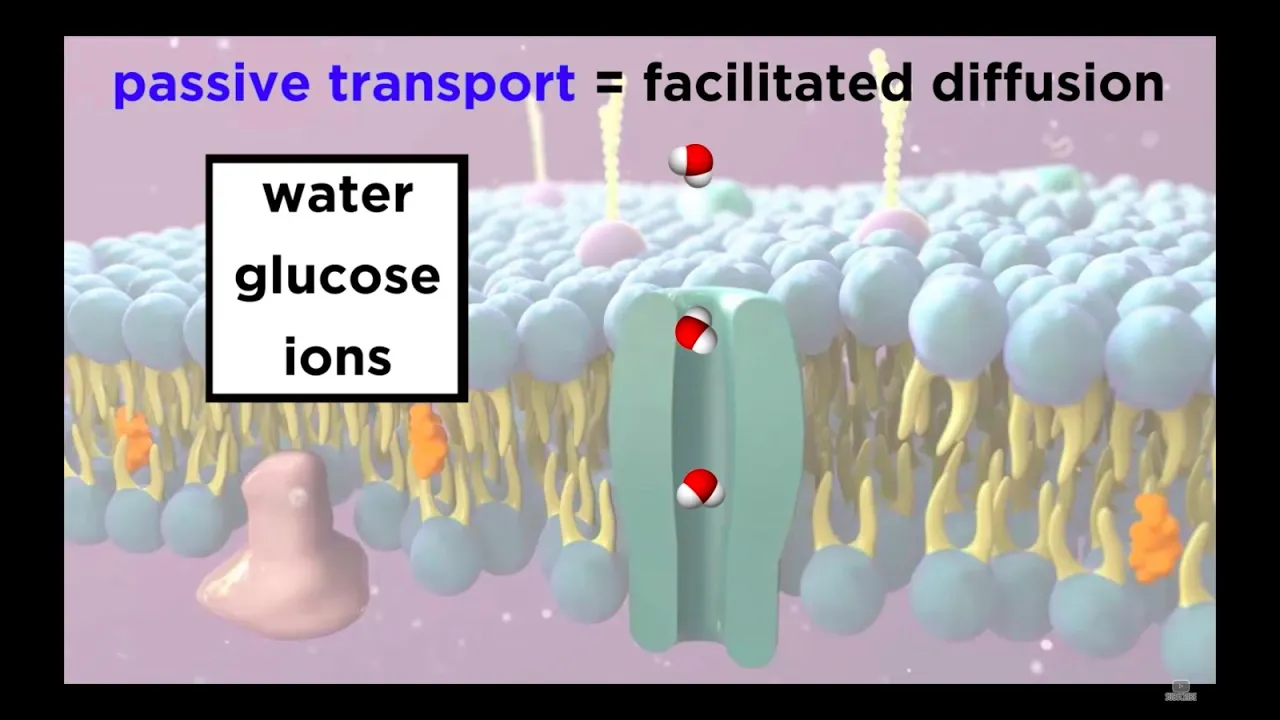
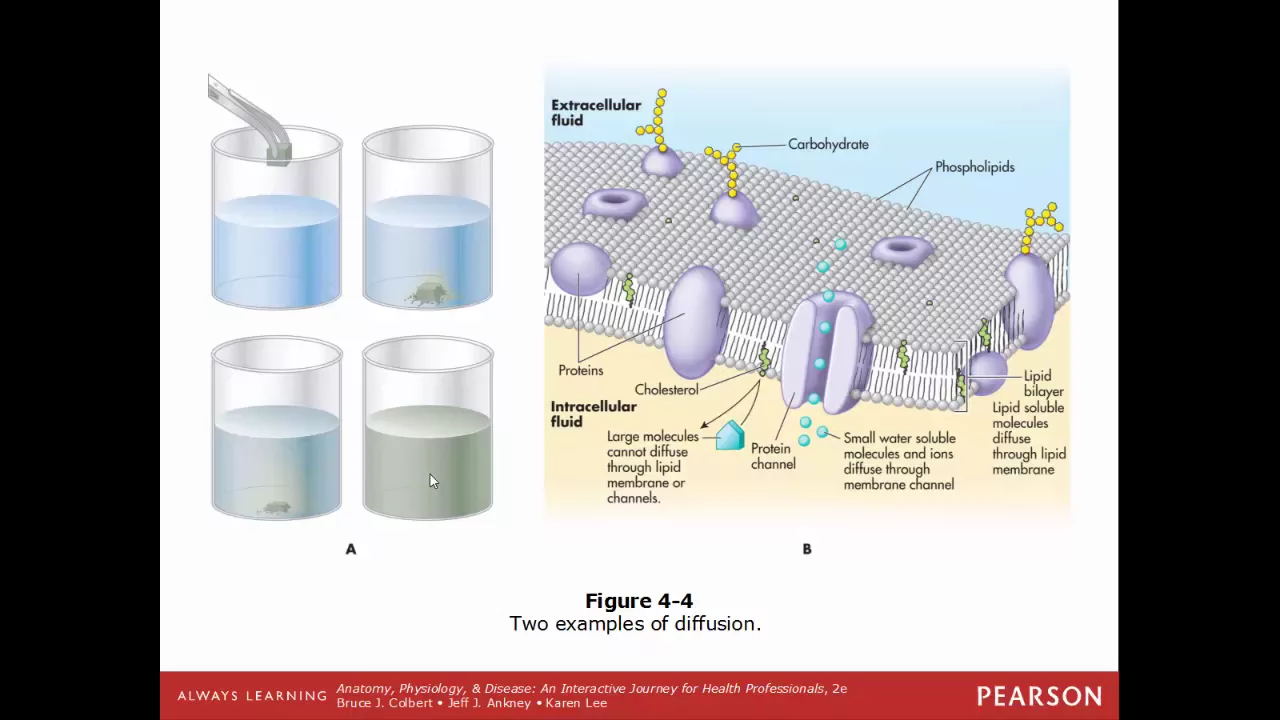
Membrane transport mechanisms include passive processes (simple diffusion for small non-polar molecules like O2, CO2, steroid hormones, and lipid-soluble drugs moving down concentration gradients without energy, and facilitated diffusion using channels/carriers for charged/large molecules like glucose and ions) and active processes (primary active transport directly using ATP via ATPases like the sodium-potassium pump, and secondary active transport using gradients established by primary transporters for cotransport like sodium-glucose symporters); vesicular transport encompasses endocytosis (pinocytosis, phagocytosis, receptor-mediated endocytosis for LDL uptake) and exocytosis for secreting neurotransmitters, hormones, and other proteins.
Cell Biology: Passive & Active Transport Explained
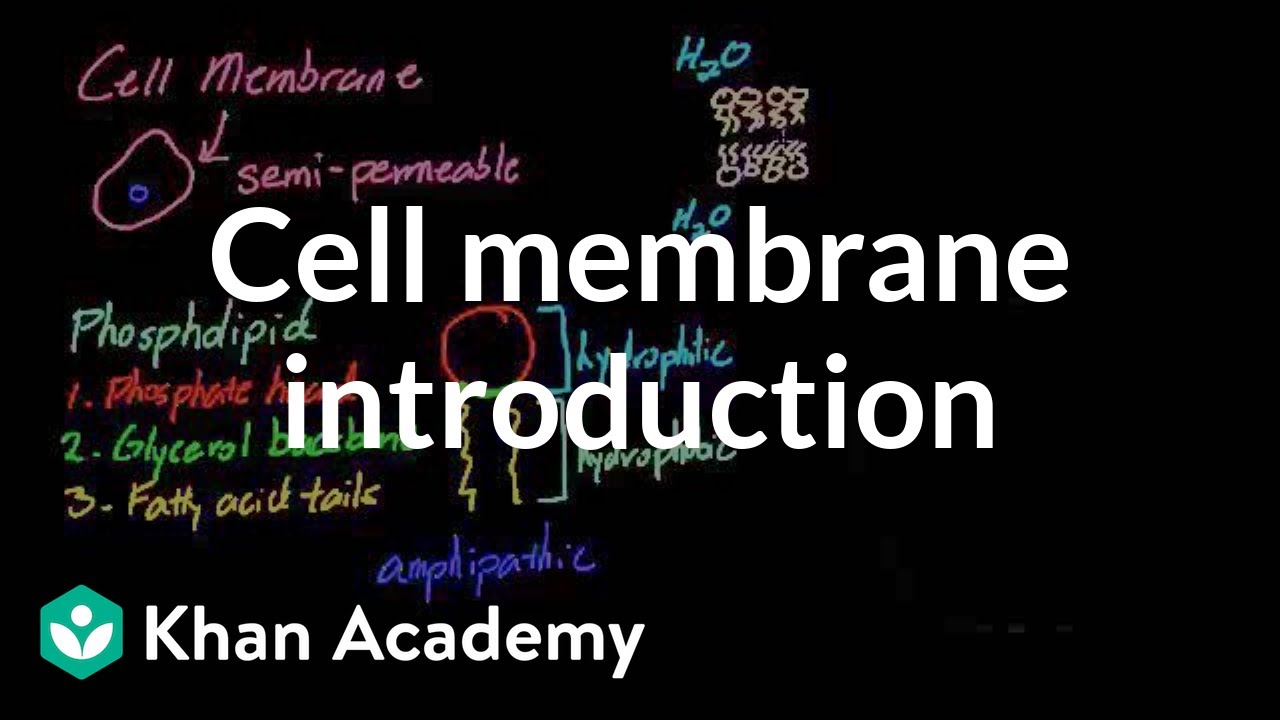
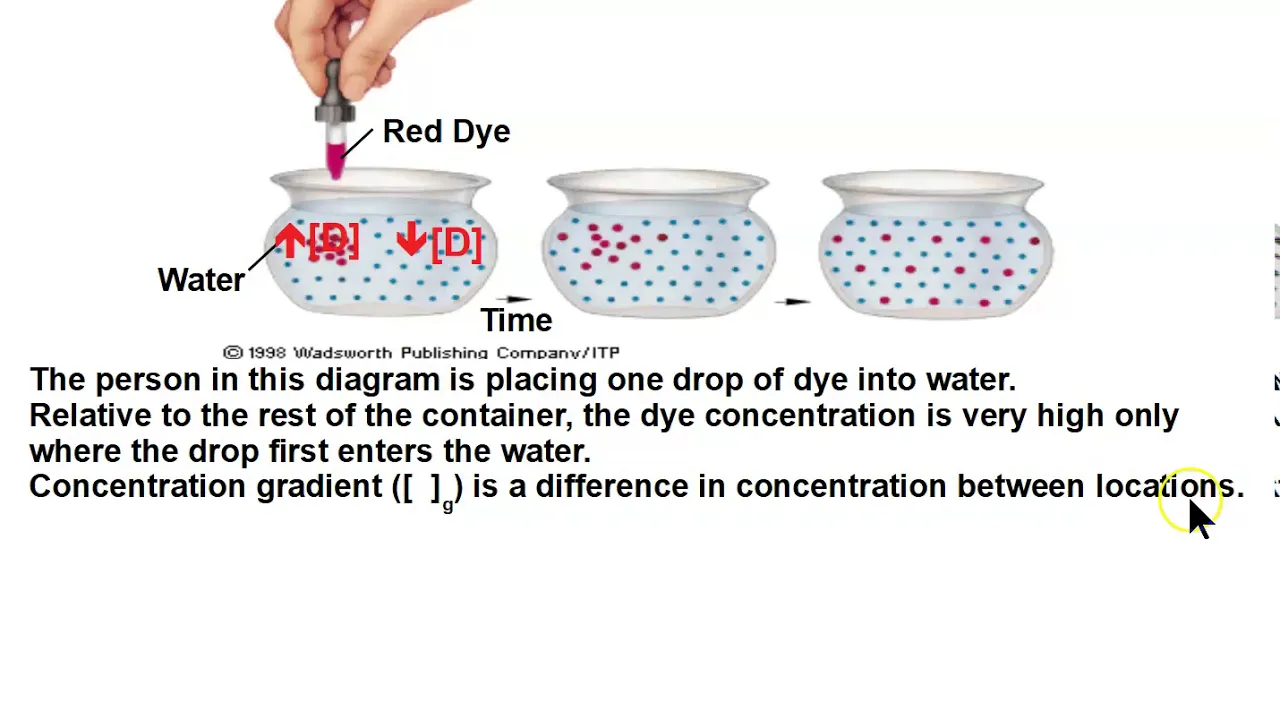
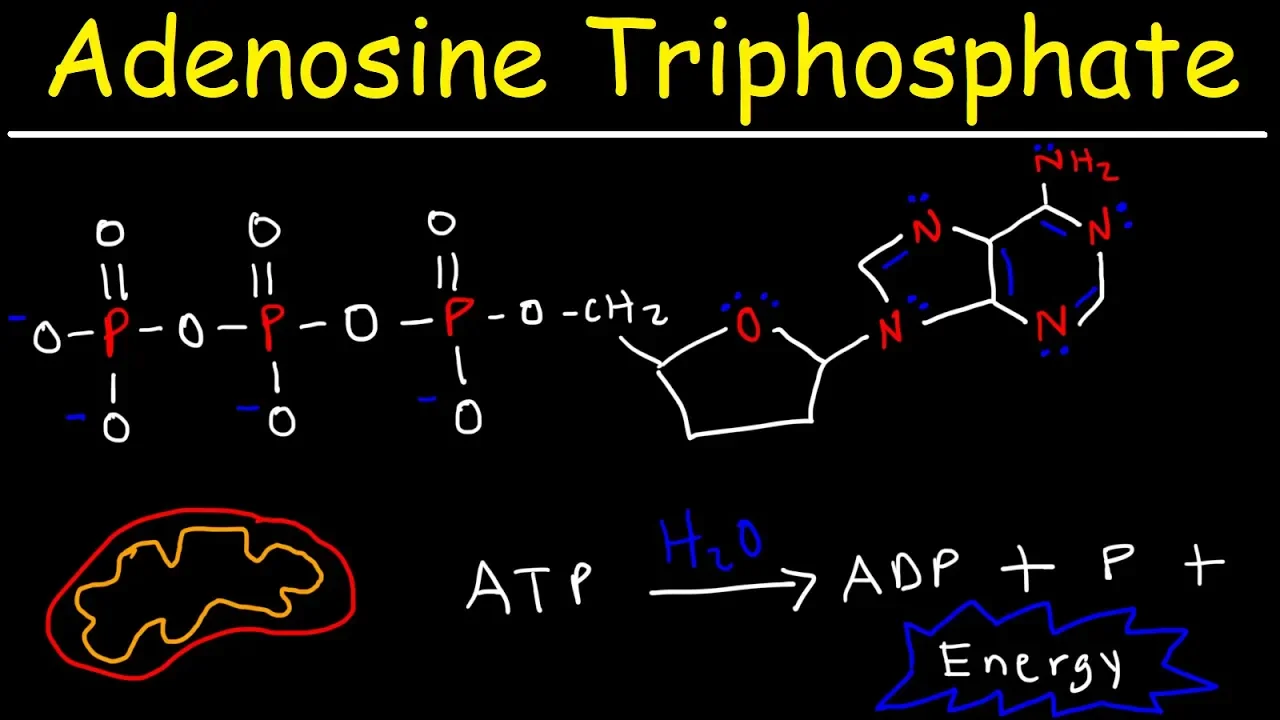
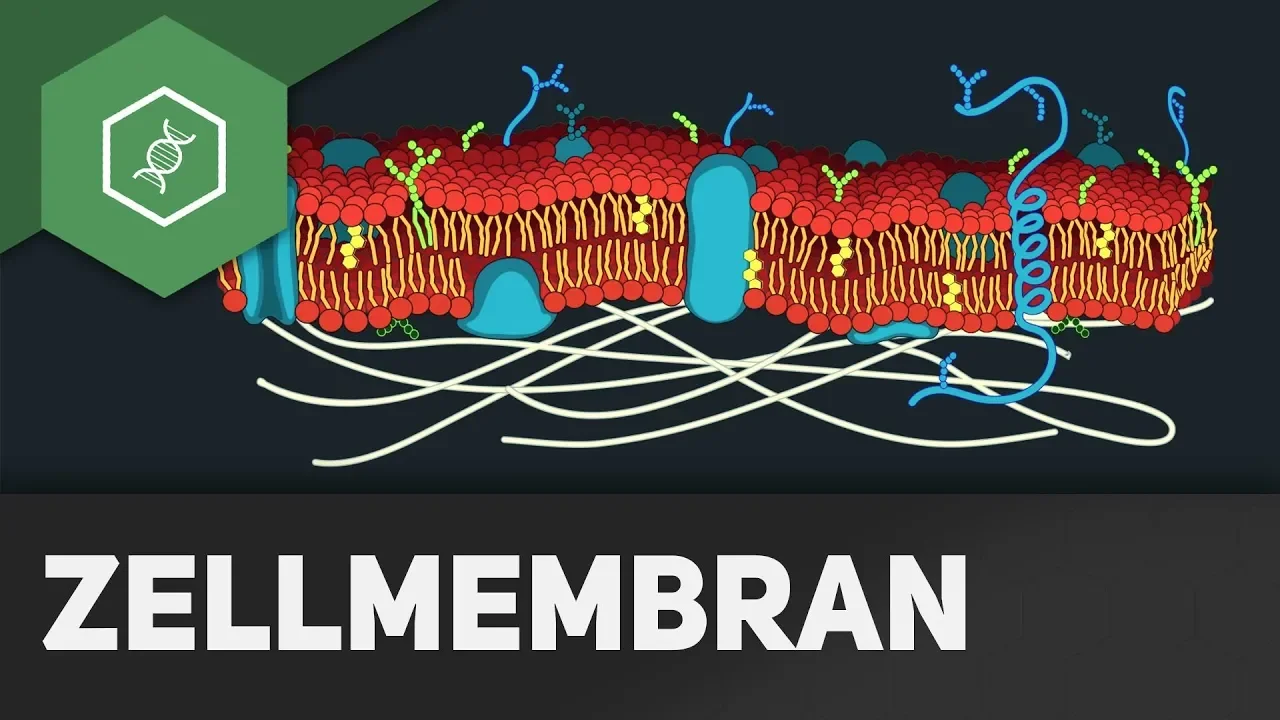
Added:what's up ninja nerds in this video today we're going to be talking about membrane transport before we get started though please make sure you hit that like button comment down in the comment section and please subscribe also down in the description box with links to our facebook instagram patreon account go check those out all right ninjas let's get into it all right ninja so when we talk about membrane transport uh we have a lot of different mechanisms that we have to go through so the first one that i want us to talk about is simple diffusion simple diffusion it really is simple and what simple diffusion involves it's a passive process and we'll talk what that means a little bit later but the first thing you need to know about simple diffusion is that it's a passive process it kind of means it doesn't involve any energy so what we'll put next to this is that there's no atp that is utilized in this type of membrane transport mechanism now that's the first thing that i want you to know the second thing i want you to know about simple diffusion okay is that this allows for molecules okay particular types of molecules and we'll discuss which ones to move from areas of high concentration to areas of low concentration through the cell membrane we have to briefly talk about what the cell membrane is made up of so with that being said we're taking things and moving it from we're going to abbreviate this a high concentration gradient to a low concentration gradient that is our concept of simple diffusion it can just move straight through this cell membrane without having to use a specialized transport proteins this is going to be things like respiratory gases you know what kind of respiratory gas is what substance moves from the blood into the cells do you know which molecule it is this is oxygen oxygen is extremely important because oxygen is carried on hemoglobin in your red blood cells and taken to the tissues where it's dropped off to the tissue that's one example so oxygen would be one molecule that moves across the other one is you know whenever your cells are performing um you know aerobic cellular respiration what's one of the byproducts that is produced from aerobic cellular respiration co2 so it's a waste product that's actually produced by what by our cells and this will get pushed out of the cell into the blood carried by red blood cells to our lungs so that we can exhale them that's one example so oxygen co2 these are molecules that are going to be examples that move by simple diffusion but we have other ones really important ones you know we have these hormones very interesting hormones we're going to draw these hormones like this just a generic structure of them and uh there's no specific thing to this i'm just kind of doing it for you know the simplicity taker let's say here we have this molecule here this is a hormone that's derived from cholesterol so we call this a steroid hormone steroid hormones are lipid soluble and this allows for them to move into the cell without needing a transport protein or some type of carrier so what kind of molecules can also move into the cell things that are going to be steroid hormones give me examples of steroid hormones i know you guys know a bunch of them testosterone estrogen progesterone aldosterone cortisol vitamin d there's so many different things one more that i really want you to remember don't forget this one it's also going to be lipid soluble drugs so i want you to also remember let's kind of do it like this a little pill here you know drugs that are really really lipid soluble they also have the ability to pass through the cell membrane without needing a transport carrier so the last thing that i want you to remember is lipid soluble drug and there's so many of these so with that being said what are the different molecules that can move by the process of simple diffusion which is going across this actual cell membrane without needing a transport protein and again it can go into the cell or out of the cell but it doesn't need a transport protein oxygen co2 steroid hormones and what else lipid-soluble drugs okay we talked about that there all right now that we understand that let's talk a little bit more about this if you guys have noticed something about these molecules and how they're diffusing across the cell membrane they're not needing a transport protein there's a reason why and you have to know a little bit about the cell membrane let's talk very quickly about the cell membrane when you look at the cell membrane we have these little red structures here what are these red structures you have a point here that's like the head of this phospholipid and then you have these little fatty acid tails very important these are on both sides so they're kind of abutting one another here so you're going to have these little things here what is this little head here called this head here is called the phospholipid okay that's our phospholipid and the big thing to take away from this is that this is a polar molecule the other component of this is your fatty acid tails so your fatty acid tails now the fatty acids what's really important to remember out of this is that they are nonpolar now what's really important is that this phospholipid bilayer really prevents polar molecules from being able to cross the cell membrane because of these phospholipids you see this phospholipid head it's on the outside and inside so what it does is it prevents molecules that are really charged what does that mean that they have like a positive charge or they have like a negative charge these polar heads these phospholipid heads basically prevent or kind of repel these charge molecules from getting into the cell or getting out of the cell that's really important so one reason why these things like oxygen co2 steroid hormones and lipid soluble drugs can pass freely across the cell membrane is because they're not charged the other reason is that they're very lipid soluble and guess what fatty acids are very nonpolar so because they're very nonpolar things like oxygen co2 steroid hormones and lipid soluble they're also nonpolar so because of that they can dissolve right across the cell membrane because of these fatty acid tails so two reasons why these things can move across the cell membrane one is because the phospholipid head repels charged substances and the fatty acid tails are nonpolar and these things oxygen co2 steroid hormones and lipid soluble drugs are also non-polar and remember that term they always love to use that like dissolves like so if you have something that's lipid soluble or nonpolar it's going to dissolve within a lipid-soluble or nonpolar type of substance so that's important one more thing that we have to hit off here with this simple diffusion process there's a particular rate at which these things can diffuse across the actual cell membrane and more particularly the ones that i really want us to talk about is oxygen and co2 the diffusion the rate of diffusion of these molecules across the cell membrane is very dependent on a couple different factors so let's say the rate of diffusion the rate of diffusion and particularly which ones are we talking about here we're talking about oxygen and co2 this is dependent upon a couple specific factors one of them is the surface area so you know whenever you have a cell the larger the surface area of the cell the more diffusion can take place across that cell and that's going to increase the rate of diffusion so one thing the rate of diffusion will increase with surface area that's one big thing the next thing that's also going to affect the rate of diffusion is also going to be the concentration gradient when the concentration gradient is very high in other words they have a high concentration gradient for example oxygen is higher outside the cell lower inside the cell co2 is higher inside the cell lower outside the cell whenever they have a high concentration gradient or big concentration gradient is going to cause more of these molecules to move in that their corresponding direction okay so the higher this gradient is here and the lower the co2 is out here the more co2 is going to diffuse across the more oxygen we have outside the cell and the less oxygen we have inside the cell the more oxygen is going to diffuse across so the other thing that's also really important here is the concentration gradient the other really important thing here is going to be the thickness of the cell membrane you know when the the cell membrane is very very thick that's a farther distance that these oxygen co2 molecules have to move so if you have a thicker cell membrane it's going to decrease the rate of diffusion so what i want you to remember is we're going to put here t for thickness of the actual cell membrane and then one more the last one here is going to be the weight okay if you have something that's really really heavy the diffusion the rate of diffusion across the actual cell membrane is going to be a much slower than a substance that's very light so also we're going to say the weight of that molecule the heavier the weight is the lower the rate of diffusion so at the end of all this what i want you to take away the rate of simple diffusion is going to increase with increasing surface area and increasing concentration gradient the rate of diffusion will decrease with increasing thickness of the cell membrane and increasing weight of the corresponding molecule boom roasted we just killed that right so again that should discuss our simple diffusion process it's molecules moving across the cell membrane down their concentration gradients and again it's because they're lipid soluble they're non-polar they're not charged that they can do this process and again we know what things can increase the rate or decrease the rate of these molecules diffusing across the cell membrane let's now move on to the next part of membrane transport all right so now the next type of membrane transport mechanism is going to be very very similar to simple diffusion and what do i mean by this for the most part facilitated diffusion is a passive process again that means that it doesn't really require any energy it's a passive process so usually for the most part it is a passive process usually no atp is required directly for these processes to occur now here's the difference though here we said that things are in the simple diffusion things are molecules are going from high concentration to low concentration whether that mean that they go from in the cell to out the cell or out of the cell into the cell it doesn't matter these molecules that are diffusing across the cell membrane whether it be simple or facilitated are moving from high concentration gradients to low concentration gradients so that's not changing here's the difference in simple diffusion do you see any transport proteins that were allowing those molecules to move across the cell no in facilitated diffusion you need a protein whether it be a channel or whether it be a carrier to shuttle those molecules across the cell membrane that is the biggest difference between facilitated diffusion and simple diffusion so again what does this mean it means you require two things it requires a channel and we'll talk about the different types of channels or it requires a particular carrier to mediate that diffusion process that is super super important okay so now that we know that let's talk about the different types of facilitated diffusion one of the big one and everybody knows this one is osmosis osmosis is the movement of water from areas of where high concentration to areas of low concentration so for example if there was more water outside of the cell and less water inside of the cell where's the water going to move pretty straightforward it's going to move from outside the cell to inside the cell this is the process of osmosis but there's another way that we describe osmosis it's not just dependent upon the concentration of water but it's also dependent upon the solute concentration let me explain what i mean let's say i take this pink color here let's say i put a lot of salt so here's a lot of sodium chloride that's in the cell and only a teensy little bit of sodium chloride is outside the cell where's the sodium chloride concentration higher it's higher inside the cell and it's lower outside the cell so water loves to move from areas of high water concentration to low water concentration but water loves to move from areas of low solute concentration to areas of high solute concentration and what that means is that there's lots of glucose or sodium usually this is the perfect example so usually these little molecules we're representing as something like sodium or glucose so this could be something like sodium or this could be something like glucose so wherever there's higher amounts of sodium and higher amounts of glucose water is going to move to that's the important thing and what is this process here called this process we just described is called osmosis and it's a particular type of facilitated diffusion now should we know what kind of transport protein really or channel protein that allows for water to move in or out of the cell depending upon the water concentration or solute concentration yeah generally these proteins are referred to as aquaporins they're called aqua porins so this is an important thing to remember and the reason why is that there's many different types of aquaporins we're not going to go into detail on that but what i want you to know is that these channels these aquaporin channels are what allows for water to move across the cell membrane either down its concentration gradient or moving to where there's areas of high solute concentration boom roasted let's move on to the next type of facilitated diffusion there's these different channels and we have to discuss these and i like to remember these based upon their different ways of like mechanism so what we're going to do is we're going to label these these couple channels here because these are other types of channels that control the movement of ions this one here in red is called a leaky channel that's the first one i want you to remember the one in orange is our voltage gated it's our voltage-gated channel so we have different channels we have a leaky channel we have a voltage gated channel and then here in purple we have a ligand gated channel what's this next one called ligand gated so ligand or chemically gated ion channel and then the last one here is going to be the mechanically gated so the mechanically gated ion channel so again these allow for you know molecules that are charged to move across the cell membrane utilizing these special transporters so that's another thing we have to talk about facilitated fusion we know that it's things moving from high concentration to low concentration utilizing channels and carries like we talked about with water but remember with simple diffusion what things were not moving across the cell membrane charged molecules why why couldn't charge molecules move across let's see if you guys remember remember we said that here's the phospholipid usually phospholipids have a little bit of a negative charge so because of that things like negative charge or positive charged molecules will be kind of like in some way repelled or prevented from being able to move across that actual cell membrane right so because of that we need a channel that will allow for these charged molecules or polar molecules to move across the cell membrane and that's where these channels are coming in so the first one is your leaky channels and leaky channels are really really important especially in neurons you know what is the most important leaky channel that you need to remember your potassium leaky channels these are super super important now here again we have to understand this high to low concentration gradient so potassium is really high inside the cell but potassium is really low outside the cell so whenever these channels are open which is pretty much all the time in neurons where's the potassium when i want to flow it's a charged molecule it's going to want to move from inside the high concentration to areas of low concentration so it's going to want to move from inside the cell to outside the cell these leaky channels again what are they very very important in they're important what i want you to remember is that these are super important within neurons and within neurons these leaky potassium channels control the resting membrane potential in these neurons another reason why we should really understand these leaky potassium channels so again potassium moving from areas of high concentration to low concentration utilizing a channel and again it's a charged molecule so it can't diffuse across the cell membrane it needs this channel to perform it simple right all right next one voltage gating these are very important especially within neurons and let's think about these particular with sodium this is the best example you can be calcium it could be sodium it could be whichever one you want we'll pick both of them frequent right so here we'll have lots of sodium we'll have lots of calcium and usually the sodium ions are really high and the calcium ions are higher outside the cell and they're lower inside the cell so whenever there is a particular voltage what does that mean usually these voltage-gated sodium or calcium channels you have to hit a specific threshold again it could be a specific threshold maybe it's like negative 55 millivolts and whenever you hit that threshold boom these channels open because normally if you're not at that voltage the channel's closed but if we hit a particular voltage like let's say negative 55 millivolts what's usually threshold potential in neurons what happens this channel will open and allow for sodium ions to rush into the cell or allow for calcium ions to rush into the cell and allow for what kind of process well let's explain what that will be significant for usually these voltage-gated voltage-gated channels usually sodium or calcium are really important in neurons and guess what they're important for action potentials so usually these are very important to remember for your action potentials okay all right so we understand this concept of leaky channels we understand the concept of voltage-gated channels what about the next one the ligand-gated ion channels again we have to move a charged molecule across the cell so we need a channel and it needs to be only open when a particular molecule binds to it let's use the classic example of at the neuromuscular junction you know the neuromuscular junction your neurons release a particular chemical called acetylcholine and whenever acetylcholine so let's put here acetylcholine whenever this acetylcholine binds into this little pocket here that's on the channel usually this channel is closed so no ions are moving across this actual channel whenever the acetylcholine is not bound to it but when acetylcholine binds into this little pocket guess what it does usually this kind of gate here is blocking ions from moving in but when acetylcholine sits down in this pocket it's like a seesaw it lifts the thing up and now that gate that was blocking the entry is going to open and it's going to allow for ions to flow in what kind of ions usually this is sodium ions where's sodium higher in you know sodium is high outside the cell and it's low inside the cell so because of that where would sodium want to flow when this channel is open because acetylcholine binds it'll want to go into the cell and when it goes into the cell it's going to do what it's going to trigger an action potential and lead to muscle contraction so again where would this channel be very important to know it's important at your neuromuscular junction because it's going to induce an action potential and that action potential is going to induce muscle contraction do you see how something as simple as this little channel can make a difference in our body okay beautiful another one another channel mediated facilitated diffusion is called mechanically gated let's say that uh you're you're helping a friend you know you're helping a friend moving something around his house okay you're picking up a couch all of a sudden he drops one end and then the couch comes in it falls and smashes your finger that smashing of the finger applies a particular amount of mechanical stress and you know there's particular nerves pain receptors that are there in your fingers whenever they get smashed and whenever that actual mechanical stimulus let's say that it's actually going to be you know a large amount of pressure is going to stimulate this because again you got your fingers smashed by the couch that large amount of pressure is going to open up little channels on the pain receptors and allow for ions to flow in maybe ions like sodium okay maybe ions like sodium will flow in and as the sodium ions flow into that actual mechanically gate into that actual pain receptor what's it going to do induce action potentials so again sodium will move from areas of high concentration to areas of low concentration now you always remember that sodium is always higher outside the cell and lower inside the cell so whenever you have a particular pressure that is the stimulus opens up the mechanically gated channels on those pain receptors when it opens up sodium flows down its concentration gradient into the cell and again why would this be important if you think about this in like pain receptors right we call them noisy acceptors this could activate them and then send that actual signal down your pain pathway and again this could get sent down sensory nerves so this could stimulate the sensory nerves and induce kind of a pain signal that'll go to your central nervous system right so something as simple as this that could give us an example of again this facilitated diffusion that is particularly channel mediated we got one last one for facilitated diffusion that's this carrier-mediated facilitated diffusion this one is really important i really need you guys to understand this one okay this last one here for facilitated diffusion is channel mediated and again these channels are really going to be present sometimes they're present only whenever there's a particular stimulus and i'll explain what i mean by that or they're present they're open all the time so what are some examples of these channel mediated molecules well let's say that we take for example the most classic one glucose you know glucose it's in generally in higher concentrations outside of our cell and it's going to be in lower concentrations sometimes inside of our cells okay so because of that if i want to get glucose particularly in certain types of tissues like maybe your muscle your adipose tissue stuff like that if i want to get glucose into the cell to utilize it to make atp and generate energy these channels or these carriers will have to move the glucose into the cell down its concentration gradient and these little carrier channels are usually referred to as glut transporters so you're glut transporter you know there's different types of gut transporters found all over your body we're not going to go into great detail but what's the big ones that i really want you to know is your glut4 your glut4 transporters are found particularly in what tissues your adipose and it's also found in the muscle tissue you know what happens with these glut4 transporters if someone needs if someone needs to get glucose into their tissues you know what hormone regulates the activity of glucose primarily insulin insulin will stimulate guess what the increased expression in other words i'm going to put more of these glut transporters into the cell membrane if i have more of these glut transporters expressed onto the cell membrane what am i going to do i'm going to bring lots of glucose from outside the cell to lots of glucose into the cell that is why something as simple as this type of carry-mediated process is important so again facilitated diffusion how can we wrap this up to describe it again passive usually no atp and that means that in order for that to happen things need to be moving from high concentration to low concentration but the only way these charged molecules or large molecules can get across the cell membrane is they need a particular protein channel or a particular protein carrier that allows for them to cross that so again that's the last thing i want to mention facilitate diffusion is important for large and charged molecules whereas simple diffusion is for small and non-charged molecules right all right so that'll discuss that'll kind of give us the ending that we need for the facilitated diffusion now let's move into the nitty-gritty stuff like the active transports all right so we talked about facilitated diffusion now let's hit the primary active transport we have to understand what the heck that is so primary active transport you can obviously see in this process it is an active process so what the heck does that mean that means that it directly i want to write that down directly uses atp in order to move these particular molecules that's the first thing that i need you to know whenever somebody asks you what's primary active transport it's the direct utilization of atp to move substances from areas of low concentration so from a low concentration gradient to a high concentration gradient you're like what the heck exactly we're going opposite exactly if a ion or molecule has to move against its concentration gradient like it's going uphill it's going to need energy to drive that process if it's going downhill it doesn't require much energy it's pretty easy but if we have to move something against this concentration gradient we need to utilize atp directly to pump those things against their gradients these are very very important okay and the next thing is we have to talk about is how do they directly utilize atp there's usually little atp aces so usually these channels have little enzymes called atp aces on them and what that means is is they take a molecule like atp and break it down into adp and an inorganic phosphate and when you break this bond the usually the third phosphate group on atp it creates a lot of energy and that energy that you generate is what drives the movement of these ions or molecules against their concentration gradient that's the big thing i want you to take away now the last thing we need to talk about is what are some of these examples of primary active transport okay the first one that i want you to know about is the sodium potassium atps if you forget all the other ones just please don't forget this one this is the most important one the sodium potassium atp aces so again let's use our understanding of what this primary active transport is moving things against their concentration gradient okay beautiful where do we say that sodium was higher originally we said that sodium is higher outside the cell that's something that we knew and we knew that sodium is lower inside the cell that's the first thing where's potassium generally higher potassium we already know is higher inside the cell and potassium is going to be lower outside the cell so guess where i'm going to be moving these molecules i'm going to move sodium from areas of low to high so in other words i'm going to take three sodium molecules so if sodium sodium sodium and these sodium molecules are going to move from inside the cell to outside the cell against their concentration so they'll bind onto these little pockets and then this transporter will flip if you want to think about it like that so that's the first thing with sodium but then potassium two potassium molecules are going to have to bind to these little pockets of the atpase and whenever these potassium molecules bind here again they're going to get transported into the cell against their concentration gradient so in order for me to do that i need a little pocket here let's say there's a little pocket in this transporter this little atp ace molecule right what it's going to do is it's going to take that atp in it and it's going to spit out adp and an inorganic phosphate and by doing that process what is it going to what is it going to do it's going to flip these things so then it's going to transport three sodium molecules from inside the cell to outside the cell and it's going to transport two potassium molecules into the cell and again what are we doing in this process sodium is moving against its concentration gradient potassium is moving against its concentration gradient so we need atp directly to power that process straightforward this is one of the most important atp aces that you can't forget you want to know why there's a lot of things that can regulate this sodium potassium atps let me quickly mention a couple things and we'll go into a little bit more detail of them later but the first one that i want you to know is that your sodium potassium atp aces you know insulin if you have an increased amount of insulin insulin can increase the activity of the sodium potassium atpases so in other words you're going to control more of these sodium potassium atpases you're going to increase the activity of the sodium potassium atp so utilize atp that's one the other one is your thyroid hormone you know t3 t4 if there's an increased amount of t3 and t4 your thyroid hormone that's also going to increase the activity of the sodium potassium epiaces and you're going to generate more atp utilization and generate more heat that's why sometimes if people have hyperthyroidism what do they usually have a high body temperature an increased metabolic rate insulin is going to want to increase your metabolism so that is the important aspect of these but there's also one more you know there's a drug that we utilize a lot in heart failure patients called digoxin and digoxin we'll talk about this later it loves to inhibit the sodium potassium atpases and that creates this very interesting type of mechanism but we'll talk about that when we get over here but digoxin is going to increase the contractility of our heart via inhibiting the sodium potassium atps and we'll talk about that a little bit later but again i want you to understand how it's relevant to know something at this cellular molecular level at the basic level how that really builds on your foundation of science and medicine okay beautiful the next one that we have to talk about here is these calcium pumps these are very very important so again the next primary active transport is going to be your calcium atp aces okay now the calcium atp so let me think let me give you an example here because again we're talking about the cell membrane but i really want you to think about this for a second let's say that pretend this membrane is for the sarcoplasmic reticulum so what i'm going to do is i'm actually going to draw really quickly another small mini diagram let's say here is my sarcoplasmic reticulum okay here's going to be my sarcoplasmic reticulum my sr okay and particularly within what kind of cells is your sarcoplasmic reticulum really high your muscle cells there's special transporters that are on this sarcoplasmic reticulum and that's these calcium atp atpases whenever your muscle is going through relaxation so during the relaxation period so relaxation of the muscle particularly the one that we really want to focus on here is like your cardiac muscle so during relaxation of the muscle what happens is the calcium ions we need to get them out of the muscle cytoplasm and into the sarcoplasmic reticulum why when you're relaxing your muscles we want the calcium to not be there because calcium is going to continue to induce muscle contraction right so what we need to do is we need to push calcium into this like little calcium storage center so what you need to remember is that the sarcoplasmic reticulum is a calcium storage center there's lots of calcium in there and when our muscles are relaxing we want to push the calcium which is in lower concentrations inside the cytoplasm we want to push it into the sarcoplasmic reticulum which is where it's going to be in higher concentration in order for that process to occur if i want to pump it from low concentration to high concentration what do i need atp so i need atp in this process to pump the calcium from the sarcoplasm right the sarcoplasm which is basically the cytoplasm of the muscle cell into the sarcoplasmic reticulum and by doing that we prevent all the calcium from being out here in the sarcoplasm which is going to continue to induce muscle contraction we don't want that so that's very very important you want to know why this is also another important thing that we should know for the calcium atp aces you know when our our autonomic nervous system particularly the sympathetic nervous system is increased let's say that during you have increased sympathetic nervous system activity and what that means is that you're releasing increased amounts of norepinephrine and increased amounts of epinephrine what these things do is is they come over here and they increase an intracellular process through a molecule they increase the expression of protein kinase a protein kinase a is going to come and stimulate the activity of these channels it's going to increase the pushing of calcium from the sarcoplasm into the sarcoplasmic reticulum why so during relaxation we're pushing tons of calcium more calcium than usual with this sympathetic nervous system activity we're pushing more calcium than usual into the sarcoplasmic reticulum whenever the next stimulus comes for the muscle to contract guess what we're going to do we have so much calcium than usual in that sarcoplasmic reticulum that when the next stimulus to the muscle comes we're going to blast calcium out into that cytoplasm more calcium is going to bind onto those actual cross bridges that you know the troponin the super change the shape of the tropomyosin and lead to increase contraction that's why something like that's so important because increased sympathetic nervous system activity is going to increase the push of calcium via these calcium atpases into the sarcoplasmic reticulum so whenever you have another muscle stimulus we can push more calcium out and increase contractility that's important one more pump here one more type of primary active transport to really drive home the point of this and that's going to be these proton pumps you know proton pumps are really very important in your stomach you know how your parietal cells have lots of proton pumps and really we call these proton potassium atp aces but common you know terminology when you hear these is the proton pumps and what happens with these is let's say here is going to be where the lumen of the stomach is okay here's the lumen of the stomach and then this is the cell that's producing the protons so we're going to call this the parietal cell so here's our parietal cell and the parietal cell is the one that basically produces the protons or hydrochloric acid in your stomach well what happens is is i want to push protons right from inside the parietal cell out here into that actual lumen of the stomach you know it's really high concentration of lumen of our stomach what do we have lots of in the stomach we have lots of protons out here right because you know our stomach makes lots of hydrochloric acid so because of that in the parietal cell there's going to be low amounts of protons so that's the first thing that you have to remember is that what we need to do here is we need to pump a proton against its concentration gradient when we push the proton against its concentration gradient from inside the parietal cell to in the lumen of the stomach i need to utilize atp so i need to directly break down atp in this process to push this proton against its concentration gradient now there's another molecule that moves across here it's potassium that's why i mentioned it but it's not relevant potassium can also kind of move in and out of this cell as well but again big thing to take home here is that these proton pumps which are in your stomach they're pumping protons against its concentration gradient so they need atp why is this relevant well the reason why is these proton pumps these proton potassium atp aces but again mainly proton pumps inside of your stomach they can be controlled via drugs you know those particular drugs drugs called proton pump inhibitors and in people who produce a lot of hydrochloric acid they produce too much of this protons or hydrochloric acid it can cause gerd it can cause peptic ulcer disease and that's kind of you know could be damaging so what these proton pump inhibitors do is they inhibit the activity of the proton pumps if you inhibit the proton pumps you don't produce as much protons or hydrochloric acid into the lumen of the stomach and that decreases the erosiveness that it can actually cause in the stomach decreasing the severity of peptic ulcer disease and gastroesophageal reflux disease so again something as simple as something at the chemical molecular level can be translated into a medical concept it's it's amazing okay so we understand here i think we've really hit home the basic scientific and clinical relevance related to primary active transport mechanisms now let's finish up with secondary active transport all right so let's talk about the next membrane transport mechanism which is secondary active transport so again pretty straightforward secondary active transport again you can take away from the name it is an active process but let's be way more specific remember primary you directly utilized atp in secondary active transport there is indirect use of atp that's very important we'll kind of explain what the heck that means in a little bit but for secondary active transport again what's really happening in this is let's say that we take two molecules so let's say that i take molecule x if we take molecule x that molecule could be moving from areas of high concentration right so a high concentration gradient to an area of low concentration so one molecule could be moving down its concentration gradient but let's take another molecule like molecule y to areas of high concentration i'm moving it against its concentration gradient okay now usually this x molecule is what we're going to talk about for pretty much these examples here is going to be sodium it's going to be sodium who's going to be moving down his concentration gradient and we'll talk about how it's able to do that in a second but molecule y is going to be all the other things that we're going to talk about glucose okay protons you know there's so many things amino acids a bunch of stuff but other ions that have to move against its concentration gradient it'll move with sodium whether it's moving in the same direction as sodium what is that called whenever two ions are moving through the same transporter in the same direction what is that called there's a particular name for that it's called symport so symport is when both molecules are moving in the same direction so in other words they're going from outside the cell to inside the cell both of them x and y antiport is going to be when one molecule is moving into the cell maybe molecule x and molecule y is moving outside the cell so these are very important things to remember about secondary active transport is that usually molecule and x and molecule y can move same direction symport or opposite direction anti-port okay now that we understand the basics of this let's talk first because this secondary active transport is truly dependent it's dependent on that sodium potassium atpase indirectly so let's explain that remember i told you that for pretty much all of these examples i'm going to talk about sodium is going to be moving it's going to be molecule x it's going to be moving down its concentration gradient how is sodium able to move down its concentration gradient is the important aspect here so let's say that we take over here another diagram okay let's have over here a little diagram and i'm going to have a transporter we've already talked about this transporter but this transporter is a sodium potassium atpase and what is it doing it's pumping three sodium ions out of the cell and two potassium ions into the cell in order for it to do that it needs the utilization of atp we already know that well this pump what is it doing if this is activating if it's working very very heavily it's going to be really working hard to push lots of sodium out of the cell okay and so sodium will be in high concentrations outside the cell so if the sodium is in high concentrations outside the cell and i want to move something else with it who is going to kind of get to piggyback on him to get into the cell that is what i'm going to use i'm going to use sodium as my person who's going to help to piggyback me into the cell because i got to move against my concentration gradient so let's talk about the things that have to kind of hop on the back of sodium to move into the cell the first one is probably one of my favorite ones because you're going to see this a lot and this is the sodium glucose co-transporter or and again you can actually uh uh talk we can kind of name this a little bit later guess what sodium and glucose are moving in the same direction so what what else what's another word we could call this sodium glucose symporter so i could also call sodium glucose imported because that's what sodium and glucose are moving in the same direction but neither here nor there sodium is going to move from outside the cell okay to inside the cell and we know this concentration gradient of him is developed by who the sodium potassium atpase so that sodium potassium atpase is going to build the sodium up outside the cell glucose is the other molecule i need to get into the cell glucose in a particular example we're going to use the kidneys glucose is in lower concentration in the kidney tubules and in higher concentration inside the kidney tubular cells so in order for glucose to get into the cell going against its concentration gradient who does it have to move with sodium so sodium is the only way that glucose molecule is going to be able to get into the cell is because it's piggybacking off the back of sodium who's moving down its concentration gradient why the heck am i focusing on all this is there a reason yes there's drugs that target this type of transporter very important drugs use it a lot in diabetes we call these sodium glucose transporters and technically in the kidneys it's type 2 inhibitors and the easiest way to remember this is let's say here is our kind of our kidney tubules here's our kidney tubules and then here's going to be a kidney tubular cell okay let's actually make it a little bit bigger so here's our kidney tubule and here's our kidney tubular cell and i want to try to absorb that glucose and that sodium into the blood okay i use this special transporter normally let's say here's normally here's our transporter it's going to move sodium across the cell and glucose across the cell into the blood okay we're going to represent glucose as just like a g and someone who has diabetes guess what they have a lot of a lot of glucose right in their blood and we're going to filter a lot of glucose out into their actual kidneys well you know when someone who has diabetes do you want them to have a lot of glucose into their bloodstream no so guess what i can give a drug like an sglt2 inhibitor it's going to inhibit this channel if i inhibit this channel will i absorb sodium across the cell no will i absorb glucose across the cell into the blood no what happens i just pee out tons of glucose into the urine and that reduces the blood glucose levels in patients with diabetes do you see how something so simple can apply medically that's important to remember so again why am i mentioning these the sodium glucose go transporter again one's moving down concentration gradient one's moving against concentration gradient and again the only way that the sodium is able to move down is because of the sodium potassium atpase what's the clinical relevance sglt2 inhibitors okay beautiful let's move on to the next one all right so the next one we talked about sodium glucose let's talk about the next one the next one is i call it a very special one we're not going to go into crazy i don't want to go crazy because i think you guys have gotten the point about this one but this next one is called a sodium potassium two 2-chloride symporter or also known as a co-transporter again symporta means that they're both moving in the same direction everything is in this case we've got three molecules that are moving across so again what is the big one that's moving across down its concentration gradient sodium another one though is chloride so sodium and chloride are higher outside the cell and lower inside the cell so they're going to move easily down their concentration gradient well there's another molecule that i need to move another ion i should say and that is potassium potassium is lower outside the cell and really really high inside the cell so what does that mean for potassium we're moving it against its concentration gradient but thankfully sodium and chloride are good friends they're allowing the potassium to piggyback on them to get them into the cell and so potassium will be able to move as well into the cell why the heck am i mentioning these again what's an important medical relevance to this these importers are found in a particular area in the kidneys we've really focused on kidneys pretty heavily haven't we so in the kidneys there's a very specialized structure here called the loop of henle okay it's called the loop of henle and this loop of henle has a lot of these little transporters on them so here what i'll do is i'll draw these little transporters right here in green okay now normally what they do is is they move the sodium they move the potassium they move the chloride out here into this little interstitial space so that we can pull water from this these loop of henle area right but let's say we give a drug a particular drug that's going to inhibit this you have a drug which are called your loop diuretics you know you've heard these like lasiks right lasix is your common one furosemide what these do is they inhibit these little channels the sodium potassium two chloride co transporters so now what does that mean that means sodium potassium and chloride can't move into the cells if they can't move into the cells guess where all that stuff builds up in it builds up inside of the kidney tubules you know what sodium potassium and chloride love to do what it loves to pull with it water so if sodium potassium and chloride aren't taken up into the cell they build up in the kidney tubules and whenever they leave they pull with it water and they're going to pull tons and tons of water out into the urine pulls sodium out into the urine pull chloride out into the urine and that whole significance of that is that they're going to reduce the fluid volume in the body in patients who have high volume states like who heart failure patients who have a lot of edema pulmonary edem in the lungs people with liver failure who have like who have particularly like ascites and things of that nature we can pull some of that excess fluid off their body by inhibiting these little transporters isn't that cool all right the next one here the next one that i want to talk about i forget okay sorry all right remember now all right what's the next one the next one here really interesting one is called your sodium proton pump okay and it's a simple thing we are we've already gotten to the point where we should know this now but this is a sodium proton type of transporter and again you're going to see here it's an anti-porter so it means that they're moving in opposite directions i wanted to just give you one example of these so what happens is sodium will move this is again a very important one in the kidneys sodium will move from areas of high concentration which is outside the cell to areas of low concentration which is into the kidney cell at the same time i want to move a proton molecule out of the kidney cell and into the kidney lumen in order for me to do that though again protons in the kidney lumen are actually going to be higher and then lower protons inside the cell so again i'm moving sodium down his concentration gradient but i'm pushing protons against their concentration gradient but thank goodness sodium says hey if i go in i'll let you go out for free so sodium comes in protons come out this is very very important in your kidneys particularly in an area of the kidneys called the distal convoluted tubule again why is this medically relevant you know patients who have uh high levels of aldosterone guess what it does to these sodium proton pumps it increases the activity of them if you increase the activity of the sodium proton pump in the distal convoluted tubule what does that mean i'm going to push more protons out of the kidneys and into the urine i'm going to pee out more protons if i pee out more protons what's that going to do to the blood the amount of protons in the blood it's going to decrease them what's that condition called when you have low protons in the blood or your blood is becoming alkaline alkalosis and this isn't due to a lung issue it's due to a metabolic issue so this can produce what's called metabolic alkalosis and then the same concept what if somebody had low aldosterone low aldosterone means that you have low activity of the sodium proton pumps and that means that i'm not going to spit as much potassium out into the urine i'm sorry i'm not going to spit as much protons out into the urine so if i don't spit a lot of protons on the urine a lot of the protons build up in the blood making the blood more acidic that's called acidosis and we call this metabolic acidosis so something as simple as that can influence these pumps one last one the last one here is going to be a sodium calcium exchanger so what is this one called a sodium calcium exchanger and again this is a anti-porter because they're moving in opposite directions this is very very important in your cardiac muscle tissue so again where would this be important this is important in your heart tissue what happens is sodium moves from areas of high concentrations which is outside the cell tears of low concentration which is into the heart cell then calcium which is going to be in low concentration inside the cell has to move out of the cell against its concentration gradient because calcium is higher outside the cell lower inside the cell now in order for that process to occur in order for me to push the calcium out of the cell i need sodium to come into the cell down its concentration gradient we have beat this like a dead horse why is this important though in the heart there's a drug called digoxin okay we talked about it over there with the sodium potassium episodes watch how this kind of comes together remember what we said that the digoxin does it inhibits the sodium potassium atp aces if you inhibit the sodium potassium to pieces what happens to the sodium that builds up so again digoxin is going to do what digoxin is going to inhibit this at this pump so now sodium is going to do what it's going to be lower outside the cell as a result of that if sodium is low outside of the muscle cell is it going to be able to move into the muscle cell down its concentration gradient no so because of that if sodium can't move into the cell guess what there's not a chance in heck that i can move calcium out of the cell because calcium the only way it can move out of the cell against its concentration gradient is if sodium is moving into the cell down its concentration gradient but it's not because guess what digoxin inhibited this activity no more pumping of sodium out here sodium is going to be lower out here sodium doesn't go in calcium doesn't leave why is that important if calcium doesn't leave then this is going to cause calcium to build up in the muscle cell if calcium builds in the muscle cell the cardiac muscle cell what's that going to do it's going to increase the contractility of the muscle cell if i increase the contractility of the muscle cell i'm going to pump more blood out of the heart and this is why this drug is used a lot in heart failure so again how does it work inhibits the sodium potassium pump now sodium is not higher outside the cell can't move down its concentration gradient so calcium can't leave if calcium can't leave calcium builds up in that muscle cell and causes more muscle contraction by interacting with are the cross bridge activity right that's so cool all right anyway we've talked about the secondary active transport mechanisms now let's finish up with vesicular transport mechanisms all right engineers so we now need to talk about vesicular transport now vesicular transport there's two types endocytosis taking something into the cell and exocytosis which is pushing something out of the cell there's three subtypes to the endocytosis pinocytosis phagocytosis and receptor mediated endocytosis we're going to have to talk about these what's the differences in them what are they transporting and then how is it maybe clinically relevant for some of some of them the first one here is pinocytosis now pinocytosis means that it's called it literally means cellular drinking and what's happening here is you know outside the cell so here's outside the cell here's inside the cell you have a lot of water molecules right so maybe there's a lot of water molecules here and then maybe there's even a small amounts of like substances like solutes maybe there's a little bit of glucose here maybe there's some small amino acids maybe there's some other types of small protein molecules that are kind of dissolved within the water that's outside the cell so what happens is this cell it just kind of creates a little invagination a little pocket if you will and then it kind of like sucks or drinks in some of these water and solute molecules that are dissolved in the water so now i'm going to have some water in there and i'm going to have some dissolved solutes that kind of get taken up into this little a little kind of like invagination as it does that the two edges of this kind of cell fuse together and as they start kind of fusing together it buds this little kind of like thing this little invagination inwards into the cell and so now here i have like this little vesicle here is what we call it so here's my little pinot cytic vesicle now in that pinocytic vesicle i may have some water molecules and again i may have some dissolved solutes now we're near the cell membrane but let's say we need to move this pinocytic vesicle deeper into the cell how do we do that our cytoskeleton you know the cytoskeleton particularly what's called your micro tubules they have special types of motor proteins called kinesins and dyneins and what these kinesins and dyneins do is they bind onto this pinocytic vesicle and these kinesins what are they called kinesins and dyneins they move these pen acidic vesicles deeper into the cell down these microtubules and then eventually maybe as this pinocytic vesicle gets deeper into the cell guess what it does it releases out some of the water molecules into the cell and it releases out some of the solute molecules into the cell that can be utilized for certain metabolic processes where would pinocytosis be relatively important something that you kind of should know where it could be kind of taking place the big one is in your intestines your intestines constantly have to be sampling some of the water sampling some of those small dissolved solutes so that is an important areas where there's going to be lots of absorption which is going to be in your your intestinal cells so your intestinal cells will perform a lot of penicytosis processes so we understand what pinocytosis is right drinking of cellular fluid water dissolved solutes taken into the cell via a pen acidic vesicle transported deeper into the cell via the kinesins and dyneins which are motor proteins that are on the microtubules one more thing remember how we said that there was called primary active transport and secondary active transport guess what pinocytosis is it's a primary active transport you wanna know why anytime i have to transport these pinocytic vesicles and i use these kinesins and dyneins these are motor proteins and guess what they require they require atp in order for them to start actually working and transporting these things into the cell so it is a atp dependent process boom roasted let's move on to the next one all right so now let's talk about phagocytosis now phagocytosis is kind of like cell eating okay so it's cellular eating now what happens is let's imagine we have a white blood cell so let's kind of preface that where is phagocytosis and what kind of cells are going to be phagocytosis is going to be very very prominent and that is going to be in your white blood cells so you really want to remember that you have particular white blood cells like neutrophils and macrophages and these are going to love to engulf and eat and break down kind of particle matter okay usually like pathogens or bacteria and stuff like that so let's take for example we say neutrophil or macrophage this is a this cell is for a macrophage whatever and there's a bacteria and we want to engulf that bacteria with phagocytosis what happens is you take some proteins called actin and these actin molecules kind of move into this cell membrane like little arms the cell membrane kind of creates like these arms if you will that kind of bud off of the cell and allow for it to kind of surround that pathogen and these little arms here that are powered by actin are called pseudopods they're called your pseudopods and again there's a lot of actin that's helping to create these little pseudopods what these pseudopods do is they take this bacteria and they kind of engulf it they surround it so now let's move that bacteria into this little invagination part of the pseudopod after it's done that the two ends of the pseudopod will come together and fuse and then there's going to be these actin molecules which are going to be also on the end here which are going to be helping to create a driving process to pull this kind of pseudopod containing area into the cell so what we're going to try to do is we're going to try to literally pull this entire like invaginated structure into the cell and when we do that we form a little vesicle inside of the cell that contains the pathogen in this case the bacteria in this vesicle we call this one over here a pin acidic vesicle we give a special name to this vesicle in phagocytosis we call it a phagosome this vesicle is referred to as a phagosome it's referred to as a phagosome now what happens is is that the phagosome well then what happens is it'll actually kind of has like little pump it'll combine with like an endosome kind of thing but will happen is you'll pump some protons into this area to kind of make the environment a little bit more acidic so let's say here the next thing that's going to happen is is i'm going to have these little bacteria here and i'm going to have little transporters on this kind of like phagosome that's going to be pumping protons into this phagosome to make the environment a little bit more acidic because the reason why is i want this environment to be relatively acidic because lysosomes function better in acidic environments because their enzymes are very very dependent upon acidic environments now here's the interesting thing in order for me to pump these protons into this kind of like phagosome structure to increase the acidity of the environment guess what i'm pumping protons against their concentration gradient what does that mean what does that mean man that means i need atp so i need atp in order to power these proton pumps to make the environment of this phagosome acidic after i do that then i'm going to take the phagosome and i'm going to combine it with a very nasty nasty little organelle inside the cell and here it is this organelle right here is called your lysosomes and your lysosomes have lots of hydrolytic enzymes that can break down a lot of the components of the bacterial cell wall and nucleic acids and all that good stuff so what i'm going to do is i'm going to take the lysosomes i'm going to combine them with this phagosome that's kind of been acidified and when i do that i have a kind of a double vesicular structure if you will so here let's kind of create like this and then another one like this so now here's all my lysosomal enzymes here and this component that fused with the phagosome and then here's going to be the bacteria here this structure here is a very special structure and this combination of lysosome and phagosome it's called the phago lysosome and what happens in this step is that these lysosomes just go ham and they start jacking up this bacteria breaking down the bacteria into small little pieces maybe some small remaining molecules are left of the bacteria so now let's just draw some dots look those lysosomes have really gone to town and really busted that thing up so after this vagal lysosome has had these lysozymes just destroy all that bacteria what remains is just the product of what's called a secondary lysosome and all that secondary lysosome is is it's going to be containing the lysosomal enzymes inside of it and again some of the remaining kind of like bacterial molecules that are really left over what happens is that kind of secondary lysosome we kind of just want to spit some of those molecules out of the bacteria okay and so what we'll do is is we'll kind of take that vesicle and fuse it this secondary lysosome come and fuse it with the cell membrane and then release out some of those kind of remaining little pieces the digested pieces of that actual bacteria and the reason why we do that is because this kind of like goes out into your lymphatic system goes and activates other immune system cells and kind of amplifies the immune system but again whole process here that i want you to remember for phagocytosis here is develop pseudopods on the white blood cells engulf the actual bacteria create a phagosome phagosome gets acidified but depends upon atp so it's a primary active transport phagosome combines with the lysosome becomes a phagolysosome lysosomal enzymes start breaking down the bacteria becomes a secondary lysosome and all the remaining kind of like small bacterial pieces are going to be spit out of the salvia process called exocytosis boom we talked about it now let's move on to the next endocytosis process now we talk about receptor-mediated endocytosis this is a very cool process and one of the ones that i wanted to kind of provide a little clinical relevance to but let's talk about how this process works and why it's so significant what is the significance of this the big organ the main organ that i really want you guys to remember this in there's a lot of different cells that can do this but the main one that i really want you to remember this in is the liver and the particular thing i want you to remember with the liver is the uptake of ldl this is the classic example and the reason why is there's a clinical relevance that you need to know for your usmles so what happens with this process well here i have this pink receptor and this pink receptor is my ldl receptor okay and it's expressed on my liver cells so this is going to pretend a liver cell what happens is the ldl receptor binds a particular molecule which is called ldl okay low density lipoprotein so here's my ldl here my ldl here aldale here when the ldl binds with the ldl receptor there's this next specific process that has to happen there's very special proteins that are going to bind to this area of the membrane and they're shaped like a c because guess what the name of the proteins are they're called clathrins so clathrins are going to come to the surface whenever these ldl molecules bind with the ldl receptor and they're going to start trying to pull the membrane inward creating a little pit so again what will it be kind of around this pit area clathrin molecules and so since these clathrins cause this like little pit where you have a little invagination with the ldl receptors and what's bound to the ldl receptors again ldl what is this called this little pit is called a clathrin coated pit it's called a clathrin-coated pit now what happens is the clathrin-coated pit will continue to keep pulling and pulling and trying to invaginate even more these ldl receptors and ldl molecules and eventually that will happen and we're going to bud off here into the cell a little vesicle and now here i'm going to have my vesicle and what's going to be on that vesicle well originally you had some of those clathrin molecules that are going to be on it okay and then what's going to be inside of it well remember what did i endocytose what did i take in inside i'm going to have my ldl receptors and what are those ldl receptors bound to they're bound to ldl now eventually what's going to happen the clathrin molecules will leave so after this kind of whole endocytosis process occurs we're going to kind of spit off these clathrin molecules and then they're going to come back over here and do this next step the next time the ldl molecule binds to another ldl receptor so now these clathrin molecules will leave after these clatham molecules leave some small pumps appear on this like little endosome you know what these small pumps are for protons they start blasting protons into this little endosome because that's what we're going to call this we're going to call this little vesicle here an endosome so what is this called here this is called a endosome so we had a phagosome we had a panacetic vesicle and now we have an endosome again in order for me to pump protons into this little endosome what does this process require atp so i need energy in order for that process to occur so it is a primary active transport mechanism now after we've done that after i've pumped lots of protons into this endosome the next thing i'm going to do is i'm going to start kind of split you know the the actual the perfect reason here that we need to talk about this is the protons and the phagocytosis process help to increase the optimal activity of the lysozymes but in the endosome for receptor mediated endocytosis these protons weaken the bond between the ldl receptor and the ldl so what do the protons do weaken the bond between ldl receptor and ldl as a result this kind of creates a like a kind of a separating of vesicles in a form here watch this watch what happens so here i'm going to butt off a vesicle here and here i'm going to butt off another vesicle and you're going to get this separation here and in one of these vesicles all the ldl molecules are going to be because these protons separated the ldl from the ldl receptors let's say up here all the ldl molecules are in here then in this other vesicle i'm going to have all my ldl receptors because the proton separated the ldl from it and then we separated this into two little vesicles guess what happens to this vesicle with the ldl receptors they go back to the cell membrane and fuse with the cell membrane and then we're going to do what express those ldl receptors on the cell membrane so that the next ldl molecules can combine and do this whole process again this right here is called receptor the last thing here is that this remaining vesicle which contains the cholesterol molecules or particularly the ldl molecule so what does this contain this contains the ldl molecule this is going to have to combine with a lysosome so now we got to bring back that lysosome so where is that lysosome again where's my orange marker here i have the lysosome and the lysosome is going to have to combine with this little vesicle that contains the ldl when that happens what do we do here that lysosome is going to go ham and it's going to break down all the different ldl particles it's going to break all the ldl particles down and then what it may do is it may spit some of the remaining constituents of the ldl molecule maybe the cholesterol maybe the phospholipids maybe some of the proteins in it spit it out into the cell so that we can use it again to make more ldl this is the process of receptor mediated endocytosis now why the heck am i talking about this in so much detail there's a disease isn't there always there's a particular disease it is called familial hypercholesterolemia and what happens in this condition is this is a hereditary condition obviously by the term familial and there's a lot of cholesterol in the blood via hypercholesterolemia increased cholesterol in the blood anytime this entire pathway does not occur correctly in other words the ldl doesn't bind with the ldl receptor it doesn't get taken in because the clathrins don't bind you don't use the protons to increase the acidity the lysosomes don't fuse with the ldl particles or you don't rese recycle the receptors any issue in this normal receptor immediate endocytosis process can lead to this condition and what happens is you build lots and lots of ldl in the blood and this can have a lot of disastrous effects on our cardiovascular system produce plaques within the vessel walls increasing peripheral artery disease increasing mi a lot of issues strokes so on and so forth so a simple reason why we should really know this pathway let's finish it a hole up with exocytosis all right engineers the last one exocytosis this is the process of kind of like burping out something out of a cell so you're spitting something out of the cell you're getting rid of it this is very very important we already talked about one mechanism of exocytosis one mechanism is with this whole phagocytosis process and receptor media endocytosis process what did we notice particularly from the phagocytosis whenever you had a lysosome combined with a phagosome form of phagolysosome broke all that substances down then that secondary lysosome went to the cell membrane fused with it and then spit out what all kind of the remaining like bacterial products so because of that it can expel cellular waste if you want to think about it like that so that's kind of one way we can think about it is it's responsible for expelling cellular waste but the more specific reasons why we really need to understand exocytosis is because a lot of neurotransmitters are released via the process of exocytosis and a lot of hormones are released via the process of exocytosis and other small proteins you know there's proteins like mucin which is from your goblet cells we'll talk about that as well but also if you really wanted to add that on here let's say mucin which is produced a lot by your goblet cells that's also another kind of protein that we exocytosis release out of the cell so you can kind of have a really true appreciation for exocytosis the significance of it because it expel cellular waste helps in the releasing of neurotransmitters hormones and mucin by goblet cells on a respiratory tract now how does it do this let's focus on the neurotransmitters hormones and musin since we already talked about the cellular waste let's say we want to make a protein whether it be a hormone whether it be a peptide neurotransmitter whether it be the proteins and mucin you know in order for that process to occur what do we have we have our dna and what do we do when we take the dna and we convert this dna into mrna what is that process called it's called transcription this all occurs in the nucleus right well then the mrna will leave out via the nuclear pores and it'll go and bind to a ribosome and when it binds to a ribosome what happens the ribosome then binds with the rough endoplasmic reticulum and then there's the process of translation that occurs here where you take the mrna and make proteins and then you provide some modification you you actually may add on some sugar residues you may fold the protein a particular way but then after that the rough er after it's kind of done all that to the protein it creates a vesicle which has that protein molecule in it and we use a specific kind of like signaling molecule okay that really tells us where this thing needs to go called cop 2 protein and what happens is this cop2 protein binds to the vesicle and transports this vesicle with the protein that was made at the rough er to the golgi apparatus once it gets to the golgi the golgi will provide some more modification phosphorylation glycosylation all that good stuff and then after it does that what will it do it'll spit it out in another vesicle and this protein at this point in time has completely been modified and and it's in the kind of mature form here right so let's kind of represent that here here's our protein inside of this vesicle here's our vesicle containing what let's say it's a neurotransmitter it could be acetylcholine right it could be uh some other type of peptide hormone maybe it's a hormone what's another really important hormone insulin insulin maybe it's insulin or maybe it's mucin protein that we're going to be using to kind of uh excrete out in goblet cells whatever the protein is in this vesicle now in order for me to move this vesicle because now this this vesicle may be deep in the cell my next job is to move this vesicle from deep in the cell toward the cell membrane how do i do that my cytoskeleton particularly the microtubules so now you have your microtubules and what do those microtubules contain on them they have the motor proteins and those motor proteins are called what kinesins and dynein and these kinesins what are they called kinesin and dynein proteins what do they need in order for them to work they need atp in order to power these proteins again what is this it's a primary active transport process this exocytosis this is going to transport this vesicle down this railroad system this microtubules towards what to your cell membrane once it gets to the cell membrane another important thing happens here here we're going to have the vesicle here here's our vesicle and inside of it contains the protein that we want to excrete or get out of that cell okay whether it be a neurotransmitter hormone mucin whatever on that vesicle there's a special protein let's let's draw it here in blue a special protein that interacts with these orange proteins expressed on the cell membrane what are these blue proteins that are expressed on the vesicle called they're called v snares what the heck is that v snares in other words they're like little velcro proteins that are on the vesicle and then the orange ones are called t snares what are these called t snares okay when the t snares are the proteins that are on the target cell membrane the t snares and the v snares interact with one another and they create a strong bond these kind of pull the vesicle towards the cell membrane causing this vesicle to fuse with the cell membrane and when this vesicle fuses with the cell membrane just for the sake of it we'll switch the color here to green just so that you guys see that here we'll switch this color here what are we going to be releasing out of the cell due to this interaction the protein and again what could that protein be that protein could be insulin it could be maybe a peptide neurotransmitter it could be mucin whatever important thing to remember is that usually in order for these v-snares and t-snares to be able to interact with one another they are super calcium dependent so very calcium dependent in order for this type of process to occur so that's really the big thing that i want you to know for this exocytosis process because it's very important in neurons for releasing neurotransmitters hormone producing cells and goblet cells that secrete mucin we've talked about all the membrane transport mechanisms arin engineers in this monster of a video we talked about all the types of membrane transport mechanisms i really hope it made sense and i hope that you guys did enjoy all right engineers as always until next time [Music] you
Up Next
Arbuscular Mycorrhiza Development and Plant-Fungal Lipid Transfer
@sebiology
43.2K views•2018-10-11
Bacterial Communication: Quorum Sensing and Biofilm Formation Explained
@JHUAAP
12.6K views•2011-06-28

Bacteria Structure and Function | Microbiology Lecture
@NinjaNerdOfficial
930.5K views•2021-10-04
Bacteriophages: Earth's Deadliest Killers and Future Antibiotics
@kurzgesagt
34.6M views•2018-05-13
Related Study Plans & Knowledge Roadmaps
Structured learning paths in Biology