


![[Microbiologia do solo] Micorrizas - Parte 1](https://i.ytimg.com/vi/VJ26i2-8eTU/sddefault.jpg)
















In arbuscular mycorrhizal symbiosis, plants transfer fatty acids to fungi through a specialized lipid biosynthesis pathway, challenging the traditional view that only sugars are exchanged; this transfer occurs via the periarbuscular membrane using ABCG transporters and supports fungal growth which in turn enhances mineral nutrient uptake for the plant.
Arbuscular Mycorrhiza Development and Plant-Fungal Lipid Transfer
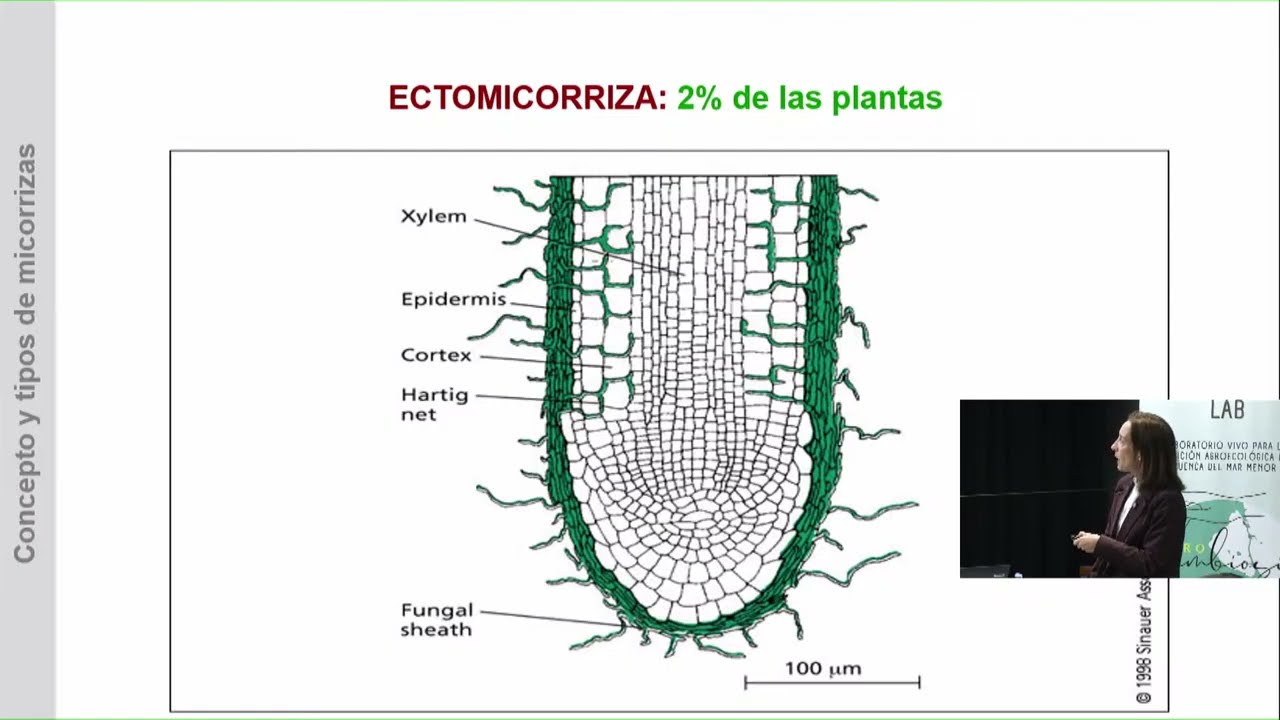
Added:Basic plant cell biology and root anatomy, specifically focusing on the cortex where arbuscular mycorrhizal colonization takes place.
The fundamental principles of symbiotic relationships, particularly mutualism and the traditional exchange of plant carbon for fungal phosphorus.
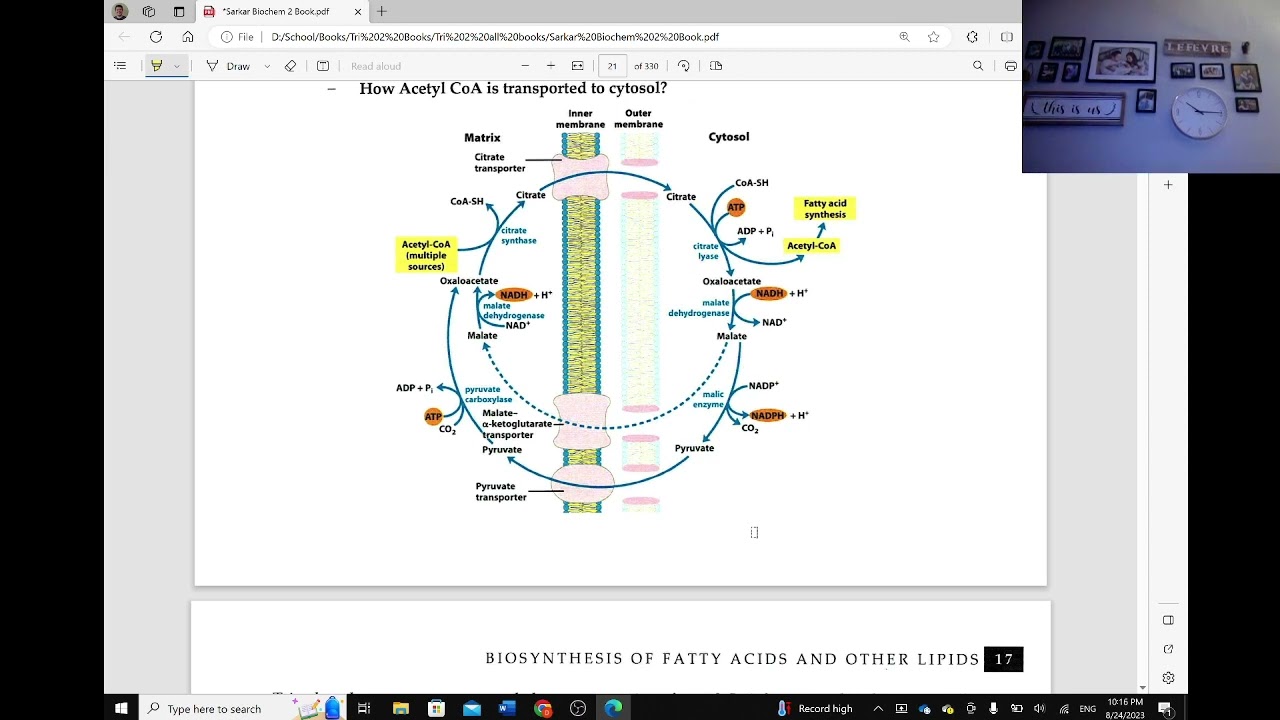
Basic lipid biochemistry, including the pathways of fatty acid biosynthesis and the biological function of lipids as energy sources and membrane components.
An introduction to fungal biology, specifically the obligate biotrophic nature of Glomeromycota and the structure of arbuscules.
The molecular signaling cascade (including strigolactones and Myc factors) that coordinates the recognition and physical colonization of plant roots by fungi.
Agricultural and ecological applications of mycorrhizal fungi, such as bio-fertilizers to improve crop resilience and nutrient-use efficiency.
The evolutionary implications of lipid transfer, exploring how this symbiotic mechanism facilitated the colonization of land by early plant ancestors.
Advanced genetic research methodologies, such as transcriptomics and gene knockout studies, used to identify specific plant and fungal lipid transporters.
43.2K views969likes27:44Original Release: 2018-10-11
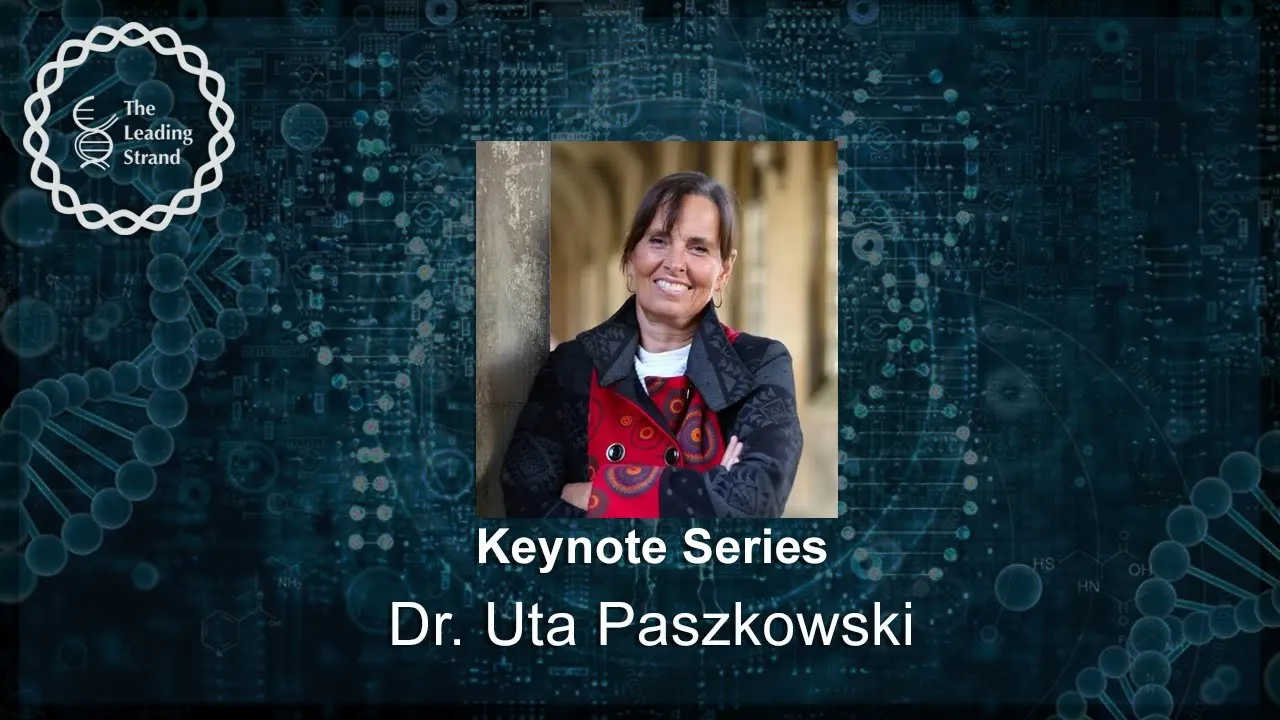
thank you very much Catherine for this nice introduction and before I start I would like to think the plant section committee for choosing me for this award this is really a great honor thank you very much and I've seen the former medalists and I just hope I can keep stepping into their footsteps they're really fantastic scientists so what is a boscola micro Raisa it's the most important symbiosis on earth and I know almost most of us would say that about the own research subject but for mycorrhizae is really true because it occurs with about 80% of land plant families and with fungi of the glimmer of micro tina so 80% of land flat plant families is a lot yeah it provides important ecosystem support for example we think that tropical rainforests could not exist without this symbiosis as they grow on very shallow soils in which nutrients cycle rapidly and the fungus is a great help for plants to take up these nutrients before they leach out of the soil it is approximately 400 to 450 million years old and the oldest land plant fossils already contain the fungus in their roots or in their stem like structures and therefore we think that a boscola mycorrhizae fungi together with other fungi that are now coming up in the literature belonging to the mooc of a micro tina had plans to make the step from water to land because at that time plants didn't have complex root systems to take up nutrients and this already brings me to that advantage of these symbiosis for plants which may be the reason why it has been conserved for so many hundreds of millions of years so the fungus develops this highly extended and branched - network in the soil which reaches beyond the nutrient depletion zone which forms around the root due to nutrient uptake by the root in this high fee take up mineral nutrients transport them into the root and then release them at these highly branched fungal structures they are bustles which have a very extended surface area and you can really see the difference when croplands grow on low nutrient soils like this soil here in Australia they grow much better in presence of the symbiosis than in the absence but not only the plant profits also the fungus gets something it gets carbon which has been fixed in photosynthesis in the textbook say that these are only hexoses sugars but I will tell you today that the fungus also receives lipids from the plant so for the symbiosis to occur the root needs to be colonized and this is an interesting stepwise developmental process which is largely under plant control and it's one of the main interests research interests in my lab so this is a longitudinal section through a route with the rise of dermis and the cortex and here is a fungal spore which germinates in the rhizosphere and enters into a bi-directional molecular dialogue with the plant plants grown at low phosphate exudes drag electrons this is a plant hormone and strike electrons induce vigorous growth and - branching of the fungus and we think that this enhances the chance of encounter was the route in turn the fungus releases kaito oligosaccharides and lipo kaito oligosaccharides and this also induced symbiotic responses at the plant site now when the tip crowing - reaches the surface of the root it differentiates into a - podium and this now leads to very interesting subcellular rearrangements of the underlying cell leading to a cytoplasmic bridge across the vacuole which is lined by membrane cytoskeleton and ER and guides the fungus through the cell and when the fungus then reaches the inner cortex it exits the symplast and spreads up elastically so between the cells and inserts this highly branched our bus goes inside cortex cells and in my lab we care about different aspects of this developmental process so we work on how is quantity reached and quantity is a function of initiation and spread and to understand quantity we mainly work with the function of the kurakin receptor complex in regulating colonization we also work with Abascal formations of what other plant molecular players that regulate and execute a bus conformation not only because our bus codes are basically the key structure of the symbiosis because they release nutrients to the plant cell but also because this is a very interesting cell developmental process on the plant side and it is actually transient so after a few days of maturity the Abascal collapse again and disappear from the cell and the cell goes back to its original state so it's an interesting model of transient cell development we also care about application of the symbiosis and here we want to understand the genetic underpinnings of functional compatibility and this is a phenomenon that is observed and relates to the fact that it depends on the plant fungal genotype combination how much the plant profits from the fungus and if we could understand the genetic basis of this we could on one hand predict which plant fungal combinations would work best in the field and on the other hand we could breed for micro riser optimized plants for better sustainable agricultural practices with reduced chemical fertilizer input oh sorry but today I would like to talk to you about Abascal formation and the most symbiotic topic in my lab and this is transfer of lipids from the plant to the fungus because the symbiosis is based on nutrient exchange Abascal development is also a stepwise process which can be dissected by plant mutants and I don't want to go into too much detail here I just want to tell you that first the cell rearranges again then the fungus inserts a trunk produces first order branches and through higher-order branching it finally fills the whole cell and then it collapses and I also would like you to remember that the Abascal is always surrounded by a plant arrived so called peri a vascular membrane in this membrane whose a specific protein composition which so far has been found only in this membrane and interestingly the localization of this paribus cooler membrane resident proteins depends on the promoter of the gene which encodes them and this has been found in the lab of Maria Harrison in the u.s. so please remember this if you are expressed early as a gene during a Pascal development the encoded membrane protein will localized to the peripheral membrane and if you are expressed late the protein will localize the encoded protein will localize to the Perea Vascular membrane and this will become important later in my talk now for a vascular mycorrhizae development we mainly work with Lotus japonicus this is a model legume and has two advantages it also forms root nodules and we can compare the two symbiosis a vascular mycorrhizae and nodulation because they have a lot in common and we can also perform hairy root transformation which generates chimeric plants so in non-transgenic shoot and transgenic roots which you can see here in fluorescent red and this method is very rapid within four weeks we can do experiments already as compared to one year for stable transformation and we have performed a forward genetic screen and found low-dose mutants with a defect and Abascal development so here the fungus is stained with a lectin called wheat germ agglutinin that binds to the fungal cell wall and this is linked with an alexa fluor to visualize the fungus in the confocal microscope well type our pascal's fill the complete cell and our highly branched words in the mutants the Abascal development is attenuated and their baskets are small and stunted now we identified the mutations by a combination of mapping and next-generation sequencing and could we could also restore the wealth of Abascal phenotype by reintroducing the wild type copy of the corresponding genes now one mutant is called disorganized Abascal Zoar dis and the mutation of the other mutant had been already identified in medicago before or the gene and that mutant had been called reduced Abascal a micro riser - so we call this mutant - as well in both genes encode for lipid biosynthesis enzymes this encodes for a better case the keto SL ACPs in taste 1 or in short cos 1 and rum - for a glycerol 3-phosphate a site transferase 6 or Gpad 6 now cos 1 is involved in fatty acid chain elongation or performs fatty acid chain elongation in the plastid from c4 to c16 leading to a mythic acid and ram2 or Gpad 6 is predicted to localize to the ER and to link fatty acyl coa to glycerol to produce better mono SI glycerol now why would we need lipid biosynthesis genes for my coryza and before coming to that i would like to show you another phenotype that we found so the mutants do not only not support a bicycle branching but also the quantity of colonization is reduced here you see % root length colonization of the wild-type and two allylic dis mutants and they can still form quite some internal hyphy but the amount of our baskets is strongly reduced and the vesicles are almost down to zero I didn't tell you yet what vesicles are these are these balloon-like structures some fungi form and they are filled with lipids so it looked a bit like the fungus is deprived of lipids in the mutants and from now on I will tell you only about this because we have exactly the same data for both mutants or both genes and I don't want to overload the slides so it was known before that rum 2 is a micro riser specific copy of a housekeeping G pad 6 so for example in Irbid OPS's g pad 6 is involved in cuticle bios Hughton monomer biosynthesis in the flower and in micro riser competent plants there's an additional copy which is responsible for micro raisa so we wanted to know the fellow genetic pattern of this as well and we made a fellow genetic tree of the cus one proteins in land plants and you see here that this tree falls in two clades one we call the castle one clade because it contains the product of the single copy cuz one gene and Arvid OPS's therefore we suspect that this that the members of this clade have housekeeping functions and there's also a Lotus copy and then we have the disk led and and in the disk laid we only have representatives of michael rice are competent dicots and interestingly the monocots cluster all in the cast one clade so this is the in yellow the monocots are better to say the grasses and in both clades we have a representative of the guinness Bam's indicating that the monocots may have secondarily lost this may be because their housekeeping has one acquired a new regulatory element in the promoter to make them also a functioning in micro Raisa still when we found this is quite some time ago already we thought maybe this is not a canonical cast one but maybe it acquired a new function and we tested this by cross-species complementation with RB topsis so there's an arab adoptions knockdown mutant there's no knock out mutant because it would be lethal and this suffers from perturbed chloroplast division in the small rosette now when we introduced the wild-type this gene into this mutant we get big wild type like rosette spec and our negative control was the mutant dis gene which does not restore rosette growth we also did the opposite andrey and and introduced the arab adopts is cast one into lotus roots and could restore full Abascal branching indicating that this functions as a canonical cuz one now why is it then why do we then need a special gene only for a vascular micro riser probably for the expression pattern so we wanted to know how does the promoter activity pattern of this look like and mycorrhizae roots and this has always been very frustrating for us because we cannot yet transform the fungus so we cannot make a fluorescent fungus and look at the cool localization of proteins or promoter activities with fungal structures in living roots so either we stain the root and kill it and then we see the fungus or we have a life and we can't see the fungus so we wanted to find a way around that and now remember the protein localization that depends on promoter activity so we wanted to find a promoter which would drive gene expressions such that we can send a fluorescent protein to the apple plastic space which surrounds fungal structures if we tag it with a signal peptide and luckily we found such a promoter this is the promoter of SBT m1a mycorrhizae induced sub delays and when we fuse it to a signal peptide and cherry we can beautifully visualize the silhouette of the our bicycle so the M cherry is now sitting in the peri abbis cooler space the upper plastic space between the our busco and the plant cell and as you can see here promoter activity shown here is nuclear localized yfp perfectly correlates with Abascal containing cells and we could even dissect the different stages of our pascal development so we could see promoter activity at the pre penetration apparatus stage growing our baskets fully grown our bicycles but not anymore in cells containing collapsed our baskets indicating that this gene is really expressed during a passcode evelopment which fits with the phenotype we could also show that a pascal containing cell specific expression of this is sufficient to restore full Abascal branching and also full amount of colonization by complementing the mutant with a promoter that is specifically expressed in a buffer containing cells this shows us that in tact our baskets are really important also to support full colonization of the root and there's a dependence for the fungus on our bus codes now I told you that this encodes occurs one enzyme its function is specific to our bus code containing cells and it is required for physical formation so the formation of these balloon-like structures which are full of lipids now the question was what are these casts one derived fatty acids good for of course they may be used for synthesis of the peri avascular membrane because all over the sudden the cell needs a lot of membrane material but they could also be a fatty acid derived signal molecule or they could be used for fungal nutrition and this was of course our favorite hypothesis because it would if it's true overthrow textbook knowledge and we always like to do that and there was also some hints in the literature so the same people who had actually found that only sugars are transferred from plan to fans I found that the normal fatty acid biosynthesis inside the fungus only occurs when the fungus is inside the root and never in the extra radical mycelium so this was already a strong hint that these fatty acids may not even come from the fungus and then where we were working on this project our collaborator Peter Durman from Bali University looked carefully at the first sequenced micro vascular mycorrhizal fungal genome and found that it is lacking genes which encode cytosolic fatty acid synthase subunits in the cytosolic fatty acid synthase is usually this the responsible for bulk fatty acid biosynthesis in fungi so this already was a very strong hint that the fungus made he may be dependent on fatty acid supply by the plant because this fungi actually store a lot of lipids in their vesicles but also in their spores and they mainly store it in the form of tree si glycerol decorated with paramedic acid and this is the product of this and they also introduced a fungus specific distillation at the Omega 5 position leading to 16 1 Omega 5 fatty acids and this comes handy because it can be used as a fungal specific fatty acid tracer so we wanted to understand whether indeed the plant transfers fatty acids to the fungus and we tested this directly using stable isotope leveling and this is not so easy because you need to in the root in the fungal hyphae are all in the soil and how do you separate at all so we decided to use an in vitro system in split petri dishes that you can see here but the problem is now that Lotus japonicus doesn't colonize very readily on a petri dish so we needed a nurse plant and here we used a carrot hairy root which is often used to propagate the fungus in vitro also by companies so we used this hairy root inoculated with the fungus waited until the whole plate was colonized so the fungus can jump over the wall and then we added two low dose seedlings and labeled them with 13c labeled glucose and then we traced the heavy isotope in the two marker fatty acids 16 0 and 16 1 Omega 5 and here I show you just the amount of label in 16 0 Amiga 5 or that the percentage of label here are control roots without fungus so this is now inside the root of carrot we also labeled carrot I will tell you later why low dose well type this and run to here are micro Resolute's nothing exciting is happening but if we now look at the extra radical hyphy we see big differences so here we really extracted the high fees separately from the agha this is the fungus growing in association with carrot root a lot of label with low dose wild-type also some label and when it grows in association with the mutants there's hardly any label to be found in the in the extra radical - of the fungus similar to when the fungus is labeled in absence of the plant but still this doesn't tell us if the fungus received fatty acid from the plant or if it received sugars and then made the fatty acids by itself so we turn to isotopologues profiling and isotopologues are versions of the same molecule but with a different isotope composition so for example for paramedic s that you have here one with only 12 C atoms then there could be some with 113 C 213 C 3 and so forth until all see items are heavy certain si isotopes and you can then quantify these different isotopologues by mass spectrometry and this results in a characteristic pattern and this pattern can be used to trace metal lights through pathways or between organisms as we did now so here you see three independent biological replicates in the isotope block pattern of 16-0 fatty acid on the left is the colonized route and on the right the fungal mycelium which is connected to exactly that route so the extra radical mycelium and you see that the isotopologues pattern is exactly mirrored the isotope pattern of the plant is exactly mirrored in the fungus and this is also true for the fungal specific fatty acid this is now the fungus inside the root and the fungus outside the root it exactly recapitulates the plant pattern indicating that the plant made the fatty acids and provided them to the fungus however if you are critical you can still say this is not enough because there may be a biophysical law which always leads to this pattern independent of whether the plant or the fungus met the fatty acids so we need to find another system which would lead which would result in a different pattern so that we could see again if the pattern is conserved in the fungus and for this we turn to the carrot root because we figured that the carrot root doesn't have a chute so sugar uptake doesn't compete with photosynthesis and we should therefore get more uptake and a higher order labeling pattern and indeed this worked so here you see the labeling pattern of the carrot root and the connected extra radical mycelium and again the pattern in the fungus is completely conserved and we even have some variability between the different replicates and each time independent of how the plant pattern looks like the fungus has the same pattern and this was now really strong evidence that the plant provides fatty acid to the fungus and we also looked at the mutants you see them here and the 16-0 fatty acid pattern in the root very well mirrors the pattern in the wild-type and this is also important because you could criticize that the pattern inside the wood is in - it's dominated by the fungus because the fungus has these lipid vesicles and then again we couldn't conclude anything but it seems really the root pattern because the mutants mirror it and then the pattern breaks down in the fungal hyphae when they are connected with the mutants and you see that most drastically even for the fungal specific 16 1 Omega 5 fatty acids here already inside the root the fungus cannot maintain the pattern that the plant provides so we conclude that in colonized cells so this is this is a cell within our Pascal there is a normal lipid biosynthesis pathway here shown in in black but there is a superimposed micro riser specific lipid biosynthesis pathway which can be induced on demand and this is we know only three components of that so far this in rum - I showed you and some other laboratories have found a tier esterase which terminates fatty acid chain elongation and it is called fat M now the question is which lipids and are transferred so we only looked at the fatty acids as markers and how are they transferred and we don't know yet but we suspect that better mono inside glycerol is a good candidate as a vehicle for fatty acids into the fungus because not only because it's the product of rum - but also because this is not so much used for the plants own lipid metabolism so it would be a clever way to withdraw fatty acids from the air from the plants metabolism now how do the lipids get out of the plant cell Maria Harrison has identified two half ABC G transporters called Stan's tattoo which localized to the Perea vascular membrane and when they are knocked out they lead to similar phenotypes as the lipid biosynthesis and they belong to a family in which there are other transporters which transport lipids for example the human cholesterol transporter is an ABC G transporter and then we have to find out how the lipids get across the Perea bus cooler space and into the fungus and there are no hints so far now why we were working on this there were also other laboratories working on that problem and we learned that only quite late so Maria Harrison provided beautiful circumstantial evidence were very detailed phenotyping of lipid biosynthesis mutants micro as a specific lipid biosynthesis mutants and that there must be lipid transfer and there were two papers in science by at her one from Shanghai and by Judge Allred and PETA Eastmont from Rothamsted in Norwich who also showed that fatty acids are transferred from the plant to the fungus and they used a different method than us they used a synthetic method so there is a had be a TOS to raise from humble ilaria californica which terminates fatty acid chain elongation already after 12c atoms to form lauric acid in this lauric as it does not occur in medicago and neither in the fungus so they expressed this gene in medicago and could then trace lauric acid and found it also in the fungus which is also very strong evidence that fatty acids can be provided to the symbiont and i'm really happy because we have now two different methods showing the same thing and i think it's really true now why would the fungus be so stupid to lose its fatty acid biosynthesis genes and become entirely dependent on the plant I would say because it could because probably our most likely fatty acid transfer from the plant with the fungus evolved first and then the fungus could lose the genes as a consequence now the question is why does the plant provide fatty acids to the fungus and invest so much energy and I think because it's also an advance for the plant because sugar transfer + fatty acid biosynthesis is a huge energy expenditure for the fungus and receiving the lipids directly is much easier and would fuel much faster growth of the fungal hyphae and this then also feeds back on the plant because more - can take up more mineral nutrients and provide them to the plant in which this I'm at the end and I would like to thank my fantastic lab especially Andrea's khaimah who really drove this project and we're pimp Rica who cloned rum - and who performed the beautiful confocal microscopy co-localize in our bicycles with promoter activity and I think our collaborators PA Margalo who made the 3 p determine slab who performed lipid omics for us which I didn't show today welcome Aizen hi performed the isotope Allah profiling for us in Martin panic and Trevor 1 provided materials thank you for your attention [Applause]
Up Next

67:55
Auxin Transport in Plants: CSIR NET Plant Hormones
@chandubiologyclasses8327
960 views•2022-12-02
50:12
Bacterial Communication: Quorum Sensing and Biofilm Formation Explained
@JHUAAP
12.6K views•2011-06-28

5:35
Enteric Nervous System Explained: The Gut's Brain | Neurobiology Lecture
@alumniu6029
438 views•2018-09-12
7:08
Bacteriophages: Earth's Deadliest Killers and Future Antibiotics
@kurzgesagt
34.6M views•2018-05-13
Related Study Plans & Knowledge Roadmaps
Structured learning paths in Biology
biology
RNAi: Biogenesis, RISC & Gene Silencing
01Molecular Biology Foundations: DNA to Protein
02Introduction to RNA Interference (RNAi)
03Molecular Biogenesis of miRNA and siRNA
+ 2 more learning modules
10h5 modules
Explore Roadmap
biology
Mycorrhizae: Signaling, Biophysics & Ecology
01Foundations of Mycorrhizal Symbiosis
02Molecular Signaling and Root Colonization
03Biophysics and Bioenergetics of Nutrient Exchange
+ 1 more learning modules
11h4 modules
Explore Roadmap
biology
Circadian Clocks: TTFL, SCN & Periphery
01Foundations of Molecular Biology & Gene Expression
02Introduction to Chronobiology and Actograms
03The Core TTFL: Molecular Architecture of the Clock
+ 3 more learning modules
14h6 modules
Explore Roadmap
biology
Population Genetics: Math, Drift & Selection
01Genetic & Probability Foundations
02The Hardy-Weinberg Principle and Baseline Models
03Mathematical Modeling of Natural Selection
+ 3 more learning modules
18h6 modules
Explore Roadmap