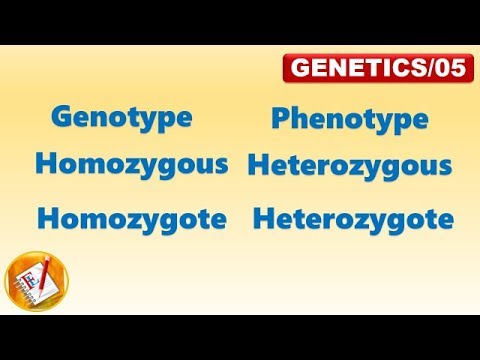



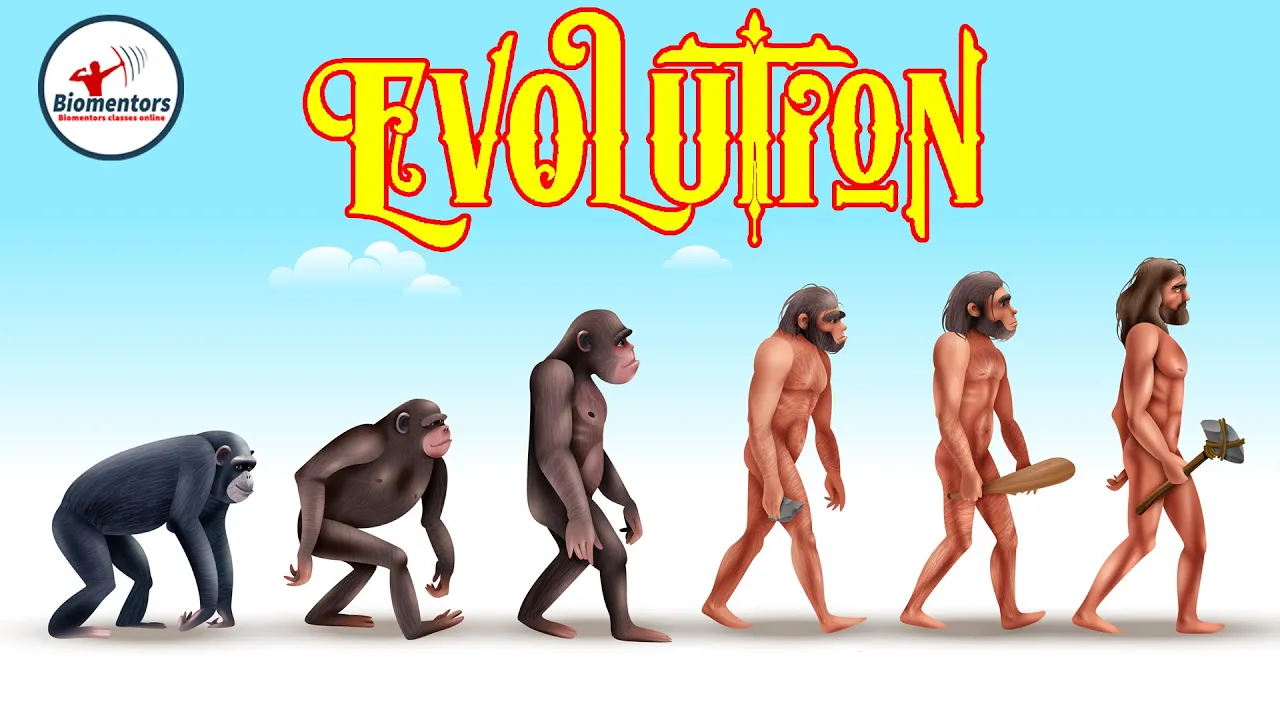

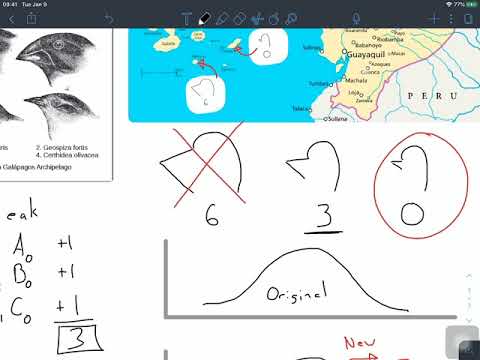
















Evolutionary forces that change allele frequencies in populations include mutation (the ultimate source of genetic variation, typically harmful or neutral with only 1 in 3000 being useful), isolation (geographic, ecological, temporal, or behavioral barriers preventing gene flow), migration (gene flow that homogenizes allele frequencies between populations), natural selection (differential survival and reproduction of genotypes), inbreeding (non-random mating that increases homozygosity without changing allele frequencies), and genetic drift (random sampling effects particularly in small populations). These forces interact with Hardy-Weinberg equilibrium, which predicts no evolution when conditions are met, and together they drive microevolution through changes in allele frequencies over generations.
Mutation and Gene Frequency: Forces of Evolution
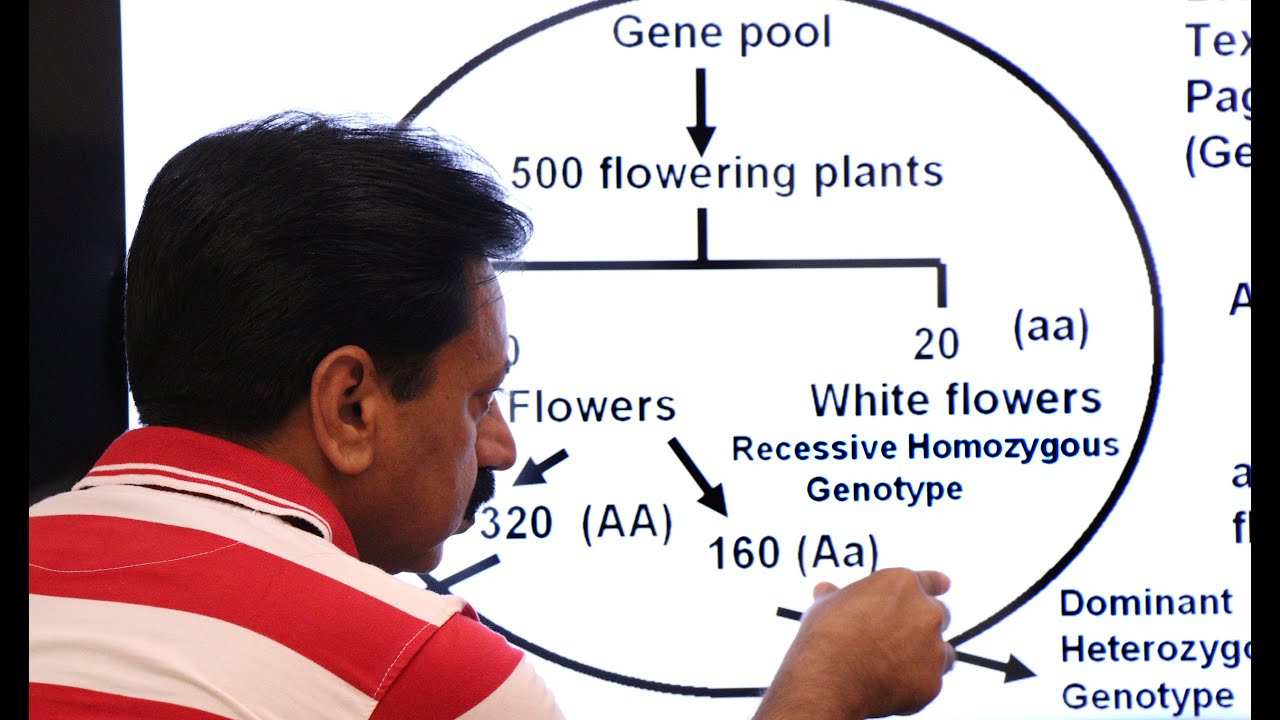
Added:hi everyone in anthropology lecture series for paper one today we'll be discussing topic 9.3 part 2 so let's begin see in this lecture we'll be covering this part that is highlighted in maroon we'll study the causes and the changes which bring down frequency which frequency we're talking about gene frequency right so there are like few things that is mentioned like mutation isolation migration selection in breeding and genetic drift since there are lot many topics so we need to spend some time with this that is why our topic say we will cover that in part three again already then you can come back to this lecture because and changes that we will more or less relate with the hardy weinberg law because yeah yeah he's a nickel cat okay there's nothing in isolation hardy-weinberg law or gene frequency genotype frequency and various other things that we discussed then you will be better able to appreciate this particular topic take it so how we are going to cover this so as you may see pointers mentioned on which you need to see the causes and the changes that is how you can calculate certain things so in this lecture we'll take it forward and we'll study the significances of factors here that affect the population changes and ultimately using this concept we will see how these changes affect uh the uh gene frequencies and then after which value additional like forward and reverse mutations speciation uh as a concept then we'll study about the effect of genetic drift using few examples like bottleneck effect founders effects or at the end we'll study about the micro evolution that is itself again a very important topic although not directly mentioned in the syllabus right so look at them first of all let's have a quick glance of hwl and its equation although um but still so hwl principle it says that theoretically if a population follows certain conditions then there will be no evolution right certain conditions the population will remain again that means the hardy weinberg law follows right and there were a few equations also that we saw is our problems we solved so far you two able to understand that how do you calculate various types of frequencies like we calculated gene frequencies we calculated genotype frequencies what are these genotypes frequency or what are those genes genes can be like a and a suppose some a as an right so this is the dominant one this is the recessive one so you represent p using this capital a that is the uh dominant g and the uh smaller a is represented by q similarly a graph of genotype frequencies and what does the q square represent the q square represent the smaller a that means the homozygous recessive right and using this you can uh definitely calculate uh various uh values [Music] hwl we revised equilibrium does not show evolution and in other words the evolution to occur the population should not follow the hw equilibrium right uh is not followed right and the equilibrium tendency serves to conserve gain which has been made in the past and also to avoid two rapid changes so see this can be um like valuable or uh good in certain circumstances particular generation that is like very fit and funny right if you wanted that particular good for the larger one is quite difficult anyways significances is there a few other things like hwl uh principle and its equation is an experimental control a prediction of what the allylic or the genotypic frequency should be if nothing acts to alter the gene pool so basically gene frequency or genetic frequencies they provide you with some tools because they already showed you an equation right hardy was a mathematician and he uh gave you uh certain equations that while using that you can calculate the gene and the genotypic frequencies suppose like in a hypothetical scenario qk value then you can definitely do it right square cube squared you can definitely find it out then suppose if you find the value of that is coming to be zero point zero two yeah your next generation [Music] mutations so you can definitely design some experiment and find it out it's as simple as it is that is why it proves the situation when it doesn't hold true but it can serve as a tool for you to calculate certain changes in the gene and the genotypic frequencies risky significances just to enough time to write everything in that scenario you can use particular things [Music] before moving on to the causes and the changes which bring down frequencies that is allele frequency we first need to know about a population may change because it might happen like what are the factors that affect the population change then how you gonna write because apos can look that mutation migration selection genetic drift but again these changes will bring down the population change at the genetic level young population genetically change policy right earlier they had one child policy then eventually they moved on to the two child policy now they are rolling out the third child policy and they know that the population is like everything for them they will get cheap labor and everything from there so i'm just like telling you a thought process because i told you know lecture okay um answer writing until we discuss curling is that it will help you in you know um understanding that how you can utilize whatever we are reading so basically utilize you can make two headers up genetic level or uh your in terms of numbers or parameters and these are few things that you can use as a flowchart or a diagram to represent what you wanted to mutation genetic drift or migration increases genetic variations and then the evolution occurs okay then again that how the genetic variations affect the change in allele frequency then you can utilize this particular uh flow chart to represent what you wanted to say um but this is just for the representation purpose so that you need to understand that what we are gonna uh read and how you're gonna utilize it because there is of no use of it again so first of all i'm sure look at they have mutations that they just ordered me after syllables mentioned it will move accordingly mutation then isolation then migration then selection in reading but let's utilize this opportunity to understand like what is mutation because it may happen although how many mutations is but what in case if you have to write it down was that that question like what mutation what are various types of mutation and how the mutation affects the allele frequency or the gene frequency so your question is and most mutations are harmful or neutral either it will be harmful or it will be neutral when we talked about polymorphism also we understood that how polymorphism and mutations are different polymorphism mutations because the examiner are not bound for uh like not bound to ask your question from 9.3 only they can even include something from 9.2 and 9.3 and combine it to make a question together you need to be prepared for everything and it is estimated that only one out of three thousand mutation is useful and the rate of mutation is very slow that is one per million or one per several million genes loki but the rate of mutation is sufficient to produce considerable genetic weight apart from this you will find there are certain mutations that are pre-adapted and appear even without exposure to a specific environment because as we saw in case of polymorphism that there were some certain changes that appear in certain kind of an environment only right jessica um it may happen because of certain environment in environmental conditions also but after mutations specific environment he provides so that for that mutant uh gene to appear right or to show some effect types of mutations to see other types of mutations there are like various categories one is the somatic mutations that will be the germline mutation or other organs like the non-sex organs are the known uh to be as the somatic mutations chromosomal alterations will see in the next slide so what we don't know till now is about the point mutations of your point mutations can there be single nucleotide changes mutation get there and they're usually less serious but they can be serious because they are the mutations you can definitely how they can be like same or different because they are coding not very relevant for the anthropological perspective but what we need to understand here is or you may use the right click button and then copied but ultimately what will happen both are doing the same thing don't copy these are like few uh types of mutations that you can use if you are asked to write the examination and then same cheese i will not repeat it that is why i included this particular table so that is because they have no effect on the allele expression so there is no effect on the fitness missense mutation will affect the natural selection because they can change the fitness of an organism because variable effects sometimes you a copy paste for something with the same formatting and sometimes you just paste the value right so mutations also and these mutations can increase or decrease the allele frequency depending upon if they help or hurt the organism and nonsense mutations are always harmful to the organism and will decrease the fitness and mutant allele caused by the nonsense mutations are very rare get eliminated and they eventually survived because they become the uh version of the predators right another example you can take of the antibiotic resistant bacteria so in case assume that there are various kinds of and bacterias all right or in bacterial scandal there is one or like not one exactly but huh there is one bacterial that is antibiotic resistant mutant what does that mean right it is kind of an uh protected against that antibiotic so what will happen antibiotic particular person for killing the bacterias so this bacteria which is antibiotic resistance it will automatically pass on without getting infected by the or affected by the antibiotics in and the one which is already there and which was killed by the presence of antibiotic in the absence of antibiotic they will start replicating again but scenario antibiotic absence maybe that is why the mutant bacteria were multiplying very slowly slowly that's very obvious and if you are like following uh the various studies that is being done to that particular mutant and some are not showing a very good results for that mutant right are the second wave that india is right now facing is maybe because uh delta variant more fitter so that like they are showing some more so it is eventually following that i hope like things are clear in your mind we are progressing from understanding like how antibacterial resistance work and what is the role of fitness in their multiplication then eventually we'll try and relate that along with the resistance the other conditions are also satisfied then only you can say the hardy webber equilibrium is applicable in certain conditions and if a particular local shows a high mutation rate then there will be a steedy increase in the proportion of mutant allele in the population and in that case the law will not be applicable for example you can eventually as a sub part of a question so you need to have all the clarity about it like whatever we are studying uh since the beginning we are just taking up that same concept and seeing it from different perspective now up examples is suppose there is certain population of some homozygous recessive alleles word and from somebody who's uh from a non-biology background or differentiated difficulty so we consider these as the genotype take it yes this is also a genotype autographed a single single query because of the what you can see that in the new generation you will find various homozygous recessive while some heterogeneous also why this happen this happened because of certain mutations but here you will also see capital a and uh smaller a that is the heterozygous one to observe foreign so now you can see the ultimate source of all genetic variations is mutation upgrade i have a chromosomal rearrangements for point variation so they're all applied here as they follow the same rule of populated dynamic and however the mutations occur with an extremely low frequency in human which may take even 30 to 50 successive mitotic divisions in the germ cell in each generation it will take time to show up in a particular generation and the change in frequencies of capital a and smaller a occurs at an unimaginably slow rate and the a allele however can also back mutate to a so now here comes the concept of reverse mutations and after a long time the number of capital a allele lost by the forward mutation would be balanced by the another number of capital allele arising from the back mutation there is a capital a mutation going to smaller zero point so that it happens to be in a mutation at equilibrium and therefore no further change in the frequency of a or smaller a will occur in the subsequent generation or however only when the other evolutionary forces such as migration selection and genetic drift are not cooperating evolutionary in compared to what the uh brown eyes even after black eyes or the same situation goes with the blue eye beach beach combinations say at the start of the human race brown was the only eye color people could have and the allele frequency for the allele that caused the brown eye was hundred percent taken 100 of them were having this brown eye leaking which mutations were in the main gene of the eye color and this created a new phenotype known as the blue eye mutations and slowly the allele frequency shifted since then many variations of the eye color have emerged though the brown eye remains the most common statement um clarity purpose examination make a format now then you can write mutations the mutation that changes the wild type allele by type basically uh you represent the allele that is originally present that again so they are known as wild type allele of a gene to a different allele and the resultant allele can be either dominant or recessive as you may see here is a dominant allele but it changed to a recessive one again so this you can refer as the forward recessive ultimately converted that is why the forward recessive and here the wild type allele which was the recessive got converted into a dominant one that is why it is known as the forward dominant taken similarly after diverse mutation a mutation that causes a mutant allele to revert back to the wild type example this converted back to this one to get this goes back to here and this goes back to here okay so that becomes your reverse mutation nothing different over here but to differentiate in between these two here is a table that you can use so definitions which is the um thing that you need to mention or do so they are mostly deleterious what does that mean that they can cause uh some kind of an harm because they have most of uh mutations so either they can be like harmful or neutral they are restoring the original version they are kind of not considered to be uh deleterious then our final phenotype job phenotype is different from the wild type reverse mutations result in the wild type phenotype conversion that you can definitely write or repair mechanism does not work as a repair mechanism and this restore the normal nucleotide sequence and certain mutations happen and that is a forward mutation that means there are certain kind of changes that might have happened in nuclear right cg uh make you simple changes as we have seen like different types of time point chromosomal cases we need not to go into that like a mutation but if it happens repair mechanism for restoring process right it is eventually changing it to a different uh thing but in case of your reverse mechanism with the help of an uh remix song right drop the remix along with the articulation you will find all the remix songs so unbelievers you have not listened to the original song although it's my like personal point of view you may differ but in case if you already knew the original version apko remix version it may sound like deleterious ali kind of thinking so what the genetic equilibrium okay now uh another interesting thing is to measure the mutation rates in human ability that the mutation rate in the human being is quite slow right then how much slow so suppose example is then you can mention as we know uh the uh covet 19 copy 19 is what it's an rna virus right or iron rna virus or we you can say um in the smallest organisms they are known as the thyroid or rna virus we can differentiate they don't have a protein in the protein no protein viruses that how the mutation rates and how these genome size so their mutation rate is faster rate it will happen but it will happen at a very slow pace rna virus for the eclipse escape what's our example that is what i'm telling you repeatedly again and again present context will be up utilized again not only in the paper too but in the paper one as well in quoting few examples all right or those like interesting facts although um this is only for those people who like who are interested because that how the mutation is calculated but just to have a overview in understanding earthquake you will have like seven billion people or a rough order channel does mutations be per generation but i don't think like it's very necessary for us to know at this point of time just to give you a brief overview that how the mutation is calculated and how you can kind of estimate it uh you can have a look at here so the same thing is written out here microorganisms they times when the mutation rate is calculated by comparing the electrophoresis rate of protein of parent and the offspring just an example they call the electrophoresis while in how the dna can be uh used for like parent identification next we need to discuss that what is the impact of isolation in bringing down the frequency so isolation we already studied in 1.4 if you can see 1.4 c part one may we already discussed about that and uh there was few example also at that point of time it wasn't new so i included that as well so you may like check out that particular uh topic so isolation keto isolation as the name suggests there's nothing uh very technical into it it's just a sc mechanism that prevents some member of the population from mating with each other that means like uh certain population got separated and they are not being able to mate and if they are not being able to mate that means their offspring will not be having the characteristics of that particular uh population or use that would be very different and the lack of inter breeding or the little genetic mixing between organism of the same species so suppose there is an organism a and organism b then next we need to discuss that what is the role of isolation in bringing down the frequency although see as adjacent mutation we discussed briefly about the mutation and its type again isolation kebab what is isolation what are different types of isolation and then moving on to k gene frequency uh bring down and if you have seen previous lectures topic 1.4 seed part 1 may already isolation could discuss kia in length and this was one of the example at that point of time news method that i included you can say like part of the current it's an isolating mechanism that prevents some member of a population from mating with each other and the lack of interbreeding on little genetic mixing between organism of the same species so simply in simple words if suppose there's an organism a there's an organism b and they reading but there won't be any kind of an inter breeding in between these two so that yo offspring they will not have the mix of the genetic makeup of a and b right so that is what the isolation is all about there could be a geographical barrier or you can say geographical isolation and there can be a reproductive isolation there can be temporal barrier also so it's like chart including a lecture where you use water i'll show you that so it becomes um like more clear taken next we need to understand about the impact of isolation on bringing down the gene frequency now before going into that we need to understand isolation in a similar fashion mutation we need to know about isolation but isolation is not a new topic as of now because in uh 1.4 that was published on 21st of uh january 2021 we already discussed about isolation in detail or this is like one of the value editions just kind of a current effect example i included so you can go and check out that as well so as you may understand with the word itself isolation what do you say in hindi right there is a certain or you can say um lack of inbreeding in in reading monthly out there there's a certain uh species or a species can there be organized organism a or organism and these two organisms got separated because of some kind of invasion this can be physical barrier this can be ecological this can be like any kind of invariant and because of that there is no inter-bleeding happening in between these two though interbreeding so that is one of the um like you can say these easiest or the simplest understanding of isolation then what are the various types on which you can categorize isolation so i'll show you one a chart it will become more clear if starkey helps it again so as you may see after is isolation categories may divide like this one is of geographic isolation of geographic isolation because of the physical barrier species got separated or your physical video chaos this can be river this can be mountain rates things can be anything then there is an ecological isolation or ecological isolation co-op habitat isolation we get there okay so in having different habitat one is living on uh land and another one is living in water so what will happen this will not come to the land for the breeding purpose and this will not go to the water for the breeding purpose right so in cabbage that is one of the kind of an isolation then we have the temporal isolation temporal isolation examples so see in case of temporal isolation what happened keep these are the different organisms in these same species that is varieties in this this fowler toad they make during the late summer while the american toad made in the early summer so can you say up in cambridge kind of not very possible so that is called the temporal isolation then we have the behavioral isolation a behavioral isolation mechanism example systematically so here you can see in behavioral isolation there is an eastern and western uh middle arc species they sing certain kinds of and song for me and because of that they have certain kind of an behavioral different behavioral pattern and because of which they don't certainly interbreed right so these are like few examples you can include more if you are kind of an interested too so talking about the apost buddha that is the change in gene frequency how does the isolation bring the change in gene frequency um again uh for those people gene frequency by chance last lecture one is the blue 0.56 that means the frequency of blue is greater than orange in the first case scenario isolating event and this isolating even could be anything geographic temporal habitat just assumed isolating even and after that isolating even there are two groups formed one is group one another one is group two we are just assuming in hypothetical example so suppose in group 1 what happened the allele frequencies are 0.31 for oranges at 0.69 for blue again in this case blue key frequencies again and now the group one will have the much higher uh ratio of blue ali than the original population why much higher you have they give zero point five six and zero point four four you have zero point three one zero point six nine that means blue p original population in the group 2 what happens in group 2 you can see happy orange frequency at 0.57 whereas blue frequency is 0.43 although orange is greater than blue but not much greater but at least it's greater than that frequency orange key original population right so what we can conclude is gene it's kind of an increasing but here in group 2 it is decreasing similarly after group 1 may orange k gene frequency compared to the original population it's decreasing and you're in group 2 it's increasing right it depends upon text but again with the isolating event depending upon what kind of scenario that you are considering so there will be certain point of time much uh similar to the blue one and not having the characteristics of the orange one and that is how you can say that will be a kind of a new species on its own so that is one of the things uh examples uh here and in south atlantic ocean uh may or like across the world this island is known as one of the most isolated inhabited places on the earth uh so much isolated from the present-day world so you can consider it as a type of in geographical isolation is it won't be like very different than the isolation because the speciation can say right is because of the isolation only or isolation so here you can include these names mechanisms you can see hello patrick hello patrick mccarthy geographically isolated population okay or is geographically isolated population kiwisave there is species one there is species two then there is there there is peripatric peripatric small population isolate at the edge of the larger population similarly population technical but mechanism you can uh definitely categorize it then we have the third one that is parapatric it is a continuously distributed population you can see there are like three different populations up is one s2 yeah but there's a continuous change um they're like a kind of violet one beach valley brownish one the last one is the greenish one then we have the sympatric sympatric out there within the range of the ancestral population green valley was the ancestral population they are the newly formed ones so so there was the original uh population and there is some hindrance maybe like geographical isolation up his commands that there's a river and because of this river the population got into uh two separate zones right and after many generations each population involved in uh evolved genetic differences because yappas may interbreed karate koi intermixing naivety that they will develop into a very uh different population that is you call the speciation right speciation is so it will again take a lot more time for them to be a single species right next is your migration and its impact on the uh frequency a little frequency so again migration queen nia topic we already discussed this migration in the previous lectures uh should watch 1.4 especially right so what we call uh migration so if you talk briefly about what it is so basically this is the uh movement of the or the large influx of people uh that moves into another population and interbreed with the latter so simply if you have to say so there is like certain population and some of the uh people from this population move on to the another population and they interbreed that is uh called the migration and this migration is also known as gene flow so in biological term of migration so we will not spend much time out here migration and again this is one of the uh diagrammatical representation you can see that here is the population one and uh they are like um separated by some kind of invariants and then some people from this population uh come to this and they integrate and present a kind of a new population right certain population geographical barriers are separated and they move on to the another but there can be like various other ways for this gene flow right because um we need to remember one thing when we are talking about the genetics it's not just about the animals it's about the plants as well so plants maybe migration of course it can be by any other animals or anything so that is also part of the migration now effect of the migration on the alien frequency you see there will be certain cases though you can mark it as like case one this is case two or your case three just again you will see two subparts [Music] so in that case the migration homogenized allele frequencies among population so that means if there is a population one and it move into population two certain uh people from this move to population 2 then what will happen eventually due to migration valley population population uniform in second case if selection and then the difference among the population will be maintained even in the face of migration selection dominant migrant uh migration say so population culture difference the difference among the population will be maintained even in the face of migration so even though migration population homogenized yoga there will be distinction among it but other migration stronger natural selection say then the difference among the population will be reduced uh there is like hardly any chance that you will be asked to calculate the frequency uh due to migration but if even in that case we should know to have a good understanding about it so allele frequency uh calculated due to change in migration proper formula formula formula get of immigrant into migration rate plus frequency of resident into one minus migration current how you will calculate all these and how the question can be for you to calculate all these things so suppose you have a situation here in which there are 80 squares which reside on a campus then another population of squirrel is found in the nearby woods and there is a frequency of est allele is 0.50 population frequency at 0.50 and during a severe winter 20 of the squirrel from the wood population migrate to the campus in search of food and join the campus population what will be the frequency of who migrated to this place during severe winters now you need to calculate the frequency of the campus population up campus [Music] now what you need to find p 0.2 so what will come eventually 0.5 into 0.2 0.5 into 0.2 plus zero point seven into zero point eight zero calculated so what you will get zero point so this is what we need to find and this is what the frequency of the frequency after migration frequency 0.70 and the new frequency is 0.66 so what happened frequency okay charles darwin talked about selection so what it is so it's basically a force that changes the gene frequency in the population and the fundamental process of evolutionary change so simply it's nothing but the changes in the population in the evolutionary process so that would be well and good idea where in origin of species published in 1859 by alfred russell walls and selection is defined as differential survival or fertility of different genotype so there can be like various genotypes so in genotypes make conscious genotype is like the one who are like the fittest to be carried forward and uh are like having greater chances of survival they will be selected naturally in my and they will eventually go and grow onto a larger population and if an individual carrying a gene a are most successful in reproduction then the individual carrying its allele smaller a then the frequency of gene a will tend to be greater than the gene depending upon genotype depending upon that you will see the newer population right and the wide variety of mechanism responsible for modifying the reproductive success of a genotype are collectively included under selection and it is a process that determine the contribution that people of different genotype will make as parent of the next generation and selection does not act on individual genes but rather on an organism bearing this genes so that is a very important point that you need to remember now that we need to see right first thing that we need to understand is when you talk about an ideal population there you may not find any kind of an uh selection because that considered to be the uh good one or the fittest one sna you can find uh this homogeneous dominant you can find this homozygous because maybe examples per year for such a kind of diseases or disorders they're all recessive uh kind of uh disorders may be individuals here either they pass it on to the uh offspring and their offspring can become a carrier or they eventually die before before the reproductive age cystic fibrosis for example disease example sickle cell anemia in and in the absence of new mutations this reduction in the fitness will lead to a gradual reduction in the frequency of the mutant gene which will cause the disturbance of hardy weinberg equilibrium so that is um very obvious and for some autosomal recessive disorder there's an evidence of heterozygous that is showing slightly increase in the biological fitness examples and uh the reproductive efficiency of the genotype is measured in terms of the average number of offspring born to a bearer of genotype and it is called as that will eventually have applications right and it occurs when the fitness of the heterogeneous genotype is greater than the fetus of both homozygotes nothing new greater fitness will not allow either capital a or these smaller alleles from the homozygote to become fixed and ultimately the equilibrium frequencies would be attained and the effect of selection is also counter balanced by the mutations while selection is eliminating some genes from the population mutation is creating new ones and the two forces selection and mutations operate in the opposite direction tend to compensate each other and after a long time gene frequencies will reach equilibrium so again from the mutation there is certain rules that is being played by the natural selection so it can be obviously concluded in case of natural selection it can cause micro evolution or a change in the allele frequency over time so don't worry about this micro evolution at the end we'll see this details natural selection micro evolution will bring some changes in the elite frequency over time and with fitness increasing alleles becoming more common in population over generation and the fitness is a measure of relative reproductive natural selection here you can uh write as the way in frequencies we change and that is why the natural selection took place and the gene frequency uh changed a bit and uh eventually it followed six but there is some artificial uh selection as well natural natural selection only so joaquin plant or animal breeders they have been attempting to modify the hereditary transmission of trade by selecting the most desirable individual to serve as the parent for the next generation and this is called the artificial selection and this is a very common example right even in case uh if you'll go to a nursery or somewhere so you will see they'll do kind of an uh cross breeding among different varieties to obtain a newer variety of some uh superior traits so that is nothing but the artificial selection only the kids select it and they try and pass on the characteristics to the newer offspring that they wanted to generate next is your ingredient it is also referred to as non random meeting non random meeting or in breeding both one or the same used interchangeably taken so non random in which the individuals choose their mates based on their genotype or phenotype so there can be many examples for such a kind of animating which is uh like we the human beings generally we have certain preferences like suppose you being in india you wanted to marry somebody from india only so that is your uh phenotypic preferences because you might find people from the different region have a certain looks and they differ from the people like a typical indian so you might not to go for that so that is the random meeting you have certain choices for you to make although escape bots are different forms of satire but majorly if you have to classify it can be assorted mating and distortive meeting then what is this assorted meetings like you can see this will prefer made with this genotype only both are the same genotypes they have the preferential arrangements okay uh so that sort of meeting is called assorted meeting there is no certain kind of genotypic preferences there is a genotype a mating with the genotype capital a small a thicket or it may happen capital a and both the smaller a are having a distortive matrix so these are the examples of it so up non-random or random make a difference over because we know the random meeting and that is being uh talked about in the hwl equilibrium [Music] so that means this certain bug have a preference of meeting with this bug only that you called as the non-random meeting but in case of this bug he can mate with this this this depending upon certain situation circumstances so that is the random waiting ticket differentiate key upgrade non-random mating it does not change the allele frequency and when we say allele frequency we are talking about either p q anything like that or up a or capital a or small a is going to represent because these are but it does causes the genotypic frequencies to differ from p square to p q and q squared may change frequencies increases in frequency and the heterozygote decreases in frequency and this is the most easily but in case of heterozygotes upon the frequencies decrease this will decrease this will increase with subsequent inbreeding or you can call selfie and when individuals self-fertilizes all of the a homogeneous homozygote and the half of the offspring of heterozygote certain groups may sorry generations generation one generation two generation three so this is p square this is 2 p q and this is q square this is this this is this and this is this right no confusion with that now moving on to the next generation drop the next generation there is no issues with that this is the formula and this this is lesser than this one and how [Music] so you will find the same thing i'll show you with this one yeah this is 0 as per this sequence i'm taking it you have one and give ali value 0 right java generation 1 that means this generation is formal as a calculator and this is being calculated like this together so here you will get 0 plus pq pq again is 1 by 2 or divided and here much better and you feel like this is completely waste no issues with that um but this is just for uh making you understand like how these things came up but that can occur in the gene frequencies from generation to generation in all population and they are particularly noticeable as sampling variations in small population and in some generation the frequency of certain allele will be by chance increase in other it will decrease in still other it may remain the same so overall genetic drift and in small samples there is a greater variation as compared to the big sample and the drift however does not depend upon the total size of the population rather on the number of breeding individuals who would produce the next generation because ultimately the allele frequency could change okay when there will be certain uh mating when there will be a newer offspring then only now you will able to uh calculate that how much the allele frequency changed and it is unlikely that the random drift alone will affect allele frequency at a gene locus over a longer period of time and it is more likely that the selection mutation or migration would also take place at one time or the another yanuki for genetic drift to cause any allele frequency that is why it is not being able to change uh in itself or to bring in itself a larger kind of an allele frequency change and that is why it need to occur along with these things right so again effects of drift effect and then founder effective gaming this again can appear as a question in itself like what is micro evolution so you can define it as a change in the allele frequency that occur over time within our population and this changes due to four different processes that is mutation selection gene flow and genetic drift population frequencies of changes may be differences that is pesticides resistance herbicide resistance antibiotic resistance ultimately ultimately certain factor plays in mutation mojata has certain bacterias become resistance to the antibiotic and eventually they survive due to natural selection and eventually gene flow they uh like uh become dominant in that particular um area or you can say in that particular population that since the time sparrows have evolved different characteristics in different locations like north america is not a um uh smaller area in terms of area if you talk about it's not a small area right so different characteristics in different locations suppose like somewhere in alaska they have different characteristics and somewhere near the uh washington dc they will be founding some different characteristics or you just perovsky population the north korea they were large bodied than the sparrow population of the south you know north korea they were like uh kind of a larger one in terms of size and they were the smaller one in terms of size and this divergence in the population is probably at least partly a result of the natural selection large bodies they were able to survive the lower temperature because are better able to cope up with that colder environment in compared to the uh smaller bodies uh temperatures they have evolved in such a manner or just sparrows in colder places they are now generally larger than the sparrows in the warmer locals and since this differences are probably genetically based they most certainly represent micro evolutionary changes together or as a case study we looks up there and at the end just a small thing about micro evolution and global warming micro revolution so again uh suppose an example um global warming environmental changes we all know it has a human induced factors right humans are responsible for it for the global warming so of this global warming it's the higher temperature and of course the longer summer or you can say uh the uh change in the normal pattern of the weather right now summers with technical there might be a case when there is like lots of rainfall cyclones but the healing consider correct these species those who go dormant during the winter they are not able to reproduce right or okay growth we almost coffee come on they generally go into a dormant phase but suppose what happen if there will be a higher temperature and there will be a longer summer these dormant species will now be able to get more time to reproduce to grow right and if they will get this time to reproduce and to grow like a pinch of more time because of the global warming that could have a kind of a positive impact on them right okay to a certain extent some changes might occur into them and that was like you can say um in is quick advantage as an opportunity right so that is one of the thing another example is of the mosquito species that is vyamonia smithy pitcher plants are related and they have also evolved in response to the global warming and this i'm leaving up to you to find out that how this mosquito species evolved in response to the global warming this is not necessary but if you are really interested you could able to find it out and do it it will help you in you know further enhancing your skills only then at the end micro macro evolution micro evolution mecha difference pictures [Music] a certain species developed into various other species together due to different kinds of certain condition that you may categorize under the microevolution right so this is it for this lecture i'll come up with the next lecture very soon thank you so
Up Next
Genome Sequencing, Polymorphisms, and Pharmacogenomics | MIT HST.508
@mitocw
1.5K views•2022-08-22
Bacterial Communication: Quorum Sensing and Biofilm Formation Explained
@JHUAAP
12.6K views•2011-06-28

Enteric Nervous System Explained: The Gut's Brain | Neurobiology Lecture
@alumniu6029
438 views•2018-09-12
Bacteriophages: Earth's Deadliest Killers and Future Antibiotics
@kurzgesagt
34.6M views•2018-05-13
Related Study Plans & Knowledge Roadmaps
Structured learning paths in Biology