

















Brain-computer interfaces (BCIs) enable paralyzed individuals to control prosthetic devices by translating neural signals from the brain into actionable commands, with recent advances including sensory feedback integration, functional electrical stimulation systems, and brain-spinal cord interfaces that have shown promise in restoring mobility and improving quality of life for patients with severe spinal cord injuries.
Brain-Computer Interfaces for Spinal Cord Injury: Neural Decoding
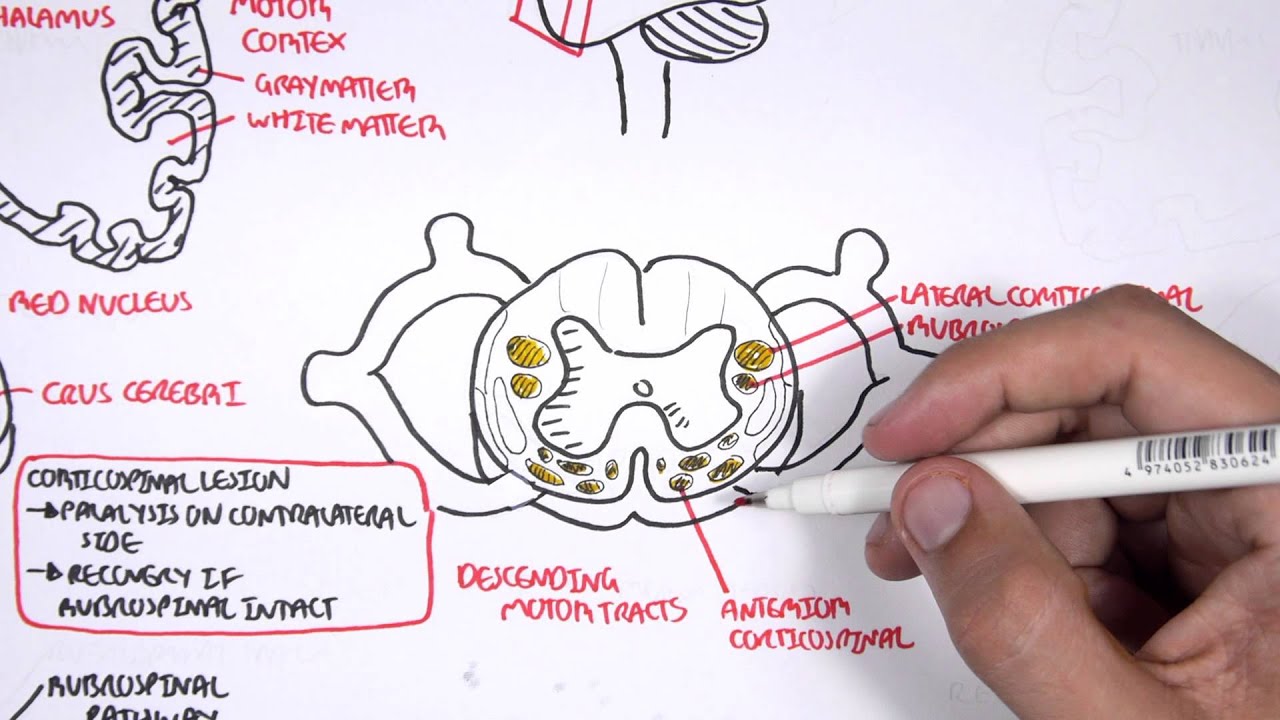
Added:Basic neuroanatomy of the motor cortex and the pathways of the spinal cord involved in voluntary movement control.
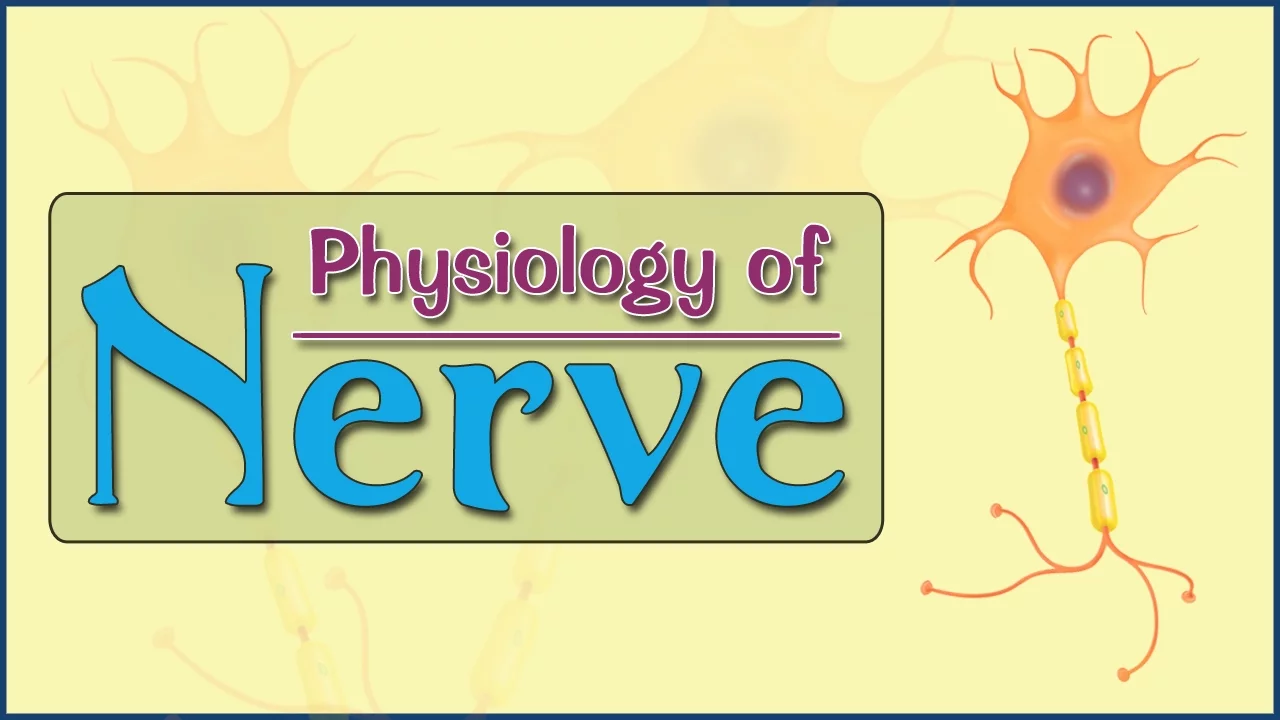
The physiology of neural signaling, specifically how action potentials are generated, recorded, and translated into electrical data.
Fundamental concepts of Brain-Computer Interfaces (BCIs), including the operational differences between invasive (e.g., microelectrode arrays) and non-invasive (e.g., EEG) recording methods.
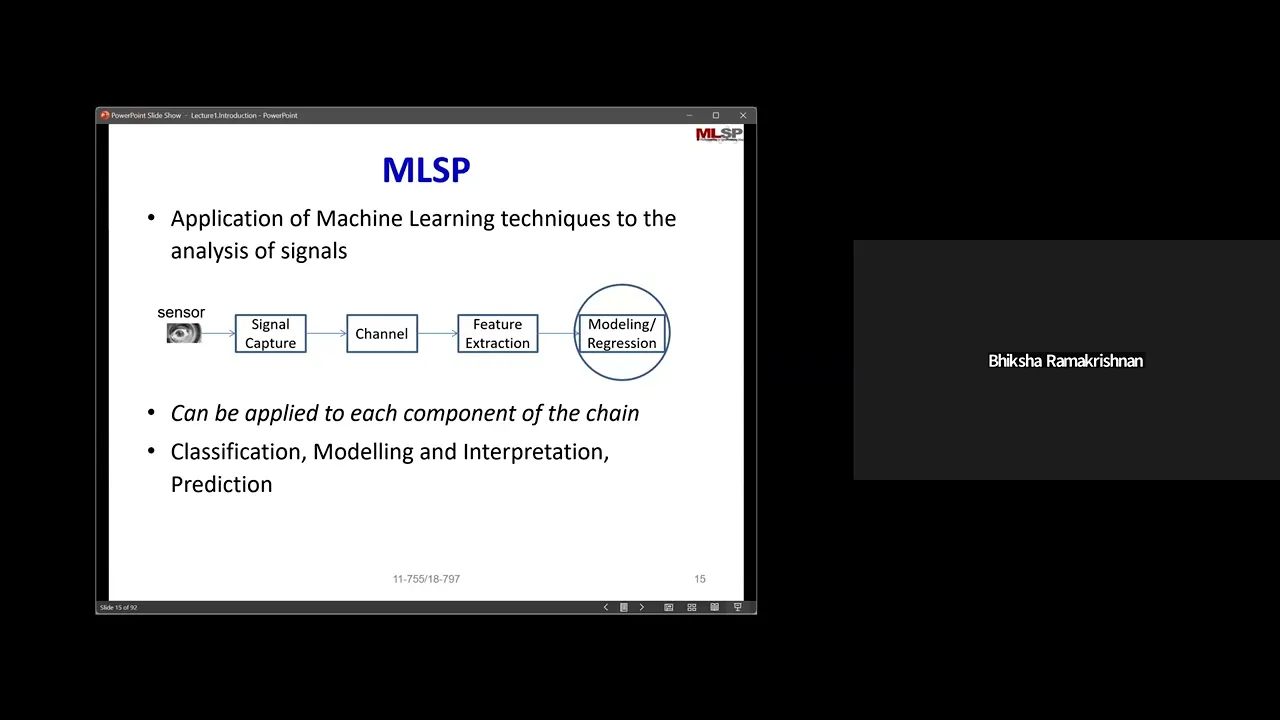
Basic principles of signal processing and machine learning, such as how raw electrical signals are filtered and mapped to specific outputs.
Advanced neural decoding algorithms, such as Kalman filters, population vector algorithms, and deep learning architectures for real-time trajectory prediction.
Closed-loop BCI systems and sensory restoration, exploring how to write sensory information back to the brain via microstimulation.
Functional Electrical Stimulation (FES), which uses decoded neural signals to directly stimulate paralyzed muscles and restore organic movement.
The clinical, ethical, and engineering challenges of long-term implants, including biocompatibility, immune response (glial scarring), and wireless power transmission.
107 views0likes18:10Original Release: 2023-12-26
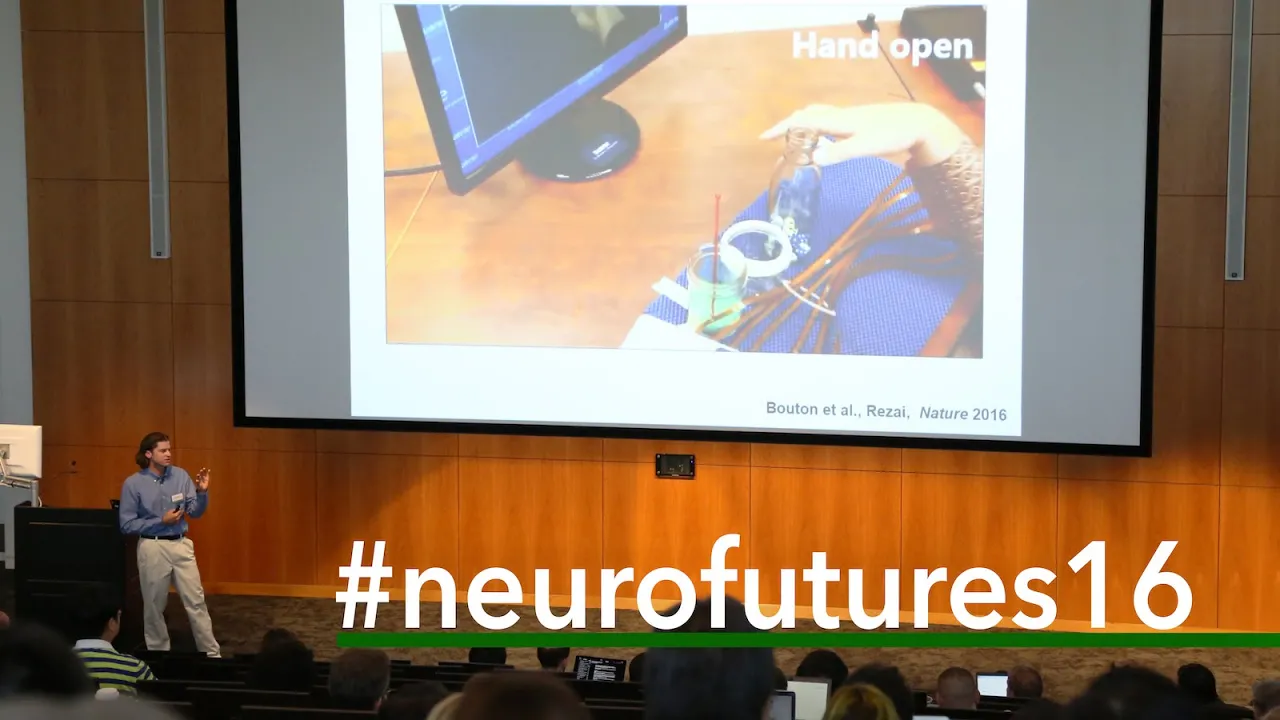
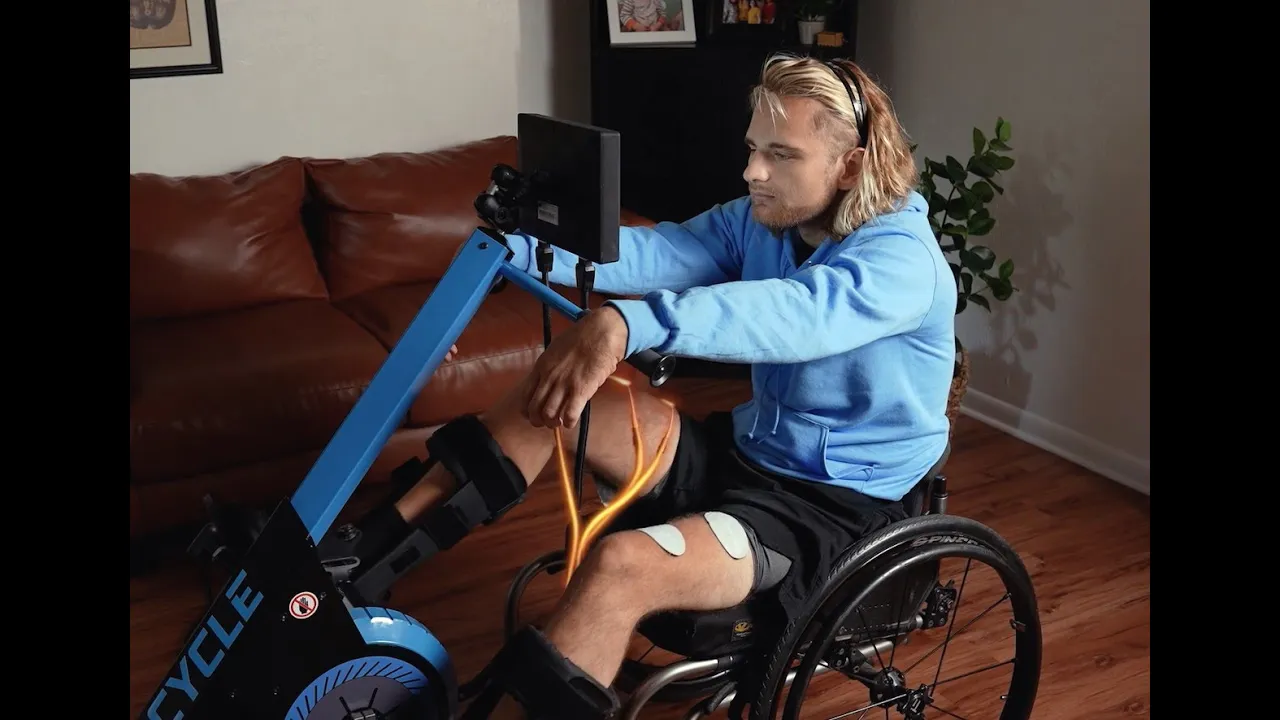
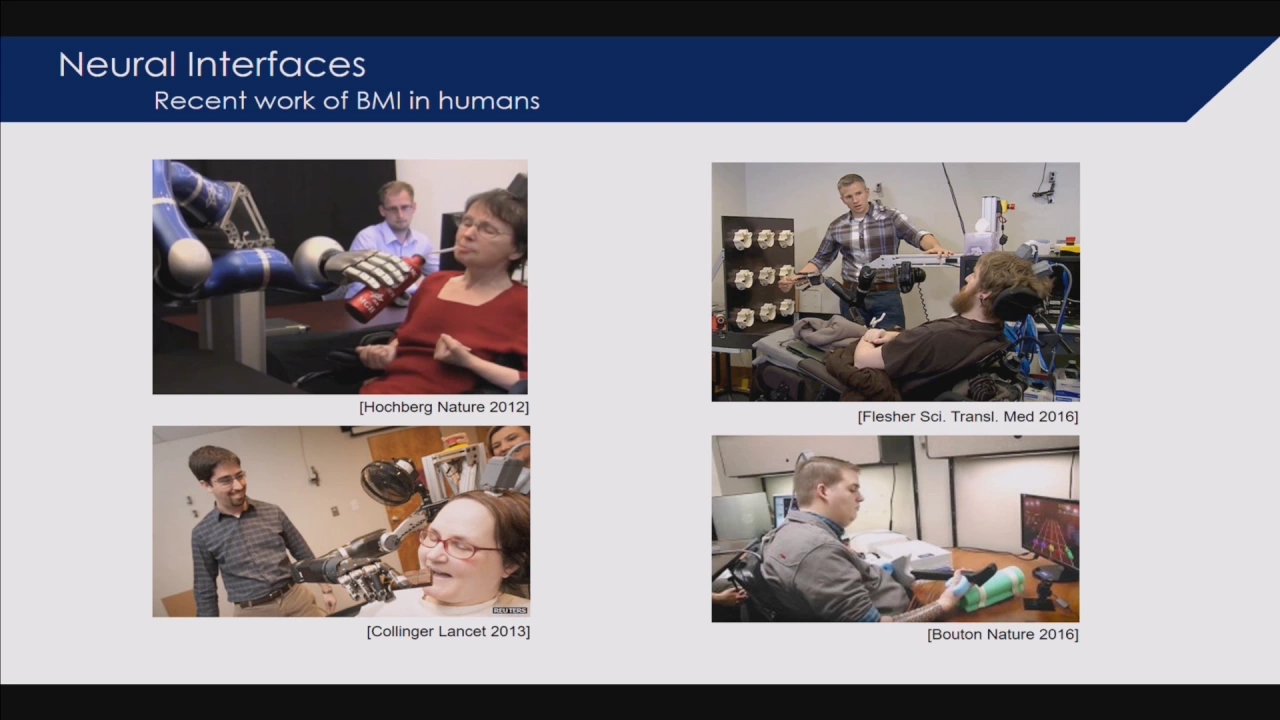
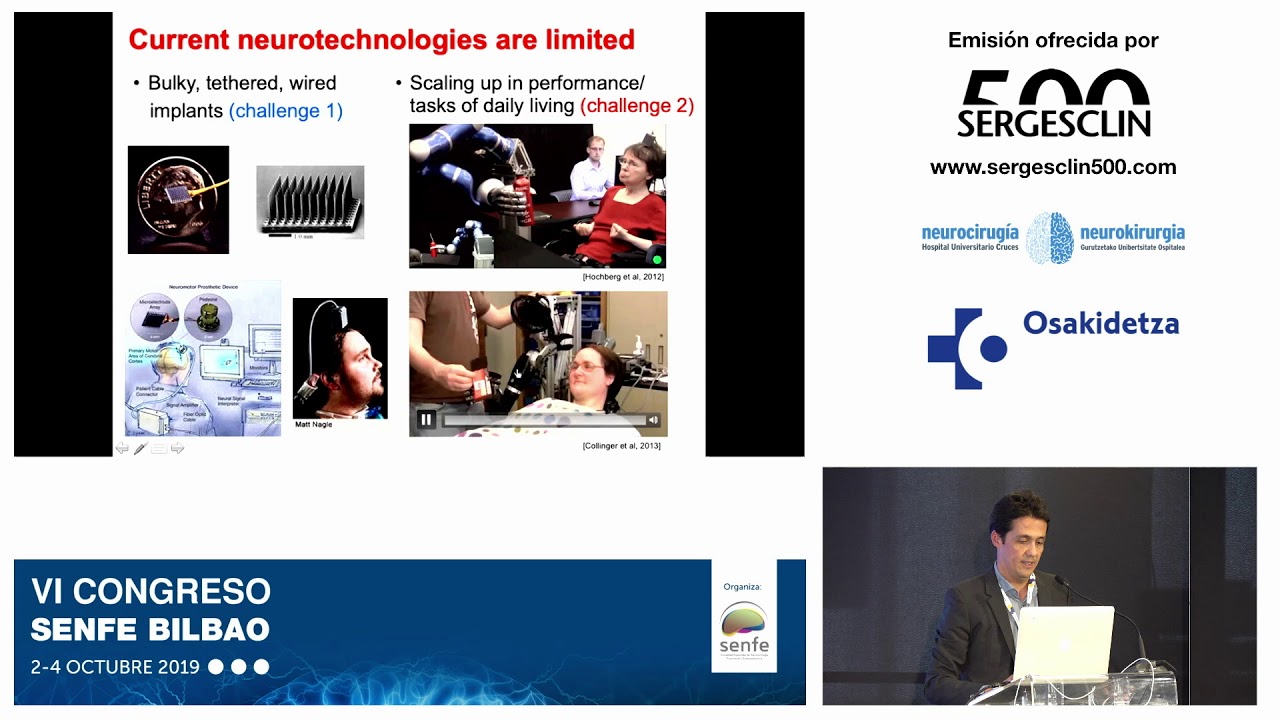
for span Accord injury a very hot topic nowadays thank you thank you very much good morning everybody I'm uh so happy to be here in Saudi Arabia and I thank the Saudi spine Society scientific and organizing uh committee for uh this very gracious uh invitation uh I'll be talking about brain computer interfaces this morning and just to give a broad outline of my talk uh I'll initially be talking about the background of brain computer interfaces and the work that's been done at other Centers before going into my own research uh we have a clinical trial now uh at the University of Ottawa that uh I'm primary investigator on uh however uh we're currently in the recruitment phase so I'll be presenting my um animal research with a with the non-human primate the monkey model so we all know why we're here we've all seen patients like this that that come in with a uh complete neurologic injury or uh a very severe incomplete neurologic injury and the outcomes neurologically are not great we know what to do the night of uh but we don't always have the best solutions for years afterwards uh brain computer interfaces have many applications however uh this morning we'll be talking about uh simple assistive control devices like a robotic arm for spinal cord injury I will not talk about the vast literature on things like decoding speech for people with stroke there are a variety of signals that can be used uh to drive a brain computer interface um now I realize that uh this is a spine society and that there are people with a Neurosurgical background and also are psychologically more stable uh Brothers with an orthopedic surgery background uh I'll try to keep this um um at a level that I think is applicable for for everybody in the audience there are uh signals that you can acquire from the surface of the brain which is the EEG but this is a noisy signal and then um right on the brain there's a signal called the ecog signal this is often used in epilepsy but even this is more noisy so if we implant microelectrodes in the brain we can get actual spikes um and also local field potentials lfps which are more um higher uh signal to noise ratio and a better signal these are the signals that we use uh surgically implanted uh electrodes for these uh types of research this is a picture of the Utah array which is the only FDA well actually that's not true uh as of a few weeks ago neuro neuralink Elon musk's company is FDA approved but they have not done any human trials with it yet but this is the uh device that we implant it's 4 mm uh Square uh with 1 millim or 1 and a half millimet electrodes and this is the one that I'll be using in the human study and this is the one also that we used in the monkey studies that I'll be presenting so the basic problem in buing computer interfaces is that we get these multiple recordings of neurons and we have to somehow convert this into a motor signal to drive a prosthetic device and this is a slide uh that shows the basic um understanding it uh it shows graphically what we do mathematically and I'd like to take a moment to explain this if you imagine that there's only three neurons you can then plot the activity of these three neurons in a three-dimensional space and then the the next stage on the next row uh we can project this onto a lower dimensionality manifold like a single plane this is called dimensionality reduction and it's a key thing that we do what it allows is to take multiple noisy inputs and get it into one more statistically reliable uh input and then we can smooth it and this creates what we call a neural trajectory it's like a mathematical representation of the brain activity and it's more stable so I'll be referring to dimensionality reduction and neural trajectories uh uh later in my talk this is some research that was done uh over 10 years ago on the top left it's the brain gate clinical trial uh which I was involved in and in the bottom right uh is the Pittsburgh trial even though these were done a year apart I like to present them together because it makes kind of a brain computer interface robotic race between the two uh uh uh candidates both with severe spinal cord injury so this was where things were at very kind of slow robotic control that was achieved about a decade ago and I'll show some of the advances uh that have been made since then the first Advance which was really uh promoted by the Pittsburgh group was to try to add sensory control we we all know that what that uh spinal cord function and control of our body involves both motor controls sensory controls proprioceptive controls which is a type of sensory uh input and so uh in Pittsburgh they uh had this idea that they would implant arrays both in the sensory cortex and the motor cortex and they would stimulate in this in the sensory cortex uh as a result of sensors on the robotic hand and uh what they showed first of all was that by injecting current in sensory cortex they could change the activity in motor cortex both increasing it and decreasing it and furthermore in uh in this uh uh study they were able to show that if they had a movement of robotic hand say the thumb or the index finger this would uh map to an activity on the mottar cortex that was the same um uh region that was activated uh if they uh actually uh uh touched the participant's hand the participant in this case had active sensation and they were able to replicate the same region of activity on the brain so they knew that they're actually able to do something very similar with the robotic proprioception than what the patients own endogenous sensory control would would allow and what they showed here if you look on the on the right um with um control they're able to decrease the amount of time that it take to do a robotic activity so I'll show a video of this um I'll let it run for uh a little bit um in in this uh trial are able to show a number of different tasks with different type of objects on the left side is with feedback on the right side is without feedback in the same participant and this is the fastest trial but they also did the same thing for the mean uh trial uh length where they were able to show significantly better ability to uh perform a task of the different uh sizes this video goes on for a little bit I want to wait for my favorite one uh which I also felt so bad for the robot without motor without sensory control uh because it completely failed let me see if it's I think it's around here I'm not able to advance the um I'm not able to advance the uh uh video but there's one where uh it tries to to pour uh a glass of rocks into another glass and the poor robotic uh the poor robotic interface without uh the sensory control uh was completely unable to perform the task uh this is the one you can see how lack of control it's almost uh as if as if the the robot is uh dysmetric uh without the sensory control and there you go so the next concept that I wanted to introduce is functional electrical system a functional electrical system is a system whereby even without brain control um you could develop a system that uh stimulates the muscle uh of somebody that has lost control of that limb or a uh a nerve directly and and create some kind of movement in the arm or hand and so uh this type of system marries very well with a brain computer inter interface um and uh this was a trial uh that was um published in nature in 2016 out of Cleveland where this patient uh has a spinal cord injury has some had some control of the hand but not enough to actually uh use it in any meaningful way and the muscles are being stimulated and controlled by a brain computer interface you can see in panel C that's um plugged directly into this participant's brain and so the brain signals are driving the functional electrical system in uh his own hand and allowing him using his own brain to perform all of these uh activities with his hand that he was otherwise unable to uh to control uh the last Advance is a is a a new advance and A New Concept which is a brain spinal cord interface uh and also uh published in nature very recently uh in June uh uh the uh investigators in this uh study uh implanted an ecog electro so surface elected on the brain and it have a decoding uh computer um and then uh stimulate on the spinal cord using a a typical spinal cord stimulator an epidural spinal cord stimulator and so they have these uh two cortical implants that are bilateral and uh you could see a regular uh type of spinal cord stimulator that many uh of us have implanted and uh so there's first a calibration phase the calibration phase that correlating the brain activity with the types of outputs that that they want to have um and so in this case they're looking at ilos sois and hip flexion so they correlate it with the actual ilos sois EMG activity but also with the amount of torque that's generated in the hip flexion and you can see after calibration there's a very good um decoding accuracy and then they did this for a number of other muscles uh like that are involved in Locomotion and uh I'll show the result as a video this is a participant uh who uh has not been able to walk for 10 years uh and was able to uh develop uh some kind of locomotion after I think about 6 months or 7 months of Rehabilitation following uh the implantation of this um uh brain spinal cord interface so ve very exciting developments and there's only one participant and this participant previously was involved in their previous arm of the study which involved spinal cord stimulation only um so this is a a field that's emerging and developing and obviously needs to be uh verified with a population our study is called neurocognitive Communicator andcc 1701 because we um uh had the Reb approved in uh January of 2017 and our goal is to create a cognitive neuroprosthetic so instead of a prosthetic that maybe decodes the momentto moment activity in the motor areas of the brain uh one that actually can decode the cognitive con ceps and so cognition in the brain is in the prefrontal cortex and uh so we've been working for the past decade in the monkey prefrontal cortex to prepare for this human trial by trying to understand the physiology I'll show some of these results uh this is area 8 AV which is a very small and easy to identify in the monkey it's a little bit larger and more difficult to identify in humans we have a approach that we're planning to do in the human population but I'm showing the monkey data right now so in the first experiment we have uh you can see where the array is uh implanted in the two monkeys um and um the task is very simple the monkey fixates and then does one of eight different movements and we are we're going to try to decode which of these movements um uh we could decode um uh prior to the actual movement so this is an ability to predict and so we did a number this is Chad Boule is uh one of the postdoctor fellows in my lab we applied a number of different uh AI uh techniques uh which are the different um uh points in this graph and you can see in many of them we were able to achieve Almost 100% uh decoding accuracy uh we then repeated this study uh but using the more robust local field potential signal which would be able to which we would be able to have years after implant spikes uh is a little bit finicky to obtain uh so we were able to really demonstrate that with 400 milliseconds we were able to achieve um almost completely uh identical results and this was conducted by my PhD student Renee uh Johnston we then asked the question okay so that's movement but what about things like learning um and uh learning new stimulus uh response associations or forgetting what about this kind of Rich cognitive signals can we employ these and so this is Ali Resa rosida lab is a PhD student in my lab actually he just graduated his PhD uh looked at uh an experiment that we designed in which one of two cues different colors in this case green or red are uh given and only one of two different targets and distractors appears to the monkey and based on the Queue the monkey has to decide which one the monkey will uh uh will will move to uh and if the monkey gets the the wrong one that doesn't get us reward which is uh some juice and so every time the monkey learned it we reset the Q uh uh so Association and and frustrated the monkey and so you can see this is the performance of the monkey in red is where the monkey is has not learned the task on the Y AIS is the performance and green is where the monkeys learn the task and then we give it a new set of cues um and uh reset reset everything so we want to see can we capture this idea of learning are there neurons that can learn like this and so we mapped the neural spaces and looked at these neural trajectories and what we found was when the monkey doesn't know the Q in the neural space AI algorithms would not be able to distinguish between the neural activity between the uh which response the monkey was going to make however as the monkey learned uh the association the AI algorithm from the neural activity was able to dissociate these activities and what this teaches us is that this area of the brain is involved in learning and then we looked at the actual neural trajectories and mapped them up as points in a space and we found that with the the monkey uh uh the neural space was able to distinguish between every single different direction and every single queue but did the monkey have this ability well we looked at the monkey's performance uh on the bottom left and found that the uh monkey was able to remember different cues if they were applied later on but would forget them if a number of different um cues had been uh applied overhand and when we look at the neurospace it was the same um pattern and so the monkey remembers and forgets as the neurospace AI algorithm was able to uh remember and forget this also demonstrates that this area of the brain is involved in learning and forgetting and being able to remap and be very plastic which is something that we want in a in a brain computer interface because it may have different applications if a person's using a robot we go to one room or another room or there's different context we want it to perform in a different way the last uh uh task that I'll show in this set of experiments was um also done by Renee Johnston where we put the monkey in a a maze uh virtual reality Maze and we were able to decode the location of the monkey in the Maze with this activity so this area of the brain uh is able to map location and able to map um uh the types of activity that the monkey is able to do in learning uh also predicting movement uh this is what I shown in this uh summary slide so in our human uh study we're planning to record both in motor cortex and also in this cognitive area of the brain the prefrontal cortex and we'll record uh from the neurons it goes to a digital Hub where the signals are digitized a signal processor uh and ultimately a computer where our decoding algorithms are written and this is the equipment that we obtain through a Canadian uh Foundation uh and Innovation uh Grant uh with the robotic arm virtual real ity uh and all the neural signal processing equipment uh and this is my last slide uh this is Ali Resa Rida lab's uh next project is to try to uh with the human uh um uh participant that will be uh recruiting in the near future uh will be looking at perhaps a two-stage algorithm where the uh cognitive array the prefrontal cortex array uh makes decisions like if you have let's say uh coffee and a and a cookie it will be able to decode what the person wants coffee or cookie and then uh the robotic arm will then operate from the motor cortex under a restricted space which could make it even more efficient um to actually perform this task so these types of hybrid algorithms using these different Rich brain areas will be uh what we will be uh conducting in the human trials and uh inshallah next time I'm in Saudi Arabia I'll be able to show these uh uh human results i' just like to acknowledge the efforts from the people that are work in my lab and also uh my collaborators uh Dr Julio Martinez at Western University thank you very much
Up Next
18:45
The Lethality of Loneliness: A Scientific Perspective
@TEDx
1.3M views•2013-09-09
21:55
Deciphering Neural Circuits Controlling Anorexia in Mice | Richard Palmiter
@AllenInstitute
2.3K views•2011-10-10

4:10
Vagus Nerve (CN X): Anatomy, Nuclei & Functions Explained
@Alilamedicalmedia
305.2K views•2022-10-31
13:03
How Exercise Benefits Your Brain: Science Explained
@TED
11.4M views•2018-03-21
Related Study Plans & Knowledge Roadmaps
Structured learning paths in Neuroscience
neuroscience
Appetite Regulation: Brain Circuits & Hormones
01Foundations of Endocrinology and Brain Anatomy
02Introduction to Energy Homeostasis
03Peripheral Signals: Leptin, Ghrelin, and Insulin
+ 2 more learning modules
14h5 modules
Explore Roadmap
neuroscience
Neuroeconomics: Value, Risk & Brain Mechanisms
01Foundations of Neuroscience and Brain Anatomy
02Introduction to Neuroeconomics and Subjective Value
03Dopaminergic Prediction Errors & Reinforcement Learning
+ 3 more learning modules
18h6 modules
Explore Roadmap
neuroscience
Spatial Navigation: Cells, Grids & Brain Maps
01Foundations of Brain Anatomy and Memory
02Place Cells and Head-Direction Cells
03Grid Cells: The Brain's Coordinate System
+ 2 more learning modules
12h5 modules
Explore Roadmap
neuroscience
BCIs: Neural Decoding & Prosthetic Control
01Neuroscience Foundations: How the Brain Signals Intent
02Signal Acquisition: Recording the Brain's Activity
03Neural Decoding: Translating Brain Waves into Data
+ 2 more learning modules
25h5 modules
Explore Roadmap