












![La avaricia rompió Cyberpunk 2077 [Análisis] - Post Script](https://i.ytimg.com/vi/JrsemV-9T1U/maxresdefault.jpg)




Dystopias are more popular than utopias because capitalism has been internalized as the natural way of life, creating tunnel vision that makes imagining alternatives feel impossible; the system encourages individual betterment over collective progress, and fictional narratives reinforce this by casting radical change as villainous while normalizing dystopian futures as realistic expectations.
Why Dystopias Dominate: Utopian Imagination in Late Capitalism
Added:The definitions and literary histories of both utopian and dystopian genres, from Thomas More to mid-20th-century speculative fiction.
The economic and sociological concept of 'Late Capitalism,' particularly how it relates to globalization, consumerism, and commodification.
Basic theories of cultural hegemony and how popular media and culture reflect, reinforce, or challenge dominant economic systems.
Familiarity with the phrase 'It is easier to imagine the end of the world than the end of capitalism' (often associated with Fredric Jameson and Slavoj Žižek).
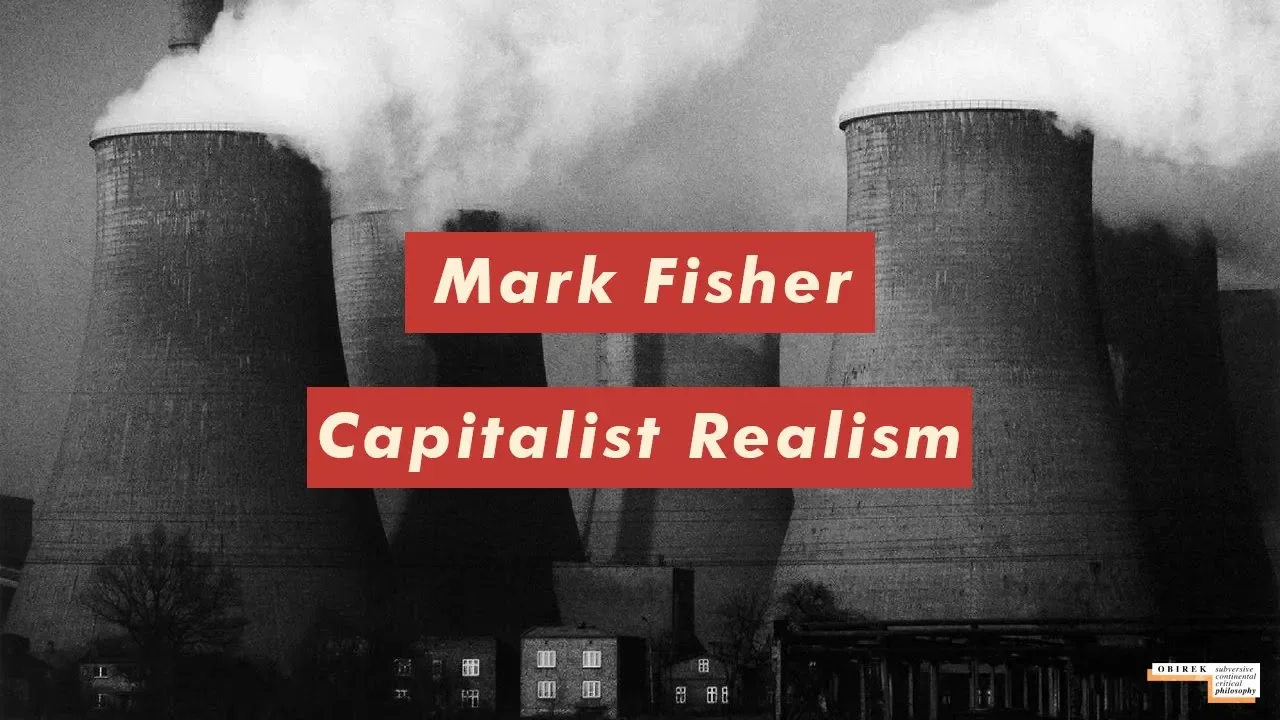
An in-depth study of Mark Fisher's theory of 'Capitalist Realism' and its impact on mental health and collective political imagination.
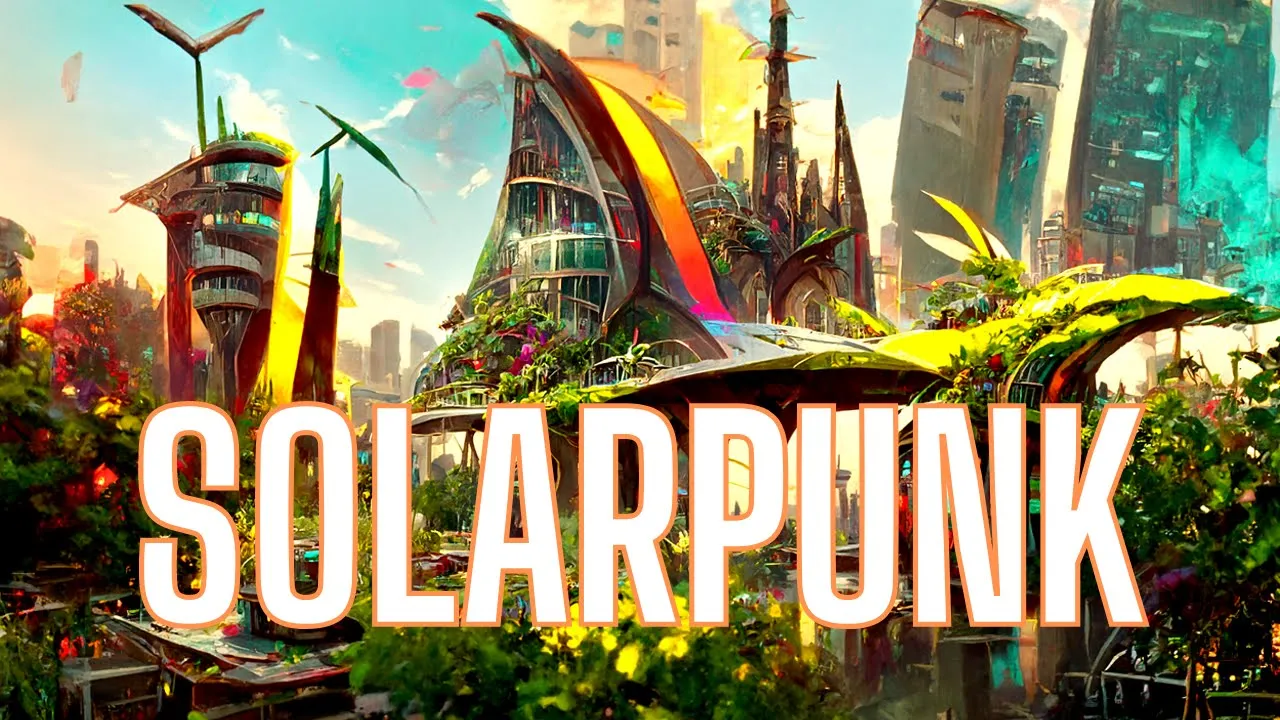
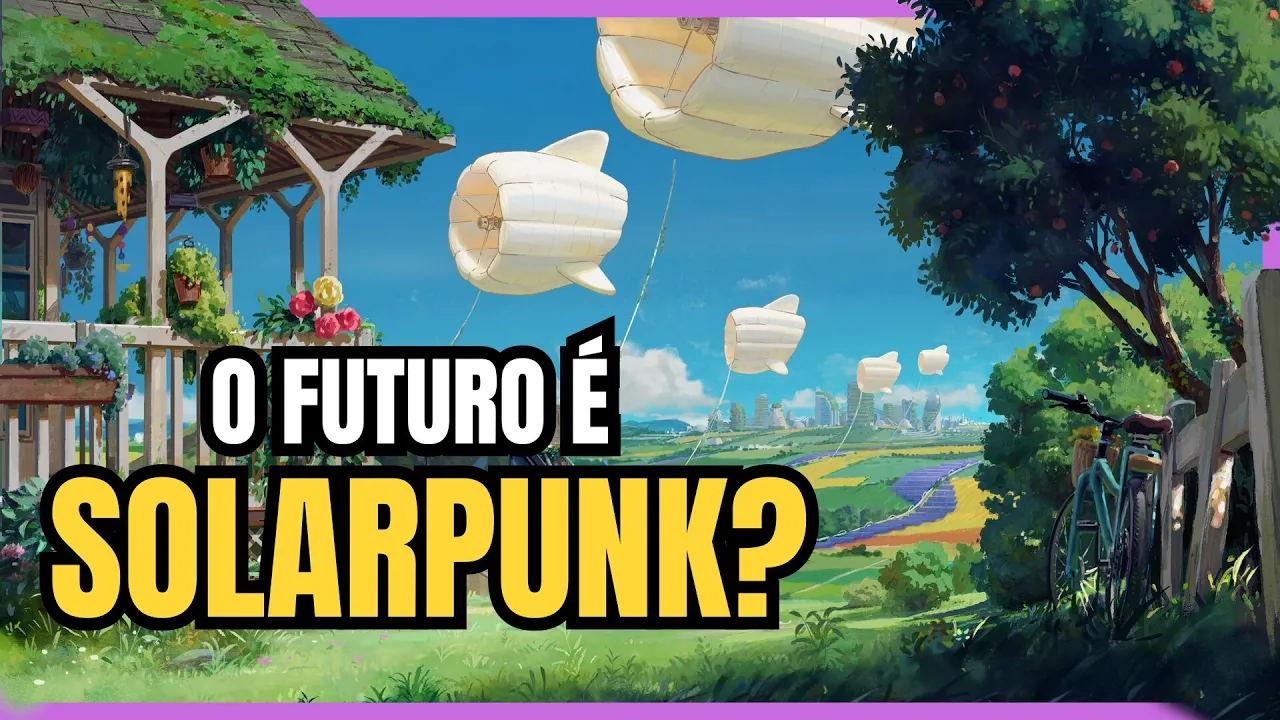
Examination of emergent speculative fiction genres like 'Solarpunk' and 'Hopepunk' that actively attempt to construct positive, sustainable, and post-capitalist futures.
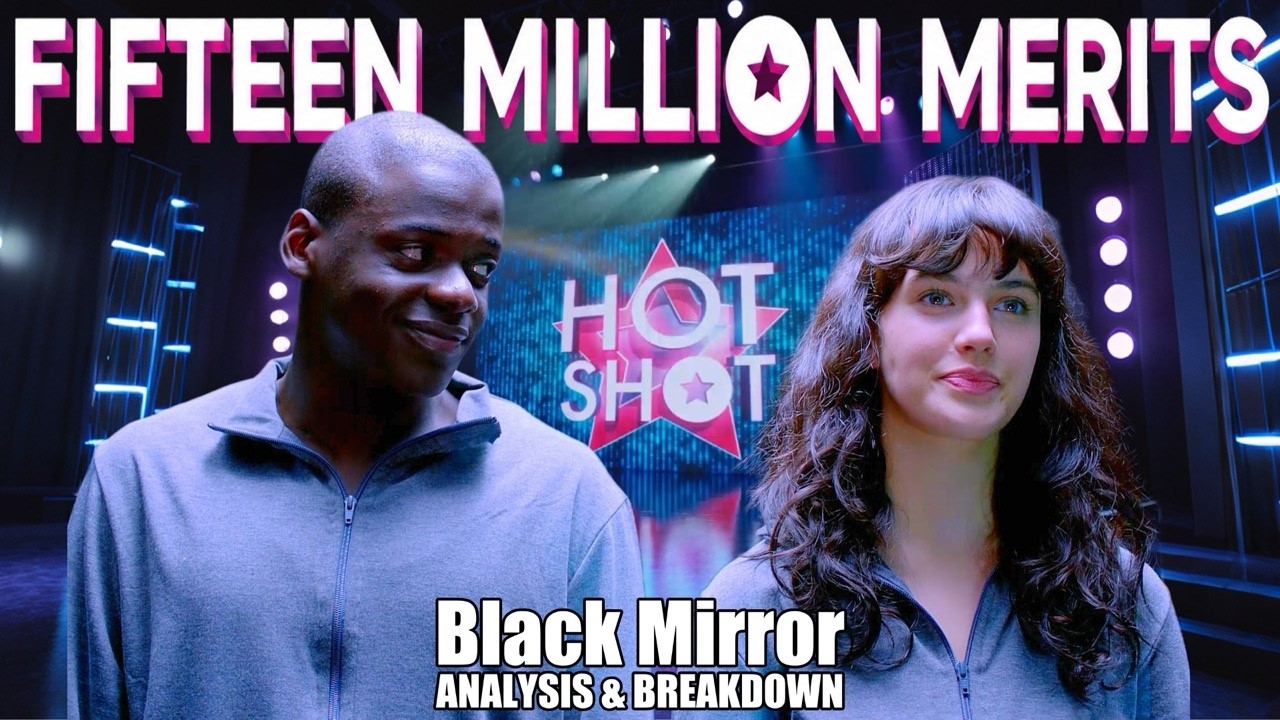
Critical analysis of contemporary media (e.g., 'Black Mirror', 'Cyberpunk 2077') to evaluate if they challenge or merely profit from dystopian anxieties.
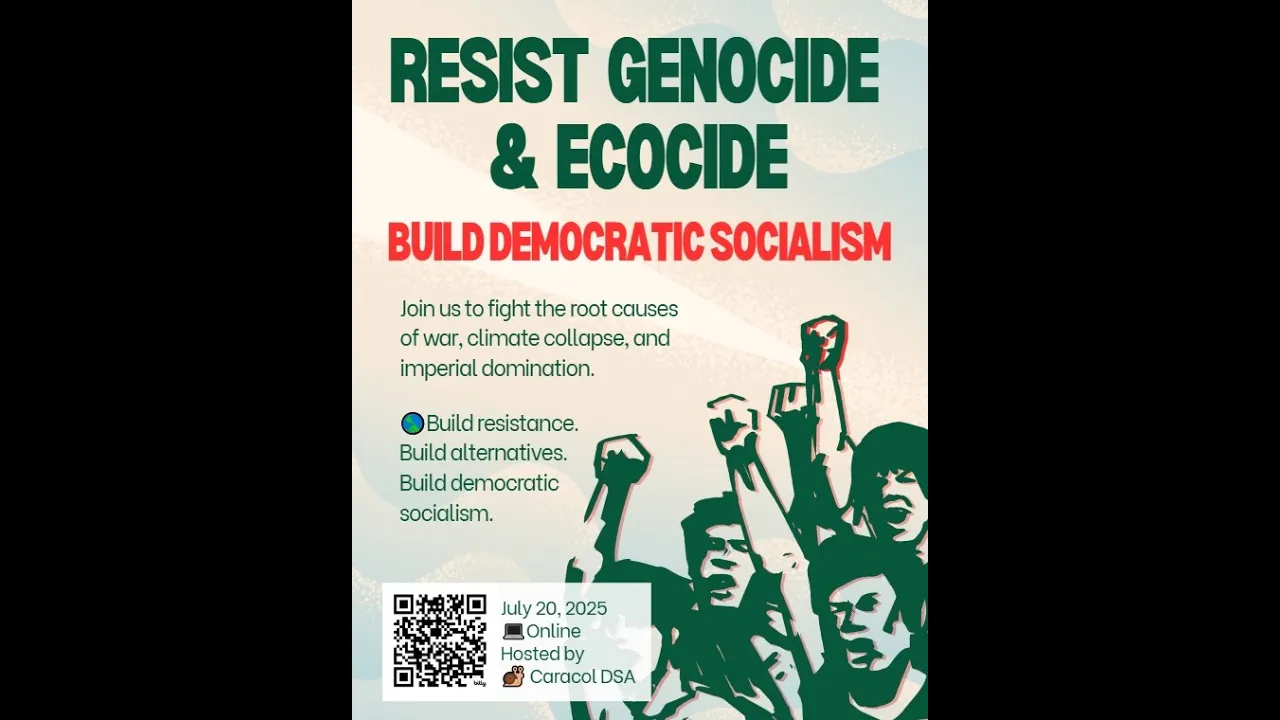
Investigation of alternative socio-economic frameworks, such as post-scarcity economics, degrowth, and democratic socialism, as modern utopian blueprints.
92.8K views8.8Klikes19:33Original Release: 2021-09-09
Utopia is a dirty word.
Dystopia is not.
Imagining anything but a continuous downward trend for our communities, countries and the world as we know it feels naive and devoid of reason.
It’s becoming ever easier to imagine post-apocalyptic scenarios like Cyberpunk, Mad Max, and hell, with the current situation - even the walking dead.
When we pronounced the end of history in the 90s we equated the current way we organize our world as the only viable one.
This is it.
It’s markets, it’s competition, it’s a free for all - a gladiatorial battle of the individual against another - the constant fight and struggle for personal betterment - and through it the betterment of all.
Because even if you leave others in the dust - it’ll somehow trickle down to them as well, won’t it?
And while nobody in their right mind still believes this - nor do they advocate for it - it has become so ingrained in our way of understanding the world - so ingrained in our very nature, that we cannot for the hell of it - imagine an alternative.
Utopia is a dirty word.
Dystopia isn’t.
Let’s wind down on the philosophy there and do an easy thought experiment - remember how excited you got over every new leap humanity took as a kid?
Pilotless planes?
Automated robots doing things on their own?
Exploring the beauty of the universe - with the first step being the big red planet?
Or hell - even flying cars?
For most of you - now that you’re older, and hopefully wiser - that excitement is dressed in dread.
Pilotless planes turned into death reaping military drones.
Automation is taking jobs - instead of making them easier.
The exploration of space, while sold as a next step for our species, is mostly just funded as a safe getaway location by the private sector - for the private sector.
And yes - even flying cars.
You’re probably buying food for your cat on a loan and you’re here thinking you’ll afford a flying car in 50 years… Good for you.
So what?
We’re all just a bunch of stinking sceptics?
Is that it?
Really?
Well in order to be negative you’d have to have the capacity to also imagine a positive alternative.
You have a job interview coming up but you think it won’t go well.
You can imagine that - because you can also imagine the interview going well.
One does not exist without the other.
It is inherent to the other.
So then why - if we could marvel at the wonders of human civilization as children - do we now see everything as a threat?
Why does it feel like our very future has been stolen?
It’s the system.
You can roll the credits now.
Thank you for watching.
Jokes aside - in all seriousness - be it you are a fan of this system, or against it - the widely accepted conscious understanding of the future it shall create is almost always unanimously covered in everything except optimism.
Generations who experienced Ragen and Tatcher were sold the idea that as long as we let the market do it’s wonders, as long as we cut social security and discourage so called “lazy free loaders” society will somehow sprout into a utopian butterfly.
And what happened?
Zilch.
Shit happened.
Except for the most radical proponents of neoliberalism, the system we live in today, the consensus is almost unanimous that “just leaving it to the hand of the free market” leads to 2008 repeating over and over and over again.
So why then - if we are so certain of the drawbacks of this system do we still cling to it?
To quote Ursula Le Guin, a fantastic fiction writer - We live in capitalism.
Its power seems inescapable.
But then so did the divine rights of kings.
My dear viewers - we really have forgotten the second part of that quote.
Individualization of Collective Imagination Our very imagination is limited by thousands of factors - most of them which fall under the umbrella of not having time to think about it because we’re just simply too busy trying to survive.
But that’s not really the entire reason, is it?
You see - one of the many things which differentiates Capitalism from previous systems is that it sells you a personalized package - as I like to call it.
There’s no divine right of kings, there’s no blood bound royalty, at least not on the surface.
But to the contrary - you are sold the idea that you have your life in complete, and utter control.
That you hold your destiny and as such can define, for yourself, but never others, if you will live in a dystopia or a utopia.
Your standards, your life and your experiences as a person of wealth and power quite literally create a reality so different to those who have neither - that you might as well be living on different worlds.
It is not that we can’t imagine a better life, a better system, but that we’re encouraged to pursue it only for ourselves, and never our species as a whole.
For how can you be better than your peer - by uplifting them?
This systematic thinking has been carried by many a generation and will likely continue down the same path.
The idea that there are no Kings and Queens ordained by God ironically tells us that we ourselves might one day become them.
But now you’re thinking - come on I see through this whole sham and propaganda of pulling yourself by the bootstraps - that doesn’t work on me!
And sure, you know it, you see it, and while that’s the first step - it doesn’t mean you aren’t living according to it.
All I see is someone trying to get into the best university, get a raise, buy a better car - move to a nicer neighbourhood, find a hotter partner.
You can see and disagree with all you want but that doesn’t mean your consciousness, or mine for that matter, doesn’t fully live it, even without our full approval.
I’m not saying that trying to make a better life for yourself is somehow wrong, to hell with that modesty propaganda - but what I am saying is that deep down inside - most of us have to admit to ourselves that we might just fear the revolution, the change, the new world - to a certain extent because we’ve already put in too much effort into trying to create one for ourselves.
The idea that there is an alternative to alienation and struggle - just there, over the next hill,that we can secure for us and our family - creates a sort of tunnel vision which stops us from seeing a bigger picture, of seeing ourselves as just one molecule in the body of the human experiment.
I hate the term human nature - because it’s turned into a buzzword reactionaries like to throw around when advocating for backwards ideas.
But it’s an appropriate term to use for the current state of mind we find ourselves in.
Capitalism - has been internalized by almost everyone as the natural way of life.
It’s no longer a system - it’s just how things are.
And as such - the tunnel vision I spoke of previously - is just what we all think our eyes are capable of seeing.
And to see beyond the horizon is no longer just seen as rebellion - it’s seen as insanity.
Embracing the nightmare.
Rejecting the dream.
It’s not a coincidence that the greatest leaps of long term progress have been started exactly during the harshest of times - where the alternative to suffering was practically non existent.
Rising up or literally dying.
Today it’s rising up and throwing away many of our comforts, which may even include our life, versus just playing playstation all day.
We’re smothered by menial comforts yet on that same playstation we start up Cyberpunk 2077 and enjoy a wholly horrific and partially realistic depiction of our very own future.
We are literally, unironically, normalizing different dystopias as completely realistic.
You see a prepper filling up a bunker in case of a zombie apocalypse and you laugh.
Yet, the rest of us, in general, see where this shitshow is heading - and other than tweeting about it once a week - we bow our cute little heads and accept it either as reality - or as something which might happen to someone else - but never us.
At least Bob over there living in his bunker fearing the undead has some gal.
And the rest of us?
Well - I guess we’re just embracing the coming nightmare.
Like a meth addict - going to bed.
Fictional literature and media has always gotten flack for not being sophisticated per say - but thank Marx I’m not sophisticated so that ain’t stopping me from talking about it.
Fictional worlds have been one of the most widely approachable pieces of writing which have allowed us to tell stories about humanity's future, or should I say futures.
There’s many types of universes out there - ranging from the Grim Dark dystopias on steroids like Warhammer 40k to the massively contrasting idea of what humanity could become in works such as Star Trek.
And while I love and enjoy both and everything in between - I have always been attracted to the incredible complexities of what it actually takes to imagine our species as living in accordance to principles greater than the ones we ascribe to today.
It takes great imagination to create a world of destruction and despair - but at the end of the day - it’s just taking the horrors of today and amping them up by 10 000.
But creating a living and breathing world based on ideas of what we could hope to achieve - has always been a source of inspiration for me, and hopefully others.
It dares to put into question what we could create if we, as a community, and not only an individual, could build for ourselves.
It supplies us with dreams, instead of nightmares - and gives concrete examples of where those dreams might take us.
Ofcourse many of these, including Star Trek, have been slowly dragged back in their latest iterations towards a world more alike to ours.
The writers simply can’t seem to muster imagining anything outside of a world ran the way ours is.
A classless society is hard to imagine when history has supposedly ended.
When the only thing we can hope for are versions of today - and none of tomorrow.
In a tweet last year Elon Musk wrote about Cyberpunk 2077.
“I picked Nomad, so [the] start was a little slow, but picks up fast,” In the Cyberpunk universe the Nomads are descendants of wage slaves - who had been played out of their jobs in the millions - and have therefore decided to roam the world and build a destiny of their own - away from the bosses way up high.
Unbeknownst to them - the very definition of a union busting and control obsessed bossman is roaming the world with them - in the latest - for profit iteration of their universe.
Where distopias played a role in warning us of our future - today they simply project what we’re all expecting to eventually happen.
And the characters in our films, games and books - who propose radical change are immediately cast as the bad guy.
The calm, proud, and strong main characters defeats their radicalism and proposes a far more modest and shall we call it - reformist approach - to fixing an injustice.
And if we make a completely anti-social character - then we must explain away their alienation as not something natural to the modern capitalist condition - but as a person suffering from mental issues or narcissistic self aggrandizing disorders.
So not only can we not imagine or write about believable, relatable utopias - but even the characters fighting against the status quo in fictional distopias - end up being defined as the antagonist.
So - if our minds have adopted Capitalism as the status quo, if our art has embraced an almost exclusively negative vision of the future and if our popular heroes are seen as combatants against change - then is there really any room left for optimism?
Well, what do you expect I’ll say?
No - it’s all doom and gloom?
That would be far too ironic in a video which spends the majority of it’s run time outlining the reasons we can’t seem to see the light at the end of the tunnel.
No tovarischi - the fact we’re even talking about this - means there’s hope.
The trick I use to slap myself awake from a devastating hangover is… wait this is the wrong script.
Sorry - the trick i use to slap myself awake from the doom and gloom of trying to envision a greater future is simple- I remember that this system is but a tiny blip in the collective story of our species.
There’s nothing essential about humans living like this, or organizing society as such.
Just like I remember how small of a part I play in this world whenever I look up at the stars - so do I remind myself of just how dynamic, evolutionary and changeable human societal organization can be - when I look at our history.
I mean just 2000 years ago dudes walking around covered in white curtains had sex with their underage male students while philosophizing about how stupid women are.
A bit less than a 100 years ago Krauts worshipped a micropenis balding beer bellied fascist and his ideas of racial supremacy.
We didn’t even have bloody fridges until like 60 years ago.
What is normal, what is the standard, what is good and what is efficient has changed so fast throughout our time on this little planet of ours - that saying we’ve peaked as a society in this backwards system - sounds like one of the most idiotic things I’ve ever heard.
It is in my pride of being able to call myself human - that I reject the idea that all we’re capable of is to build bigger goddamn malls.
Utopia is not a dirty word.
It’s been made dirty by a class and a system which cannot afford allowing it to develop.
Utopias aren’t meant to be achieved - they’re meant to be a beacon we sail towards.
All we have to actually start doing - is sailing.
Thank you for making it to the end of the video.
Hope you like the new Yugopnik Avatar.
Expect a new video very soon to make up for a lack of new ones last month.
New job, too many weddings to go to and struggling with a bit of writer’s block.
If you like what I do here consider supporting it by subscribing or donating over on Patreon.
For the price of less than a can a beer - a month - you can help this channel run.
Also - check out our Discord - I’m pretty active there.
Now I’d like to take the opportunity to thank all the wonderful tovarishchi without whom this channel would never have been able to run, especially: *read*
Up Next

27:38
How Yevgeny Zamyatin's 'We' Inspired George Orwell's '1984'
@QuinnsIdeas
166.4K views•2025-08-14

13:43
Formalism in Literary Criticism: An Academic Lecture Overview
@mattalberhasky9952
39.1K views•2015-08-05

6:08
Point of View in Fiction: First Person vs. Third Person
@magicalthriftyteacher
153.8K views•2014-03-31

15:25
1984: Orwell's Dystopian World and the Mechanisms of Totalitarianism
@AlternateHistoryHub
7M views•2017-03-04
Related Study Plans & Knowledge Roadmaps
Structured learning paths in Literature
literature
Graphic Memoirs: Visual Art, Trauma & History
01Foundations of Sequential Art and Visual Language
02Autographics and Processing Historical Trauma
03Visualizing Personal Trauma, Grief, and Graphic Medicine
+ 2 more learning modules
14h5 modules
Explore Roadmap
literature
Campus Novels: Evolution, Themes & Critique
01Introduction to the Campus Novel Genre
02Mid-Century Satire and the Post-War Academy
03Dark Academia and the Critique of Privilege
+ 2 more learning modules
14h5 modules
Explore Roadmap
literature
Theater of the Absurd: Philosophy & Plays
01Postwar Existentialism & Historical Roots
02Dismantling Narrative: Esslin & Absurdist Conventions
03Samuel Beckett and Tragicomic Existentialism
+ 2 more learning modules
12h5 modules
Explore Roadmap
literature
Revenge Tragedy: Justice, Madness & State
01Foundations of Early Modern English Theatre
02Anatomy of Revenge: Structural Conventions
03Psychological Complexity: Madness and Melancholy
+ 2 more learning modules
15h5 modules
Explore Roadmap