












![[Interview with Mindful Attraction 2.0] The Anxious-Avoidant Trap Explained](https://i.ytimg.com/vi/2wL8SroFm5E/maxresdefault.jpg)




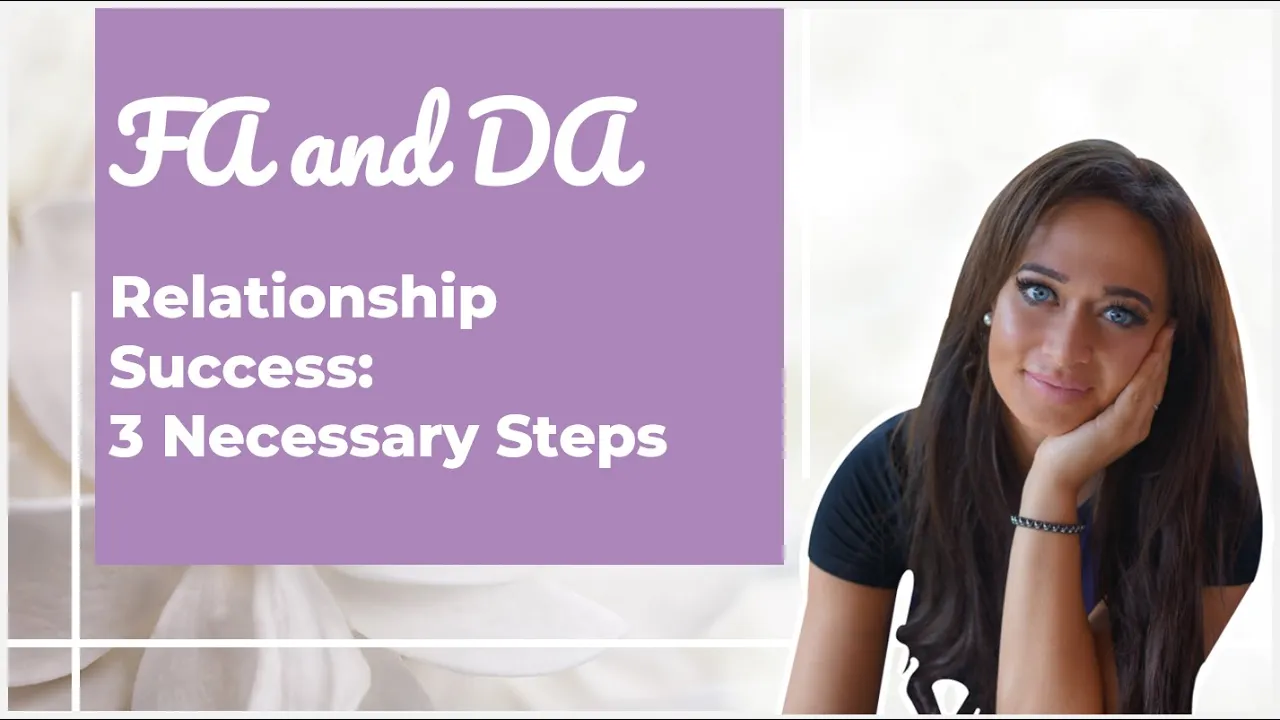

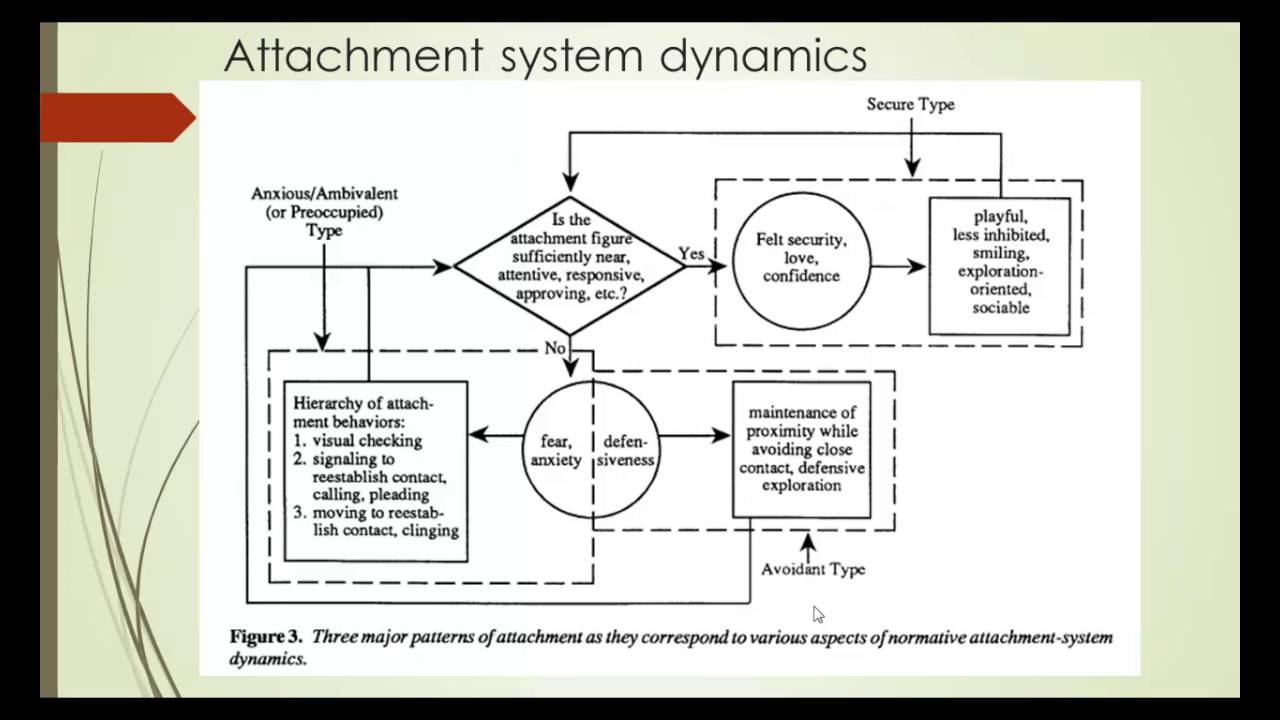
Fearful avoidant attachment individuals display traits of both anxious and dismissive avoidant styles, characterized by a fear of abandonment combined with a tendency to push partners away, engage in relationship sabotage, and experience more anger and powerlessness; in contrast, anxiously attached individuals primarily fear abandonment and try to reel their partners in, often feeling not good enough but not unworthy of love, and are more consistently warm and communicative. Attachment is a spectrum, and individuals can assess their style by evaluating the ratio of anxious behaviors (pulling closer) versus avoidant behaviors (pushing away).
Fearful Avoidant vs Anxious Attachment: Key Differences Explained
Added:Introduction to Bowlby and Ainsworth's Attachment Theory, including how early caregiver-infant bonds shape adult relationship expectations.
The fundamental differences between secure and insecure attachment styles.
The two-dimensional model of adult attachment, specifically how individuals score on the spectrums of attachment anxiety and attachment avoidance.
The basic definitions of internal working models of the 'Self' (self-esteem and self-worth) and 'Others' (trustworthiness and reliability).
The concept of 'Earned Security' and evidence-based therapeutic modalities (such as Emotionally Focused Therapy) used to heal insecure attachment patterns.
An analysis of the 'Anxious-Avoidant Trap' (or demand-withdraw cycle) in romantic relationships and strategies to break the cycle.
The link between childhood trauma, emotional neglect, and the development of disorganized (fearful-avoidant) attachment.
Practical communication frameworks and emotional regulation techniques tailored specifically for anxious and fearful-avoidant individuals to express needs constructively.
46.1K views1.7Klikes11:53Original Release: 2019-09-27
hi my name is Taj Gibson and I'm the owner and founder of the personal development school this is your daily breakthrough video and in this video I'm gonna talk to you about the difference between the fearful avoidant attachment style and they anxiously attached individual also known as the anxious preoccupied attachment style so um this has been a video that so many people have requested and asked for me and in classes and courses all over the place so I'm gonna go into just some really high level details that will give you a really clear synopsis of the difference and how to tell where you're at sort of on this attachment style spectrum okay um before I jump in really quickly we are launching the personal development school in days we've had we've been teaching classes in person for quite some time but we're doing the online version in just a few days October 2nd is the magical date if you haven't already and you want to sign up for the courses we're doing a one-time launch offer where you get $49 a month unlimited courses to live webinars with me a week so you can get your questions answered and you get access to the community forum you get done-for-you worksheets workbooks all kinds of amazing stuff tips tools strategies all this exciting stuff so make sure that you take it out of your out of your promotions folder if you're already signed up and waiting because you might miss it and if you miss the special code we're giving out on October 2nd um you may not get the launch dates discount so um and then it's going back up to like 99 bucks so make sure you like take us out of your promotions folder stay connected make sure you double check your promotions folder the day of October 2nd and if you haven't already signed up and you want to be a part of our community just click the link below that's in the description and you'll get to sign up there and then you'll receive a special code on October 2nd that will allow you this really great discounted entry into everything and you can really begin the deep dive on your journey so and thank you guys for being here and just like doing this all with me because I actually had no plans until I started this YouTube channel and had so like just amazing connections and questions from all you guys I had no plans of putting together an online version of the personal development school so literally because of you guys this is happening this has been such an exciting time and yeah I'm just really thankful to all of you so so many of you have been asking for the difference between the anxiously attached individual and the fearful avoidance so here goes the quick synopsis like as directing to the point as possible so number one number one the fearful avoidant displays signs or like traits of the dismissive avoidant at times whereas the anxious really doesn't so fearful avoidant is also sometimes known as anxious avoided which is basically referencing how they play the anxious side of the attachment spectrum and the avoidant side right the anxious and the dismissive avoidant so they'll feel both and if there was a dismissive avoid and partner and they might have a lot more anxious tendencies if they're with and they might feel like they're anxiously attached I've worked with many clients who have come to me and said I'm anxious attachment and then come to discover I get to know them a little bit and it's like wait a second you're definitely if you're a full avoidant and so the the dismissive avoidant side will be things like you'll have deactivating strategy sometimes if you're fearful avoided if you're anxiously attached I mean you're human you're gonna have deactivating strategies at some point attachment is a spectrum but it's they're going to be so small compared to the ratio of activating strategies so for example you might feel angry at your partner and be like oh I can't believe he or she is doing this to me but that won't last long whereas a fearful avoidant will flip-flop a little bit more and think like you know is this the right person I don't know if I can do this I don't know if I trust the part like you know we'll have a lot more thoughts that are like subconscious strategies to push the person away because the subconscious mind is they're trying to make them safe and carve out space between them and their partner so they don't get hurt so that's one big thing oh you're gonna hear my dog playing I let my dog sit in here with me sometimes because I'm like super focused throughout the day right now and then I am like I'll just let him be in the same room because he's anxiously attached and I'm kind of joking but I'm like pretty serious and so if you hear him growling I apologize you may stop the video but I'm not going to pronounce so the anxiously attached individual like they will fear abandonment a lot more and the fearful of wouldn't won't fear abandonment to the same degree without also wanting to push their partner away so the anxious they attached person will go oh my gosh what if they leave me and they'll be hyper vigilant about that and they'll try to reel their partner in and whatever strategies or formats possible whereas the fearful avoidable fear abandonment will not like that feeling and will tend to shut down and push their partner away so they'll do or say things like you know to themselves like oh I shouldn't really feeling like this it's because of this person I can't do this anymore and sometimes the fearful avoidant as a general rule will often threaten to leave a relationship more often or will do things that actively sabotage the relationship more often like flirting too much cheating um doing things that are basically there to like quell their sting of pain that they feel from feeling so confused and inconsistent in a relationship itself the anxiously attached individual will always like even if they're doing something to push their partner away it's usually a test to just see if their partner like loves them and will come close and if the test even seems like it'll fail at all where the fearful avoidant might stay pushing the person away the anxious a touch person will usually panic and then try to go closer and reconnect to that person again okay um the fear of love when emotional patterns they tend to feel um hurt more betrayed more angry more they tend to experience quite a bit more anger frustrated trapped helpless powerless they do not like giving up their controller their power a lot of times or is the anxiously attached individual tends to feel the more of the emotional patterns of anxiety afraid frozen sad and maybe a little bit of helplessness too but they won't shut down through certain deactivating strategies that's just such a key thing the fearful of Wooden's also tend to spend longer times outside of a romantic relationship where is the anxiously attached individuals usually are either always in a relationship looking for a relationship or have some kind of romantic interest in somebody for the large portion of their life beautiful avoidance usually especially in their later adult years almost become afraid of going into a relationship because they associate that relationship with a lot of pain remember this the subconscious mind is wired to avoid pain so over time even though we might want connection so much if you're the fear fluid and you might also want to stay away from that connection at the same time okay so that's really important fearful avoidance as well tend to have like a major wound around distrust like I was saying and anciently attached individuals not as much several ones also tend to be like very career-driven or independent if they are not addicted to something really struggling in pain trying to figure out how to live day to day they toward it sort of time to split into those two categories like really struggling because there's a lot of usually trauma in their history or like high achiever a little bit of workaholics and it's because people wouldn't send over a lot more of a core wound that they're an unworthy of love so a lot of your loved ones will say things to me like I'm trying to be ready for a relationship or be you know worthy of a relationship by achieving in all these ways or by becoming as perfect as possible or as anxiously attached individuals don't usually fall into that paradigm usually they're like I want to jump into a relationship right away and even though they'll put their partner in a pedestal and feel not as good usually I don't have this like unworthiness that causes them to stay out of relationships usually they just feel not good enough and it's more like an anxiety and insecurity because those two core wounds not good enough and unworthy of love are quite different once as I literally can't do love it's too painful it's not gonna work and the other says I love love and I'm gonna sort of get in there but I'm always gonna feel lesser than my partner whereas unworthiness is like I'm not even really deserving of a relationship and if a part or an aspect the wounded part of the subconscious mind believes that there will just be more motivation to stay outside of a relationship so those are sort of the key ones also fearful avoidance tend to not like call as much repetitively or legs expose themselves as much to prolonged vulnerability sometimes loans moments of it are blips whereas like the anxiously attached individuals because they're not self-soothing as much and because they don't have as big of wounds or fears around feeling powerless or feeling out of control usually they'll call a lot more or they'll activate a lot more towards the person and they won't you're doing that to the same degree whereas the fearful avoidant when when the fear of avoidant does that they tend to like really not like how it makes them feel they really don't like the feeling of vulnerability and the withdrawn protect and the fearful avoidance as well will be a lot more hot and cold whereas anxiously attached people are usually more consistently warm yeah I still have strategies to sort of pull back and sometimes play games to try to you know create connection but fearful avoidance are usually like very hot and cold in their feelings they'll be like oh my gosh I'm so available I love this person so much and then they'll pull way back and they'll be like whoa this is wrong I don't want to do this it doesn't feel good and and usually those are just patterns that are playing out from their caregiver attachment relationships it's like if their caregivers were really there and really loving and then really unpredictable they felt this constant push Pole for themselves and it's ingrained in their subconscious comfort zone for what love and connection is so even though you might think it's actually because your partner did something that you're doing that and pulling back a lot of the time it's actually just your old patterning playing out between this hot and cold sort of dynamic if that makes sense whereas the anxiously attached person they're patterning is like wanting relationships needing relationships craving closeness and then there's this inconsistency or in congruence and they fear it and they try to come closer and just maintain it at whatever cost I feel like I have sneezed um anyway so so um I hope that all makes sense and I hope that's very helpful to a lot of you remember attachment to spectrum so you know you might be sort of like on the dismissive avoidance side if you're wooden or on the anxious side of fierce will avoid you can be somewhere right in the middle and experience both but look at your ratio like what's my ratio of being Hank my ratio of pulling away or pushing back and becoming avoidant and if there's a really high ratio of you know I'm ninety and nine to one you know 9210 anxious too fearful avoidant I'm definitely much more in the anxious category if I'm you know like 6040 then I'm right in the fearful avoidant arena if I'm you know 70 and the dismissal avoid inside 30 and I'm definitely like more strongly a dismissive avoid it with some fearful avoiding tendency so just check in with like where you're at and what the ratio is if you're you're coming towards and pushing away behaviors are okay I hope that's helpful thank you so much for watching let me know if you have questions in the comments below or let me know any other things that you notice although your attachment styles thank you
Up Next

62:45
Fearful Avoidant Attachment: 10 Key Signs and Traits
@heidipriebe1
546.7K views•2022-01-16

68:32
Cognitive Skills for Differentiated Instruction | Teacher PD
@BrainWareLearning
631 views•2017-12-17

9:55
Thinking, Fast and Slow: Daniel Kahneman Animated Book Summary
@FightMediocrity
2.3M views•2015-06-05

6:40
The Nocebo Effect: How Beliefs Can Cause Real Harm
@CGPGrey
10.4M views•2013-12-23
Related Study Plans & Knowledge Roadmaps
Structured learning paths in Psychology
psychology
Neuroscience of Creativity: Networks & Training
01Foundations of Creative Cognition
02The Cognitive Neuroscience of Insight & Fixation
03The Triple Network Model of Creativity
+ 1 more learning modules
15h4 modules
Explore Roadmap
psychology
Imposter Syndrome: Etiology & CBT Framework
01Defining the Imposter Phenomenon
02Socio-Developmental Etiologies
03CBT Fundamentals & Thought Distortions
+ 2 more learning modules
15h5 modules
Explore Roadmap
psychology
Adult ADHD: Executive Dysfunction & Scaffolding
01Neurobiology of the ADHD Brain
02The Core Triad of Executive Deficits
03Executive Dysfunction and Emotional Regulation
+ 2 more learning modules
12h5 modules
Explore Roadmap
psychology
Loneliness: Evolution, Neurobiology & CBT
01Evolutionary Origins of Human Connection and Loneliness
02The Neurobiology and Physiology of Chronic Loneliness
03Maladaptive Social Cognition: The Psychological Loop
+ 2 more learning modules
12h5 modules
Explore Roadmap