









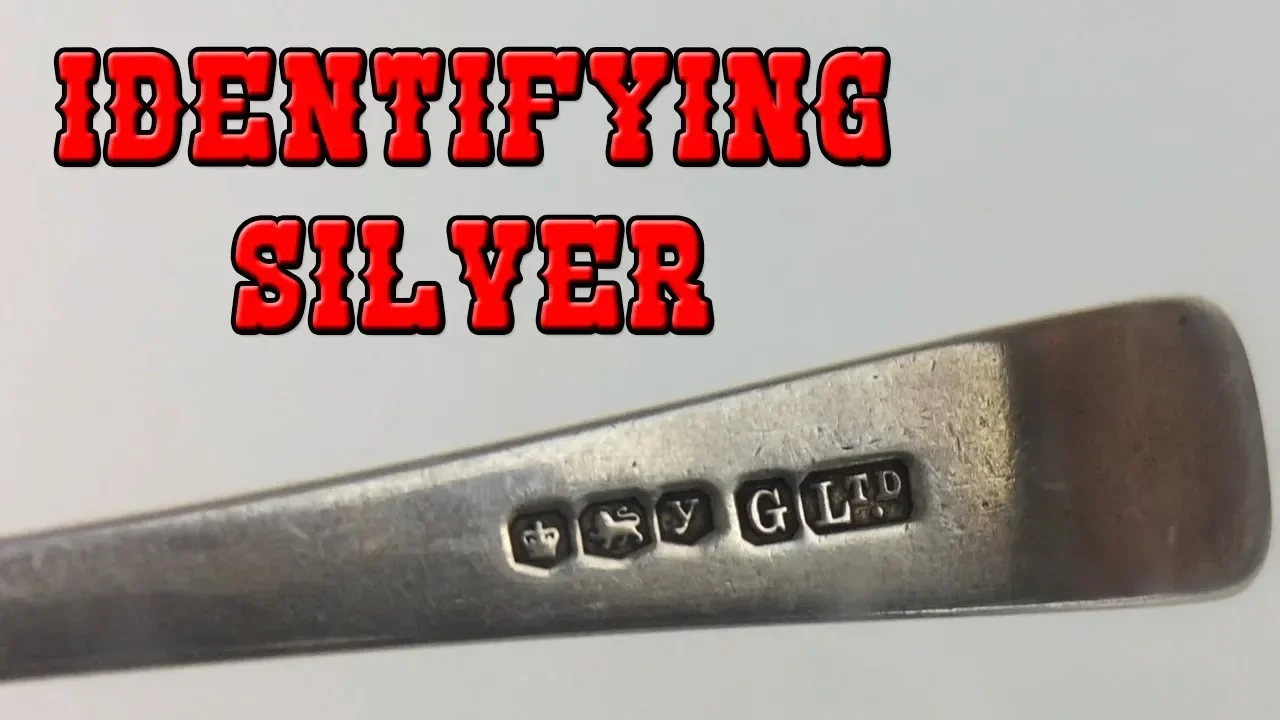














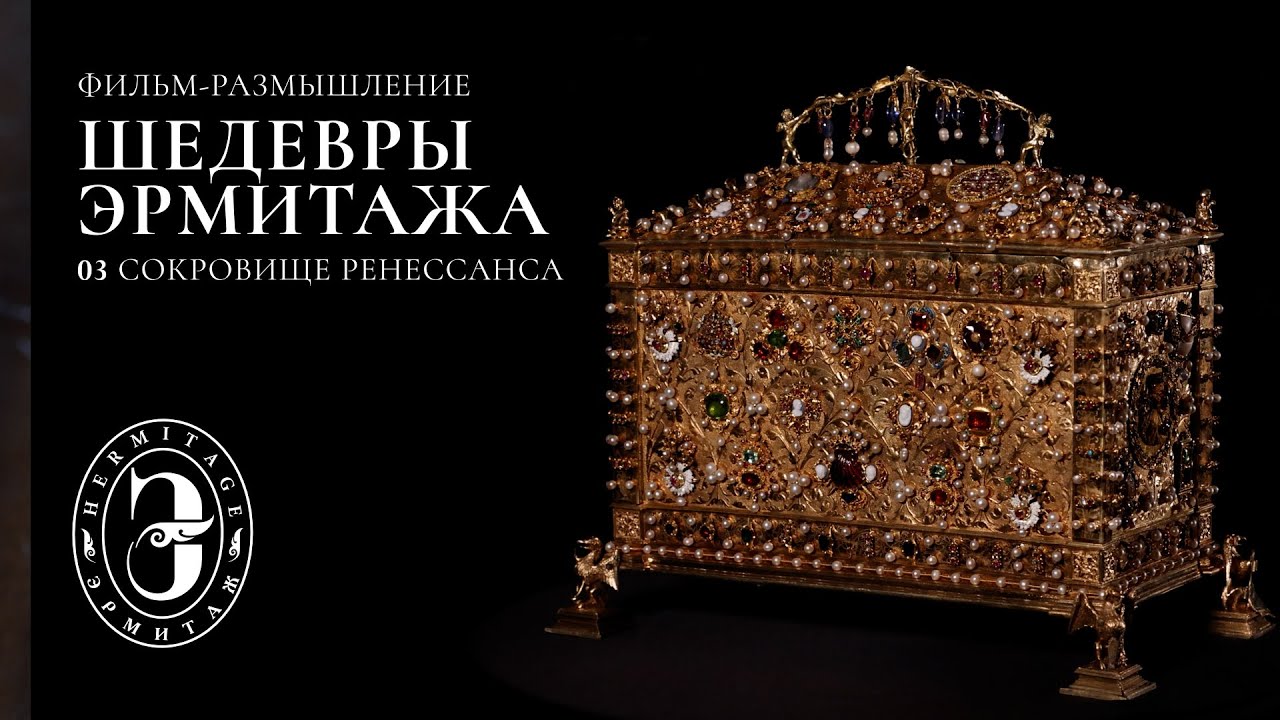






Expert appraisal of historical artifacts involves analyzing multiple factors including craftsmanship techniques, materials, provenance, and historical context to determine value. For example, micromosaic artwork uses hundreds of thousands of tiny glass pieces called filati, revived in Rome in the early 18th century; John Atkinson Grimshaw's paintings show his transition from precise painting to using photographic bases; Georgian card tables from 1755-1760 feature distinctive design elements; Albert Potter & Company pocket watches demonstrate American craftsmanship; Worcester porcelain clocks and painted pieces carry artist signatures; Robert Adam-designed furniture shows neoclassical influences; Tiffany lamps require careful authentication due to numerous fakes; Paul Storr silverwork represents Victorian-era excellence; Glasgow School artists like Bessie MacNicol created distinctive regional art; and wassail bowls made from lignum vitae wood represent early 17th-century drinking vessels. Insurance valuations range from £7,500 to over £30,000 depending on rarity, condition, and historical significance.
Antiques Roadshow: Valuing Masterpieces & Grandeur (Series 24)
Added:Goodness me.
- Really? - Yes.
Cor.
Really?
- This is a really lovely thing.
Tell me where you got it from.
- It's been in the family for a generation.
And about 30 years ago, my father gave me as a wedding present.
- Really? - Yeah.
- The picture itself is absolutely delightful.
What do you think it's made of?
I don't know.
I thought that maybe it's a ceramic.
- Ceramic? - Ceramic.
Well, you're quite close really.
This is actually made out of hundreds of thousands of tiny little pieces of glass.
- Really? - Yes.
- Unbelievable! - Which is called micromosaic.
And if we look at it very carefully, the size of the little pieces of glass varies tremendously.
Here, you've got really quite big bits.
And in her hair, tiny, tiny, tiny little bits.
And these are called filati.
And it's a technique that was revived in Rome at the beginning of the 18th century, where they took long, thin strands of glass and cut them into little pieces and then glued them together, making up a picture.
So micromosaic. It's very, very beautifully done.
- And the colour. I mean, how did they manage to do the colouring?
- Well, that would have been the colour in the glass.
And the delight of a sort of ceramic item is that as the years go by, it doesn't fade.
- Yes. - It may get slightly dirty on the surface, but you can clean that off and you retain these really brilliant colours.
And it's a delightful image.
She's a very pretty-looking classical lady holding a garland of flowers and is thoroughly attractive.
The very early originals dated from Roman times.
Then it was a technique which was lost and, as I say, revived in Rome at the beginning of the 18th century.
And then it went on being made through the 18th century and the 19th century and the 20th century.
And one of the ways that you can find out what the age is likely to be is to have a squint at the back.
And if I may, I'll remove the back cover and see what we can see underneath.
So the back board is just cheaply made of timber and a-ha.
This is where the secret gets revealed.
That back plate is made of metal – japanned iron.
And this flaking black stuff is the japanning that's coming off the iron.
And if we turn it over, you can see that the outer border of this back plate, the metal comes all the way around the outside, which is a typical 19th-century technique.
And it gives you an idea as to how all those hundreds of thousands of pieces of glass are held in place.
They have a sort of adhesive underneath each piece, and then the surface is finished so that it's completely flat.
- Amazing. - It's a really beautiful object.
It is.
And for insurance purposes, you should probably cover it for about £12,000.
Unbelievable.
I didn't know.
- Yes, I know a little bit because I managed to find a book about him.
I know he was in Leeds... - John Atkinson Grimshaw. - That's right. - Yes.
And that he became famous for the moonlit scenes that he painted, of which this is a fairly minor one, I think.
But it's always intrigued me.
It's been in our family for almost exactly 100 years.
- Well, I mean, Grimshaw is a very interesting artist.
When he started painting in the 1860s, he painted very, very precisely.
And in fact, he was also a photographer, so there is a photographic base to a great number of Grimshaw's paintings.
Grimshaw is a northern artist and therefore, because he never moves to London, he has to make success in the north, which is a rare thing, in a way.
Most people move to London to make their success, or move to a bigger town.
But when he became successful, like a lot of artists, he became popular, he had to produce more paintings.
And painstaking techniques do not allow you to mass produce.
So, he started using more photographic bases and started using more workers.
Here, you see the typical Grimshaw trees and you see quite hard work in here, the way these branches are done.
You can see how cleverly this is stippled in.
It's actually painted rather fast.
Basically, Grimshaw and his team have learnt the tricks.
They've learnt the tricks – how to paint the foreground and the background, how to paint the muddy road with the minimum of effort.
I mean, the maximum technique but the minimum of effort.
And I think this is very apparent in this picture, because it seems to me that this is one of those Grimshaws which has at least two different hands in, and shows its strengths and its weaknesses for that.
But its strengths are here – very beautiful. The foreground is a bit automatic.
If this was an 1870s picture, you'd really feel this foreground, you'd really feel those ruts in the mud.
And then, it seems to me that this is a bit weak.
I don't know how you feel about it?
I've often felt the horses were weak.
- Yes, it just doesn't quite hold together.
This heavy cart, laden with trees, is not sinking into the mud, you know.
And the horses, instead of straining to get round the corner and slightly go down, are sort of as though they're on a Sunday stroll.
And so – was there a problem up here with the moon?
Well, that's part of the family story.
Apparently, during the war years, there was a cleaning lady helping in the house and she assumed that the moon was a spot of something that had fallen on the picture, and she tried to clean the moon off.
- Do you have a lot of pigeons in your house?
- Not as far as I know. (LAUGHS) - As soon as you explain it, then we can see why the moon doesn't balance with the rest of the picture, which it would have done.
And she's not only had a good scrub here, she's actually removed, I would suggest, a slight tone from over the whole thing, so that this circle, or the aura of the moon in the mist, has actually come to prominence.
Because when an artist finishes a painting, what he does, he balances with, usually, pure glazes over the surface and in this case, this stands out like a sort of archery target.
It's a Grimshaw showing his feeding the mass market, rather than painstakingly painting the best pictures.
Price? I would have thought more like £15,000.
I mean, if it was a great Grimshaw, we'd be talking £30,000, so I'm going to say £15,000.
It's obviously a small, relatively minor work, but that's very interesting. Thank you very much.
- Wonderful, wonderful legs.
I don't think I've seen four legs like that on a card table before outside of a museum.
There's everything there that there should be on an English card table.
The scroll is a double scroll.
It's got this curvilinear little paper scroll at the top here, then that wonderful shell, then right down here, the little drops from this pendulum here, and then a claw-and-ball foot to die for. Isn't that wonderful?
I mean, that's a claw-and-ball foot!
There is the sacred pearl of wisdom being held by the dragon's claw as you've never seen it before.
Wonderful. Wonderful! All the shape in the world.
I'm sorry. I haven't even said hello.
Just looking at the table.
Is there a family history with this?
It was bought by my grandfather, probably some time in the 1920s or possibly 30s, and then passed to my father and thence to me.
See, in the 1920s when this was bought, this was the sort of furniture that everybody loved.
You couldn't sell plain furniture.
And this was the original carving that they tried to recreate on so many other plain pieces.
And the difference is that a plain table later carved will have that shape, but the carving is within the outline.
Here you've got the shell stuck on to this wonderful knee.
There it is as if it's applied.
To draw that and then create it is something else.
And why four legs?
Normally, you have two at the front and then the two at the back are sort of more modest, you know, a bit cheaper.
It's jolly expensive to carve four legs on one table.
But it's an occasional piece of furniture, for an occasion.
This stood at the side, looking very grand.
Then after dinner, after the cocktail party, you used it for games or for taking tea.
And it extends, not with things that flap out.
This is a concertina action, OK?
So-called because it concertinas out.
And then when you open it like so, then you've got a centre table.
You look at it from here, it's just as beautiful.
I mean, what a table!
- The top is original, is it?
- Totally, totally.
This has never been touched.
But, of course, it's spent most of its life closed like that and against the wall, looking very, very grand.
One of the best bits of furniture I've seen for a long time.
Of this type, this period. 1755, 1760.
George II, maybe early George III.
And in today's market, a modest insurance valuation would be £15,000.
Cor!
- Really? Yes. - Yeah. Yeah.
That's a modest valuation.
If it turned up in a very good or important sale, I don't know when I would want to stop bidding, actually!
More than that I cannot say.
- When you find a watch in a rosewood box, it usually means it's something quite interesting.
And indeed, this is.
First of all, we can tell straightaway who the maker is without even opening the watch.
Because it's marked "Albert Potter & Company".
He was an interesting man because he was an American, and although there were some extremely good American watchmakers, they were not known for making individual technical pieces.
And Albert Potter, who I think his dates are something like 1836 to 1908, was one of the few American makers who's known for his individual watches, as against the huge companies like Waltham and Elgin, who made many millions of very good watches, but not the individual craftsmanship.
It's a strange thing for somebody to have.
Can I ask, family or…?
Family. It was in my husband's family.
Cousin Henry, he was known, and he collected it.
And so we've had it many years.
You can see straightaway the stunning quality.
Maillechort plates with this decoration on them.
A beautiful quality balance.
And, in fact, it's actually got what they call a pivoted detent escapement.
And the pivoted detent escapement was the final answer, really, to chronometers at sea.
But they made very high-precision pocket watches with the same escapement.
And this is one of them.
They are so rare that it would be a difficult one to know how much it would fetch, actually.
Have you got a figure in mind?
- Well, it was valued about 11 years ago for £15,000.
It hasn't changed, surprisingly, that much.
I would say now it should definitely be £20,000.
- Wonderful.
- I mean, we've got a sort of range of pieces here.
I mean, this is the most unusual clock.
Where did this one come from?
Well, that was given to my grandparents on the occasion of their marriage, in January 1907.
- Oh, right.
Well, we can probably sort of get quite close to it by looking at the year code.
Worcester put a code on all their pieces.
We've got the mark underneath, which is somewhat smudged there, counting my dots… 12… We've got 1905 it was made.
- Oh. - So, in stock a year or two, then given in that occasion.
Most unusual to get porcelain clocks and a little painted scene there.
Not signed by the artist but I think that's probably the work of William Hawkins.
- Oh. - A great flower painter.
Nice to know.
- I say, one feels with the porcelain painters and the artists at Worcester that you almost know them.
Because living in Worcester myself, as I did, their families are all around.
And Dad introduced me to so many of the painters and people whose art is signed on your pieces of porcelain.
Are some of these by your family members? - Yes.
My grandmother was a Fildes, her maiden name was Fildes. - A-ha.
And Madge Fildes, who worked at the porcelain works for a short while, was her niece.
And I feel very privileged to have two pieces that were actually painted by her.
Probably not of great value, but they are to the members of my family.
- Well, they're special pieces, aren't they? - Yes.
- A great painter of roses particularly, and flowers and that sort of atmospheric shaded background, which Worcester so specialised in.
But that's the nice thing.
And then your family have been collecting and buying pieces after that?
- My father particularly had a great love of Worcester china.
- Mm-hmm. - And this is part of what he has left to me.
Did he know the painters himself?
I'm not sure whether my father actually knew them.
But certainly my grandfather, who was a well-known character in Worcester, he certainly knew Harry Davis and the Stintons.
Right, and we can see their work here.
I mean, of course, Harry Davis means a lot to my family because Dad knew him very well.
I was just a very young boy – I was eight years, nine years old – when I met Harry Davis and would spend hours as a boy watching him paint.
And I can see the magic name "Harry Davis" on this one.
You've got some very unusual pieces.
To get this subject – he's famous really for his French-style landscapes and sheep – here you've got a little cottage scene.
And that's very unusual to find. What gorgeous flowers growing up there.
You can imagine yourself just sitting by the cottage, as of course Harry would have done.
He did little sketches and watercolours of local scenes.
Is that a local building, do you know?
- I would think it's somewhere around Worcester.
But I just feel that the flowers look as if they're almost growing.
They come out as if they're alive. Absolutely amazing.
- That's the magic of porcelain.
Somehow the colours are sealed there and they never change.
We're looking at them now as they were painted.
And a great big vase there by another marvellous artist.
There's the work of Charlie Baldwyn – a bird lover through and through – and its sweeping swans going round there.
Nowadays, collectors of course are keen on wares and the value goes very much by who painted them.
And a little vase by Madge Fildes will be £250.
A cup and saucer about £100, so not bad.
But moving up in the scale of the artists' work.
Your clock, which was their wedding present clock, family piece, is going to be, for its rarity alone, probably £800, £1,000.
And moving up to the top artists.
And Harry Davis there on a vase and cover, an unusual scene, I suppose it's going to be £5,000.
Pardon?
£5,000 now for a Harry Davis vase.
The painters themselves would have been shocked at these values.
He never earned that in his life, poor old Harry.
But here, a vase that size in that quality, probably £8,000.
Pardon?
And a vase by Charlie Baldwyn is going to be £7,000.
Goodness me.
It makes you think, really, when these were made as labours of love by the artists, as just great bits of porcelain, but now they're expensive treasures too.
- Have you any idea what period this is?
Well, I've always been led to believe it's Georgian, but I don't know.
I don't know for certain.
- George III. - George III. Right, Splendid.
- It's about 1770. - Yep. Right.
- Now, this form of table – before we go into the exact date – was virtually invented, or certainly promoted, by a Scotsman.
A Scots architect called Robert Adam.
- Right. Oh, right. What wood is it? - Mahogany.
- Mahogany. - But it's not the best mahogany and it's got a lot of wear and tear.
It looks like a family piece. How long have you had it?
Well, I've had it forever. As long as I've been around.
And as far as I know, it's been in the house in which I live, in which my family has lived, for 200-odd years.
So that's all I know about it.
It seems to me it's surprisingly high.
Is that about the height it would have been? - It's typical of the period.
It's a carving table, basically. - Right.
And you can see this wear and tear it's had here.
I mean, this is, you know, 250 years of wear and tear.
This is more recent. It's a vase of flowers or something like that, somebody's put on there.
Typical. Don't do it, please. - No. Right.
Have you ever noticed one little added extra it's got on it?
I was just crawling around underneath and under here are three fingermarks.
Do you see these?
Sort of little gouges, here?
- Yeah.
- Right. If I put my fingers in there like that and pull... - Oh, no! I never knew that existed.
- Isn't that nice?
Well, it's a total surprise.
I didn't know it existed.
- It looks like it hasn't been opened for a while.
It's a bit dusty there, look.
I mean, it's hardly ever been used, this. See, it's very clever.
- Yeah, yeah. Good heavens.
- But also what I like about this, I mean, it's got a lot of sophistication about it.
Yet at the same time, you know, I love this fluting here, this sort of copied from Ancient Greece, this fluting.
And then this what's called an oval patera, this flowerhead here.
But I can't see it on this one, but the one here – that's actually nailed on.
- Good heavens. - Look, little nail. - Oh, yes. Yes, I see. Yeah.
- So whoever made this probably didn't make these.
Somebody else made them, he bought them in and just stuck them on.
Interesting for what is a sophisticated piece of furniture.
- That's not cheating? No. Well… - No, no. It's a perfectly genuine piece.
So we need to value it.
I mean, Georgian furniture, I think most people know, has gone up in value recently.
Have you had it valued in the last few years or anything?
Has there been any valuation on it?
It was valued for probate when my aunt died, which is three years ago.
And I think it was... They valued it at £12,000, which seemed to me an extraordinarily high figure, but I don't really know what I'm looking at, so it's... That's what it was.
It does seem an awful lot of money, doesn't it, for what is essentially just a side table, and a bit scratched.
Well, I think that today, for your insurance policy, you should ensure it for £30,000.
Thank you very much. That's totally amazing.
- My mother told me that she remembered it arriving at my grandmother's flat.
I can't tell you when, somewhere around 1905, 1910, from the Tiffany Studio in New York.
- So we have something that appears to be a Tiffany lamp.
It's a very good background, provenance, as you might say.
And the fact that it comes directly through the family is wonderful, because, obviously, I must start by saying that one has to approach any Tiffany lamp with the deepest suspicion.
This is in no way questioning your story. - No, no.
- But fakes abound. - Yes.
- Louis Comfort Tiffany was one of the great designers of the late Victorian period.
He wasn't just an artist and designer, of course.
He ran department stores, in effect.
There were branches in Paris and London and elsewhere.
And he specialised in glasswares.
And, of course, he pioneered the use of electric light.
He knew that these sort of shades come to life once you turn on the power, as you might say.
Can we turn it on and see what happens?
Right, so it's got… There.
Now, I think we can see immediately, the colours burst out of this.
Because Tiffany specialised in not just coloured glass, but the glass itself is mottled and layered, and so that it's full of colours with each piece.
And this, of course, makes it much more exciting.
Is it marked, is the first question I have to ask you.
I don't think it's signed anywhere.
Now, that is very unusual.
The usual place is obviously on the base, and I'm not going to pick it up, or round the edge of the rim.
It's not impossible that it would be unmarked for whatever reason.
And I don't understand why.
Now, Tiffany did a whole series of lamps which were based on flower forms.
There's a poinsettia one, there's lots and lots, many of which are well known.
I don't know a chrysanthemum one.
It maybe I've got my plants wrong, you know.
But in principle, the base is fabulous.
I think it's a wonderful sort of art nouveau quatrefoil form.
And the way the plant form sort of rise up out of these reserved panels and, equally, the leaves then continue up those reserves, with this completely typical sinuous art nouveau line.
It's absolutely classic.
Now, the story that you tell sounds fine.
The only problem is the lack of the mark and I don't know this shape.
But I'm not saying therefore it's not a Tiffany lamp.
It needs more research.
I think in terms of insurance, 10 years ago I'd have given double the price I'm giving now.
And now I would say for insurance, you've got to think about £20,000 or £30,000.
I have it insured for £25,000. Not a bad guess.
- We're dead-on. Well, that's good.
- My husband bought them in the early 60s because we liked them.
We paid £50 for them, which we thought was rather a lot in those days.
- £50? - Yes.
Right. Yes.
First of all, the condition is absolutely stunning.
Everything is as crisp as the day it was made.
The glass is just so sharp.
Everything is just as you would want it to be.
Finding a pair of claret jugs is unusual.
They turn up, but most often you simply find a claret jug.
We've got these wonderful fruiting vines spreading across the lid and the vines intertwined.
You see how they just cross over and over, down into the base there.
So often when you get something like this, it's been dulled with polishing and so on over… - I've only cleaned it four times since I've had them. - Four times? Right!
Have you used them?
Not for wine, no.
No. What have you used them for then?
Well, we mostly have them in the cupboard where we could see them, in the glass case.
- Ah, right. Just to enjoy. - Yes. Yes.
Well, they're made in London.
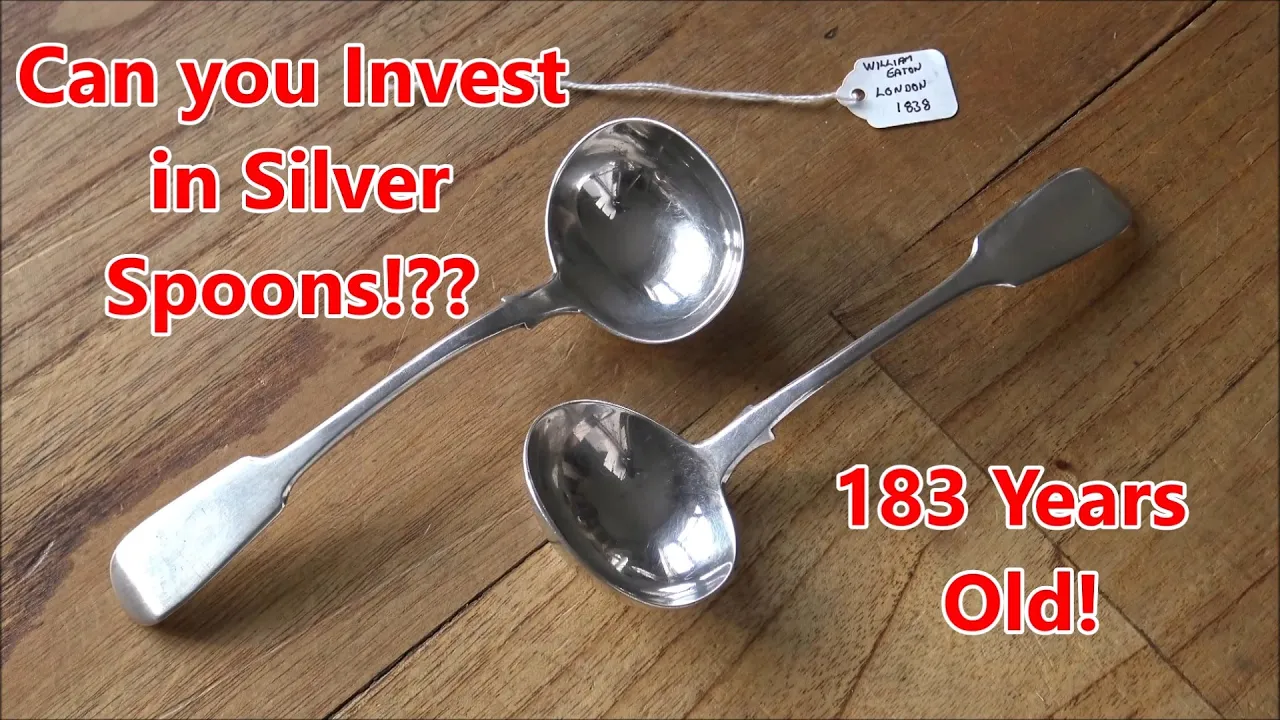
And we've got a date here of 1838.
But the maker really could not be better.
- Oh!
- The maker in this case is Paul Storr.
Oh, fabulous! I have heard of him.
- It's certainly a name to conjure with. - Yes.
One of the greatest of the silversmiths that has ever been.
And it is an early date for claret jugs.
They started to get going in the Regency period.
You don't see many until you get a little later into the reign of Queen Victoria.
So we've got absolutely top maker.
We've got a pair.
Really, we should be looking at a value of somewhere around £30,000-plus.
What?! Wow!
That's fabulous!
- So, a little improvement on the £50. - Oh, that's wonderful!
Oh, I do wish my husband was here to hear that.
- In the late 19th century and the early 20th century, Glasgow was the envy of the world.
The Glasgow School of Art was the most famous art school in the world.
And this painting is by Bessie MacNicol, as you know. - Yes.
And she was a member of… Well, we actually call them the Glasgow Boys, but they were really the Glasgow Boys and Girls.
And you bought this, did you? - Yes. Over 20 years ago.
- Really? And did you just fall in love with it?
Yes. We bought a nice old house and we wanted a nice painting to go in it.
And we liked the look of her, so… - It's rather sort of inquisitive. - Yes, yes. Nice expression.
- People think that the suffragettes and the First World War were the emancipation of women, in a way.
But the Glasgow School of Art was full of talented women and artists who were all given a chance, you know, long before the First World War.
And she is one of them.
She's terribly rare, her paintings.
- Really? - Well, she died young.
- She did, yes.
- She was only, what… 34? - 35, yes.
- We see here somebody who's just gone for it and produced, as you say, this beautiful, inquisitive, bright-eyed… You feel the intelligence of this girl.
- Yes. - Wonderful.
And the other thing is that Scotland really loves its own paintings.
The rest of the world loves them because they're beautiful.
But the Scottish really love painting.
And so value their own paintings. - Yes.
And so the Glasgow School have a particular following, especially amongst the great Scottish collectors.
And Bessie MacNicol is part of that.
So I think that this picture is certainly worth £25,000 to £30,000.
And I could see it moving up a little bit from there.
It's a very beautiful picture.
- Oh, good.
Now, Lord Cholmondeley, of all the wonderful things that are on display in the public parts of the house, these items have come from the private apartments, haven't they?
Yes, this has always been in the hall, the entrance hall downstairs, under one of the mahogany tables.
And used as a wastepaper basket, I'm afraid.
- With the side open? - Very practical.
(BOTH LAUGH) - You could always put a liner in it, I suppose. - One could.
- There should be a pair to it.
- There is a pair. - There is a pair.
That's the other side, the other wastepaper basket.
If you're coming in or going out of the house.
Well, they're plate buckets.
That accounts for the fact that it has a gap, so that you can lift the plates in and out.
And they were carried from the kitchen to the dining room in pairs and carried on a yoke.
- Oh, I see! - I mean they're so heavy anyway.
That's quite heavy with that. - Like milk pails.
Yes, like milk pails.
So, they sort of carried them in in pairs.
This is rather a nice size one, probably for dessert plates rather than dinner plates.
It's got a particularly pretty little brass mount around here, which is sort of 1810 to 1815, which is about the right date for these things.
They sort of tended to go out of fashion by about 1830 and weren't introduced as such until the sort of 1780s, so they've a fairly short lifespan.
And their value, I mean in pairs, usually today between £6,000 and £8,000… - Really? -..depending on their size and quality.
But, of course, as soon as you have a provenance like this great house, then prices can make anything because in future it means that someone's going to own it and say, "Well, this came from Houghton Hall."
So, I think we have to ignore the provenance side and say a pair of these should be insured for, say, £7,500 to £8,000.
But as their provenance makes them unique, then they couldn't be replaced.
Well, I think we certainly shouldn't be using them as wastepaper bins. We should find another use!
- Put a few plates in to remind you what they're for. - Yes, exactly.
- And then we have this extraordinary, extraordinary wassail bowl.
Which is made of one of the most dense timbers known, which is lignum vitae.
If you threw that into the lake, it would sink.
- Really? - Yes, it does not float.
And this was a wassail at Christmastime and you toasted your friends.
It's almost big enough to get into, isn't it?
- Like a sort of punch? - Absolutely. Oh, yes.
Sure. With apples and alcohol and all sorts of things.
I mean, it really is a stunning piece.
It's one of the largest I've ever seen.
There is one maybe a tad bigger, but if not certainly the same size, in the Victoria and Albert Museum, which has a crisscross pattern cut on to it and the original fitments to go in those little holes.
And those were little cups with a spike on.
And, I suppose, 1640 this was made.
- Really. Early, very early, yes. - Yes.
Where does this live, by the way?
This lives by Sir Robert Walpole's desk in the library.
It doesn't have any purpose, it just sits there.
Don't sort of throw anything into this?
No, well, I suppose with the lid… - This stands on the floor? - But really it should be exhibited.
- This, in today's market, could easily make £25,000.
- Really? - Yes.
So, pop it on a table now. - Definitely.
Up Next

Licensing Inventions: Strategies for Patenting, Prototyping, and Royalties
@inventRight
6.3K views•2022-11-22

Triumph of Orthodoxy Icon: Byzantine Art & History Explained
@BenCallan
2.1K views•2024-08-06
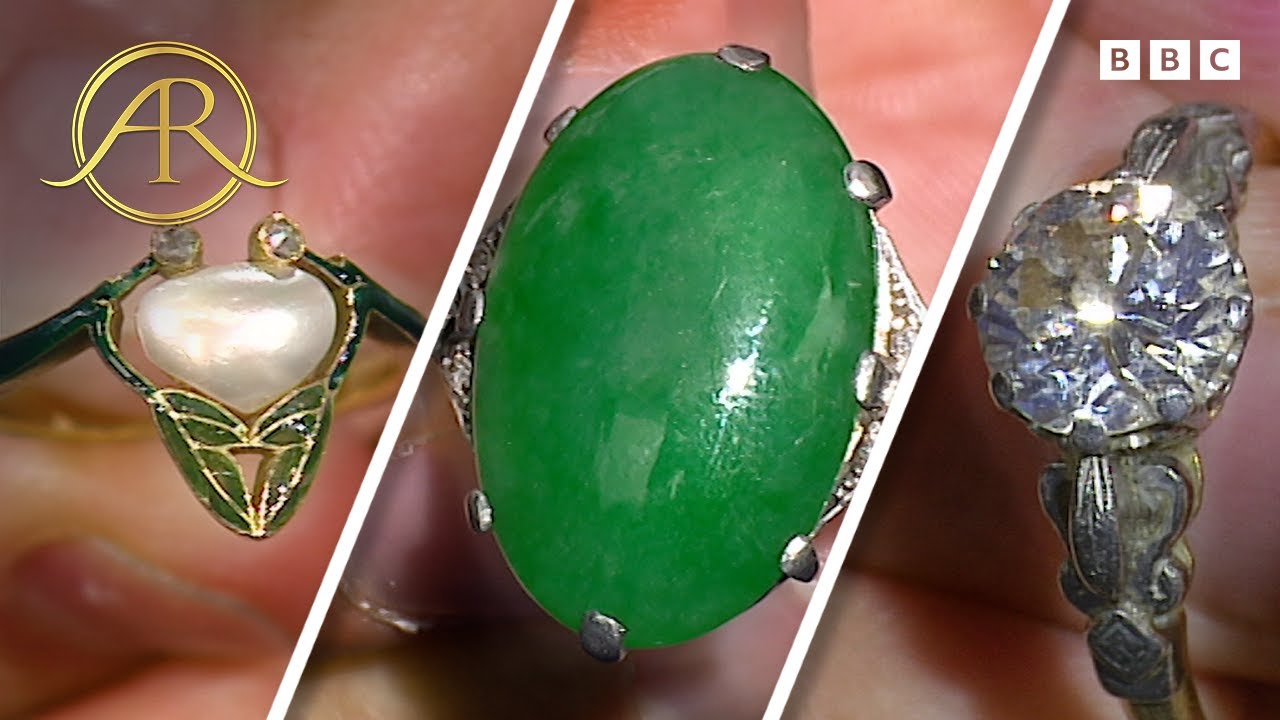
Antiques Roadshow: Rare Rings Appraisal Guide (2000-2009) | BBC
@BBCAntiquesRoadshow
88.1K views•2024-07-19

Game of Thrones Opening Credits: A Cinematic Analysis
@gameofthrones
46.3M views•2011-04-18
Related Study Plans & Knowledge Roadmaps
Structured learning paths in General & Interdisciplinary Studies