


![Contract Law Introduction Part I [Hindi]](https://i.ytimg.com/vi/2Z9hqPGv0A8/hqdefault.jpg?sqp=-oaymwEmCOADEOgC8quKqQMa8AEB-AH-BIACqAOKAgwIABABGFYgYihlMA8=&rs=AOn4CLDtfkFk4rPHYZ5OOxLoUFnucqayAQ)


















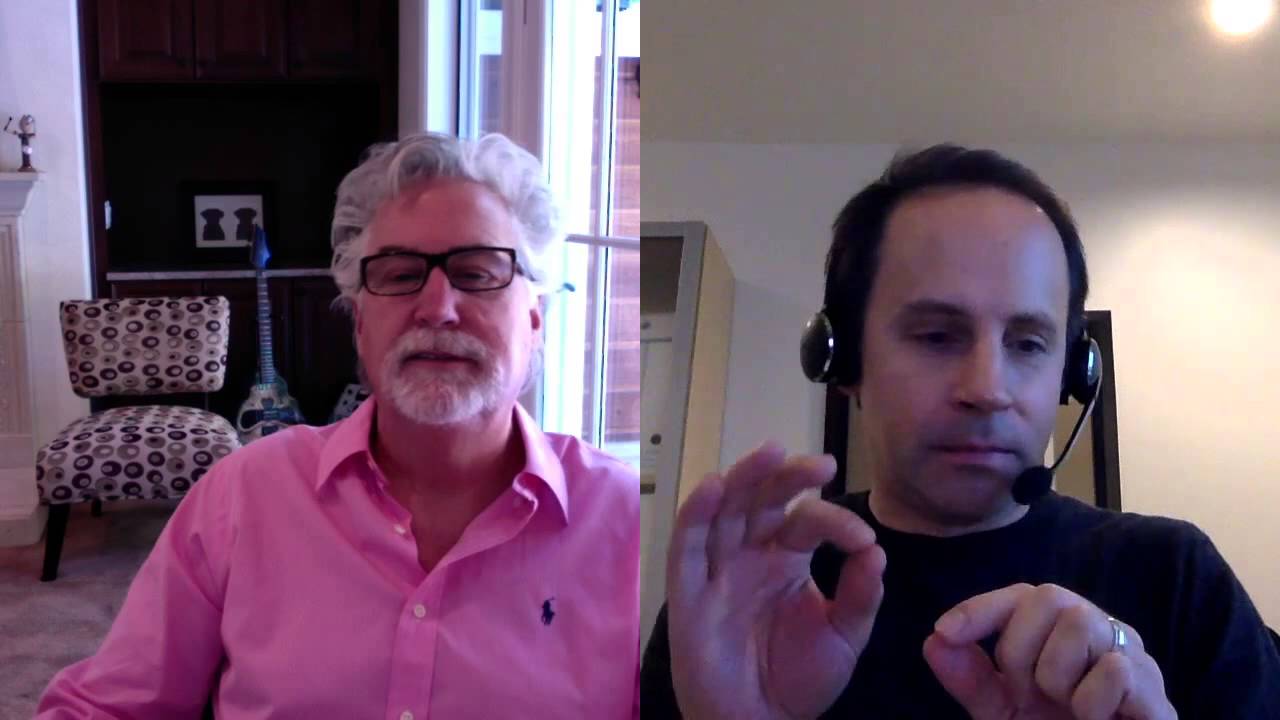
In licensing, you rent your invention idea to a company rather than selling it, allowing them to use their resources while you earn ongoing royalties; minimum guarantees are predetermined payments (typically quarterly) that companies must pay regardless of actual sales, serving as a safeguard to ensure companies actively develop and market your product rather than licensing it and doing nothing.
Licensing Inventions: Strategies for Patenting, Prototyping, and Royalties
Added:Fundamentals of Intellectual Property (IP): Understanding the definition, purpose, and differences between patents, trademarks, copyrights, and trade secrets.
Basic Contract Law: Familiarity with the core components of legal agreements, including offer, acceptance, consideration, and obligations.
The Product Development Lifecycle: Understanding the stages of bringing an idea to life, from initial conceptualization to manufacturing.
Basic Financial Literacy: Comprehending foundational economic terms such as revenue, profit margins, overhead costs, and product valuation.
Advanced IP Negotiation: Techniques for negotiating royalty rates, exclusivity clauses, and sub-licensing rights with major corporations.
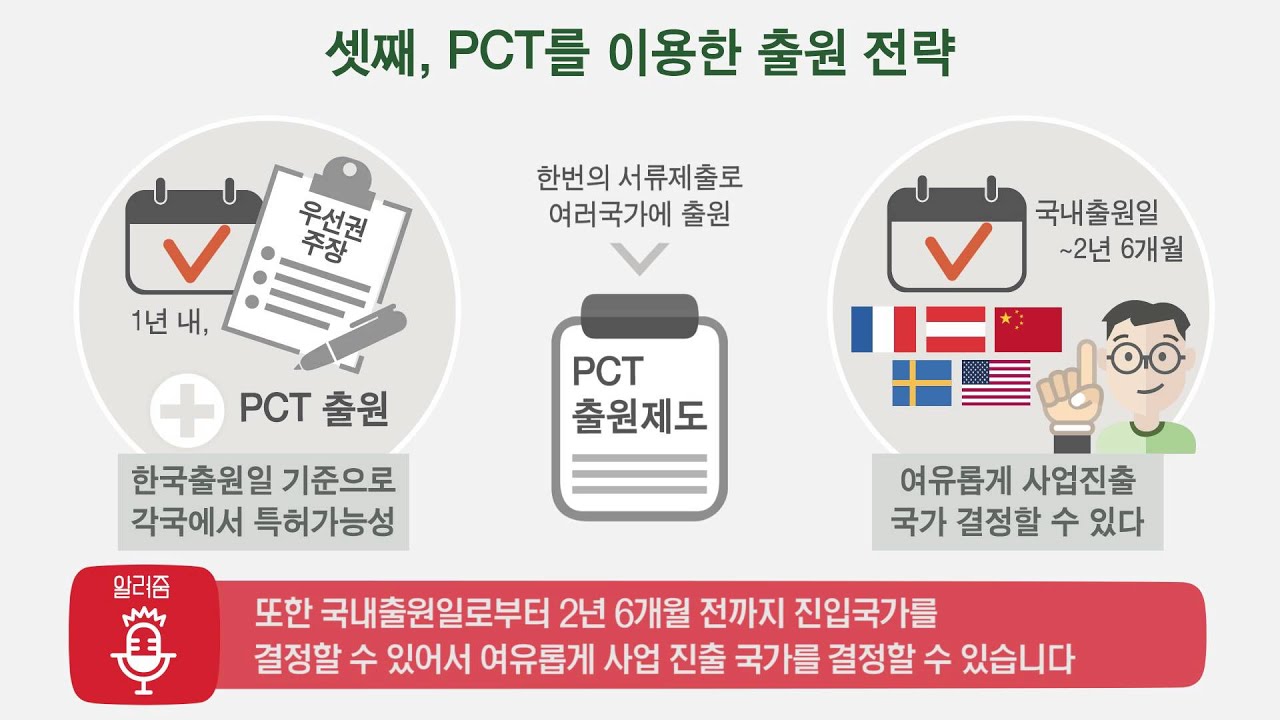
Global Patent Strategies: Navigating international patent filing systems like the Patent Cooperation Treaty (PCT) and managing cross-border licensing agreements.
Patent Enforcement and Litigation: Understanding how to protect patented technology against infringement and handle breaches of licensing contracts.
Licensing vs. Venturing: Analyzing the strategic and financial trade-offs between licensing an invention for royalties versus launching a startup to manufacture it directly.
6.3K views78likes1:03:48Original Release: 2022-11-22
hello and welcome everyone my name is Andrew Krause I'm one of the co-founders here at invent right we're going to do a full hour of q a on licensing so you can sell your ideas to large companies if you guys could type in yes into the chat box you can hear me that would be great every once in a while I have a problem with my mic so I'm just going to page down at the bottom and uh wait for somebody to type yes okay great excellent fantastic um sometimes maybe my audio is better with the headset but I think it's plenty good like this so I think we should be good um so what are we talking about here at invent right what we do at invent right is licensing so you basically rent your idea because licensing isn't selling your idea it's not selling your patent it's renting your ID to a large company and you're going to want them to hang on to it for as long as they want as long as they're paying you royalties that you find acceptable and that's all going to be covered in something called a licensing agreement but don't ever say I want to sell you my patent or I want to sell you my invention um your but you want to license it because then they're going to do they're going to risk all their money they're going to use their Workforce and they're going to use their existing distribution so you don't need to start a business you don't need to hire employees you don't need to raise money so licensing is a beautiful thing but people don't know how to go about that so that's what we teach you here at event right so during these hour-long q and A's I will answer your guys's questions now of course you're typing in the question into the chat I don't have all the information I can't see your product and do not disclose anything publicly of course that you haven't already priorly prior disclosed publicly also a little disclaimer anything I share with you tonight should not be considered legal advice please consult an attorney if you're looking for legal advice so that's pretty much it let's just jump in here let's talk about licensing and and earning you guys some royalties and getting you in the game so Walid who is a regular here said hi Andrew I sent my sell sheet to the business development manager of a company and she replied we are not interested in pursuing a strategic discussion about your technology at this time can I send another business development manager in the same company send it to another one so in this case I would say no you know initially it's okay to reach out to three four five even ten or if let's say it's a really big company 15 people on LinkedIn for example or via email and you want to say you know would you be the right person or can you direct me the right person that can talk to so but this business development manager normally I say reach out to marketing managers you know Business Development I don't know if they were the right title but if you felt like you were reaching out to the right type of person Waleed and they said they saw your product and they said no now there's a big difference between if they didn't see what your product was and they're basically saying no we are not interested in pursuing or taking a look at your technology that's different than oh I sent it to you they looked at it and they said we're not in a interested in pursuing it so if you had sent it to them and they said we're not interested and let's say it's a giant company and maybe they're just busy you could potentially send to another person the company and they might say oh yeah send me your sell sheets send me your video I'll take a look at it and you have to actually have an opportunity for them to look at the product now if they looked at the product and they said no you should really move on to another another company you know and you don't do one company at a time guys or most of our students or most products they're reaching out to 20 or 30 companies not two or three I think that's one of many reasons why our students are successful when other inventors aren't but if so it really depends if they saw it and said no in that case I'd probably move on if they're just saying no we're not interested in having a discussion but they never saw your product you could reach out to somebody else in the company but if they said no and then you go in another door and then go ends up the same person they're like all right turn up to told this person no that starts to become you're being a little unprofessional you know but if you hadn't they hadn't seen your product somebody else in the company may give you a may say oh yeah I'll take a look at it where this person didn't okay um so Musta is said hi Andrew what is a good minimum guarantee on expected units sold and how do we calculate it so how do we determine or negotiate the expected units sold with the licensee so what what muscle is talking about he's probably been listening to us there's something called minimum guarantees and so when you do a licensing agreement sometimes people go like oh I'm just going to sell to my patent no that's not the way it works there's something called a licensing agreement that has all these terms on you know performance Clauses they need to pay you on this these dates and they need to sell so much that's what a minimum guarantee is minimum guarantees are usually minimums they need to pay you quarterly um or it could be paid yearly but they've got to hit these minimums quarterly so that's what a minimum guarantee is um so what he's saying is how do we calculate it so is this when you're talking to a company it's a very interactive Pursuit and you're gathering information so um there's no like calculation here guys I mean some companies are like oh we're going to put it here and put it there and get them talking get them talking about what they're going to do with it especially at the beginning they'll talk with a lot of excitement and but and then you're gonna swirl away that information and then you're going to hold them to it later maybe maybe not maybe you have more discussions oh we thought we'd sell this these stores but where we're gonna sell in these stores instead and so the minimum guarantee is they're going to pay you royalties on whatever they sell so every unit they sell you're getting a royalty okay and usually you're paid those royalties quarterly every three months now the minimum guarantee is something different if they don't sell ten thousand dollars if if you're if they don't sell 10 000 units or pay you ten thousand dollars in royalties whatever it is usually let's say ten thousand dollars in royalties a quarter if they don't sell that much to pay you that kind of royalty they still need to pay that to you so let's say let's let's put it in units so let's say they sell um the minimum guarantee says they have to sell 10 000 units and pay your royalty on it regardless starting at this particular date so if they sell 12 000 units well they pay you on 12 000 units if they sell 8 000 units and the minimum guarantee for that quarter was ten thousand they still need to pay you on the ten thousand even the two thousand they didn't sell because they sold eight thousand and the minimum guarantees ten thousand there's a two thousand dollar difference so they would still need to pay you royalties even though they didn't sell it so you know companies aren't going to do that for very long so why do we have minimum guarantees we have minimum guarantees to guarantee that they just don't license it and sit on it um and to kind of validate how serious they are and quite often with our students like it's a number that kind of like you can even have this discussion with them where it's like they wouldn't even want to be selling it anymore if it was that low okay or it doesn't have to be that you see it you're not you're not looking at the potential volume they're like well we're in 30 000 Walmart stores and 20 000 Home Depots or whatever and and you're like oh damn if they sell one per week and then at each of these stores then it'd be this much and then you're like making the minimum guarantee like 90 of what you think the max they can sell no it's gonna freak the hell then the hell out um you know it's a small amount that they're guaranteeing to pay you regardless of what they sell and it's a Fail-Safe to make sure that they don't just license it and sit on it that is not the goal of companies by the way some people oh my invention so great somebody's going to license it and just and then just do nothing with it and I'm like okay I that's I've never seen that to be honest with you um but you have to have an out so I've talked to inventors outside invent right where they did a licensing agreement and um I'd say what were your minimum guarantees and they're like minimum what what's that and they're like complaining about how the company hasn't done anything with it in two years I'm like well what are your out Clauses you have other out Clauses and they're like huh I'm like what was in the contract and they're like uh I I don't know I just signed the contract they send me I'm like you signed the contract they sent you like we've never had one of our students ever come to us where we're helping them through the process first of all there's a back and forth with the negotiation before you even get to a contract so we're helping with that but we've never gotten a contract we're like oh just sign that it's got everything that's required like never so um don't go signing licensing agreements without terms now there's alternatives to minimum guarantees but you know the the minimum guarantees are so it's not like I'm going to tell you well it's exactly 20 of what they say they can sell you need to interview a company forget about minimum guarantees if you're not interviewing a company about what they're going to do with your product which some of these inventors I've talked to that were not invent right students and hadn't been watching us and they called us up and I I ended up talking to them I'm like I I'll I've asked some of these people it blows my mind you guys aren't going to do this stuff but and I'm like well where does the company sell and they're like oh I don't know I'm like you did a licensing deal you don't know where they sell so the the part that I'm trying to emphasize here is that a big part of Licensing is interviewing the company you're asking them at least 50 of the questions maybe more so it's not like you're you get interest from a company you're just gonna answer their questions you're going to do a deal almost no deals will get done that way you need to ask them as many questions they ask you and you know how to do that and part of that is what are you going to do with the product like if you took this on where would you place it what do you think about this and that blah blah you know um so uh Musta I'm not going to tell you there's a calculation there um I can tell you that if you make those minimums too big you're going to freak the company out so they might be like oh you know we could we can sell um we can sell 100 000 of these a year and then you're asking the minimums to be ninety thousand no no it's more like ten thousand just give you a perspective now I'm not saying it should be ten percent but you wanna make it a number that they can handle and it just ensures they don't sit on it now if you want to make it more so you can get out if they're not doing as well as you expect you can do that but that has to happen with a lot of delicate conversations you don't just throw these numbers out and they might be good with higher minimums um but you want it to basically be a number where they're like oh yeah we wouldn't even want to be selling that anymore and there's a lot of ways that you handle that going back and forth um it's a very talking to companies and doing deals is a very interactive process that's why our students talk to our negotiation coach Paul and Paul guides them through that um Mike said minimum guarantee is the payout per year for the product developer um no you you usually the the minimum guarantee can be either quarterly every three months or yearly but usually royalties are paid quarterly I really would almost never recommend getting your royalties paid yearly and monthly is too much monthly is like too much work for them guys like but if they have to do it every three months so the minimum guarantee could be yearly but they're going to pay you royalties quarterly or the minimum guarantee could be quarterly and you get paid your royalties quarterly um I was talking to a negotiation coach just last week and he says he sees it pretty frequently that the minimum guarantee is is is yearly so what that gives you an opportunity to do if they're not hitting that and they don't want to pay it that they can back out of it um and you you can take it back if they don't want to pay that um but yeah so quite often it could be yearly but royalty should be paid quarterly yearly is to mod to infrequently and monthly is too often but so those are two different things when are you paid and what are the minimum guarantees and what is the minimum guarantee give you a right to do it gives you a right to take the product back now only if they don't pay it so like I said if they sell 8 000 units the minimum is ten thousand they need to still pay you for those two thousand units they didn't sell companies don't like to do that and something is kind of going wrong if it's happening but if you have a talk with them and you work it out now they put it in some more channels and now the next quarter gets better and better and so that's something to talk out when when a company doesn't meet the criteria in a licensing agreement that doesn't mean you pull the agreement and you tell them hey I'm just going to pull this rug out from under you you work with them you know and then if you have to you can pull it based on the licensing agreement uh let's see uh I won't say what their handle is but it's funny has to do with dolphins um hi Andrew can I cover A small collection of similar dog toys four to six under one PPA do I need a separate PPA for each design um so let's say let's let's use some let's use an example here um so these are three different dog toys or students have licensed you got this ball and then you got this uh chew toy which is co-branded with Arm and Hammer which is kind of cool and then you got this uh feeder toy where you put the dog rolls it around gets the food out of the various uh holes where's the where's the big one right there yeah um so would it make any sense to put all three of these dog toys into the same PPA no it wouldn't it's not the same invention so no you can't do that but let's say you have this let's say this is yours Aaron one of our students licensed this um and you had variations of this like it could be done this thing is in a circle in the center it's a square or it has more tubes or more holes yeah absolutely you should cover all the variations of this particular thing in the same PPA but you're not going to take you know three or four or six completely different dog toys and throw them all into the same PPA that's not gonna that's not a that's not what how the PPA was designed and I I know if you're really prolific you're like well but Andrew everyone is 75 dollars if I'm a micromed in here it's going to save me money you know but that's not they're completely different products okay so I'm not going to comment on whether or not you could do that I wouldn't I can tell you that if you were an event rights student I wouldn't advise you to do that because they're just completely different products you know um uh so Jeremy was saying what do you think of uh product hunts so um yeah I'm not going to comment on any particular companies there but what what I can say is we believe because we guide our students and we Empower them and we tell them exactly what they need to do and say at every point so that they can at some point go I don't need you guys anymore I can do this myself because they got that real life experiential learning because of that we believe that our students get to get into just about anybody okay you know like Google and apple like good luck okay but um there's plenty of a very large companies that you can get into so why do you think you need a go-between because you haven't experienced it because you haven't worked on a product and reached out to 20 30 40 companies and go this is doable I'm going to use LinkedIn I'm going to use email I'm going to use the phone I can get in and you know it because you've experienced it our students experience it and they don't go look for some feeder company or some um portal or something like that they don't need that so you can go direct to your potential licensees and that's what we guide people to do so we at event right do not believe in Portals we believe in going direct to the companies you know exactly what's going on um and there's a ton of invention promotion companies oh we'll do it for you we'll be your agent and stuff and I've never met any veteran to 23 years I've been doing an event right and the 14 years I ran my inventors Association Silicon Valley that licensed the product that way never what does that tell you but every day Dana and Sylvie who do sales for us for our coaching program we we talked to somebody at least every other every day or every other day at the most has been taken for 10 or 12 000 the company said we would work on it these aren't the companies you licensed to these are companies inventors will help you sort of thing which is weird because we're helping people but we're coaching and mentoring these other companies are saying you don't have to do anything we'll reach out to companies for you I've never seen that work out but I talk to people that are taken for it's almost always with most of the bigger ones it's like 10 to 12 000 and then they got nothing to show for it a year later so you're you know but if you don't believe me you know go to the Federal Trade Commission site go to the patent office they warn inventors against these types of companies constantly there's always a never ending a stream of green inventors ready to be taken advantage of by invention promotion companies um okay and this next one was kind of fun hi Andrew thanks for your time I have a pillow product that has a special shape okay so it's a pillow product that has a special shape as a point of difference and the pillow cover has a unique feature that makes the pillow work I'm contacting pillow manufacturers but should I also be reaching out to companies that could make the cover it's a very smart question my product needs both and I'm not sure this works so um potentially I mean obviously a company that's making pillows and you've got this maybe it's a stand if it's a standard pillow and then your pillow case is going to reshape the pillow like you were saying um then that pillow company obviously they make pillowcases and they make pillows okay most of them probably do maybe some just make pillows you know because you can go you can go to Bed Bath and Beyond you pick up the pillows and you gotta buy the pillowcase separately um so I would reach out to companies making pillowcases and I reach out to companies making pillows as well because a company if if your product if your pillowcase would work on a standard pillow why would you limit yourself to companies just making pillows you can go to the ones with pillowcases right because I think there's a ton of companies that make pillowcases and sheets but they don't make pillows all right so this is a classic example of of not you Margie but other people will limit themselves that way it's like oh my God why are you limiting yourself that way um now another great thing about your product is it's sewn very easy to get up and running with its own product there's no tooling it's all done by hand easier for him to say yes they don't need 10 or 20K for an injection mold so that's great you know so a lot of positive things about what you're doing there but always kind of look out and you know I would say also if some somebody else is making sewn products it doesn't have to be sheets or pillowcases or pillows but they're making cool somewhat Innovative products and they're sewn I would go after them too because it's just a new pillowcase sewn in a different way that molds a pillow to a different shape so I would go after them too I would go after companies to be more specific that are doing sewn products and you can see they have somewhat doesn't have to be super gadgety somewhat Innovative products well they sew they can make that too why would you limit yourself just to people making pillowcases and pillows so that's a I love that you gave that example because it allowed me me to illustrate that people don't grow their list too big now some people grow too big and they're like oh they're making bicycle accessories I'll go to them because they said they're open to ideas well that's not what they do they don't you know they don't make sewn products and they don't you know do this or that and they're not in that market so sometimes people go too far A lot of times people go they're too narrow with their list of potential licensees and I just kind of showed you there how to expand it uh Tony said as always many thanks for volunteering your time to teach us each week thank you Tony you're very very welcome appreciate it page down too far um okay uh their handle is billable hours I wonder if they're an attorney um hey Andrew another Jason here okay Jason's his name Jason the attorney I don't know Jason if you're an attorney I'm just joking I watched every one of your live broadcasts since last Monday really how many hours would that have been like a hundred okay I'm not buying it Jason but thank you if you watch the bunch thank you but I'm not buying you watched every hour long broadcast but that's pretty cool if you did um uh my licensee wants to file for patents in my name and the company's name jointly what do you think of that so the general advice that we give our students not even the general advice um we always say you always want the patent under your name so even if the company is giving you some money as an advance on royalties for example and you say hey I'm going to use this money to protect us both and you'll keep those same dollar amount instead of give you 8 000 in advance to pay for the patent and you say and your pitch to them is hey it's going to protect me it's going to protect you and then there's no money out of your pocket take that money give it to your attorney and then they're going to keep the first 8 000 in royalties but it's your patent and you own it right and the patent is under your name and then the licensing agreement is allowing them to rent it okay um and you a lot of our students do deals in the companies like we don't care about patents and then they'll the grant of license will just be on the product itself rather than on the patent but you so you have a pattern people get people get confused they're like uh what's the difference between a patent and a licing agreement it's like they're not even that's like asking what's the difference between a frog and a tree or uh it's there's not even remotely the same a patent's a pad and a licing agreement is a contract saying that they're going to pay royalties under these terms what they're supposed to do what you're supposed to do so the reason why you really want it under your name and you can make an exception here but you got to be really careful about it is if the licensing agreement goes south if they don't comply under the license agreement you can easily pull it you can say well well first of all you don't want to do that you want to work with them you know you oh you didn't meet these criteria in the licing agreement let's talk about it oh what are you doing over there well could you maybe do this too or what are your plans and you work with them you work it out right because you're kind of Partners in a way right but let's say that doesn't work out at some point and you need to pull the the licing agreement so they can no longer sell it well then you just simply send them a letter you know preferably from your attorney and you say you didn't comply with these terms in the agreement and we're pulling you usually have a period of time usually around six months to sell off the product um and so if the pads in your name you're just set now if the pad's in your name and their name or just their name it's a freaking nightmare to get back because then you need to get them to reassign the patent to you and that could be a mess especially if it didn't and amicably for some reason now I've literally never seen that happen with our students in 23 years but our students are super professional compared to the average inventor out there so that doesn't surprise me and if one of our students wanted to do something or an alumni or a graduate want to do something off like we would probably catch it by guiding them to not do that to begin with but um so this so for uh Jason here they want to put the patent in their name and his name so um now what you could do is if if they develop the product with you um then then they're technically an inventor and the patent could be assigned to you but that's usually not the case you know you you developed it and the product is yours but now you can see the reason why we heavily advise inventors do not let the company file the patent or do it jointly that the patent is yours this is your product why would you file it under their um and their name and your name it doesn't really make sense so you could explain to them no the licensing agreement will have you covered you're going to be able to use this patent and the product under these terms indefinitely as long as you want okay now um at the same time our negotiation coach Paul has learned to work with companies like sometimes companies will you'll say something to them and they won't like it and then Paul will tell the student well say this back to them and it's almost the exact same thing it's just kind of turned on its head and they're like oh yeah we're okay with that so light companies some of them aren't licensing stuff every day maybe they've done eight licensing deals but that doesn't make them an expert now if they're doing like 50 licensing Deals they probably are but so don't assume they always know what they're doing they might make these suggestions they think it just makes sense but I would try to explain to them the licing agreement will give them the right to manufacture and sell this as long as they like under the terms of the licensing agreement but the patent is in my name you know um but would I kill a deal if they absolutely insisted and you tried every which way like if you were a student of ours and our negotiation coach Paul was guiding you to look at all the different angles and go back and forth on this so most of the time you can work it out um especially on something like this um and then but let's say you couldn't and they're still like no no we're holding tight on this but don't confuse something a company says with them holding tight if you don't know how to go back and forth on that conversation then you know you can't fix it but if you do you can quite often fix it huh so um so I wouldn't let it kill a deal but I don't see how it needs to like I've never had one of our students that I'm aware of I need to ask our negotiation coach Paul but I've never talked to him about one of these where the company's like oh no if we can't put in our name and your name together we're we're out like I've never heard of that and it's actually very unusual that they would ask to do that jointly um I'm not saying it's unheard of it's just unusual so that makes me think that maybe you didn't go through all the right steps which is fine you're not going to do everything right you need a licensing to and that's how it kind of ended up here um if I ended up there anyway though I don't know all the conversations you had but generally you do not want that you want the patent in your name and the license agreement give them the rights and if they're like oh okay you know great and if you want to become a student of course we can guide you through that uh Tony said I live in California as you know the price for an LLC is ridiculously high yes it is in California if a deal is in the works can an llc's be formed after royalties come in is that possible I mean can the contract be altered or amended to reflect the new LLC um it kind of defeats the purpose Tony because the reason why we say you know we because in some states an LLC is 10 bucks in other states it can be a thousand bucks you know and you got to pay fees every year um I think somebody told me in California they were waiving the fee for the first year or something I don't know if that's true at all but if that's true that might be a way of doing it where they they because so many businesses are just leaving California and droves I heard I don't know is a fact that they were waiving the first year because I spent 14 years since I grew up in California but I 14 years since I've moved so I got a Nevada LLC so I don't need that but um that they were waiving the first year so that would be a great solution for you like oh and then if something doesn't work out but the reason why um we say you should always do an LLC is you don't want to do the contract under your own name because it opens you up for more liability now you're covered on their product liability insurance if somebody sues the company they don't even know you exist why would they sue you you don't have the Deep Pockets we've never had one where students be sued by a consumer ever or even a company um but for those the fact that it could happen you always want to do the deal under an LLC instead of um under your own name so doing it later or amending the contract a year later yes I suppose you could do that it's a little weird because you got this contract it's with one entity and then you're changing it could you yes the only time I would think that would make sense Tony let's say you're doing some like we've students that you know earn you know five digits summer and 16 digits you know but let's say it's some little novelty thing and it's going to only earn like four digits like you don't even think it's gonna break ten thousand dollars and you're like you know I don't even it's just like a little gag novelty gift or something like that and you're like I don't want to do the LLC I don't want the paint then maybe but I you're opening yourself up some liability there um but again I've never seen it fight one of our students in the butt but whenever we guide our students we always say do an LLC if you're in the United States if you're overseas it doesn't really matter because nobody's gonna sue you overseas um but um and by the way everything I'm sharing with you guys today should not be considered legal advice please consultant attorney if you're looking for legal advice but um I appreciate you trying to save a few bucks Tony um maybe I don't know what it is in Delaware you can you can file llc's in other states and then you just need um a proxy to to to have like an address like they'll there are companies that will maintain an address for you in that state that could get kind of confusing tax wise then you need to research that and it's like oh geez going down a rabbit hole here but is a very good question um Wade Hawks said happy Monday everyone let's learn and I noticed Wade your your icon is the Hulk uh over the weekend my wife and my 10 year old daughter we were watching uh uh She-Hulk it was I only watched like it's like the series and I only watched uh I only watched the first episode I think it was It was kind of entertaining um we'll see I'll keep watching it but uh let's see how what else we got here Leaf so how would you recession impact licensing oh I like this question do certain industries get hotter or colder also I know it varies greatly but what's the average order or magnitude for one year of royalties one ten thousand a hundred thousand Okay so the first part of it is um how would you recession impact licensing to certain industries getting holder colder or hotter during so during the financial crisis of 2008 our students were licensing just as many products as before during covet just as many products before now during covid was interesting it was taking longer for students to close deals because the company wanted to verify with overseas manufacturers they could make it a reasonable price so the deals were taking longer but just as many deals were getting done and it was taking them longer to launch the product because of all the supply chain issues but the deals for getting done they were just taking longer to get done so um and then uh during covet as well um you know like the only industry that I could think of that was really affected that I was like okay right now I wouldn't license it was um restaurant supplies so obviously the supplies that restaurant tours would buy for the back kitchen right so I'm sure that uh died down quite a bit during covet so there's a one random exception but what some people say to me is like well Andrew you know there's it's we're in a recession we're going to be in a recession which I agree I think we're actually in a recession right now when when they actually announced recessions I watch a lot of YouTube on uh economies and economy economics and investing and stuff and the current state of things once they actually announce it like formally you're almost out of it that's the way it works so I believe we're already in a recession when Walmart's not ordering product um because their their shelves are too stocked when Amazon's laying off was it 10 000 people I forget how many it was we're in a freaking recession okay but who cares who cares about with regards to licensing so so so what so you license um what was it what did I have here you license a dog toy um well I just gotta well anyway um let's see you license these these glasses Okay so the company is still selling glasses but let's say because it's a recession you know the company's gonna be selling like 90 of what they would normally be selling so what so in that year or so let's say let's say 2023 is a a terrible year with the recession stuff are people still buying stuff hell yeah they are um uh and so let's say their sales are 90 of what they would and then the next year it's back to normal okay why would that be a reason not to license it's totally not so I've never seen a reason at 23 years we've been doing this to go oh red flag maybe now is not a good time to be licensing so that's not true now that's not the specific question that we've asked are there certain industries that get hotter or colder um yeah there might be you're going to need to kind of be in that industry like for example during covet restaurant supplies would I be trying to do a re was anybody contacting me for restaurant supplies or in covid no but guess what there was a whole ton of people doing the PPE the personal protective equipment like mass and other things oh my God we have so many inventors and stuff like that so you know kind of evens out um you know I I think if you if you look at a micro category if you look and you see there's a ton of companies and they're selling there like they wouldn't be there if they weren't selling you know so I don't think it's you should go with industries that you're passionate about um and you should get a general idea if the industry is just like completely tanking but it's so rare to be like restaurant supplies during Cove for anything to be that extreme I never talked to any restaurant supply companies but I'm assuming like why would restaurants be buying supplies if they're closed right um but that was kind of an extreme scenario is there some scenario like that somewhere in some industry probably um but I it's not something I'd really concern myself about unless I'm going to be working on lots of products in the same industry um so you know you your your other question was about royalties you know like I I show this quite often and this is a cool product and I actually thought this was kind of nichy I was I don't mind admitting I was wrong so Ryan Bricker licensed this and it freezes ice at an angle there I showed you guys this before you put this in the freezer you put your water in there you put the slice the the um piece of plastic in there and it freezes the ice on an angle so you have less surface area so your ice cubes don't melt um in your whiskey you know so he I think he's going to end up earning over a million dollars on that um same thing with the gridded product where you have a series of elastic straps and pocket Pockets anywhere they have this for purses and backpacks and all sorts of stuff um I mean it's very nice and better you know lower price point product um it's just a webcam cover that kind of slides really cool product this is mine for the shelf and I told him just the other day I'm gonna buy one for my laptop because I thought it was cool but lower price point product not the same massive volume that these other two sold so you know if you license the little gag novelty I'll give you extremes okay if you license the little gag novelty gift to a mom-and-pop operator where they got a few gadgets and gizmos and stuff and their distribution super limited you know you you might not break six digits there you know it might be like five digits it's like you might not even break 10K and then somebody else might be earning you know 20 50k somebody else might be earning 120k or but if you let's say you're earning 250k a year well let's say 200k here and it's five years that's a million dollars over five years so don't balk at the fact that once you plug your product into this large company and let's say you're earning 50 000 royalties a year it sells for five years it's a quarter million dollars they took all the risk you move forward worked on licensing of their products doing whatever else you're doing you didn't need to hire employees and they were going to tap into that huge distribution they have so but to think that every every product is going to be a million dollar product you know over its life or a million dollars a year that's just delusional um now at the same time you can think really big when you're licensing you can think like oh I want to sell a hundred thousand each year and you get the right big company and that's what they do and they'll do it where if you try to start your own business and sell it yourself you know retailers don't want to talk to you because you're a one Product Company you don't have the kind of cash flow you know the distribution you don't have 80 hour work weeks and the ability to hire all these people so great you were able to license it instead so um you know I think that you know most of our people like for instance uh Scott he's licensed I don't know how many he's licensed now 30 40 products and this is one of his products these little suction cups that stick together my daughter loves these um she kept seeing it on the shelf and she made me buy her one for for Christmas last Christmas actually um when you license the the student support is licensed a lot of products is she usually going to license like extensions to the product you already licensed it's doing well or you're going to reinvent the product to help keep the company on top the product may be getting a little stale so one of the best things you can do when you're licensing is look for opportunities to make sure to keep that product fresh get line extensions and license more you already have a relationship this company's loving you because you're selling well with product number one send them more products but reach out to a bunch of other companies too so any of our students that have licensed you know 20 30 40 50 products every one of them are licensing multiple products to some of the same companies you know and that's where it's at so staying in an industry is very beneficial and the first way you make a relationship with a company is just to sell them a product and if they say no oh there's no problem are you open to more yeah so the way you introduce yourself the way you have a coffee date is to send them your first product and then maybe you start dating and then you you know you're sending them products pretty regularly until you license one maybe uh maybe it's the fourth product you send them that they license but you're sending it to 20 30 other companies as well you know so that's the mindset but um there is no average it's it's it ranges wildly on um what the royalties end up being now you can go well I'm you could say I'm money driven and I'm only going to work in categories that have that kind of volume and with companies that I know can sell serious following you can can do that if you want but I find that most people you know you do love the money will come and at the beginning sometimes it's good to get going but if you're if you're driven more by money then you're create just creating and stuff and you want to be or you just want to be more business-like about it nothing wrong with that at all nothing wrong uh let's see somebody wrote a whole bunch here um spinner Oz says I have got a five-year contract offer on my Australian provisional Pad but the company is in the USA I don't have a USA provisional pen that's okay the the Australia is part of the PCT the patent cooperation treaty so you could file a U.S pad let's see what the rest of the question is should I apply for a USA provisional fan first before accepting their contract um as I have no sales or research guarantee from the company on my product and I don't want to tie it up for five years and nothing to happen with it in production okay so we have a ton of Australian students after the U.S I would say I think Australia might be just as many if not more than even Canada it's Canada and Australia or neck to neck Australians are very creative um great folks um and and just I think uh very very creative so but it's a very large country but most of it's desert you know I live in the desert here I live in Henderson Nevada and right next to Las Vegas and and so and most of my state that I'm in in Nevada is just desert and then there's a two big cities there's Las Vegas and Henderson and then um and then Reno and then everything else is like just a few tiny little towns and nothing else so that's kind of what Australia is so you said um I have a five-year contract offering my Australian provisional path with the companies in the USA okay that doesn't surprise me so if if Sprinter Oz lets their handle was just focusing on Australian companies he probably wouldn't have this deal on the table because Australian companies um aren't as open to outside ideas and I would never limit yourself to your home country if it's a country like Australia or even some European country like U.S and Canada is more open to licensing than any other countries now if you're in Germany I call companies in Germany but I would never leave out USA and Canada or big companies it could be a German company an Asian company that's really big in the US that's the same as a U.S company to me so um you know yeah you could file it but they're already interested so you could just take that Australian patent and you could later file um a utility Pad but if you want to you could file a US provisional pad I don't know if you made public disclosure or not if you haven't you could file a US provisional then go straight you could go with the PCT um so but I don't think that's a problem at all well and so he's saying he's he's worried that he says I have no sales or research guaranteed from the company on my product well that's what a licensing agreement is for so it's and and he says and I don't want to tie up for five years and nothing will happen with it in production yeah that's because you need to interview the company and you need to figure out what they're going to do with it you have those discussions do not be shy you need to get on a zoom call you need to get on the phone you need to have talks with them and see what they're going to do with it and don't get into agreement with them and you're going to need to get a licensing agreement with our negotiation coach Paul can help you with that if you want to sign up and have us get you some help but you're not going to have them tie it up with nothing happening if you do the licensing agreement right right um so there was a couple questions within that so that was cool thank you I appreciate it um their handle is Seva G uh if I've invented something in the Oral Care Market should I start my own company or give my idea to a company to make it true um in the Oral Care Market yeah I mean if you have at least two to four hundred thousand dollars just to get started that's what it would take to launch a product on any serious scale most inventors they don't intend on also if you want Etsy or eBay or this or that they they get themselves in over their head they're totally I'm sorry clueless about what it really takes to start a company then even if you start the company retailers don't want to talk to you because you're a one product company they want to talk to companies the kind of companies that you would license to that might have 50 products 800 products 1000 I mean one of our one of our coaches licensed the wrench to a company with over 9 000 products retailers will not take you seriously with one product I'm not saying some people haven't done it they have but when you license to that big company you know if you don't have at least 60 hours a week and have at least two three hundred thousand dollars just to get barely started you should not be venturing and if you don't want to do the grind of running a business now if you're more excited about running a business and even your product you have that money and you're willing to dump everything else you're doing go for it if that's what you want to do but you have to be more excited about running the business than about the product excitement about your product is Never Enough it will not feed you you're going to be doing all sorts of stuff you don't want to do now if you license you don't have to do all that stuff it's all on them they got the work they got the accounting Marketing sales manufacturing they're a machine let's say they have 500 products you plug your product in it's just one more product in their product line right and it's a logistics machine so when you license to them you are them but if you think you're going to create all that distribution from scratch with you know a ten thousand dollar investment oh well but you know I some guy says you can make it for me I can get 50 made here that's like that's you're just giving everybody plenty of opportunity to knock you off you know because you know and then everybody will think you're the knockoff and somebody else but when you license to a large company and they're first to Market first to Market is the best form of protection so when you license to a big company and they push it out there hard and fast and they're first to Market that is better protection than any path so then maybe they're selling 80 of the product there's a few knockoffs that come around maybe they'll send them a seasoned assist some of them go away some don't knock those are selling 20 and your company likes to do something 80 congratulations you're successful okay so it's a brutal brutal world out there and when you team up and piggyback on a big guy um they know what they're doing and they'll protect you with their distribution you know not patents I mean I'm not saying not pads I'm saying just saying for emphasis I'm not saying you're not going to file a provisional pattern I'm not saying you're going to file a file patent lawyer people over emphasize paths that distribution with a large company better protection than a patent a lot of the time so every situation is unique not saying don't do pads you should do a provisional pen always um okay so Margie said how do you get the email addresses of marketing managers if they won't connect with us on LinkedIn it seems like they don't list sometimes you can click on contact but that's like a spam email they put there so sometimes you click on contact the link and it will give you their email might be their personal email might be their work email so sometimes you can get that um but you know you can also uh you can also if you get on LinkedIn and you see some names like this is company XYZ and you go to this is a marketing manager you can call and ask for it there's also different ways you can research on the internet for it as well uh prolific invention what would be your first steps if you developed an entirely new technology as in made an actual Discovery I'm in that position I've made a prototype heater that is unique in function so whenever our people with a new technology I always say you really have to give it a lot of thought from a marketing perspective what are all the different applications for this technology and then what I would usually go with is go with the lowest hanging fruit as far as licensing goes find the company that's going to be able to do a version of the product or if let's say the technology can go a lot of different products but this one would be the easiest for them to implement and make the most sense to a consumer and be at a price point of consumer and pay so I would go after the lowest hanging fruit because what you can do is you could do let's say that technology could be applicable to 10 15 different products you could do that licensing deal get them to pay for the pad which they give you the money you give it to your attorney and that patent could actually cover the other version too then you could go license other versions your technology that would go in other products as well so sometimes if you go after the lowest hanging fruit the one that's easy is to license and then get them to pay for the patent and then go after these other potential licensees in other product categories but whenever it's a technology it's usually harder and I I find that a lot of people that work on Technologies they're more engineering oriented and when I talk to them I get a certain sense of cluelessness about marketing and what makes sense and being logical and so you know but I think any engineer can step back and go okay what makes sense I'm going to put my marketing hat on what makes sense in the marketplace what would be easier to implement so um but usually those types of things uh prolific I'll just call you prolific that's your handle um it's going to be harder but if you can break it down and make it simple and make it doable to license um and then prove that out and then show that technology is working in one area that's easier and then move it the other areas that that can be a good way to uh Tony said thanks for answering my question you're welcome Tony have you had a student license in the bike industry BMX mountain bike yeah we I'm sure we've had students license so this is just like a few things guys um so many different things inner Bike Expo was a trade show in Las Vegas I've been to three times I think but it's not around anymore that was a cool trade show it was kind of fun um so you can definitely license in the bicycle industry without a doubt um I would say accessories just as with cars uh accessories are going to be much easier because there's a ton of companies out there they're easier to approach if you're trying to license something to like specialize or a major Bike company that's always going to be harder but it's that's definitely doable too and it's not as hard as the car business car business you should stick to automotive aftermarket to tell a car company you should put this coming off the line you you just gonna be beating your head up against a brick wall you know but if there was a contract manufacturer that make windshields for GM or something and you that's that's them putting on the windshield by the way that's the machine I was a machine I'm being silly but if you there was a company that the contract manufacturing for General Motors and you could approach them they would be more approachable than General Motors just brutal to try to talk to a car company but we had a uh it's not here of course it wouldn't fit on the Shelf but we had a student of ours license a a new type of Jeep door and it was just um you know when like people that are serious about off-roading sometimes people put those Nets sometimes people will take the door off this is like something in between it was like a bar and it was an aftermarket product Automotive aftermarket's great but even if you needed a license to a bicycle company um they're going to be approachable where the major Automotive companies are pretty pretty impossible um so yeah I think it's a perfectly good category to be in um lots of stuff to do there lots of companies so yeah I don't see I lost my place here um let's see most his son mohisen okay uh hi Andrew I have an idea of a product helper I'm not sure how to create it any advice on how I can create a visual and physical prototype to a product please so I would say for about 85 percent of our students are coaching students that we coach and Mentor we include a sell sheet and a virtual prototype and about 85 percent of our students do the virtual prototype so I would go with the virtual prototype um quite often it you know you're a creative person but you're like I don't know how to make a prototype or if you can sometimes you can get stuff at the store you can cannibalize it cut two things put it together put duct tape glue on it it's like prove it to yourself but a lot of times you don't need to do that you're just like I know it's going to work I just can't make the Prototype so in that case do a 3D prototype and when they ask you how it's going well you're going to do this and that and they're like oh okay we get it so don't think that you can't license a product without a patent that's BS don't think you can't license a product without a prototype with the patent thing you can get a provisional pad for 75 bucks we have some smart eyepiece software on our website at inventright.com you can get to do that and for the Prototype thing a virtual prototype is quite often sufficient I'm not saying you would never want to sorry my nose is all itchy I'm not saying you would never want to make a prototype of course see prototypes can be fun you can learn something by making but sometimes it's just like obvious how it'd be made it's like you're just wasting your time by making it and you're definitely hurting yourself if you thought you had to have one in order to license like they wouldn't take you seriously that is not true because what you're doing is you're selling the benefit of your products you build marketing piece and you get your virtual prototype in there and that's what it's going to look like and now they see the marketing they see the product they go oh yeah I think my customers want this it's not about the Prototype okay you're not selling a pat you're not selling a prototype you're selling the benefit of your product that's something we've been saying in event right for the last 23 years [Music] um okay so let's see hello Andrew is it the standard for licensing agreements to include an initial fee is it possible to make companies pay for patents from this fee thank you for everything so um I like a small amount of upfront money one of the biggest mistakes investors make and we don't let our students do this but when I say don't let we don't let them piss the company off and kill the deal we guide them to do the right thing asking for a large amount of upfront money is called top loading the deal so imagine this so they're spending tens or God knows you know 10 20 30 000 whatever it costs to launch that particular product they're getting all their their teams their marketing team their sales team everybody they're launching this product they're doing tons of work they haven't made a penny yet and you're asking for a large amount of upfronting money upfront money doesn't well but Andrew the company's really big they can afford it this is a great idea that's that's not the way you should be thinking you want to backload the deal as they make money you get paid okay now that doesn't mean that you can't get some upfront money as I talked about earlier as an advance on royalties to pay for the patent okay that's really common so let's say let's say you got a very competent independent practitioner or patent attorney and they will do it for eight thousand and you tell the company that and sometimes they're thinking like 20 and they're like oh yeah we can do that well it's going to protect you it's going to protect me and you know if you give me an advance on royalties I'll use that to pay the patent attorney and then you're going to keep the first 8 000 in royalties let's call it Advance on royalties um and so sometimes they argue that sometimes they don't want to do that but then they'll agree to let's say a five thousand dollar advance well you take the 5 000 you make up the other three thousand every deal is different um but yeah it's very doable and I do like getting a couple Grand and and guys I'm talking like on a product that you're earning a hundred and fifty thousand dollars a year and royalties on we're over five years what would that be um you know that would be I'm just making an example it's was it three quarter of a million dollars um so let's say that's the product and if you asked for twenty thousand dollars up front that could kill the deal does that give you some perspective so I don't care how big the deal is I don't care how big the company is they don't want to pay that up front now a small amount a good faith agreement yes and the contract is going to stipulate that they need to perform otherwise you can take it back so absolutely you can get an advance on royalties and you can use that to pay for the patent if they don't want to pay for the patent but if you pitch them to pay for the pad quite often they like that they're like oh he's asking for money he's going to use that to protect us and him but sometimes they'll fight that and then you could just ask for an advance and they'll give it to you quite often not always um but and then you can use that money to pay for the patent too so and although meanwhile you've just spent 75 bucks on a provisional so that's that's great that's reducing your Financial Risk people inventors quite often they get a false sense of moving forward by throwing money at their invention patents prototypes all that and a lot of it usually involves not no work on their part and they they feel like they're moving forward and they're really making a mistake now it really depends on the product but most of the time they are um let's see what else we got here see if we can find somebody you're welcome leaf you're welcome Sprinter Oz uh everybody else too okay let's see if we can find somebody new here we hit the hour but um it could do one last one um okay Jag pre let's do that one is it possible to make ten thousand dollars a month from a licensing deal thank you for all that you do um yes it's very possible but as I said earlier in the Stream not everybody might have been here getting paid royalties monthly is is unheard of um I do have I think two people I know that did that usually getting paid your royalties quarterly so if it's quarterly that's every three months so the question should be is it realistic to get thirty thousand dollars a quarter what would that be that'd be 120 000 a year right yes that's very realistic it depends on the product sometimes you don't know like I I thought I thought Ryan's product this this this whiskey wedge I thought it was kind of nichy I'm like you totally gonna license that dude that's really cool but and and I think he's gonna end up earning ex way more money than I thought so you just don't always know so to set this dollar amount in your head that's just gonna mess with you focus on licensing the freaking product but if you're Money Motivated don't work on a product that you know is never going to add up but yeah making 120k on a licensing deal it's very feasible some of our students hit that some of they don't all right well let's let's say you're earning fifty thousand dollars a year and it sells for five years that's a quarter million dollars so don't we we're in a society at least in the United States here some of you guys are elsewhere but people that think they need to be a millionaire overnight and these are just shysters selling like their get rich quick courses and crap we don't do that so you know to earn fifty thousand dollars a year in royalties and then let's say it sells for five years not all products do and that's a quarter million dollars and you're able to move on to other products you keep your day job they're taking all the risk that's a beautiful thing licensing is a beautiful thing guys it really is you should really be excited about it but don't think you're going to get rich off of one product do some people yes but you know what if you get rich off of two or three products you're not one-trick ponies maybe four or five products you know and the money comes in over time that could that that's perfectly good thing too you know so oh I got a spammer here no big deal um all right guys uh I've got to let's see so if you guys want to reach out so we got some people asking questions about the program and stuff Reach Out Nino um go to inventright.com I'll type it in here www.invent right.com and click on contact us and you can talk to Sylvia or Dana about we can help Nino so you're welcome to do that and anybody else too also um click on our free resources if you go to our home page there's a free resources button hey check out our free resources um that's definitely worth it and then give give me a thumbs up if you appreciated me spending entire hour answering your questions give me a thumbs up on this video subscribe click on the notification button I'd really that's the way you can say thank you to me um for all you whether I answered one of your questions or I didn't that's the way you can say thank you to me and watch more of our videos give us thumbs up interact ask questions on the videos we're here to support and Mentor you and if you're interested in the coaching guidance and mentoring um then go to the contact page on inventright.com I'm going to take uh take a hike guys I'm just exhausted at a really long day I hope you guys have a fantastic evening and I will be back here we got in the States you know some of you are international but we got uh Thanksgiving here but I will be back on Monday with another q a and um keep the faith guys coming up with ideas is part of who you are you've got to do this you've got to work on the boring part of business side of Licensing you can't just come up with ideas you got to work on them we're here to empower you so take care everybody and keep inventing see you guys bye foreign
Up Next

12:08
How to Design a Brand Style Guide: A Step-by-Step Tutorial
@Kayla-app
37.7K views•2022-04-13

12:54
Triumph of Orthodoxy Icon: Byzantine Art & History Explained
@BenCallan
2.1K views•2024-08-06

9:49
FastAPI vs Flask vs Django: Choosing the Right Python Web Framework
@TechWithTim
302.5K views•2024-05-26

1:42
Game of Thrones Opening Credits: A Cinematic Analysis
@gameofthrones
46.3M views•2011-04-18
Related Study Plans & Knowledge Roadmaps
Structured learning paths in General & Interdisciplinary Studies
general-studies
Elevator Engineering: History, Physics & Cities
01From Hoists to Safety Brakes: The Dawn of Vertical Lift
02Hydraulic vs. Traction: The Engineering Physics of Elevators
03Modern Speed, Safety, and Algorithms
+ 2 more learning modules
12h5 modules
Explore Roadmap
general-studies
Rubber: Material Science, History & Geopolitics
01Origins of Natural Rubber & Mesoamerican History
02The Chemistry of Natural Rubber & Vulcanization
03The Geopolitics of the Rubber Boom & Colonization
+ 2 more learning modules
12h5 modules
Explore Roadmap
general-studies
Containerization: Evolution, Logistics & Trade
01Ancient Trade & Bulk Cargo: Amphorae to Barrels
02The Industrial Revolution & Cardboard Packaging
03The Containerization Revolution: Malcom McLean
+ 2 more learning modules
12h5 modules
Explore Roadmap
general-studies
Textile Tech: Evolution, Labor & Global Impact
01Pre-Industrial Textiles: Handloom & Cottage Industry
02Mechanization: The Spinning Jenny to the Power Loom
03The Factory System & Global Labor Transformation
+ 2 more learning modules
10h5 modules
Explore Roadmap