

























Ultra-processed foods are industrial formulations created by breaking down basic food crops into molecular components (starch slurries, protein isolates, fats, and oils) and reassembling them with artificial additives, which bypasses the body's natural digestive processes and disrupts the fullness signals to the brain, leading to overeating, increased hunger, and higher risks of chronic diseases like diabetes, heart disease, and depression, even when consumed in the same caloric amounts as minimally processed foods.
The Health Risks of Ultra-Processed Foods and How to Avoid Them
Added:Understanding of basic macronutrients (carbohydrates, proteins, fats) and micronutrients (vitamins, minerals) and their roles in human biology.
Familiarity with the NOVA food classification system, which categorizes food products based on the extent and purpose of industrial processing.
Basic knowledge of human digestion and metabolic health, including how blood sugar and insulin levels respond to different types of food.
An understanding of how to read standard food labels, including ingredients lists and nutrition facts panels.
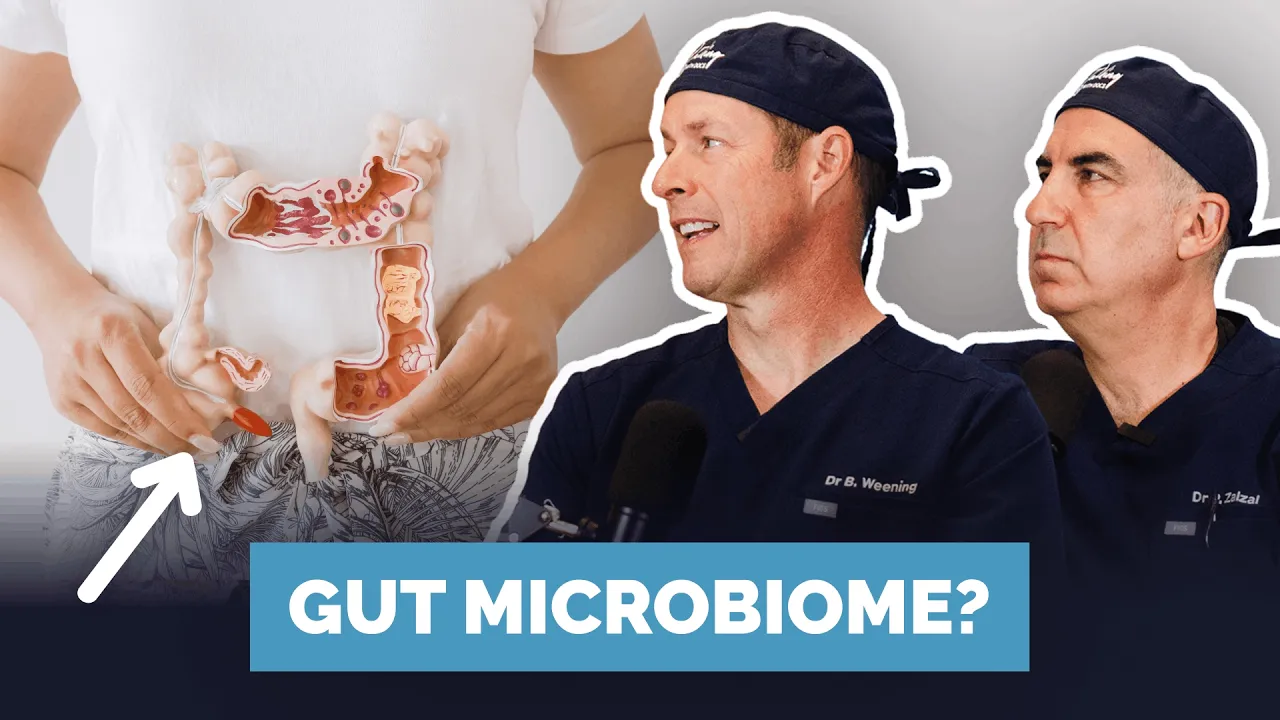
Exploration of the gut microbiome and how dietary emulsifiers, artificial sweeteners, and lack of fiber in processed foods disrupt gut health.
Analysis of public health policies and systemic factors, such as food deserts, agricultural subsidies, and marketing regulations surrounding ultra-processed foods.
Advanced study of the food-addiction hypothesis, focusing on how hyper-palatable foods affect brain chemistry and dopamine pathways.
Practical application of culinary medicine and whole-food meal preparation techniques to sustainably reduce processed food dependency.
2.5M views117.5Klikes16:46Original Release: 2024-03-04
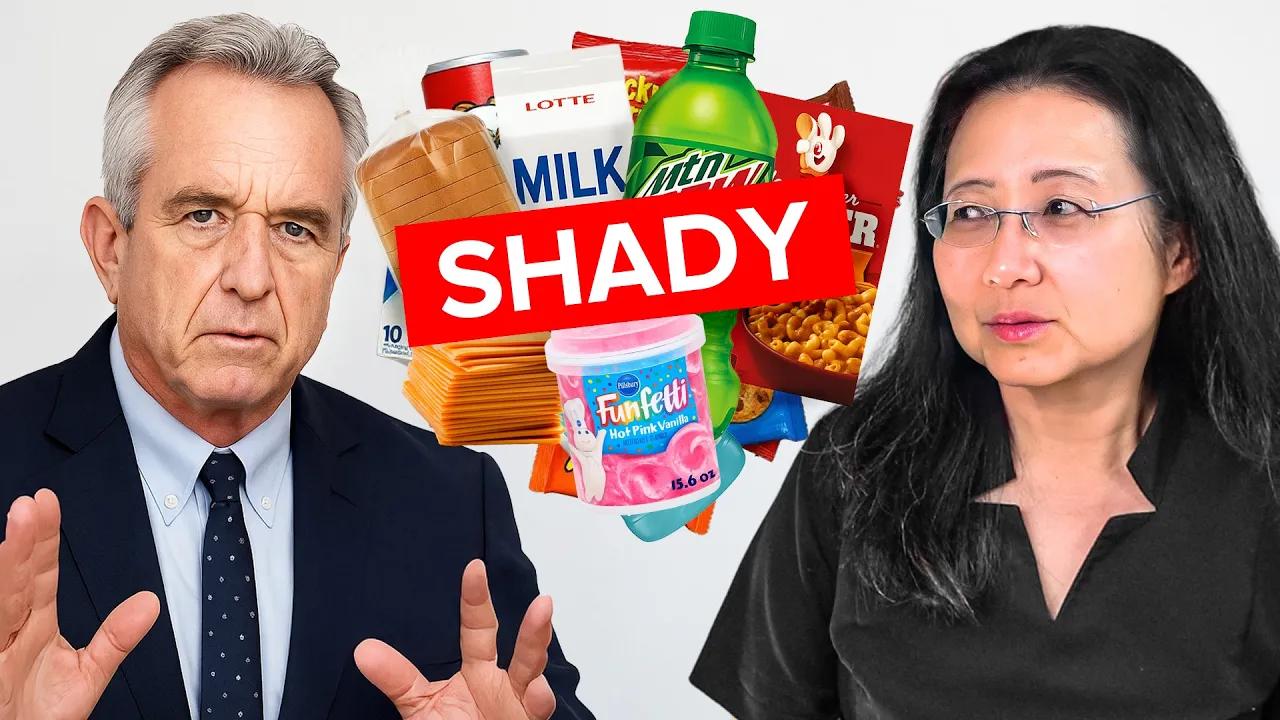
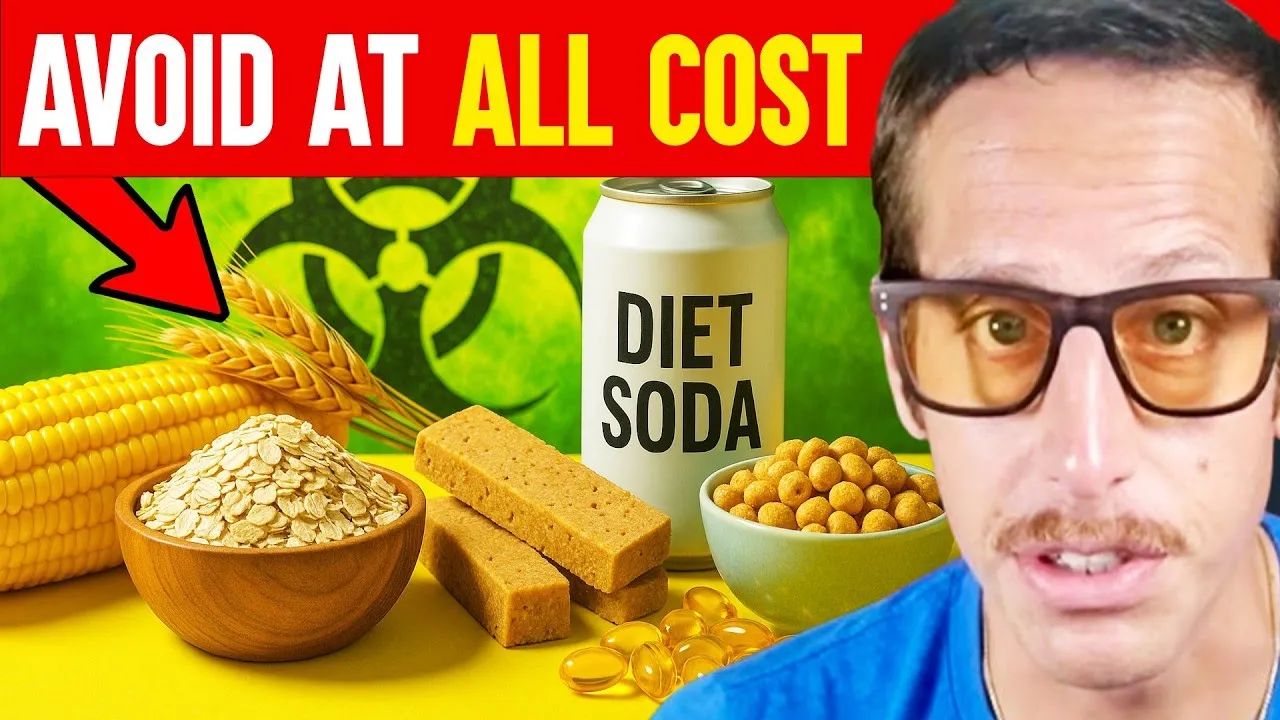
you may be eating pre-digested food and it turns out we're all eating more of it than we think we are ultr processed food are often cheap and convenient and Americans of course eat a lot of them because here's the thing Ultra processed food isn't Just Junk Food it's showing up places you wouldn't expect it has taken over the grocery store and I think we all already know that it's unhealthy addictive and more eating too many Ultra processed foods could shorten your lifespan raises the risk of diabetes heart disease fatty liver disease and depression they can cause harm similar to smoking eating them too often could be taking years off your life but this article breaks down one of the Hidden reasons that Ultra processed food is leading to all these issues and it's not just calories or sugar or a lack of fiber quote according to emerging science it may be due to manufacturing processes that predigest raw food ingredients we are eating pre-digested food the idea of eating pre-digested food is just so viscerally awful basically the opposite of farm to table but you know what I love reading about how evil the food industry is because it just gives me so much drive and motivation to say Ultra processed food knowing they're making bank tricking us all into eating something that's terrible for us it just gives you that little extra fuel to be like no I'm not going to touch any of my old favorite upfsi nuggets and I'm sure many of you are the same like I just cannot stand being tricked into doing something I know is bad for me like it's just like no and hopefully today's video will give you that same Vibe by the way my behavior change course how to change is launching in March if you want to learn the skill of change break bad habits and improve your relationship with yourself this course was made for you click the link below for more information and get on the pre-launch list as a thank you anyone who signs up for the pre-launch list will receive a huge discount at the time that the program comes out so first what is ultr processed food anyway well it may seem obvious when I say it it comes down to the processing what does pre-digested mean to manufacture cheap delicious food that is packaged for convenience basic food crops such as corn wheat and potatoes are dissembled into their molecular Parts think about that breaking Foods down to their molecules that's where the ultra comes from in Ultra processed and it's this extreme level of food processing so extreme that these foods are predigested that creates this entire category of food it's not that it's junk food it's not that it's prepackaged it's not that it's really high in sugar or calories the defining feature of ultr processed food is that you could not make it at home if you wanted to it's only possible for these foods to exist because of modern food science to explain the point in a more tangible way let's think about the difference between an apple and an apple pie but from McDonald's researchers split food into four groups depending on their level of processing one unprocessed or minimally processed foods two processed culinary ingredients three processed foods and four ultr processed foods so one unprocessed or minimally processed foods this group is pretty self-explanatory apples belong to group one these are your whole foods with nothing added this level includes all fresh dry and Frozen fruits and vegetables grains meat eggs milk fish nuts and seeds group two refers to processed culinary ingredients such as salt sugar butter honey olive oil or spices now group three refers to processed foods the term processing just means that a food has undergone a change from its natural state this level includes canned food cured meats wine cheese fresh bread to use our Apple example applesauce canned apples or prepackaged apples preserved with lemon juice so in group three we usually have a food product that's made up of almost all just real food it can be baked or boiled or preserved or canned or fermented or mixed with other Foods so it's important to note that processing itself is not bad it's when you take things too far in group four ultr processed food is the definition of too far so here is the definition given for group four ultr processed foods are formulations of ingredients mostly of exclusive industrial use typically created by a series of industrial techniques and processes so instead of food it's industrial ingredients that have been created through a series of industrial techniques see what I'm saying this is the problem there's just not a lot of normal ass food in Ultra processed food and group four is where we find our McDonald's apple pie see a homemade apple pie is only a level three food because yeah it's got sugar and fat and whatever else but it's really just a combination of regular old processed ingredients you can find in any normal home or grocery store the McDonald's apple pie on the other hand is a group for Ultra processed food because it's made up of a ton of industrial ingredients created by a series of industrial techniques and if we take a closer look at the ingredients of the Apple many of them are quite industrial sounding which Clues us into the fact that they must have been created through processes similar to pre- digesting as mentioned in our article basic food crops such as corn wheat and potatoes are dissembled into their molecular Parts starchy flowers protein isolates fats and oils or what manufacturers call slurries the bulk of what is extracted is starch slurry a Milky mixture of starch and water but we've also extracted proteins and fibers according to a video explanation of the process from from starch Europe roughly half of the starch slurry goes to produce starch-based sugars and other derivatives those are created by hydrolysis a process similar to human digestion next with the help of artificial colorings flavorings and Glu like emulsifiers those slurries are then heated pounded shaped or extruded into any food a manufacturer Can Dream up so food manufacturers rip real foods apart down to the molecule turn them into slurries of starches and sugars and whatever else then combinely slurries and powders with oils and emulsifiers and from there they could remodel them to seem exactly like the normal Foods we know and love take potato chips for example when they were invented they were just really thin slices of potatoes that were fried and then serve if you have an air fryer you could easily make potato chips at home with just three ingredients a potato oil and salt but let's compare that to a pringle a plain Pringle contains dried potatoes vegetable oil corn flour corn starch rice flour sugars maltodextrin mono and diglycerides salt citric acid and wheat starch I actually thought that was going to be way worse than that but this is a plain Pringle so none of the seasoning is on it but let's investigate further so to start dried potatoes are likely not just whole ground potatoes but an incredibly fine potato flake that's extracted in a similar process to what the article has been discussing then we have vegetable oil which have you ever wondered exactly what vegetables go into vegetable oil the packaging on this one shows tomato celery carrots and spinach but I was curious what exactly qualified as vegetable oil so I looked up the USDA definition of it so here are the requirements it says that vegetable oil refers to any refined bleached filtered and deodorized oil and can consist of any one or a combination of the following canola corn cotton seed Olive safflower soybean Sesame and sunflower yeah let's name a product vegetable oil and put vegetables on the container that contains little to no actual vegetables and refining bleaching and deodorizing definitely all qualify as industrial processes moving on next we have corn flour corn starch rice flour sugars maltodextrin and wheat starch so at least three of these are these predigested slurries we just learned about so they turn those things into a paste and then to bind them all together they add in the mono and diglycerides which are a type of oil emulsifier which is again created through a sort of pre-digestion hydrolysis process as well stick everything together and shape it up into a perfectly stackable potato corn rice sugar wheat chip and the end result is something that technically has components of real food but is nothing like any real food you've ever seen and again the insane thing here is a potato chip really only needs three ingredients but somehow with ultra processing something so simp Le is turned into a Franken food with the sole purpose of maximizing profits and see with a pringle it's junk food right so you're not exactly expecting it to win a prize for the most wholesome ingredients but the problem with ultr processed food is they are everything now much like the regurgitated food motherb birds feed their babies in the nest Ultra processed food is quick and easy to digest according to experts but that's not how the human digestive system was meant to work work when food moves through the digestive system in ways Mother Nature didn't intend the body loses the ability to send a signal of fullness to the brain said Dr David Katz a specialist in preventative and lifestyle medicine your body is expecting to have to break down the nutrients in the food so when this process is already partially completed it's no wonder that people are so hungry it's no wonder that people are overeating it's no wonder that the obesity rate has been skyrocketing since at least the 80s around the time that alra processed food entered the food Supply in an unprecedented way and it's not just that this food is making us hungry it's that this food is making us crave it's so thin crispy and cheesy and I just want to keep eating it and eating it because when something is digested quickly it's not just hitting your body quickly it's hitting your brain quickly as well and in the world of addiction there is this important concept of rate of delivery the faster the drug hits your brain the higher you get and the more addictive the substance is add in just the right ratio of sugar salt and fat designed to tickle our taste buds and an ultra processed food that's nearly irresistible is born said Dr Chris Van Tulin author of ultr processed people it could be a pizza if you put some cheese and tomato on top it could be a burger bun it could be a grain bar a breakfast cereal an ice cream or confectioner they all have the same list of basic starting ingredients he said it's an illusion of food it's much cheaper for food companies to destroy real real foods turn them into molecules and then reassemble those to make anything they want and that is the problem right there we are all eating edible food like products these foods are products first and foremost the only thing that they're designed to nourish is a healthy profit margin and you see the real problem isn't that Ultra processed foods like Pringles exist at all the problem is what happens when the entire grocery store is made up of foods that barely qualify as food and most people have no idea that this is true most people have no idea that they are being tricked like some sort of virus the ultr processed food category has grown to take over the entire grocery store foods that you'd never expect to be ultr processed junk food products are you know it's one thing of people were knowingly buying junk food right it's another thing to be purchasing a yogurt cup for your kids that promises you that it's wholesome only for it to be nutritionally comparable to an ice cream cone and not an ice cream cone made of cream and sugar but an ice cream cone made of modified Milk ingredients gums and emulsifiers apparently this ice cream is so fake that they can't even call it ice cream it's called a frozen dessert instead nearly every food product we consume now is designed to be unsatisfying let's think about the grocery store obviously we have our junk food our honey buns and Debbie cakes and Cheetos and candy and whatever else but then we also have most Breads and not just Wonderbread these are all ultr processed too nearly all cereal including probably 98% of the healthy cereals most frozen dinners yes including most of the healthy seeming ones nearly every and any food directly marketed to Children any non-dairy milk most plant-based foods and like 95% of everything in the health and diet food aisle including protein bars estimates say 73% of the food supply in the United States is made up of Ultra processed foods eating Ultra processed food is the norm for us now and we're still in the really early stages of figuring out exactly what that's doing to US 20 healthy volunteers were locked away from the outside world for 1 month for 2 weeks they ate only Ultra processed foods for the remaining two weeks they ate a diet made up of minimally processed foods each diet contain the exact same quantity of calories sugar fiber fat salt and carbohydrates the only difference was that one diet consisted only of food foods that were ultr processed in 2 weeks participants on the ultr processed diet gained an average of 2 lbs 0.9 Kg on the minimally processed diet they lost the equivalent amount of weight now obviously 2 lbs in 2 weeks is nothing crazy but think about what that might do to you over the weeks or months or years of just consuming the normal diet that most people consume in society this is the norm on top of that what makes the study so interesting is that these diets were matched for composition so the participants eating the ultra processed food were eating the same amount of protein calories sugars Etc as the group eating the minimally processed fresh meals and yet the ultra processed food group were still hungrier they were still eating more calories science is really starting to reveal that it's not the lack of fiber it's not additional sugar it's the ultr processed foods themselves that are the problem there's something seriously strange about the way our bodies are processing these processed foods they seem to be disregulated the checks and balances our bodies have to keep us from Gaining excessive amounts of weight and this is just the tip of the iceberg because it's not just about weight it's about overall health and metabolic health and more it's funny as you scroll down through this article all the related links to other Ultra processed food articles are so bad study finds growing evidence of link between Ultra processed food and cancer artificially sweeden Ultra processed foods linked to depression in women study finds Ultra processed foods now account for two third of calories in the diets of children and teens by fracking food much like we frack oil we have fully deconstructed the food Matrix and this is associated with many times higher risk of chronic disease and early mortality and a degradation of global Health before the second world war before we began using these new manufacturing processes we never observed such a high level of chronic disease worldwide so the question is which degree of processing remains compatible with human food system sustainability and Global Health at this point it's becoming extremely hard to ignore how broken our food system is and that's probably a good thing because things need to change and they need to change now the only reason that these foods are being broken down and broken down so aggressively is because it's highly profitable when you cook something yourself normally using fresh ingredients the quality of those ingredients really kind of has a major impact on the final flavor of the dish it makes or breaks it essentially and if you had food companies competing over the quality of their ingredients they wouldn't make any money you want a delicious tomato sauce you can sell the most Pizza well then you've got to let the Tomato ripen on the vine a little longer you have to care for the soil and fortify it you have to spend a little money on fresh herbs got to care about the quality of the olive oil in the sauce all of these steps they take time and they take money and competing on quality is not the game these guys are trying to play they much rather squeeze every last drop out of the cheapest tomato they can find and then just inject a bland tomato paste with tomato and herb flavor and MSG and sugar so your brain still enjoys the final product but you just can't put your finger on why but that fast rate of delivery and all the other modifications they make to the sensory properties of the food to tickle your dopamine receptors stop you from ever realizing that these Foods actually taste just as disappointing as you'd expect them to well most of them anyway some of them they did do a good job let's be real I find knowing this stuff really does fuel the desire to just keep getting healthier and healthier and healthier so I hope it had the same effect on you thanks so much for watching and I will see you in the next one
Up Next

449:56
Mass Effect Trilogy Soundtrack Reaction & Music Theory Breakdown
@MusicTheoryforGamers
14.9K views•2023-12-19

12:54
Triumph of Orthodoxy Icon: Byzantine Art & History Explained
@BenCallan
2.1K views•2024-08-06

9:49
FastAPI vs Flask vs Django: Choosing the Right Python Web Framework
@TechWithTim
302.5K views•2024-05-26

1:42
Game of Thrones Opening Credits: A Cinematic Analysis
@gameofthrones
46.3M views•2011-04-18
Related Study Plans & Knowledge Roadmaps
Structured learning paths in General & Interdisciplinary Studies
general-studies
Elevator Engineering: History, Physics & Cities
01From Hoists to Safety Brakes: The Dawn of Vertical Lift
02Hydraulic vs. Traction: The Engineering Physics of Elevators
03Modern Speed, Safety, and Algorithms
+ 2 more learning modules
12h5 modules
Explore Roadmap
general-studies
Rubber: Material Science, History & Geopolitics
01Origins of Natural Rubber & Mesoamerican History
02The Chemistry of Natural Rubber & Vulcanization
03The Geopolitics of the Rubber Boom & Colonization
+ 2 more learning modules
12h5 modules
Explore Roadmap
general-studies
Containerization: Evolution, Logistics & Trade
01Ancient Trade & Bulk Cargo: Amphorae to Barrels
02The Industrial Revolution & Cardboard Packaging
03The Containerization Revolution: Malcom McLean
+ 2 more learning modules
12h5 modules
Explore Roadmap
general-studies
Textile Tech: Evolution, Labor & Global Impact
01Pre-Industrial Textiles: Handloom & Cottage Industry
02Mechanization: The Spinning Jenny to the Power Loom
03The Factory System & Global Labor Transformation
+ 2 more learning modules
10h5 modules
Explore Roadmap