Architecting Cross-Chain Bridges: Implementing Secure Token Wrappers and Multi-Signature Message Relayers
Learning Goal: Master the cryptographic, on-chain, and off-chain engineering patterns required to design, implement, and secure cross-chain bridges. By the end of this curriculum, you will understand how to construct lock-and-mint and burn-and-mint token wrappers, build robust off-chain transaction relayers, implement multi-signature message verification, and defend against critical cross-chain attack vectors such as signature replay and verification bypasses.
- Prerequisites: Intermediate programming experience (JavaScript, TypeScript, or Go), basic command-line proficiency, and a conceptual understanding of peer-to-peer networks.
- Estimated Total Study Time: 36 hours (including video lectures, supplementary documentation reading, and hands-on coding labs).
Module 1: Introduction to Blockchain and Smart Contracts
This module introduces EVM-compatible networks, the mechanics of smart contract execution, and the basic syntax of the Solidity programming language. Understanding how the Ethereum Virtual Machine (EVM) processes transactions and stores state is critical before designing cross-chain contracts that must execute deterministically across separate environments.

Why this video
This video provides an excellent high-level gateway into Solidity development, demonstrating how to quickly set up browser-based testing using the Remix IDE. It walks through basic contract declaration, variable scoping, and state management, giving you the foundation needed to read and write simple smart contracts.

Why this video
To build secure cross-chain architecture, developers must understand exactly how the Ethereum Virtual Machine (EVM) runs code, maintains storage slots, and handles decentralized consensus. This video breaks down the conceptual architecture of the EVM as a distributed state machine, laying the groundwork for complex multi-chain execution.
Why this video
This intensive coding tutorial shifts your learning from theory to practical application. By writing five distinct smart contracts step-by-step, you will internalize essential Solidity syntax, event logging, function modifiers, and address handling, which are crucial for writing functional bridge endpoints.
Module 1 Knowledge Checkpoint
- Describe the state change model of the EVM and explain how transaction fees (gas) prevent infinite loop exploits.
- Compile and deploy a basic Solidity contract to a local test network using Remix IDE.
- Declare state variables, set up getter/setter functions, and explain the difference between
memory,storage, andcalldatadata locations.
Module 2: Token Standards and Wrapped Tokens
Before passing tokens between distinct blockchains, you must understand standard interface patterns. This module covers the ERC-20 token standard, the logic of token minting/burning, and the architectural mechanics of "wrapped" tokens (such as WETH or WBTC) that represent locked underlying assets.
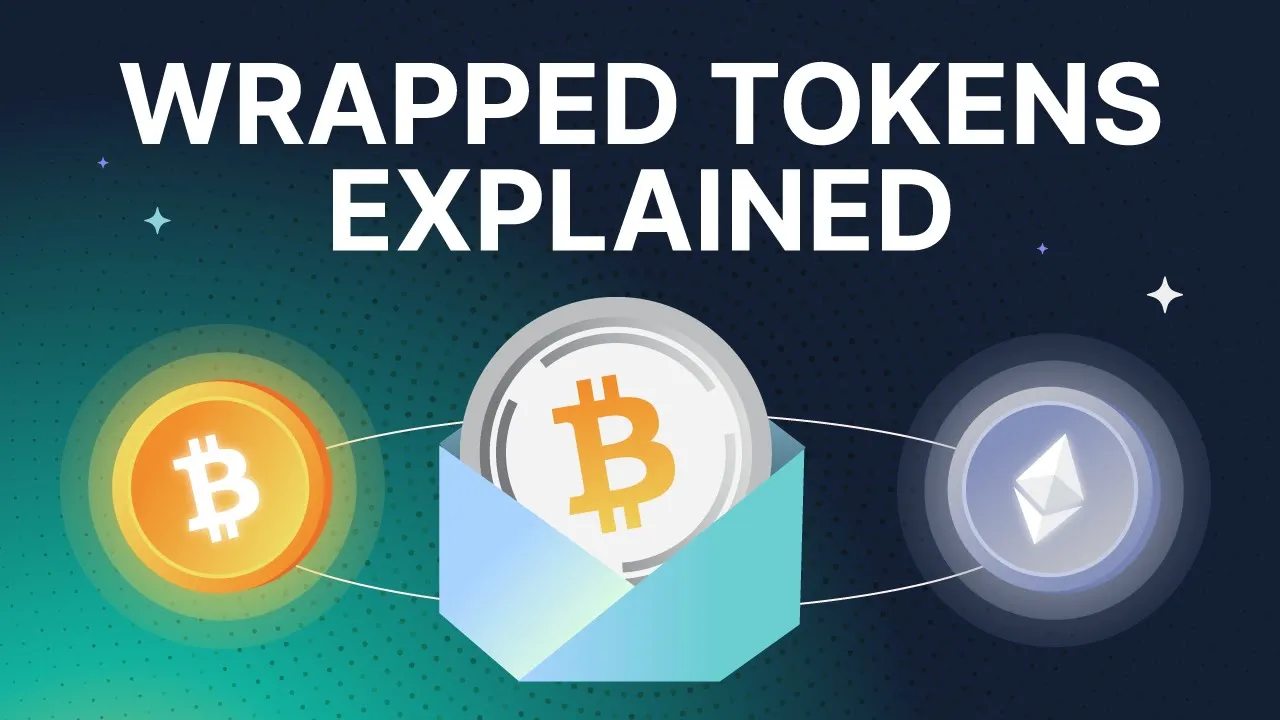
Why this video
This video explains the tokenization process used to bridge value between incompatible ecosystems. It highlights the custodial, economic, and technical models used by major wrapped tokens like Wrapped Bitcoin (WBTC) and Wrapped Ether (WETH), illustrating how assets are locked on a source chain to issue representative tokens on a target chain.

Why this video
This video provides a deep dive into the mandatory standard interface of fungible tokens on EVM networks. It details how the six core functions (totalSupply, balanceOf, transfer, transferFrom, approve, and allowance) interact, which is critical since bridge contracts rely heavily on these behaviors to lock and move user funds.

Why this video
When building production bridges, you should never write token logic entirely from scratch. This tutorial demonstrates how to import and inherit secure, audited ERC-20 contract templates from the industry-standard OpenZeppelin library. You will learn to properly initialize, construct, and customize tokens with burnable and mintable parameters.
Curriculum Gap Alert: While the pool videos explain ERC-20 interfaces and conceptual token wrapping, they do not include a complete step-by-step code-along for an automated "lock-and-mint" vault contract. To bridge this gap, research OpenZeppelin’s
SafeERC20wrapper library and practice writing a vault contract that acceptstransferFromdeposits and emits custom events containing destination chain details.
Module 2 Knowledge Checkpoint
- Program a standard ERC-20 token contract that inherits OpenZeppelin's base implementation and compile it without errors.
- Explain the difference between direct token transfers (
transfer) and the 2-step approval pattern (approveandtransferFrom). - Detail how a wrapping contract mathematically preserves a 1:1 price peg with its underlying asset.
Module 3: Cryptography and Multi-Signature Security
Cross-chain message relayers rely on digital signatures to verify that a state change on a source chain is authorized to execute on a destination chain. This module covers asymmetric cryptography, digital signature generation (ECDSA), on-chain signature verification using Solidity's native ecrecover compiler function, and the structural design of multi-signature authentication.
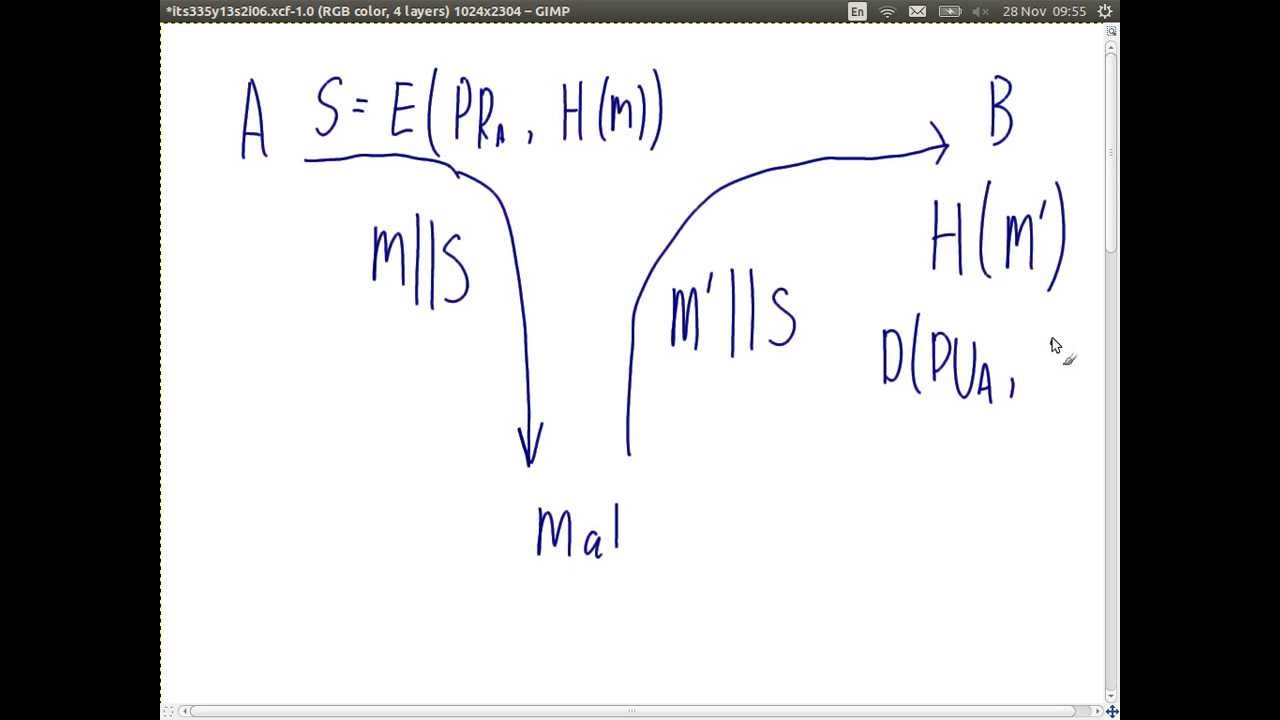
Why this video
This academic lecture provides the mathematical and cryptographic foundations of asymmetric key pairs. You will learn how private and public keys are linked, how digital signatures prove authorship and data integrity, and how elliptic curves are used to generate non-forgeable proofs without exposing secret keys.

Why this video
This is a critical technical video for this curriculum. It walks through the four steps of verifying off-chain signatures on-chain using Solidity 0.8: hashing a message, prefixing it to prevent signature exploits (per ERC-191 / EIP-712 standard), splitting the signature into its mathematical components (r, s, v), and calling ecrecover to extract the signer's public address.

Why this video
This presentation introduces multi-signature smart contract wallets. It explains how threshold signature verification works, where multiple independent keyholders must sign off-chain authorization payloads before a smart contract will execute a state modification, providing a secure model for cross-chain validator committees.
Curriculum Gap Alert: The pool videos cover cryptography fundamentals and standard signature verification, but lack a tutorial on building a custom on-chain multi-signature verification loop. To master this, write a custom Solidity modifier that accepts an array of cryptographic signatures and iteratively verifies that at least -of- unique validator addresses have signed the hash of the bridge message payload.
Module 3 Knowledge Checkpoint
- Explain how ECDSA private keys sign arbitrary transaction messages, and how
ecrecoverreconstructs the signer's public key on-chain. - Implement the
toEthSignedMessageHashutility pattern in Solidity to safely sign messages according to the ERC-191 standard. - Design a contract architecture that accepts a payload along with individual signatures and checks them against a stored list of authorized validator addresses.
Module 4: Cross-Chain Communication Architecture
This module covers the core architecture of blockchain interoperability. You will examine the lifecycles of token transfers, compare decentralized models (like light client relayers) with centralized models (like multi-sig federation bridges), and study how off-chain agents monitor chain state and pass messages between independent ledgers.
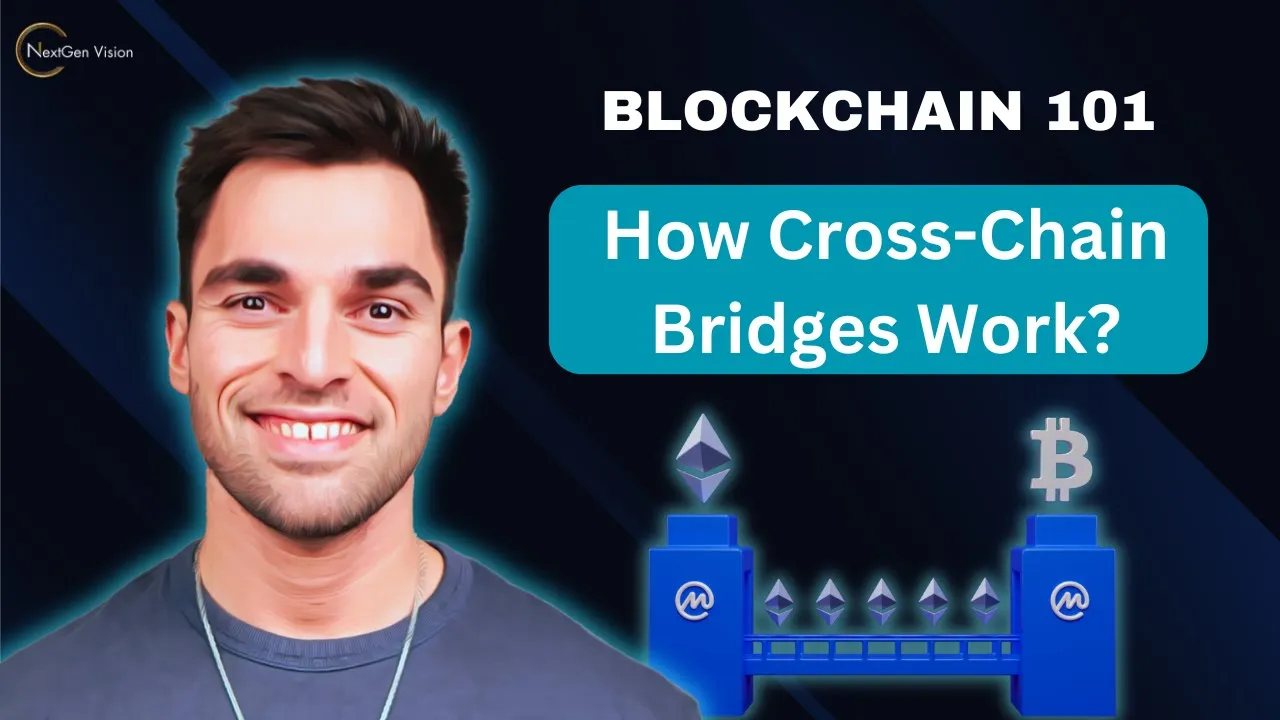
Why this video
This clean, conceptual animation provides an excellent high-level mental model of bridge networks. It explains how a bridge functions as a coordination layer between independent blockchains, clarifying the relationship between locking mechanisms on the source chain and representative minting on the destination chain.

Why this video
This concise technical explanation covers the trade-offs of the classic "lock-and-mint" bridge model. It explains what happens behind the scenes when a native asset is locked in a vault, how wrapped representation tokens are issued on a separate target ledger, and how the reverse burn-and-unlock process operates.
Why this video
Presented by a blockchain pioneer, this lecture dives into the challenges of connecting heterogeneous state machines. It explores consensus limitations, finality guarantees, and the structural complexity of relaying verified messages across networks that have completely different block times and validation criteria.
Module 4 Knowledge Checkpoint
- Compare "lock-and-mint" bridges with "burn-and-mint" bridges, detailing when each pattern is required.
- Explain the role of off-chain relayers in monitoring events on a source chain and executing corresponding transactions on a destination chain.
- Describe the challenge of transaction finality in bridging: why must a relayer wait for multiple block confirmations on the source chain before triggering actions on the destination chain?
Module 5: Building Secure Token Wrappers and Relayers
This module puts your knowledge into practice. You will examine the code for an operational cross-chain bridge, review the setup of off-chain relayer nodes, and learn how to construct automated software layers that listen for EVM events to submit transactions across chains.
Why this video
This practical code-along is the core of this module. It demonstrates how to write, deploy, and connect two smart contracts across Ethereum and Binance Smart Chain. It walks through setting up a Node.js-based off-chain relayer script that listens to contract events on one chain and uses a private key to submit transactions to the other.

Why this video
This developer segment introduces relayer plug-in architectures. It highlights how typescript relayer frameworks handle transaction submission, auto-gas estimation, signature generation, and secure key storage, providing key design patterns for writing professional, resilient off-chain relay software.

Why this video
This video explains the infrastructure requirements of running relayer systems. It covers the difference between full and light relayer modes, illustrating how different networks approach cross-chain synchronicity, node management, and secure private key storage.
Curriculum Gap Alert: While the code-alongs demonstrate simple Node.js scripts, they do not cover advanced production-grade relayer challenges such as nonces getting out of sync, transaction replacements, gas price spikes, or handling RPC node failures. To master this module, write a robust TypeScript/Node.js relayer daemon that incorporates a database to track processed transaction hashes (preventing double-processing) and uses an exponential back-off strategy for failed RPC requests.
Module 5 Knowledge Checkpoint
- Program a working end-to-end bridge script that listens to custom EVM events using
ethers.jsorweb3.jsand submits a transaction on a local target chain. - Explain how a relayer handles private key management, gas optimization, and nonce queueing when sending transactions under heavy network load.
- Detail the security implications of running a single federated relayer versus an open, decentralized network of competing relayers.
Module 6: Bridge Security, Hacks, and Best Practices
Cross-chain bridges are high-value targets for exploits. This final module covers smart contract auditing, vulnerability identification, and deep technical analyses of real-world multi-million dollar bridge hacks, detailing the specific coding flaws that allowed them to occur.

Why this video
This coding-focused video explains signature replay attacks. It demonstrates how an attacker can capture a valid signature used for a transaction on one chain or in one execution, and submit it again to drain assets. You will learn how to design contracts that track processed transaction nonces and chain IDs to prevent this exploit.
Why this video
This technical post-mortem breaks down the infamous $322 million Wormhole bridge hack. It explains how a flaw in signature verification—specifically, relying on a deprecated Solana instruction library that bypassed verification of validator signatures—allowed the attacker to forge a valid transfer message and mint unbacked wrapped assets.

Why this video
This news-style report analyzes the $622 million Ronin bridge hack, the largest crypto bridge exploit in history. It highlights how the attacker compromised the validator committee by acquiring five out of nine private keys, illustrating the immense risk of centralized multi-signature architectures.

Why this video
This media segment provides a broader industry perspective, explaining why bridges represent the single largest point of vulnerability in the decentralized web. It emphasizes the structural risks of locking massive pools of liquidity in public, immutable vaults, highlighting the need for rigorous auditing and defensive programming.
Curriculum Gap Alert: While these videos offer excellent conceptual and architectural analyses of these exploits, they do not include a line-by-line contract audit of the vulnerable code. To supplement this, study the actual Solidity/Solana smart contract commits before and after the Wormhole patch, and write a vulnerability report detailing how the addition of strict input verification prevents similar bypass exploits.
Module 6 Knowledge Checkpoint
- Explain how a signature replay attack works, and write a Solidity code pattern that uses nonces, addresses, and
block.chainidto mitigate it. - Detail the vulnerability that led to the Wormhole hack, explaining how an unverified instruction address bypassed validator signature verification.
- Define best practices for multi-signature bridge validator setups: what is the ideal ratio of threshold signatures to total signers, and how should keys be isolated to prevent single points of failure?
Course Map
This map outlines the recommended learning order and dependencies across the curriculum.
Key People Index
- Vitalik Buterin (Co-founder of Ethereum): Proposed the original ERC-20 token standard structure in 2015, and actively researches cross-chain security models. He famously warned about the inherent security limitations of cross-chain bridges compared to native multi-chain networks.
- Robert Habermeier (Co-founder of Polkadot): A leading researcher in blockchain interoperability. He focuses on designing trustless shared-security systems and building networks that can communicate without relying on centralized multi-signature federations.
- Charles Hoskinson (Founder of Cardano): A pioneer in decentralization who works on interoperability solutions, sidechains, and standardizing consensus bridges across diverse ecosystems.
Final Self-Assessment
This checklist covers the key concepts and skills taught in this curriculum. Ensure you can confidently complete each task before deploying a bridge architecture to production.
- Explain the differences between the EVM's storage, memory, and calldata locations, and optimize a contract to minimize gas consumption.
- Write, test, and deploy a custom, standards-compliant ERC-20 token using OpenZeppelin templates on an EVM test network.
- Create a "lock-and-mint" vault contract that safely locks deposits, handles potential ERC-20 decimal discrepancies, and emits a secure log event.
- Implement an on-chain signature verification utility using Solidity's
ecrecoverthat safely checks ECDSA signatures against known public keys. - Build a custom multi-signature modifier that prevents reuse of signatures and verifies that a specific threshold of unique validators signed a transaction payload.
- Write an off-chain relayer script in Node.js or TypeScript that listens for contract events on a source chain and submits transactions to a destination chain.
- Design a secure offline key management system for off-chain relayers, explaining how to handle automated signing without exposing private keys.
- Implement robust nonce tracking and transaction replacement (using dynamic gas pricing) in your relayer code to handle network congestion.
- Audit a smart contract for signature replay vulnerabilities, verifying that every signature hash includes a unique transaction nonce and the current
block.chainid. - Analyze the Wormhole and Ronin exploits, detailing how input validation bypasses and poor validator key management can lead to total system failure.