





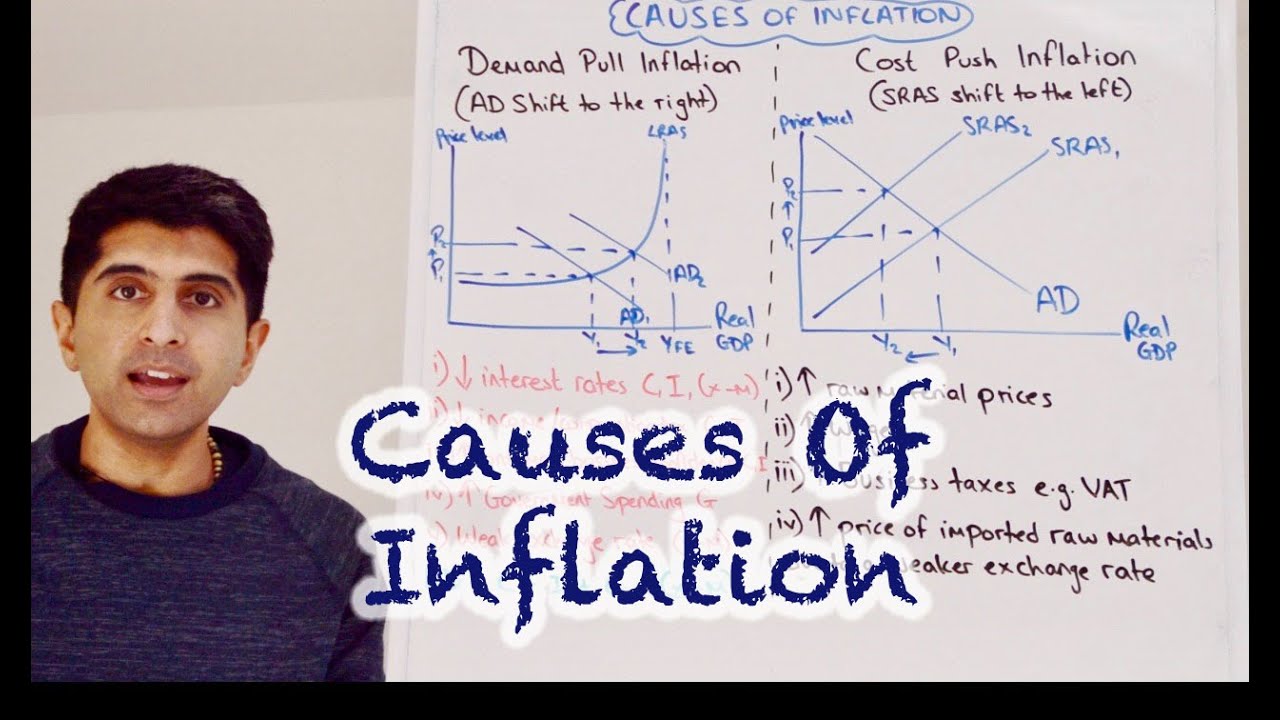

















Monetary policy is a demand-side economic policy with three main branches: manipulating interest rates, manipulating the money supply, and manipulating the exchange rate. Interest rates, considered the 'Big Daddy' of monetary policy, represent the cost of borrowing and the rate of return on savings; when interest rates fall, borrowing becomes cheaper and saving becomes less attractive, which increases aggregate demand through multiple channels including higher loan demand, increased discretionary income for homeowners, greater housing market demand, and currency depreciation that improves net exports. Expansionary monetary policy shifts aggregate demand to the right through rate reductions, money supply increases, or exchange rate depreciations, while contractionary policy shifts it to the left. Central banks like the Bank of England, Federal Reserve, and European Central Bank implement monetary policy by targeting inflation (typically 2%), which helps control inflation expectations and allows for lower interest rates that stimulate both aggregate demand and long-run aggregate supply through increased investment in capital goods.
Monetary Policy Explained: Interest Rates, Money Supply & Exchange Rates
Added:monetary policy is another type of demand side policy which has got three branches to it monetary monetary policy can involve manipulating interest rates it could involve manipulating the money supply in the economy and it can involve manipulating the exchange rate in the economy all three branches you need to know and need to understand but especially interest rates interest rates is the Big Daddy of monetary policy demand side policy yes but as fiscal policy it also has got an aggregate supply so when we consider monetary policy we can have again expansionary monetary policy and we can have contractionary monetary policy expansionary monetary policy is any monetary policy that increases aggregate demand whereas contractionary policy is any monetary policy that reduces aggate demand so a reduction interest rates an increase in the money supply a reduction in the exchange rate all will increase aggregate demand all will shift it to the right they are all examples of expansionary monetary policy vice versa would be examples of contractionary fiscal policy so let's isolate interest rates because they very much are the big daddy we'll also look at money supply exchange rate but interest rates very simply defined as the cost of borrowing interest rates are very similar to the price of money the cost of borrowing money and the rate of return on savings so um when interest rates are reduced the cost of borrowing reduces and the rate of return on saving decreases as well you need to be able to start by explaining that you need to show your understanding what interest rates mean when interest rates fall these two things happen there is a double-edged coin when it comes to interest rates yes they affect the cost of borrowing but it also affects the rate of return on saving you must mention both of those in your exam to score otherwise you're not going to score fully all right but interest rates affect so many different things interest rates can affect the demand for loans a reduction interest rates rates will increase the demand for loans because it's now cheaper to borrow money increasing the demand for loans a reduction interest rates will reduce the intive to save because now the rate of return on saving reduces so people are going to think well why save my money if I'm not going to get much interest on it I'd rather just spend it instead it in affects a discretionary income discretionary income is just the income left after your taxes and after your key bills so your discretionary income um if you have a mortgage is affected by rates so during the Deep recession in 2008 2010 interest rates were at 0.5% for a long long period of time and those with mortgages benefited massively because the interest rates that they had to pay on their mortgage the interest repayments plummeted which meant that they actually had more income each month so it affects them too it affects the real incomes of those with savings so if interest rates Fall Again people with savings are going to get less of a return which reduces their overall incomes it affects the demand for housing because as we know most people buy houses in in the UK any in most major Western economies they buar houses um by taking out a mortgage taking out a loan on the house and what they do each month they pay back um interest um from uh they pay back interest each month uh that actually pays back the mortgage so uh if interestes are very low it's going to potentially increase the demand for houses because now the interest repayment on morgage which is actually very low so it incentivizes people to buy houses which increases the demand for houses increases house prices so there's another impact on low interest rates but it also affect the exchange rate if you don't understand that watch my video on exchange rate uh changes for you to understand how interest ratees can also affect the exchange rate very simply whatever happens to interest rates the same will happen to the exchange rate so if interest rates fall the exchange rate is also going to fall the simple reason is because hot money flows hot money will leave the economy in this case let's say the UK and therefore the value of the pound is going to depreciate the supply of the pound increases so exchange rate will also change and when the exchange rate changes the effect on the trade performance will also in this case improve if the exchange rate weakens uh net exports will increase therefore increase in accurate demand if you don't understand that what's my video on exchange rate impacts to fully understand okay right so expansionary monetary policy are any monetary policies that will increase aggregate demand so it could be a reduction a reduction in interest rates will shift aggregate demand to the right it might be an increase in the money supply Ms an increase in the money supply will also increase AGG demand shiftly to the right it might be a reduction in the exchange rate it's hard to manipulate the exchange rates so manipulating the exchange rate is very much a minor branch of monetary policy but in theory Anyway by reducing the exchange rate Maybe by reducing interest rates maybe by the government actually meddling in the Foreign Exchange Market even though governments these days don't have much control over monetary policy if they did they could meddle in the Foreign Exchange Market and actually uh allow that exchange rate to fall increase the supply of their currency by buying more foreign currencies um causing the exchanger to depreciate but really these two are the big ones interest r and money supply and these are all examples of expansionary monetary policy where agre demand will shift to the right contractionary monetary policy is any monetary policy that will shift it into the left so the opposite of these will shift into the left and contract the economy will reduce growth and increase unemployment in this case with expansionary monetary policy growth increases unemployment Falls there is some demand inflation pressure as well which might as a result worsen the current account position of the balance of payments there is also a long run aggregate supply impact so yes this is a demand side policy but there is also a supply side impact here because a reduction interest rates can also increase investment in fact that's I missed out here although you could say demand for loans but firms also are impacted by lower interest rates their cost of borrowing for them Falls so they're more likely to borrow money to fund investment projects if firms do that they borrow money and they pour that money into the purchase of capital goods that's going to increase investment and in increase in investment yes we'll increase aggregate demand in the short run but we will also increase aggregate supply long run aggregate supply as the constant quality of capital improves so when interest rates F you can expect there to be an increase in investment too which will increase longate Supply so don't forget the Dual effect youve got an increase in agre demand yes from reduction interest rates but also an increase in Long Run mate Supply because of an increase in investment do not forget the Dual Effect one final point I want to say is that central banks tend to be in charge of monetary policy around the world central banks like the bank of Japan the Federal Reserve in America the European Central Bank in the Euro Zone the bank of England in the UK these central banks are the the people that control uh what happens to monetary policy this tends not to be in government control fiscal policy yes it is but monetary policy no it's in the hands of central banks and within central banks you have got committees who decide what's going to happen to interest rates so the monetary policy Committee of the bank of England in the UK decide what's going to happen to interest rates each month they don't just decide willy-nilly they don't just say you know one month it'll be great if interest rates fall it'll be great if interest rates rise or whatever know that's just completely bogus they actually Target inflation when they set interest rates so in the UK the target rate of inflation is 2% so what the monetary policy committee do is when they feel inflation is getting out of control maybe it's getting too high like 5% or something they can increase interest rates reduce a level of agant demand in the economy and reduce inflation and if inflation is too low they can reduce interest rates uh increase aggregate demand and cause more inflation to get inflation back to Target so they target inflation and there are two main benefits of inflation targeting which you need to know as well one is that it keeps inflation expectations under control which means that random consumer consumption habits are not going to uh cause sharp changes in inflation so if you keep a track keep a check on inflation expectations consumers won't bring forward consumption expecting shoot expecting large increases in inflation therefore inflation will always be kept under control so inflation expectations keeps a lid on um uh a big changes in consumption which we don't want to see and at the same time another benefit is that by targeting inflation and people by people expecting inflation to be low it allows the central bank to keep interest rates low so if they manage to successfully Target inflation it means they've got more reason in keeping interest rates down which therefore will stimulate aggregate demand in the economy maybe agregate Supply as well which is good for the economy too so there's monetary policy my next video is going to look at the evaluation of monetary policy pay attention in that uh to get the full essay plan thanks very much see you then
Up Next

Monetary Policy Explained: Central Banking & the Fed
@YaleCourses
249.5K views•2012-04-05
Impact of Yuan in Indo-Russian Trade Amid Sanctions
@WION
261.9K views•2022-07-01

Keynesian AS/AD Model: Sticky Wages and Fiscal Policy
@EconplusDal
235.6K views•2015-02-28

The Age of Easy Money: Fed & Inflation | Full Documentary
@frontline
21.2M views•2023-03-15
Related Study Plans & Knowledge Roadmaps
Structured learning paths in Economics