







![[VẬT LÝ 12] CHỮA ĐỀ CHUẨN CẤU TRÚC 01 GROUP VẬT LÝ PHYSICS 2K8 - QUAY LẠI SAU 4 TỈ NĂM](https://i.ytimg.com/vi/Uz_jx-tdvHM/maxresdefault.jpg)





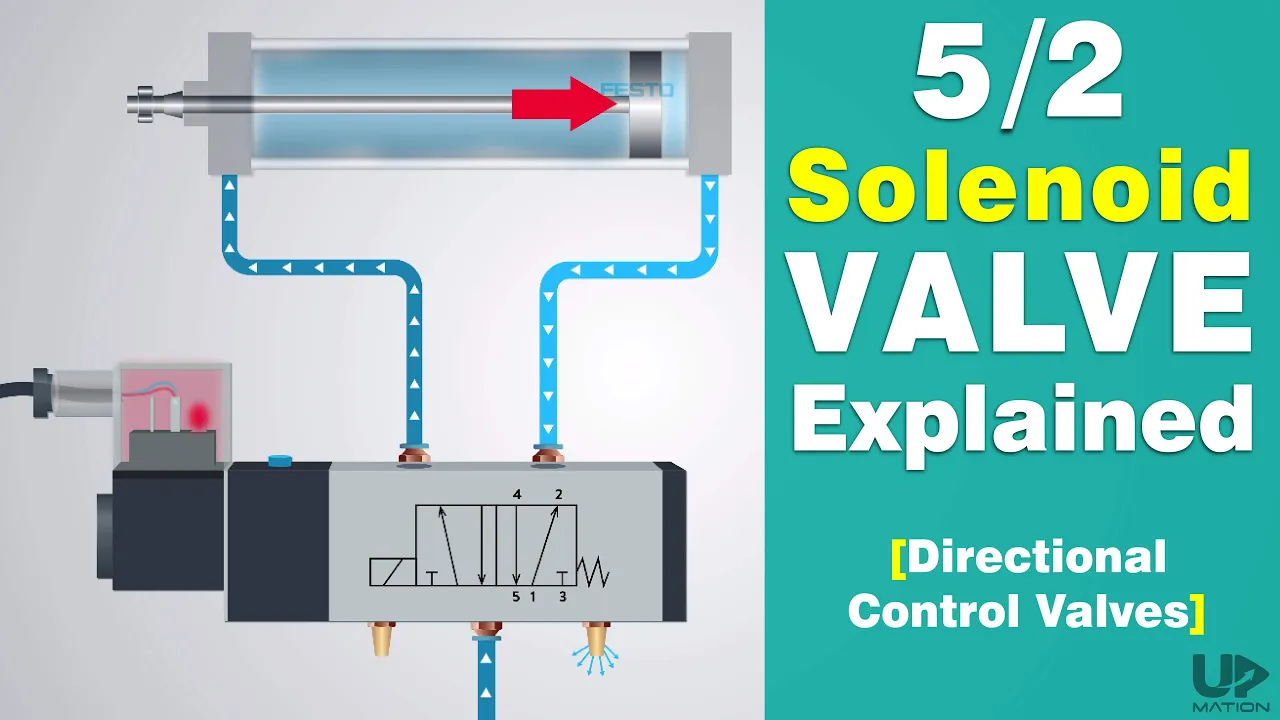


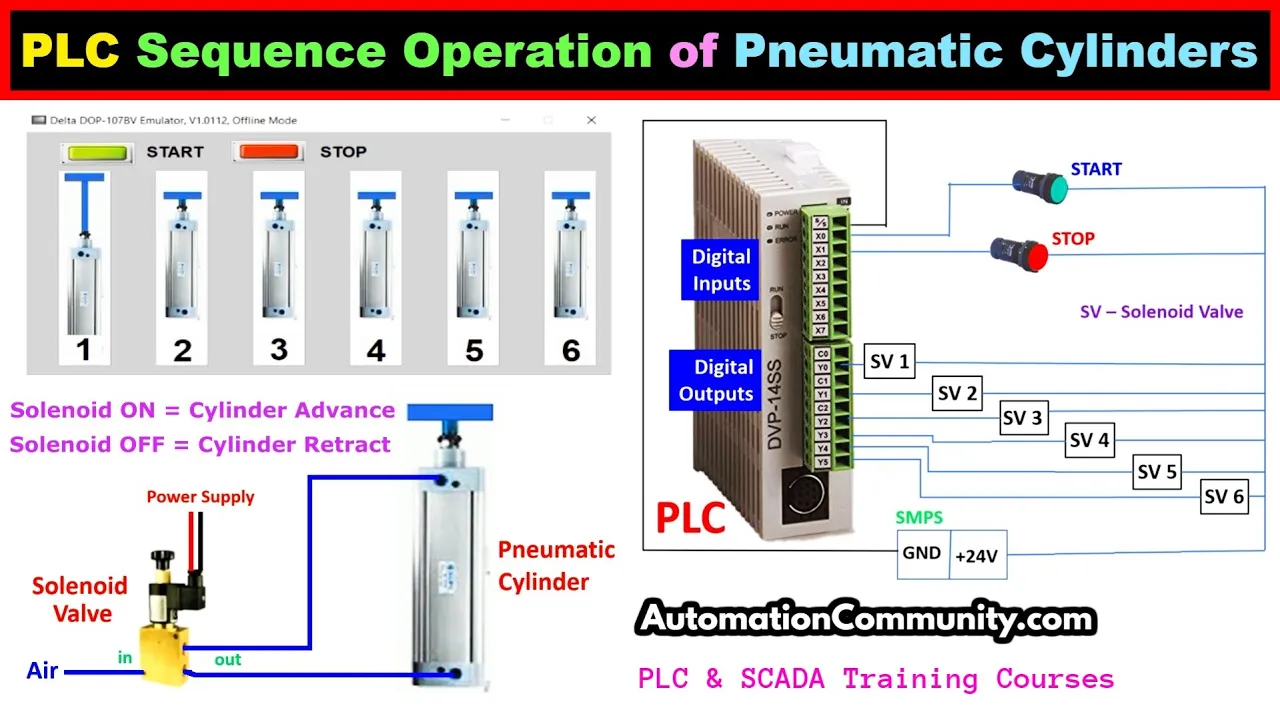



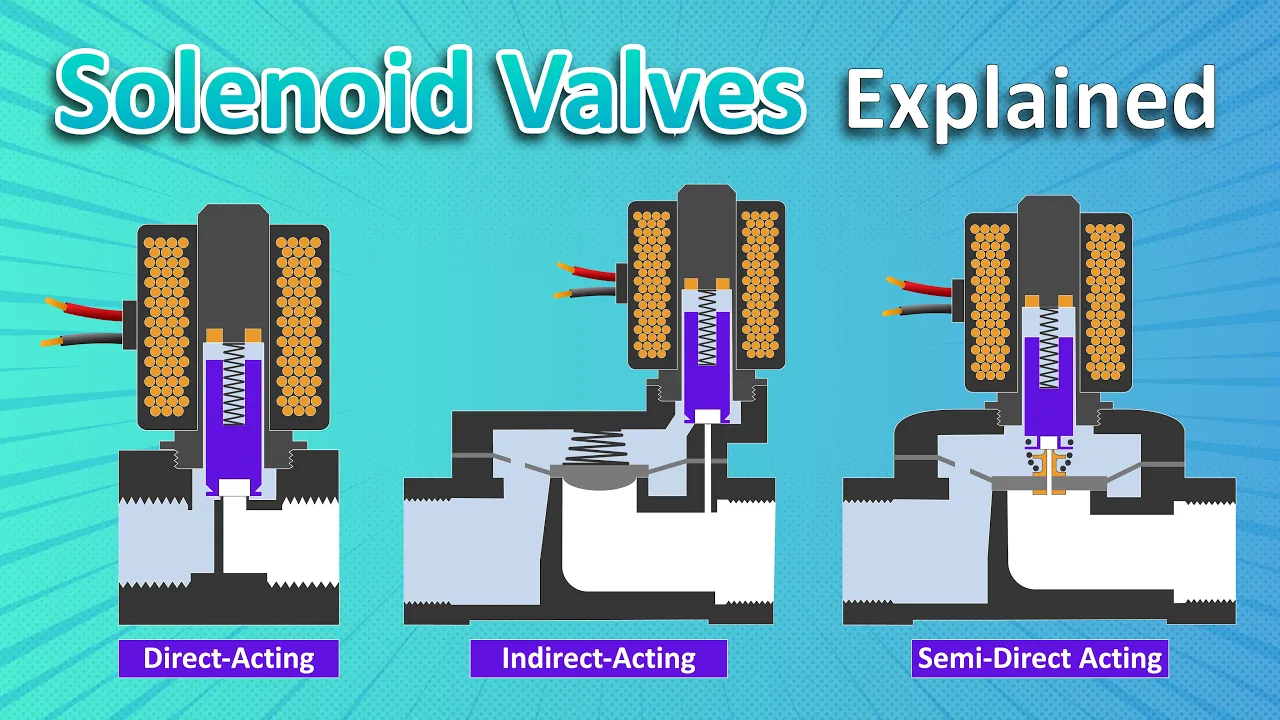






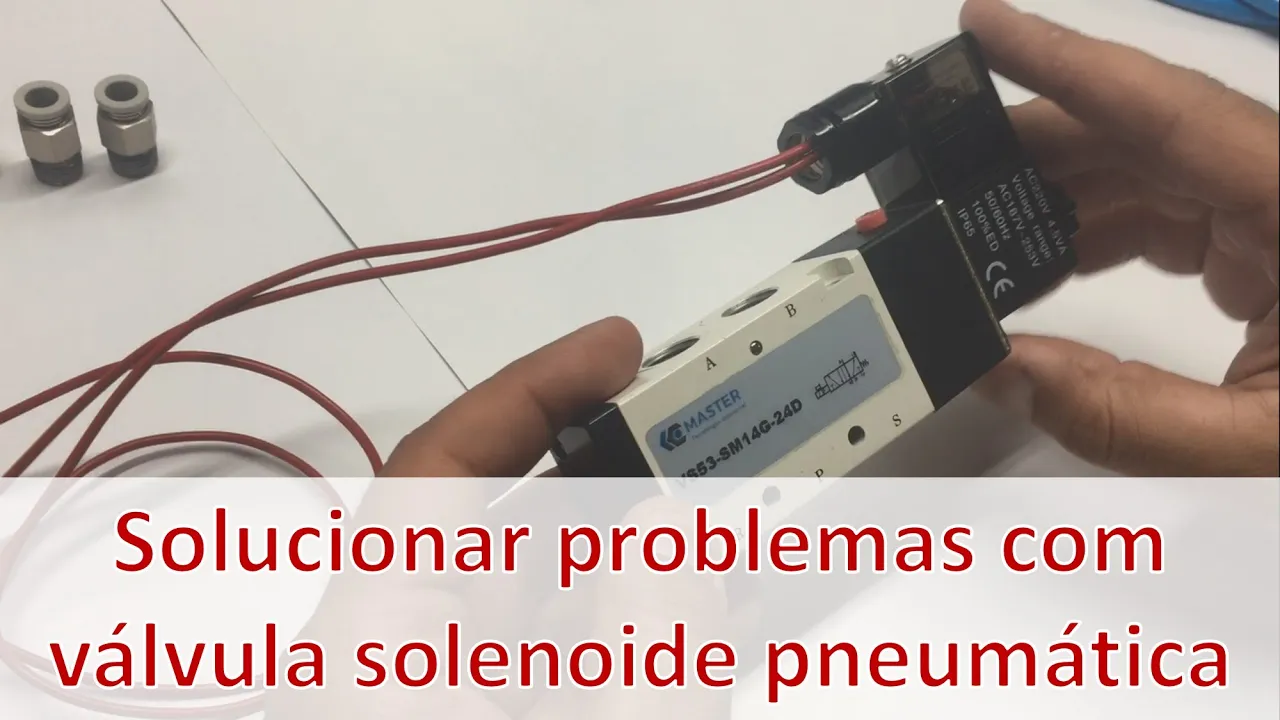
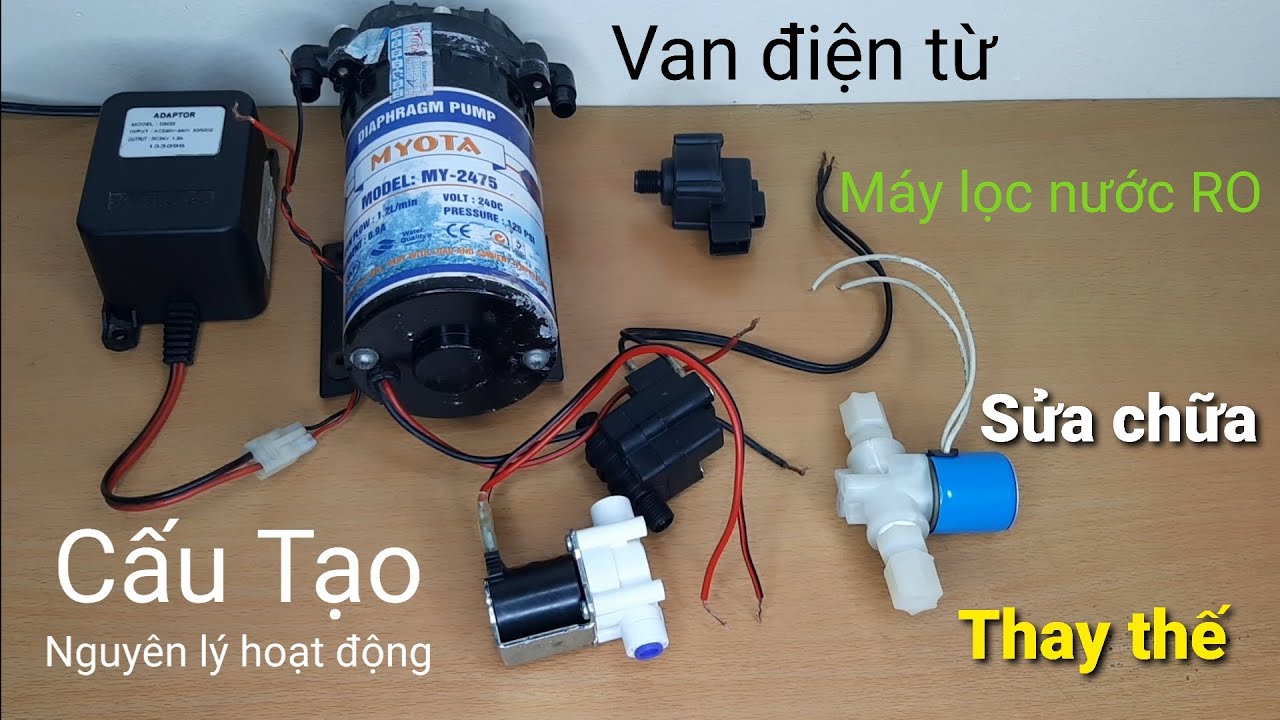
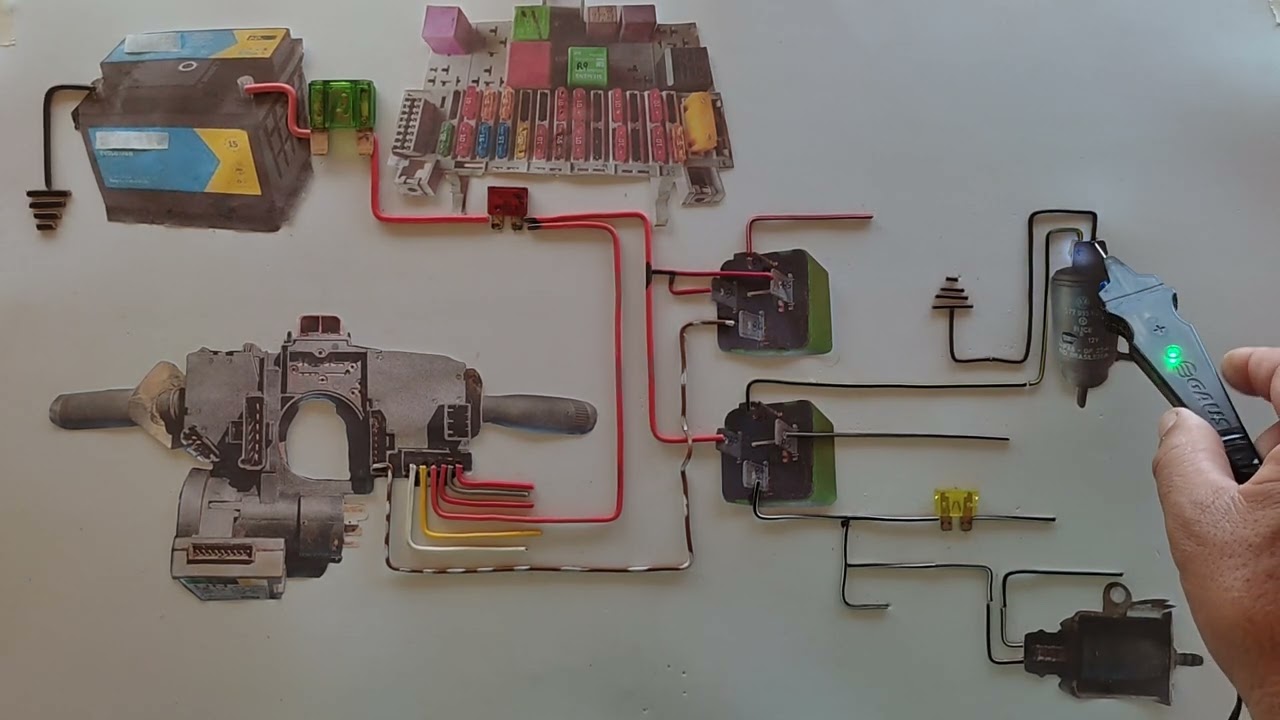
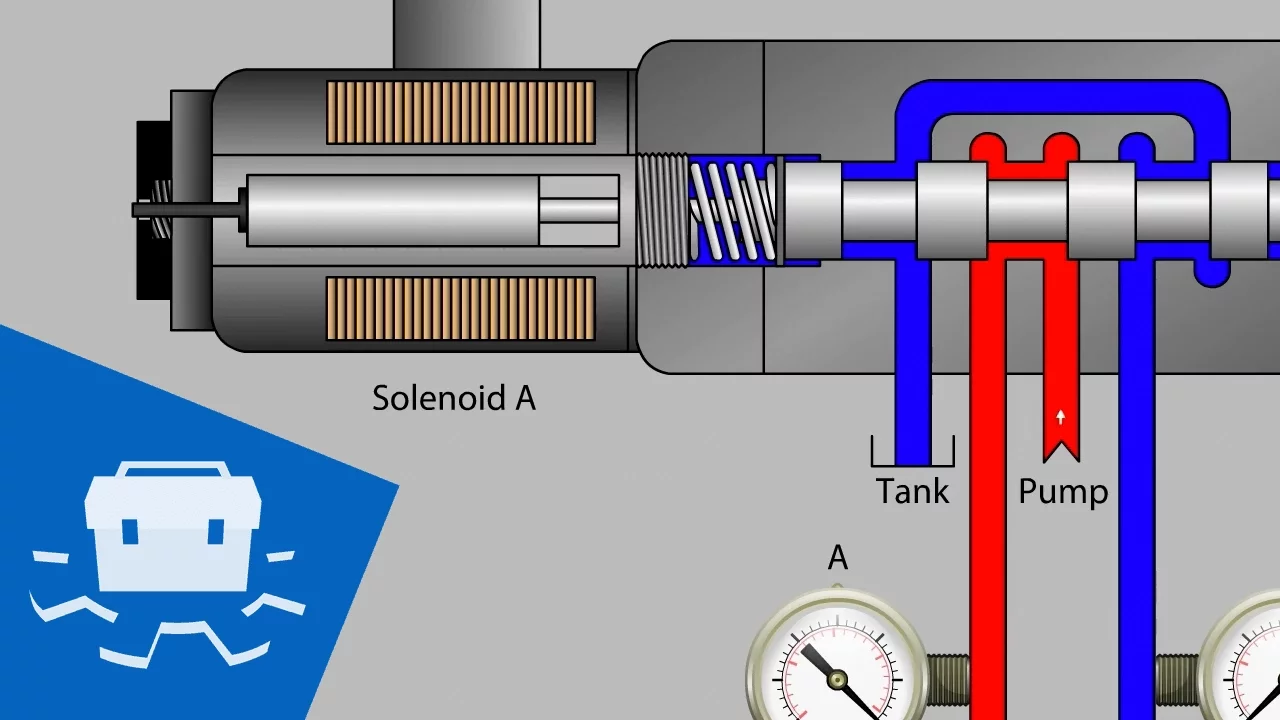
Solenoid valves convert electrical energy into mechanical energy using an electromagnetic field to control fluid flow; they consist of a solenoid coil on top and a valve mechanism below, with the coil generating a magnetic field that moves a plunger against a spring to either open or close the valve passage, allowing remote and autonomous control of liquids or gases in various applications such as refrigeration systems, HVAC equipment, and industrial processes.
How Solenoid Valves Work: Actuator, Control Valve Working Principle
Added:Basic electromagnetism, specifically how an electrical current flowing through a coil generates a magnetic field.
Fundamental fluid mechanics, including pressure, flow rate, and how fluids behave when passing through restricted orifices.
The basic concept of mechanical force balance, particularly involving springs and moveable plungers/pistons.
Elementary electrical circuit principles, such as voltage, current, and the function of a simple switch.
Integration of solenoid valves into complex pneumatic and hydraulic control circuits.
Automation and control system programming, such as interfacing solenoid valves with Programmable Logic Controllers (PLCs).
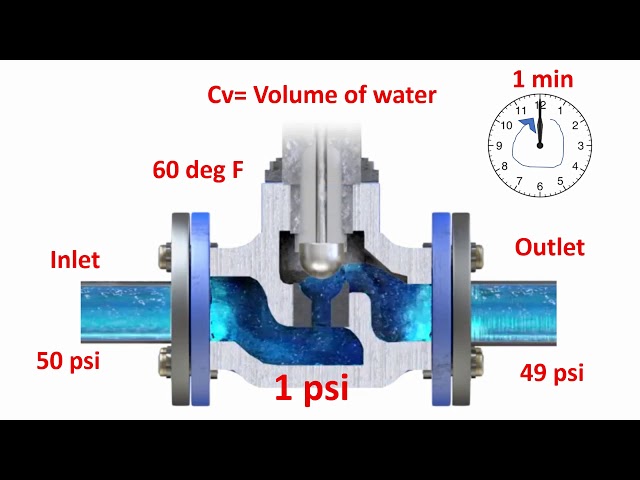
Engineering criteria for valve selection, including flow coefficients (Cv/Kv values), pressure ratings, and material chemical compatibility.
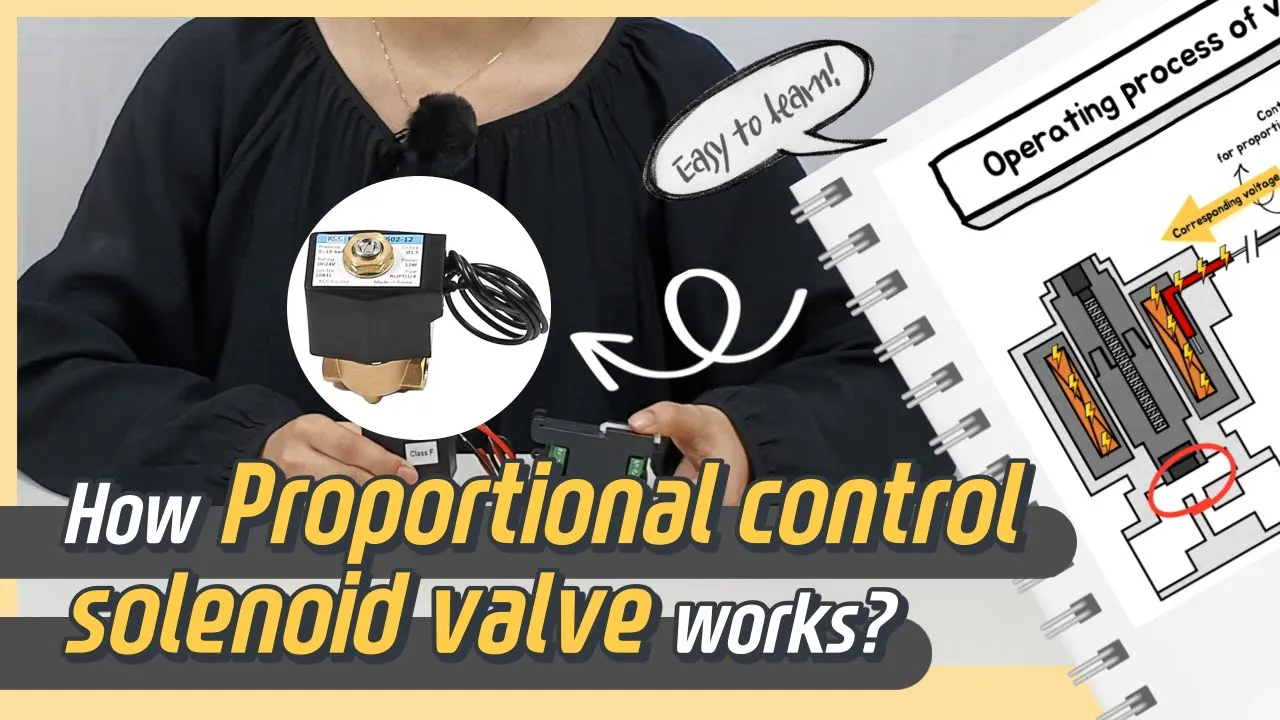
Advanced control valves, such as proportional solenoid valves and their PID closed-loop control systems.
Industrial maintenance, diagnostic testing, and troubleshooting common solenoid valve failure modes (e.g., coil burnout, debris blockage).
3.1M views41.4Klikes7:31Original Release: 2019-03-04
Hey there guys.
Paul here from theengineeringmindset.com.
In this video, we're going to be learning the basics of how solenoid valves work.
Coming up, what do they look like?
Why are they used?
Where are they used?
And how do they work?
If you are working with solenoid valves, you're going to want to download the Magnetic Tool app from Danfoss, who have kindly sponsored this video.
The app makes it easy to test that your solenoid valve is working properly and works with both AC and DC versions.
You can download it for free for Android and iPhone using the link in the video description below.
Solenoid valves are used to convert electrical energy into mechanical energy.
Solenoid valves have quite a distinctive look about them.
As you would expect, they have the valve body, but on the top they have a block, which will have some cables coming out once the valve is installed.
This top part is the solenoid, and the bottom part is the valve, therefore making a solenoid valve.
Here's a small real-world solenoid valve, and in the next solenoid video, we're going to actually cut this one open to look inside as well as make a very simple solenoid valve ourselves to understand the mechanics of how it operates.
Now these valves do come in a variety of shapes and sizes.
I'll just show you some examples here.
The shape variation depends on the capacity of the valve, the pressure it's working with, and the different internal mechanisms, which we'll look at later on in this video.
Why do we use solenoid valves?
Well these valves allow engineers to autonomously and remotely control the flow of fluid within a system.
This fluid can be a liquid or a gas, for example, water, air, natural gas, oil, steam, refrigerant, etc. The list goes on and on.
The solenoid coil on the top is used to operate the valve by passing an electrical current through it to create an electromagnetic field and operate the valve.
This means, if it is connected to a controller, it can be operated autonomously and remotely by a computer, without the need for engineers to physically run around, opening and closing valves.
This allows systems to run much more efficiently and safely.
So where do we use or find solenoid valves?
The short answer is everywhere.
Solenoid valves can be found in everything, from washing machines up to space rockets, although we're going to focus on the industrial and HVAC applications for this video.
Let's have a look at some examples.
In commercial refrigeration systems, we're almost certainly going to find at least one solenoid valve in the system, and it's usually found in the liquid line near the expansion valve.
We've also covered how expansion valves work in a previous video.
Do check that out.
Links are in the video description below.
You can see this example here from the air handling unit which I was recently working on.
This has a double direct expansion cooling coil inside to control the temperature of the air being sent around the building.
The top expansion valve and cooling coil is always on when the system operates.
But the second expansion valve and cooling coil only come on in the summer, when the cooling load is too large for the single coil to handle.
The solenoid valve is therefore used here to isolate the second coil and the expansion valve until it is needed.
The controller then sends a signal to the valve to open and provide the additional cooling.
Another very common application for solenoid valves in refrigeration systems is in the hot gas defrost line to control the flow of hot refrigerant into the evaporator during the defrost cycle.
When the moisture in the air condenses on the tubes of the evaporator, it will freeze and cause a buildup of ice.
We need to remove this to ensure efficient operation, so we open the solenoid valve to send hot refrigerant from the compressor through the evaporator instead of the condenser.
Then, once the defrost has completed, the solenoid valve shuts and the system continues as normal in cooling mode.
In industrial applications, we can use these valves to precisely control the flow and mixing of fluids, for example, to pour a perfect amount of fizzy drink into a bottle on a production line.
We might also find solenoid valves being used in a production line to detect and prevent leaks.
If a sensor detects a leak from the pipework, then a controller will tell the solenoid valve to close to shut that part of the production line off and prevent product being wasted and also protect the manufacturing equipment until engineers can get there and fix it.
So how do they work?
As we saw earlier in the video, there are a few variations in how the valve operates, depending on the required capacity and the pressures it's working with.
We're going to focus on the directly operated valves, which is the simplest version.
With a direct operated valve, we have the solenoid on top, which is basically a coil of wire.
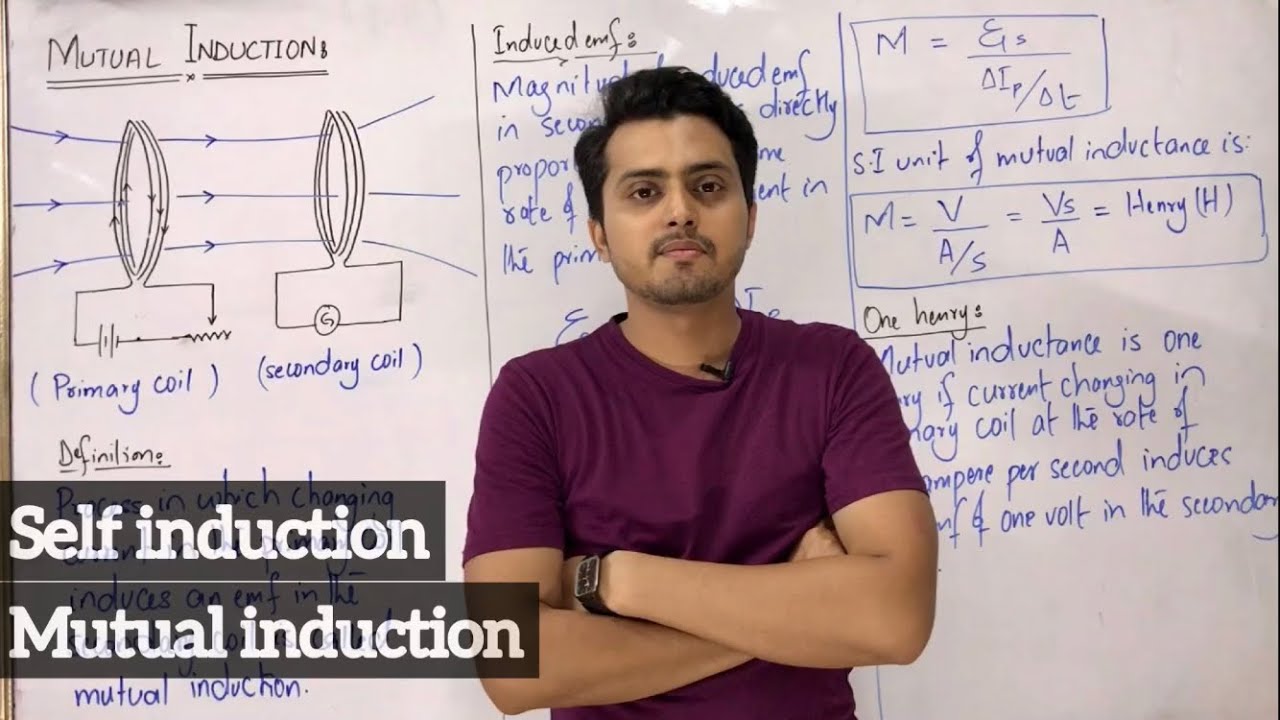
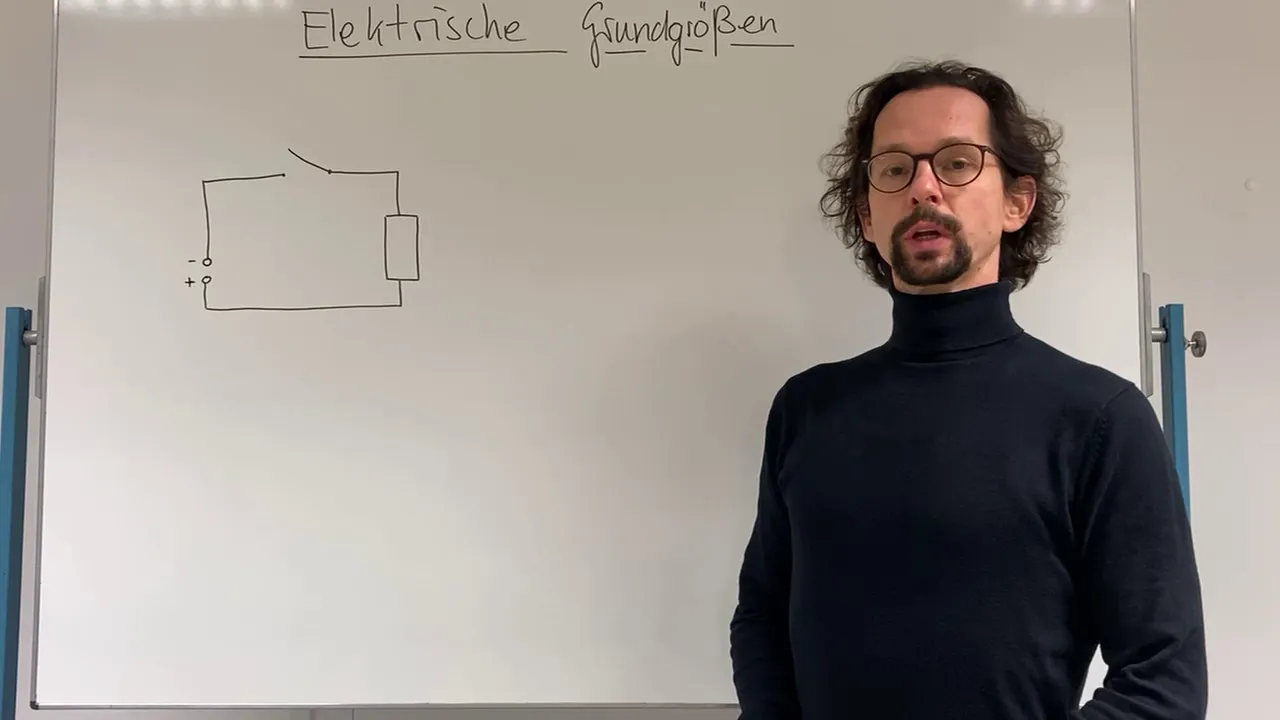
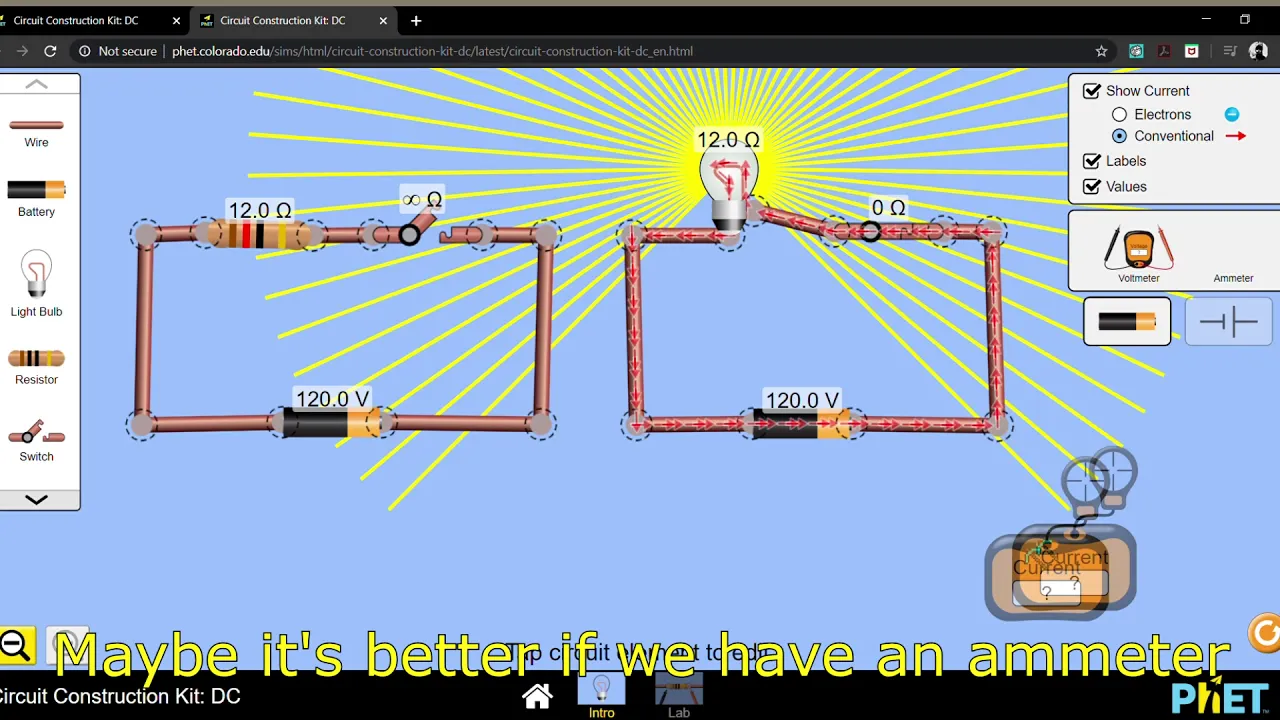
As you may have seen in our electrical videos, when you pass an electrical current through a coil, we generate an electromagnetic field.
This magnetic field is what we'll use to control the valve.
We have two types of valve, the normally open and the normally closed type.
Let's look at the normally closed type first.
So inside the valve we have the armature.
The solenoid is placed over this and completely surrounds the armature so that it's at the centre of the magnetic field.
Inside the cylinder of the armature is the plunger and spring.
The spring pushes the plunger down in a normally closed type valve.
Because the plunger is pushed by the spring, it will sit in the down position to close the valve indefinitely.
But if the coil receives an electrical current, then it would generate an electromagnetic field, and this magnetic field passes through the plunger and will cause it to move upwards, against the spring, therefore opening the valve.
At the centre of the coil, the magnetic field lines are the most compact, and therefore the strongest.
This is why we place the plunger in the centre.
Once the electrical current is stopped, then the magnetic field disappears and the spring will force the plunger down again to close the valve.
With normally open valves, we again have the coil sitting around the armature, but this time the spring pushes the plunger in an upwards position so that the valve is always open, unless the solenoid coil is powered on.
There are a few different designs, but one of the simplest to understand is if we pass a current through the coil in the opposite direction, it again creates an electromagnetic field, but this time the field pushes the plunger instead of pulling it.
When the plunger is pushed, it will close the valve and stop the flow of fluid in the system.
When the electrical current is stopped, the spring will then force the plunger back to the upwards position and open the valve again.
In this very simple version, the direction of the current flowing in the coil is what determines whether the coil produces a pulling or pushing force on the plunger.
Now we're going to look at that in much greater detail in our next video, and we're going to even make a simple solenoid coil ourselves to see how this operates.
Can you think of any interesting application for these valves?
If so, then please let me know in the comments section down below.
I just want to remind you to download the Magnetic Tool app from Danfoss for free using the link in the video description below.
Okay, guys, that's it for this video, but if you want to continue your learning, then check out one of the videos onscreen now, and I'll catch you there for the next lesson.
Don't forget to follow us on Facebook, Twitter, Instagram, and of course TheEngineeringMindset.com
Up Next

4:36
Control Pneumatic Cylinder with Arduino: MOSFET Circuit Design
@itstriggy4814
261.4K views•2019-12-29
30:32
Ultrasonic Transducers: Resonant Frequency Measurement and Horn Design
@imajeenyus42
229.9K views•2017-02-22
54:16
Polymer Environmental Degradation: Mechanisms & Stabilization
@iit
1.8K views•2012-07-10

33:39
How a Student's Question Saved a NYC Skyscraper from Collapse
@veritasium
22.8M views•2025-04-26
Related Study Plans & Knowledge Roadmaps
Structured learning paths in Engineering
engineering
Building Acoustic Levitators: Physics & Arduino
01The Physics of Sound and Standing Waves
02Piezoelectric Transducers and H-Bridge Drivers
03Arduino Programming: Generating 40 kHz Signals
+ 2 more learning modules
14h5 modules
Explore Roadmap
engineering
Building Peltier Cloud Chambers: Particle Tracks
01Cosmic Rays & Cloud Chamber Physics
02Thermoelectric Cooling (TEC) Fundamentals
03Custom Liquid-Cooling Loop Design
+ 2 more learning modules
18h5 modules
Explore Roadmap
engineering
Yagi-Uda Antennas: Modeling, Build & VNA Test
01Introduction to RF and Antenna Fundamentals
02Yagi-Uda Antenna Design Principles
03Antenna Modeling and Simulation in 4NEC2
+ 2 more learning modules
18h5 modules
Explore Roadmap
engineering
ECG Monitor Design: Op-Amps, Filters & Noise
01Electronics & Breadboard Basics
02Op-Amps and Instrumentation Amplifiers
03Bioelectricity and ECG Fundamentals
+ 2 more learning modules
18h5 modules
Explore Roadmap