
















![/r/GamersRiseUp: The Banned Reddit Community That Went Joker Mode [Ft. Ordinary Things]](https://i.ytimg.com/vi/f-koSPzuhoQ/maxresdefault.jpg)





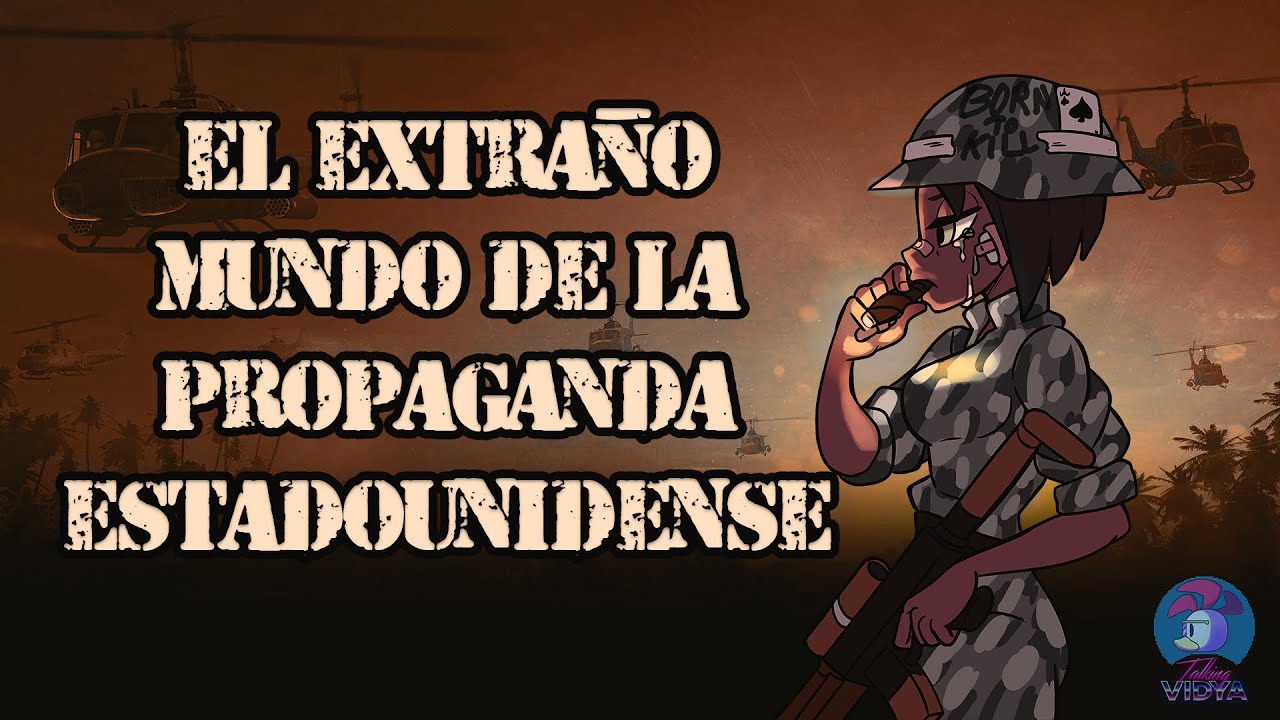
Popular entertainment media like Helldivers 2, Starship Troopers, and Warhammer 40,000 often use satire and critique to explore themes of fascism, military-industrial complexes, and authoritarianism, making it essential for media literacy to recognize these underlying messages rather than accepting surface-level narratives at face value.
Media Literacy and Fascism in Helldivers 2: A Critical Analysis
Added:Understanding the core tenets of Fascism and Totalitarianism, including militarism, hyper-nationalism, and state-controlled propaganda.
The literary definition of Satire and Irony, specifically how creators use exaggeration and subversion to critique rather than endorse an ideology.
Basic concepts of Media Literacy, particularly how to identify biased narratives, framing, and the distinction between authorial intent and audience reception.
Familiarity with the narrative premises of popular sci-fi universes like Starship Troopers and Warhammer 40K, which use extreme militaristic settings.
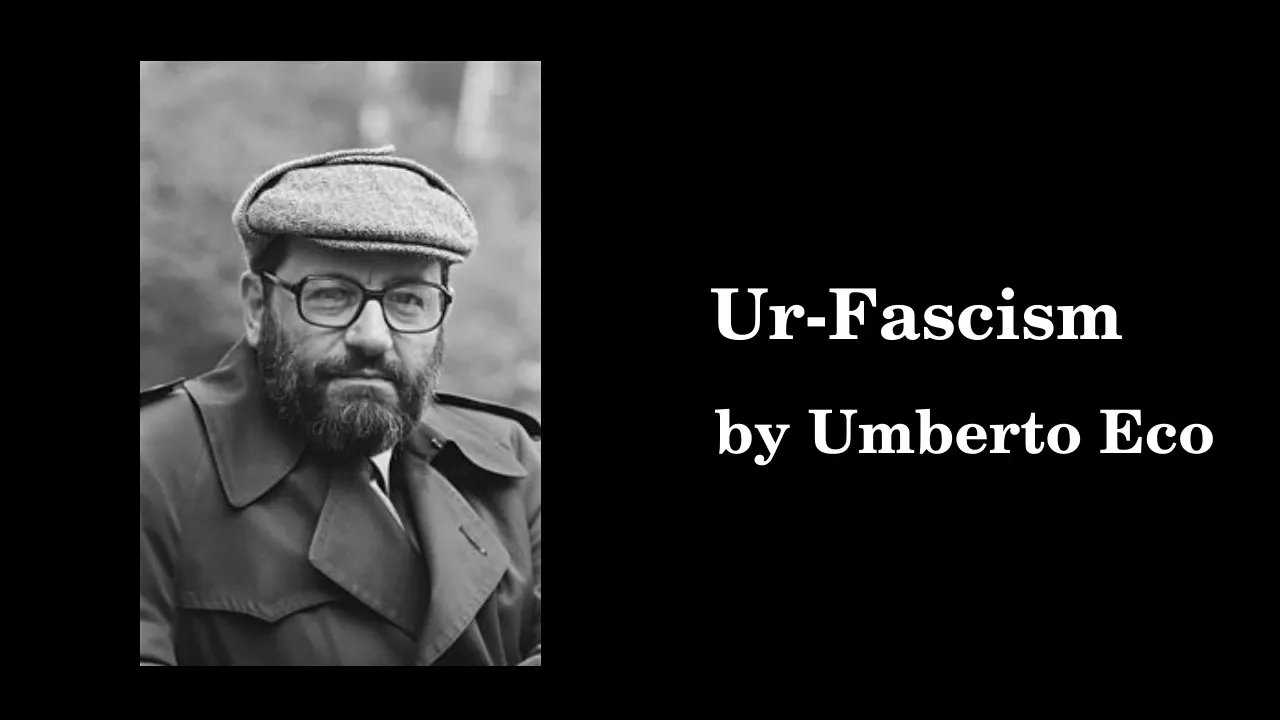
Exploring Umberto Eco's essay 'Ur-Fascism' to analyze the specific, recurring characteristics of fascist ideology in both fiction and real-world history.
Investigating the concept of Ludonarrative Resonance: How gameplay mechanics in Helldivers 2 (e.g., friendly fire, bureaucratic reinforcement systems) actively reinforce its political satire.
Studying 'Poe's Law' and the sociological phenomenon of audiences unironically adopting or glorifying extremist ideologies that were originally intended as parody.
Applying critical discourse analysis to modern military recruitment campaigns, political rhetoric, and state-sponsored media to detect contemporary propaganda techniques.
6.3K views434likes35:02Original Release: 2024-03-17
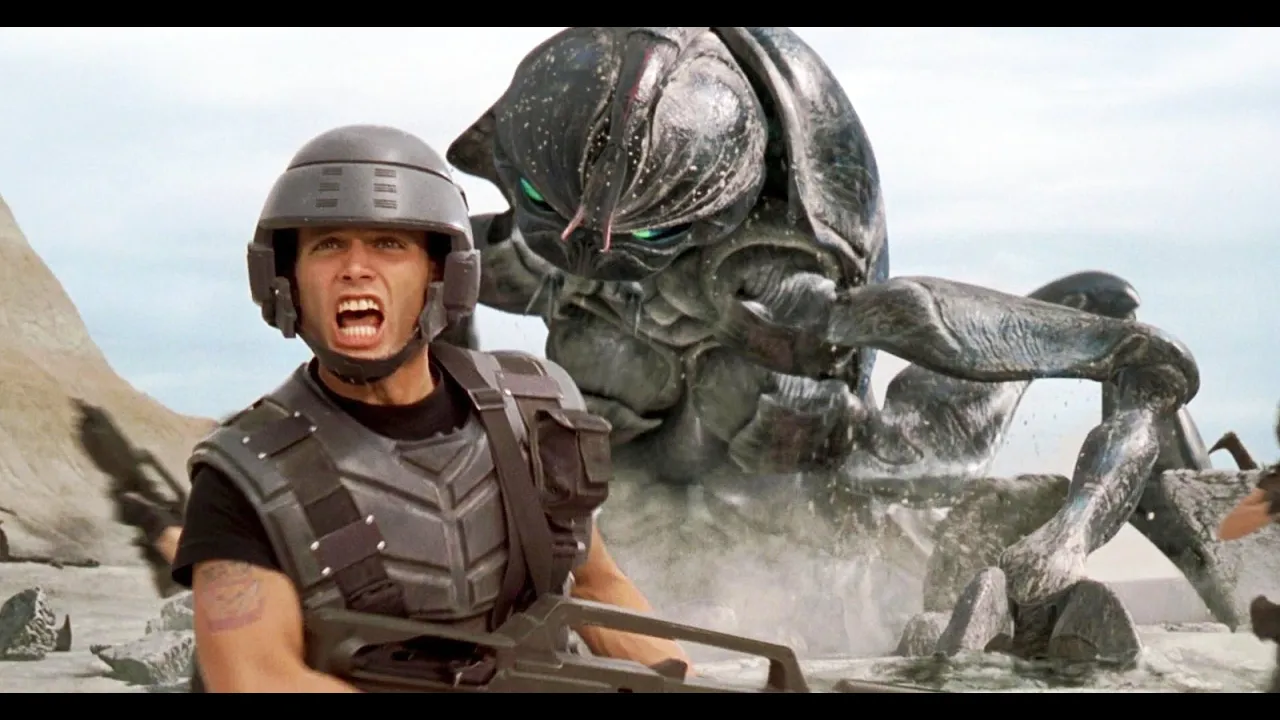
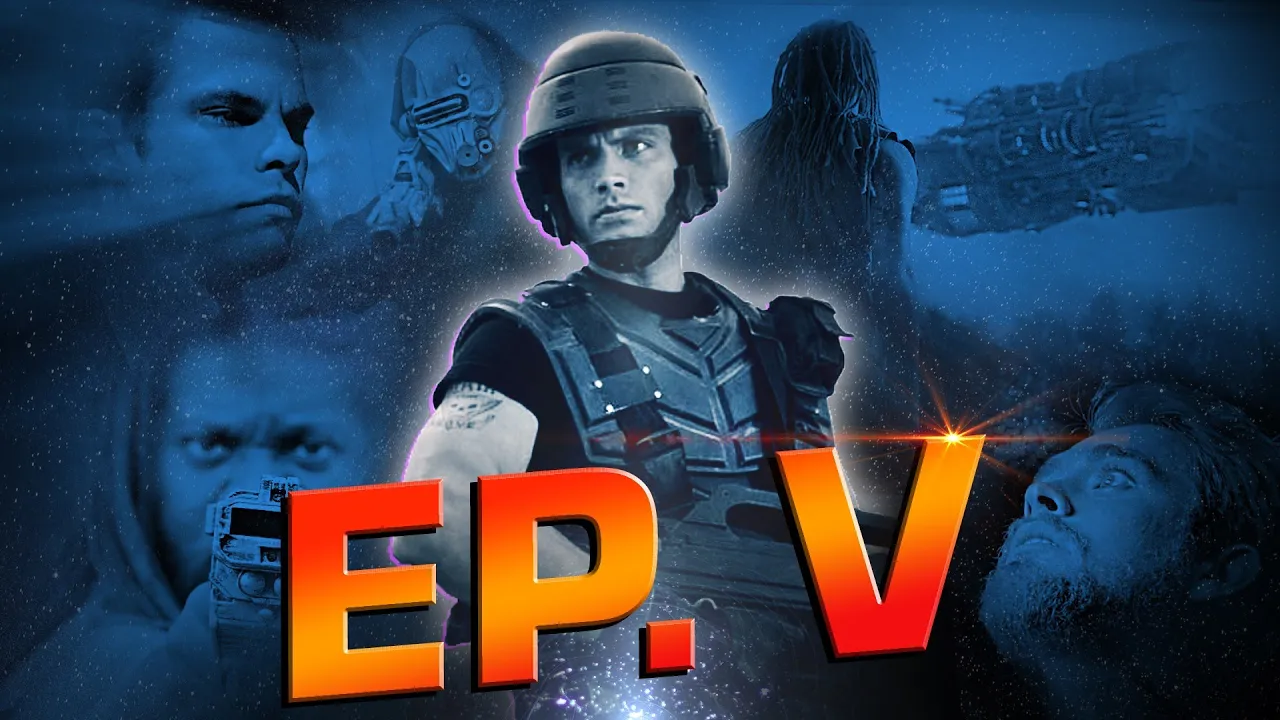
command we're trapped we need more bodies hitting the floor we were given the extra budget of 50 divers for meeting our 710 quota early this week where's the verhoven unit wait what they were secretly woke the whole time what about the adep of soras the sisters of battle sacal wait who turned them into humanoid goats all right fine call the metal gears get get those nukes in here what l l all right fine whatever just call in the atraes then all right so I'm going to put this down cuz I don't I don't know what to do with my hands um so hell divers 2 yes we're talking about hell divers 2 today hell divers 2 is the hottest game to come out this year since po world so hell divers 2 was P world and I mean it makes sense though the the sense of camaraderie the ability to deploy some absolutely big brain tactics and the ability to just absolutely decimate the enemy with the latest and greatest of super Earth's technology and you get to show the absolute strength of the iron Warriors of democracy with an imperial fist I mean what can get better than that but there's a large chunk of people who either just don't see or just straight up ignoring the message and warnings that are pretty blatantly told in this game uh this type of fatherless behavior is very concerning in my opinion so this is my attempt to take everything I tell my kids give it all to you and you can either tell your kids or you know your family or what have you and also if you want some sort of proof or whatever of my internet clout um I've gotten my C1 perm four times that's four more than you so you know I'm stepping on them bugs before your girl steps on me my name's Elijah this is my series of mated games i' let my kids play this whole thing is just me talking about mated games I played either before I was 17 or games that I probably would have played before I was 17 and if there are little parental nuggets of wisdom that I can take from those games and pass it forward to the next Generation cuz like 75% of you kids are so freaking amazing and the other last 25% like let's let's get you some better male influences so that sounds like your jam be sure to click like And subscribe in the dooblydoo because I'm sitick and tired of hearing about toxic masculinity stuff online and this is my Grim dark attempt to do something about it it all right first off right off the bat I want to thank all the people who have taken the time to watch my last video about the black history black metal that's probably one of my best performing videos I think ever so far and I mean it it may say only you know 600 views or whatever but that's a lot for me so I really appreciate you guys taking the time to spend 30 minutes with me right off the bat let's do a little mini review with my thoughts about the game because apparently that's what we do now this game is absolutely a life service done right I think a big reason for that is that they've done a fantastic job of really putting in the live in life service the introduction of Joel into the whole meta Narrative of the game was absolutely genius whether or not he's real he's probably the perfect antagonist not a villain an antagonist which we will come back to later but um as a forever DM a forever dungeon master the thought of being able to run a campaign like this on a global scale is nothing short the stuff of dreams and because of such I want to emphasize something very important to some of you people who aren't really familiar with these types of role playing games Joel is not your enemy this is quite literally akin to yelling at God because your life isn't easy just remember be like job not Bluth but be like job thank the Lord for your salty wife and then go out there and go squash and one thing I really like about this game is is this really good sense of scale um not so much in the thing that like you know you feel like you're tiny against like a giant bug or anything like that or a giant robot but more so in the fact that like you just get a really good sense that like these things are bigger than you and they will instantly ruin your day the size difference doesn't really feel comical to me it feels more realistic it fills you with a sense of dread like when you realize that a Space Marine is not only 8 ft tall on average but like the prim marks themselves are 10 to 12 feet tall on average and the Emperor of mankind is being recorded is like 20 ft tall at one point in time but all those dudes can run at like 60 M an hour at minimum you wouldn't be able to mess your pants before you got got but I think the overall Vibe of this hellscape is pretty Immaculate things like the hell dier armors to me are a really Perfect Blend of more of a future military style and something like Halo with a tiny bit of flare and in-game contrast something a little bit sci-fi Kindle like you know Destiny but that contrast makes it a lot easier for you to notice your teammates and know which way they're running uh the weapons are very unwieldy and to be quite Frank they kind of feel like crap but I I feel like that is more part of The grander Narrative of the game with super Earth putting in these absolutely deadly and clunky weapons that have just as much of a chance of just like killing you and your teammates than it would killing all the enemies around you it almost feels like an in-game reaction to the Carnage unfolding around you another example of one of these weird yet justifiable I almost want to call it like a design flaw would be the fact that you can spend like a good 45es minutes just barely by the skin of your teeth completing a mission you know you you guys barely make it out alive you maybe have like two or three tickets left and you finally get everyone in the ship you float away but because it was just such an absolute crap show you guys didn't get much done but you made it out you got your objectives done you made it out and how do you get rewarded you get rewarded with one star saying that it like was a pitiful Victory or whatever something along those lines and then from there you get like barely any rewards it makes sense from a game design and it makes sense from a military industrial complex design does it annoy the ever living crap out of me yes but I mean that's the point of super Earth so it makes me feel kind of weird I'm like is this intentional or is it not but I mean yeah all in all why would anyone want to live in this hellscape of a world I don't I don't don't get it why are people being non-ironic about this before we talk about the very in yourface themes of these different pieces of media uh we first need to kind of Define the core concept of this video that's going to kind of connect everything together and that is called metalepsis and I hope I said that right this next section is going to be from a website called literary devices so you're going to have to bear with me I think I have a pretty good summary at the end metalepsis is derived from the Greek word metonimia which means substitution or sharing it's a figure of speech like a metoma however it is also an advanced form of figurative speech in which one thing refers to another thing that is only slightly related to it there are two ways to really make this Association one is through showing casual relationship to seemingly unrelated things and the other is through indirect intermediate replacement of terms so generally it's employed in a literary text to develop symbolism and metaphor by giving profound meanings to ideas and objects by using metalepsis the text shows deeper and hidden meanings and therefore it draws the attention of readers in addition it draws more poetic effect to the piece of writing itself the readers are provided with Illusions using another figure of speech in order to make them understand the hidden meaning communicated through it also it is used in literary comedies because the words in illusion could cause a comical exaggeration however in narratology metalepsis plays with the structure of a fictional book since the narrator may seem separated from the action but he instead interacts in the middle of the story to create heightened effect and deeper meanings for the readers and I think really like I said to sum it up I'm going let Brea finish this for me I know what it is it's like a thought with another thought's hat on and I think that Dan Harmon is probably one of the best examples of a storyteller that really Embraces this whole idea of metalepsis between community and Rick and Morty these shows are constantly not only breaking the fourth wall itself but literally breaking the traditions and foundations of traditional storytelling or traditional literary devices or tropes the world of the 1996 film Starship Troopers is filled with many moments of uncanniness and conceptual confusion that starts getting more and more weird and contradictory that the more think about it everyone from the introductory town of Buenos Ares has blonde hair green or blue eyes and American accent despite the fact that the city itself is in Argentina and normally people from Argentina look like this we quickly find out about the giant bugs that are somehow hurling asteroids across the Galaxy without any obvious technology or mechanism to do so their General populace has become so callous by their militarized society that saying something like I'd rather take 10 Lashes in the public square is a promise and not a threat the society itself seems very fascist but black people and women seem to enjoy equal status with CIS white men now little of this is actually explained but I mean it's all in there for you to start piecing together if you actually take the time to really kind of sit and think about it in order to quickly build some depth to this world primarily filled by action Starship Troopers uses a series of short films and news reports that are blatantly made as military propaganda these snapshots catch the viewer up on the war the alien villains the technology and the society this section straight up copies Old World War II news rails and Cribs Nazi imagery with iconography using similar more aggressively aligned colors and just going full Hugo Boss with it in the costume design one scene is commonly said to be directly inspired by Lenny reny's famous World War II film Triumph of the will it works so well because before we know anything about how the bugs work or anything about the characters will be following in this story we can see that this is a very dangerous war that has been going on for long enough for it to be considered normal and the alien bugs are incredibly frightening because we know literally nothing about how they work as a species or Collective Society a very common propaganda tactic in totalitarian regimes is that when teaching its citizens about war the less we actually know about the enemy The More Scary they will seem the oldest book man in the book is the thing that we know is repulsive and disgusting Beyond any and all words and tongues one point during the film we are greeted with the federal network logo before a segment called a world that works in what I would almost call a skit soldiers mingle with children a very easy way to make kids look up to the uniform peacekeepers as heroes in a position to Aspire to normalizing these types of interactions would certainly pay off once you get told that they're uping their recruitment quotas for the next wave of terminus the short itself ends with the children fighting over a giant assault rifle while the soldiers look on and laugh which is something that is only aged worse with each passing day on our hell Planet later we see our main characters just infantry of all things they're they're just the Imperial guards we see these infantry as they are randomly chosen to express their thoughts on killing bugs these kids which are straight out of high school making them between like 17 and 18 have fully transitioned into killing machines and are ready for action the anchors mentioned that there are some citizens who think a more cooperative and more pacifist policy is better than starting an allout War which triggers Rico and causes him to start spitting some very reactionary rhetoric I'm from Buenas and I say kill them all at another point in the movie a single statement is said that can sum up many of the themes of the world within this movie violence is the supreme authority it's very very hell divers isn't it after the set piece of the battle on bug Planet a scene that's actually foreshadowed during an earlier News segment a breaking bulletin updates us on the current death toll a 100,000 people dead in one hour along with the resignation of their Sky Marshall soon rumors that the bugs operate via a hive mine with the central brain bug that can think and Military strategy begin reaching the public which is shown via a talking head political debate show like in this show you have one pundit who wonders if it's possible that we don't understand everything about our enemies with her more militaristic more right-wing opponent literally like shrieking that he finds it offensive to imply that these creatures could think on any level of meaningful intelligence and like now that I'm thinking about it I have to I don't remember exactly the timing of everything but I wonder if the release of that information was a way to cover up the escalating death toll from that battle like to me when I compare Starship Troopers to other things like Warhammer or Star Wars or I guess right now you know June for my Australian people out there June um I feel like the overall message is pretty clear equality achieved only through a permanent state of war is not Liberation but totalitarianism by interjecting the plot points of the movie into that '90s internet interface shown at the beginning of the movie the film begins to resemble the in Universe propaganda that serves as its own unreliable narrator the battle scenes aren't heroic or Brave to quote Roger eert during his original review for the movie he said that they seem oddly joyless but then I mean like what what should this violence be like should it be triumphant exciting heroic Starship Troopers undercuts any sense of Triumph especially with this kind of abrupt anticlimax after the horrific battle on the bug planet with you know the mass casualties and the hundreds of thousands the troops managed to catch one of the airen brain bugs sort of the the queen of the hive mind so to speak uh Jenkins in PR or Jenkins played by Neil Patrick Harris is actually able to read its own Thoughts with his own psychic powers shout out to Warhammer Librarians and Enders Game and let's not even discuss the fact that these people being able to be psychically linked with the bugs is probably a really bad thing especially if they work in a hive mind but then you know he takes that moment to yell in excitement it's afraid and everyone cheers and the creature sitting there just like and then for the actual like conclusion of the movie itself I mean it makes the point of just sucking any residual sense of heroism or feel guttery just straight out the uh the airlock we see our protagonists who during this movie have narrowly escaped death several times both in training and out on the battle they came back from a mission that they were quite frankly not expected to come back for we see them excitedly marching back to battle under the guise of another freaking recruitment video which tells us that in this war the only reward for a battle well fought is a prospect of another chance to potentially die the Human Society of Starship Troopers is in a state of permanent War dominated by a hegemonic American culture that places military service above all other Civic responsibilities one that defines itself through military power and it's hollowed veterans like literally hollowed veterans another good quote from verhoven the director of the movie you could of course say that these kinds of statements bracket the film makes about fascism are not so much going back to the Third Reich I would say there are much more statements about American politics I mean the whole movie is about the United States all statements are about the United States now if you think about this and you think oh man this sounds so much like hell divers what do you think hell divers is about all right I'm kind of excited for this next part it is the 41st Millennium for more than a 100 centuries the emperor has sat and Mobile on The Golden Throne of Earth he is the master of mankind by the will of the Gods the master of a million Worlds by the might of his inexhaustible armies he is a rotting carcass writhing invisibly with the power from the Dark Age of Technology he is the caring lord of the Imperium for whom a thousand souls are sacrificed every day so that he may never truly die yet even in his deathless State the emperor continues his eternal vigilance Mighty battle fleets cross the the demon infested miasma of the warp the only route between distant Stars their way lit by the astronomicon the psychic manifestation of The Emperor's will vast armies give battle in his name on uncounted worlds greatest amongst them are his soldiers the adeptus authorities the Space Marines bioengineered super Warriors their comrades and arm our Legion the Imperial Guard and the countless planetary Defense Forces the ever Vigilant Inquisition and the tech Priests of the adeptus mechanicus to Only Name a few but for all their multitudes they are barely enough to hold off the everpresent threat from Aliens Heretics mutants and worse to be a man in such times is to be one amongst Untold billions it is to live in the cruelest most bloody regime imaginable these are the tales from those times forget the power of technology and science for so much has been forgotten never to be relearned forget the promise of progress and understanding for in the Grim darkness of the far future there is only War there is no peace amongst the Stars only an eternity of Carnage and Slaughter and the laughter of thirsting Gods I have always wanted to do that so thank you for indulging me all right so it is pretty well established that the setting of Warhammer 40,000 was created with a strong emphasis of more British style satire you have your standard puns like gazou M thraka being named after Margaret Thatcher you also have the obviously referential type of things like the Imperial arabes basically just being judge dreads over the years the satire has really been minimalized with the setting taking itself a lot more seriously but the the whole vibe of the satire since the Inception of the setting itself is still pretty well in now one of the core defining aspects of 40K has always been the depressing nature of the setting itself it's obliqueness that is so immense that it was the progenitor of a new term Grim dark whil it's in recent years the term is mainly used as an adjective to refer to extremely dark or distressing elements of like a fictional setting think Game of Thrones or Joe everie books if you're into that the origin of the term Grim dark is what is referred to as the Grim dark Noble bright scale of setting darknesses it refers to two aspects of the setting itself the Grim to Noble scale measures the extent to which a single person can have a meaningful impact on a setting in Noble worlds such as Star Wars a single person can change the universe of the setting for the better or worse in Grim worlds impact that a single person or even a whole Army can have on the fate of the world is very minimal the planet may be saved but it was only just to hold back like a tyranid high Fleet for just a couple more years in 40K even if the Emperor of mankind were to reincarnate off his Golden Throne the state of the Galaxy specifically the emperor himself being the living battery for interdimensional travel already Dooms Humanity to failure the second scale dark to Bright is much more straight forward referencing the tone of the setting and the presence of distressing elements from these parameters came 40K a setting where all factions whether they know it or not are locked in a war that literally could not ever end it's a world where no treaty may be brokered no cost of human lives was too high and no single individual really has the power to alter that and before you say roboute Gillan he might be able to unite the loyalist but he's essentially just gearing up for his own version of the Black Crusade which just proving my point so obviously I am of the mindset that in this universe there are no good guys except maybe the towel and definitely the gene still are cult because they're the most based of all the factions and I will say that every chance I get but overall the point of the universe is that everyone is war crimes on nearly the same scale many people when starting to learn about the lore automatically assume that humans and the Space Marines are good guys and that the ends justify the means this universe has Horrors beyond our comprehension that you know Bigg e also kind of helped to bring in so it's very easy to mentally cover up the bad parts of the familiar humans like the ctors and the exoit 45s I mean I mean the dreadnots and from there you end up taking the surface level messages and if you're good enough at killing at Warhammer the best fate that you can really hope for is that they let you die and be forgotten if they want to keep you around and to keep you fighting they will literally just throw your brain Blood and Guts into the nearest Mech and have you go to the closest battle for the glory of mankind somehow people who really take this setting so seriously ignore the glaring red flags of the single Galactic government having unrestricted power Hive World citizens living under the most messed up oligarchies possible military service is near Universal and compulsory and the various branches of the church State and military have near zero accountability outside of the chain of direct reports the state sponsored religion and the government is built around xenophobia hatred of any human outside accepted Norms which is written in the state policy see the abhumans as is hatreds of aliens and pretty much all of the non-human factions the ironia of all this is that the Emperor of mankind started to unify the Galaxy under the principle of a world that had an end to religion and to focus on the advancement of Science and what was his fate for being the Galaxy's worst dad he became the god of a religion that he never wanted and he ultimately hates with his entire Empire worshiping him on a literal Golden Throne due to this religious fanaticism it was deemed heretical to use anything that was not already invented and common place by the time that he died and if you take the time to dive into the Horus heresy it becomes something akin to a Greek tragedy you see the death and fall of Greek gods because their father absolutely Ely sucked which caused them to suck as fathers and leaders themselves except maybe Vulcan and Enron but that's like a series that I will do later if you like share and subscribe I mean you want to talk about clickbait I will do a tier list of ranking the different primarchs as fathers and Vulcan will probably be the top tier so to put a nail in this dead horse The Games Workshop designers themselves have had to emphasize several times that Warhammer 40K was written as political satire and it's not something to Aspire to there was a very Infamous incident in South America I believe where a person that was playing an army of Grey Knights because of course they were grey Knights they were essentially putting Third Reich iconography all over their army and when people brought it up to the tournament organizers and stuff they didn't kick him out they were like hey he just you know expressing himself with his warri army and so because of that people once again started the whole conversation of is Warhammer for like fascist people or is this something that I can actually play and so I am here to tell you that yes you can play Warhammer but I suggest just maybe sticking with onepage rules because it's a better rule set but you know as one of like the 15 black Warhammer fans out there on the internet I at least want you guys to know that there are literally dozens of us there are dozens of us dozens but at this point I am definitely digressing so in the Vox cast a 40K podcast published by Games Workshop they interviewed developer an mahotra where he comes out and just says it all pretty blatantly I think what's really unique about Warhammer 40,000 is that Grim grinding Darkness there's nobody that is good and there are certain people who are diluted within the background to think that they're the good guys particularly this Space Marine Chap and each of them has a storied history that tells them that they're fighting back the powers of Darkness they're fighting zenos but when you look at it they're actually a fairly awful fascist totalitarian regime that's purging anything that isn't them like you got to think about this the Space Marines are transhuman babies that spit acid and eat brains the primar are bad because while they may be strong and Valiant leaders most of them only know how to achieve peace through violence except Magnus he did nothing wrong and angron he like this dude angron got the worst deal in the existence of existence and obligatory uh [ __ ] arabus horse heresy is pretty much the only good place for the loyalist because of the sighting itself it was it was a civil war but even in that Civil War they were doing some very awful things to each other night Lord players stay away from me it was the emperor's mandates to Magnus that forced him to switch from loyalist to trade Magnus did nothing wrong the emperor's distrust of the primarch his Chosen and handcrafted sons that made lorgar immediately fall to chaos bringing Horus and his heresy with him and the emperor named his son Horus heresy what did he think was going to happen and Biggie himself who needs at minimum 1,000 psychers sacrificed to him every single day to perpetuate the interdimensional highway that allows for his Space Marines to travel the Galaxy and get into Wars assuming assuming they make it out of the warp with their minds intact doing some quick and dirty napkin math in the 10,000 years he has sat his useless butt on that Throne he has absorbed 3.65 billion people why do people actually want to live here why do people think that if they were in this universe they would somehow be one of the people that isn't in some sort of state of just [ __ ] upness and if for some reason you still don't see how this applies to Hell divers 2 I'm just going to start reading stuff straight from the wiki now to pout out my time a little bit first the game plays out in the year 2084 confirmed by Arrowhead Studios to be an homage to George Orwell's Watershed dystopian novel 1984 Super Earth's Ministry of safety is a shout out to oceana's histry of Love AKA mini love not least in its ongoing efforts to utilize brainwashing and mind control Technologies to help maintain internal security I don't know why I'm doing this but just bear with me the release date of the Starship Troopers novel was originally October 26 in 1959 and Liberty day which is celebrated by the citizens of super Earth is celebrated on October 26 the development team is mentioned the 1997 Paul verhoven film adaptation in his two sequels being a significant influence on the game which we covered earlier you're welcome the C1 perm child permit form required to reproduce as its own version in Starship Troopers as well and I got four this one this one's probably my favorite the game mentions the secc the super Earth Construction Company a government contractor that profits from rebuilding planets after its previous occupants have been wiped out by the military and this is literally just them calling out the aftermath of the gulf Invasion where the us would have their own contractors go in and rebuild stuff so that they would just make an insane internal profit privates on the hellbridge will sometimes bring up the hell diver cores use of a skull as their symbol and finally because we will be here even longer if I don't stop the surveillance Patriots that are mentioned by the CEO to be constantly monitoring super Earth's Interstellar and other Communications for signs of hiden alien sympathizers are very likely a not to the infamous patriot act as well as agencies such as the United States National Security Agency along with the Department of Homeland Security all right my kids are going to be home from school so I got to start wrapping this up so Warhammer hell divers and Starship Troopers are all sources of entertainment first and satirical theme second and it's okay to enjoy media where there's a lot of bad characters the lowest hanging example that I can think of would probably be Breaking Bad where you know the two leads are slowly being corrupted by the drug game and becoming the worst people imaginable but Walter White himself is never portrayed as the hero of the story he's a protagonist sometimes we root for the protagonist because they're going up against people who are worse than them but the protagonist and Breaking Bad is still absolutely a monster and terrible human being to the point of letting dozens if not hundreds of Innocents die let alone the Ripple effects of him running the largest drug Empire in freaking Nevada whatever they live the problem is where your existence of living in the game stays with you once you leave the game it makes sense for the Orcs to look down on the biological makeup and hierarchy of the Imperium because Orcs are technically fungus creatures which are superior life forms to humans in every way the difference is when you allow the laring of us vers versus them to get stuck in your head when you lay your head at night letting it fester and become the living usually online personification of what it means to be a weird fascist online Edge Lord this is why I started teaching my kids media literacy at a very early age that this is why I started this series as a means to discuss these things on a larger scale with other parents that are you know my age and thinking about these weird things too and there are a lot of games and shows that make this conversation a lot more more easy than you would think games like hell divers you have spec ops align and Metal Gear Solid they these games bash their message so hard in your face that I can pretty confidently let my kids play these games and at the same time explain the nuances of why a man named hideo kajima a man who was born during postor War II Japan why this guy kind of [ __ ] hates nuclear weapons and loves anime and cowboy [ __ ] but yeah this is why I started this particular series because some of you kids would be angry with me and what I had to say if you knew how to read boom got him wait no that doesn't really work in this context does it okay time for the outro and then I got to go get my kids I actually wanted to kind of really dive into the whole teaching F fascism through Children's Entertainment thing for a long while so this was kind of my chance to really start dipping my feet in that water um if all this was interesting to you please like share subscribe dobly do I want to try to hit 1,000 Subs by the end of this year that would be cool so if you are picking up what I'm putting down just leave a comment below let me know what you think let me know of some games that you would like me to kind of talk about I think my current list right now is about 75 games so I mean if you guys want to stick with me I can I can do this all day Captain America um yeah just take a couple minutes minutes to just really understand the point of your media please that's really the long and short of it but yeah I'm going to go ahead and go now um if you want to see [Music] oh
Up Next

21:51
Deadpool and the Simulation Hypothesis: An MCU Analysis
@FilmTheory
1.4M views•2024-05-05

12:54
Triumph of Orthodoxy Icon: Byzantine Art & History Explained
@BenCallan
2.1K views•2024-08-06

9:49
FastAPI vs Flask vs Django: Choosing the Right Python Web Framework
@TechWithTim
302.5K views•2024-05-26

1:42
Game of Thrones Opening Credits: A Cinematic Analysis
@gameofthrones
46.3M views•2011-04-18
Related Study Plans & Knowledge Roadmaps
Structured learning paths in General & Interdisciplinary Studies
general-studies
Elevator Engineering: History, Physics & Cities
01From Hoists to Safety Brakes: The Dawn of Vertical Lift
02Hydraulic vs. Traction: The Engineering Physics of Elevators
03Modern Speed, Safety, and Algorithms
+ 2 more learning modules
12h5 modules
Explore Roadmap
general-studies
Rubber: Material Science, History & Geopolitics
01Origins of Natural Rubber & Mesoamerican History
02The Chemistry of Natural Rubber & Vulcanization
03The Geopolitics of the Rubber Boom & Colonization
+ 2 more learning modules
12h5 modules
Explore Roadmap
general-studies
Containerization: Evolution, Logistics & Trade
01Ancient Trade & Bulk Cargo: Amphorae to Barrels
02The Industrial Revolution & Cardboard Packaging
03The Containerization Revolution: Malcom McLean
+ 2 more learning modules
12h5 modules
Explore Roadmap
general-studies
Textile Tech: Evolution, Labor & Global Impact
01Pre-Industrial Textiles: Handloom & Cottage Industry
02Mechanization: The Spinning Jenny to the Power Loom
03The Factory System & Global Labor Transformation
+ 2 more learning modules
10h5 modules
Explore Roadmap