



















The nuclear family (two parents plus children living together) is not a universal or natural family structure but rather a social construct that gained prominence in the United States during the 1950s Cold War era, coinciding with economic prosperity and suburban development; historically, diverse family structures including extended families, polygamous arrangements, and non-traditional kinship systems have been common across human societies, and contemporary data shows that only 20% of American households now consist of married couples with children under 18, reflecting ongoing evolution in family forms.
The History of the Nuclear Family: Origins and Evolution
Added:Basic sociological definitions of family structures, specifically distinguishing between nuclear, extended, and blended families.
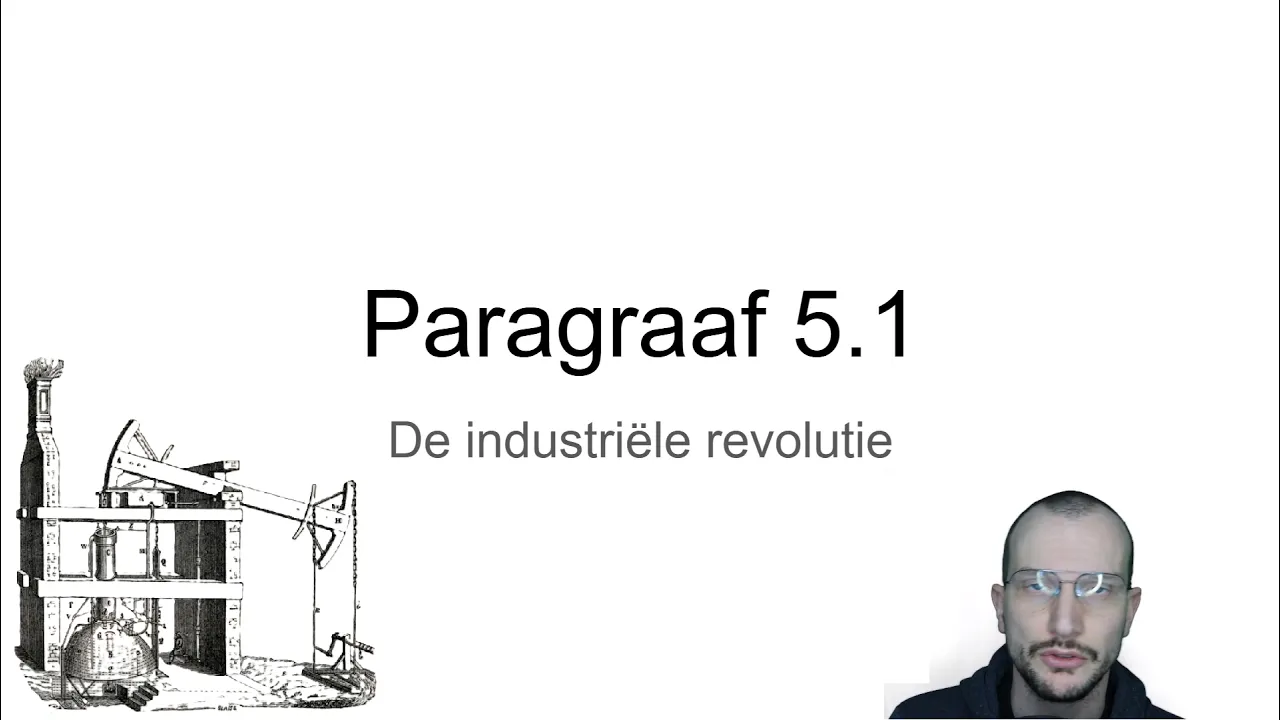
An understanding of the Industrial Revolution and how the shift from agrarian to wage-based economies altered domestic life.
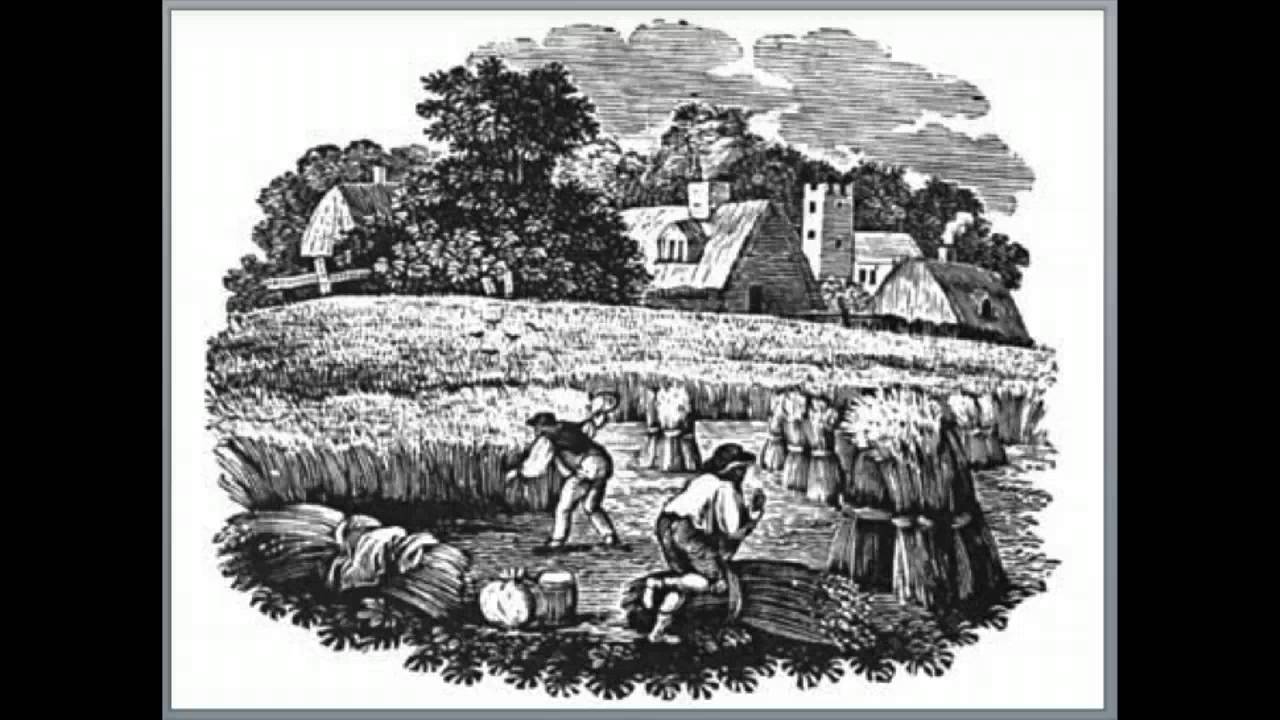
General historical knowledge of pre-modern European social structures and the role of the household as a unit of production.
The concept of gender roles and the traditional sexual division of labor in historical societies.
The post-1950s diversification of family structures, including the rise of dual-income households, single-parent families, and LGBTQ+ families.
Feminist and Marxist sociological critiques of the nuclear family as an institution that reinforces capitalist structures and gender inequality.
Analysis of how modern social policy, family law, and tax codes are adapting to support diverse, non-nuclear family configurations.
Cross-cultural studies of kinship systems to compare Western ideals of the nuclear family with communal or collective child-rearing practices globally.
271K views6.7Klikes8:44Original Release: 2017-11-21
[Music] we're all pretty familiar with the image of the American nuclear family with two parents a couple of kids in a loyal canine companion but when did we start thinking of the nuclear family as the most natural one so with Thanksgiving coming up we thought it would be fun to talk about family it's safe to say that most of us no more than a few families that don't fit into the typical nuclear family mold yet despite this diversity if asked to describe a prototype of the American family a lot of us will still recall images more reminiscent of Leave It to Beaver than anything we've witnessed in real life but if all of us can imagine or know families of all shapes sizes and styles then why does the expression nuclear families still get lobbied around to represent some sort of idealized unit well before we dive into the in congruous history of the family structure with the same name as the center of an atom we should ask ourselves what is the history of family structures before the idea of the nuclear family became the shorthand for normal so this answer varies based on time period region and culture kinship or the recognition of relationships between people within the same community or biological family plays a huge role in how we define our family structure and yes everyone all over the world has a biological ancestry but who and what we call our familiar relations is not that cut and dry in the Iroquois system your father's brothers were also your father and your mother's sisters were also your mother in the connection kinship system your mother's brother's daughter who we would call your cousin is also called your mother and in the matrilineal Maggio culture in northern China women freely chose their partners and who your biological father is is not considered very important at all frequently your biological father wouldn't even live with you and your mother's brothers often fill in the role of the father figure plus all of this is frequently even more complicated by language barriers so if you think your family structure is weird trust me it's not but in terms of European history from the 1500s until the dawn of the Industrial Revolution it was common for peasant families in northern and central Europe to live in two generational households consisting of the parents as the older generation in charge of the family and the children as the second generation that was also because kids were a big part of the economic structure of the household working with their parents to sustain the family's livelihood at any given point in time only less than 10% of these peasant families lived intergenerationally in part because a lot of the grandparents didn't live long enough to make this a reality and by the end of the Middle Ages most families in those regions were in the traditional nuclear format owing in part to the influence of the Christian Church sanctioned monogamy by contrast in the same periods in eastern and southern Europe intergenerational living was much more common with several generations of the family all living within the same household but not everyone thought the nuclear family was ideal in the 19th century researchers who were studying family structures theorized that nuclear families they observed in manufacturing regions of Western Europe and in England might not be the best since once children left to form their own families it left elder parents alone there are also other structures that were practiced such as conjugal families or families that were connected through marriage and consanguineous families that are connected by their common bloodline but another big part of how families were defined centered on the question of marriage although there are more contemporary notions that marriage are about love fidelity building a life together and making huge centerpieces out of mason jars that wasn't always the case marriage is an ancient custom dating back thousands of years and evidence shows that marriage customs have buried as widely as family structures according to Stephanie Kunz author of marriage a history a lot of those marriages were more about family connections than love what marriage had in common was that it really wasn't about the relationship between the man and the woman it was a way of getting in laws of making alliances and expanding the family labor force now romantic and marriage includes a laundry list of options like arranged marriages where families choose their children's spouse or polygamy where there are multiple marriages within one defined group that includes both polygamy or one man with multiple wives and polyandry are one woman with multiple husbands and although polygamy is the more commonly known practice accounts of polyandry exists in approximately 53 societies around the world such as Tibet although religious marriages have a long history as centuries have passed the state has played a larger and larger role in regulating marriage practices so a marriage can have a religious ceremony a civil ceremony or a combination of both and it wasn't until the last 250 years or so that the idea that marriages should be love matches started gaining traction so we've established that families have lots of different shapes sizes and customs so that brings us to our next question when did the nuclear family become shorthand for the American household well the use of the specific phrase nuclear family and English can be dated back to the 1920s but as the evidence shows the concept or form of the nuclear family wasn't exactly new but in the 1950s u.s. the Cold War was accompanied by an economic boom the growth of suburban developments on the outskirts of major cities and a growth in the middle class and a population surge all of which encouraged the nuclear family but it wasn't inherently a natural development PSAs and how-to videos broadcast across the country were specifically designed to teach families how to behave appropriately and what to do if they were going to achieve this stylized ideal but these realities were marked heavily by divisions of class and race as the civil rights movement of the 1950s and 60s was occurring simultaneously so even though in the 1960s some historians and sociologists interested in family structures were concluding that nuclear families were the only widely spread version of the family the contemporary reality for many American families differ greatly from the ones presented in popular media but I mean if even the Brady Bunch was blended then that leads us to asking our final question is the nuclear family really the most popular form in the US and if not what kind of families are out there well let's look at the data according to the US Census Bureau in 2012 sixty-six percent of households were family households down from 81% in 1970 and in those same years married couples with children under 18 dropped from 40 percent to 20 percent black and Latino children were more likely to live in single-parent households and households with only one person jumped from 17 percent to 27 percent so it seems that while married couples with kids still describes a substantial number of families in the u.s. that number is shifting every day but in the last hundred years marriages and families have continued to evolve at least in regards to the types of unions becoming legally recognized and visible in the popular consciousness the political and legal system of region can determine the types of marriages recognized by law which in turn impacts the type of families that are visible in 1967 the Supreme Court case of Loving v Virginia struck down all laws prohibiting interracial marriage in the United States and in 2015 obergefell versus hodges ruled that laws against same-sex marriage in the US were unconstitutional but families also exist outside of legal and state recognition and that's not a new phenomenon an ancient Greece alumni was the term for children who were fostered by another family and there is legal precedent for adoption dating back to the Code of Hammurabi in the 18th century BC and today there are over a quarter of a million adoptions worldwide every year so clearly blood ties marriage and children aren't the only ways that family can be defined so how does it all add up well marriages families and kinship groups have been going strong for thousands of years in almost every configuration that we can think of and that includes the nuclear family but while the image of the nuclear family is often held up as the ideal and only form a family can take whether or not that's true seems to vary by social group and region but as we gear up for the holidays and think about passing various side dishes to members of our own family with both joy and maybe a little bit of caution it's important to remember whatever form shape or size it takes we have the power to define what family should look like for ourselves so what do you think any funny family stories to share drop them below with all of your questions and we'll see you next week so last week we did an episode on why women give birth lying down and Krystal Murray on Facebook had a really great question she says I can't remember the exact dates but some doctors also started sameer campaigns against midwives to try to get women to give birth in hospitals this is a really awesome question there were ads running around the early and mid 20th century to encourage women to switch to hospitals although the content of the ads and how they represented midwives varied some are interested in disparaging midwives as unsafe while others I've seen where health department videos focused on standardizing midwifery as a practice since they provided vital services to women who were far away from hospitals I'll drop some of these examples and links in the works cited since time period is really important to the answer for this question on how midwives are represented in popular media thanks for watching and thanks for the great question [Music]
Up Next

35:10
Engels on the Origin of the Family, Private Property, and the State
@redpen1917
27K views•2025-07-04
54:57
Contemporary Sociological Theory: Micro, Macro, Integrative
@NaSESYNC
45.7K views•2016-02-17
19:23
How to Analyze Conversations Scientifically | Elizabeth Stokoe | TEDx
@TEDx
1M views•2014-12-04
9:41
What is Sociology? The Sociological Perspective Explained
@crashcourse
4.6M views•2017-03-13
Related Study Plans & Knowledge Roadmaps
Structured learning paths in Sociology
sociology
Celebrity Culture: From Hollywood to TikTok
01Foundations of Celebrity Sociology
02The Rise of Micro-Celebrity & Digital Platforms
03Parasocial Relationships & Algorithmic Intimacy
+ 2 more learning modules
12h5 modules
Explore Roadmap
sociology
Hostile Architecture: Space, Power & Control
01Introduction to the Sociology of Space
02Social Control and Surveillance in the City
03Hostile Architecture and Defensive Design
+ 2 more learning modules
12h5 modules
Explore Roadmap
sociology
Loneliness Epidemic: Third Places & Isolation
01Foundations of Social Capital and Community Cohesion
02The Death of Third Places and Urban Space Erosion
03The Privatization of Leisure and Atomization
+ 2 more learning modules
12h5 modules
Explore Roadmap
sociology
Sociology of Tourism: Gaze, Power & Heritage
01Foundations of the Sociology of Travel and Leisure
02John Urry and the 'Tourist Gaze'
03Staged Authenticity and Cultural Commodification
+ 2 more learning modules
14h5 modules
Explore Roadmap