





















![(AGT5E8) [Game Theory] Nash Theorem and Nash Bargaining Rule](https://i.ytimg.com/vi/TpFsJ9240TM/maxresdefault.jpg)


Strategic thinking involves mastering three key elements: frame control (defining the context of interactions), silence weaponization (using pauses to extract information and maintain power), and information asymmetry (knowing more than you reveal). The ethical savage approach combines strategic effectiveness with integrity, allowing individuals to win negotiations, build coalitions, and achieve goals without becoming manipulative or unethical. This framework teaches that power comes from positioning, timing, and emotional regulation rather than force, enabling people to outsmart opponents while maintaining their moral compass.
Strategic Negotiation and Emotional Control: The Ethical Advantage
Added:Basic Negotiation Terminology: Understanding foundational concepts such as BATNA (Best Alternative to a Negotiated Agreement), ZOPA (Zone of Possible Agreement), and reservation price.
Fundamentals of Emotional Intelligence (EQ): Familiarity with the core pillars of EQ, particularly self-regulation, self-awareness, and empathy, as they apply to interpersonal communication.
Distributive vs. Integrative Bargaining: Understanding the structural differences between value-claiming (win-lose) and value-creating (win-win) negotiating strategies.
Introduction to Business Ethics: Basic awareness of ethical frameworks and how they guide professional conduct, honesty, and fair dealing in commercial transactions.
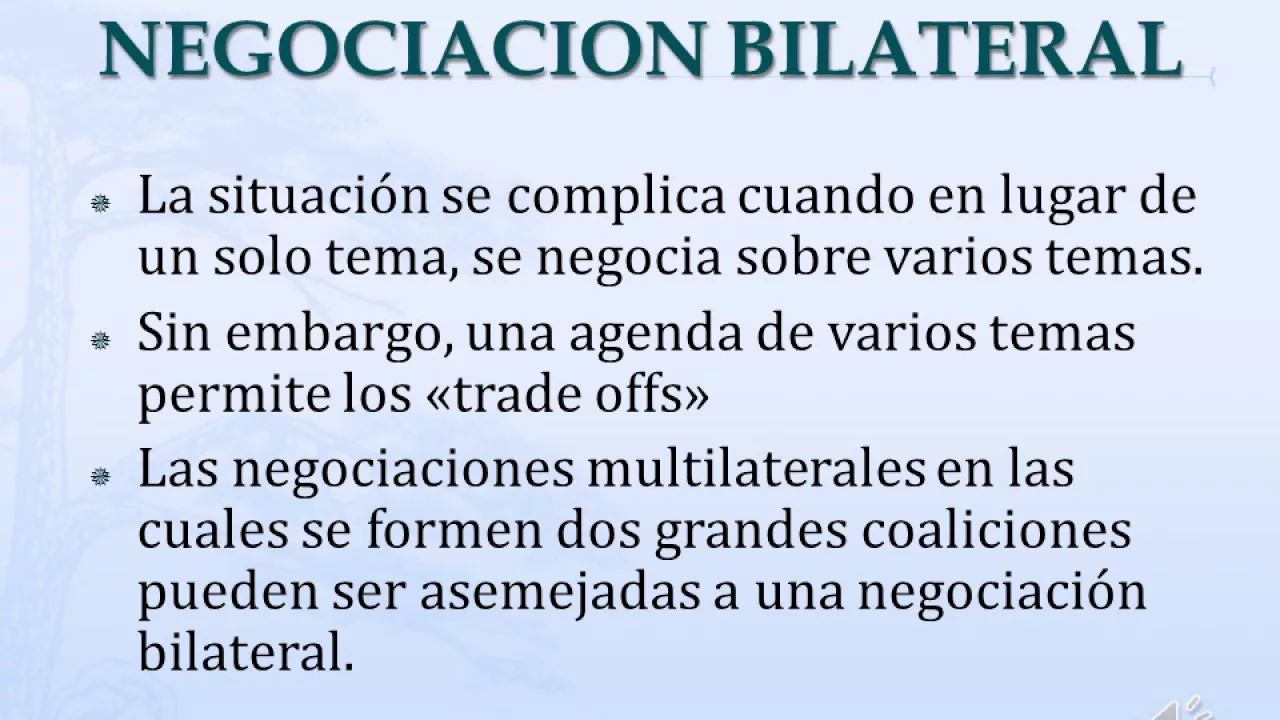
Multi-Party and Coalition Negotiations: Learning to manage complex negotiation dynamics involving three or more distinct parties with competing or overlapping interests.
High-Stakes and Crisis Negotiation: Applying emotional control and strategic leverage under extreme, high-stress scenarios such as corporate restructuring, hostage situations, or conflict resolution.
Game Theory in Bargaining: Exploring mathematical and strategic decision models, such as the Nash Equilibrium, to predict counterparty moves and optimize outcomes.
Cross-Cultural Negotiation Dynamics: Studying how diverse cultural backgrounds influence communication styles, ethical perceptions, and emotional expressions in international business negotiations.
550 views8likes1:43:37Original Release: 2025-11-03
You're being played right now. Someone just won a negotiation you didn't know you were in. While you were choosing your words carefully, being considerate, waiting your turn, someone else was rewriting the rules. They got the promotion. They got the better terms.
They walked away with what should have been yours. And you smiled through it because you thought that's how the game works. What if every nice move you make is actually bleeding power? What if your fairness is their advantage? While you play by rules that feel noble, strategic savages are playing a completely different game. They're not louder.
They're not meaner. They're just operating from a framework you haven't learned yet. Three questions decide who wins. Who controls the frame? Who owns the silence? Who moves last? If you can't answer these about your last difficult conversation, you weren't in control. You are being controlled.
Here's what haunts me. Why do the most ethical people often finish behind calculated rulebenders? You've seen it.
The colleague who takes credit. The friend who always gets their way. The business partner who somehow ends up with the bigger split. They're not smarter than you. They're just playing a game you're pretending doesn't exist.
What do hostage negotiators, billionaires, and chess grand masters know about power that you don't. They've all figured out something fundamental.
Power isn't about force. It's about positioning. It's about seeing three moves ahead while everyone else is reacting to the last one. It's about making people believe they chose the outcome you engineered.
How can you be ruthlessly strategic without becoming the villain? That's the question that stops most people. They think there are only two options. Be nice and lose or be ruthless and hate yourself. But there's a third path. The ethical savage. Someone who plays to win but sleeps soundly. Someone who takes what's theirs without apology but never takes what isn't. In the next 12 hours, you'll think like a savage but sleep like a saint. You'll learn to spot manipulation before it lands. You'll understand leverage before you need it.
You'll control conversations while others think they're leading. And you'll do it all without becoming someone you despise. Because strategic thinking isn't about cruelty. It's about clarity.
Let's begin. You need to understand something uncomfortable. Right now, you're being exploited. Not dramatically, not obviously, but consistently. Every day in small ways, people are extracting value from you that you never agreed to give. your time, your ideas, your energy, your credit. And the worst part is you're helping them do it because you think being strategic is somehow dirty. Let me tell you about the niceness tax. Every unrecrocated favor you do is a wealth transfer. Every time you say yes when you want to say no, you're paying. Every meeting where someone borrows your thinking and presents it as theirs, you're paying. The niceness tax is real.
It's measurable. And most people pay it their entire lives without ever seeing the invoice. Picture this. There's a woman in a tech company, a senior designer. Brilliant work. Everyone knows it. But in meetings, her ideas seem to evaporate into the air, only to reappear moments later from her colleagueu's mouth. A guy who's mastered the art of the strategic pause followed by the reframe. He'll let her finish explaining a concept, nod thoughtfully, then say something like, "So, what I'm hearing is we should pivot the entire user flow around micro interactions."
Same idea. His words and the director is writing his name next to it. This happened for 2 years. 2 years of watching her thinking get laundered through someone else's presentation style. She never said anything because she didn't want to seem petty. She told herself, "Good work speaks for itself."
That's the niceness tax. That's 24 months of career capital evaporating because she believed a comforting lie.
Calculate what you're losing. Be specific. How many hours per week do you spend on things that primarily benefit someone else while you get vague promises of future reciprocity? How many opportunities have you watched go to people with worse ideas and better positioning? How much respect have you lost by being endlessly available, endlessly accommodating, endlessly nice?
The average person loses 11 hours per week to unrecrocated labor. That's 572 hours per year. That's 14 work weeks, 14 weeks of your life annually, just gone because you haven't learned to identify and stop exploitation. Some of you are losing more. Some of you are losing your entire careers to this. Here's how you know you're paying the niceness tax. You frequently feel used but can't point to a specific moment of abuse. People come to you with problems, but rarely with solutions. Your boundaries are treated as suggestions. You're praised for being helpful, but never for being formidable.
When you advocate for yourself, you feel guilty. These are symptoms of strategic blindness. Strategic blindness is why smart people get outmaneuvered by less talented opponents. You can be brilliant, hardworking, and creative and still lose to someone who simply understands the game better. They're not smarter. They're not better. They're just operating with a framework you've refused to acknowledge exists. There are three perception gaps that keep you blind. Intent blindness is when you can't see that someone's friendliness is tactical. You think they're being nice.
They're being strategic. Consequence blindness is when you can't track the second and third order effects of your choices. You see the immediate piece of saying yes. You don't see the long-term cost of being seen as pushable. Power blindness is when you can't recognize who actually has leverage in an interaction. You think you're negotiating between equals. They know they're negotiating from high ground.
Let me tell you about Marcus. Marcus founded a startup with two friends.
Equal equity split. Pure collaboration.
Everyone's voice matters. Beautiful on paper. 3 years in, Marcus realizes he's doing 70% of the work while decisions are made 2 to one against him constantly. His co-founders vote together. They formed a coalition. He didn't. He thought good faith was enough. They thought structure was smarter. Now Marcus works for a company he founded but doesn't control. That's strategic blindness. He saw friendship where they saw governance. What separates strategic thinkers from reactive victims? Strategic thinkers are always running scenarios. They're watching patterns. They're asking what someone gains from this interaction.
They're not paranoid. They're just honest about incentives. Reactive victims wait until they're hurt, then wonder how it happened. Strategic thinkers prevent the injury. The udal loop is how fighter pilots make decisions faster than their opponents.
Observe, orient, dee, act. Most people skip orientation. They see something, feel something, and react. Strategic savages pause. They observe the situation, orient themselves to understand the context and implications.
Decide on the optimal move, then act decisively. Speed matters, but not as much as correct orientation. A fast decision in the wrong direction is just fast losing. When does speed matter most? When the situation is simple and the cost of delay is higher than the cost of error. When you know the playbook and you've seen this situation before. When someone is trying to pressure you with artificial urgency and your best move is to act before they expect you to think. Speed is a weapon when you're already oriented correctly.
When does precision matter most? When the stakes are high and irreversible.
When you're operating in unfamiliar territory. When your opponent expects you to rush and has traps prepared for hasty moves. When you're building something that compounds and early errors cascade. Precision is a weapon when time is on your side. Top performers process social chess moves by assuming every interaction is strategic until proven otherwise, not cynically, pragmatically. They watch for who benefits. They notice who controls framing. They track who's gathering information versus who's revealing it.
They see cooperation and competition happening simultaneously. and they adjust in real time because they're not attached to the story that everyone's just being authentic. Some people are.
Most people are trying to win something.
You need permission. Permission to stop being the person everyone can count on and start being the person everyone respects. Permission to let opportunities fall apart if they're not genuinely mutual. Permission to walk away from relationships that only work because you're bending. Permission to be strategic, calculating, and precise about where your energy goes. The permission structure is this. Ethical savagery beats naive altruism because naive altruism enables exploitation.
When you allow people to drain you, you're not being kind. You're being complicit in an extractive dynamic. When you enforce boundaries, you're not being mean. You're being honest. The kindest thing you can do for both parties is make sure the relationship is genuinely mutual or acknowledge that it isn't and act accordingly.
Take 5 minutes right now and think about three situations where you felt used.
Not vaguely uncomfortable, actually used. Got them. Now go deeper. What was the specific manipulation tactic in each? Was it guilt? Was it false urgency? Was it social pressure where they leveraged witnesses to make you compliant? Was it the slow extraction where they kept asking for just one more small favor until you'd given away something large? Identify the tactic.
That's how you build immunity. Pattern recognition is your early warning system. When you've been exploited, it's never the first time that person has done it. It's just the first time you noticed. Go back through your history with them. You'll see it. The smaller versions, the trial runs, the boundary tests. Exploiters always test before they take. They see if you'll say no to something minor. When you don't, they escalate. The pattern is always there.
If you're willing to look, where does your energy drain? Make a list of everything you do in a week. Not what you're supposed to do, what you actually do. Now mark which items energize you, which are neutral, and which deplete you. Look at the depletion list. How many of those are truly necessary? How many are you doing because you're afraid of conflict? How many are you doing because someone positioned it as your responsibility when it isn't? Energy is finite. You're spending it like it's infinite. That's why you're tired.
You're at a decision point. You can continue operating the way you have been, hoping that eventually your good nature will be rewarded. Or you can acknowledge that the world doesn't work that way and develop the skills that actually generate the outcomes you want.
This isn't about becoming cold. It's about becoming clear. Growth requires discomfort. Choose it. Now, let's talk about frame control. Frame is the invisible container that defines what this interaction means. Every conversation happens inside a frame.
Every relationship operates within one.
And most people never realize they're fighting a frame war. Until they've already lost. When you walk into a salary negotiation and the hiring manager says, "We're so excited to have you. We just need to figure out the compensation details." They've set a frame. The frame is that you're already hired and now you're just negotiating details. That's a powerful frame because it assumes your agreement. If you accept that frame, you're negotiating from inside their structure. A strategic savage would reset the frame. I'm excited, too. And whether we move forward depends entirely on whether the compensation reflects the value I'll create.
Same conversation.
Different container. One frame assumes your compliance. The other assumes mutual evaluation. Frame hierarchy determines who's dominant and who's subordinate in an interaction. This isn't about loudness or aggression. It's about whose reality prevails. When a parent tells a teenager, "We need to talk about your grades." and the teenager responds, "We need to talk about your constant criticism." The teenager is attempting to flip the frame. The parent set a frame where the teenager's performance is the problem.
The teenager is trying to set a frame where the parents behavior is the problem. Whoever's frame holds determines whose reality is validated.
Real world frame battles happen everywhere. In a sales call, if the prospect says, "Tell me why I should buy this." and you launch into a pitch, you've accepted a frame where you're auditioning for their approval. If instead you say, "Tell me about the problem you're trying to solve," you've reframed the conversation as a diagnostic where you're the expert and they're seeking solutions. Same call, different power dynamic. In family conflict, if someone says, "You always do this," and you say, "No, I don't.
Remember last month when you've accepted the frame that your behavior is on trial and you need to defend yourself. If instead you say, "I notice you're frustrated. What outcome are you looking for right now?" You've reframed from accusation to problem solving. You've shifted from defendant to facilitator.
Two people cannot occupy the same reality when their frames conflict. One frame wins. Usually the frame of the person who's most comfortable with the tension. This is critical. Frame battles are won by whoever can tolerate discomfort longer. If someone challenges your frame and you immediately accommodate to relieve the awkwardness, you've lost. If you can sit in the tension and calmly restate your frame, most people will eventually accept it because they want the tension to end.
There's a story about an intern who changed his entire career trajectory with one reframe. He was in a meeting with a CEO who was criticizing a report the intern had prepared. The CEO said, "This is not what I asked for. Most interns would have apologized, promised to fix it, and left feeling diminished."
This intern paused, then said, "You're right. I approached it from a different angle because I thought the original question was missing something important. Can I show you what I found?"
He reframed criticism into curiosity.
The CEO was intrigued. That meeting turned into a mentorship that turned into a fasttrack promotion. One, reframe. How do you claim frame from first contact? The opener sets the tone.
If you begin with an apology or qualification, you're framing yourself as subordinate. Sorry to bother you, or this might be a stupid question, or I know you're busy, but I'll establish a frame where your needs are secondary.
Strategic savages open with assumption of equal standing. I have a question about the project timeline, not a request for permission, a statement of intent. Voice tonality carries frame.
Upspeak, where your statements sound like questions, surreners frame.
Speaking in declarative tones, even when asking questions, holds frame. Body language matters. Leaning in signals seeking approval. Leaning back signals evaluation. Neither is wrong. Both communicate something. Know what you're communicating. Power phrases that establish dominance without aggression sound like this. Let's focus on what matters here. What I'm hearing is X. Let me know if I've got that right. Here's what I'm thinking. Walk me through your reasoning. These phrases position you as the person organizing the conversation.
You're not asking permission. You're providing structure. Structure is power.
When someone challenges your frame, you have two options. Deflection is ignoring the challenge and continuing as if they hadn't spoken. Redirection is acknowledging their challenge and steering back to your frame. I hear you.
And what I'm focused on right now is deflection works when the challenge is weak. Redirection works when ignoring it would make you look evasive. There was a hostage negotiator who taught me something about the first 60 seconds. He said the entire negotiation is won or lost in how you establish frame at the beginning. If you start with please don't hurt anyone, you framed yourself as a supplicant. If you start with I'm here to help you get what you need, you've framed yourself as a resource. If you start with talk to me about what's happening, you framed yourself as the person in control of the process. Same situation, three different frames, three different outcomes. Holding frame under pressure is harder than establishing it.
When emotions run high, most people abandon their frame to chase emotional resolution. Someone yells and you match their energy. Someone cries and you rush to comfort. Both are frame surreners.
Strategic savages use the silent reframe. When someone escalates emotionally, you pause. You don't match.
You don't rush. You let the emotion land. Then you calmly restate your frame. I understand you're upset, and here's what I need. The contrast between their chaos and your calm reestablishes your frame as the stable one. Emotional labor is frame poison. If you absorb everyone else's chaos, you lose your own center. You cannot hold frame while you're managing someone else's feelings.
This doesn't mean be callous. It means recognize that their emotional state is their responsibility, not your emergency. You can be compassionate without being consumed. Compassion is I see you're struggling. Consumption is your struggle is now my crisis to solve.
Reframe formulas are shortcuts. What you're really asking is lets you redefine their question into one you want to answer. Let's focus on lets you shift topics without seeming evasive.
The real issue here is lets you elevate from their specific complaint to the structural problem you want to solve.
These aren't tricks, they're clarifications. You're making explicit what's implicit. There's a teacher who used reframing to transform a chaotic classroom. Students were disruptive, disrespectful, testing boundaries constantly. Most teachers would frame this as a discipline problem. She reframed it as an energy problem.
Instead of saying, "You need to calm down." She said, "You've got a lot of energy. Let's put it somewhere useful."
She gave them collaborative projects that required movement and noise. She reframed their behavior from problem to resource. Disruption dropped by 80% in 2 weeks. Same kids, different frame. The refusal script is powerful. Most people can't say no without justifying themselves. I can't because And then they list reasons. Every reason you give is a negotiation point. Strategic savages refuse without justification.
That doesn't work for me. I'm not available for that. No, just no. If pressed, they repeat. Like I said, that doesn't work for me. The absence of justification communicates that this isn't a negotiation. This is a boundary.
Advanced frame tactics include preemptive framing, where you set terms before the conversation even starts. If you're going into a difficult discussion, you email beforehand. I want to talk about X. The assumptive close is borrowed from sales but works everywhere. You act as if your frame is already reality. When we implement this, not if you approve this, you're speaking from a future where your frame has already won. Most people will follow you there because you've made it feel inevitable. Metaphraming is commenting on the conversation itself to control it. I notice we keep circling back to this point, which tells me it's important. We're getting into the weeds here. Let's zoom out. This conversation is getting heated, which means we both care. So, let's take a breath and restart. You're stepping outside the conversation to narrate it, which positions you as the person with perspective. Perspective is power. Take 7 minutes and think about three recent exchanges where you lost frame. Got them? Now, rewrite them. What would you have said if you were maintaining your frame? Script your savage response. Be specific. This isn't about what you wish you'd felt. It's about what you should have said. Write the words. Rehearse them. You're building a library of responses so that next time you don't have to improvise. Ethics of frame control matter. Frame becomes manipulation when the other person isn't aware they're in a game. If you're using frame to trick someone into something they wouldn't choose with full information, that's manipulation. If you're using frame to clarify what you want and organize a conversation toward mutual benefit, that's leadership. The consent test is simple. Would you be comfortable if they knew exactly what you were doing? If yes, you're being strategic. If no, you're being manipulative. Using frame for mutual benefit looks like this. Two people want different outcomes. Both use frame to advocate for their position clearly. The conversation becomes a negotiation between two strong frames instead of one strong frame dominating one weak frame.
That's healthy. That's how adults communicate. The problem isn't frame control. The problem is when only one person is using it. Let's talk about strategic silence. Most people are terrified of silence. They fill it with words, explanations, justifications, anything to ease the discomfort. And in doing so, they give away power. Silence is a weapon, and most people have never learned to load it. Why do talkers lose?
Because people fill silence with truth.
The confession effect is real. In interrogations, in sales calls, in negotiations, the person who speaks first after a pause typically reveals something they didn't plan to reveal.
They're trying to resolve the tension.
In resolving it, they show their hand.
Watch what silence signals. When you speak constantly, you signal nervousness. You signal that you need their approval. You signal that you're uncomfortable with your own position.
When you're comfortable with silence, you signal confidence. You signal that you don't need to fill space. You signal that you're evaluating, not performing.
Silence shifts you from performer to judge. There's data on this. Sales representatives who talk less close 30% more deals. Not because they're saying better things, because they're listening more and allowing prospects to talk themselves into the purchase. Every objection to prospect voices is information. Every concern they mention is a road map to closing them. But you only hear it if you shut up. There's an FBI interrogator who solved cold cases by waiting. He'd ask a question, get an answer, then just sit there 10 seconds, 20, 30. The suspect would start filling the silence. They'd add details. They'd correct themselves. They'd contradict earlier statements. He never pushed. He just waited. Eventually, they'd tell him everything because silence feels like an accusation.
People confess to resolve it. There are different types of strategic silence.
The pressure pause is when you stop talking to make someone justify themselves. They make a statement. You say nothing. Just look at them. They'll start explaining. They'll start qualifying. You didn't ask them to. The silence did. This works beautifully after someone makes an unreasonable request. They ask for something absurd.
You pause. They immediately start walking it back.
The thinking pause is when you stop to signal that you're considering their words carefully. This does two things.
It shows respect, which builds rapport, and it buys you time to formulate a precise response instead of a reactive one. Most people react instantly.
Strategic savages pause, think, then respond. The pause itself becomes part of the response. It says, "What you said matters enough for me to consider it fully." The power pause is when you stop to signal that you're unbothered by their move. They make a threat. They issue an ultimatum. They try to create urgency. You pause, sip your coffee, look out the window, then respond calmly. The pause communicates that their pressure tactic didn't work.
You're not scrambling. You're not rattled. You're just deciding what you want to do. The empathetic pause is when you create space for emotional disclosure. Someone is struggling to articulate something difficult. Instead of jumping in to finish their sentence or offer solutions, you wait. You give them room. Often they'll go deeper than they planned because your silence gave them permission. This pause isn't about power. It's about connection. Different tool, different purpose. Timing matters.
A 3-second pause is polite consideration. An 8-second pause is pressure. A 30-cond pause is psychological warfare. Know what you're deploying and why. Context determines appropriateness. In a friendly conversation, an 8-second pause is weird. In a highstakes negotiation, it's standard. Silence works devastatingly well in combat conversations. Someone makes a lowball offer. You just look at them. Don't speak. Don't nod. Don't react. Just hold eye contact. They'll start talking. Now, I know that seems low, but they're already negotiating against themselves. You didn't say a word. The silence did the work. The non-response response is letting bad behavior sit awkwardly. Someone makes a passive aggressive comment. Instead of engaging or defending, you just let it hang there. No acknowledgement. No reaction. You continue as if they hadn't spoken. This communicates that their tactic wasn't even worth addressing.
It's beneath engagement. That's often more devastating than a counterattack.
Silence's boundary enforcement sounds like this. Someone pushes you on a topic you've already declined to discuss. They keep pushing. You go silent. They push again. You remain silent. Eventually, they say, "Are you going to answer me?"
You calmly say, "I already have." The silence becomes the boundary. It says, "I don't engage with badgering. There's a story about an executive who got a 40% raise without negotiating. She was offered a new role with a salary number." She paused. 8 seconds. Then she said, "Tell me more about the role."
Didn't accept. Didn't counter, just redirected with a question. They talked for 15 minutes about responsibilities and impact.
Then the hiring manager said, "You know what? Given everything we've discussed, I think we can do better on the compensation." He named a number 40% higher than his opening. She smiled and accepted. The pause made him uncomfortable with his own offer.
Training your discomfort tolerance is necessary. Silence feels unbearable because humans are wired for social cohesion. Silence in social settings triggers anxiety. It feels like rejection. It feels like conflict. Your nervous system interprets it as danger.
You have to rewire that. You have to teach your body that silence is safety, not threat. The 10-second challenge is your daily practice. Once a day in any conversation, after someone finishes speaking, count to 10 before you respond. Internally count one Mississippi, two Mississippi, all the way to 10. It will feel like an eternity. Do it anyway. You're building tolerance. After a week, 10 seconds will feel normal. After a month, you'll start doing it naturally. Poker face drills matter because silence is only powerful if your face isn't screaming discomfort.
Practice in the mirror. Make yourself hold a neutral expression while thinking about something frustrating. Your face will want to react. Don't let it. Hold neutral. Hold calm. This is a muscle.
Build it right now. Record yourself on your phone. Ask yourself a difficult question out loud. Something like, "Why haven't you achieved your biggest goal yet?" Then stay silent for 15 seconds.
Just sit there. Look at the camera. Say nothing. Play it back. Watch yourself.
You'll see every micro expression, every fidget, every tell that broadcasts discomfort. Now do it again. Cleaner.
Keep practicing until you can hold 15 seconds of silence without visible discomfort. That's power. When do you break silence? When the pause has done its work. How do you know it's done its work? When you've gotten what you needed from it. If you're using silence to pressure someone into revealing information and they start revealing, you've won. Now you can speak. If you're using silence to communicate that you're unmoved by their tactic and they adjust their approach, you've won. Now you can engage. Reading the room is essential.
In some contexts, extended silence is interpreted as disrespect. In some cultures, it's aggression. Know where you are. Know who you're with. Strategic thinking includes social awareness. The tools work, but they require calibration. Transitioning from silence to strategic speech is an art. You don't want to waste the power of the pause with weak words. When you break silence, say something that justifies the weight, something precise, something that moves the interaction forward decisively. The pause built pressure. Your words release it toward your goal. The punctuation question is a technique where you follow silence with a question that let's talk about information asymmetry.
In every interaction, someone knows more than the other person. Whoever has the information advantage has the strategic advantage. Your job is to know more and reveal less. Always information is the ultimate currency. Money is temporary.
Relationships are unpredictable. But information compounds. A single piece of intel can change a negotiation, a career move, investment decision, a relationship dynamic. And the beautiful thing about information is that giving it away doesn't diminish it. You can share it strategically while retaining its value. Hedge funds understand this.
They don't have better computers or smarter people than everyone else. They have better information. They're extracting edge from public data that everyone can see, but nobody else is synthesizing correctly. They're finding patterns in plain sight. That's asymmetry. Not secret documents, just better analysis. Asymmetry plays out everywhere. In job interviews, the company knows the salary range. You don't. That's their advantage. But if you've researched comparable roles, talked to current employees, understood their hiring urgency, you've built your own advantage. The interview becomes less interrogation and more mutual evaluation. In divorce settlements, the spouse who's been managing the finances has information advantage. They know where the money is. The other spouse is negotiating blind unless they do discovery. In business deals, the side that understands the other's deadline, budget constraints, and alternative options has advantage. This is why experienced negotiators spend more time gathering intel than crafting arguments.
Arguments are tactics. Information is strategy. The listening hierarchy has levels. Surface listening is hearing the words. Subtext listening is hearing what the words imply. Silence listening is hearing what they're not saying. Most people stop at surface. Strategic savages live in subtext and silence.
When someone says, "I'll think about it." Surface hears consideration.
Subtext hears soft rejection. Silence hears what they're not saying, which is what their actual objection is.
Extraction techniques aren't manipulation. If you're transparent, you're gathering information that helps you make better decisions. The ego stroke is getting people to reveal through flattery. You seem like someone who really understands this space.
What's your take on people love displaying expertise? They'll tell you everything. You're not lying. You're creating an invitation. The false confession is sharing fake vulnerability to invite real disclosure. I'm worried I'm not thinking about this correctly.
Am I missing something? This makes people feel safe telling you hard truths because you've already admitted uncertainty. They're not attacking you.
They're helping you. You frame their criticism as collaboration. The naive question is playing dumb to extract expertise. I don't understand how this works. Can you walk me through it? Even when you understand perfectly because in their explanation, they'll reveal assumptions, priorities, and gaps you can exploit. Never be too proud to ask obvious questions. Questions cost nothing. Answers are gold. The gossip loop is using third party stories to unlock information. I heard someone in your industry saying that X is becoming a problem. Are you seeing that? You're not asking them directly. You're referencing a pattern. They'll either confirm or correct. Either way, you learn. And because you attributed it to someone else, they don't feel like you're extracting. They feel like they're educating you about industry misconceptions. There's a story about a spy who built entire networks through innocent questions. He never asked anything classified. He'd ask about cafeteria schedules, parking patterns, who worked late, which departments were expanding. Individually, these questions were meaningless. Collectively, they painted a complete picture of the facility's operations, vulnerabilities, and key personnel. Nobody suspected anything because each individual question was boring. That's sophisticated extraction. Defense protocols are necessary because you're not the only one gathering information.
The grey rock method is being so boring that people stop trying to extract from you. When someone's fishing for information you don't want to give, you become the most uninteresting version of yourself. Short answers, no elaboration, no emotional variation. How was your weekend? Fine. What did you do? Errands.
Eventually, they move on to someone more rewarding. Compartmentalization means different people know different pieces.
Nobody has the full picture except you.
This isn't paranoia. This is risk management. If you're planning a job change, your work friend doesn't need to know the same information as your spouse. If you're working on a competitive project, your team knows their piece. Not everyone needs the strategy. The deflection bank is your library of phrases to redirect invasive questions without seeming defensive.
Why, do you ask? I'm still figuring that out myself. I don't have a good answer for that yet. That's not really top of mind for me right now. None of these are lies. All of them end the inquiry without providing data. Digital hygiene is critical. Your metadata reveals more than your content, who you follow, what you like, when you're active, what you search for. All of it paints a picture.
Strategic savages audit their digital footprint regularly. They understand that every click is information they're giving away. Some of that is fine, some of it isn't. Be intentional about what you're broadcasting. Take 10 minutes right now and audit your last 10 social media posts. What could someone infer about you? Your schedule, your priorities, your vulnerabilities, your relationships, your insecurities. If you're broadcasting information that could be used against you in a negotiation, a conflict, or a competition, adjust, not because you're hiding, because you're strategic about what you reveal. Reverse engineering your opponent is homework. Before any significant interaction, do research.
Public records show addresses, property ownership, legal history. LinkedIn shows career trajectory, connections, skill claims. Social media shows interest, values, communication style. You're not stalking, you're preparing. Every piece of information helps you predict behavior and craft approach. Pattern analysis is watching what someone does repeatedly. Everyone has patterns. how they handle stress, how they make decisions, whether they're morning or evening people, whether they're riskaverse or risk-seeking, whether they're competitive or collaborative, whether they deflect or confront. These patterns are predictive. If you know someone's pattern, you can anticipate their moves. Network mapping is understanding who influences them.
Everyone has advisers, mentors, peers whose opinions matter. If you understand someone's network, you understand the forces acting on their decisions. This is especially valuable in organizations.
The person you're negotiating with might seem unmovable. But if you understand who they report to and what that person cares about, you can frame your proposal in those terms. The stress test is how someone behaves under pressure.
Everyone's pleasant when things are easy. Character shows when things are hard. Before you enter a significant relationship, business or personal, watch how they handle adversity. Do they blame? Do they adapt? Do they panic? Do they get creative? Stress reveals truth.
Learn someone's truth before you're dependent on them. Ethics matter here.
There's a difference between strategic awareness and privacy violation. Public information, behavioral observation, pattern recognition, all ethical.
Hacking, stalking, invading privacy, all violations. The line is consent. If someone has made information public or observable through normal interaction, it's fair game for analysis. If you have to violate boundaries to get it, you've crossed a line. Privacy versus strategic awareness is a balance. You can be transparent about who you are while being strategic about what you reveal and when. You can be honest without being an open book. You can be authentic without being exploitable. Strategic communication isn't lying. It's curation. The transparency trade-off is real. The more transparent you are, the more trust you can build. The more you withhold, the more protected you are.
Neither extreme is optimal. Full transparency makes you vulnerable to exploitation. Full opacity makes you impossible to connect with. Strategic savages calibrate. They're transparent about values. Guarded about tactics.
Transparent about intentions. Guarded about specifics. Transparent about commitments, guarded about vulnerabilities. Now, let's discuss leverage. Leverage is the ability to get disproportionate results from your effort. It's the multiplier. It's what separates people who work hard from people who work hard and actually get what they want. Without leverage, you're negotiating from weakness. With leverage, you're negotiating from strength. The goal is to architect your life so you always have it. There are three fundamental types of leverage.
Labor leverage is other people working for you. Capital leverage is money working for you. Code leverage is systems and media working for you. You want all three. Labor means employees, contractors, collaborators multiplying your output. Capital means investments, assets, resources that generate returns without your active involvement. Code means software, content, processes that scale without additional effort per unit. Why does leverage beat hard work?
Because hard work has a ceiling. There are only 24 hours in a day. There's only so much energy in your body. If you're trading time for money or effort for outcomes, you'll eventually hit maximum capacity. Leverage breaks that ceiling.
Identifying leverage points in your job requires asking what would break if you disappeared tomorrow. If the answer is nothing, you have no leverage. If the answer is something critical that only you know how to fix, you have leverage.
Your goal is to create and own things that are valuable and hard to replace, not because you're gatekeeping, because you've built something genuinely useful.
In relationships, leverage is what unique value you provide. Not transactional, not scorekeeping, just honest assessment. What do you bring that would be difficult for the other person to find elsewhere? Is it emotional support? Is it specific expertise? Is it connection to resources? Is it a way of seeing the world? Leverage in relationships isn't about control. It's about mutual irreplaceability. Healthy relationships have bilateral leverage. Each person brings something the other deeply values. In negotiations, leverage is what the other party needs that's scarce. If you're selling a service and there are 10 other providers they could use, you have low leverage. If you're the only person who can solve their specific problem in their specific time frame, you have high leverage. If you're buying and there's one seller, they have leverage. If you're buying and there are 10 sellers competing for your business, you have leverage. Leverage is always relative to alternatives. The BATNA principle is essential. Best alternative to negotiated agreement. What's your backup plan if this deal falls through?
The better your BATNA, the more leverage you have. If you need this deal to survive, you have no leverage. If you have three other options that are nearly as good, you have tremendous leverage.
Strategic savages always build BATNA before entering negotiations.
Do a leverage audit right now. In your career, what do you control that's valuable? What knowledge do you have that others don't? What relationships do you own? What systems could you build?
In your personal life, what are you bringing to your relationships? What makes you irreplaceable to the people who matter in your finances? What assets do you have that could generate returns?
What skills could you monetize? Map current state, then map desired state.
That gap is your work. Building career leverage as a specialist is one path.
The deeper your expertise in a narrow domain, the more irreplaceable you become to people who need that specific thing. But there's a trap. If the domain becomes obsolete, so do you. That's why integration advantage is often better.
Be the person who understands multiple domains and can translate between them.
The engineer who understands sales, the marketer who understands finance. The designer who understands code.
Integration creates rare value. Owning crossf functional knowledge bridges makes you the translator. In every organization there are silos.
Engineering doesn't understand marketing. Sales doesn't understand product. Finance doesn't understand operations. If you can speak multiple languages, you become essential infrastructure. You're the person who can make different departments understand each other. That's leverage you can't get from a manual network effects come from being the connector.
If you know more people across industries, functions, and geographies than anyone else in your sphere, you have social leverage. People come to you for introductions, insights, opportunities. You become a hub. Hubs are valuable. Hubs are hard to replace.
Build your network intentionally.
Maintain it actively. Deploy it strategically. Documentation power is underrated. If you're the person who creates the source of truth in your organization, you have leverage. Meeting notes, process documentation, decision records, knowledge basis. Most people avoid this work because it's not glamorous. Strategic savages see it as infrastructure for irreplaceability.
When you own the documentation, you own the institutional memory. That's power.
There's a case study about a marketer who 10xed their value by mastering analytics. They started as a content creator, good writer, decent strategist, but limited leverage because there are thousands of good writers. Then they learned SQL and data visualization.
Suddenly, they weren't just creating content. They were proving what content worked, why it worked, and how to optimize it. They could answer the questions that executives actually cared about. Their salary tripled in 18 months. Same person, different leverage.
Relationship leverage without toxicity is about mutual value creation. The difference between leverage and hostage taking is consent and benefit. Hostage taking is do what I want or I'll make you suffer. Leverage is I provide something valuable to you which means my needs matter in this relationship.
One is coercion, one is fair exchange.
Mutual leverage systems create interdependence where both parties need each other. This is the healthiest form of relationship leverage. You both bring value. You both have alternatives. But you both choose this relationship because the mutual benefit is higher than any alternative. That's sustainable. That's adult asymmetric generosity is strategic giving that compounds. You provide value without immediate expectation of return. But you're thoughtful about where you invest. You help people who are likely to be in a position to help you later.
Not transactionally, strategically. You build social capital. Social capital becomes leverage when you need it. The favor bank is a mental model for tracking reciprocity networks. You're not keeping score publicly, but you're aware of the flow. Who have you helped?
Who has helped you? Who owes you? Who do you owe? This isn't manipulation. It's awareness. Humans operate on reciprocity. Understanding the balance helps you know where you have social leverage and where you need to build more. Take eight minutes and list five people in your network. For each person, analyze who has leverage over whom and why. Be honest. Are you more dependent on them than they are on you? Do they need your expertise, connections, or support more than you need theirs? Is it balanced? This exercise isn't about ending relationships where you have less leverage. It's about understanding your position so you can be strategic about how you navigate the relationship.
Leverage defense is recognizing when others have leverage over you and systematically reducing it. Single points of failure are vulnerabilities.
If losing one client would tank your business, that client has enormous leverage over you. If losing one job would devastate your finances, that employer has leverage. If losing one relationship would destroy your social life, that person has leverage. Identify your single points of failure. Then build redundancy.
Building optionality is always having a plan B in your career. That means maintaining marketable skills, networking even when you're employed, saving enough to survive a job loss. In business, that means diversifying revenue streams, avoiding overdependence on any single customer or supplier. In relationships, this doesn't mean disloyalty. It means maintaining your independence, your friendships, your interests outside the relationship, so you're never negotiating from desperation.
Walk away power is the ultimate leverage. If you can genuinely afford to walk away from a negotiation, a relationship, a job, an opportunity, you have maximum leverage, because you're negotiating from preference, not need.
The other party can sense it. It changes everything. Most people can't walk away.
They need the money. They need the approval. They need the outcome. That need is visible. It's exploitable.
Strategic savages build lives where they can walk away. That doesn't mean they do. It means they could. That's the difference. Timing is everything. You can have the perfect strategy, the ideal leverage, the best argument, and still lose because you moved at the wrong moment. Strategic savages don't just think about what to do. They obsess over when to do it. The timing paradox is that perfect timing often beats perfect strategy. An average strategy executed at the perfect moment will outperform a brilliant strategy executed at the wrong moment. Markets prove this. Real estate investors who buy during panic make more money than investors with better analysis who buy during euphoria. Job seekers who apply right when a position opens get more attention than better candidates who apply after a 100 other resumes are already in the pile. Speed versus patience is the eternal question.
When do you move fast? When the situation is simple and the cost of delay is high. When you have information advantage and moving quickly prevents others from catching up. When momentum is in your favor and waiting would let it dissipate. When the opportunity is time bound and won't recur. Speed is a weapon. When hesitation is the real risk. When do you deploy patience? When the situation is complex and rushing leads to errors. When you don't have sufficient information and gathering more improves outcomes. When the other party is under time pressure and waiting gives you leverage. When your opponent is making mistakes and interrupting them would be foolish. Patience is a weapon when time is working in your favor. The J curve is short-term pain for long-term positioning. Some strategies require you to accept losses upfront for gains later. Starting a business, learning a new skill, repositioning your career, making a significant life change. The first months or years are harder than staying where you are, but the long-term trajectory is superior. Most people can't tolerate the J curve. They quit in the valley. Strategic savages understand that temporary discomfort is the price of lasting advantage. There's a story about an investor who bought distressed assets at exactly the right panic moment. It was 2008. Financial crisis, real estate collapsing. Everyone was selling. Prices were irrational. He had cash. He could have bought any time in the prior year. He waited. He watched.
He let the panic accelerate. Then at the moment of maximum fear, when sellers were desperate and buyers had vanished, he bought, not trying to catch the falling knife, waiting until it hit the ground. He made $40 million in the subsequent recovery. Perfect timing.
Reading the clock means understanding cycles, economic cycles, industry trends, seasonal patterns. Everything moves in waves. Strategic savages study the patterns. They know when markets are hot and when they're cold. They know when hiring freezes happen. They know when people make big decisions versus when they defer. They know when attention is abundant versus scarce, and they time their moves accordingly.
Emotional timing is catching people in receptive states. The same request gets different answers depending on someone's mood, energy level, and context. Asking your boss for a raise after a major win is smart. Asking during a crisis is stupid. Asking your partner to discuss something difficult when they're relaxed is smart. Asking when they're stressed is stupid. This isn't manipulation. It's basic emotional intelligence. Political timing is organizational power shifts and transitions. When leadership changes, there's opportunity. When strategy pivots, there's opportunity.
When reorgs happen, there's opportunity because the old rules are suspended and new rules haven't solidified. Strategic savages pay attention to these transitions and make their moves during the uncertainty. Crisis timing is when chaos creates opportunity. Most people freeze during crisis. Strategic savages act. They're buying when others are panicking. They're hiring when others are laying off. They're investing when others are hoarding cash, not recklessly. Strategically, because assets are cheap and competition is paralyzed. Crisis is when fortunes are made. The fatigue factor is real. Why does 400 p.m. Friday get different answers than 9:00 a.m. Monday? Because people have limited decision-making energy. By end of day, end of week, they're depleted. Their resistance is lower. Their standards are looser. They want to resolve things and go home.
Strategic savages time difficult requests for when the other party is tired. It's not unethical. It's tactical first mover versus fast follower is a fundamental strategic choice. When do you lead and when do you let others test the waters? First movers get attention, early market share, and sometimes lasting advantage. But they also pay pioneer costs. They make the mistakes.
They educate the market. They fight the battles. Fast followers learn from those mistakes. enter with better products and often win bigger. The pioneers's burden is innovation costs versus improvement profits. The first company in a space spends money proving the market exists.
The second company benefits from that proof and just needs to execute better.
This is why Facebook beat MySpace.
Google beat Yahoo. Apple didn't invent smartphones. They perfected them.
Sometimes letting someone else go first is smarter. Tech companies that waited and won are everywhere in history.
Microsoft didn't invent operating systems. Amazon didn't invent e-commerce. Netflix didn't invent streaming. They watched pioneers, learned what worked, avoided what didn't, and executed better. That's not lack of creativity. That's strategy.
Your temperament matters. Are you naturally early or late? Some people are wired to see opportunities first and move fast. Some people are wired to see risks and move carefully. Neither is wrong. Know yourself. If you're naturally early, build in pause mechanisms. If you're naturally late, build in action forcing functions. Work with your temperament. Don't fight it.
Manufacturing urgency is using time pressure to force decisions. Scarcity tactics work because humans are loss.
Limited availability makes things more desirable. Deadlines force action.
Competitive pressure triggers FOMO.
These are psychological levers you can pull intentionally. The expiring offer is the classic urgency tactic. This price is only good until Friday. We have three other candidates. The window for this opportunity closes soon. It works because it shifts the other party's calculus from should I do this to can I afford to miss this? That's a different decision. One has higher action bias.
Psychological triggers include fear of missing out, loss aversion, and social proof. FOMO is seeing others benefit from something you're not part of. Loss aversion is feeling the pain of loss twice as strongly as the pleasure of equivalent gain. Social proof is looking to others behavior to determine correct action. All three can be ethically leveraged to create urgency that moves people toward decisions they'll ultimately be happy with. Ethics check here. Fake urgency is manipulation. Real leverage is strategy. If you're creating artificial scarcity that doesn't exist, you're lying. If you're highlighting real constraints and timesensitivity, you're being clear. The test is whether the urgency you're communicating is factual. If it is, you're being strategic. If it isn't, you're being dishonest. Take 6 minutes and design three urgency scenarios for a negotiation you're currently in. What real constraints exist? What deadlines matter? What alternatives are the other party considering? How can you frame the timing to highlight genuine time sensitivity without fabricating it?
Write specific language. This is your urgency toolkit. Patience is power is underrated in an instant gratification culture. The long game is outlasting impulsive opponents. They need results now. You can wait. That difference is leverage. They'll make concessions to speed things up. You won't. Eventually, the terms move in your favor simply because you had longer patience.
Strategic waiting is letting bad options eliminate themselves. Sometimes the best move is no move. Let the situation develop. Let other players reveal themselves. Let obviously bad paths fail visibly so you don't have to argue against them. Time kills bad ideas better than arguments do. The compounding advantage is small edges over time. A 1% improvement daily compounds to 37 times better in a year.
A slight timing advantage repeated consistently becomes massive strategic superiority. Patient players don't need big wins. They need consistent small wins that compound. There's a CEO who didn't react to competitor provocations and won market share. His competitor kept launching dramatic campaigns, price cuts, public attacks. Everyone expected him to respond. He didn't. He just kept executing his plan, improving product, serving customers, building infrastructure. 18 months later, the competitor was exhausted and desperate.
He was stronger than ever. He won through patience. Let's talk about emotional armor. Your emotions are exploitable. Strategic opponents will use your feelings against you. They'll trigger anger to make you reckless.
They'll trigger guilt to make you compliant. They'll trigger fear to make you desperate. They'll trigger shame to make you silent. If you can't regulate your emotions, you can't execute strategy. It's that simple. Emotions as exploits means manipulators use anger, guilt, fear, and shame as levers. Anger makes you reactive instead of strategic.
You say things you don't mean. You break relationships you need. You make threats you can't back up. Guilt makes you give things away to relieve discomfort. Fear makes you accept bad terms to avoid worse outcomes. Shame makes you hide instead of advocating for yourself.
These are tools in a manipulator's toolkit. The emotional puppet is when your feelings serve others agendas. They pull the string. You dance. Someone criticizes you. You rush to defend yourself and reveal insecurity. Someone praises you. You relax your guard and reveal information. Someone threatens you. You panic and make concessions.
You're not making strategic choices.
You're having emotional reactions.
That's controllable if you don't have armor. Attachment theory applies to power dynamics. Anxiously attached people are easier to manipulate through intermittent reinforcement. Give them attention. Withdraw it. Give it back.
They'll chase. Avoidantly attached people are easier to manipulate through displays of independence. Show them you don't need them. They'll pursue to regain control. Securely attached people are hardest to manipulate because their emotions aren't easily triggered by relationship dynamics. There's a story about a negotiator who lost millions by getting emotionally invested. He was buying a company. Negotiations were going well. Then the seller made a personal comment implying the buyer wasn't sophisticated enough to understand the business. The buyer got offended. He took it personally. He started negotiating to prove himself instead of to get good terms. He overpaid by 30%. His ego cost him millions. The detachment protocol is cognitive distancing. You observe emotions without embodying them. You notice I'm feeling angry right now instead of I am angry. The former gives you space. The latter consumes you. This is a learnable skill. You practice watching your emotions like weather.
Patterns interesting, informative, but not definitive of who you are or what you should do. The 10 10 rule is asking how you'll feel about this decision in 10 minutes. 10 months and 10 years. In the moment, emotions are intense. 10 minutes later, they're diminished. 10 months later, they're barely memorable.
10 years later, they're irrelevant. This perspective helps you avoid decisions based on temporary emotional states.
Stoic reframes are questions that create. Meditation for strategists isn't about emptiness or peace. It's about control. Threeinut reset practices give you the ability to pause, observe your internal state, and choose your response instead of reacting. Sit, breathe, notice what you're feeling, name it, then decide what to do about it. That pause is power. Neuroscience explains this. Your amydala is the emotional alarm system. It reacts fast. Your prefrontal cortex is the strategic planner. It thinks slowly. When your amydala is hijacked, your prefrontal cortex goes offline. You're reactive, not strategic. Training emotional regulation is literally training your prefrontal cortex to maintain control even when your amydala is screaming.
This is biology. This is trainable.
Emotional offense is using emotions strategically. Strategic vulnerability is sharing emotions to build leverage.
If you show someone you're hurt by their behavior and they care about you, that's leverage. They'll modify their behavior.
This isn't manipulation. If it's genuine, it's communication. You're making explicit what was implicit. The calculated outburst can be a negotiation tool. Sometimes displaying anger signals that you're at a boundary and further pushing will end the relationship.
That's information. It's only manipulative if the anger is fake. If you're genuinely at a limit and you show it, that's honest. Mirroring is reflecting emotions to create rapport or discomfort. If someone is excited, you match their excitement. If someone is calm, you match their calm. This creates connection. Or if you want to unsettle someone, you deliberately don't mirror.
They're yelling, you're quiet. They're anxious, you're relaxed. The contrast highlights their lack of control.
Emotional misdirection is displaying false feelings to mask strategy. Poker players do this. They look disappointed when they have a strong hand. They look confident when they're bluffing. This is game theory. You're managing what information your emotional displays communicate. It's only unethical if you're doing it in contexts where emotional honesty is expected and necessary for consent. There's a case study about a lawyer who cried in closing arguments and won. She was defending a woman accused of a crime she didn't commit. The evidence was ambiguous. The jury was skeptical. In closing, the lawyer's voice broke. Real tears not planned. She was overwhelmed by the injustice. The jury saw her emotion. They trusted it. They acquitted. Was that strategy? No. Was it powerful? Absolutely. Authentic emotion can be more persuasive than any argument. Protecting your triggers means identifying your emotional buttons. What makes you react without thinking?
Rejection, criticism, injustice, disrespect, embarrassment. Everyone has triggers. Strategic savages know theirs.
They know someone calling them incompetent will trigger defensiveness.
Someone questioning their motives will trigger anger. Someone implying they're selfish will trigger guilt. Knowing your triggers lets you see them coming.
Trigger inoculation is exposure therapy for weak spots. If criticism triggers you, practice receiving it in low stakes contexts. Ask friends to critique your work. Post something online and read the comments. Train your nervous system to tolerate the discomfort. Over time, the trigger loses power. You can hear criticism without reacting. That's armor. The insult immunity protocol is reframing attacks as data. Someone insults you. Instead of feeling hurt, you think interesting. They felt the need to attack me. What does that tell me about their emotional state? What leverage are they feeling they don't have that they're trying to gain through insult? You've shifted from recipient to analyst. The insult has no power because you're not taking it personally. You're extracting information from it. Take 10 minutes right now and write down your three biggest emotional triggers.
Be specific. What situations, phrases, or behaviors consistently make you reactive? Now, for each trigger, create a response script. Not an emotional reaction, a strategic response. What would you say if you were calm, clear, and in control? Write the exact words.
Rehearse them. Next time you're triggered, you have a pre-planned response instead of a reaction. Empathy as intel, not infection, is reading others emotions without absorbing them.
You can understand that someone is angry without becoming angry yourself. You can recognize that someone is scared without becoming scared. This is the empath advantage. You have information about their internal state. You can predict their behavior. You can adjust your approach, but you're not consumed by their feelings. Prediction through emotional modeling is imagining what you would feel in their situation, then using that to anticipate their moves. If you were in their position, what would you be worried about? What would you want? What would you avoid? This helps you predict without them telling you.
You're running simulations based on emotional logic. Boundaries mean compassion versus codependence.
Compassion is, "I see you're struggling and I care about you." Codependence is, "I see you're struggling and now I'm struggling too and I need to fix it for you." One is supportive. One is inshed.
Strategic savages maintain boundaries.
They care without carrying. They support without sacrificing themselves. When to feel is a strategic question. There are times when emotional engagement is valuable. Deep conversations with people you love. Moments of celebration or grief. Times when vulnerability builds connection. Strategic thinking doesn't mean never feeling. It means choosing when to engage emotionally versus when to stay detached. Context determines appropriateness. Coalition building is how you multiply your power. Nobody wins alone. The myth of the self-made person is propaganda. Every successful human has allies, mentors, supporters, collaborators. Strategic savages understand this. They build coalitions intentionally. Power mathematics is simple. 1 + 1 equals 5 when aligned correctly. Two people with complimentary skills and aligned interests can achieve more than their individual outputs combined.
This is synergy. This is why partnerships, teams, and alliances exist. Multiplication beats addition.
Historical examples prove this.
Political coalitions have changed nations. Labor unions have shifted economic power. Strategic alliances have won wars. Individuals have limits.
Coalitions have none. Throughout history, the side with better coalitions usually wins. Not always the side with better resources or better ideas, better alignment. The lone wolf myth is why solo players hit ceilings. You can only know so much. You can only do so much.
You can only reach so many people. At some point, scale requires other people.
The entrepreneur who insists on doing everything themselves will lose to the entrepreneur who builds a team. The employee who hoards information will lose to the employee who shares and collaborates. Lone wolves are vulnerable. Packs dominate. There's a story about how three mid-level employees formed a coalition and ousted toxic leadership. The company had a CEO who was abusive, dishonest, and driving talent away. Nobody individually had power to challenge him. But three managers from different departments started talking. They documented patterns. They aligned their observations. They built a case. They took it to the board together. United front corroborating evidence. The board couldn't dismiss them. The CEO was removed within 60 days. That's coalition power. Identifying allies starts with interest alignment. Who shares your goals? Not superficially. Deeply. If you're trying to change a policy at work, who else benefits from that change? If you're trying to improve a relationship, who else wants the same dynamic to shift? Shared interests create natural alliance potential.
Complimentary skills matter because good coalitions aren't redundant. You don't want three people who are all good at the same thing. You want different capabilities that combine into comprehensive strength. The visionary needs the executive. The creator needs the marketer. The strategist needs the operator. Diversity of skill creates resilience. Trust versus utility is the difference between short-term partners and long-term allies. Some relationships are transactional. You collaborate on one project. You each get value. You move on. That's fine. That's utility.
But long-term allies are people you trust beyond any single transaction.
You'd work with them repeatedly. You'd take risks with them. You'd defend them.
Trust takes time to build. Utility can be immediate. The concentric circles model organizes your network. Core team is the three to five people you trust completely and coordinate with constantly. Extended network is the 20 to 50 people you interact with regularly and could mobilize for specific efforts.
Loose contacts are the hundreds of people you know peripherilally and might activate opportunistically.
Each layer has different expectations and different value. Red flags for allies who will betray you include inconsistency between words and actions, a pattern of blaming others for their problems, taking credit for group work, sharing others confidential information with you, which means they're sharing yours with others, and pressuring you to compromise your values. Trust your gut.
If someone feels off, they probably are.
Coalition architecture requires thought.
The nucleus strategy is building around a shared enemy or goal. Common opposition or common aspiration unites people. Clear purpose prevents drift.
Without a nucleus, coalitions fragment.
Value exchange design is making explicit what each member contributes and receives. Ambiguity breeds resentment.
Clarity breeds sustainability. If you're forming a team, talk about roles. Talk about credit. Talk about decision rights. talk about what success looks like for each decision-making structures prevent paralysis. Does the coalition decide by consensus, meaning everyone needs to agree? Does it decide by delegation, meaning different people own different domains? Does it decide by voting? Each approach has trade-offs.
Consensus is slow but creates buyin.
Delegation is fast but requires trust.
Voting is democratic but can create factions. Choose based on the coalition's purpose and timeline.
There's a case study about a startup founding team that allocated equity and authority thoughtfully. Three co-founders, equal skills, equal commitment. They could have just split equity evenly. Instead, they thought strategically. The CEO got slightly more equity because they had final decision authority and higher accountability. The CTO got full autonomy over technical architecture. The COO got full autonomy over operations. They documented everything. When disagreements arose, the structure handled them. The company scaled because the coalition was architected well from the start.
Managing coalition politics is necessary because humans are messy. Preventing internal competition and jealousy requires fairness and transparency. If one person is getting more credit, more resources, or more opportunity, and it's not justified by contribution.
Resentment builds. Strategic savages actively manage perceptions of fairness.
The credit sharing protocol is making allies feel valued. public acknowledgement, explicit appreciation, tangible rewards when possible. People stay in coalitions when they feel seen and respected. They leave when they feel used. It's that simple. Conflict resolution has to happen before fracture. Disagreements are inevitable.
Unressed disagreements become grudges.
Address early. Address directly. Address privately first. I noticed tension around X. Can we talk about it? Most conflicts are misunderstandings or unspoken expectations. Talking resolves most of them. Exit strategies are gracefully dissolving partnerships when they've run their course. Not every coalition lasts forever. Projects end.
People's goals diverge. Strategic savages plan exits in advance. They have offramps. They have transition plans.
They end things cleanly so they preserve relationships and reputations. Take 12 minutes and map your current network.
Draw the concentric circles. Who's in your core team? Who's in your extended network? Who's a loose contact? Now, identify three potential allies you haven't activated yet. People who share your interests, have complimentary skills, and seem trustworthy. Draft outreach messages. Not transactional, genuine.
I've been thinking about X, and I know you care about this, too. Want to grab coffee and brainstorm? Start building coalitions before you need them. Using coalitions offensively is collective bargaining, blocking undesired outcomes, amplification, and political maneuvering.
Collective bargaining is union strikes, class actions, group negotiations.
Multiple people demanding the same thing is more powerful than one person demanding it. Employers negotiate differently with organized labor than with individuals. Sellers negotiate differently with buying groups. The blocking coalition prevents undesired outcomes. You can't get what you want approved. Fine. Can you prevent what you don't want? If you can assemble enough people who oppose a bad decision, you can block it even if you can't push through your preferred alternative.
Sometimes preventing disaster is the win. Amplification is using allies to spread your message or defend your reputation. One person saying something is a claim. 10 people saying the same thing is a pattern. If you're trying to change an organizational policy, you need coalition voices. If you're defending yourself against an unfair accusation, you need people vouching for you. Lone voices are easy to dismiss.
Choruses are hard to ignore. Political maneuvering is how coalitions shape organizational decisions. Companies, communities, governments, they all have politics. Decisions often aren't made on merit alone. They're made through influence. Strategic coalitions build influence. They align key decision makers. They frame issues favorably.
They generate momentum. This isn't corruption. This is how complex organizations function. Preemptive strikes are about winning before the fight. The best battle is no battle. If you can neutralize threats before they materialize, you save energy, resources, and relationships. Strategic savages are proactive, not reactive. Sunsu said, "Supreme excellence consists of breaking the enemy's resistance without fighting.
Make the battle unnecessary. Make your position so strong that attacking you is obviously feudal. Make your reputation so solid that accusations don't stick.
Make your relationship so resilient that others can't wedge between you and your allies. That's how you win without fighting. Opportunity cost of fighting is enormous. Time, energy, goodwill, focus, relationships.
Even if you win a fight, what did you lose in the process? Sometimes fighting is necessary. Often it's waste.
Strategic savages calculate cost benefit. If you can preempt a fight or avoid it through positioning, that's almost always superior. There's a story about an executive who preemptively addressed board concerns and kept her job. She was hearing rumors, whispers about her performance, concerns about her strategic direction. Most executives would have waited for the board to bring it up or hoped it would blow over. She didn't. She requested a meeting. She laid out everything she was hearing. She presented data showing her results. She acknowledged areas for improvement and presented a plan. She controlled the narrative before it controlled her. The board appreciated the transparency.
Concerns evaporated. She kept her role and gained trust. Threat forecasting is pattern recognition and paranoia balance. You need to spot early warning signs, changes in behavior, shifts in tone, unusual questions, altered power dynamics. Strategic savages notice these. They don't ignore them, but they also don't overreact. The paranoia balance is vigilance without paralysis.
You prepare for threats without assuming everyone is an enemy. Scenario planning is wargaming potential conflicts. What could go wrong? How would you respond?
If your largest client left, what's your plan? If your key employee quit, what's your plan? If your reputation was attacked, what's your plan? Thinking through scenarios in advance means you're not improvising in crisis. You're executing a playbook. Intel networks are building early warning systems through relationships. People who will tell you when something's brewing. People who will give you a heads up when your name comes up negatively. people who will alert you to opportunities before they're public. These relationships are insurance. You build them before you need them. There's a case study about how Netflix preempted Blockbuster's counterattack. Netflix knew that eventually Blockbuster would realize the threat and respond. Blockbuster had resources, brand recognition, infrastructure. They could have crushed Netflix if they moved decisively. So, Netflix moved first. They built subscriber base quickly. They created brand loyalty. They locked in content deals. By the time Blockbuster tried to compete, Netflix had first mover advantage that was insurmountable.
They preempted the counterattack by making it too late to matter. Preemptive tactics include public commitment, resource denial, reputation preloading, and the olive branch offensive. Public commitment is forcing others to align before they oppose. If you announce a plan publicly and get endorsements, opposing it later makes them look inconsistent.
You've made opposition costly. Resource denial is securing key assets before competition begins. Hiring the best talent before competitors can. Locking in partnerships before alternatives emerge. Buying property or inventory before prices rise. Preemptive resource acquisition removes options from future opponents. Reputation preloading is shaping narratives before accusations arise. If you know someone might attack your credibility, you establish credibility proactively. You get testimonials. You document your work.
You build relationships with influential people. So when the attack comes, the narrative is already set in your favor.
The olive branch offensive is offering collaboration to potential enemies. You turn them into allies before they become opponents. I know we might be competing for this, but what if we work together instead? Sometimes that works. When it does, you've eliminated a threat entirely. Take 8 minutes and identify one brewing conflict in your life. It hasn't exploded yet, but you can feel it building. Now, design a preemptive solution. What could you do or say right now that would neutralize it? Could you have a direct conversation? Could you change your positioning? Could you secure an ally? Could you offer a compromise? Write the specific action, then take it. Preemption requires courage, but it's always easier than reaction. Strategic surreners are giving ground strategically to avoid costly battles. Not every fight is worth winning. Sometimes the cost of victory is higher than the cost of letting something go. Strategic savages know when to fight and when to fold. The tactical retreat is losing battles to win wars. You let them win this round because it's not the important round.
You conserve resources. You maintain relationships. You live to fight another day. This isn't weakness. This is resource allocation. Knowing when you're outmatched is wisdom. If you're going up against someone with more leverage, more resources, more allies, and more information, fighting might be suicidal.
Sometimes the strategic move is to acknowledge the power imbalance and negotiate. The best terms you can get instead of pretending you have leverage.
You don't dignity and strategic withdrawal is maintaining respect.
When to fight anyway comes down to principles worth defending at high cost.
Some things are non-negotiable. Your values, your safety, your core relationships. Strategic thinking doesn't mean abandoning everything to avoid conflict. It means choosing your battles wisely. When the principle at stake is fundamental, fight cost is irrelevant. Preventing escalation is deescalation techniques, offramps, and knowing when rules matter. Deescalation is cooling hot conflicts before they explode, lowering your voice when someone raises theirs, acknowledging emotions without validating bad behavior, creating space for calming down. These techniques prevent minor conflicts from becoming major ones. The off-ramp is giving opponents a graceful exit. If you corner someone with no way out, they'll fight desperately. If you give them an exit that preserves their dignity, they'll often take it. I understand why you feel that way. Let's find a solution we can both live with.
You're showing them the door. They're more likely to use it. Adaptation is essential. The world changes. Your strategies must change with it. What worked yesterday might not work tomorrow. Strategic savages are fluid, not rigid. They evolve or they get crushed. The rigidity trap is why yesterday's winning strategy becomes tomorrow's failure. Success creates confidence. Confidence creates attachment to methods. Attachment creates blindness to changing conditions. Then the conditions change and you're still using obsolete strategies. You lose, not because you got worse, because you didn't adapt.
Cognitive entrenchment is when beliefs become liabilities. You believe something so long that you can't see evidence contradicting it. You've invested so much in a strategy that you can't abandon it even when it's failing.
This is human nature. This is also fatal in competitive environments. Kodak, Blockbuster, and other giants were killed by their own success formulas.
Kodak invented digital photography and buried it because it threatened film sales. Blockbuster had multiple chances to buy Netflix and passed because they believed retail was the model. Giants fall because they're invested in being right instead of being effective. They'd rather die than admit their model is obsolete. The strategist curse is falling in love with your own plans.
You spent time designing them, energy executing them. Ego is attached. So when reality signals that they're not working, you adjust reality in your mind instead of adjusting the plan. You tell yourself it's temporary setbacks. You tell yourself people don't understand.
You tell yourself you just need to push harder. All of those might be true or your plan might be wrong. Adaptation requires humility. Feedback loop mastery is building measurement systems. What metrics signal success or failure? If you're not measuring, you're not learning. If you're not learning, you're not adapting. Strategic savages obsess over feedback. They want to know what's working, what's not, and why. Then they adjust. The udaloop revisited. Observe, orient, decide, act, then observe again.
It's a cycle. You're constantly gathering new information, reorienting based on that information, making new decisions, and acting. You're not executing a fixed plan. You're adapting a living strategy. Kill criteria or predetermined signals to abandon a strategy. Before you start something, decide what failure looks like. At what point do you pull the plug? What metrics would tell you this isn't working?
Having kill criteria in advance prevents sunk cost fallacy. You're not emotionally deciding whether to quit.
You're following your own preset rules.
AB testing in life is running parallel experiments. Try two approaches simultaneously. See which works better.
Keep the winner. Discard the loser.
You're not betting everything on one strategy. You're diversifying and learning. This works in careers, relationships, marketing, everything.
Test, measure, adapt. There's a case study about a consultant who pivoted three times in one negotiation and won.
He was trying to close a deal. His initial pitch didn't land. He read the room, pivoted to address a concern he hadn't anticipated. That helped, but wasn't enough. He listened more, realized they had a completely different priority, pivoted again, addressed the real issue, got close. Final objection emerged. He pivoted a third time with a creative solution. Closed the deal. He didn't get attached to his pitch. He adapted to their reality. That's mastery. Cognitive flexibility training is steel manning, devil's advocate protocol, assumption audits, and cross-domain thinking. Steelmanning is arguing against your own position as strongly as possible, not straw manning, not half-hearting it, actually making the best possible case against yourself.
This surfaces your weaknesses. It shows you where your thinking is sloppy. The devil's advocate protocol is institutionalizing dissent. In every important decision, someone's job is to argue against it, not because they actually oppose it because you need that perspective. Organizations that do this avoid group think. Individuals who do this avoid cognitive bias. Assumption audits are quarterly reviews of core beliefs. What am I assuming is true that I haven't tested recently? What am I taking for granted that might have changed? What beliefs am I operating from that might be outdated? Write them down. Challenge them. Update them. This is cognitive maintenance. Cross-domain thinking is borrowing strategies from unrelated fields. How do chess players think about positioning? Apply that to your career. How do biologists think about systems? Apply that to your organization. How do comedians think about timing? Apply that to your negotiations. Innovation often comes from combining ideas from disperate domains. Take 10 minutes and examine a current strategy you're using. Now, write three alternative approaches.
Don't judge them. Don't commit to them, just generate them. What if you did the opposite? What if you slowed down instead of sped up? What if you went public instead of private? What if you collaborated instead of competed?
Alternatives expand your thinking. You might not use them, but having them makes you more adaptive. Chaos adaptation is thriving in uncertainty, jazz improvisation, decision-making under fog, and resilience versus anti-fragility. Thriving in uncertainty means skills for volatile environments, comfort with ambiguity, bias toward action, willingness to experiment, ability to make reversible decisions quickly. These skills are increasingly valuable in a rapidly changing world.
The jazz improvisation model is structure plus spontaneity. Jazz musicians have structure, key, chord progression, rhythm. Within that structure, they improvise. They respond to each other in real time. They create without knowing exactly what they'll create. That's adaptive performance. You have principles and frameworks. Within those, you improvise based on what's happening. Decision-making under fog is acting with incomplete information.
You'll never have perfect information.
If you wait for it, you'll miss opportunities. Strategic savages make decisions based on sufficient information, not perfect information.
They act, gather feedback, adjust.
That's faster than analyzing forever.
Resilience versus anti-fragility is the difference between bouncing back and getting stronger from shocks. Resilience is good. You encounter adversity, you recover. Anti-fragility is better. You encounter adversity, you improve.
Muscles are antifragile. Stress them appropriately, they grow. Strategic savages build antifragile systems.
Systems that benefit from volatility.
Identity flexibility is separating self-worth from strategies. You are not your plan. If your plan fails, you didn't fail. You just need a new plan.
This separation is psychologically essential. If your identity is wrapped up in a strategy, adapting feels like self- betrayal. If your identity is separate, adapting is just smart. Ego management is recognizing pride as an adaptation blocker. Ego says, "I can't change course because that would mean I was wrong." Strategy says, "I change course because new information suggests a better path." Ego loses. Strategy wins. Manage your ego or it will manage you. The multiple selves model is having different modes for different contexts.
You're not one fixed person. You're a collection of selves that activate in different situations. Work self, friend self, parent self, competitor self, collaborator self. Each has different priorities and behaviors. Strategic savages consciously switch between modes based on context. They're not being fake. They're being adaptive. There's a story about an athlete who retired early and reinvented entirely. Peak of career could have kept playing instead saw that the sport was changing and his style was becoming obsolete. Rather than decline slowly, he retired at the top. Then he took everything he learned about discipline, competition, and performance and applied it to business. Became more successful as an entrepreneur than as an athlete. Total reinvention. That's identity flexibility. Reputation warfare is controlling your story. Your reputation precedes you. It shapes every negotiation before it begins. It determines who wants to work with you, who trusts you, who fears you. Strategic savages manage reputation as carefully as they manage money. Reputation as currency means perception shapes every negotiation. If people think you're competent, they give you more autonomy.
If people think you're trustworthy, they give you more access. If people think you're connected, they treat you with more respect. Reputation creates opportunities. Lack of reputation closes them. The trust premium is why reputation compounds. Every successful interaction adds to your reputation.
Every testimonial strengthens it. Over time, your reputation does work for you.
People hire you because they've heard good. There's a case study about how a junior employee built executive presence through speaking. She was early in her career. No formal authority, but she volunteered to present at industry conferences. She prepared meticulously.
She delivered value. Over two years, she spoke at a dozen events. She became known. When a leadership position opened at her company, she was the obvious choice. Not because of tenure, because of reputation. She'd built it strategically. Defense protocols are preemptive reputation management, response frameworks, legal tools, and avoiding the Stryand effect. Preemptive reputation management is addressing skeletons before exposure. If you have something in your past that could surface, you control the narrative by disclosing it yourself first on your terms with your framing. This is always better than letting someone else reveal it. The response framework is deciding in advance how you'll handle criticism.
Do you ignore? Do you refute? Do you redirect? Ignoring works when the criticism is from a non-credible source or will fade without attention. Refuting works when the criticism is factually false and not refuting would let it stand as truth. Redirecting works when the criticism is partially valid and you want to acknowledge it while shifting to your stronger narrative. Legal tools include defamation law, DMCA takedowns, and right to be forgotten requests. If someone is spreading lies that damage your reputation, you have legal recourse. If someone is using your copyrighted content without permission, you can have it removed. If search results contain outdated or irrelevant information, you can sometimes get them suppressed. Know your options. The Streand effect is when fighting back amplifies the attack. If you respond too aggressively to minor criticism, you draw attention to it. Suddenly, more people know about it than would have if you'd ignored it. Strategic savages assess whether responding will help or hurt. Sometimes silence is the strongest response. Take 15 minutes and Google yourself. Look at the first three pages of results. What appears? Is it accurate? Is it current? Is it flattering? Is it problematic? Now create a cleanup plan. What do you need to remove? What do you need to add? What platforms do you need to be active on to push down negative results with positive content? Reputation management is active work. Offensive reputation tactics include strategic leaking, proxy attacks, social proof engineering, and comparison framing. Strategic leaking is controlled information release. You want something known, but you don't want to be seen as the one promoting it. So, you leak it to a journalist, a blogger, an influencer. They publish it. You benefit without looking self-promotional. The proxy attack is using third parties to damage opponents credibility. You don't attack them directly. Your allies do.
This is politics. This is warfare. This is sometimes necessary. It's also ethically fraud. Use carefully. Social proof engineering is manufacturing testimonials and endorsements. You actively solicit reviews. You ask satisfied clients for quotes. You get respected figures to vouch for you. This isn't fake. It's curation. You're making visible what's already true. Most people won't offer testimonials unless asked.
Strategic savages ask. Comparison framing is positioning yourself against competitors. Unlike my competitor who you're highlighting your strengths by contrasting with their weaknesses. This works. It's also transparent. People see what you're doing. That's fine as long as your claims are true. Comparison is legitimate strategy. Ethics boundaries are clear. Truthful positioning is strategy. Character assassination is manipulation. If you're accurately representing yourself and others, you're being strategic. If you're lying about yourself or spreading lies about others, you're being unethical. The line is truth. Stay on the right side of it.
Reputation recovery is possible. The apology formula. The time strategy.
Rebranding and transparency. The apology formula is when and how to own mistakes.
You apologize when you've actually done something wrong and the person or people harmed deserve acknowledgement. You don't apologize for things you're not actually sorry for. False apologies make things worse. The time strategy is outlasting scandals through quiet consistency. Most scandals fade. People move on. If you stop feeding the fire, it burns out. Then you just keep doing good work quietly. Over time, the scandal becomes old news. Your recent work becomes your reputation. This takes patience. It works. Rebranding is when to abandon a damaged identity and start fresh. Sometimes the stain won't wash out. If your reputation is so damaged in one context that repair is impossible, you start over. New brand, new positioning, sometimes new location.
This is expensive. It's sometimes necessary. There's a story about an executive who survived a public scandal through radical transparency. He made a bad decision. It became news. He could have hidden, lawyered up, gone silent.
Instead, he held a press conference, explained what happened, took full responsibility, outlined what he learned, committed to specific changes.
It was risky. It worked. People appreciated the honesty. His reputation recovered within a year. Transparency is strategy. Now we integrate everything.
You've learned 12 strategic frameworks.
frame control, silence, information asymmetry, leverage, timing, emotional armor, coalition building, preeemption, adaptation, reputation. Now you need to synthesize them into a coherent philosophy that balances power with principles. That's the ethical savage.
The power integrity matrix has four quadrants. Naive is low power, high integrity. You're a good person. You're also ineffective. You get exploited. You don't get what you want. Tyrant is high power, low integrity. You're effective.
You're also immoral. You get what you want, but you destroy relationships and eventually face consequences. Victim is low power, low integrity. You're neither effective nor ethical. You're just flailing. Ethical savage is high power, high integrity. You're effective and moral. You get what you want and you sleep soundly. That's the goal. Why integrity is a long-term power multiplier is simple. Trust enables cooperation. Cooperation enables scale.
Scale enables compounding. If people trust you, they'll work with you repeatedly. They'll introduce you to opportunities. They'll defend you when attacked. They'll give you benefit of the doubt. Trust is the foundation of sustainable power. Lack of trust might work short-term. It always fails long-term. The trust economy is how reputation creates compounding opportunities. Every interaction is an investment. If you act with integrity, you build trust capital. That capital generates returns, opportunities, alliances, resources. If you act without integrity, you burn trust. That destroys future value. Strategic savages understand that integrity isn't nice.
It's profitable. There's a story about a CEO who chose transparency over short-term profit and built industry dominance. His company made a mistake. A product defect that could have been hidden temporarily. Hiding it would have preserved quarterly revenue. He disclosed it immediately. recalled the product, took the financial hit.
Analysts criticized the decision.
Customers appreciated it. Within 3 years, his company had the highest trust rating in the industry. That trust translated to market share. They became dominant. Integrity with strategy.
Personal code development is defining your non-negotiables. What lines won't you cross? What principles matter regardless of cost? This isn't abstract.
This is concrete. Write it down. Be specific. These are your guard rails.
When you're under pressure and strategic thinking could lead you somewhere dark.
Your code pulls you back. The consequentialist versus deontologist debate is ends versus means.
Consequentialists say outcomes determine morality. If it produces good results, it was right. Deontologists say actions have inherent morality regardless of outcomes. Lying is wrong even if it produces good results. Strategic savages lean consequentialist but with deonttological constraints. Outcomes matter, but certain methods are off limits regardless of outcomes. Your values hierarchy is ranking principles when they conflict. Loyalty versus honesty, ambition versus stability, freedom versus security. You can't maximize everything simultaneously. You have to choose. Strategic savages know their hierarchy. When values collide, they know which one wins. This prevents paralysis. The regret minimization framework is decision-making for long-term pride. When facing a difficult choice, project yourself to age 80.
Looking back, which decision would you regret less? Not what feels easier now.
What you'll be proud of then. This reframes short-term pain as long-term wisdom. Take 20 minutes and write your personal strategic code. 10 rules you'll follow regardless of cost. Be specific, not be honest. But I will not lie to gain advantage in negotiations. not be fair, but I will not take credit for others work. Write your code. This is your operating system. When you're tempted to compromise, this is what you return to. Tactical integration is choosing which tactic for which context.
You now have a toolkit. Frame control works in conversations. Silence works in negotiations. Information asymmetry works in competitive situations.
Leverage works everywhere. Timing determines when to deploy everything.
The decision tree is situational. What's the context? What's the goal? What tools fit? Then execute stacking strategies is using multiple tools in combination.
Frame plus silence plus leverage is devastatingly effective. You control the conversation, you weaponize pauses, and you negotiate from strength. These tools multiply each other. That's why comprehensive.
Let me walk you through a practical scenario. Job negotiation. You receive an offer. It's below what you want. You could accept it because you need the job. That's naive. You could reject it aggressively and demand more. That's risky. Instead, use the integration.
First frame. I'm excited about this opportunity and I want to make sure we structure this in a way that reflects the value I'll create. Frame is mutual benefit, not adversarial. Then silence.
Let them respond. Gather information.
What's their real budget? What's the urgency? How flexible are they? Next.
Leverage. Reference your BATNA.
I'm considering a few opportunities right now. Even if your botna isn't great, they don't know that information asymmetry. Now, timing. If they're desperate to fill the role, you have urgency leverage. If you're desperate for income, they have it. Assess honestly. Finally, emotional armor.
Don't get excited and accept too quickly. Don't get offended and walk away too quickly. Stay detached.
Evaluate rationally. Negotiate systematically. That's integrated strategic thinking. Another scenario, family conflict. Your sibling keeps making passive aggressive comments about your life choices. You could ignore it.
That's avoidance. You could explode.
That's reactive. Instead, integrate.
Frame the conversation. I've noticed some tension between us, and I want to address it. You're framing this as solvable, not as an attack. Use silence strategically. After they respond, pause. Let them say more than they planned. They'll probably reveal the real issue. Show empathy without absorbing their emotions. Emotional armor. You can understand they're struggling without making their struggle your emergency. Build a coalition if needed. Are other family members seeing this? Can they help mediate? That's not ganging up. That's constructive support.
Adapt as the conversation unfolds. If they're receptive, continue. If they're defensive, give them space and revisit later. That's tactical integration.
Maintenance systems keep you sharp.
Weekly review protocol is asking what worked and what didn't. Every Sunday, spend 20 minutes reflecting. What strategic wins did you have this week?
What strategic failures? What did you learn? What will you do differently?
This habitual reflection compounds learning. The peer accountability group is strategic masterminds. Find three to five people who think strategically, meet monthly, share challenges, pressure test each other's thinking, hold each other accountable to strategic behavior.
This external accountability prevents drift. It keeps you growing. Reading list matters. Books, podcasts, mentors for continued growth. Strategy isn't one and done. It's continuous learning. Read biographies of strategic thinkers. Study game theory. Learn negotiation.
Understand psychology. The more frameworks you absorb, the more tools you have. Annual strategic audit is major life re-evaluation. Once a year, assess everything. Is your career still aligned with your goals? Are your relationships still serving you? Are your habits still effective? Are your beliefs still accurate? This is big picture review. Most people never do this. They drift for decades. Strategic savages course correct annually. The debrief habit is extracting lessons from every interaction. After any significant conversation, negotiation, conflict, or collaboration, take 5 minutes. What happened? What did you do well? What could you have done better? What did you learn about the other person? What did you learn about yourself? This habit turns experience into expertise. Before versus after self assessment is measuring growth. Think about who you were at the beginning of this audio book. How did you handle conflict? How did you negotiate? How did you manage emotions? How did you build alliances?
Now think about who you are now. You have frameworks. You have language. You have tools. You're not the same person.
That's transformation. From reactive to proactive is the identity shift. You used to respond to what happened to you.
Now you shape what happens. You used to hope things would work out. Now you engineer outcomes. You used to be surprised by exploitation. Now you see it coming and neutralize it. That shift is everything. Teaching others deepens mastery. When you explain strategic thinking to someone else, you understand it more deeply. You clarify concepts.
You find gaps in your knowledge. You integrate ideas. If you want to master this material, teach it. Mentor someone.
Write about it. discuss it. Teaching is learning. The ripple effect is how your evolution impacts your circles. When you start thinking strategically, the people around you notice. Some will be inspired. Some will be threatened. Some will adapt. Your relationships will shift because you're no longer playing the role they expected. That's okay.
Better relationships will form, ones based on mutual respect and strategic alignment. Close your eyes for a moment.
Visualize yourself 6 months from now.
You're in a difficult conversation.
Someone is trying to manipulate you. In the old version of yourself, you'd feel the manipulation but not know what to do. You'd comply or you'd react emotionally. Neither would serve you.
Now watch the new version of yourself.
You recognize the tactic. You don't react. You pause. You reframe. You hold your ground. You're calm. You're clear.
You're in control. The person across from you realizes their tactic isn't working. They adjust. You've shifted the entire dynamic without aggression, just strategy. That's who you're becoming.
Design your 90-day strategic plan. Pick three areas of your life where you want to implement what you've learned. Maybe it's career. Maybe it's relationships.
Maybe it's finances. For each area, identify the specific strategic gap you want to close. In career, maybe you need to build more leverage. In relationships, maybe you need better boundaries. In finances, maybe you need better negotiation skills. Then for each area, design specific practices daily, weekly, monthly. What will you do consistently to build these skills?
Write it down. Commit to it. Review it weekly. Adjust as needed. That's your implementation plan. You started this audio book being played. You're ending it as the player. That shift is real.
That shift is available. That shift requires practice. You now have the frameworks. You have the language. You have the tools. What you do with them is up to you. The shift isn't from naive to cruel. It's from exploitable to strategic. You're not becoming someone who uses people. You're becoming someone who can't be used. You're not becoming manipulative. You're becoming clear.
You're not becoming cold. You're becoming protected. From hoping people will treat you fairly to ensuring they can't afford not to. That's the transformation. You're not waiting for fairness. You're creating conditions where fairness is their only rational option. That's power. That's strategy.
That's the ethical savage. The skill stack is complete. Frame control so you define reality. Silence weaponization so you extract information and communicate power. Information as symmetry so you always know more than you reveal.
Leverage architecture so you negotiate from strength. Timing mastery so you move at optimal moments. Emotional armor so you can't be manipulated through feelings. Coalition building so you multiply your power. Preemptive strikes so you win before fighting. Adaptation so you evolve with conditions.
Reputation warfare. So you control your narrative. All integrated, all available, all yours. The ethics are clear. You're not becoming cruel. You're becoming unavailable for exploitation.
There's a difference. Cruelty is causing unnecessary harm. Unavailability for exploitation is protecting yourself and refusing to participate in extractive dynamics. You can be kind and strategic.
You can be generous and boundaried. You can be collaborative and powerful. These aren't contradictions. They're maturity.
The test comes soon. Next time someone tries to manipulate you, watch them fail. Watch yourself stay calm. Watch yourself see the tactic. Watch yourself respond strategically instead of reactively. Watch yourself win, not through aggression, through clarity.
That moment will confirm everything you've learned. You'll realize you're not the same person who started this audio book. The invitation is this. This isn't the end. It's day one of your strategic life. You have tools now. Use them. You have frameworks now. Apply them. You have language now. Share it.
Strategic thinking is a practice, not a destination. You'll get better every week if you're intentional. You'll get better every month if you're consistent.
You'll look back in a year and barely recognize the person you were. The world rewards savagery, but only if you can sleep afterward. That's the paradox most people can't solve. They think they have to choose between power and peace, between effectiveness and ethics, between winning and being good. You now know that's false. You can have both.
You just need to be strategic about how you pursue them. It's about refusing to be dominated. It's about taking up the space that's yours. It's about getting what you've earned instead of what others decide to give you. That's justice. That's power. That's the ethical savage. Welcome.
Up Next
7:15
The Economics of Warby Parker's Hybrid Retail Model
@wsj
145.2K views•2021-09-22
46:36
Retention Habits of Top DTC Ecommerce Brands Revealed
@SendItPodcast
44K views•2026-03-03

15:23
Decoy Effect: How Pricing Psychology Influences Consumer Spending
@bobinvestsUS
90K views•2026-01-05

17:30
The Planned Obsolescence of Light Bulbs and Tech
@veritasium
25.3M views•2021-03-26
Related Study Plans & Knowledge Roadmaps
Structured learning paths in Business
business
Pop-Up Retail: Strategy, Design & Execution
01Introduction to Pop-Up Retail & Strategic Goal Setting
02Budgeting, Site Selection, and Legal Essentials
03Experiential Retail Design & Visual Merchandising
+ 2 more learning modules
15h5 modules
Explore Roadmap
business
Reg CF: Startup Funding, Marketing & Launch
01Introduction to Equity Crowdfunding & Reg CF
02Platform Selection & Legal Preparation
03Crafting High-Converting Campaign Assets
+ 2 more learning modules
14h5 modules
Explore Roadmap
business
Productized Services: Scaling Solo Freelance
01Foundations of Productized Services
02Packaging and Scope Definition
03Pricing and Subscription Models
+ 2 more learning modules
15h5 modules
Explore Roadmap
business
Gov Procurement: Find, Bid & Win Contracts
01Introduction to Government Procurement & Business Setup
02Small Business Certifications & Set-Asides
03Finding and Analyzing Contract Opportunities
+ 2 more learning modules
14h5 modules
Explore Roadmap