







![International Finance Ch 2 International Monetary System [3/4]](https://i.ytimg.com/vi/VRV2kBJ-kg4/hqdefault.jpg?sqp=-oaymwEmCOADEOgC8quKqQMa8AEB-AHUBoAC4AOKAgwIABABGFMgYChlMA8=&rs=AOn4CLDCO7SIKdczapnvM5BMFm_kMGdtEA)

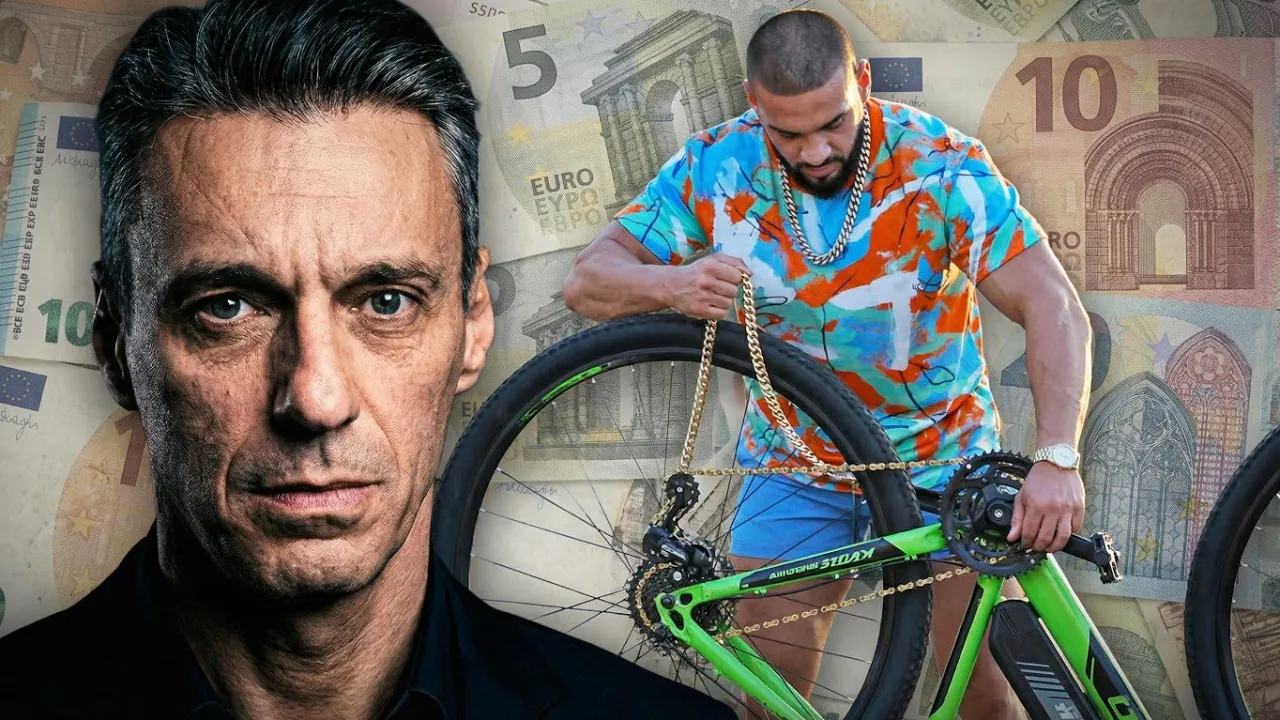










The Eurozone was designed as a single currency area without corresponding political union, creating an irreversible trap where Southern European nations lost their ability to devalue currency (their primary economic defense mechanism) while simultaneously gaining access to artificially cheap credit, leading to unsustainable debt accumulation and economic divergence that manifested in the 2008 financial crisis and subsequent Greek debt crisis.
Economic History of the Euro Introduction: The Euro's 1999 Origins
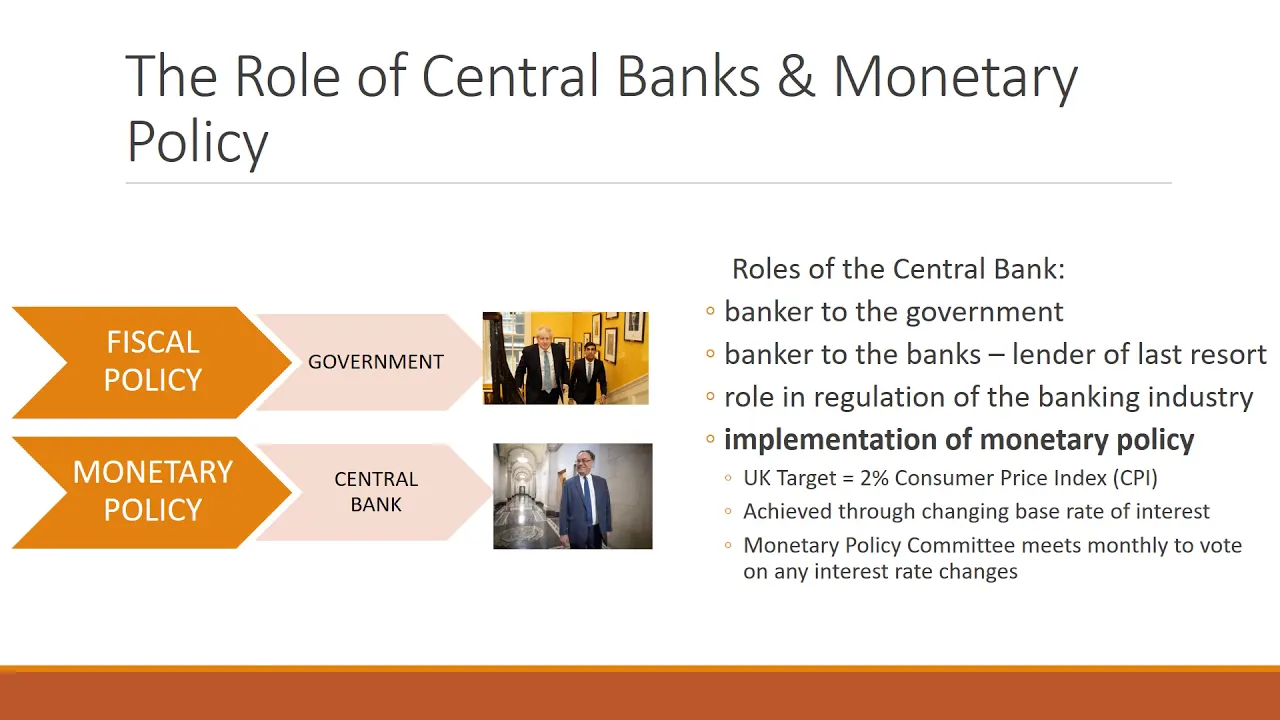
Added:The fundamental distinction between monetary policy (managed by central banks) and fiscal policy (managed by national governments).
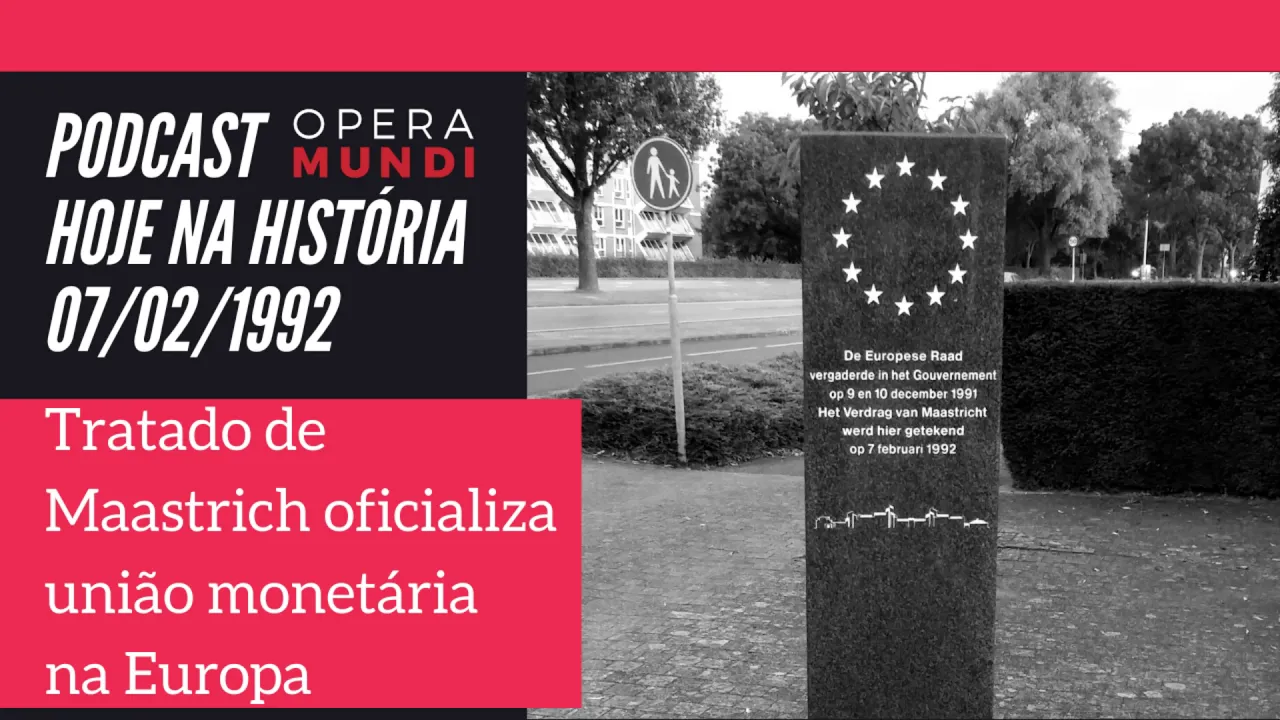
The historical context of European integration post-WWII, specifically the Maastricht Treaty of 1992 which laid the groundwork for the single currency.
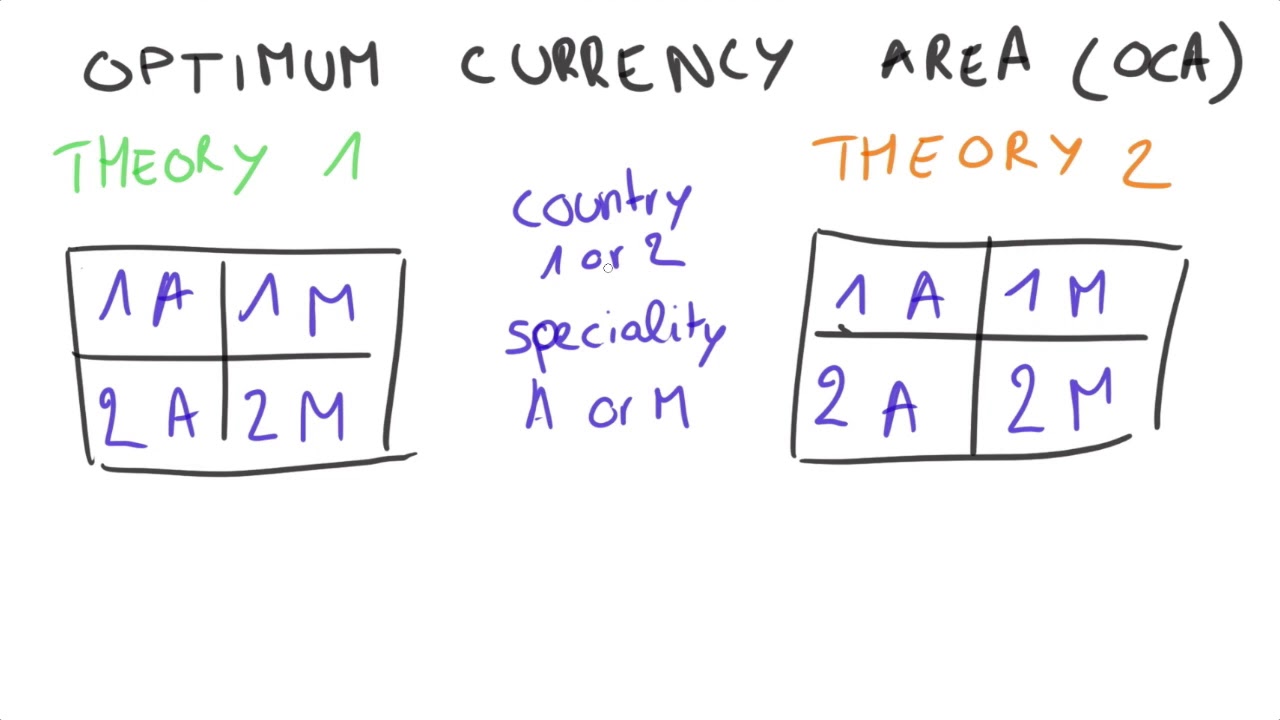
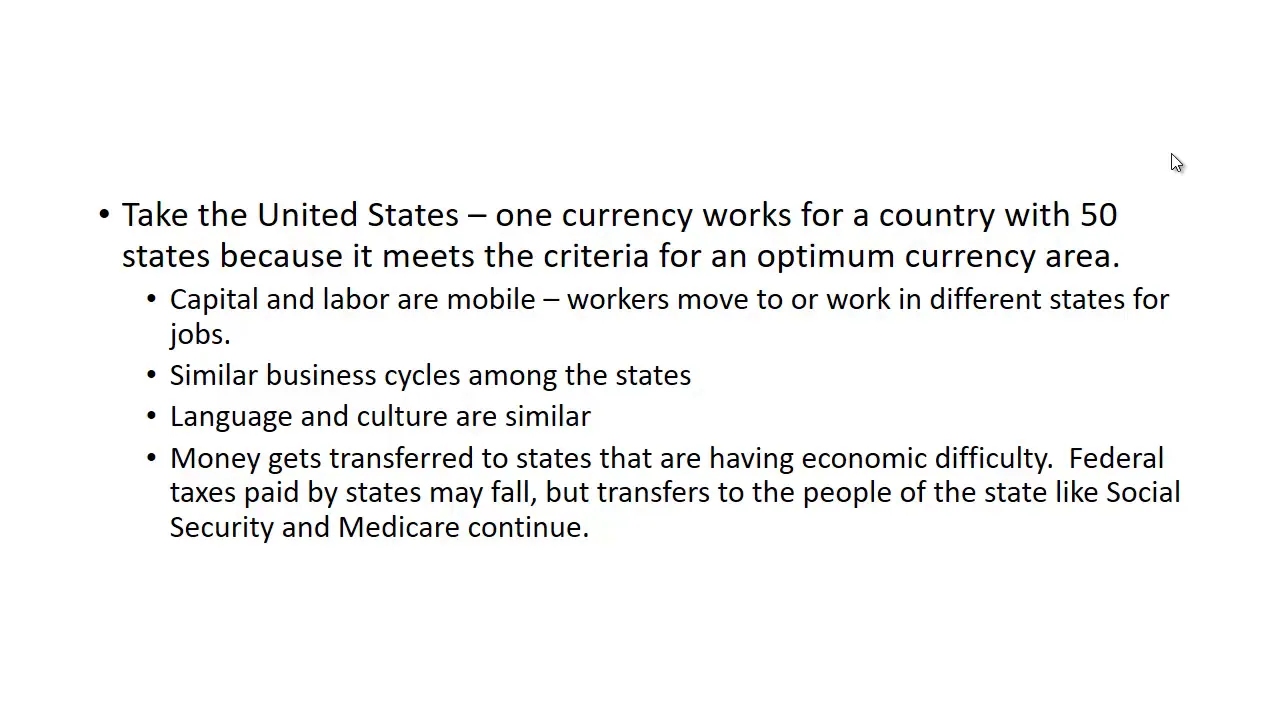
The economic theory of Optimum Currency Areas (OCA), which explains the criteria necessary for a geographical region to share a single currency successfully.
Basic exchange rate mechanisms and the functioning of the European Monetary System (EMS) that preceded the Euro.
The Eurozone Sovereign Debt Crisis (2009-2012), examining how the Euro's structural design flaws manifested during a major financial shock.
The institutional role and evolution of the European Central Bank (ECB), including its response to crises through unconventional monetary policies.
Ongoing debates regarding European fiscal integration, such as the Stability and Growth Pact, Eurobonds, and collective fiscal responses like NextGenerationEU.
An analysis of the Euro's global standing as a reserve currency and its impact on transatlantic relations and international trade.
25.3K views937likes23:03Original Release: 2026-01-01
On the freezing cold night of December 31st, 1998, the finance ministers of Europe were popping champagne corks. In the skyscrapers of Frankfurt and the government palaces of Brussels, there was a sense of euphoria. They believed they were witnessing the end of history.
They believed they were about to achieve a dream that had eluded Charlemagne and Napoleon. They were about to unite the continent of Europe, not by the sword, but by the ledger. When the clock struck midnight and the calendar turned to January 1st, 199911, proud nations surrendered their oldest symbol of sovereignty. They gave up their national currencies. The French Frank, the German mark, the Italian lera, and the Spanish pacita effectively ceased to exist as independent forces.
In their place came a new electronic ghost currency called the euro. To the politicians clinking glasses in Brussels, this was a moment of peace and brotherhood. They told the public that the euro would bring prosperity. They said it would end war forever because nations that shared a wallet would not shoot at each other. They said it would make Europe a superpower that could look the United States in the eye. But they were lying. Or perhaps they were just deliluded because on that cold night in January, they had not built a cathedral of unity. They had built a financial doomsday machine. They had locked 19 different economies with 19 different cultures and 19 different levels of productivity into a single rigid room.
And they had thrown away the key. To understand why January 1st, 1999 was the day Europe walked into a trap, we have to understand what money actually is.
For a sovereign nation, money is not just a medium of exchange. It is a shock absorber. It is a safety valve. When a country gets into trouble, when its economy becomes uncompetitive or its debts become too high, it has a magical tool at its disposal. It can devalue its currency. Let us look at the history of Italy to understand this. Before 1999, Italy was an industrial powerhouse, but it had a problem with inflation and government spending. The Italian government spent money like water. They had a massive debt. In a rigid system, Italy would have gone bankrupt in the 1970s or 80s. But Italy had the lera and the Italian central bank had the printing press. When Italian wages got too high and Italian fiats became too expensive for Germans to buy, the Bank of Italy would simply print more LRA.
This would lower the value of the currency. Overnight, Italian cars and clothes and wine would become 20% cheaper for the rest of the world.
Exports would boom, factories would stay open, and the crisis would pass. It was a dirty trick, but it worked. It allowed Italy to remain an industrial giant despite its political chaos. On January 1st, 1999, Italy voluntarily handed over the keys to that printing press to a new landlord in Germany. The European Central Bank was established in Frankfurt. Its mandate was not to help Italy sell cars. Its mandate was to fight inflation. It was built on the model of the German Bundesbank. The Germans had a cultural trauma about inflation dating back to the 1920s when a wheelbarrow of money could not buy a loaf of bread. So the Germans insisted that the new euro must be as hard as steel. It must never be devalued. This was the hidden trap. By joining the Euro countries like Italy, Spain, Greece, and Portugal surrendered their only defense mechanism against economic reality. They became like a homeowner who takes out a massive mortgage but hands control of his bank account to his neighbor. As long as the sun was shining and the economy was growing, nobody noticed the chains. In fact, in the early years, the chains felt like feathers. The first decade of the euro was a party. It was a hallucination of wealth. This was the bait in the trap. Before the euro, if Greece wanted to borrow money from international investors, they had to pay a very high interest rate, maybe 18% or 20%. This was because investors knew that the dashma was a risky currency.
They knew that Greece might devalue or inflate the debt away. This high interest rate acted like a speed limit.
It prevented the Greek government from borrowing too much because it was too expensive to service the debt. But on January 1st, 1999, the markets looked at Greece and they saw the euro. They saw the signature of Germany. Suddenly, international banks in New York and London and Paris started lending money to Greece at almost the same interest rate as they lent to Germany. The interest rate on Greek debt collapsed from 18% to 3%. It was free money. It was a credit card with no limit and no annual fee. The southern European nations went on a spending spree that makes the Roman emperors look frugal.
The Greek government doubled the salaries of public sector workers. They allowed people to retire in their 50s with full pensions. They bought submarines and tanks they didn't need.
In Spain, they used the cheap money to build a real estate bubble of biblical proportions. They poured concrete over the entire coastline. They built airports where no planes landed and highways that led to nowhere. In Ireland, they built housing estates for ghosts. The politicians in the south were hailed as geniuses. They were delivering a first world lifestyle on a third world budget. The voters loved them. No one asked where the money was coming from. No one asked what would happen when the bill came due. They believed the lie that the euro had magically made Greece as productive as Germany. But while the South was partying, Germany was working. This is the second part of the trap. The euro was a disaster for the South. But it was a gold mine for the German industrial machine. Before the euro, every time the German economy did well, the German mark would increase in value. This made German cars like Mercedes and BMW more expensive for foreigners to buy. A strong currency was a natural break on German dominance. It gave other countries a chance to compete. But with the euro, this break was cut. Germany was now tied to the weaker economies of the south. The weakness of the Italian and Greek economies acted as an anchor, keeping the value of the euro lower than the German mark would have been on its own. This meant that German exports were artificially cheap. Germany began to run massive trade surpluses. They exported their cars and their machines to the very countries that were borrowing the cheap money. It was a perfect recycling mechanism. German banks lent money to Greek consumers so that Greek consumers could buy German cars. The money left Frankfurt went to Athens and then came right back to Frankfurt. Germany was vendor financing its own customers. The German economy bmed while the industrial base of Italy and France was hollowed out. They could not compete with the efficient German machine and they could no longer devalue their currency to compensate. The factories in Milan and Turin began to close. The textile mills in Portugal went silent. The olive oil producers in Spain found themselves undercut. The euro, which was supposed to bring convergence, was actually creating a massive divergence. The North was getting richer and more efficient.
The South was getting debtridden and uncompetitive. The elastic band that held Europe together was being stretched to the breaking point. But the bureaucrats in Brussels refused to see it. They were blinded by ideology. They pointed to the low inflation figures and the stability of the exchange rate. They congratulated themselves on the success of the project. They expanded the Euro zone, inviting more and more countries into the trap. They ignored the warnings of economists who pointed out that you cannot have a single currency without a single government. They ignored the history of the gold standard which had caused the Great Depression. They believed that political will could overcome the laws of mathematics. Then came the year 2008. The global financial crisis exploded in Wall Street. The shock waves rolled across the Atlantic.
At first, the Euro zone leaders claimed they were immune. They said it was an Anglo-Saxon crisis caused by greedy American bankers. They were wrong. The crisis stripped away the illusion of the euro. It revealed the naked truth that had been hidden since January 1st, 1999.
When the credit markets froze, the investors suddenly woke up from their dream. They looked at the debt piles in Greece and Italy and Spain and they realized a terrifying fact. There was no German guarantee. The German taxpayers had never agreed to pay the debts of the Greek government. The euro was not a unified sovereign currency. It was a collection of national debts masquerading as one. The sudden stop began. This is the nightmare scenario for any debtor. For 10 years, money had flowed from the north to the south like a mighty river. Suddenly, the river ran dry. The banks stopped lending. They demanded their money back, but the money was gone. It had been spent on concrete and imported cars and pension checks. In a normal country with its own currency, this is the moment where the safety valve would pop. The currency would crash. The debt would be inflated away.
The economy would take a hit, but it would survive. But Greece, Italy, Spain, and Portugal did not have their own currency. They were trapped in a burning building with the doors locked from the outside. They could not print money to pay the soldiers and the doctors. They could not devalue to boost exports. The only option left was something economists call internal devaluation.
This is a sterile academic term for a brutal human reality. If you cannot lower the value of your currency, you must lower the value of your people. You must slash wages. You must fire workers.
You must cut pensions. You must destroy the standard of living of your population until they are so poor that they become competitive again. This brings us to the tragedy of Greece, which was the first domino to fall. In late 2009, the new Greek government revealed that the previous government had been lying about the deficit numbers. The deficit was not 3%, it was 15%, the markets panicked. The interest rates on Greek debt skyrocketed. The country was insolvent. On January 1st, 1999, the Greek people had celebrated joining the Club of Rich Nations. 10 years later, they found themselves occupied by a new kind of army. It was not an army of soldiers, but an army of accountants. They were called the troa, the European Commission, the European Central Bank, and the International Monetary Fund. These three unelected bodies took control of the Greek economy. They dictated the laws. They rewrote the budget. They told the Greek Parliament what to do. The Troka did not care about the suffering of the Greek people. Their priority was to save the euro. Or more accurately, their priority was to save the French and German banks that had lent billions to Greece. If Greece defaulted the big banks in Paris and Frankfurt would have taken massive losses, they might have collapsed. The politicians in Berlin and Paris could not allow that. So they engineered a bailout. They gave billions of euros to the Greek government, but not a scent of it went to the Greek people. It flowed through Athens and went straight back to the creditors. It was a moneyaundering operation designed to save the northern banks while pretending to help the southern nation. In exchange for this loan, which Greece could never repay, the Troa demanded savage austerity. They demanded that the minimum wage be cut.
They demanded that hospitals run out of medicine. They demanded that schools turn off the heating in winter. The suicide rate in Greece soared. People were searching for food and garbage bins in the shadow of the Acropolis. The youth unemployment rate hit 50%. A whole generation was thrown under the scrap heap. And through it all, the trap of January 1st, 1999 held firm. The Greek people voted in referendum after referendum against austerity. They rioted in Sintagma Square. They burned the flag of the European Union. But it didn't matter. The trap was mathematical. As long as they stayed in the euro, they had no sovereignty. Their democracy was an illusion. The real power lay in Frankfurt with the unelected technocrats who controlled the liquidity of the banking system. The European Central Bank proved to be the ultimate enforcer. When the Greek government tried to resist the demands of the creditors, the ECB simply threatened to cut off the liquidity to the Greek banks. They threatened to shut down the ATMs. They weaponized the money supply against a member nation. It was a brutal display of power. It showed that in the Euro zone, national democracy is secondary to financial stability. The tragedy of the euro is not just an economic story. It is a story about the betrayal of the European dream. The project that was meant to unite the continent has instead revived the oldest hatreds in Europe. The Germans look at the south and see lazy moochers who want to steal their tax money. The Greeks and Italians look at the north and see cruel overlords who want to turn them into debt colonies. The stereotypes of the Second World War have been dusted off and put back into circulation.
And the trap is still there. The crisis of 2010 was never really solved. It was just papered over with more debt and more printing. The structural flaw of the euro remains. You cannot have a single monetary policy for such different economies. You cannot lock a Ferrari and a tractor together and expect them to drive at the same speed.
As we end the first part of this script, we are standing in the wreckage of the Greek crisis. We see the smoke rising from the streets of Athens. We see the boarded up shops in Rome and Madrid. But the story gets darker because the architects of the euro did not just make a mistake. They knew what they were doing. There is evidence that the founders of the euro understood that a crisis would happen. In fact, they welcomed it. They believed in a theory called the beneficial crisis. They believed that when the crisis hit, it would force the nations of Europe to surrender even more sovereignty. They believed that the only way out of the trap would be to move forward into a United States of Europe. In the second part of this deep dive, we will look at the secret mechanisms that keep the trap closed. We will look at the target two payment system, a hidden ledger of trillions of euros that binds the central banks together. We will look at the rise of the populist movements that are trying to break the chains. And we will ask the ultimate question, can the euro survive or is it destined to end in a chaotic explosion that will tear the European Union apart? The day Europe deleted its money was the day it signed a contract with Destiny and the Inc. is still wet. The crisis that began in Greece was not contained by the borders of that small nation. Like a contagion, it spread across the southern flank of Europe, infecting the economies of Portugal, Ireland, Italy, and Spain. The acronym PIIGS was coined by cynical traders in London and New York to describe these nations. It was a derogatory term, but it reflected the brutal reality of the bond market. These countries were being slaughtered, and the weapon being used to slaughter them was the very currency they had adopted with such hope on January 1st, 1999.
To understand the depth of the trap, we have to look at the mechanics of the target 2 system. This is a technical subject that is almost never discussed in the mainstream media because it is too complex and too terrifying. Target two is the internal payment system of the Euro zone. When a Greek citizen buys a German car, money has to move from the Greek central bank to the German Bundis Bank. In a normal world, this would be settled with gold or foreign currency reserves. But in the magical world of the euro, no settlement is required. The Greek central bank simply issues an IOU to the system and the German central bank accepts a claim on the system. For years, as the south imported German goods and as capital fled from the risky south to the safe north, these imbalances grew to astronomical levels.
The German Bundes Bank built up a massive credit claim of over1 trillion euros against the rest of the system.
The central banks of Italy and Spain built up massive debts. This is the hidden chain that binds them together.
If Italy were to leave the euro today and return to the LRA, it would technically owe hundreds of billions of euros to Germany. It is a financial suicide vest strapped to the chest of the entire continent. If one country pulls the trigger, everyone blows up.
This hidden liability explains why the European leaders fought so hard to prevent Greece from leaving. It wasn't just about Greece. If Greece left and defaulted on its target two liabilities, the German taxpayer would have realized that a trillion euros of their national wealth was just imaginary numbers on a computer screen in Frankfurt. The trap of January 1st, 1999 was designed to be irreversible. The architects had burned the bridges behind them. As the crisis dragged on from 2010 to 2012, the social fabric of Europe began to tear. In Italy, the industrial heartland of the north began to resent the subsidies flowing to the south and to the rest of Europe. The technocratic government of Mario Monty was installed in Rome essentially by a coup d'eta orchestrated by Brussels. The elected leader, Sylvio Burleskone, was forced out, not by the voters, but by the bond markets. The yield on Italian debt spiked, and the European Central Bank sent a secret letter to Rome demanding reforms. It was a stark demonstration that the era of national sovereignty was over. The prime minister of Italy answered to Frankfurt, not to the Italian people. In Spain, the youth unemployment rate hit 55%. An entire generation of architects, engineers, and doctors packed their bags and left. They moved to London to Berlin to tiny apartments in northern cities serving coffee to the citizens of the creditor nations. It was a massive brain drain. The South was exporting its most valuable resource, its human capital to the north. This deepened the economic divergence. The South got older and poorer while the North got the influx of cheap skilled labor. The Euro was functioning as a pump sucking the lifeblood out of the Mediterranean. The political backlash was inevitable. The rise of populist parties across Europe can be traced directly back to the flaw of the euro. In Greece, the radical left party siza came to power promising to tear up the memorandum with the troa.
Their finance minister, Giannis Varafakus, a leather jacketwearing economist, tried to negotiate with the creditors. He used logic. He used game theory. He explained that a bankrupt nation cannot repay its debts by shrinking its economy. He argued that the austerity was self-defeating. But he was talking to a wall. The German finance minister Wolf Gang Shoel was not interested in economics. He was interested in morality. In the German worldview, debt is a sin. The German word for debt schul is the same as the word for guilt. Shyel believed that the Greeks had sinned by spending too much and now they had to do penance. The logic of the ledger was replaced by the logic of the pulpit. The euro had become a morality play where the suffering of the south was seen as necessary for the redemption of their souls.
In July 2015, the Greek drama reached its climax. The Greek people voted in a massive referendum to reject the bailout terms. It was a resounding oxy. No, it was a cry of defiance against the technocrats. But within 24 hours, the Greek prime minister, Alexis Cyprus, capitulated. He realized that the European Central Bank was ready to collapse the Greek banking system completely. He looked into the abyss and he blinked. He signed a surrender document that was even harsher than the one the people had rejected. This was the moment the world saw the true nature of the European Union. It was not a democracy. It was a benevolent dictatorship of the banks. The vote of the people was irrelevant if it conflicted with the rules of the euro.
The trap was absolute. But the defenders of the euro will tell you that the currency was saved. They will point to the famous speech by Mario Draghi, the president of the European Central Bank.
In the summer of 2012, with the euro on the brink of collapse, Draghi stood up in London and said, "Within our mandate, the ECB is ready to do whatever it takes to preserve the euro." And believe me, it will be enough. Those three words, whatever it takes, changed history.
Draghi was promising to print unlimited amounts of money to buy the bonds of the struggling countries. He was effectively turning the European Central Bank into the lender of last resort, something the Germans had always forbidden. The markets believed him. The panic subsided. The interest rates fell. The euro survived. But at what cost? The whatever it takes policy has turned the euro zone into a zombie economy. To keep the south afloat, the ECB has pushed interest rates to zero and even into negative territory. They have flooded the system with cheap money. This has created massive asset bubbles in real estate and stock markets, enriching the wealthy. While the wages of the working class remain stagnant, it has kept alive zombie companies that should have gone bankrupt, preventing the creative destruction that drives capitalism. And the fundamental problem has not been fixed. Italy has not grown in 20 years.
Its GDP per capita is lower today than it was when it joined the euro. The Italian industrial base continues to erode. The debt pile continues to grow.
The trap of January 1st, 1999 is essentially a slow strangulation. It is not a sudden death, but a long lingering decline. The south of Europe is being turned into a nursing home and a tourist destination dependent on transfers from the north to survive. This state of affairs is politically unsustainable. A union that generates permanent winners and permanent losers cannot survive forever. The anger is building. We see it in the yellow vest protests in France. We see it in the rise of the brothers of Italy. We see it in the alternative for Germany party which argues that Germany should stop paying for the south. The centrifuge of history is spinning faster and faster. The irony is that the euro was designed to prevent German dominance. The French president Francois Midon famously demanded the euro as the price for allowing German reunification. He wanted to tie the German giant down with European ropes.
He wanted to take away the beloved German mark to ensure that Germany could never again dominate the continent. But the opposite happened. The euro became the vehicle for German economic hegemony. By locking the exchange rates, it gave German industry a permanent advantage that no other country could match. Germany today dictates the economic policy of the entire continent.
The budget of Italy is decided in Brussels, which takes its orders from Berlin. Midaran's trap backfired. He built a cage for the German tiger, but he locked himself inside with it. So, what is the future of this monetary experiment? There are only two ways out of the trap. The first is a full political union. This means a United States of Europe where a central government in Brussels collects taxes from everyone and distributes them to everyone. In this scenario, the Germans would permanently subsidize the Italians just as New York subsidizes Mississippi and the USA. But there is no political will for this. The German voters will never accept it and the French voters will never accept the loss of their remaining sovereignty. The second option is a breakup. This is the doomsday scenario. If Italy or France were to leave the euro, the chaos would be unimaginable. The new lera or Frank would crash in value. Inflation would explode. The banks would fail. The savings of millions of people would be wiped out. The legal battles over the debts would last for decades. It would be the financial equivalent of a nuclear war. This is why the system continues.
The fear of the breakup keeps the prisoners in the cell. The politicians kick the can down the road hoping that a miracle will happen. They print more money. They create new emergency funds.
They fudge the rules. They live day by day praying that the structure holds together for just one more election cycle. But history teaches us that currency unions do not last without political unions. The Latin monetary union of the 19th century failed. The Scandinavian monetary union failed. The Austrohungarian currency failed. Money is a social contract. It requires trust and a shared sense of destiny. The euro has stripped away the tools of national survival. But it has not replaced them with a European identity strong enough to bear the pain of the adjustments.
January 1st, 1999 will be remembered by historians as a turning point. It was the day Europe tried to force reality to bend to its will. It was an act of hubris. The leaders of that time believed they could banish the business cycle and erase the differences between nations with a single decree. They forgot that an economy is like a living ecosystem. If you try to put a rigid concrete block over a forest, the roots will eventually crack the concrete. The cracks are already visible. The debt in Italy is higher than ever. The resentment in Germany is growing. The global economy is shifting. When the next major crisis hits, and it surely will, the euro will face its ultimate test. The tools that were used to save it last time interest rate cuts and money printing are already exhausted.
The central bank is out of ammunition.
The story of the euro is a warning. It is a warning about what happens when you prioritize political symbols over economic reality. It is a warning about the danger of surrendering sovereignty to unelected technocrats. And it is a warning that there is no such thing as a free lunch. The cheap credit that flowed in the early years was not a gift. It was a loan taken out against the future of the continent. And now the bill is being paid in the form of lost generations, stagnation, and political extremism. The map of Europe today looks unified. The borders are open. The currency is the same. But underneath the surface, the iron chains of debt are pulling the continent apart. The trap that was set on that cold night in 1999 has sprung. And we are all still living inside it, waiting to see if the walls will hold or if the roof will finally cave in. I'm John and this is the Cinematic History Tales channel.
Up Next
90:56
What Peak Cheap Oil Means for the Global Economy & Future Currencies
@thegreatsimplification
118.8K views•2023-10-04
5:07
Impact of Yuan in Indo-Russian Trade Amid Sanctions
@WION
261.9K views•2022-07-01
10:33
Behavioral Economics Explained: Rationality, Nudges, and Risk
@crashcourse
1.1M views•2016-03-12

113:18
The Age of Easy Money: Fed & Inflation | Full Documentary
@frontline
21.2M views•2023-03-15
Related Study Plans & Knowledge Roadmaps
Structured learning paths in Economics
economics
Sovereign Debt: Defaults, IMF & Restructuring
01Introduction to Sovereign Debt & Government Bonds
02Debt Sustainability & Credit Ratings
03Anatomy and History of Debt Crises
+ 2 more learning modules
12h5 modules
Explore Roadmap
economics
Market Design: Matching Theory & Gale-Shapley
01Introduction to Market Design and Price-Free Markets
02Two-Sided Matching & The Gale-Shapley Algorithm
03School Choice Systems and Mechanism Design
+ 2 more learning modules
10h5 modules
Explore Roadmap
economics
Impossible Trinity: Forex, Capital & Policy
01Introduction to Monetary Policy and Central Banking
02Exchange Rates and International Capital Flows
03The Mundell-Fleming Model
+ 2 more learning modules
8h5 modules
Explore Roadmap
economics
Healthcare Economics: Market Failures & Systems
01Introduction to Healthcare Markets and Market Failure
02Asymmetric Information and Adverse Selection
03Moral Hazard and Insurance Design
+ 2 more learning modules
12h5 modules
Explore Roadmap