









![Sensor de CO2 casero con ARDUINO. ¿Cómo funciona un sensor NDIR ? [MH-Z19 con Arduino]](https://i.ytimg.com/vi_webp/rXOq6ay0im0/maxresdefault.webp)










![Luftqualität im Blick! | niceBox: Amazon Smart Air Quality Monitor [Unboxing/Hands-On]](https://i.ytimg.com/vi/KOIlJ42p1Ag/maxresdefault.jpg)
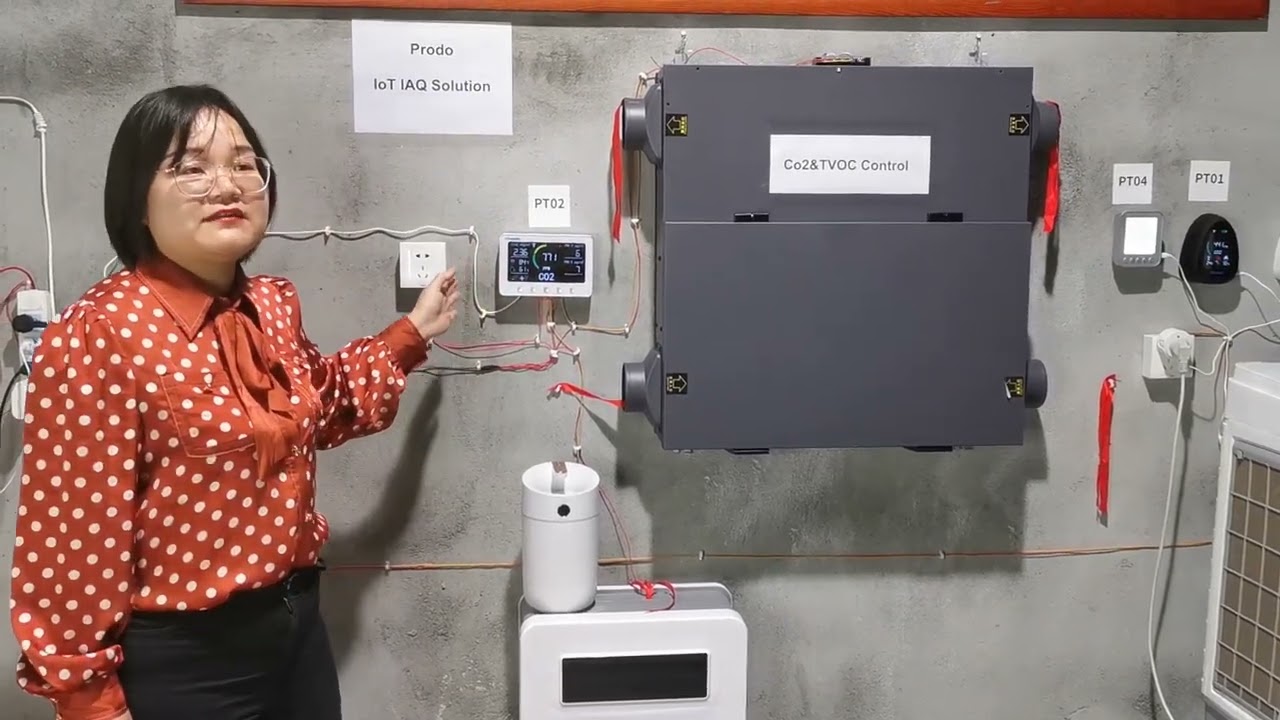
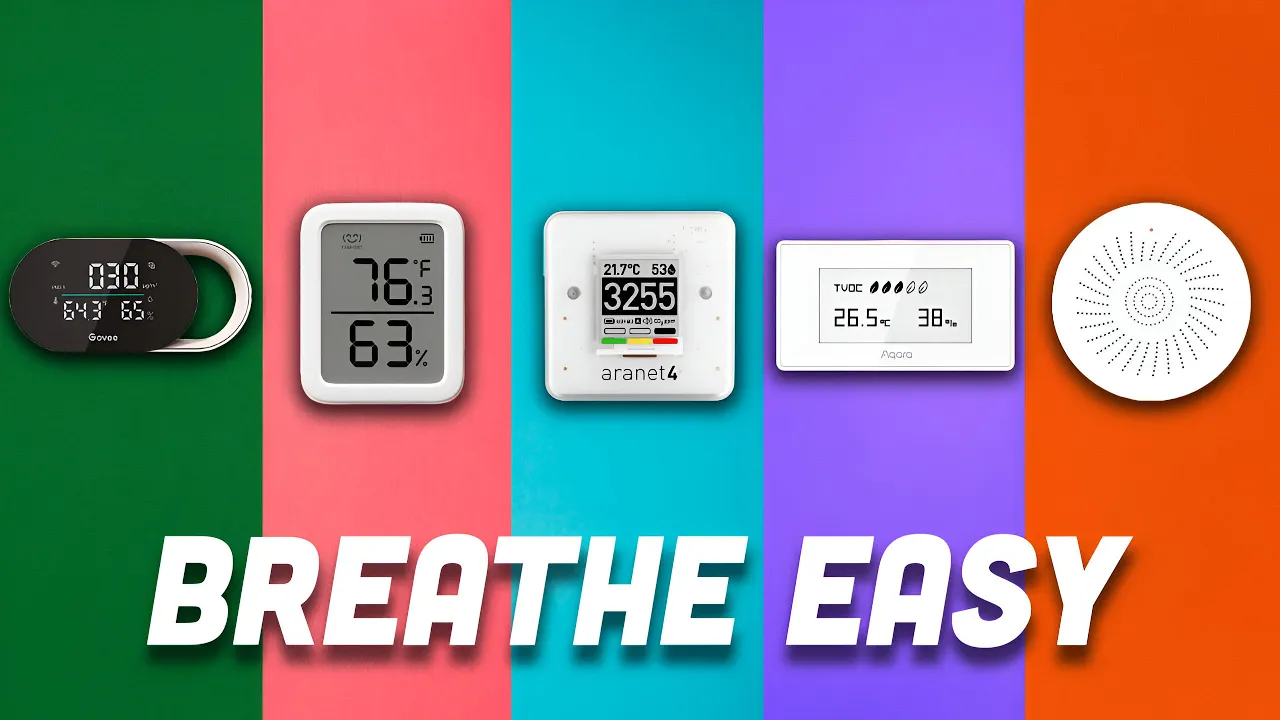


When choosing an air quality monitor, consider your specific needs: CO2 sensors (like Aranet4) track ventilation and are useful for understanding infection risk and cognitive performance, while PM sensors (like PurpleAir Zen or AirGradient) measure particle matter for assessing pollution levels; for most people, CO2 sensors are more practical, but PM sensors offer greater accuracy when tested against reference devices; plug-and-play options like Qingping Pro provide immediate use without setup, though they lack user-replaceable sensors; avoid overpaying for devices using the same core sensors as cheaper alternatives, and note that VOC sensors in consumer devices are generally not accurate enough for meaningful health assessments.
Air Quality Monitors 2024: Best Picks for Accurate Monitoring
Added:Understanding key indoor and outdoor air pollutants, such as Particulate Matter (PM2.5 and PM10), Volatile Organic Compounds (VOCs), Carbon Dioxide (CO2), and Carbon Monoxide (CO).
Familiarity with the Air Quality Index (AQI), including how AQI values are calculated and what the different color-coded health advisory levels signify.
Basic awareness of sensor technologies, specifically how optical particle counters (for PM) and Non-Dispersive Infrared (NDIR) sensors (for CO2) function.
The fundamental health and environmental impacts of exposure to poor air quality, which establishes the necessity for monitoring.
Implementing air mitigation and remediation strategies, such as selecting appropriate HEPA air purifiers, mechanical ventilation systems, or humidity control methods based on sensor readings.
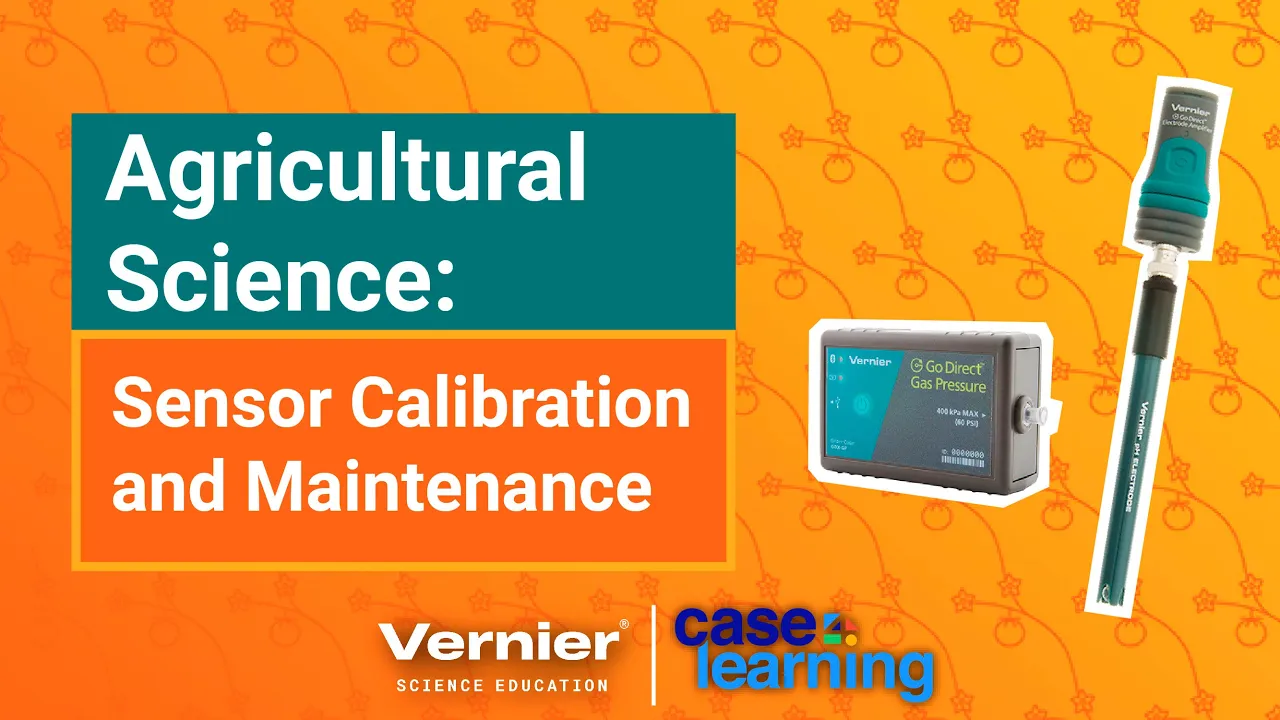
Sensor calibration, maintenance, and lifespan management, including understanding how drift impacts sensor accuracy over time.
Smart home automation and IoT integration, specifically configuring air monitors to trigger smart plugs, HVAC fans, or air purifiers when pollutant thresholds are exceeded.
Advanced data analysis and citizen science, involving exporting historic monitor data to identify diurnal patterns or participating in global public environmental mapping projects.
80.5K views1.2Klikes13:32Original Release: 2024-07-31
since Co there's been a massive demand of consumers wanting to understand the indoor air quality in their home now before I jump into our recommendations I first want to ask do you actually need an air quality monitor cuz the reality is is there's a number of free apps that can give you the latest air quality information in your area if you're in the US you have the air Now app from the EPA which is absolutely free you also have air quality data inside Google Maps and for those outside of the us the iqa air visual app is great has really good clean ux and is most importantly free now if you want more than the latest information in your area then you'll want to look and invest in in a sensor like this right let's jump into my recommendations so what is the best air quality sensor for most people and I'm going to choose this a CO2 sensor whilst most people might be tempted to go straight in for a particle sensor you're actually going to find it's more use ful to get a CO2 sensor like this now whilst a CO2 monitor like this only tracks the levels of CO2 a study in 2021 showed that the CO2 levels can be a great proxy for the levels of risk of covid in a room in basic terms the CO2 levels will tell you how well a room is ventilated high levels of CO2 are also linked to poor decision- making slower reaction times and increased tiredness now be wary of cheap CO2 monitors as they can be inaccurate you always want to go for a CO2 monitor that uses an ndir sensor ndir is short for non-dispersive infrared sensor now the CO2 monitor that I'm going to recommend is this the arinet 4 I paid $250 for it back in 2022 at the time of this video was $170 and whilst it's not cheap it provides you with years of life with just one battery thanks to its e in display it's portable you can just throw it in a bag it has a smartphone app that links to it so it will update you when the CO2 levels change now since reviewing this device I've also reviewed a budget device from Smart air called the CO2 monitor this device also uses an ND sensor so it's very accurate but does have a reduced battery life of 30 days versus the years you get with the ronet 4 but it is much cheaper at $70 CO2 sensors are great for understanding the risk there will be some situations when you do want to know how many particles are in your room and for this you're going to need a PM sensor short for particular matter sensor now out of all the sensors that we've tested the most accurate sensor at this time is this the purple air Zen I first heard about purple air from the Californian South Coast AQMD and they test a ton of air quality monitors and compare them to reference devices and the purple air devices stood out as being as accurate as as many of the devices that cost upwards of $110,000 now back in 2020 we chose this the purple air indoor sensor which uses the pa1 sensor but since then we've upgraded to get the purple air Zen sensor as well as it uses two sensors it's slightly more accurate when we first started using the purple air sensors it was pretty easy to pull the data from the devices you can just download it directly from their website since then they've changed it so it's an API only service whilst you can see the current air quality with the LEDs as we can see here and you can see it on the map it's a little trickier for non-technical people to pull the data there's also no app like many of the devices on here so just something to be made aware of now we developed our own software that uses the purple air API to pull from our sensors when we're testing our air purifiers this enables us to see the levels of pm1 pm2.5 and pm10 and how quickly they drop when we're testing devices one of the things I like about the per air sensors is the PM sensors themselves are user replaceable considering that these PM sensors have moving Parts they do have a maximum lifespan of four years so they will fail eventually and the fact that you can just swap them out is really really good currently you have two varieties of the indoor sensors we have the purple air torch and the purple air Zen the Zen uses two sensors so slightly more accurate uh but is more expensive at just under $300 while the purple air touch is slightly cheaper at $200 so if budget is no concern go for the Zen but the the touch is really really good and both of these sensors are the most accurate sensors you can get right now without investing in reference devices costing 10 20 $30,000 now there are some alternatives to purple air and that is these air gradient sensors here we have the indoor sensor and the outdoor sensor now the team air gradient reached out to us as they saw that we used the purple air sensors in our test and they wanted us to look at their devices now they're very similar to purple air they use highend p sensors from plant Tower they use gas sensors from senson whilst they haven't been tested yet from AQMD they are used by many universities there's a ton of research on their website now this the indoor sensor I'm a big fan of for one reason and that's because they have a onboard screen if you compare to the purple air sensor which just has the LED whilst you can pull the data VI the API it's nice when you have something indoor to actually be able to see exactly what the levels of CO2 pm and tvoc are now pricing is fairly similar with the indoor sensor which uh you do get slightly better with this with obviously having the sensor but the outdoor sensors are cheaper with air gradient so it's just something to consider now one of the benefits of air gradient over purple air is that you own all the data so on purple A's terms and conditions it's a little confusing on who has the data an air gradient have seen a position for them to put their uh product in and they say that you own all the data it's very clear and they dashboard their app that you can access is much easier for non-technical people to use so if you are looking at the purple air I definitely would look at air gradient to to look at now we've already built our software with API so we're going to stick with purple air but I think what the guys at air gradient are doing is great I think we need more sensors like this in the community one thing to be aware of is just be wary of sensors that cost you know 500 and,000 because many of these sensors will use the same PM sensors that you see in the air gradient in purple air but you're just paying for lots of extra stuff that isn't actually giving you any more accuracy so be sure you check out the full list on AQMD to see if the sensor has been evaluated by them because there's no point paying many many hundreds of dollars if you just getting the same accuracy obviously that changes when you go for reference devices but these are lab equipment costing 10 20 $30,000 and just a completely different kettle of fish whilst these sensors from purple air and air gradient are the most accurate sensors on the market they're not what you define as Plug and Play for consumers so I also wanted to look at devices that you just buy from the shop plug in and just get data straight away so what is the best plug andplay particle sensor well after looking at all the sensors we've tested I have to choose these two devices the QP Pro and the QP light now whilst they're Plug and Play so you just literally buy them you can plug them and you get your air quality information straight away they ALS also use really good sensors both of the devices have been tested by AQMD and they perform really well in comparison to reference devices but in comparison to the purple air and air gradient they just start working right straight away there's no setup required there's no logins and dashboards or anything like that they both come with app support so you can set them up with apps but you can also just use them as they are now if I had to choose between the two I would say that the QP Pro is my favorite the reason being is that you get just a lot more information on the screen while the QP light is a little lighter and easier to travel with you have to kind of to slide the the top button at the top to see the information now the downside of these two devices especially compared to the air gradient and purple air is that the particle sensors are not user replaceable which means that once this stops working the particle sensor in both of these devices you'll have to throw them away now smar hair has heard this feedback and they've brought out a new device we haven't had a chance to test it yet called the QP 2 QP Pro 2 sorry now this has some upgrades of it but the main upgrade that I see is that the PM sensor is user replaceable so if it's as accurate as a QP Pro which I'm sure it is this is that would be the device that I choose just because you're going to get a lot longer lifespan out of it for those wanting a Plug and Play device who mainly use their air quality monitor when traveling this is the device that I would consider it's called the atmo tube Pro now it doesn't have a screen and it works directly with your smartphone app so you attach it to your backpack or somewhere outside and then it reports to your phone when there is changes in air quality when I test this device I was shocked when I went into just a barbecue restaurant and how quickly the levels of pm2.5 increased just as I was walking into the restaurant now something to be aware of is that I would play around with the settings of how much it records the air quality if it records too often the battery will use up very quickly so try and find a sweet spot so that the battery lasts as much time as possible another option to consider is this the aie things plus 2960 now it's a bit different to some of the other sensors on here cuz it also contains a sensor for raidon it uses an e in display like we saw with the arinet 4 which means it has a really good battery life compared to the other devices we tested it can last between 8 to 12 months on just one set of batteries which is impressive it also has a really nice ux in its app and it has its own dashboard that again is really good looking now the downside this device whilst it was accurate when we compared to other devices it doesn't record the levels of PM as quickly as say something like the QP Pro so it only records every 15 minutes it's also quite expensive at $300 but I do like the look of it I like its battery life and I also like the fact that you can use a USBC cable which means you don't have to worry about the battery running out and it also means that the device will act like a hob so if you have any other athing sensors in your house then this might be a device you want to consider another air quality monitor to consider is this aware element now it's a goodlook device it has app support you can pull the data off it tracks pm2.5 CO2 voc's and temperature and humidity it shows the levels on its screen but also sends that information to the app now bear in mind it doesn't work without the cable it doesn't have onboard battery and it's fairly expensive at 210 just under $210 so I wouldn't want to recommend this device over something like the QP Pro where you get battery support and more sensors I also wanted to look at some sensors that we probably don't recommend but we've used this is the dios 1700 from gradco it's a great uh accurate sensor but it's quite old at this point you have to connect it to a computer to pull the data off so it's just much easier for our testing to use these devices from purple air but back in its day this was the device to be and if you've Eagle eyed you'll notice that we have this in our performance test cuz I really like the look of showing the the numbers on the screen as the a purifier performs now another device I wanted to look at is the humor h150 now this is the first sensor that I got for testing air purifiers and it's still works but the data is tricky to pull off uh the battery runs out fairly quickly but I still have it in my heart for it but I wouldn't recommend it today but I still wanted to mention it now another popular device is this Amazon uh sensor now these are very popular they're a good price on on Amazon but one of the downsides of this is you can't actually pull the data so you can see if you have Alexa devices or through the smartphone app but I can't compare the data to the other devices here so just for that reason alone I won't recommend it now one thing I haven't mentioned is about voc's I get tons of emails from people asking me which air purifiers are best at removing voc's and whilst I have a lot of air quality monitors I'm not yet confident that the ens in these devices is accurate enough to give us something useful to share with the world so all of many of these devices all have vocc sensors on them but they are just general gas VOC sensors they'll track all levels of voc's including good ones and bad ones so many people might get one of these devices and say oh my God the vocc levels are really high but in reality these voccs might not be bad for you so it can make people anxious for no reason so currently there isn't a device that I would recommend for voc's in this small category you'd probably have to go with some of these more expensive industrial devices that we're going to invest in at some point but currently the set that you can buy as as a consumer they're just not accurate enough to give you meaningful information I hope my list of these air quality sensors really helps but as always let me know what you think in the comments and let me know which air quality monitor that you are using especially if it's one that I haven't covered in today's video
Up Next

6:19
Formaldehyde Off-Gassing After Renovation: A Cookout Test
@SmartAirFilters
33.9K views•2021-08-11

12:54
Triumph of Orthodoxy Icon: Byzantine Art & History Explained
@BenCallan
2.1K views•2024-08-06

9:49
FastAPI vs Flask vs Django: Choosing the Right Python Web Framework
@TechWithTim
302.5K views•2024-05-26

1:42
Game of Thrones Opening Credits: A Cinematic Analysis
@gameofthrones
46.3M views•2011-04-18
Related Study Plans & Knowledge Roadmaps
Structured learning paths in General & Interdisciplinary Studies
general-studies
Elevator Engineering: History, Physics & Cities
01From Hoists to Safety Brakes: The Dawn of Vertical Lift
02Hydraulic vs. Traction: The Engineering Physics of Elevators
03Modern Speed, Safety, and Algorithms
+ 2 more learning modules
12h5 modules
Explore Roadmap
general-studies
Rubber: Material Science, History & Geopolitics
01Origins of Natural Rubber & Mesoamerican History
02The Chemistry of Natural Rubber & Vulcanization
03The Geopolitics of the Rubber Boom & Colonization
+ 2 more learning modules
12h5 modules
Explore Roadmap
general-studies
Containerization: Evolution, Logistics & Trade
01Ancient Trade & Bulk Cargo: Amphorae to Barrels
02The Industrial Revolution & Cardboard Packaging
03The Containerization Revolution: Malcom McLean
+ 2 more learning modules
12h5 modules
Explore Roadmap
general-studies
Textile Tech: Evolution, Labor & Global Impact
01Pre-Industrial Textiles: Handloom & Cottage Industry
02Mechanization: The Spinning Jenny to the Power Loom
03The Factory System & Global Labor Transformation
+ 2 more learning modules
10h5 modules
Explore Roadmap