
![La Sick Building Syndrome e l'Esperto edificio salubre - Geom. Andrea Muroni [WEBINAR]](https://i.ytimg.com/vi/sHL3QggBe54/maxresdefault.jpg)


















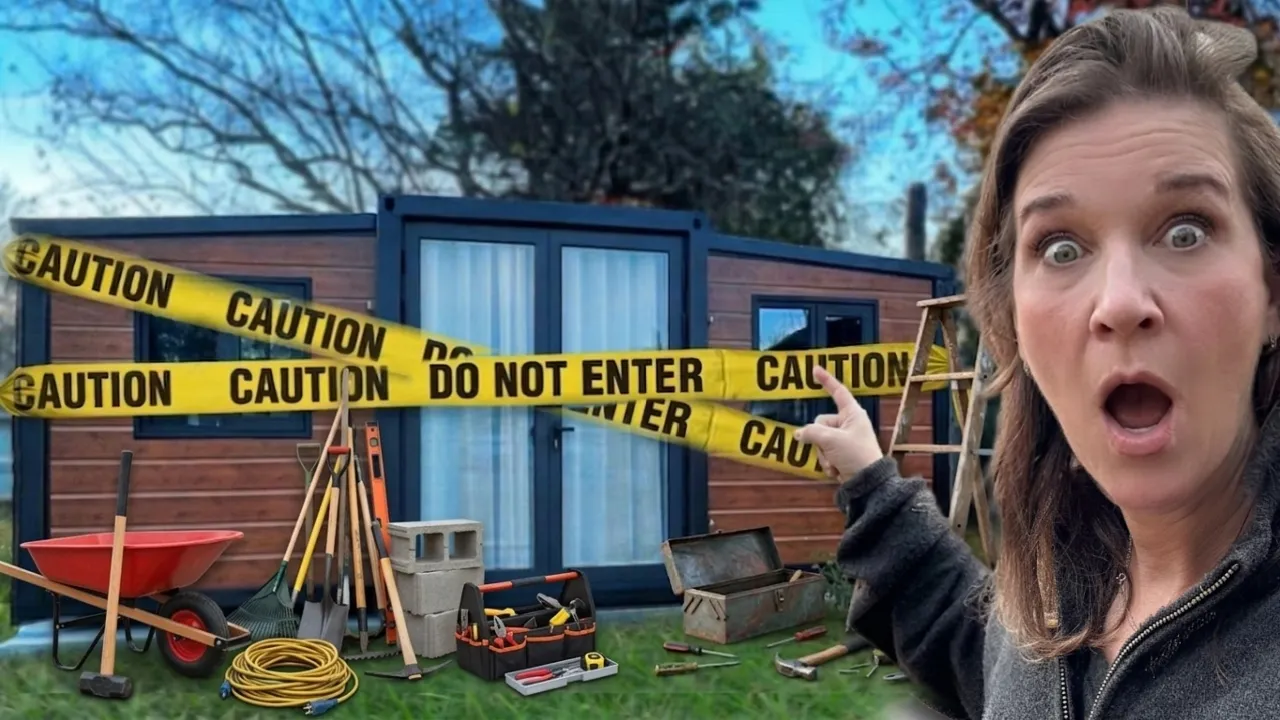









Formaldehyde and VOCs released during home renovations can be effectively removed by conducting 'cookouts'—a process where you close windows, heat the room to around 30°C using air conditioning or heating, allowing the elevated temperature to accelerate off-gassing over 4-8 hours, then opening windows to release the accumulated pollutants; this method works because higher temperatures increase the rate at which formaldehyde escapes from materials like paint, wood, and furniture, and since formaldehyde continues to off-gas slowly for approximately two years after renovation, multiple cookouts combined with ongoing carbon filtration provide comprehensive protection.
Formaldehyde Off-Gassing After Renovation: A Cookout Test
Added:Understanding what Volatile Organic Compounds (VOCs) and formaldehyde are, including their common sources in household products and building materials.
The physical concept of off-gassing (outgassing), which is the release of trapped gases from manufactured materials into the air.
How environmental factors, specifically temperature and humidity, affect the vapor pressure and emission rates of chemical compounds.
Basic principles of indoor air quality (IAQ) and the importance of fresh air exchange rates.
The physical and safety limitations of the 'bake-out' or 'cookout' process, including potential damage to building materials if temperatures are not properly regulated.
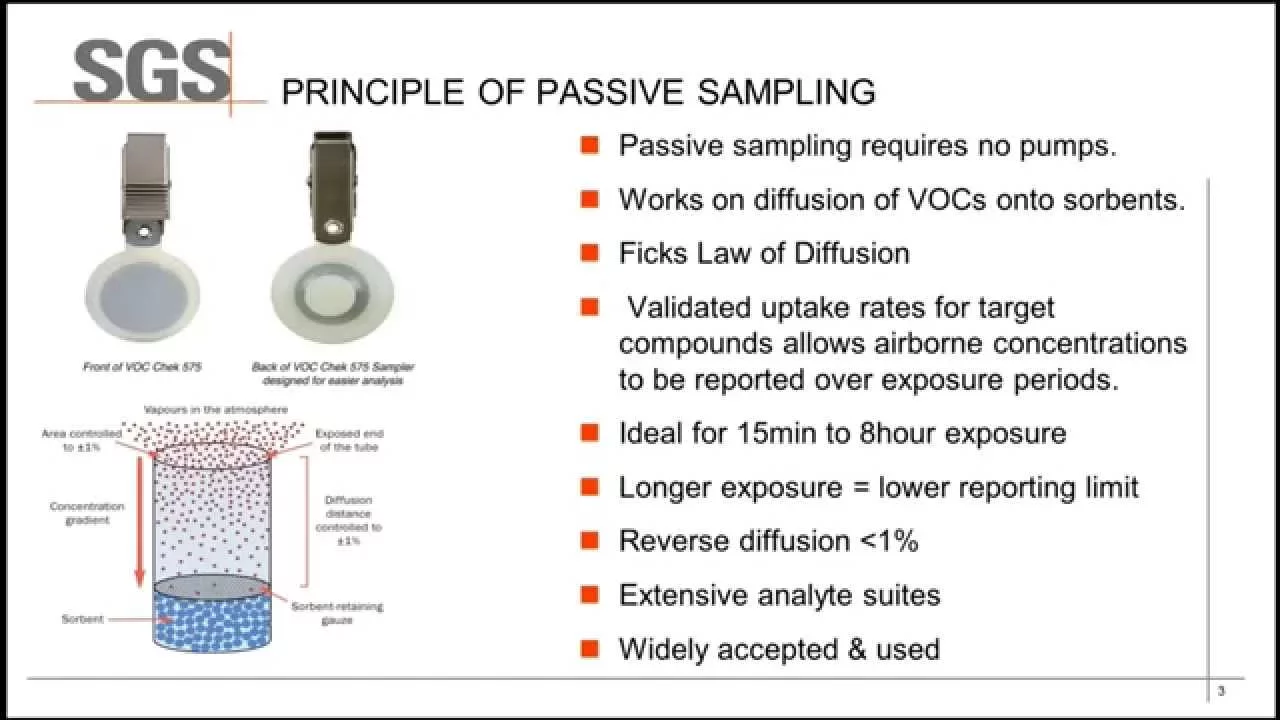
Methods for quantitatively measuring indoor air quality using VOC meters, passive samplers, and professional testing kits.
Exploring green building standards (such as LEED or WELL) and how to source low-emission, non-toxic building materials.
Advanced mechanical ventilation strategies, including the use of Energy Recovery Ventilators (ERVs) and activated carbon filtration systems.
33.9K views515likes6:19Original Release: 2021-08-11
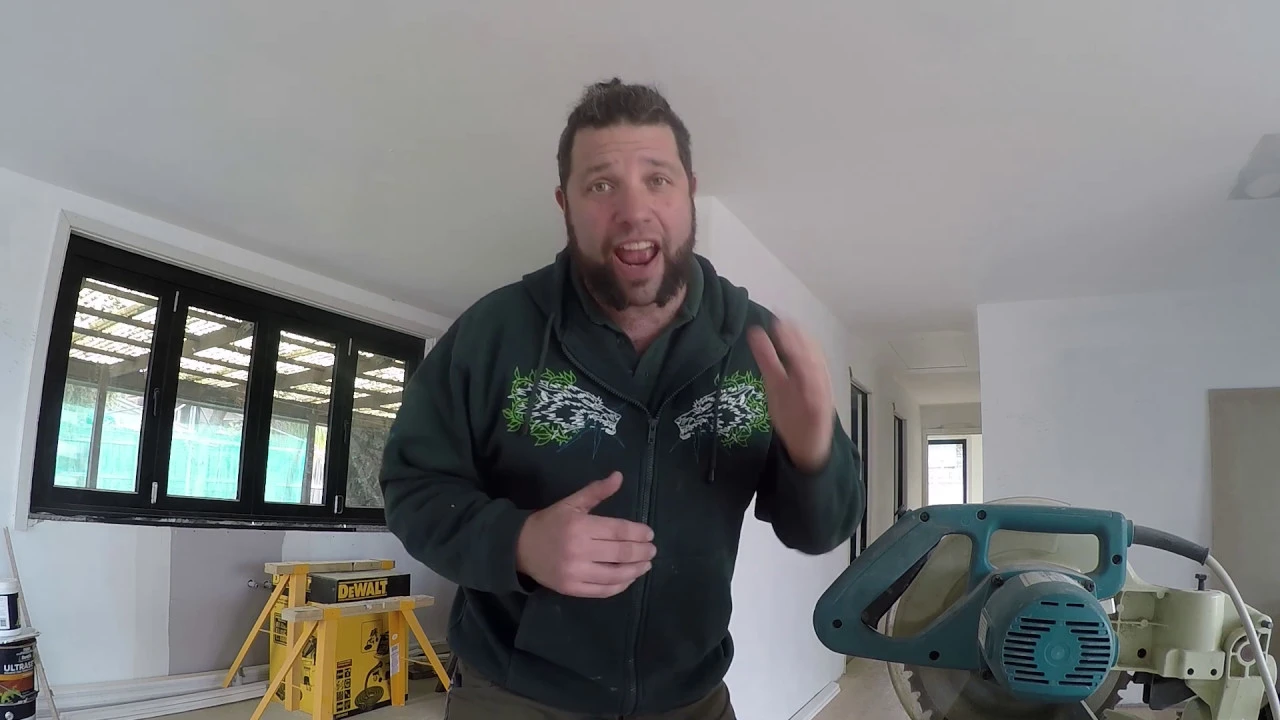
hey everyone paddy from smarter here bringing you open data and knowledge to help you protect yourselves from the air we breathe where am i today i'm actually in our brand new smart air office we renovated this over the past couple of weeks new floor new paint and a lot of new furniture and stuff now i'm shooting this video today because i'm going to talk to you about formaldehyde and vocs formaldehyde is actually a gas which can irritate the throat irritate the eyes over a longer period can give you a headache or sore throat so often when we renovate a building paint new furniture floorboards we can be bringing in formaldehyde and vocs and we've definitely got a little bit in this office so what i'm going to be doing to get rid of these vocs is over the next day i'm going to be running a couple of what we call cookouts so exactly how does a cookout work well what you need to do is you need to close all the windows so i'm going to go ahead and close these windows now now this might actually be counter-intuitive you're thinking why are you closing the windows if we've got gases coming out of the paint out of the wood probably want to be opening the windows to let the gases out right well that makes sense and if there's people in there in the building and that's probably what you want to do but when nobody's in the smart thing to do is to close all the windows to try and heat up the room and if possible turn on an aircon to bring up the temperature even more or turn up turn on the heat which lets out the formaldehyde even quicker and when you do that maybe for the whole day for eight hours four hours you'll do that you'll bring the temperature up and then you want to open all the windows so i'm gonna go ahead and do that today all right so we're actually halfway through our cookout tests now i've been running the aircon here on hot 30 degrees for the past few hours oh it's pretty warm uh the the temperature in this office now has risen to about 26 27 degrees celsius and we've been measuring and monitoring the air quality with some devices down here we have seen a small increase in vocs although not that huge and the next step is for me to give it a little bit longer and then will be for me to turn off the aircon open all the windows and start releasing all of these vocs out from our office all right so we finished the cookout i've downloaded the data from our formaldehyde detector i've analyzed the data let's take a look at a graph and over here on the left-hand axis we can see what's called formaldehyde levels so this actually as i've explained earlier isn't real formaldehyde levels but this is a rough approximation using the device we have and we see it goes from roughly 0.3 up to 0.8 up here so we can see at the start of the test around 12 30 uh when we had the windows and the doors and everything open just after one o'clock we uh we closed the windows and turned on the aircon on hot you can see the numbers immediately start to increase throughout those kind of five hours or so and and this is really showing that you know formal heights building and building in the room and then at about kind of 5 30 we opened the windows and the doors and turned the icon off so and immediately we saw the pollution levels dropping and they dropped pretty pretty rapidly down to a level of about 0.1 so what what's really interesting here is to note that then at the end of the test or the end of the cookout we had a level of 0.1 which is lower than 0.3 so this test was successful in this in this case all right so you've seen the data and we've seen that that cookout worked which is great news and now i'm just going to give you a few tips and kind of summarize what we've learned in this video number one you really need to have some form of solution or plan in mind to solve any formaldehyde issues in your home it doesn't really matter we use really really environmentally friendly wood floor furnitures all old from the old office but still we had from all high levels in the office secondly these kind of devices for measuring formaldehyde they're not incredibly accurate this one i told you which just gave us a rough rough value even though this cost a few thousand dollars and the ones that you can pick up for you know 50 and maybe even less accurate but they can give us a good kind of rough idea of whether or not we have formaldehyde in the hole another great thing to use is actually just your nose if you can smell it or if you feel a little bit uh wheezy and well could be that you have a formaldehyde problem number three is a great way to solve for mild high is to do what's called a cookout so a cookout as we've seen you close the windows close the doors turn on your aircon turn on your heating as high as possible to try and really heat up the room and the hotter you can get it to the more it will be let off and once you've done that open up the windows open up the doors let all that formaldehyde out so best to try and do at least one maybe two or three cookouts before you moved into your office or home the fourth step is we we know that formaldehyde is led off really slowly from furniture uh research from hong kong shows that that's roughly two years so after renovating two years your furniture floor paint uh whatever you have in the house that's new will be letting off small small levels formaldehyde so you need to be doing something about that and what we recommend for that is carbon filters so actually in the in the smart air office after we did the cookouts when we moved in we brought in about 20 kilos of activated carbon and we put it inside our blasts and our blast mini purifiers and we've kept them running this whole time that we're here as well as switching out the carbon filters pretty regularly once they get saturated i'm happy to say now behind me in the smarter office we have everyone moved in everyone seems pretty happy with the environment no no questions are formaldehyde so that's great hope this was useful for you if you want to learn more we have plenty of articles on formaldehyde and on what you can do as well as activated carbon and how that can help uh or leave a comment if you have any questions we'd love to hear from you i would love to see what you've done to solve formaldehyde maybe in your home all right thanks everyone and breathe safe hey guys paddy again don't forget to subscribe and click the little bell notification below to make sure you get the latest news and stay up to date on the best ways to protect your health your body from everything we breathe
Up Next

65:37
GHG Protocol Series: Measuring Scope 1 Emissions Webinar
@BDOAustralia
8.5K views•2023-08-30

12:54
Triumph of Orthodoxy Icon: Byzantine Art & History Explained
@BenCallan
2.1K views•2024-08-06

9:49
FastAPI vs Flask vs Django: Choosing the Right Python Web Framework
@TechWithTim
302.5K views•2024-05-26

1:42
Game of Thrones Opening Credits: A Cinematic Analysis
@gameofthrones
46.3M views•2011-04-18
Related Study Plans & Knowledge Roadmaps
Structured learning paths in General & Interdisciplinary Studies
general-studies
Elevator Engineering: History, Physics & Cities
01From Hoists to Safety Brakes: The Dawn of Vertical Lift
02Hydraulic vs. Traction: The Engineering Physics of Elevators
03Modern Speed, Safety, and Algorithms
+ 2 more learning modules
12h5 modules
Explore Roadmap
general-studies
Rubber: Material Science, History & Geopolitics
01Origins of Natural Rubber & Mesoamerican History
02The Chemistry of Natural Rubber & Vulcanization
03The Geopolitics of the Rubber Boom & Colonization
+ 2 more learning modules
12h5 modules
Explore Roadmap
general-studies
Containerization: Evolution, Logistics & Trade
01Ancient Trade & Bulk Cargo: Amphorae to Barrels
02The Industrial Revolution & Cardboard Packaging
03The Containerization Revolution: Malcom McLean
+ 2 more learning modules
12h5 modules
Explore Roadmap
general-studies
Textile Tech: Evolution, Labor & Global Impact
01Pre-Industrial Textiles: Handloom & Cottage Industry
02Mechanization: The Spinning Jenny to the Power Loom
03The Factory System & Global Labor Transformation
+ 2 more learning modules
10h5 modules
Explore Roadmap