

![[VẬT LÝ 11] Sách Kết Nối Tri Thức | BÀI 22: CƯỜNG ĐỘ DÒNG ĐIỆN | THẦY VŨ TUẤN ANH - VẬT LÝ](https://i.ytimg.com/vi/0UwFcL9JJ0A/maxresdefault.jpg)




















![Вместо новой аккумуляторной батареи для шуруповёрта [начало]...](https://i.ytimg.com/vi/PtBp4l8zqXc/maxresdefault.jpg)

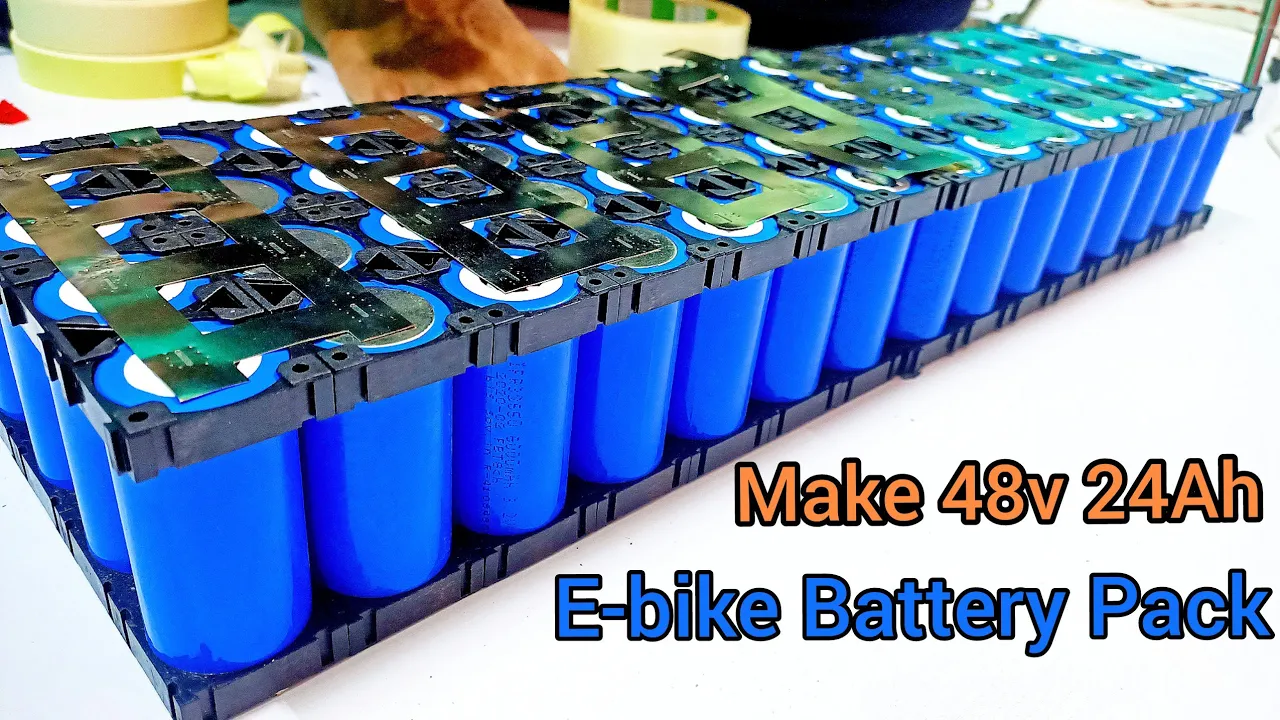



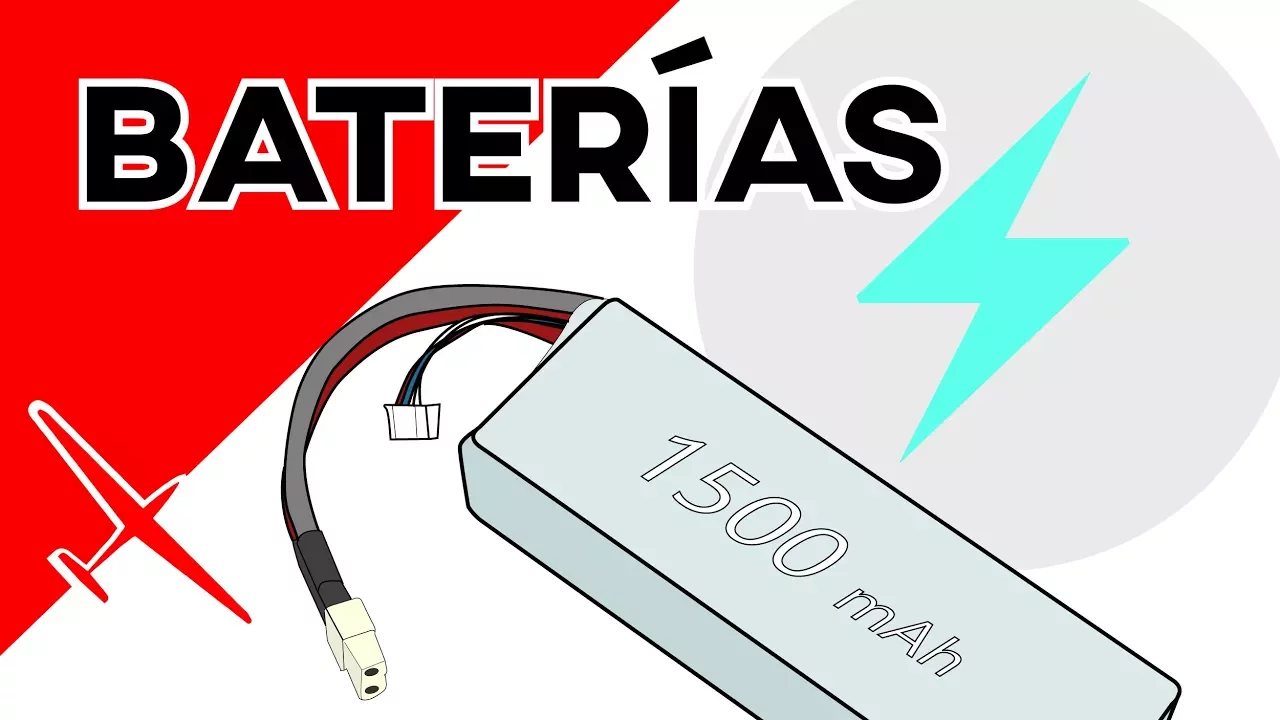
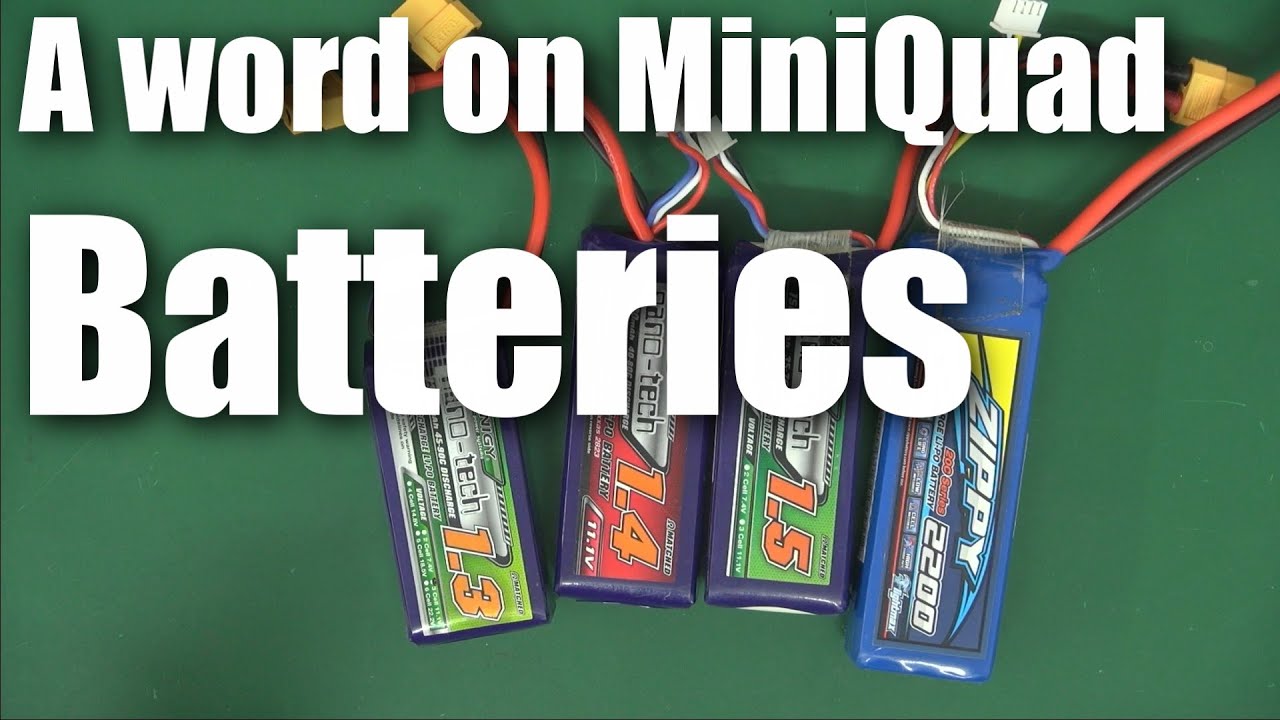


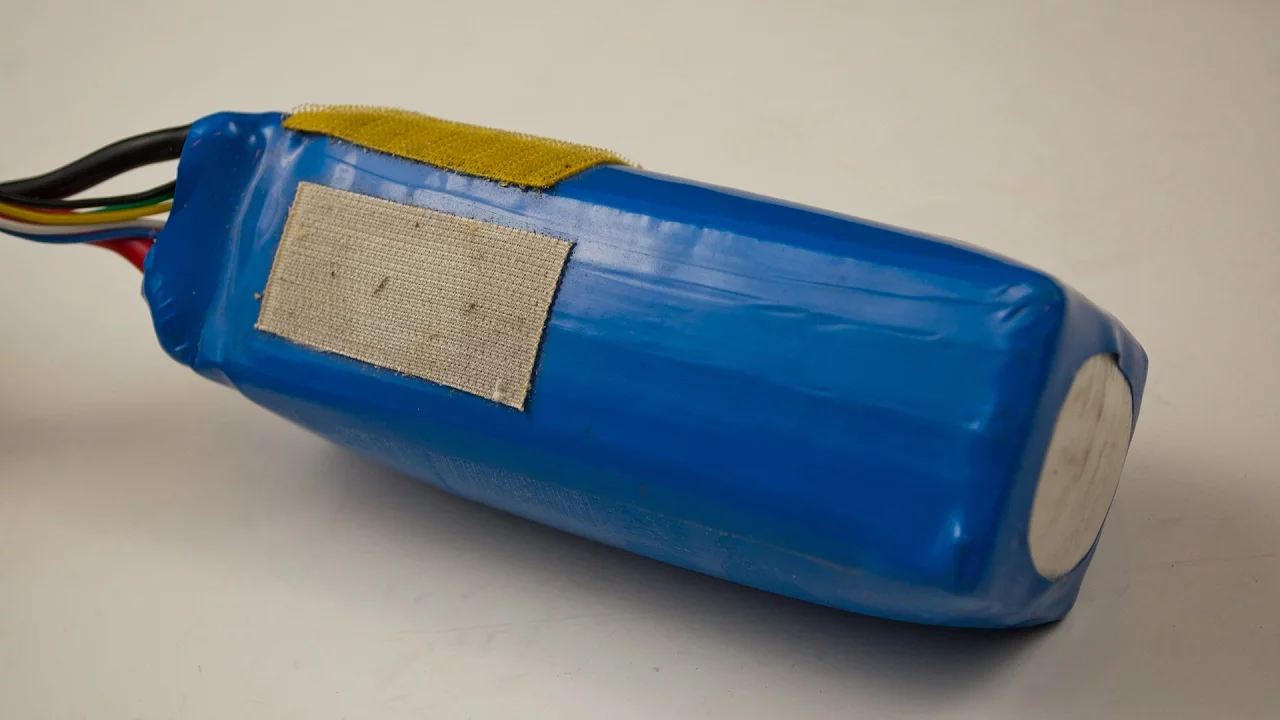

Proper LiPo battery charging requires using balance charge mode to ensure even cell charging, maintaining optimal voltage levels (2S=7.4V, 3S=11.1V, 4S=14.8V, 6S=22.2V), and following key safety practices including never leaving batteries unattended during charging, disconnecting after use to prevent gradual discharge, storing at 50% charge for long-term storage, and avoiding deep discharge by stopping use when power drops suddenly; additionally, understanding milliamp hours (mAh) determines run time (higher mAh = longer runtime but increased weight) while C-rating indicates burst current capability (higher C-ratings provide better performance).
LiPo Battery Charging and Maintenance: A Comprehensive Guide
Added:Basic electrical concepts including voltage (V), current (A), capacity (mAh), and the relationship between them.
The difference between series (S) and parallel (P) battery configurations and how they affect overall pack voltage and capacity.
Fundamentals of battery chemistry, specifically how lithium-polymer cells store and release energy compared to traditional chemistries like NiMH or Lead-Acid.
General electrical safety protocols, including the basic causes of short circuits and thermal runaway in batteries.
How to measure and interpret internal resistance (IR) to evaluate the health and aging of individual LiPo cells over time.
Designing and integrating Battery Management Systems (BMS) for automated protection and cell balancing in custom electronic projects.
Sizing and selecting batteries for specific high-drain applications, such as drones or robotics, by calculating C-ratings and power draw requirements.
Safe disposal, discharge protocols, and recycling procedures for damaged, swollen, or depleted lithium-based batteries.
432.5K views6.2Klikes37:40Original Release: 2020-06-04
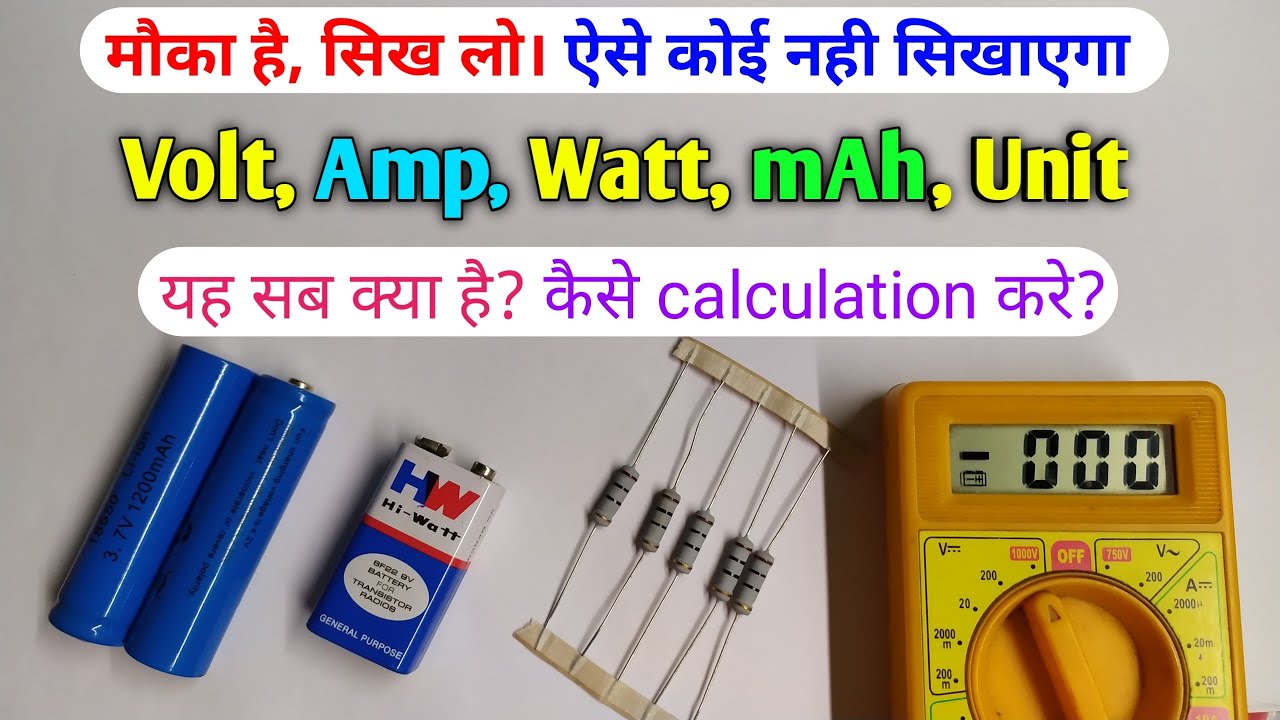
oh hello sir I'd just like to know how to charge my lipo and use my charger well you're in luck welcome back to Crazy Hobbies Down Under and on this episode we'll be talking about lipos and Chargers everything you need to know and nothing more [Music] would you like to say get out to our audience before we move on mate piss off all right gentlemen so a lot of videos on YouTube talking about charges and lipos it's like watching the bloody Stock Exchange they give you too many bloody numbers we'll be giving you numbers but only the ones you need to know about so a couple of key points please always keep your charger on a cool surface while charging your lipo this is much better for the charger never leave your charger unattended while charging your lipo we're not telling you to stare at the charger just be in the Next Room if you ever leave the house please disconnect everything from the charger turn everything off get back to it when you get back home also give your battery about a 10 minute rest when you have finished charging it before you play with it and vice versa give it about a 10 minute rest when you have finished playing playing with it before you charge it and also guys the last point which is the most important please disconnect your lipo when you have finished playing or else what will end up happening is you have your ESC which is your electronic speed controller if you leave your battery connected to it it will actually drain the power out very slowly causing the battery to faint and you won't be able to revive it so please disconnect that lipo let's go to part two alrighty guys so just coming to the charger when you buy your charger the Chargers will retail for roughly around fifty dollars to about a hundred bucks and they will usually include everything just make sure it says AC and DC so with the AC and DC you get your AC power cord which goes straight to your PowerPoint so you can charge inside your house and you will get the DC power cord as well so that just plugs into the back of the charger and you can put that on the car battery any 12 volt and then they'll give you a charge lead depending on which charger depending on what plug you have you'll have to change that to suit your battery and I'll also give you a balance board and we'll come to that in a second and that's just a balance charger lipos Ed so let's get started and show you how to charge your LiPO batteries just before we move on guys we'd highly recommend buying this it's a multiple charging adapter and it's around twenty dollars we'll put the part number on the screen for you you buy any charger you'll need this all right so what is it the red and the black will go into your charger right here and you've got all your different connectors and plugs so all depends what you're running car boat plane you'll have all different connectors and plugs now if you haven't got the right plug to plug into your charger you won't be able to charge it so you can buy that you've got yourself covered you've got all your different connectors in there your Traxxas your EC3 your Deans connector XC60 you'll have yourself covered doesn't matter what battery you buy or what you're doing you'll have all your charge leads there so purchase this and yeah you'll have everything in there now let's come to charging and uh we're going to try to make it as simple and as easy so we're going to get a few batteries here all right so that one there guys 7.4 volt three thousand it's just basically a rule of thumb so what it is that will go into here obviously with the right connection okay and then on your balance board now you can see here we'll just zoom up all right you've got two three four five and six so depending on what battery you have guys depending on what battery you have in this instance it's a 2s so the 2s1 your balance lead is going to be much smaller compared to your let's just say 22.2 volt which is a 6S and look how large that is okay so the higher the S that's going to be larger and it's very simple the 2s1 the 7.4 volt is going to fit into that socket the 3s1 is going to fit into that socket and so on and so on alrighty so every time you grab your LiPo battery you will plug it into the positive and negative obviously with the right plug okay and you'll also have to plug your balance cable or your balance lead into your balance board okay so just quickly guys on every battery right it will say it it will say 2s and you'll plug it straight to there so your 2s one just line it up be careful and just push it in flush and that's it and then plug it in through here it doesn't matter if you do it vice versa nothing's going to happen just you'll have to plug it in through here and through here so you've plugged it in right it's a three thousand seven point four volts so all you want to do is you can press battery program and you can go left and right okay now depending on the technology of your battery in this in this case we have a lipo so let's go to LiPo battery and you press start now once you come into this menu you can go left and right and it will do different things all right but what you really want to keep it on is balance charge so let's just show you 've got normal charge you've got fast charge and storage we'll come to that in a sec all right so every time you want to charge your batteries guys keep it on balance charge okay and then all you want to do is you just once you're in here this menu you just tap it once the start button or the enter button now doesn't matter what charger you have it's they're all exactly the same now the rule of thumb if it's a 3 000 guys you're going to whack it on three amps okay there's nothing more to know press once you're happy there you press that once again and then the S will start blinking and you can go up or down all right and we've got a 7.4 volt so this is what you need to see on the screen and what you'll do is you'll hold your hand down on the start button obviously this will be plugged up we're not plugging it in because it's going to take time plug it all in and that's what you need to see and then once you once you see that you just hold your hand down on the start button for about two seconds and then it will make a bit noise and it'll advance to another screen once it advances to another screen you you need to quickly press the start button once again and it will start charging so just press that and it'll say battery check that's not connected like I said we'll show you in a second and we'll go to another screen quickly press enter and it will start charging so that's that now it's really easy guys 11.1 volt 3300 when you're charging this is all you need to look at it don't worry about all the other numbers so once again plug it in positive negative okay and this one's your 3s let's have a look here see here 3s we're just trying to make this as quick and easy as possible guys now 3s like I said line it up and it's going to go into the 3s like that line it up straight and push voila okay and when you're taking these little buggers out be careful and be gentle don't just Yank on it like this okay try to clamp on it with your fingers right on the side here and what you want to do is you just want to Jiggle It Out All right a bit tough all right there we go now you've got a 3s lipo at home it's very easy you do exactly the same this is a 3300 so what you want to do is keep it on balance tap that once again okay you want to bring that 3.3 if you've got a 5 000 guys 11.1 volt all you need to do is just bring that up to five amps okay that's all you need to do and then once you're happy flashing means adjusting once you're happy press the start button it's flashing means adjusting you bring it up to 11.14 and that's it and hold your hand down again I'll advance to another screen and tap it once and it will start charging simple as that and you've got your your big Whopper go back press lipo press it again 5.5 okay press it again and then success so for about sorry about the background noise pretty noisy here on Parramatta Road all right now and that's it guys lipo balance we'll explain what that does 5.5 5.500 okay and 22.2 volt that's all it is plug it in plug it in and press enter it's as simple as that now balance charge and this what does it do now just to put it to you simply all it does is when you balance charge it through this plug okay you can't see this one because it's got black key trink over it but you've got three cells okay you've got three cells in here one two three and this plug is wired up to each cell and when you balance charge it you're giving it a better charge you're giving it a more an even charge and what that what's that going to do it's going to give you better performance okay it's going to give you better run time and the most importantly guys a battery is going to stay maintained and that's why we recommend charging it by balance that's the wisdom behind this board alrighty guys so we're just going to show you when the battery is charging all the numbers on the screen so we've connected it all up put our settings in and this is what's going to happen so ready to go hold your hand down on the enter or start button for about two seconds it will beep as soon as soon as it starts beeping guys let go right and then it will come to another screen it will say confirm and then hit that button once again and it'll start charging so let's go we go quickly and then press start so your battery is currently charging let's zoom up and have a look at these numbers eh okily dokely now the charger has picked up but what battery it is okay it's currently charging at 3.5 amps now this charge current guys it will start high and then slowly decrease all right so don't worry about that Dawn to penic and then you have your voltage my battery is a 22.2 volt it's currently sitting on 22.9 right and that will also increase now just with that 7.4 volt guys once it reaches full capacity it's going to be around 8.4 volt the voltage so don't panic and you have your 11.1 volt it will reach around 12.6 volt fully charged okay and then you'll have your 14.8 volt which will go around 15.2 volt once it's finished or near abouts and then you'll have your 22.2 volt that will go around 25.2 volts okay so each cell in here when it's fully charged it's at 4.2 so 4.2 times 6 is 25.2 so that's the wisdom behind that it's currently balance charging my lipo okay and it's currently being on there for a minute and 30. geez I've been talking for that long and this number down here is the milliamps it's pumped in to my battery that's not necessarily going to give the 5500 once it's there because it already has a little bit of charge every in the charger all right so it's as simple as that they're all your numbers if you wanted to know you can do a few other things if you want to um once it's finished guys it will beep at you okay it will beep at you um if you do not hear the bib all right bottom left hand corner where it says Bal when you come back to the charger that's going to say end all right and then that way you'll know it's finished charging and all you've got to do is is just press the stop button and that's it if you wanted to if you wanted to check it for yourselves a balance once you finish you can press the right hand button and it'll give you a readout of all your cells so let's quickly explain the volts as simple as we can without confusing use now don't worry about all these other numbers 7.4 volt so if they say to you you need a 2s lipo they're basically telling you you need a 7.4 volt lipo all right so that's a voltage there then you've got 3s it's going to equal 11.1 volt and then I'll tell you it's 4S compatible right that means it's 14.8 volt and the last one is 6s right guys so when they say it's 6s compatible they're telling you to maximum voltage of 22.2 volt and that's what the voltage is all about now with the voltage guys it's very simple the higher the voltage the more power okay it's as simple as that so high high the S more power more speed so we're going to come to milliamp milliamp hours and Mah what is it please explain sure can now you buy your battery and it'll be a big number on the front and there'll be Mah right next to it so it's very simple the Mah is short for milliamp hours guys the higher the milliamp hours the longer the run time it's as simple as that you have a 3000 milliamp battery it's going to last you anywhere between 10 to 15 minutes 4200 which is around 15 to 20 minutes 5000 which is anywhere between 20 to 30 minutes and I have your 7 000 milliamp battery which again it's going to give you roughly between 30 to 45 minutes run time I'm going to say 30 to 40.
so the advantages and disadvantages with your nah when the milliamps get higher guys your battery will usually get not necessarily but sometimes it'll usually get a little bit heavier okay and what you're doing there is you're going to make the you're going to make your car or boat or whatever heavier than usual and it's not going to be as Nimble and as fun to drive all right so people that want that extra run time hey you're going to have to get 7 000 you've got no choice car's going to be a little bit heavier but you want longer run time now the perfect medium is is going to be your 5 000 Okay so it's right in the middle all right and the good thing about it is is that a couple of things one your car is going to stay pretty Nimble okay so it's going to be fun to drive but the most important thing is that it's for your electronics so when you when you have a seven thousand your your motor and your ESC is is getting cooked okay because it's running longer something for five thousand right it's gonna be pretty much all right so it's not going to run that extra 10 15 minutes and heat up your electronics more now if you go lower uh you know three thousand it's absolutely it's got no way whatsoever so your car is going to stay extra Nimble which is going to be more fun to drive but you're just going to not get that run time so you know the 5000 we find it it's it's it's the best when it comes to milliamps foreign guys let's come to the C rating and let's have a look what it means and what it does so we only want you to focus on the number here 50 c will always be a number at the front of your battery and a c at the end so the C rating is basically the burst it's how much voltage the battery can push out if needed so the higher the C guys the better now if you have a lower C rating I would say 20 and down what will end up happening is if you have a high powered Electronics your battery will have to work twice as hard to push the voltage out because it's a lower C rating causing the battery to get hot and then puff when a light per battery usually starts puffing it's not a good sign the higher the C it will always push the voltage out as needed you'll always get maximum performance out of your car and your battery will always stay maintained and you'll always have that consistent power now let's just say you're in your real car and you rock up to the petrol station you've got 91 95 and 98.
with your 91 is your lower C rating I would say anything under 20c your car will still run you might get a bit of splatter your battery won't stay as maintained and your engine won't stay maintained either so 95 yeah it's a good seed rating and then you've got 98 which is from Jen's Ace anything over 50c is what we call a premium C rating you'll always get that maximum performance and your battery will always stay maintained and you can push that voltage out when needed now don't get caught up too much on the C rating guys with Jen's Ace they'll always give you what we call an RC industry a true C rating so whatever C rating you see on the Gen Z lipos is true so that's about it for the sea rating guys hopefully that helped you out a little bit so guys we're just going to show you the Lipo storage setting on your charger and we're going to explain what that does very quickly so go to your LiPo battery okay you can cycle through hit it and once you're in this menu cycle until you find storage okay now whatever battery you have obviously you'll have to set it up so just hit it once we have a 3300 3.3 amps depending on your battery your milliamp that big number you'll set it according to that 5000 5.0 simple as that hit it once again okay so 11.1 volt 3s 11.1 volt and you can set it so once it's set connect your connect it up through here and you're positive and negative okay and you're ready to rumble quickly without confusing you guys the storage it will charge your battery to 50 okay now once your LiPO batteries are charged to 50 that's the perfect storage uh capacity to store a mat so they neither fully charged or they're not flat either okay so they're right in the middle once you charge them at 50 percent that battery realistically can sit there for over six months to a year perfect condition went puff won't go down it will just be right so it's very very important you use that setting if you're going to be storing your batteries away or else if you don't do that and you store your batteries flat or you store them full you will have trouble with it and you'll make your hobby shop that more richer if we can say that alright so that's what your storage Mode's all about now we thought we'd Chuck this in here as well 2s 22s's two three s's or a 4S or a 6S and it's a very commonly asked question here at crazy Hobbies I don't even know if commonly is uh an English word so let's just say you've got a car and it's success compatible what do you do do you buy two three s's or do you buy the one 6s okay a lot of people think oh you know what do I do now it's pretty simple there's disadvantages and and there's advantages here if you buy the two 11.1 volts okay the advantage is if you have another car that takes an 11.1 volt battery then you'll be able to use it for that car okay so you can use in both cars which which makes it good the downside about that is that you have to charge up two batteries so it's going to take longer you go 6s the disadvantage is you can only use it in your success car so you know you have a 3s car you you won't be able to use any 3s car but the advantage is is that you only have to charge One battery up you won't have to worry about charging two batteries and worrying about if they're charged and all that sort of stuff so and it's one pack okay so it's going to fit into your car much nicer so that's Advantage there charging One battery which is convenient whack it straight in off you go and the same thing will go the same thing will apply with 2s or for us if your car is a 4S car you can you can buy either two 2s packs or the one 4S pack all right so hopefully that makes it a little bit more simplified for you and let's just talk about soft case and hard case for a second right so you've got your soft cases here right they're exposed and then you've got your hard cases here now the advantages and disadvantages in your hard case and soft case soft cases they're going to be much lighter okay so it's going to be whatever you've got your batteries in it's going to be much more Nimble and with the hard cases and the soft cases the soft cases they're not as large okay so they're going to be much more easier to fit into you know whatever you're doing or whatever you've got now the advantages with hard case is that your battery is much more protected okay so that's that's very important all right so if you you can Pierce that much easier compared to that okay so it's well protected the disadvantage is that it's got a plastic case around the battery so it's going to be a lot heavier okay so that's a disadvantage now regarding RC boats I'd highly recommend getting hard case Okay because these bloody boats what ends up happening is water water is going to get in your boat right so all your water gets in here yeah you've got to flush it out which isn't nice so I mean if you buy a hard case and you've got a boat problem is guys just make sure you've got room all right you've got a hard case it's pretty much sealed right you know just along here and you can reseal that better if you like okay and just on these I mean water can get in here but you could seal that as well so your battery your your hard case battery is going to be a lot better in your boats so hopefully that cleared up a few things for you okie dokie guys we're nearly home free now two cool gadgets must have for any lipo owner guys we're going to try to make this as quick and as simple as possible so please be patient with this you've got your lipo buzzer we'll put the part number on the screen and the price and you've got your lipo Checker all right cool gadgets so let's just start with the Lipa buzzer so lipo buzzer you connect it up and you can set the voltage cut off point right so guys it's going to make a really loud beep noise now so just giving you a warning all right does one to eight S my apologies okay it does one to eight S now when you plug it in guys you've got your positive which is red up here and then you've got your black start from the negative on the 1s down the bottom if you plug it in and it doesn't come on or you've plugged it in wrong okay so let's go down the bottom where it says 1s get ready guys gonna make a big loud beep noise [Music] okay so what does it do it will also give you a reading on your battery just make sure all your cells are reading okay now put the volume down because it's going to start making noises and what you can do is there's a button up here okay push it and you can set the low voltage the low voltage cut off all right so get ready 3.7 3.8 off and then 2.7 and it goes upwards all right so 3.3 I'll probably leave it on you know 3.3 and upwards so that's basically set at 3.3 now right so you've got that in your car your boat or whatever you just strap that down somewhere plug in plug in your battery and off you go once it reaches 3.8 per cell this will start beeping consistently and constantly okay and that will alarm you to stop playing with the car or your boat so you don't drain the battery all the way down so cool little Gadget that's that one and now you have your lipo Checker now this thing's pretty cool too so you just grab it and the same thing right does one to eight S and then negative okay you want to plug it up from the top so it doesn't matter how you plug it in it just won't turn on so don't panic so negative up the top just plug it in kabushka let's have a look as soon as you plug it in guys it's going to give you a reading on your battery okay total reading so it's currently at 37 charge and all three cells are ready now what you can do is the cool thing about this if you're just about to fly a plane or just about to use your car you can plug it in oh yep it's full I'll just middle button oh yeah First Hill 3.8 seconds all 3.8 third cell 3.8 so you know all your cells are matched and you also know if your battery is at half charge full charge or whatever so great Gadget to have we can't stress enough um cheap anywhere between 20 to 30 dollars cool thing about it is as well if you've got a faulty battery you're going to plug it up and you can cycle through here 1s 2s throw some new lens on the 3s if it says 0.000 then you know that you've got a faulty battery and depending on what brand battery you have you will be able to claim warranty because once it's usually when it when a cell drops in your battery guys that's not your fault okay as long as your balance leads are all there and they're not corroded or anything like that that's not your fault and depending how long you've had your battery for you will be able to show that on this and you will be able to claim warranty so it's a cool Gadget to have all right guys live hole bags a cheap investment and a must-have for any lipo owner this one is from dynamite and the part number is dyn1405 the length on this one's about 30 centimeters long and about 20 centimeters wide they retail for only 20 and you can fit multiple batteries in this bag the bags are made out of a fire retardant fiberglass material which help contain and greatly reduce any fire inside the bag so regarding safety and storage and your lipos this bag is a must-have if you're transporting your lipos from A to B we'd highly recommend using this bag also guys most importantly if you wanted to catch any flights and you have LiPO batteries and you wanted to take them with you domestic or International they will not allow you on the plane without a lipo bag so you ready to catch your flight what we need you to do is we need to grab your LiPO batteries you've got your positive negative and your balance plug here we need to get you some tape duct tape we'd recommend sealing the positive negative plug up and also the balance plug and what that does is it will make sure your batteries aren't exposed and nothing can Short Circuit Chuck them in your lipo bag now guys you can't check these in your lipo bags must be carry on and carry on only alrighty guys so we're nearly finishing up with the video thank you for your patience and uh there's a few more things that we'd like to share with yous I've probably told this story about a thousand times so it's a thousand one so here we go you've got your RC product and you've got your LiPo battery and you've got your charger what you need to do is with your LiPO batteries you need to charge them on the actual day that you want to play with your car your boat or whatever it is that you might have now the wisdom behind that is ones that what ends up happening is is that when you charge your battery it will actually you're actually putting chemicals inside your battery right now when you've got a fully charged battery and you don't play for a period of time um example one week two weeks and so on the actual chemicals have got nowhere to go because you're not plugging into anything so what ends up happening is your battery will actually puff and it'll actually swell so that's one of the reasons why your battery your batteries are puffed or they're swirled up is because you've left your battery charged so it's very important to charge your battery on the day and play for it as well and when you do charge it on the day you will get better performance because if you leave it for a couple of days it will decrease in power so charge it on the day and then play if it's straight away very very important now lift and Polymer batteries the way they work in your RC products cars whatever it may be what the way LiPO batteries work is that you'll get constant power it will be full power for the period of your battery so it'll be 15 minutes full power just like that okay it's not like your nickel metal Hydro battery where the first five ten minutes it's great and then gradually tapers off and you start losing power no lift and Polymer batteries you'll get constant power and then you're going to get a sudden drop off okay so you're driving your car around constant power and then you will notice a sudden drop okay so it's just it's jumped off the cliff now your car will still run but it'll be very slow what we need you to do as soon as you notice that loss of power you must stop playing with your car so bring the car back to you nice and slowly or go up to the car switch it off and remember to unplug the battery very important so basically what we're telling you guys is that we don't want you to keep driving your car until it completely stops no because if you do that you can damage the battery so as soon as you get a loss of power stop playing immediately okay unplug your battery and the last thing is is when you get back home okay it can be an hour later two hours later whenever someone get something to eat when you get back home the quickest and easiest way you've got storage mode on your charger reel but it takes a long time okay that's if you want to leave your battery for more than I would say six months to a year what we like to do is if you've got a digital charge or whatever just put your battery on charge as per normal balance charge and whatever okay but what we need you to do is we only want you to put it on charge for about 15 minutes so anywhere between 10 to 15 minutes so what you're doing now is when you finish playing if your car the battery is flat when you when you come back home and you whack it on charge for about 15 minutes you're putting a little bit of life back into the battery so you're not leaving that battery flat okay because the batteries are very temperamental if you leave them flat for a long time they can actually they actually de-drain and they can faint so very simply when you get back home and you give it about a 15 minute charge right the way I like to put it is you're actually giving the battery a snack all right so you're just giving it a you know bit of energy so it's like us when you're hungry you'll get light-headed and you'll get a bit dizzy and you can faint it's the same thing with the LiPO batteries so the batteries are flat they're a bit dizzy you know you give it a 15 minute charge you've just given it a snack and it's the same for us when you're hungry or whatever I'll give you a snack and you've got a bit of energy you've got a bit of sugar your sugar levels are high and you're much more stable so once you give that battery a 15 minute charge you can unplug everything and you can pack everything away and that battery can sit there for at least a couple of months without anything happening to it okay so it'll be nice and healthy and if you need to if you don't play for in a couple of months just get it out again chant or 15 minutes that's the quickest and easiest way without putting on storage mode and waiting for a couple of hours so that's basically it with your batteries we can't stress enough on the brand gen zace we've been carrying them for a while now they're a great battery you will pay a little bit extra guys you will pay a little bit extra but you will get genuine warranty with Jen's Ace okay and it's a reputable brand don't take my word for it go down to your local hobby shop buy one and give it a test so we'd just like to thank our suppliers at Hobbies Australia they are based in Newcastle and you know only good things come come out from Newcastle we've got the good old famous Jennifer Hawkins uh Miss Universe 2004.
and uh go the knights so that will conclude the Gen zays slash lipo charging series and uh we love you all from Down Under we'll see you next time foreign
Up Next

27:52
Electric Boat Test: Range of 275 lbs of Batteries
@rctestflight
258.8K views•2023-02-21

12:54
Triumph of Orthodoxy Icon: Byzantine Art & History Explained
@BenCallan
2.1K views•2024-08-06

9:49
FastAPI vs Flask vs Django: Choosing the Right Python Web Framework
@TechWithTim
302.5K views•2024-05-26

1:42
Game of Thrones Opening Credits: A Cinematic Analysis
@gameofthrones
46.3M views•2011-04-18
Related Study Plans & Knowledge Roadmaps
Structured learning paths in General & Interdisciplinary Studies
general-studies
Elevator Engineering: History, Physics & Cities
01From Hoists to Safety Brakes: The Dawn of Vertical Lift
02Hydraulic vs. Traction: The Engineering Physics of Elevators
03Modern Speed, Safety, and Algorithms
+ 2 more learning modules
12h5 modules
Explore Roadmap
general-studies
Rubber: Material Science, History & Geopolitics
01Origins of Natural Rubber & Mesoamerican History
02The Chemistry of Natural Rubber & Vulcanization
03The Geopolitics of the Rubber Boom & Colonization
+ 2 more learning modules
12h5 modules
Explore Roadmap
general-studies
Containerization: Evolution, Logistics & Trade
01Ancient Trade & Bulk Cargo: Amphorae to Barrels
02The Industrial Revolution & Cardboard Packaging
03The Containerization Revolution: Malcom McLean
+ 2 more learning modules
12h5 modules
Explore Roadmap
general-studies
Textile Tech: Evolution, Labor & Global Impact
01Pre-Industrial Textiles: Handloom & Cottage Industry
02Mechanization: The Spinning Jenny to the Power Loom
03The Factory System & Global Labor Transformation
+ 2 more learning modules
10h5 modules
Explore Roadmap