



![[최무영 교수의 앎과 삶] “양자역학:측정과 해석"](https://i.ytimg.com/vi/diuqoRkzGnI/maxresdefault.jpg)


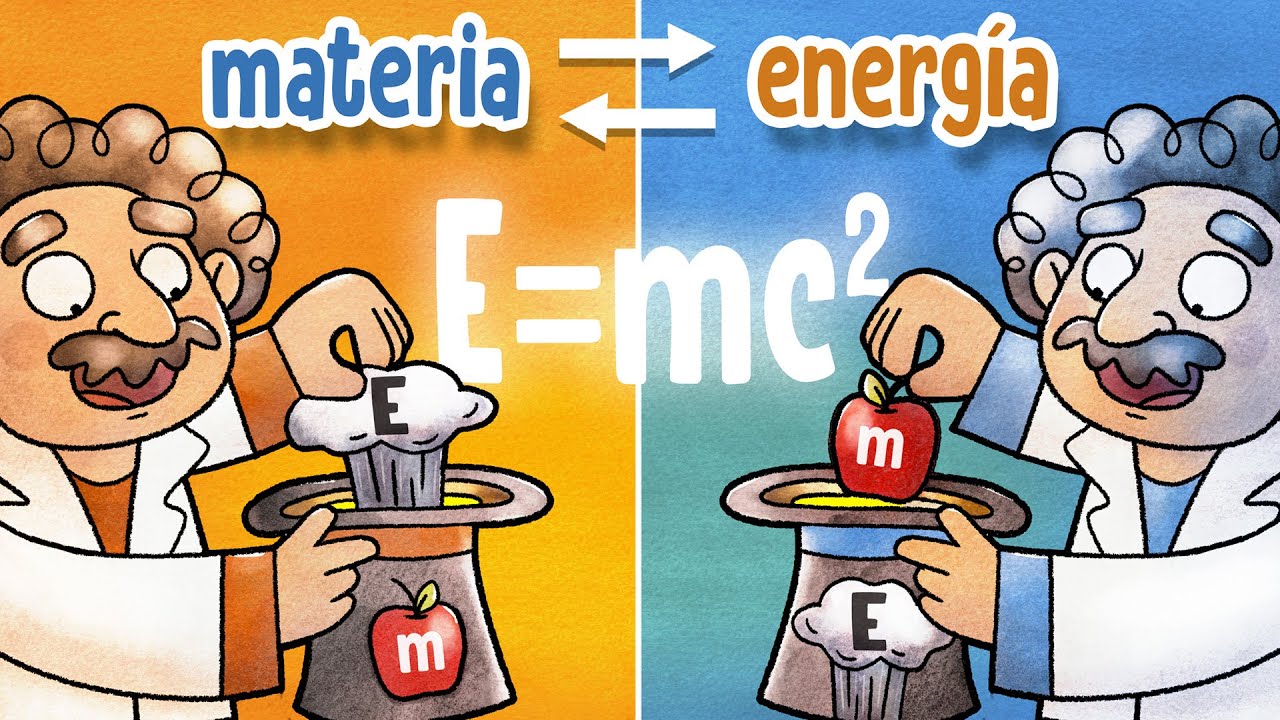
![Giorgio Moroder - E=MC² [Remastered] (HD)](https://i.ytimg.com/vi/kIomUYapmQQ/maxresdefault.jpg)


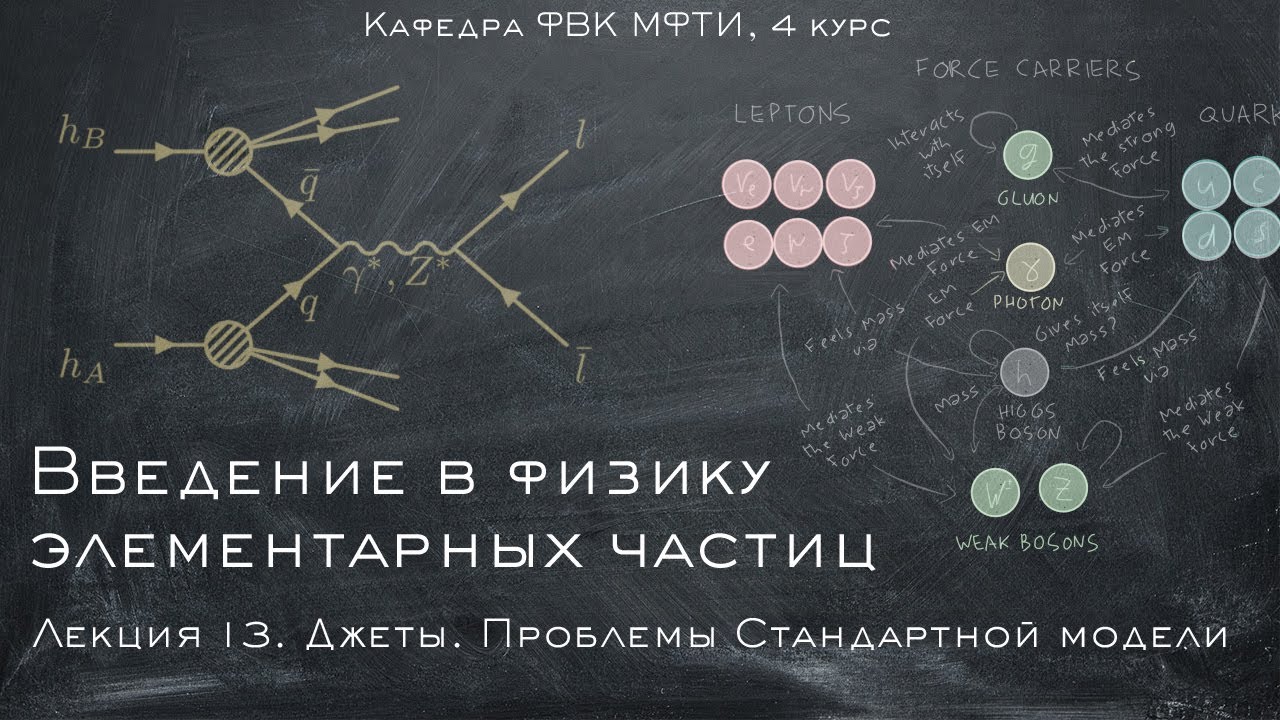






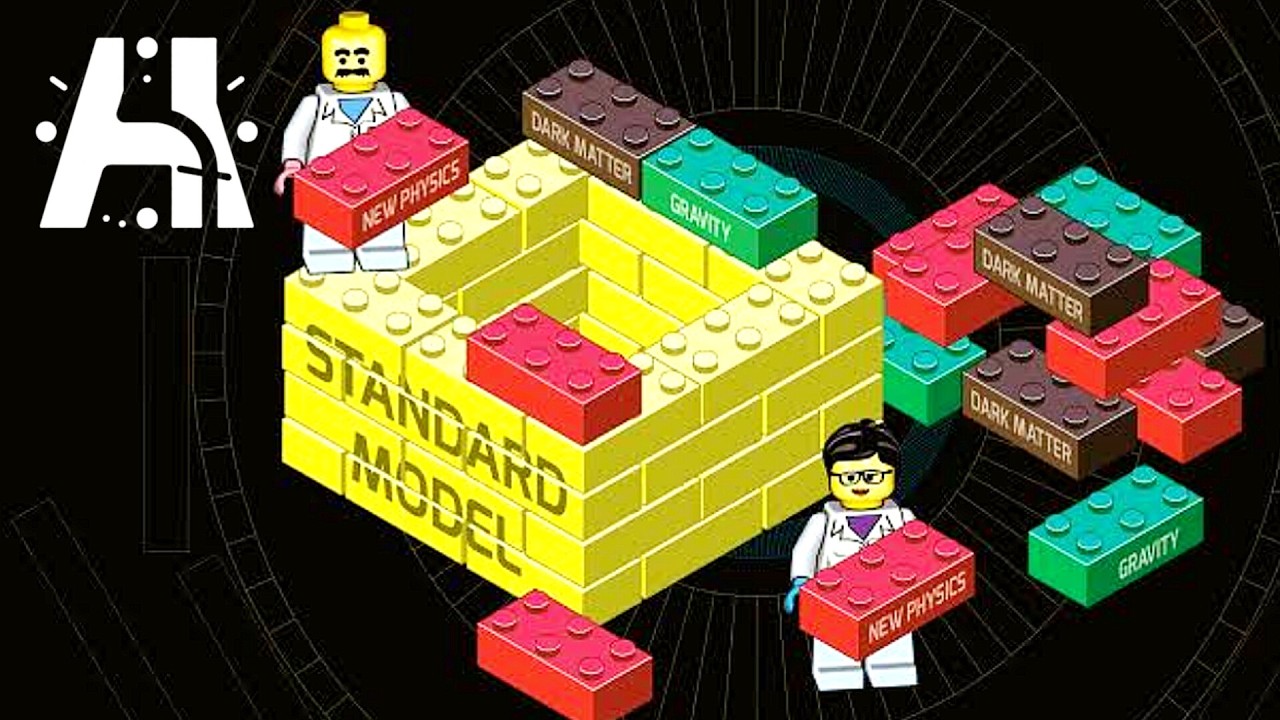
The Standard Model is the current theory of particle physics that classifies all known elementary particles into two main categories: fermions (matter particles including quarks and leptons) and bosons (force-carrying particles including photons, W/Z bosons, gluons, and the Higgs boson). Quarks combine to form hadrons (baryons like protons and neutrons, and mesons), while leptons include electrons, muons, taus, and their corresponding neutrinos. Each particle has an antimatter counterpart with the same mass but opposite charge. The Higgs boson, discovered in 2018 at CERN's Large Hadron Collider, provides mass to other particles. This model represents our best understanding of the fundamental building blocks of matter and the forces that govern their interactions.
Standard Model of Elementary Particles | Fermions, Bosons & Quarks
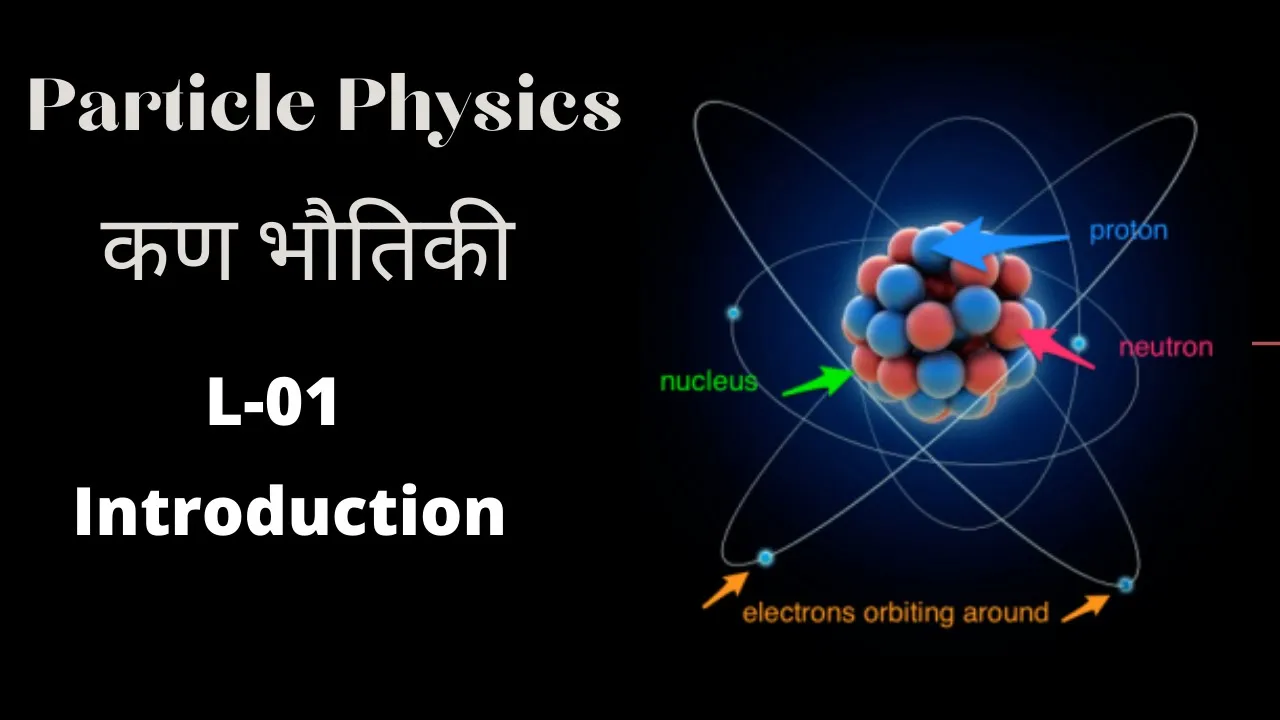
Added:so this is the last lecture in unit 5 it's the last lecture in the course we're talking about the standard model of elementary particles and this is a pretty heavy topic a lot of this will be new to you there are I want you to as well as listen to this lecture I want you to read the entire section 12.6 from your textbook and I want you to complete some of the additional assignments that I'll be mentioning throughout this lecture and I'll mention them again at the end of this lecture because I think those will will help you and your understanding in order to prepare for the test for this section of the unit and for the final exam so the standard model of elementary particles now the first statement on here says in science some advances happen when old ideas generate new thinking other innovations occur because the new ideas forced the old ones to be discarded so this this is actually a pretty small lecture in terms of what you have to read here but the topics are pretty large so in this in section 12 point 6 from your textbook they kind of give these different kind of ideas of things that we've that have changed our understandings that have changed in science one of them of course is how we understand the atom and it depends on sort of when you were educated in your sense you might you might have moved past this but the way that the atom was taught previously was this idea of a of a planetary model where the nucleus is almost like the Sun in a solar system and the electrons are like the planets that orbit around there are some problems with this and they're corrected by the Bohr model so Rutherford was the original discoverer of the nucleus and he gave this this planetary system idea of of atoms orbiting around a nucleus the Bohr model sort of replaced this with a different kind of understanding of different energy levels and an understanding of rather than orbits circular orbits more like like shell energy levels so an electron orbits around a nucleus at a certain energy level away from that that the center of the nucleus so this is an under this is how our understanding of the atom changed and that's one example but we're gonna talk a bit more about some of the others with our understanding of physics now we know that the nucleus of an atom contains other particles as well and those particles that are in that nucleus can be broken up into even further particles and this goes back to the atom the word atom was originally a Greek word meaning indivisible so an atom was thought to be the building block of matter everything was made up of atoms which is true however or not I should say not everything is made up of atoms everything that we see in the macro world is made up of atoms but when we dig a little deeper we can see that atoms themselves can be divided into electrons protons and neutrons then we realize that you can break up the protons and the neutrons even further into other particles which we'll get into a bit later so there's actually sub atomic particles protons neutrons and electrons and then there are particles that are even smaller than the protons and the neutrons then now there's the other idea that we have things that are called antimatter so antimatter is particles of matter that have the same mass but opposite charge of the corresponding particle of ordinary matter the one we've talked about was the positron which is essentially an electron with a positive charge it has the same mass as an electron and it has the elementary charge of an electron although the electrons elementary charge is negative the positrons elementary charge is positive so matter is the is there's more matter than antimatter and we interact with matter every day antimatter there's not a lot of it and in fact we'll talk about some things that exist with antimatter but every every particle of matter that we know of has an antimatter particle as well so the positron and the electron we also have the proton and the antiproton the neutron and the antineutron now the interesting thing about antimatter is it is exactly alike or sorry it's it's exactly the same as regular matter the the difference is that because we because every everything is kind of swapped in terms of how its charge is it doesn't interact with our matter the same way so I should take a brief period here to stop and and talk about dark matter as well because there is a difference between antimatter and dark matter dark matter is matter that does not interact electromagnetically so we know that light is an electromagnetic form of electromagnetic radiation that means that dark matter cannot be seen the same way as you can see regular matter or even antimatter for that case the the other thing about dark matter the reason why we know it exists though because if we can't see it that that would be pretty odd that we can say it exists we can we can observe its gravitational interaction so dark matter does not interact electromagnetically but it does interact gravitationally so that is dark matter that's not a part of this course what you need to understand is the terms antimatter and dark matter are not interchangeable they are talking about different things very different in terms of how we observe them and how we interact with them so now we get to the standard model and what we call the standard model or is really the it's the current theory of particle physics and it predicts the nature of physics and it talks about how each of these particles that we talked about it consists of other particles so with particle physics we have the smallest kind of particles are bosons and quarks and leptons or I guess you can say we have bosons and fermions because quarks and leptons are fermions those are the the smallest things that we have the smallest particles we have the bosons mediate fundamental forces whereas the the fermions combine to create particles of matter that are larger like hadrons or the leptons like electrons and neutrinos which interact with that matter as well so I'm going to show you a pic I guess not a picture here but I'm gonna show you a flow chart that describes this a bit better so this here is the standard model of elementary particles and what we have here is the kind of breaks down each of these particles so I'm going to talk through this and the way this is read you'll have this sheet on on the website but the way this is read is actually kind of this sheet kind of is read from the top down and from the bottom up so at the top we have fermions and at the bottom we have bosons and of course as we read this we're going to get to a point where there's where there's an interaction between the two so fermions are fundamental particles that form matter or antimatter so the examples we have are the quarks in the anti quarks and the leptons and the anti leptons now that breaks us up into quarks and antiquarks and leptons and anti leptons so for our quarks quarks are particles that can only exist in pairs or triplets and there are six of them there's the up down charm strange top and bottom quarks and then we have the six anti quarks which are anti cup anti down anteater mantich strange anti top and anti bottom and then the leptons we have these are elementary particles that can exist alone so a quark can only exist in a in a triplet or in a pair leptons can exist on their own and these ones we have the electron which is the one you're most familiar with we have the different neutrinos and we have the Moulin and the Tao particles as well now I'm going to stop from this side of the fermions we're going to go down to the bosons so what a boson is it's a particle that transmits forces or it provides interactions between matter so there are elementary bosons and there are composite bosons now if we go on to the elementary boson side over here these are both signs that are indivisible so we have scalar bosons and vector bosons so this is a little bit different from what you'll see in your textbook because since your textbook has been published our understanding of physics has changed and I'll talk about that it's mainly with these scalar bosons which we at the time your text book was written we're only hypothesised so the vector bosons are the particles that transmit forces the photon is the one you're most familiar with we also have the W bosons the Z boson and the gluons there is a hypothetical graviton that is a gravity force transmitter boson we haven't proven that it exists so that's that's hypothetical at this point but the photon is our electromagnetic force transmitter the gluons are the strong nuclear force transmitter they have the W and Z bosons are the weak nuclear force transmitters now the scalar boson is the new the newest particle here and scalar boson it is a particle that provides mass to other particles and there's only one that we know of it's the Higgs boson and this was this was a hypothesized particle for quite a bit of time most of your lifetime it was only proven in 2018 I believe through experiments done at the Large Hadron Collider which is a which is a facility that collides hadrons together speeds up hadrons and has them have high-energy collisions and during some experiments they ended up proving that that the the Higgs boson actually did exist so this again was done at at CERN which is the European Organization for Nuclear Research and it was an experiment called the Large Hadron Collider so you can look that up if you're interested so that's the those are the elementary bosons there's also the composite bosons so these are both sons that are composed of quarks or anti quarks now a composite boson the ones that were most familiar with are the Masons but there are others NERC nuclei of certain certain atoms also classify as bosons as well so at this point I want to go back to the top and discuss hadrons so we've talked about fermions we've talked about bosons there is another type of particle that's that's one of the standard models the standard model and that's the Hadron so hadrons fermions and bosons are main article types that that formed the standard model now hadrons are made up of quarks so they're made up of two or three quarks and with a hadron if it contains three quarks it's called a barium and if it contains two quarks it's called am a song and we talked about maisons a little bit before so we're gonna get back into that second but first let's talk about the baryons because baryons are this is the most of the matter you're gonna interact but you interact with this a barium and they are particles that are composed of three quarks of course the most common ones are the protons and the neutrons but you also have a few others there's the different sigma baryons there's the zai very on you really don't need to know a lot of those aside from the fact that a proton and a neutron are a baryon the antimatter versions of these are also very ons as well so we have antiprotons and antineutrons those are baryons now the other type of hadron is a mace on and may sons are particles that they are they consist of two quarks but it's always a quark and an antiquark and maisons don't exist for very long they decay quite rapidly and when they decay they become either leptons or anti leptons or they become other bosons and they could be either composite bosons ER or elementary bosons so two examples here are the PI on in the end the PI 0 mace on but there are many others what you see in this dashed line is what they decay into so the mace on can decay into a lepton like an electron or a neutrino or something something else they can also decay into other bosons which could be Mason's which then decay again or they could be elementary bosons like the photon so this is the standard model of elementary particles you you wouldn't need to understand this I know it's quite complicated but this chart kind of helps you understand the different terms if you have any trouble of course just let me know and I'll try to help understand help you understand it in a different way for now we're going to go back to our main lecture slide and continue on so we have now the theory of everything and what the theory of everything is looking at is it's an attempt to explain all of our understanding of physics including quantum mechanics the theory of relativity and the interaction of of the different forces in such a way that the equations we use can work both in the macroscopic level and in the quantum level right now we have equations for quantum mechanics and we have equations for I guess mackerel mechanics but we don't have a unified theory now this is actually one of the big problems in physics right now it may not be solved for a long time the idea is once we have an understanding of how everything interacts we could have just one set of equations to do math and do the physics for all different types of particles and when it comes to particles that are moving at non relativistic speeds the relativistic factors would end up having no effect when it comes to particles that have relativistic effects those equations would work for that as well it would also connect the different types of forces so that we could understand what causes gravity how gravity interacts with the other forces what causes matter to come into existence everything about how quarks interact and other small particles like leptons so this is our grand theory of everything that is that that physics is trying to solve now actually I should go back there is something else I'd like to do there are some parts of our textbook that I want you to copy out so for now I'm going to pull up some tables from our textbook and what these are I'll talk about each table and why it's important so much you have these in your textbook but I think it'd be good for you to just copy this out in a separate note as well so each of these tables what you do not need to copy down though would be the mass in mega electron volts per its per C squared so for this table it talks about the different atomic particles and the anti particles so we have the electron the positron it gives their symbols as well we have the proton and the antiproton the neutron and the antineutron what you can note here is that the mass of each is the same whether it is a piece of matter or a piece of antimatter the charge is different now you might note why is there a neutron in an anti Neutron if they have the same mass and the same charge well the reason why is because a neutron is made up of three quarks it's made up of an up-down down quark an anti Neutron is made up of three quarks as well but it's made of anti quarks not regular corpse it's made of an anti up anti down anti down so that's why we have a different we have a neutron and we have an anti Neutron so they're made up of different matter particles one is made up of matter one is made up of antimatter another slide I'd like you to copy down is this one here this talks about the different types of quarks and for this one again I you don't need to copy down the mass so you would just need to copy down the type of quark the symbol the quark charge the anti quark and the antiquark charge now what you notice here is that the quarks charges are fractions and they're all fractions of 3 when you combine them together you will have a charge that is that's based on the sum of the thirds of an elementary charge and the six quarks are the up down charm strange top and bottom quarks there are other properties of these that you won't need to know like color and spin you'll learn that in your future University Physics courses but please copy down the list this list of the six quarks they're symbols their charge the anti quark symbols and the antiquark charge and then the last two that I would like you to copy down our table six and seven so these tables here list the fermions and the bosons so for our fermions we have first sorry I guess it should say this is only the leptons so we have fermions which are quarks and leptons so we've talked about the cork so now let's talk about the leptons and the leptons that we have are the electron the muon and the Tau and then we have the electron neutrino the muon neutrino and a Tau neutrino and then again we have the the quarks that are listed there up down charm strange top and bottom so write down the charge of each of the electrons and the neutrinos you would note that an a an electron neutrino it's essentially an electron with a charge of zero so it's neutral that's where the neutrino comes from this is the same for the mulan neutrino in the Tau neutrino and all of our leptons have a charge of negative one or zero but of course the quarks they have those charge those values that are a third of a charge now why do we call it an elementary charge if if we have things that have charges that are less than the elementary charge like quarks well quarks only exist in pairs or in triplets so the charge is still elementary it's just that when we when we mix up these pairs or triplets of our quarks each of those individual quarks would have would have elementary charges that are a third of what they what they possibly are and then on the table seven you have the bosons and I need you to add one to this as well in fact I want you to add little bit more to this table so when your textbook was made the Higgs boson was only hypothesized now we know it exists so for the bosons I want you to write down a new a new column so write down the name and then another column that states whether it's a vector or a scalar boson so the photon is a vector photon sorry the photon is a vector boson and it deals with interactions between the electromagnetic force so it's the force carrier for electromagnetic force the W and Z bosons are vector bosons and they are carriers of the weak nuclear force and then the gluons there are eight different types you do not need to know them they are carriers of the strong nuclear force and they are of course vector bosons as well what I want you to add to this table is the Higgs boson the Higgs boson is a scalar boson and the Higgs boson provides mass to other particles so it's not a force necessarily it's more of an interaction so in means where it says force breakdown that it provides mass to other particles so with all of that I want to talk about this is going to be the end of the lecture and the end of the course but for this lecture I do want you to to do some additional work as well as the questions that are assigned for this topic I want you to copy down tables 1 2 6 and 7 from section 12 point 6 I want you to define these terms quark antiquark antiparticle hadron Berry on mace on Fermi on leptin and boson so again copy down tables 1 2 6 & 7 from this section twelve point six and then write down some definitions for quark antimatter antiparticle hadron Berry on base on Fermi on leptin and boson so you've but you're being provided with a lot of material this is going to be a very kind of wordy test so please make sure that you study at all and that you read it more than once so that you're ready for the test I don't want you to be reading this the first time when you're doing your test
Up Next
How the Higgs Field Gives Particles Mass: Quantum Field Theory Explained
@pbsspacetime
2.7M views•2015-12-16

21cm Hyperfine Transition in Neutral Hydrogen: Radio Astronomy Basics
@AaronRobertParsons
12.4K views•2011-10-13

NMR Spin Physics I: Zeeman Effect, Resonance Condition & Larmor Frequency
@nptel-indianinstituteofsci8064
2.3K views•2024-01-17

Entropy and the Second Law of Thermodynamics Explained
@veritasium
27.5M views•2023-07-01
Related Study Plans & Knowledge Roadmaps
Structured learning paths in Physics