









![826. [책-유선배 정보통신기사] 마이크로프로세스, CISC, RISC](https://i.ytimg.com/vi/a6yHhpextr8/maxresdefault.jpg)















'Saving face' is a cultural value that means preventing people from embarrassment or shame, both for oneself and others; in cultures where this value is important (such as China, Korea, Japan, Indonesia, Philippines, Malaysia, Singapore, India, Pakistan, Saudi Arabia, and UAE), direct criticism or harsh language should be avoided, and feedback should be given diplomatically using techniques like the feedback sandwich (positive + constructive + positive) or one-on-one conversations, while leaders can encourage honest feedback by establishing psychological safety and anonymity when necessary.
Saving Face in Cross-Cultural Communication: Essential Skills
Added:Edward T. Hall's framework of High-Context vs. Low-Context communication styles.
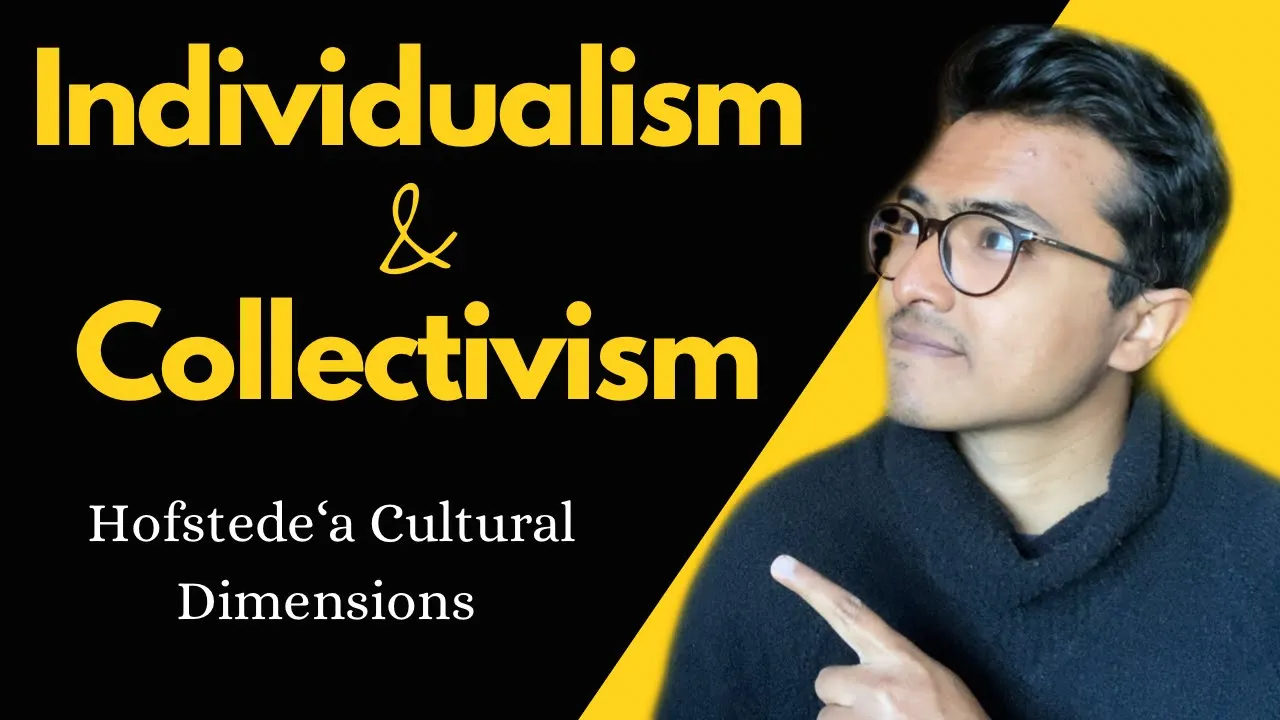
Geert Hofstede's Cultural Dimensions theory, specifically the distinction between Individualist and Collectivist societies.
The basic sociological definition of 'face' (prestige, honor, and social standing) in interpersonal relations.
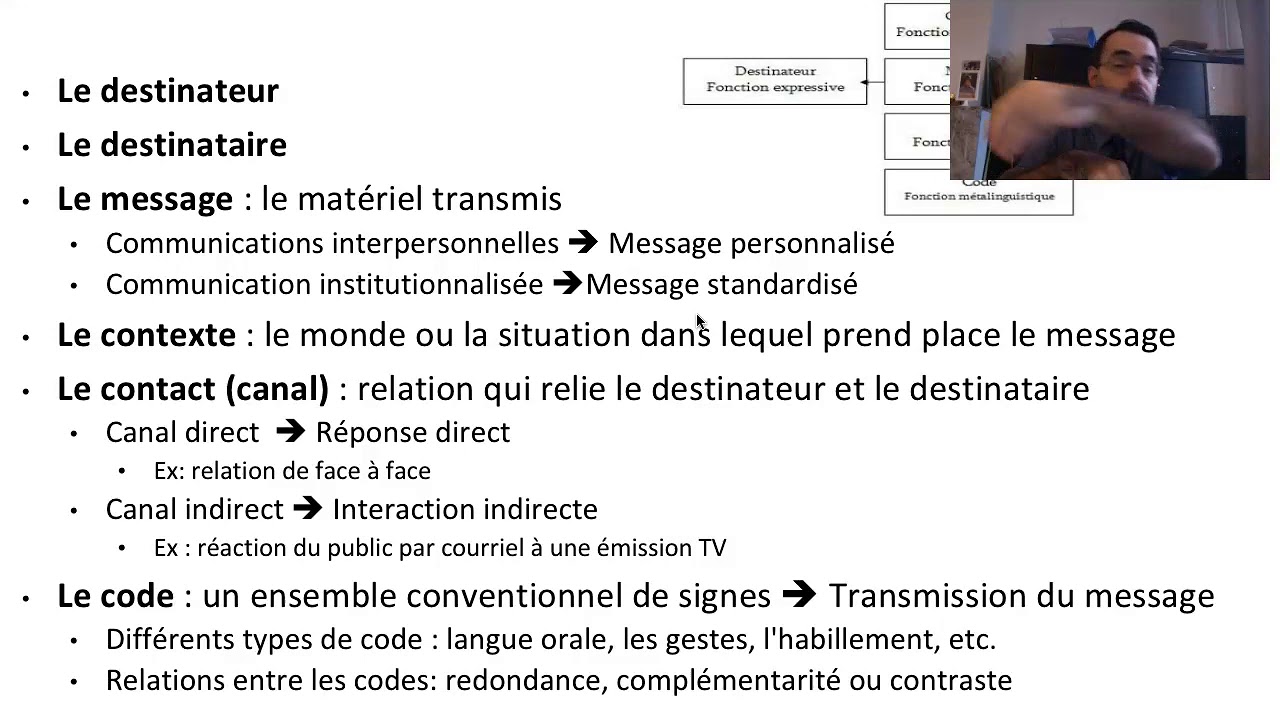
The fundamental differences between direct and indirect communication channels in professional settings.
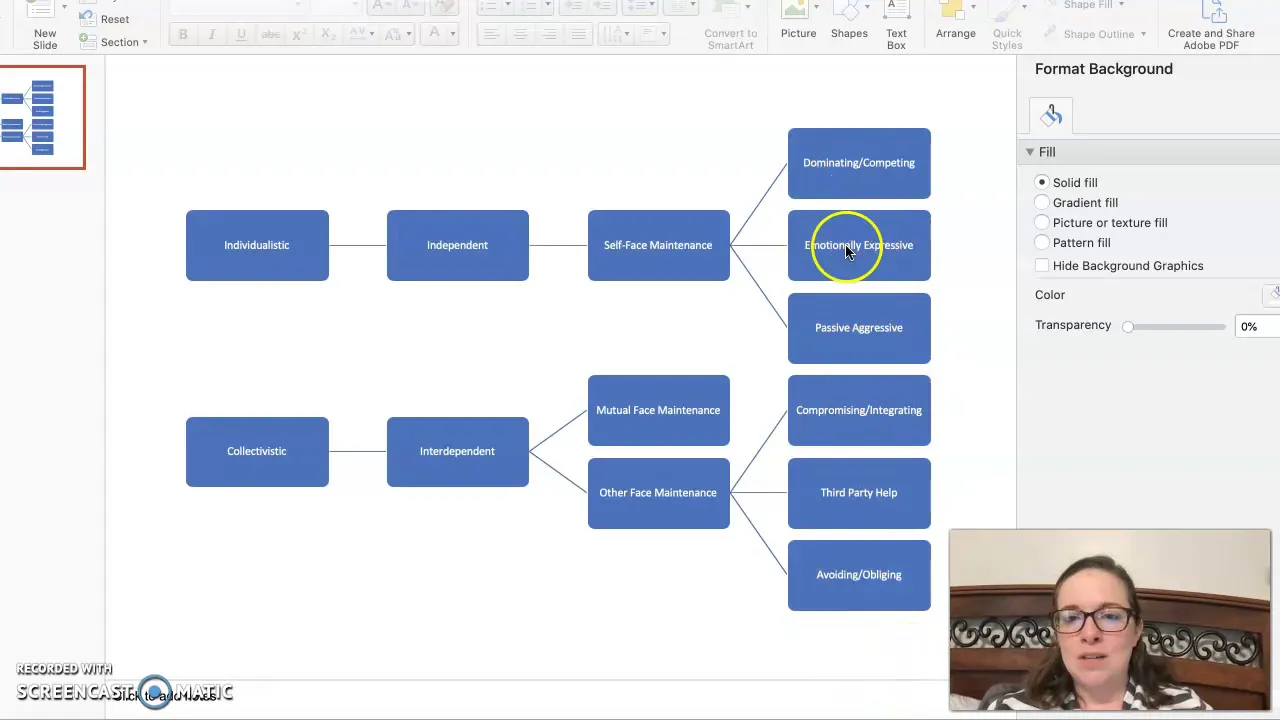
Stella Ting-Toomey's Face-Negotiation Theory and its mathematical or structured applications in conflict resolution.
Best practices for designing and conducting culturally sensitive performance appraisals in multinational organizations.
Advanced cross-cultural business negotiation techniques tailored for East Asian and Middle Eastern corporate environments.
Global crisis communication strategies, focusing on how multinational corporations manage reputation and 'save face' during public relations crises.
2.6K views43likes4:37Original Release: 2021-09-13
i'm sure you've heard the phrase saving face but what does it mean saving face basically means preventing people from embarrassment or shame both others and yourself it's an important cultural value that you need to know if you're going to do business or work in another country so if you're going to do business or work in another country that values saving face you'll need to adapt your communication style so to find out some best practices and to learn which countries value saving face keep watching this video cultures in which saving face is important usually will not appreciate direct comments or criticism you need to speak diplomatically even indirectly in order to save face therefore if you need to give feedback to a group of people be careful don't use any critical statements which may embarrass them in front of others don't use harsh language or show anger as it may break the relationship and make working together very difficult you can try two techniques for saving face number one try the feedback sandwich start with a positive comment and then your constructive criticism which should be formed diplomatically of course and then finish with a positive comment number two give the feedback one-on-one but remember even in an individual scenario it would be a good idea to use the feedback sandwich mentioned in number one keep in mind that the saving face dynamic also exists for the other way around if you are asking them to give you feedback about yourself the company or the project that you're doing together they will usually not say anything negative directly to your face in order to avoid embarrassing you if you ask for feedback you may or may not get an answer if you do get an answer it may seem vague keep in mind that if they do have some negative opinion chances are they're not going to share it with you there in the meeting but they may complain to fellow colleagues outside the meeting if you are the leader of a team and you really need to get feedback try doing it in an anonymous way like through an unsigned comment form or through an online feedback collection method but what if you really need to just discuss matters openly with your team if you're working in a culture where they value saving face and you really need to get honest feedback some managers have succeeded in doing this by establishing an environment of let's say psychological safety that is a place where sharing openly is okay and feedback is given in the spirit of positivity and encouraging improvement teamwork etc and not from a place of criticism or negativity it takes time to inculcate a company culture like this in a country where saving face is important but it can be done in these cases it's really important that the manager has a positive attitude and builds relationships with their team so in which cultures do you have to be careful about saving face well you'll have to think about this if you travel or do business in china korea japan indonesia the philippines malaysia singapore and india and pakistan also if you go to the arab world like saudi arabia and the uae if you are going to work or do business abroad be sure to read up on the culture's perceptions towards saving face before embarking on your journey thanks for watching this video and please click subscribe so you can get additional intercultural lessons bye for now bye
Up Next

28:46
Cultural Anthropology Intro: Key Concepts & Course Overview
@AngelaMontaguePhD
21.2K views•2019-12-18

38:41
Astrobiology Through an Anthropological Lens: Field Insights
@georgiatechastrobiology
128 views•2021-04-14

4:45
Proxemics Explained: The Study of Personal Space
@Vox
536K views•2016-07-05

10:38
Psychology of Internet Trolling and Pranks Explained
@AzzyLand
10.7M views•2017-12-20
Related Study Plans & Knowledge Roadmaps
Structured learning paths in Anthropology
anthropology
Space Anthropology: Analogs, Culture & Habitats
01Foundations of Space Anthropology & Cosmic Imaginaries
02Extreme Isolation & Micro-Societies in Orbit
03Space Analog Habitats & Earth-Based Simulations
+ 2 more learning modules
15h5 modules
Explore Roadmap
anthropology
Legal Anthropology: Customary Law & Pluralism
01Foundations of Legal Anthropology and Social Justice
02Legal Pluralism: Coexisting Legal Systems
03Customary Law and Indigenous Dispute Resolution
+ 2 more learning modules
15h5 modules
Explore Roadmap
anthropology
Global Tourism: Gaze, Authenticity & Heritage
01Introduction to the Sociology of Tourism
02The 'Tourist Gaze' (John Urry)
03Staged Authenticity in Tourism
+ 3 more learning modules
14h6 modules
Explore Roadmap
anthropology
Modern Kinship (ART, Adoption & Chosen Family)
01Foundations of Kinship and Family
02Assisted Reproductive Technologies (ART) & Relatedness
03Transnational Adoption and Global Kinship
+ 2 more learning modules
12h5 modules
Explore Roadmap