





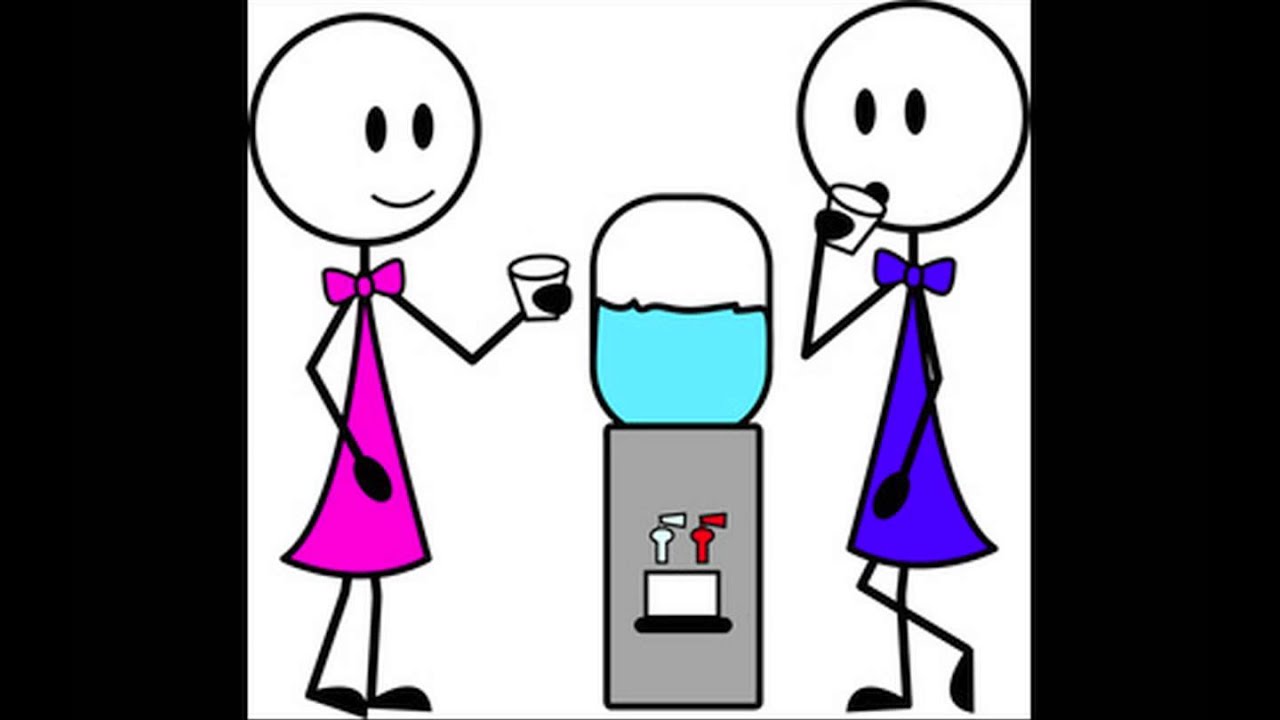












In communication, 'face' refers to the positive social value we claim for ourselves by acting in certain ways, encompassing both positive face (the desire to be liked and approved of) and negative face (the desire to be left alone without interruption). Face-threatening acts are any actions that threaten this social value, occurring when task goals interfere with relationship goals. Common face-threatening actions include orders, requests, suggestions, promises, offers, compliments, criticism, complaints, apologies, and physical breakdowns. Understanding these mechanisms helps us recognize that almost every interaction involves potential face threats, making politeness essential for maintaining social harmony.
Understanding Face-Threatening Acts: Navigating Social Embarrassment
Added:The Sociological Concept of 'Face': Familiarity with Erving Goffman's theory of social self-image and the desire for social approval.
Foundations of Politeness Theory: Introduction to Brown and Levinson's framework, specifically the distinction between 'positive face' (the desire to be liked) and 'negative face' (the desire to be unimpeded).
Basics of Interpersonal Communication: Understanding basic verbal and non-verbal communication models and how message delivery affects relationships.
Introduction to Pragmatics: A foundational understanding of how context contributes to meaning in human interaction, going beyond literal semantics.
Politeness Mitigation Strategies: Studying how to employ positive politeness, negative politeness, and off-record indirect strategies to soften face-threatening acts.
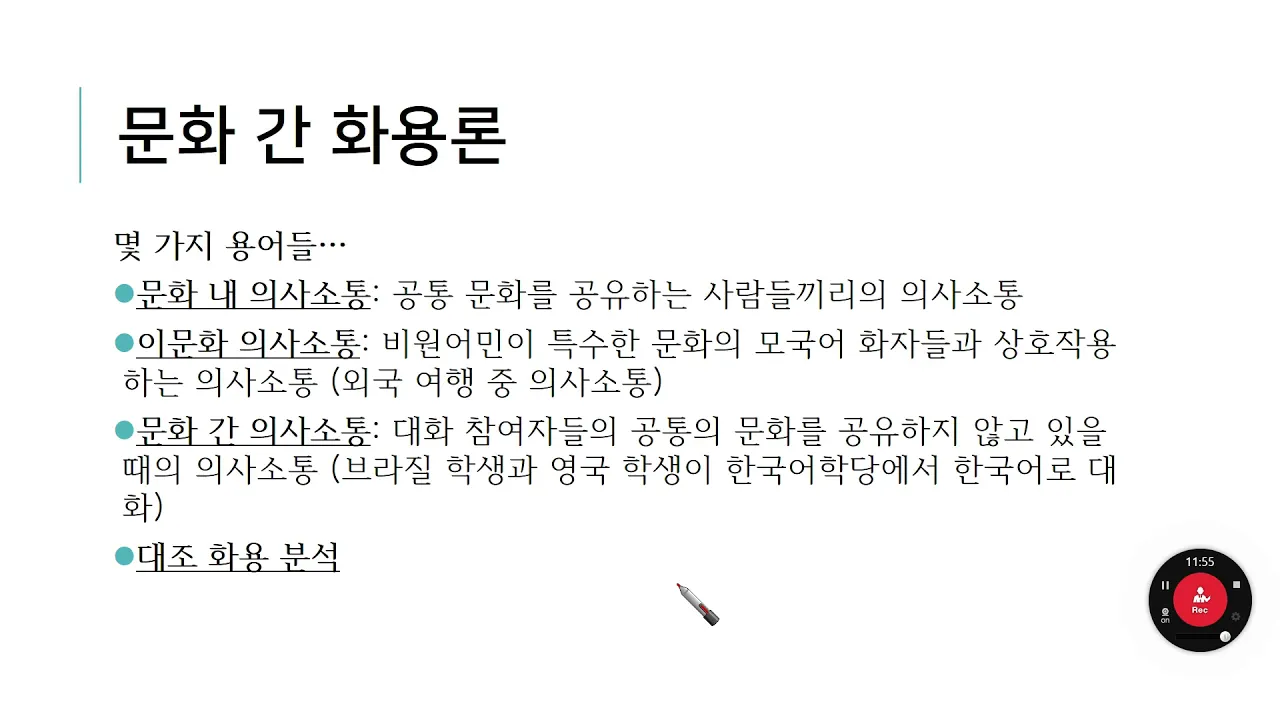
Cross-Cultural Pragmatics: Exploring how different cultures define 'face', respect, and directness in communication to avoid intercultural misunderstandings.
Conflict Resolution and Negotiation: Applying face-saving techniques to de-escalate tension and preserve relationships in professional and personal disputes.
Digital Facework and Netiquette: Analyzing how face-threatening acts occur in online environments, text-based communication, and social media platforms.
93.8K views3.4Klikes17:56Original Release: 2019-07-20
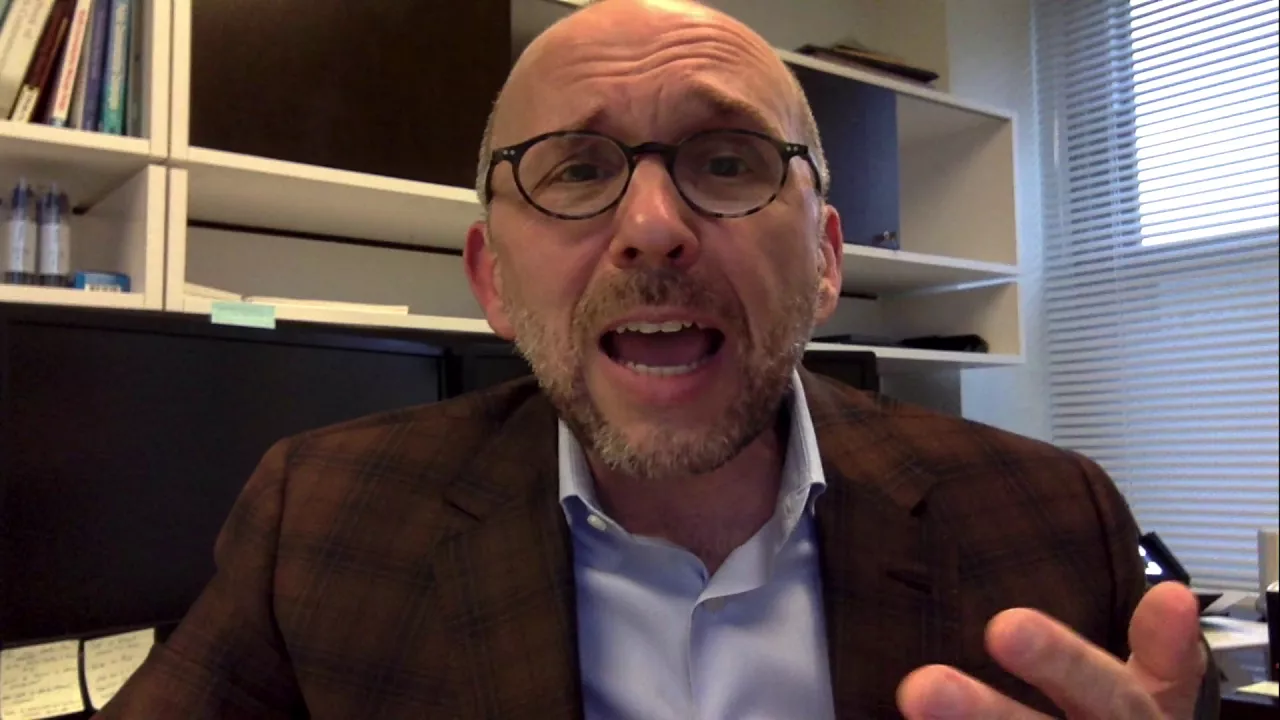
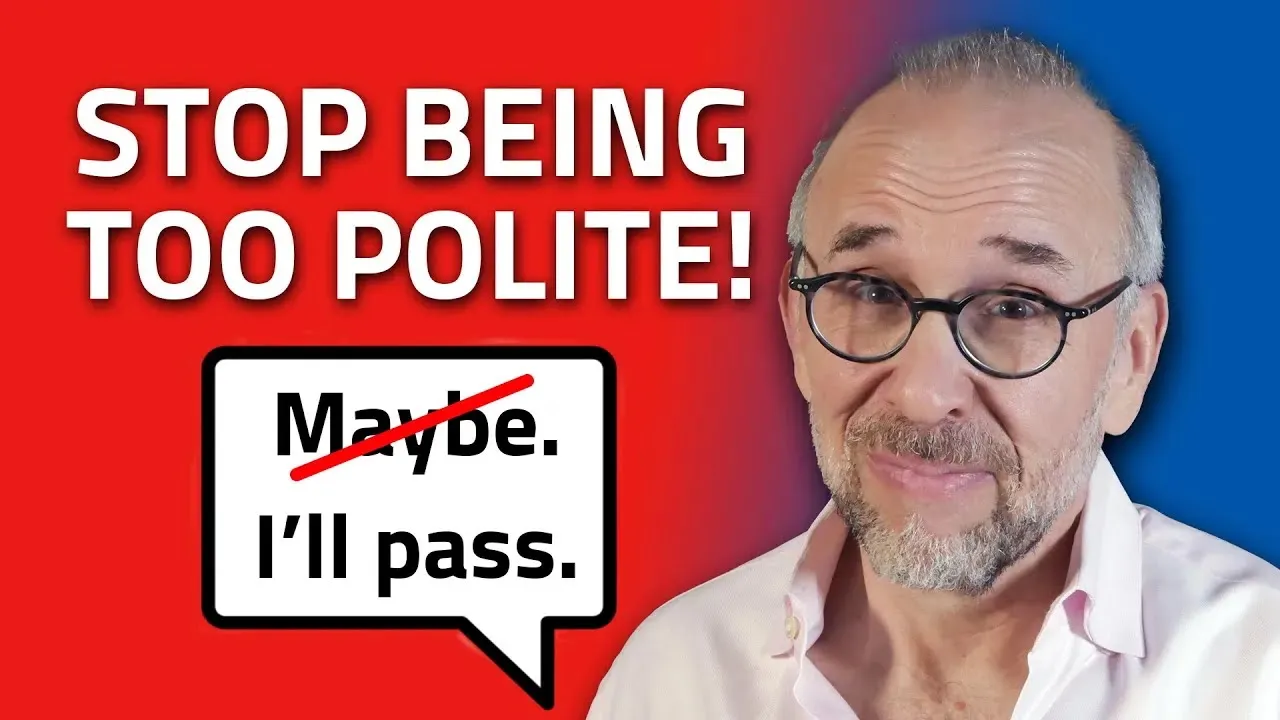
in this video I'm gonna talk about everyday actions you do that can embarrass yourself or the person you're speaking to and I'm gonna make this explanation using Erving Goffman's concept of face and brown and Levinson's concept of politeness [Music] hi everybody this is Bruce Lambert from how communication works calm this is a channel where I teach you about communication skills so you can improve your relationships succeed at work be more confident and lead a more fulfilling life one of the things that makes us afraid of communication is the prospect of embarrassing ourselves and there's no way around it there's a lot of ways we can embarrass ourselves an ordinary interaction in fact many of the structures in ordinary interaction are there precisely to give us a way to avoid embarrassment and to repair embarrassment should it occur so in this video I want to explain how even many of the common things that we do making requests making compliments making apologies can embarrass us or cause us to lose face or can embarrass the person we're speaking to or cause them to lose face in order to do this we have to review a couple of basic concepts what I've spoken about before I'll link to some previous videos where you can learn about these basic concepts I'll only describe them briefly here the first idea is the idea of face or the positive social value that we claim for ourselves by acting in a certain way in a given interaction this is the sense that I am somebody I am someone worthy of respect I am someone that has a particular social status and I need to be treated in a particular way and we claim this value for ourselves by acting in a certain way in every interaction that we participate in the reason most of us even know the meaning of the word face in this context is because of the expression to lose face to lose face is to be embarrassed or humiliated to have your identity spoiled in some interaction to be shown to be not who you want to be not who you claim to be this is to lose face and Braun and Levinson in their book about politeness define what they call face threatening acts so a face threatening act is just anything that I do or another person does that has the potential to threaten face to cause us to lose face there's two more concepts which we have to get to before we can go down the catalogue of all the ways in which we can lose face or cause others to lose face and that is the the two aspects of face that Brown $0.11 discover now I made a previous video about politeness I'll link to that here and you can learn more about it and I'll link in the description to some long blogs that I wrote about politeness if you want to learn more but Brown and Levinson said that there were two aspects of face positive face the desire to be liked and approved of to have your wants wanted by other people that is the desire to be liked that's positive face and negative face the desire to be left alone to go about your business without being interrupted or impeded in any way so there's two aspects of face positive face and negative face leave me alone and like me the leave me alone is negative face two like me is positive face now that we have these basic concepts in hand we can understand all of the ways in which positive and negative face can be threatened in ordinary interaction these face threats normally occur when the task goals of communication interfere with the relationship goals of communication that is when we need to get something done but in doing it we're gonna hurt the feelings of the person that we're talking to in some way we're gonna do something that might damage the relationship between us and the person we're talking to and we need to do that because of the task goals of the situation now Brown eleven 'sons whole book about politeness describes how we can use a variety of devices in language to manage threats to face I'm not going to talk about how we avoid threatening face in this video I've talked about it in other videos and I'll make some new videos about that too here I just want to talk about all the ways in which ordinary actions can threaten positive or negative face of the speaker or the listener in the rest of this video I'm going to talk about the two main roles in a simple face-to-face interaction the speaker the one who's doing the talking and the hearer the one who's listening to the speaker and both the speaker's face can be threatened and the hearers face can be threatened so I'll use those terms throughout so let's first talk about actions that can threaten the hearers negative face these are actions that can threaten the hearers desire to be left alone to go about their business in an uninterrupted unimpeded way so any acts that predicate a future act of the hearer that is orders and requests suggestions and advice reminders threats warnings and dares what all of these actions have in common is that they predicate some future action on the part of the hearer so an order obviously tells someone what to do a request asks what to do even suggestions and advice are basically indirect ways of getting people to do things reminders are the same thing you wonder why people are annoyed when you remind them because the reminder is a face threatening thing it threatens their desire to be left alone remember people have this persistent desire to be left alone threats warning and dares are also things that demand some action on the part of the hearer and because the hearer wants to be left alone any communicative act that demands a response threatens their desire to be left alone so all these things orders request suggestions advice reminders threats warnings and dares all threaten the hearers negative face their desire to be left alone and to do all these things you have to if you don't want to threaten face you need to do them politely there are some other actions which I think are less obvious in the way that they threaten the hearers negative face these are things like promises and offers so when you promise someone something you would think when you promise someone something that is a nice thing and they shouldn't be offended by that that can't cause someone to lose face but if you promise someone something this imposes an obligation on them when you promise someone something they might feel a debt to you because you've made the promise or the prot the promised future action might require some response by them and all of this threatens their negative face they'd rather like don't promise me anything because I don't want to be obliged to you and I don't want to have to respond to whatever this promised action is in the future similarly offers threaten the hearers negative face why because an offer demands either an acceptance or a rejection of the offer and you don't want to be offered something you want to just be left alone so offers threaten to here is negative face the third set of actions I think is the least obvious the things like compliments or expressions of envy or admiration what Brown 11 sensei acts that predicates some desire of the speaker towards the hearer and force the hearer to take action to protect that object of desire so when you compliment someone you say oh what a lovely dress that is what a beautiful pair of shoes what a nice car this forces the person either to accept the compliment which also because they want to be left alone they don't want to have to accept the compliment and I made a whole other video about i responding to compliments is so difficult or you have to kind of protect the thing that the thing that see that the person is kind of coveting the thing that you like and you may be forced to take action to protect the object of their desire this is why a compliment to your partner or boyfriend or girlfriend or husband or wife might be seen as face threatening because you have to take action to to protect the object of the desire that the speaker is talking about so all of these actions by requiring this the hearer to take action and response threaten negative face and if you're going to do them at all and you want to be someone with tact and social skills you have to do them politely that is if you want to do them and not threaten face sometimes the whole object of like a threat or a dare is to threaten face but if you want to do these actions and not threaten face you have to do them politely the next category is actions that threaten the hearers positive face now remember the here is positive faces their desire to be liked to be approved of for their wants to be wanted by other people any action that indicates the speaker doesn't care about the hearers feelings will threaten the hearers positive face so criticism contempt ridicule obviously those things will threaten the ears positive face any expression of disapproval complaints contradictions disagreements challenges all of these suggest or imply or overtly state that the speaker does not share the hearers wants and does not like or approve of the speaker so these directly threaten face now there's lots of times in life where we have to express disapproval or criticism or we have to make complaints we have to express contradiction or disagreement or challenge what other people say I'm a college professor in academic and a scientist and sometimes have to express disagreement but if you want to do that and not threaten face you have to do it politely there are other ways in which you can threaten to hearers positive face their desire to be liked and approved of so things like mentioning of taboo or divisive topics being very irreverent being using profanity these things can threaten the hearers positive face by suggesting that you don't care about their sense of propriety or social norms or what's proper in polite company so being very irreverent or profane or mentioning taboo subjects shows a sort of disregard the other person's wants and and beliefs and Norm's any act of blatant non-cooperation where someone asks you to pass the salt that you don't pass the salt this threatens the here is positive face because it suggests that you don't want there wants to be fulfilled or any mistaken forms of address the classic one in medicine is when a female physician is called nurse instead of doctor this threatens positive face it threatens positive face because it fails to recognize the proper social status of the hearer so now let's move to the speaker's face once so the speaker has negative face once and positive face once the speaker has a desire to be left alone and the speaker has a desire to be liked and approved of so the speaker's face wants can be threatened in ordinary interaction too and there are certain communicative actions that we do that threaten the speaker's face so for example having to express thanks that to give thanks or accept thanks both of those threaten our desire to be left alone there's I don't want to express or accept thanks I just want to be left alone that's why when we as parents we tell our children say thank you you know we are imposing a burden on them they just want to be left alone to eat their cake or open their presents and the parents are always say thank you and so to express thanks or to accept thanks imposes a burden on you to take some action when of course you'd rather just be left alone or your negative face wants dictate that you'd like to just be left alone having to make excuses threatens your desire to be left alone accepting an offer remember we said before when you have to accept an offer you know if someone makes an offer you're like oh no no please don't make me any offers because if you make me an offer I either either have to accept or refuse and what I really like to do is be left alone sometimes the speaker is put in a position of having to make a promise or make an offer when they really don't want to so unwilling promises and unwilling offers are also things that threaten the speaker's desire to be left alone their negative face and finally we come to the last category the communicative actions that threaten the speaker's positive face that is things that you have to do as the speaker that threaten your own desire to be liked and approved of so the first is the most obvious apologies when you apologize you're obviously saying that you did something wrong and this the reason that so many of us are reluctant to apologize is because it damages our ego it's a threat to our identity to have to apologize an apology is an explicit admission that we're not perfect and positive faces the desire not exactly to be perfect but to be desirable to be liked to be approved of and to apologize is to acknowledge explicitly that we've done something regrettable uh approvable and it's threatening the positive face that's why apologies are so hard to make accepting a compliment is threatening to positive face this is a strange one if you go back to my video on compliment responses you'll see why in detail but briefly when someone complements us we have two choices we can accept the compliment or we can decline the compliment declining the compliment to sort of threaten this pause a negative phase because we'd rather just be left alone like don't compliment me because I don't want to have to brush off the compliment but accepting a compliment threatens positive face because one of the things we want to maintain about our identity is the idea that we're humble that were modest many of us were brought up to believe that humility modesty was a virtue and that acknowledgement of our owns explicit acknowledgment of our own strengths and virtues was bragging was a show of conceit and should be avoided so when someone complements us and we accept the compliment it threatens our own image of ourselves as a humble modest person and that's why accepting compliments is so difficult for so many people because they feel the face threat what brown eleven son called breakdown of physical or bodily control threatens positive face so this is like a farting burping falling asleep vomiting any of these things if you go back to my my second video I think I show this video of I'll link to it above I show this video of George Bush the first George Bush President George Bush was on a state visit to Japan and he ate something he didn't like or he had the flu and he vomited right in the lap of the Prime Minister of Japan tremendously threatening to his positive face through his desire to be liked and approved of and to be seen as a person with tact and skill and diplomacy and so on so any act breakdown a physical or bodily controlled burping belch and crying farting falling asleep vomiting all any of these things threatens positive face because we want to maintain for our an image of someone who's under control and any breakdown of control damages that self-image any act of self humiliation will by definition threaten positive face so acting stupid contradicting ourselves mispronouncing a word using a malapropism stumbling falling any of these things you know having food in our teeth or having our fly open any of these things is a act of self humiliation which will embarrass and the speaker and cause them to lose positive face and finally any of what Brown eleven some call emotional leakage and I've already referenced these to a certain extent when I talked about bodily breakdown but this is sort of like psychological breakdown so this is inappropriate laughter tears etc at the wrong time these will be embarrassing because they show a lack of control so what I hope to illustrate in these examples of all the routine actions which threaten positive and negative face for the speaker and the here is a couple of things first of all how common and ubiquitous threats to face are and therefore how common and ubiquitous is the need to use language to be polite and to manage threats to face and to manage threats to face face is at stake in every single interaction and they need to manage threats to face and be aware of them and alert to them is probably to me at least the core social skill it's an awareness that beneath the surface of every interaction are people who want to mean who have these persistent wants these positive and negative face wants the desire to be liked and approved of that's positive face the desire to be left alone to go about their business unimpeded in every interaction these desires are present and yet in almost every interaction these desires are threatened just ordinary interaction everyday life the need to do things with one another the need the task goals that we have to pursue at work and at home and in everyday life threaten our desire to be liked and approved of and our desire to be left alone so threats to face are ubiquitous they're everywhere therefore to be polite and to be sensitive to other people's face threats we have to use politeness all these resources of language to manage threats to face so that we can do these face threatening actions and still pay respect to people's face wants I don't think it's possible to go around in the in the world and never threaten face but I think it is possible to do all these routine face threatening things but use politeness so that we express and illustrate and dramatize to people that we care about their face wants then we may have to violate them because that's the way life is we may have to violate their desire to be liked and approved of we may have to violate their desire to be left alone but we recognize in violating those wants we are damaging them in a little in a way and that we want to pay respect to them basically say I'm sorry I have to do this thing that threatens your face but I'm gonna do it politely in order to express to you that I recognize you are a person with value and substance who has faced once even though in this interaction I have to threaten or violate them and I guess the second reason I list all these threats to positive and negative face for the speaker and the here is to show that the social world is a minefield that almost everything we say or do has the potential to threaten face and the developing a sensitivity to face threats is really essential to becoming a socially skilled person in a related way I want to reveal the underlying structure of social interaction that is in every interaction and every face-to-face encounter especially but this is true over the telephone and an e Masson what invisible layer of meanings that has to do with face and face once that's always at stake in every interaction and that we have to be attentive to and that being attentive to this hidden layer of meaning and using politeness on other devices to manage threats to face is what it means to be a skillful person socially to be have social skill to have tact poised diplomacy etc so that's it for today if you like videos like this please like and subscribe share this video with a friend go on down in the comments and tell me what you think go over to how communication works that calm sign up for our email list it will send you an e-book about empathy will email you once or twice a week perhaps with new videos we posted to YouTube or blogs that we've posted online thanks so much for watching we'll see you next time
Up Next
8:32
Pragmatics & Gricean Maxims: Cooperative Principle | The Ling Space
@thelingspace
150.2K views•2014-09-10
36:52
Constraint Interaction in Optimality Theory: Epenthesis & Deletion
@Vidyamitra
180 views•2018-08-20
15:07
Grice's Cooperative Principle in Pragmatics Explained | Communication
@HowCommunicationWorks
49.2K views•2019-05-12

21:32
Accent Expert Explains U.S. Regional Dialects | Part 1
@WIRED
9.3M views•2021-01-21
Related Study Plans & Knowledge Roadmaps
Structured learning paths in Linguistics
linguistics
Optimality Theory: Tableaux & Constraints
01Phonological Basics: Sounds, Syllables & Rules
02Foundations of Optimality Theory: GEN, CON, and EVAL
03The Constraint Inventory: Markedness vs. Faithfulness
+ 2 more learning modules
15h5 modules
Explore Roadmap
linguistics
Morphosyntactic Alignment: S, A & P Systems
01Foundations of Syntax: Transitivity and Arguments
02The Linguistic Variables: Mapping S, A, and P
03Nominative-Accusative Alignment
+ 3 more learning modules
12h6 modules
Explore Roadmap
linguistics
Analyzing Sign Language: Phonology & Syntax
01Foundations of Sign Language Linguistics
02Phonology: The Five Parameters of a Sign
03Morphology: Word Formation and Classifiers
+ 2 more learning modules
14h5 modules
Explore Roadmap
linguistics
Pragmatics: Speech Acts, Grice & Politeness
01Introduction to Pragmatics: Meaning in Context
02Grice’s Cooperative Principle & Implicature
03Speech Act Theory
+ 2 more learning modules
14h5 modules
Explore Roadmap