


























The Great Firewall of China is a sophisticated internet censorship system that employs three primary methods—IP blocking, DNS poisoning, and manual enforcement—to restrict access to foreign websites and control online content, thereby enabling the Chinese government to regulate information flow while simultaneously fostering domestic tech companies like Baidu, Alibaba, and Tencent; however, this system also significantly hinders scientific progress and innovation by limiting access to overseas scholarly research and intellectual exchange.
How China's Great Firewall Censors the Internet | Explained
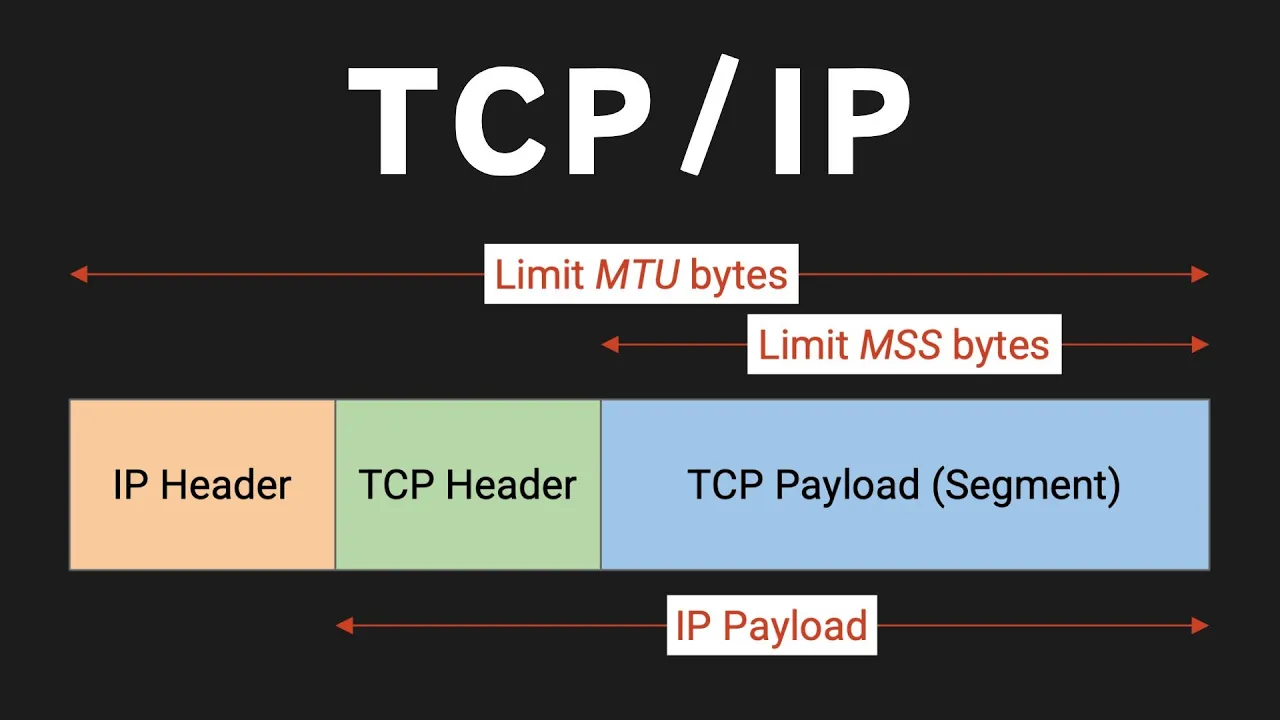
Added:Basic understanding of the TCP/IP protocol suite, IP addressing, and packet routing.
The role and mechanism of the Domain Name System (DNS) in translating domain names to IP addresses.
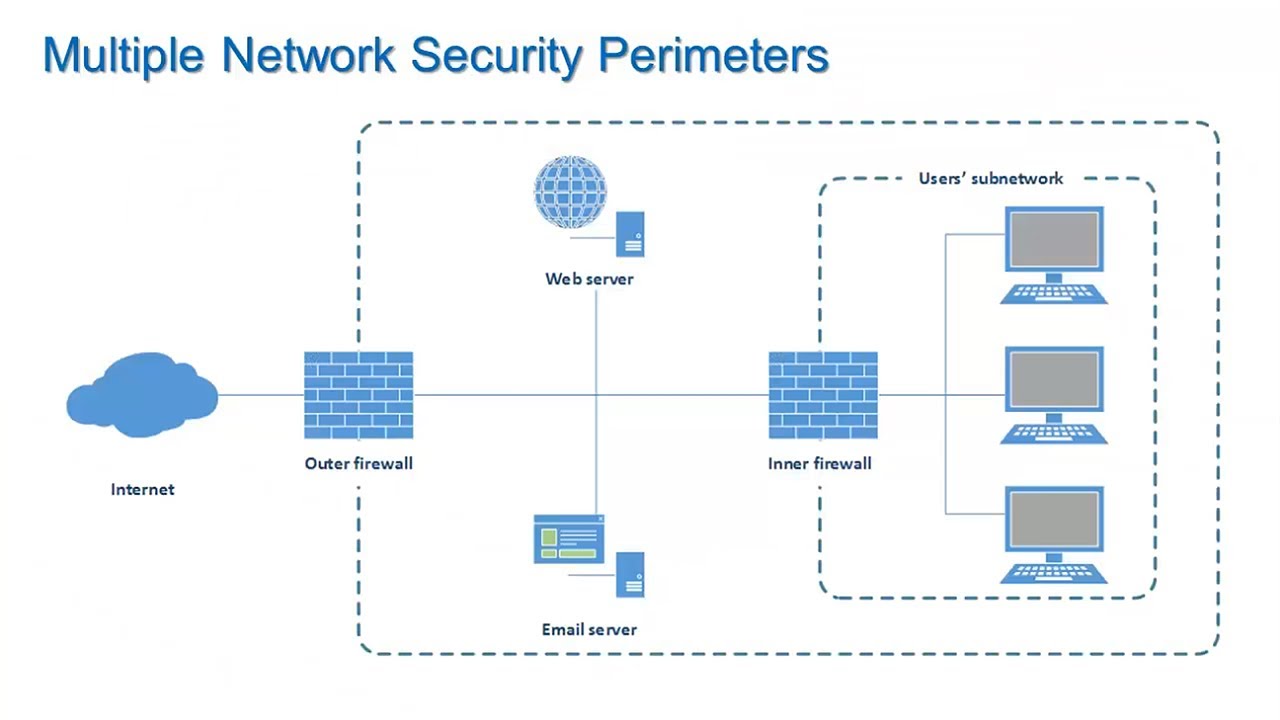
Fundamental concepts of network security, including encryption (SSL/TLS) and how standard Firewalls operate.
The basic architecture of Virtual Private Networks (VPNs) and how they tunnel internet traffic.
Deep Packet Inspection (DPI) and how machine learning is used for real-time traffic classification and filtering.
Advanced circumvention technologies, such as Onion Routing (Tor), Shadowsocks, and obfsproxy.
The socio-political concept of the 'Splinternet' and how other nations (e.g., Russia, Iran) implement sovereign internet infrastructures.
The dual-use nature of censorship technology in enterprise intrusion detection and prevention systems (IDS/IPS).
386K views10.6Klikes8:17Original Release: 2019-07-27
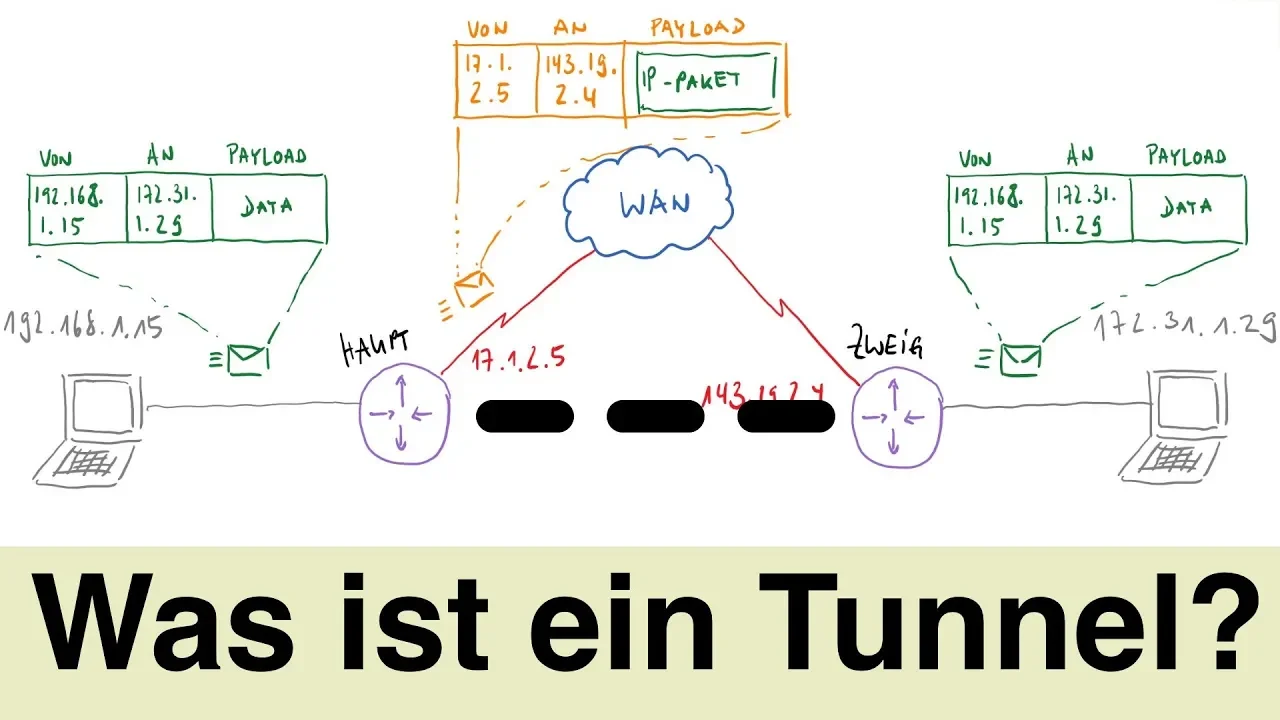
if you have ever been to china you may have experienced a lack of access to the same websites you love and enjoy around the rest of the world websites such as google youtube and facebook are either blocked completely or slowed to a crawl and throttled to an almost unusable state known as the great firewall of china this censorship engine allows the chinese government to regulate the internet and protect its citizens from dangerous content or at least that's what they claim many however criticize china due to the sheer lack of freedom allowed when using the internet which has landed china at the number one spot in terms of worst for online internet freedom as technology has advanced the great firewall has seen many changes over the years with increasing complexity and sophistication china's great firewall is only getting stronger with new technology and the onset of artificial intelligence to improve existing security measures roughly a year ago china was able to display their dominant censorship capabilities by outright banning cryptocurrency trading overnight with foreign cryptocurrency exchanges blocked and local exchanges forced to relocate overseas the industry disappeared almost like it never even existed china even bans more whimsical items on the internet such as winnie the pooh yes that's right winnie the pooh who could possibly be afraid of winnie the pooh the chinese government apparently this all started in 2013 when an image of xi jinping and then president barack obama spurred comparisons of the president's look to that of winnie the pooh and the meme started flowing this must have really gotten under g's skin because as the popularity of the memes grew and spread online chinese censors began picking up the images and erasing them and thus banning poor winnie the pooh from all of china other more serious topics are suppressed from the chinese internet such as the 1989 tiananmen square massacre this pro-democracy protest in which an estimated 10 000 chinese citizens were killed all but doesn't exist on the chinese internet just try typing in june 4th the day of the massacre into google versus baidu a popular chinese search engine and see the difference it really is quite alarming this gives the chinese government incredible power to shape the minds of its citizenry and prohibit content it deems unfit back in the 1980s the leader of china at the time don jong ping reformed much of china's economy and brought forth the modern china that we know today he knew however that as economic development and progress increased in china along with it came unwanted western beliefs and ideologies that the chinese government did not have any interest in as part of this economic resurgence the internet was opened up to china in the mid 1990s and project golden shield was launched to aid in overseeing this new frontier soon however the charter of this project morphed to include mass censorship and surveillance and ultimately the great firewall of china was born so you may be asking yourself exactly how does the chinese government monitor and control such a vast network and essentially segregate their internet from the rest of the world they do this through three primary methods the first being ip blocking this one is pretty straightforward for a typical pc setup on the internet in the united states the computer requiring access to the website will send a download request to the destination server where the content they wish to consume is stored this server will then ping back to the user's computer with response data that includes its own ip address and also the data requested along with it with ip blocking enabled this functions much differently in china the great firewall sits in between the chinese telco provider and the external foreign server that the user is attempting to access this firewall is able to filter the data that moves between the local servers and the overseas servers and block data coming from ips which are disallowed the second method used to restrict data is known as dns poisoning dns or domain name system is a method by which to associate domain names with ip addresses after entering a domain name into your browser your computer needs to determine the ip address associated with that domain name in order to know which server to retrieve the desired content from let's say for example you enter google.com into your browser your computer cannot find the ip address for this domain and the local cache and connects to the dns servers provided by your internet service provider or isp the dns servers will query the root dns servers which will then query the global top level domain servers and redirect the query to google's name servers these name servers will respond with the ip address for this domain and then the dns server will then cache this ip address and forward it to your pc your computer will then connect to the ip address received and asks for the content for google.com with the great firewall instead of the name servers returning the correct ip address associated with google.com they will poison the dns this occurs while the ip address is in transit back to your computer it is here where the ip address information will be intercepted via a gateway server that manipulates the dns response by filtering content on certain keywords china is able to decipher which domains to poison and deny service the third way that china manages to catch non-authorized content is by self-censorship and manual enforcement according to chinese laws and regulations chinese firms are completely and wholly responsible for their content as such chinese firms employ thousands of workers to police their own sites and pull down content that is deemed inappropriate these workers monitor social media sites message boards instant messages and more additionally the chinese government itself is estimated to employ several hundred thousand or even millions of people according to some reports to sift through the web and report unauthorized content while posting government propaganda despite these methods there are ways to circumvent the great firewall by using what is known as a virtual private network or vpn also known as climbing over the wall within china vpns offer a cheap and effective method to reach the outside world a vpn works by creating an encrypted tunnel between your device and the vpn provider server before forwarding on and retrieving information from the desired server this allows the user to send and receive data securely without exposure to any authorities as long as the vpn server is located outside the country it will be able to retrieve whatever data you wish and send it back to you via the encrypted tunnel this method of circumventing the great firewall has become more and more popular and has been subject to some major crackdowns as of late as the firewalls technology advances more and more vpns are being banned or blocked by identifying vpn looking traffic and killing those connections permanently preventing them from ever reaching a foreign server again the firewall has performed well as an effective barrier to western ideas and beliefs chinese tech companies have grown without the fear of foreign competition which has led to the rise of chinese tech giants like baidu alibaba and tencent the strict regulations regarding what can and can't be posted online has deterred most western tech companies from even considering entering the chinese market on the flip side the firewall has caused a great deal of damage to scientific progress and innovation since so much of the scholarly work developed overseas cannot be accessed which limits the exchange of ideas and knowledge necessary to advance society to the typical chinese local the great firewall is likely not a big deal but to the intellectual the businessman or the innovator the restrictions are likely quite burdensome it remains to be seen what long-term effects these policies will have on the chinese economy as a whole but for now expect internet freedom in china to remain limited you
Up Next

0:59
Understanding China's Firewall: Digital Sovereignty Explained
@ChinaInsiderWithDavidZhang
200.3K views•2025-09-17

12:54
Triumph of Orthodoxy Icon: Byzantine Art & History Explained
@BenCallan
2.1K views•2024-08-06

9:49
FastAPI vs Flask vs Django: Choosing the Right Python Web Framework
@TechWithTim
302.5K views•2024-05-26

1:42
Game of Thrones Opening Credits: A Cinematic Analysis
@gameofthrones
46.3M views•2011-04-18
Related Study Plans & Knowledge Roadmaps
Structured learning paths in General & Interdisciplinary Studies
general-studies
Elevator Engineering: History, Physics & Cities
01From Hoists to Safety Brakes: The Dawn of Vertical Lift
02Hydraulic vs. Traction: The Engineering Physics of Elevators
03Modern Speed, Safety, and Algorithms
+ 2 more learning modules
12h5 modules
Explore Roadmap
general-studies
Rubber: Material Science, History & Geopolitics
01Origins of Natural Rubber & Mesoamerican History
02The Chemistry of Natural Rubber & Vulcanization
03The Geopolitics of the Rubber Boom & Colonization
+ 2 more learning modules
12h5 modules
Explore Roadmap
general-studies
Containerization: Evolution, Logistics & Trade
01Ancient Trade & Bulk Cargo: Amphorae to Barrels
02The Industrial Revolution & Cardboard Packaging
03The Containerization Revolution: Malcom McLean
+ 2 more learning modules
12h5 modules
Explore Roadmap
general-studies
Textile Tech: Evolution, Labor & Global Impact
01Pre-Industrial Textiles: Handloom & Cottage Industry
02Mechanization: The Spinning Jenny to the Power Loom
03The Factory System & Global Labor Transformation
+ 2 more learning modules
10h5 modules
Explore Roadmap