















Photovoice is a participatory visual research methodology that empowers marginalized individuals—such as those with chronic health conditions, disabilities, mental illness, or from minority groups—to document their lived experiences through photography and storytelling, thereby transforming their voices into authentic data for advocacy, policy change, and community dialogue.
Understanding Photovoice: A Participatory Research Method
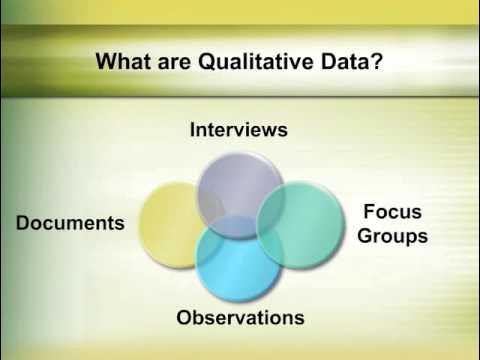
Added:Introduction to Qualitative Research Methods: Understanding basic qualitative data collection techniques, such as interviews and focus groups.
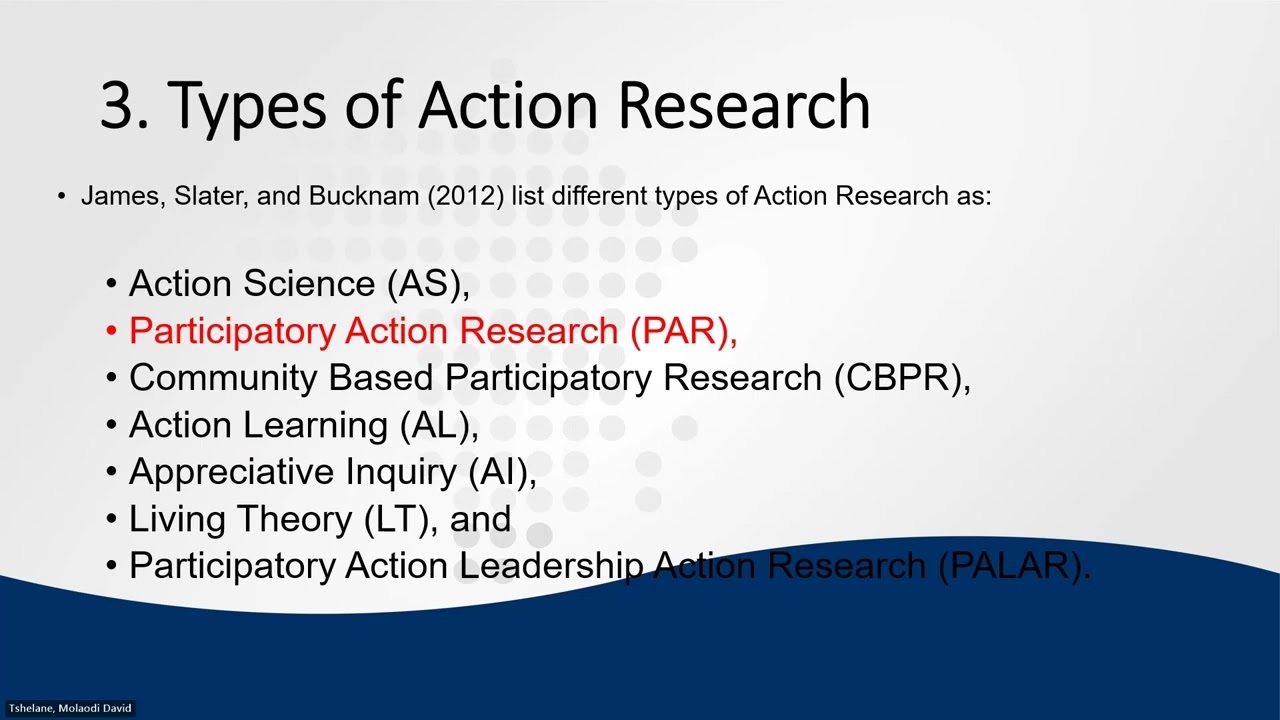
Principles of Participatory Action Research (PAR): Knowing how collaborative research methodologies aim to empower marginalized communities.
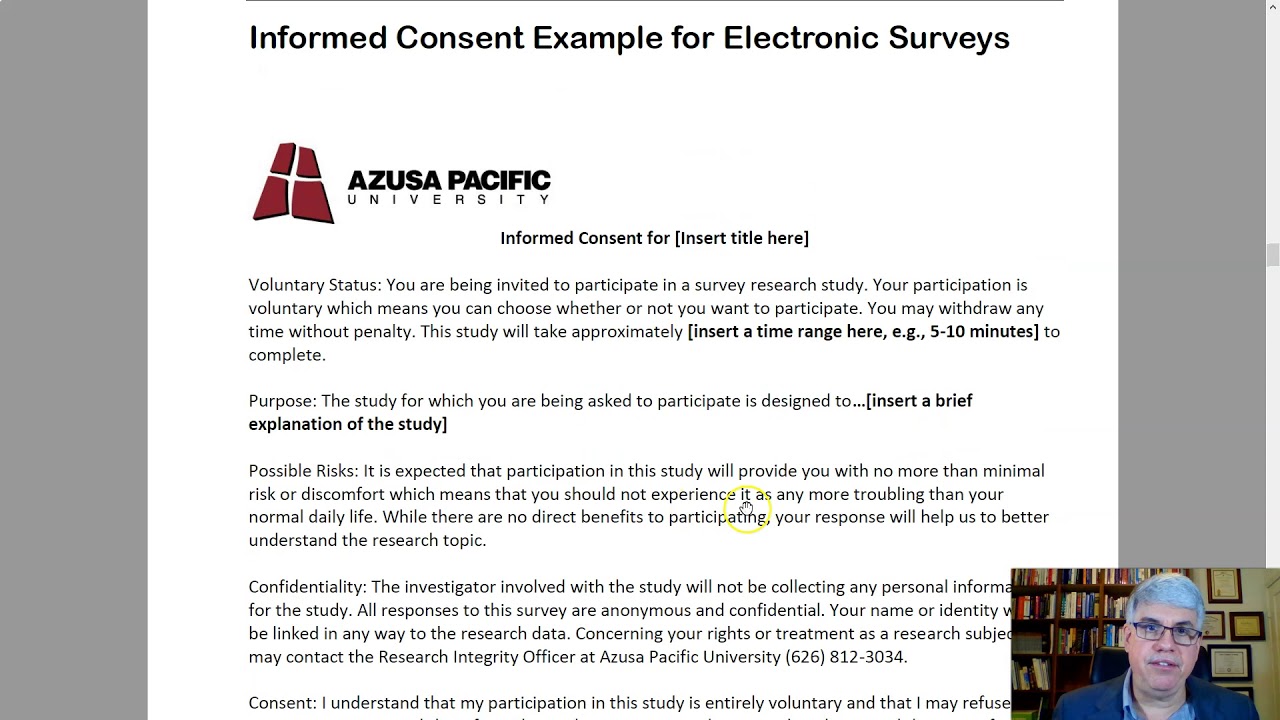
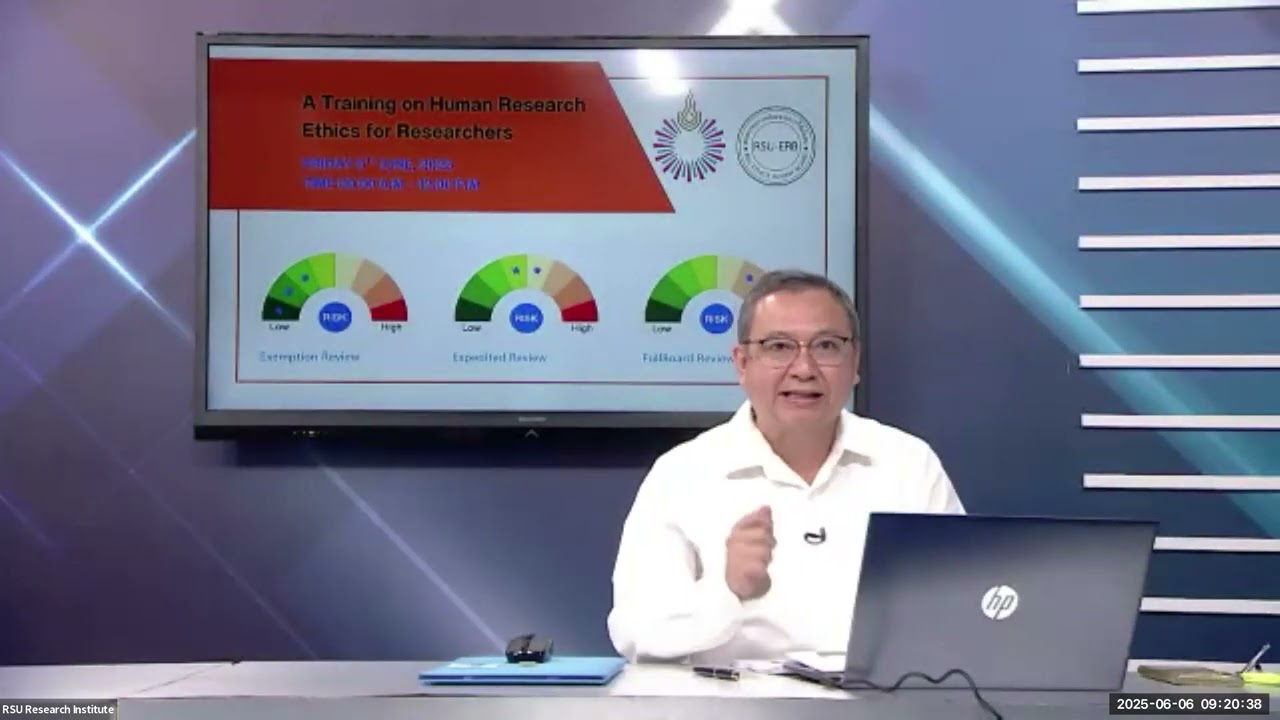
Research Ethics and Human Subjects Protection: Understanding concepts of informed consent, privacy, anonymity, and vulnerability in social research.
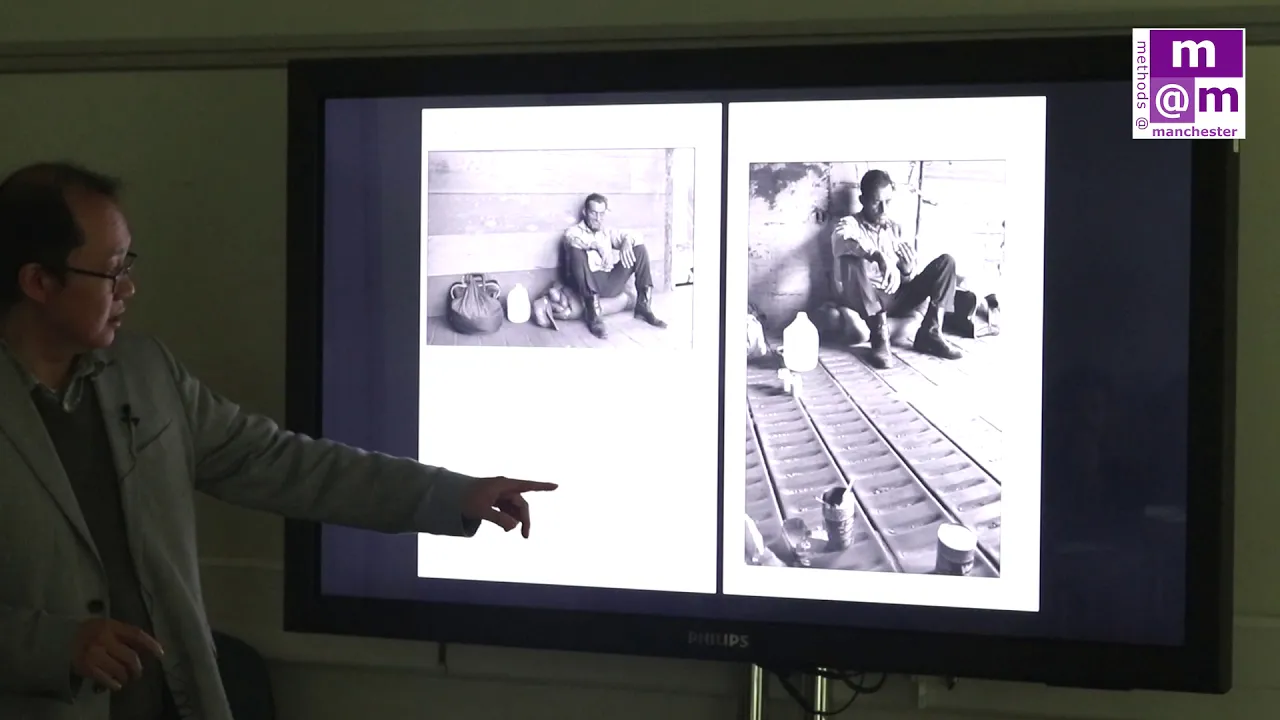
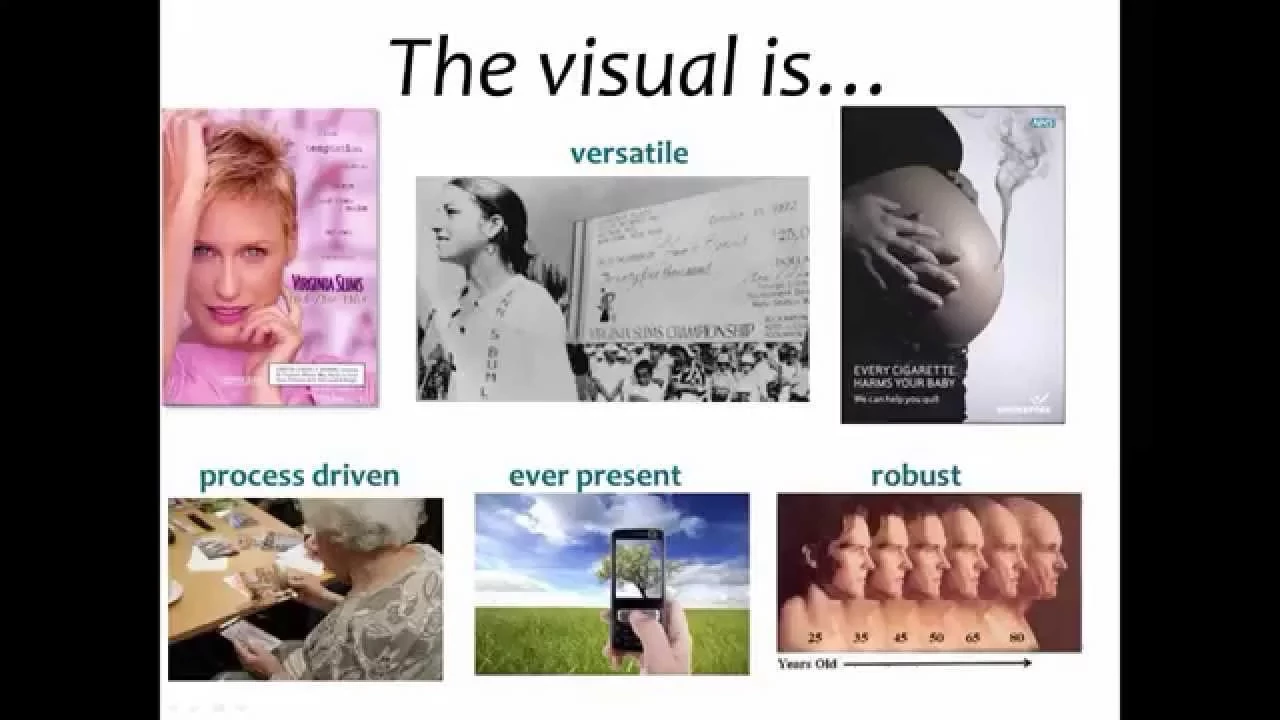
Basic Visual Sociology: Conceptualizing how visual images (photography, media) function as tools for narrative representation and social critique.
Analyzing Visual Data (The SHOWeD Method): Learning how to systematically code, categorize, and analyze photographs alongside participant-narrated text.
Community Mobilization and Policy Advocacy: Designing public exhibitions and translating Photovoice findings into policy briefs to influence stakeholders.
Ethical Challenges in Visual Research: Navigating complex ethical scenarios, such as digital copyright, safety of participants in sensitive contexts, and representation bias.
Emerging Digital Participatory Methods: Exploring related methodologies like participatory video, digital storytelling, and GIS mapping for community advocacy.
22.7K views212likes9:30Original Release: 2021-08-23
[Music] photovoice puts cameras in the hands of people with valuable lived experience so they can explore and share their perspectives on health family community and their futures the goal of photovoice is to give a voice to those who because of their age status or condition do not have a strong say in the policies and decisions that impact their health safety and quality of life photovoice participants around the globe include a wide variety of people some have chronic health conditions or are living with a disability some are immigrants or belong to a particular minority group others are living with mental illness or have suffered from a brain injury photo voice participants can be young or old homeless or housed veterans or civilians employed or out of work no two are alike each one is a unique individual with a unique set of life circumstances what they all share in common is a need to be heard in the photovoice method participants use pictures and words to document their challenges and strengths successes and failures hopes and fears from their perspective their photos prompt respectful conversations among equals whether researchers participants community members or decision makers the photos and conversations become valuable data for advocacy policy making and decisions on a path forward using photovoice you can encourage discussion among people with valuable lived experience investigate and share experiences from a first person perspective highlight social justice issues that might be hidden from public view identify needs that otherwise might go unnoticed get the attention of policy makers and collaborate for change photo voice projects have been facilitated by a range of stakeholders in other words people who have a special interest in certain groups these stakeholders can be anyone but often include clinicians researchers educators community members and non-profits together with their photo voice participants they undertake a process that can best be described as a photo voice path the steps of this path may guide the participants as they learn about photo voice and decide on a topic take photographs that show their thoughts and experiences discuss and reflect on their photos and experiences write or dictate captions to share the stories behind their photos identify common themes and inform others through exhibits and other outreach [Music] unlike traditional research where researchers hold all the power photovoice flips this script by empowering participants to transform valuable lived experience into data for change the photovoice participatory approach generates authentic real-life data that opens people's eyes to new possibilities creates awareness and becomes a catalyst for change this visual research method has limitless applications and can be adapted to almost any group of people [Music] in 2015 a talking with pictures project in lexington massachusetts looked with fresh eyes at community integration of older adults with brain injury the project exhibit fostered community dialogue about the integration of people with disabilities into community life and informed town decision making regarding sidewalk improvements it also gave the participants a deep and rewarding sense of pride and accomplishment [Music] in 2001 in mdot sane township south africa four members of the youth-led non-profit youth academy were chained to be co-leaders on a photovoice project participants took photographs of community resources and problems from their point of view wrote captions and prepared an exhibit organized under six themes health and welfare education and training community vision economic opportunity security and township life exhibits at public libraries the local hospital and the regional capital captured policymaker attention and helped the young people feel heard [Music] in 2001 a group of girls in lowell massachusetts participated in a photovoice community activism project as an after-school activity of girls incorporated of greater role project goals were to identify resources and challenges in lowell as seen from the perspectives of adolescent girls girls inc members portrayed community resources and needs using photographs and captions and reached policy makers and decision makers through an exhibit at city hall [Music] in a study of veterans experiences feeding their families photovoice asked low-income veterans with children to reflect on their experiences trying to provide adequate nutritious food for themselves and their families researchers learned about the barriers veterans face in getting food on the table the strategies they employ and the impact on their families their photos and captions prompted the creation of a new model to describe and understand what influences the veterans home food environment and to improve their access to nutritious foods for their children [Music] hi i work with young people with intellectual disabilities and i can't tell you how important it is for these young people to have multiple ways of telling people what they want and what's important to them for their young adult lives and it also helps those individuals who are providing services them to be more clear on how they can help these young people so i can't say enough about photovoice [Music] using photovoice to capture the lives of college students amidst the global covid19 pandemic was challenging and meaningful the response from our university policymakers has been so supportive and we will continue to work on our two most prominent findings mental health issues and remote learning i don't think people understand the impact of having your voice heard and in that way photovoice is it's just a tremendous methodology [Music] after participating in photovoice many participants feel a new confidence and sense of self-esteem from having an opportunity to be heard to be seen and to help others whether you're an educator researcher patient clinician community member or work for a non-profit photovoice may be just the tool you need to show stories share power and change lives photovoice worldwide's mission is to help individuals and organizations worldwide use photovoice safely ethically and successfully and to create a global community for photo voice peer-to-peer support and continuing education for more information visit our website at www.photovoiceworldwide.com [Music] [Music] you
Up Next
3:24
Exploring Visual Anthropology: Socially Engaged Art Lab Tour
@COFAonlineRESOURCES
7.1K views•2015-07-22

26:22
Walking in the City: Urban Rituals and the Flâneur in Contemporary India
@PSBTIndia
1.9K views•2016-08-02

9:49
FastAPI vs Flask vs Django: Choosing the Right Python Web Framework
@TechWithTim
302.5K views•2024-05-26

1:42
Game of Thrones Opening Credits: A Cinematic Analysis
@gameofthrones
46.3M views•2011-04-18
Related Study Plans & Knowledge Roadmaps
Structured learning paths in General & Interdisciplinary Studies
general-studies
Artificial Light: History, Tech & Human Impact
01The Pre-Electric Era: Fire, Oil, and Gas Lighting
02The Incandescent Revolution and Grid Electrification
03Gas Discharge and Fluorescent Illumination
+ 3 more learning modules
14h6 modules
Explore Roadmap
general-studies
Elevator Engineering: History, Physics & Cities
01From Hoists to Safety Brakes: The Dawn of Vertical Lift
02Hydraulic vs. Traction: The Engineering Physics of Elevators
03Modern Speed, Safety, and Algorithms
+ 2 more learning modules
12h5 modules
Explore Roadmap
general-studies
Rubber: Material Science, History & Geopolitics
01Origins of Natural Rubber & Mesoamerican History
02The Chemistry of Natural Rubber & Vulcanization
03The Geopolitics of the Rubber Boom & Colonization
+ 2 more learning modules
12h5 modules
Explore Roadmap
general-studies
Containerization: Evolution, Logistics & Trade
01Ancient Trade & Bulk Cargo: Amphorae to Barrels
02The Industrial Revolution & Cardboard Packaging
03The Containerization Revolution: Malcom McLean
+ 2 more learning modules
12h5 modules
Explore Roadmap