Visual anthropology is an artistic methodology characterized by long-term community engagement where the process, collaboration, and social interaction become the primary focus rather than the final artistic product; this approach involves working with communities to reshape research topics dynamically and creating art forms that require participant response and engagement to complete the work.
Exploring Visual Anthropology: Socially Engaged Art Lab Tour
Added:Deep Dive
Foundations of Cultural Anthropology: Understanding key ethnographic research methods and the cultural construction of meaning.
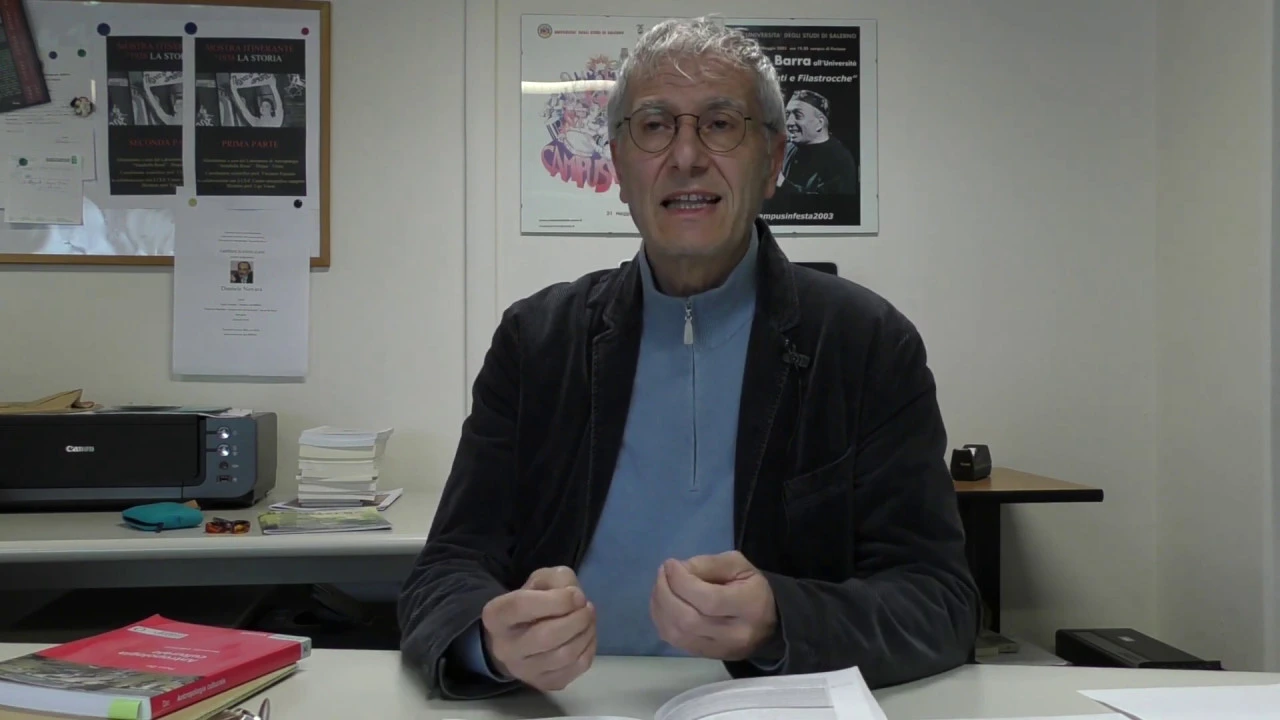
Prima Lezione (24 Cfu) - L'Antropologia e lo studio della cultura
22.7K
Cultural anthropology is the scientific discipline that examines, interprets, and investigates the ways of life and thought that characterize human beings in society, with culture defined as the complex whole including knowledge, beliefs, art, morals, law, custom, and any other capabilities and habits acquired by humans as members of society. The discipline evolved from early evolutionist theories (like Tylor's 1871 definition and Frazer's three-stage model of primitive, barbaric, and civilized cultures) to a critical, reflexive approach that emphasizes fieldwork, participant observation, and cultural relativism as methodological tools for understanding cultural diversity without moral judgment, while using dialogue with other cultures to critically examine one's own cultural assumptions.
Click to watch →

What is Cultural Anthropology
111
Cultural anthropology is the study of contemporary and historic human societies through their cultures, examining kinship, family organization, societal structure, government, authority, power dynamics, relationships, economics, gender, and race. The field draws on knowledge from any discipline that helps understand humanness, including psychology and biblical theology. Four main fields exist: physical anthropology (biology of humans), archaeology (material remains), linguistics (language and communication), and cultural anthropology itself. The field developed during the colonial era when Europeans documented native peoples, influenced by evolutionary theory that proposed societies progress through stages (foraging, pastoral, horticultural, agricultural, industrial). Evidence shows societies can skip stages, contradicting linear evolution theory. Early anthropologists often linked primitive societies to races, which became a justification for slavery and colonialism.
Click to watch →

Cultural Anthropology
23K
Cultural anthropology is the study of culture examining global forces' impact on local realities through fieldwork immersion. Key concepts include 'friction' (unexpected interactions creating new cultures) and 'universals' (mobile knowledge across cultures). The field traces to Durkheim's functionalist sociology, with Radcliffe Brown and Malinowski pioneering participant observation. Boas solidified anthropology in the US, while Mead advanced feminist anthropology and Geertz developed symbolic interpretation. These foundational figures established anthropology as a rigorous discipline studying culture's relationship to society and global systems.
Click to watch →
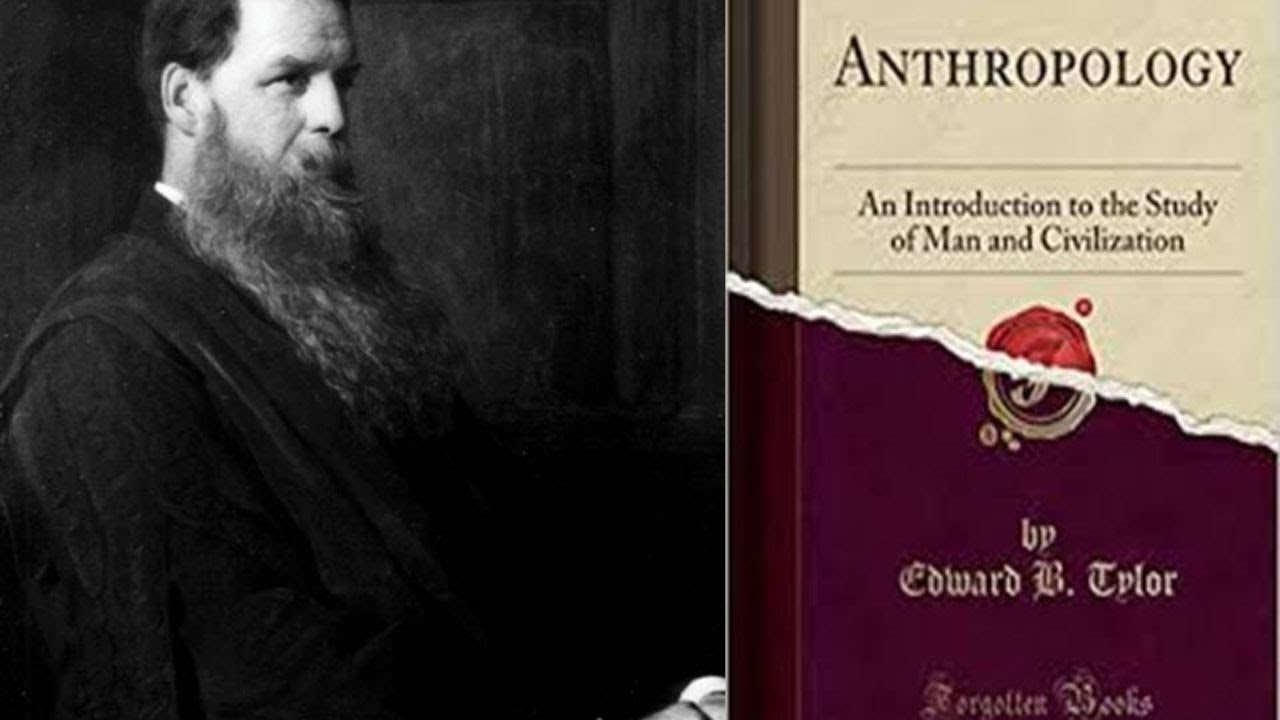
ادوارد تايلور Edward Tylor .. ماهي الأنثروبولوجيا الثقافية/ النظرية الأرواحية
16.3K
Edward Tylor (1832-1917) was an English scholar recognized as the founder of cultural anthropology. Born in London, he developed his interest in human cultures during a medical trip to Mexico as a teenager. He served as a lecturer at Oxford University and was the first professor of cultural anthropology in the world. His major works include 'Mexico and the Mexicans' and 'Researches in the History of Mankind.' His most influential publication, 'Primitive Culture' (1871), established foundational principles for the discipline. Tylor defined culture as 'that complex whole which includes knowledge, beliefs, arts, morals, laws, customs, and any other capabilities and habits acquired by man as a member of society.' This encompasses all human manifestations including arts, literature, religions, myths, patterns of life, and behaviors. Cultural anthropology encompasses several specialized branches including ethnology, archaeology, linguistics, and the study of religions and myths.
Click to watch →

La epistemologia y el símbolismo : individuo, cultura y sociedad
125
This section establishes foundational concepts in cultural anthropology. Tylor defined culture as a complex whole including knowledge, beliefs, art, morals, law, customs, and acquired habits. Cus expanded this by arguing culture extends beyond the individual into customs, institutions, and utensils, including technology as cultural manifestation. White proposed culture as a symbolic system with three levels: technological (science-derived), sociological (interconnections), and ideological (supra-social metaphysical/ethical dimensions). These frameworks establish that culture encompasses all learned human behaviors and that symbolic systems structure human understanding of reality.
Click to watch →
Deep Dive
Introduction to Visual Anthropology: Knowledge of how visual media (photography, film, art) are used to document, analyze, and communicate human behavior and culture.

BANE-144 Visual Anthropology (Intro video)
305
Visual anthropology is a specialized field of anthropology that studies society and culture through images, photography, films, and digital media, examining not only how images are produced but also how they are interpreted, circulated, contested, and utilized in society; this course covers four thematic blocks including foundations, theories of images and representation, ethnographic photography and film methods, and digital ethnography, with the objective of developing critical visual awareness, ethical sensitivity, and analytical skills for understanding contemporary visually-driven social life.
Click to watch →

BSOS 185, दृश्य के माध्यम से समाज एग्जाम से पहले के कुछ महत्वपूर्ण प्रश्न
333
Visual anthropology is the study of society through visual media such as photographs, films, and videos. It involves capturing and documenting societies that are distant or unfamiliar to the researcher. The term 'visual' refers to using technology like cameras to document cultural practices. Anthropology broadly studies society, culture, and individuals, examining their origins and development processes. Visual anthropology serves as a result of the observation process, using multimedia technology to document and analyze cultural phenomena.
Click to watch →
Visual Anthropology: Definition, History & Careers
22.9K
Visual anthropology is an anthropological discipline that studies human beings using visual data such as film and photography, originally emerging from early ethnographic film practices in the late 19th century and evolving into a broader field that examines how societies create, interpret, and use visual systems across diverse cultural contexts, including art, architecture, advertising, and museums; the field developed through key methodological shifts from colonial-era documentation to reflexive approaches that acknowledge the camera's influence on subjects, ultimately expanding beyond ethnographic filmmaking to encompass the anthropological analysis of visual culture itself.
Click to watch →
IGNOU | മലയാളം | VISUAL ANTHROPOLOGY | BANE 144 | UNIT 1 | WHAT IS VISUAL ANTHROPOLOGY ?
1.6K
Visual Anthropology is the scientific study of human culture and behavior through visual media such as photography, film, and digital images, using three primary approaches: images as writing (supplementing ethnographic research), found images (analyzing participant-created visual data), and creative use of images (methodological tools like photo-elicitation); the field emerged after World War II when cameras became widely used for cultural documentation, with key scholars including Margaret Mead (who coined the term in the 1930s), Jay Ruby (who preferred 'Anthropology of Visual Communication'), and David MacDougall (who defined ethnographic film as exposing one society to another).
Click to watch →

Antropología Visual: experimentación, colaboración e inteligencia artificial
278
Visual anthropology is a field that studies the intersections between visuality and social research, now inseparable from multimodal anthropology. Historically, it suffered from two problematic reductions: being reduced to making ethnographic films or photographs, and being geographically defined as essentially documentary work. The field comprises four interconnected areas: (1) studying images as objects of research, examining how we relate to and through images in daily life; (2) using images as tools for social research, including methods like photo elicitation; (3) images as a mode of representation and writing, allowing researchers to capture aspects of social life that words alone cannot express; and (4) the study of vision and visuality, including the anthropology of the gaze and how seeing and being seen varies across cultural contexts. A key principle is homology between what is studied and how it is studied - if analyzing visual culture, use images to analyze. The concept of 'regimes of visuality' refers to how different cultures are defined by what they show and what they keep hidden. Images are not merely devices of representation but allow us to maintain contact with what they represent.
Click to watch →
Deep Dive
Concepts of Socially Engaged Art: Familiarity with art practices that involve people and social communities as the primary medium, rather than traditional gallery-bound objects.

Встреча с группой Shortparis в киноцентре «Октябрь» на фестивале Каро.Арт, 11.10.2023г.
72K
Socially engaged art is a concept where the focus of the author and the structural foundation of the artwork shifts from the aesthetic plane to the social, public, or political domain. This type of art prioritizes social and political content over purely aesthetic concerns. The definition may vary depending on the source and context, but the core characteristic is the deliberate emphasis on social engagement as the primary purpose of the artistic work.
Click to watch →
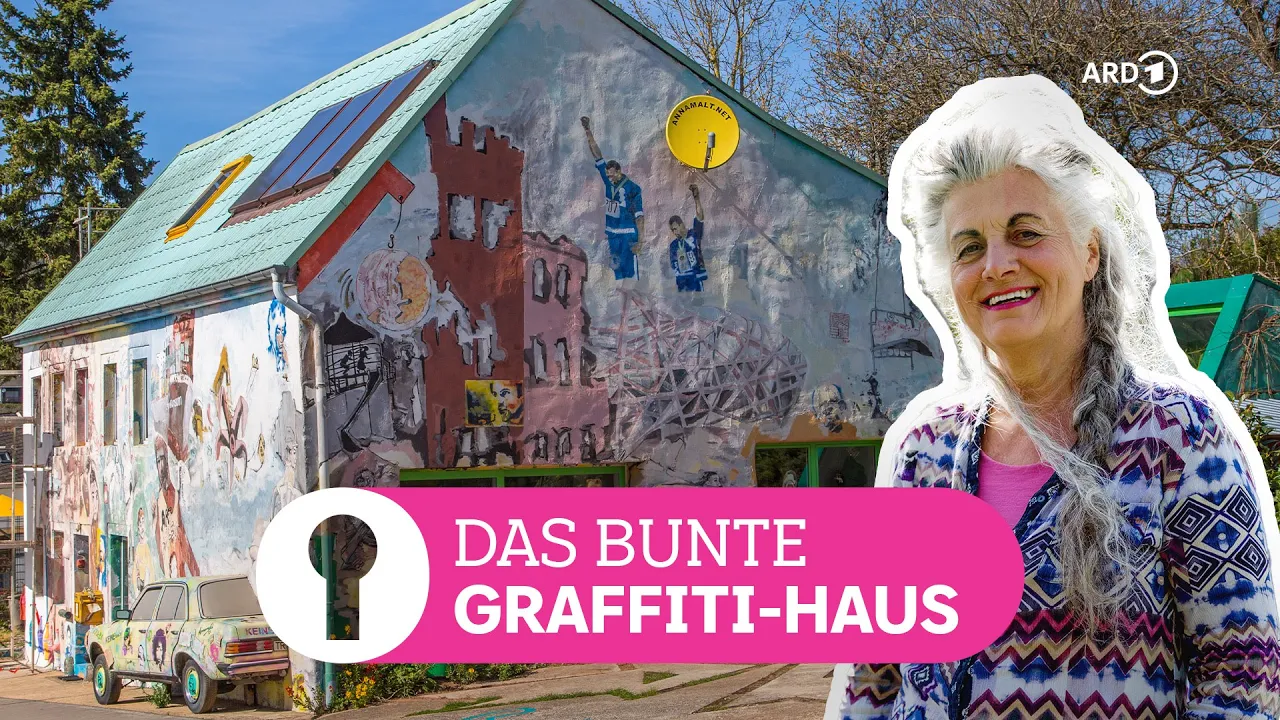
Das ganze Dorf spricht über dieses Haus | ARD Room Tour
555.8K
This segment explores the intersection of artistic practice and social responsibility. The artist describes over 20 years of creating socially critical art addressing current world affairs, positioning painting as a weapon for peace advocacy. Simultaneously, she demonstrates designing creative environments that foster inspiration—describing a rocking bed inspired by womb-like comfort and celestial observation. The segment reveals how artists cultivate spaces that nurture both relaxation and imaginative thinking, showing that creative output depends on environments designed to support mental and emotional well-being alongside physical comfort.
Click to watch →

Claire Bishop’s “Participation and Spectacle: Where Are We Now?”
23.4K
This lecture presents a comprehensive analysis of socially engaged art's current crisis and future trajectory. Claire Bishop examines how participatory art has evolved from early 20th-century movements (Futurism, Constructivism, Dada, Situationist International) through the Community Arts Movement to contemporary practice. She identifies fundamental tensions between artistic and social critiques of capitalism, noting how the field has become institutionally embedded through MFA programs and prizes while simultaneously facing instrumentalization by governments. Bishop argues that the rise of social practice since 1989 signals a loss of faith in both art's intrinsic value and democratic political processes. She proposes that art should maintain tension between artistic and social dimensions rather than collapsing them, advocating for alignment with leftist political movements while preserving art's distinctive capacity for generating paradoxical experiences that expand human imagination.
Click to watch →
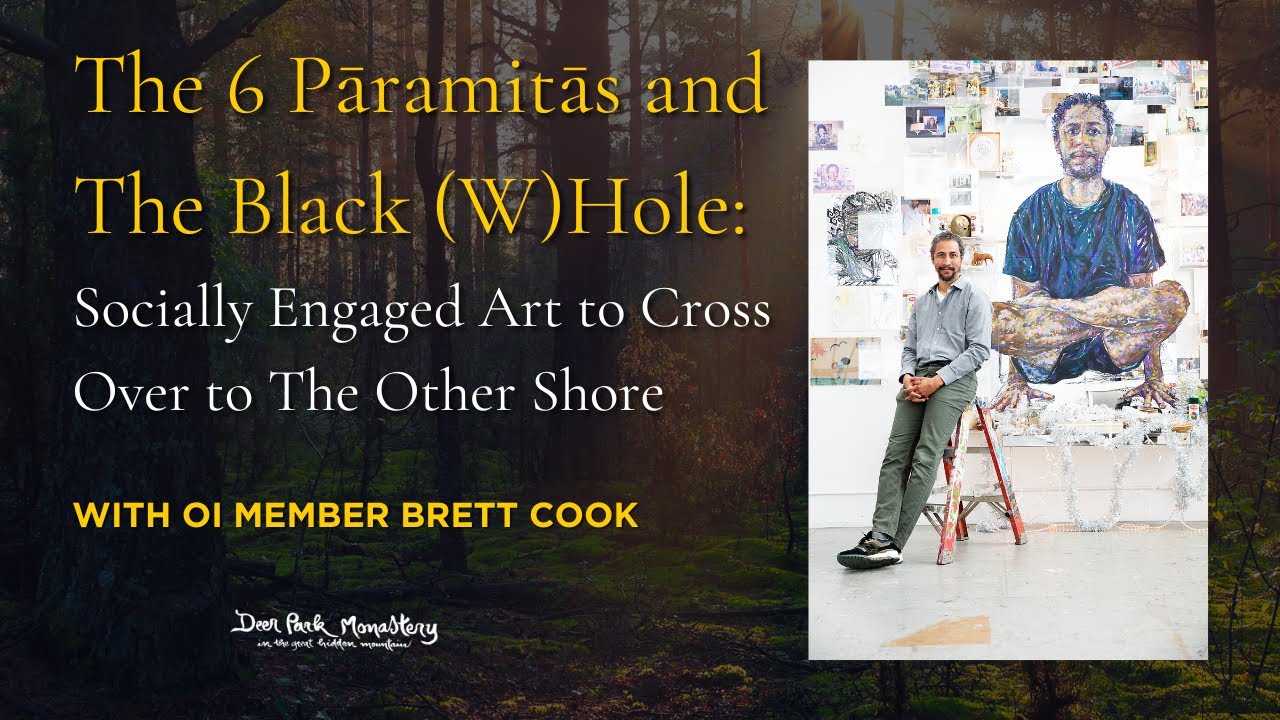
The 6 Paramitas and The Black (W)Hole: Socially Engaged Art With Brett Cook | 2025-01-13
944
Brett Cook demonstrates how the six paramitas (generosity, diligence, mindfulness trainings, inclusiveness, meditation, and insight) serve as guiding principles for socially engaged art practice, using his Oakland-based project 'The Black (W)hole'—a memorial installation for youth lost to violence—as an example of how these Buddhist teachings can inform community art that transforms grief into collective healing and celebration of life.
Click to watch →
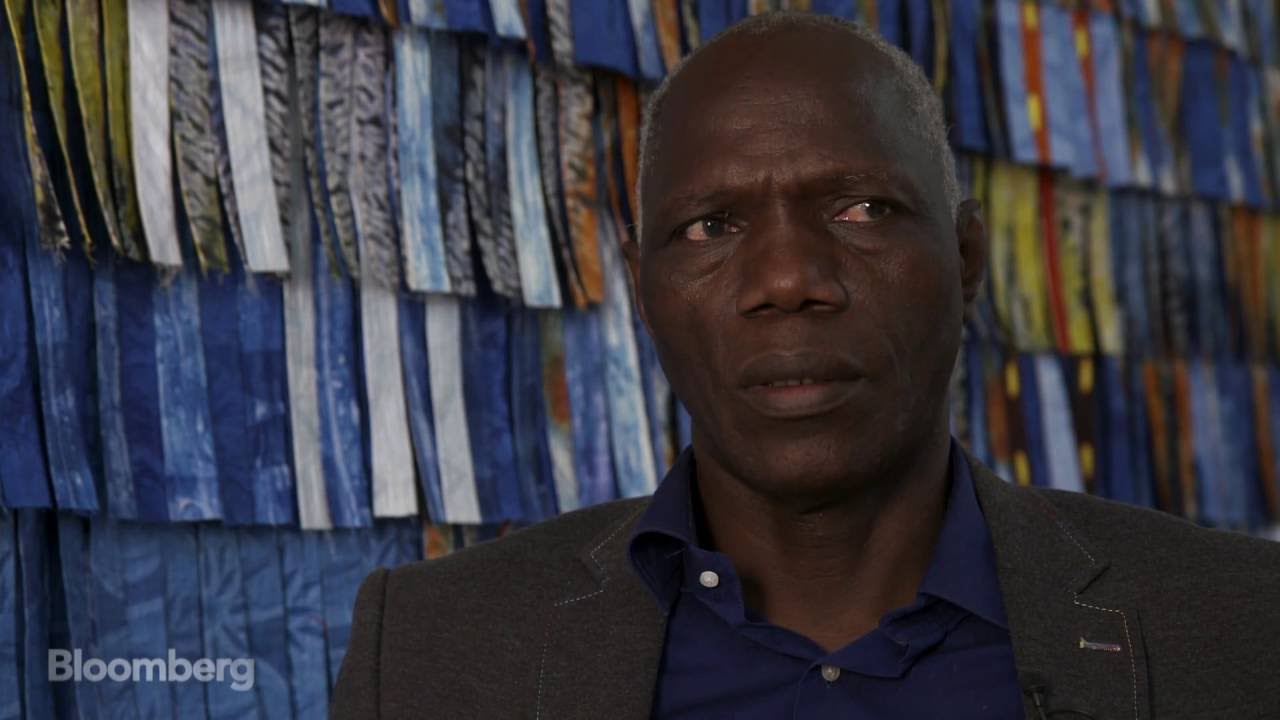
The Brilliant Color Textiles of Abdulaye Konate | Brilliant Ideas Ep. 31
105.2K
Abdullah Konate creates socially engaged art addressing politics, immigration, AIDS, and terrorism. His 2002 football-pitch-sized textile for Mali's Africa Cup of Nations opening ceremony demonstrated large-scale textile art's potential for public engagement. More recently, he critiques biometric surveillance that reduces individuals to physical data points, incorporating his own fingerprint into artwork as both signature and statement about human dignity. His work serves as protest art responding to global events like the Charlie Hebdo attack, showing how African artists participate in international discourse on freedom of expression.
Click to watch →
Deep Dive
Ethics of Community-Based Research: Understanding the foundational principles of reciprocity, consent, and co-design when working alongside local or marginalized communities.

IQRN Webinar Series: Learning With and From Community
105
This section addresses the evolving nature of ethics in community-based research. Traditional procedural ethics focuses on institutional requirements like anonymity, confidentiality, informed consent, and withdrawal rights. However, community-based research requires additional ethical considerations: situational ethics addresses unexpected scenarios like community members requesting financial assistance that weren't covered in initial ethics applications. Relational ethics goes further, recognizing mutual respect, dignity, and connectedness between researcher and researched, viewing research relationships as friendships requiring trust-based ethical considerations. The presentation acknowledges that ethics boards evolved partly from historical abuses like the Nuremberg trials, and that community-based work demands ongoing adaptation of ethical frameworks to address complex relational realities.
Click to watch →
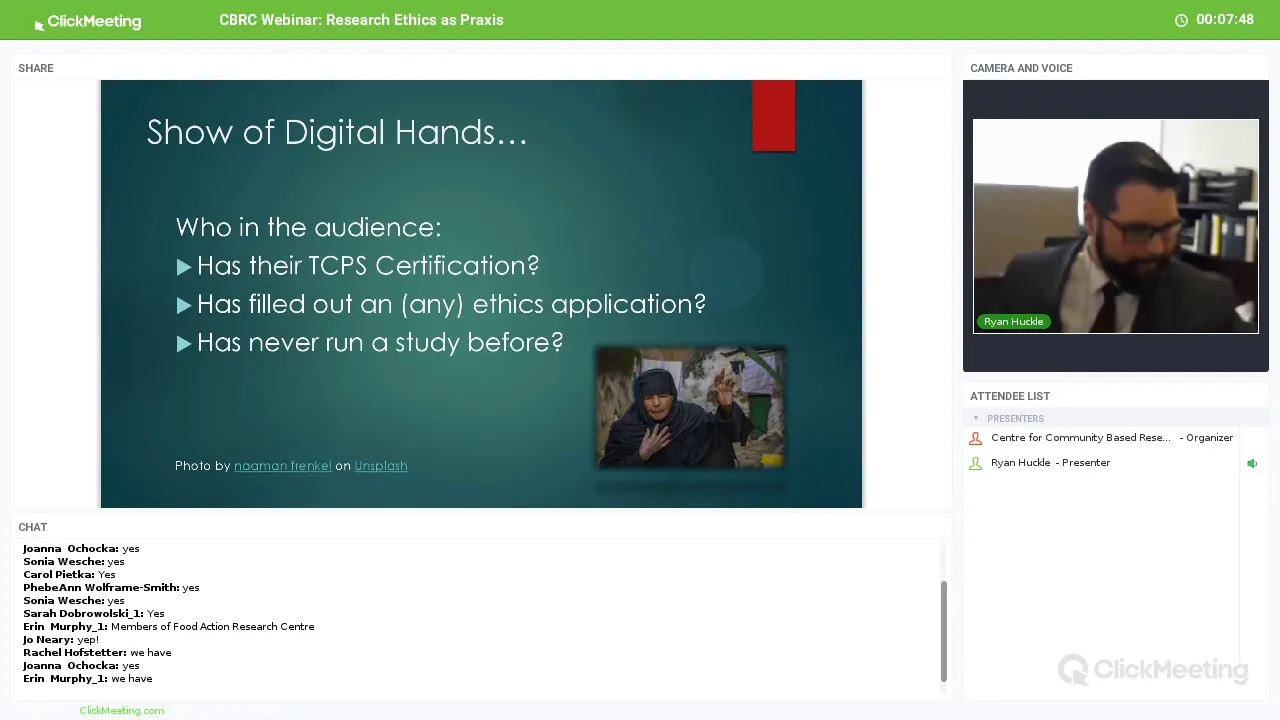
CBRC Webinar Series: Research Ethics and Praxis
140
Research ethics should be integrated as foundational practice rather than an afterthought, guided by four core principles—respect for persons (autonomy, informed consent, vulnerability), concern for welfare (risk-benefit analysis across physical, social, psychological, and economic dimensions), concern for justice (equitable inclusion and power balance), and respect for community (collaborative engagement)—with five common stumbling blocks including downstream inclusion, shifting from data collection to storytelling, data ownership considerations, ongoing informed consent processes, and data stewardship challenges requiring careful attention throughout the research lifecycle.
Click to watch →

Trabajador Social "Salud Mental y Comunidad: Miradas Críticas desde el Trabajo Social"
1.9K
Ethical research with communities requires: (1) Respecting community identity and traditions; (2) Avoiding folklorization of cultural practices; (3) Ensuring community ideas drive project development; (4) Preventing researcher appropriation of community knowledge. The research process must balance academic rigor with community respect, ensuring that findings serve community interests rather than external academic agendas.
Click to watch →

Consideraciones éticas en investigación en salud
239
Community-based participatory research transforms traditional research hierarchies by involving communities as active partners rather than passive subjects. The process includes: identifying genuine community needs collaboratively, designing protocols jointly, collecting and analyzing data together, interpreting findings collaboratively, and disseminating results back to the community. Practitioners should regularly ask: Does research address genuine community needs? Can topics be developed collaboratively? Have I identified biases? Who participates and who does not? Are risks and benefits clearly communicated? Is informed consent truly obtained? Am I protecting confidentiality? Do I have strategies for disseminating results to benefit both academic audiences and the community? In clinical practice, all three ethical frameworks are used integratively—the utilitarian perspective helps with quick, intuitive decisions like triage, while virtue ethics encourages reflection on what kind of professional one wants to be. The key is not to prioritize one framework over others but to use them together to avoid ethical oversights.
Click to watch →
Jay Marlowe - Disaster research ethics: The NZEC case study
356
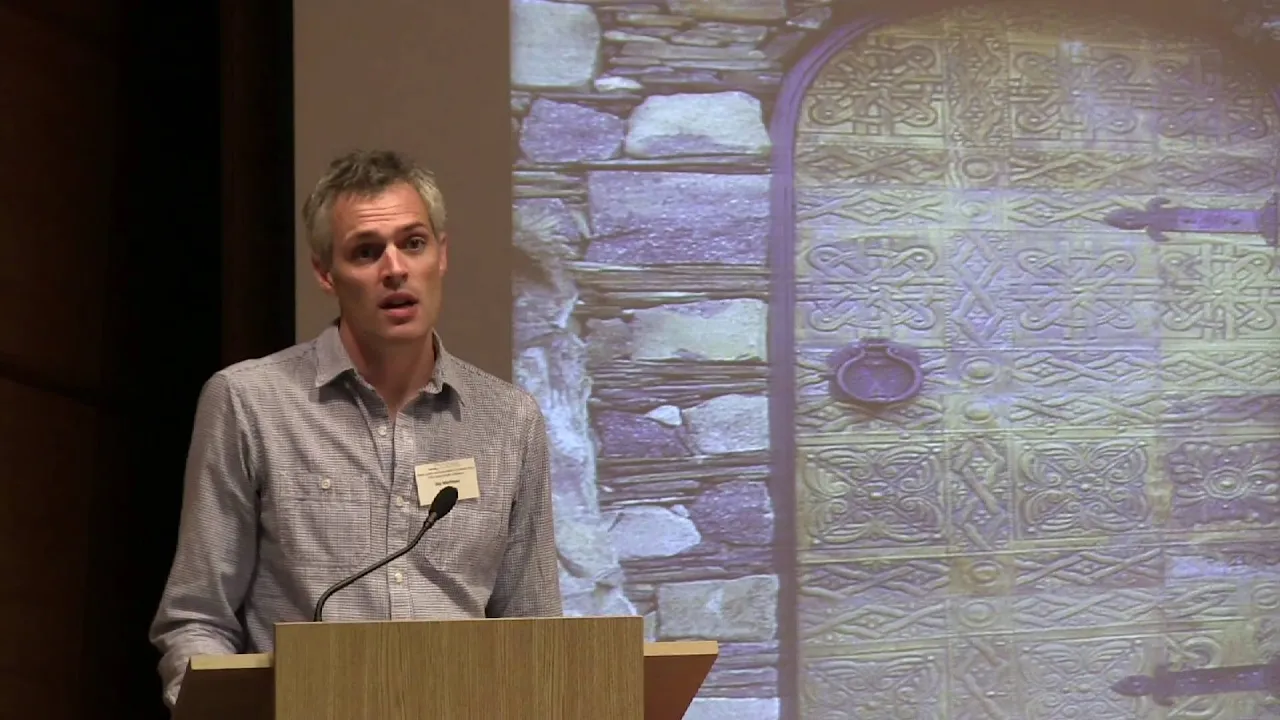
Community-based research organizations possess valuable local knowledge about relevant questions but face systemic exclusion from formal ethics oversight. Traditional IRB/ethics committees have shifted toward research governance structures prioritizing institutional protection over ethics, creating a politics of representation where community voices are marginalized. These organizations must navigate neoliberal pressures requiring increased reporting, shorter-term contracts, and demonstration of investment value. Without ethics approval, their research is dismissed as illegitimate, silencing their voices in funding and policy decisions. The New Zealand Ethics Committee model emerged as a response, providing voluntary ethics review focused explicitly on research ethics rather than institutional protection, enabling community researchers to gain legitimacy and credibility in academic and policy spaces.
Click to watch →
Prerequisite Knowledge
- Concept 01Foundations of Cultural Anthropology: Understanding key ethnographic research methods and the cultural construction of meaning.
- Concept 02Introduction to Visual Anthropology: Knowledge of how visual media (photography, film, art) are used to document, analyze, and communicate human behavior and culture.
- Concept 03Concepts of Socially Engaged Art: Familiarity with art practices that involve people and social communities as the primary medium, rather than traditional gallery-bound objects.
- Concept 04Ethics of Community-Based Research: Understanding the foundational principles of reciprocity, consent, and co-design when working alongside local or marginalized communities.
Subsequent Learning
- Step 01Multimodal and Sensory Anthropology: Exploring advanced ethnographic techniques that incorporate sound, touch, digital media, and performance beyond traditional visual media.
- Step 02Designing Collaborative Research Protocols: Learning how to draft research ethics applications and collaborative agreements for community-partnered creative projects.
- Step 03Critical Analysis of Art-as-Research: Evaluating how socially engaged art projects function as academic research outputs and effective forms of social intervention.
- Step 04Decolonial and Indigenous Research Methodologies: Investigating how visual anthropology and collaborative art can be used to decenter Western academic paradigms and support community self-determination.
Methodology
Research
Methodology
0:07Playing Section
- 1
Defines visual anthropology via long-term community engagement and art-based methods.
- 2
Prioritizes collaborative process and context over final produced objects.
- 3
Topic and field are shaped dynamically by participants and collaborators.
The Aesthetic Critique and the Power Dynamics of Collaborations
While socially engaged art and collaborative research are celebrated for community empowerment, critics like art theorist Claire Bishop argue that prioritizing social utility over artistic value leads to an 'ethical turn.' This perspective cautions that evaluating art solely on its cooperative process can reduce creative projects to mere social work, sacrificing aesthetic and critical rigor. Furthermore, critical anthropologists highlight inherent power asymmetries in these frameworks: despite participatory rhetoric, academic institutions and researchers often retain ultimate control over funding, final authorship, and the resulting academic capital, risking the tokenization of the communities they aim to represent.
Deep Dive
Multimodal and Sensory Anthropology: Exploring advanced ethnographic techniques that incorporate sound, touch, digital media, and performance beyond traditional visual media.
Imaginations of Remote Personal Touch Communication, Carey Jewitt
312
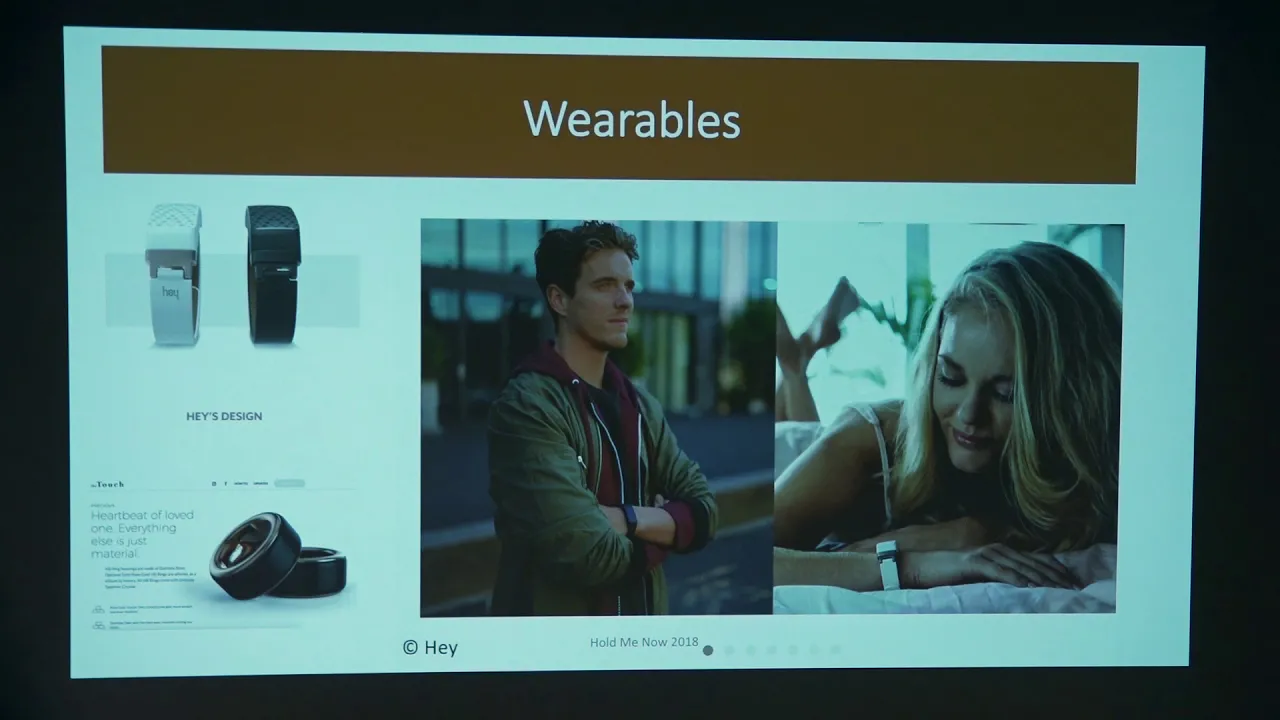
Researching digital touch requires combining multiple theoretical lenses: multi-modality provides a micro-semiotic analysis of touch resources and parameters in different contexts; sensory ethnography offers broader social-cultural perspectives on where touch comes from; and arts-based methods provide experimental approaches. Together, these methods aim to look beyond language and develop innovative ways to study embodied communication practices.
Click to watch →

Zeynep Demirkol - Küreselleşme Karmaşasında Yerel Duyu Rejimlerini Hatırlamak
368
Sensory anthropology examines how senses, perception, and memory interact with material culture. The field explores how modern systems of rationalization, division of labor, and specialized perception affect sensory experiences. This approach draws from phenomenology, philosophy of mind, and linguistic philosophy to understand how sensory experiences are constructed and how they relate to cultural and historical contexts. The lecture introduces key concepts including sensory landscape, material culture, and the relationship between senses and meaning-making.
Click to watch →
“Etnografía Digital. Retos y Proyectos”.
283
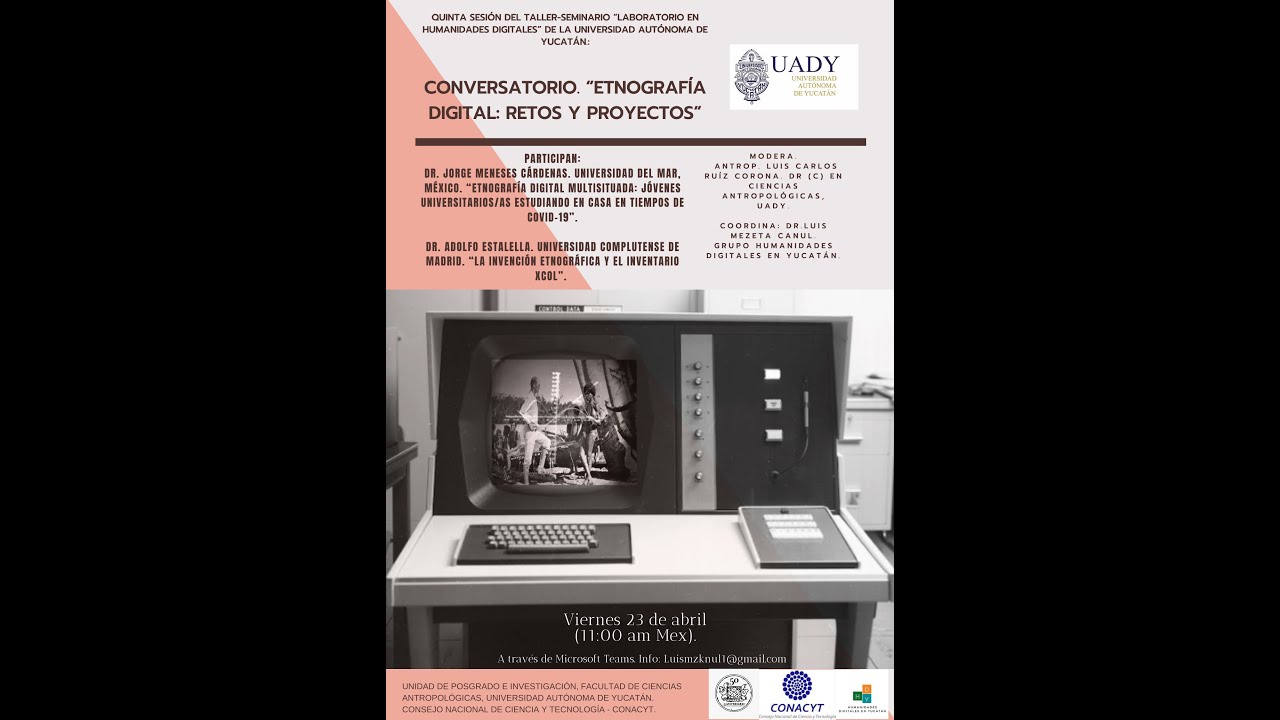
The need to incorporate digital technologies into fieldwork has been discussed for three decades, as digital technologies form part of the daily lives of research interlocutors. This requires injecting new sensoriality into anthropology, opening it to different forms of sensoriality beyond visualism that has been hegemonic throughout the 20th century. Establishing new forms of collaboration and developing multimodal ethnographies draws from these intense debates over the last two decades.
Click to watch →
Gerbrands Lecture 2023 - Deborah A. Thomas & John L. Jackson Jr.
242
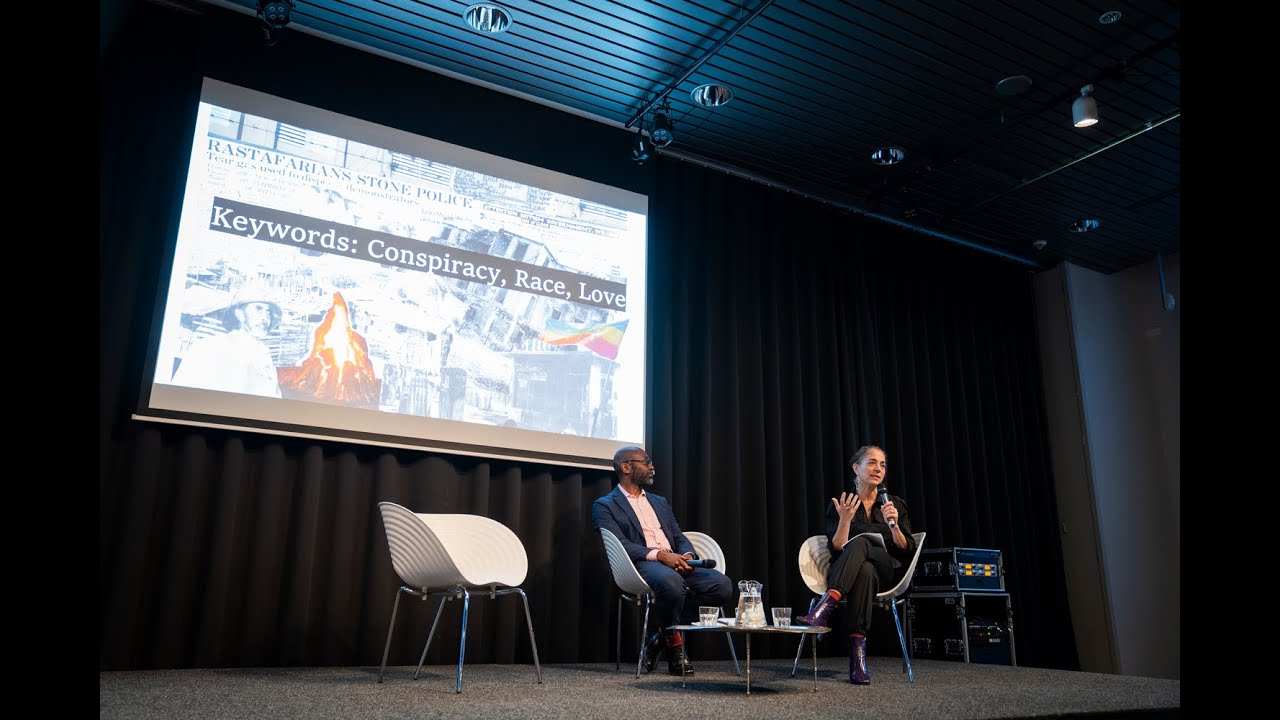
The American Anthropologist Journal rebranded its Visual Anthropology Forum as Multimodal Anthropologies, signaling a break from subdisciplines that prioritized only one sensory register. This approach combines expanded roles of media in ethnographic research with technological affordances, sensory engagements, and participatory ethos, while addressing long-standing anthropological concerns like discursive authority, critical reflexivity, and creative representation. Multimodality signals both expanding and incorporating gestures that enable new disciplinary constellations and research partnerships, offering a more inclusive worldview where diverse constituents can find new mutual ground.
Click to watch →

RAI Film Webinar - Multimodal inventions
306
Multimodal anthropology challenges traditional visual anthropology by emphasizing collaborative, inventive practices that move beyond representation to co-produce knowledge through multiple sensory and media modes, thereby reshuffling power relations in fieldwork and opening up new possibilities for engaging with anthropological mainstays like journal articles and ethnographic films.
Click to watch →
Deep Dive
Designing Collaborative Research Protocols: Learning how to draft research ethics applications and collaborative agreements for community-partnered creative projects.

Building the NEST: Network practices and learnings
223
Collaborative research design requires participants to arrive with inputs that make conversation possible, not just being brought together. The process took 10 months and required time to arrive at the right inputs. What mattered most was being clear about outcomes rather than specific agendas. Meetings needed to end with clear next steps specifying who was doing what and by when. Positionality documents are not just glossaries of terms but ways of naming where researchers are looking from, how they understand transformation, and therefore how they will interpret research findings. Collaborative research is not only about agreeing on questions, methods, or instruments but also about making explicit the lens in which knowledge is produced and interpreted. Networks need more than moments of connection; they need the discipline to turn connection into shared lessons, shared language, and shared responsibility for the knowledge to be produced.
Click to watch →
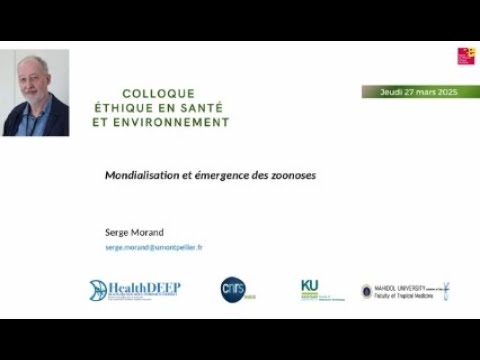
S. MORAND, DR CNRS, directeur de l'Unité internationale HealthDEEP -CNRS -Thaïlande
134
Effective research requires collaborative protocol development involving academics, local communities, and administrative bodies. This includes co-construction of research protocols, community involvement in implementation, ethical compliance, result sharing, and communication. The process should be iterative, allowing for reformulation based on community feedback.
Click to watch →
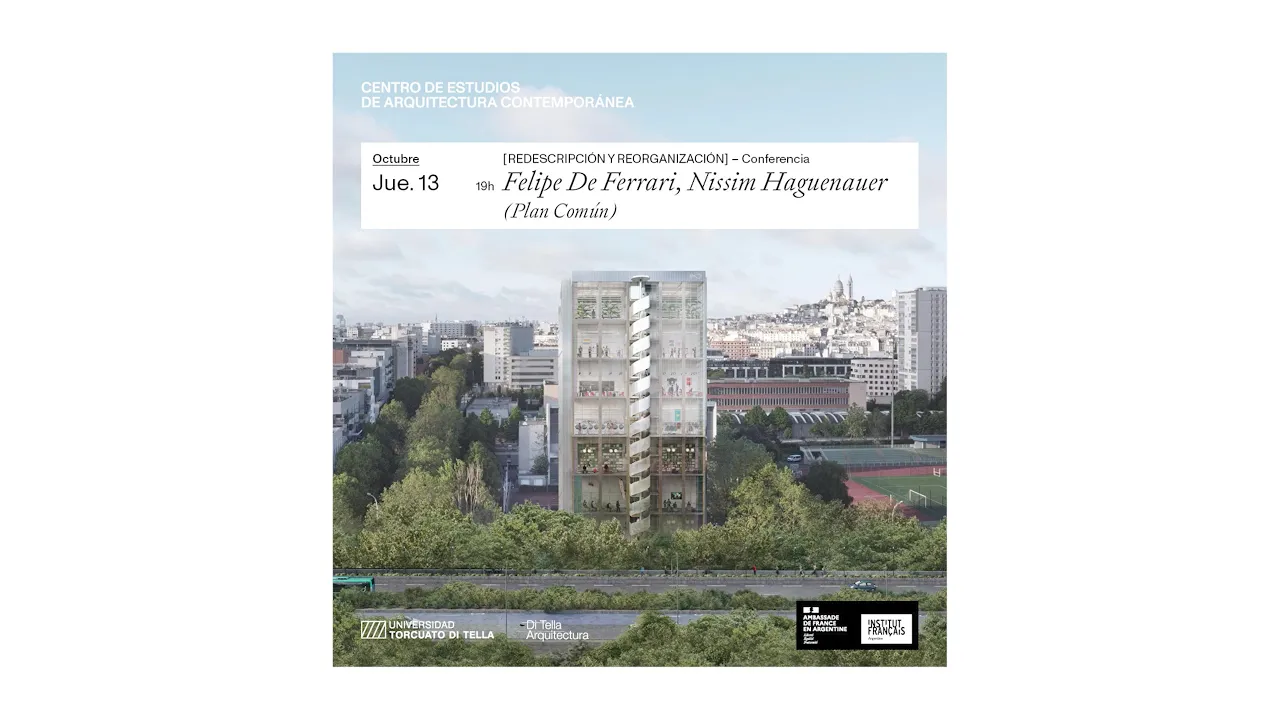
Conferencia de Felipe De Ferrari y Nissim Haguenauer (Plan Común). 13/10/2022
922
The research protocol developed by Plan Común involved a structured approach to collaborative investigation: (1) identifying potential strategies, (2) discussing and refining these strategies, (3) producing written texts documenting the findings, and (4) translating these texts into graphical representations. This protocol was designed to be efficient and reproducible, allowing the office to generate a catalog of 44 strategies and prototypes that could potentially be applied in various contexts. The emphasis on textual articulation before graphical production reflects a commitment to rigorous conceptual development.
Click to watch →

Introduction How to Start a Research Protocol Overview.
180
Protocol development is inherently collaborative, requiring input from principal investigators, team members, and sometimes external stakeholders. Statistical methods must be specified from the outset to guide data collection decisions. Beyond traditional sections, advanced protocols should include pre-populated results tables, discussion outlines assuming positive findings, and comprehensive reference lists formatted from the beginning. This comprehensive approach transforms protocol writing into manuscript preparation, saving substantial time later. The collaborative nature of protocol development ensures practical feasibility and leverages diverse expertise throughout the research team.
Click to watch →

¿Qué es un protocolo de investigación? (con ejemplos)🔎
122.7K
A research protocol is a comprehensive action plan describing all steps for conducting scientific studies, serving as an organizational tool that systematically explains how research will be conducted. Key characteristics include: (1) Written in future tense since it describes future actions, excluding results, discussions, and conclusions; (2) Must demonstrate validity by detailing variables and measurement instruments; (3) Requires theoretical foundation based on existing knowledge about the topic. Protocols serve essential functions including formulating research problems, compiling previous work, defining hypotheses and objectives, establishing methodology, and discussing requirements and limitations. Correct protocol design prevents errors leading to invalid conclusions.
Click to watch →
Deep Dive
Critical Analysis of Art-as-Research: Evaluating how socially engaged art projects function as academic research outputs and effective forms of social intervention.

Florian Dombois, Luginsland (On Art as Research), February 14, 2011
523
Artistic research is a methodology where artists conduct systematic investigations using artistic practices to generate knowledge, characterized by an epistemological drive toward understanding, knowledge formulation within specific art forms, collaborative research processes, and peer review by fellow artists rather than art historians or critics. This approach differs from traditional scientific research by emphasizing embodied, process-oriented inquiry where artistic production itself constitutes the research output, allowing for representation through diverse media beyond text-based formats.
Click to watch →
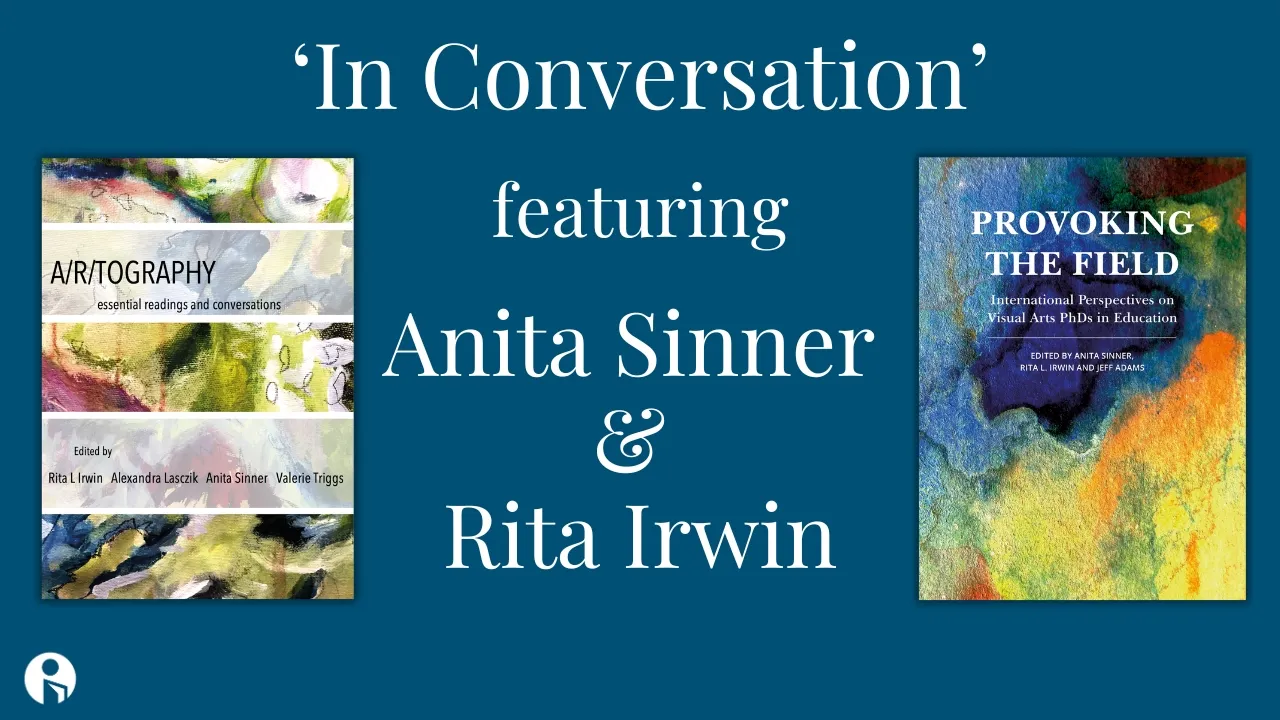
In Conversation with Anita Sinner and Rita Irwin
431
Art as research represents a paradigm shift viewing artistic practice as legitimate scholarly inquiry. This approach encompasses visual, literary, performative, and digital arts, interrogating ethics and pedagogy while examining arts sustainability amid globalization. The methodology positions art as both research and pedagogic tool, challenging traditional distinctions between creation and investigation. Key themes include methodological deliberations, ethical considerations, and experimental engagement with research questions through creative means.
Click to watch →
KEYNOTE Research In The Creative and Media Arts - Des Bell (National College of Art & Design Dublin)
226
Artistic research is distinguished from other fields of inquiry by two core characteristics. First, artistic research employs a research process executed through the making of work—paintings, sculptures, films, art propositions, events, photographs, sonic and performance activities. It is therefore practice-based. Second, such research is discovery-led rather than hypothesis-driven. Unlike much research in the dominant scientific tradition, artistic research emerges from engagements with materials, professional practices, and real-world problems. The researcher subordinates all operations to the sensible conditions of intuition and construction, which are core to artistic research. This nomadic conception of science, as identified by French philosophers Gilles Deleuze and Félix Guattari, distinguishes it from institutionalized or 'royal science' closely associated with the state and corporatist interests.
Click to watch →
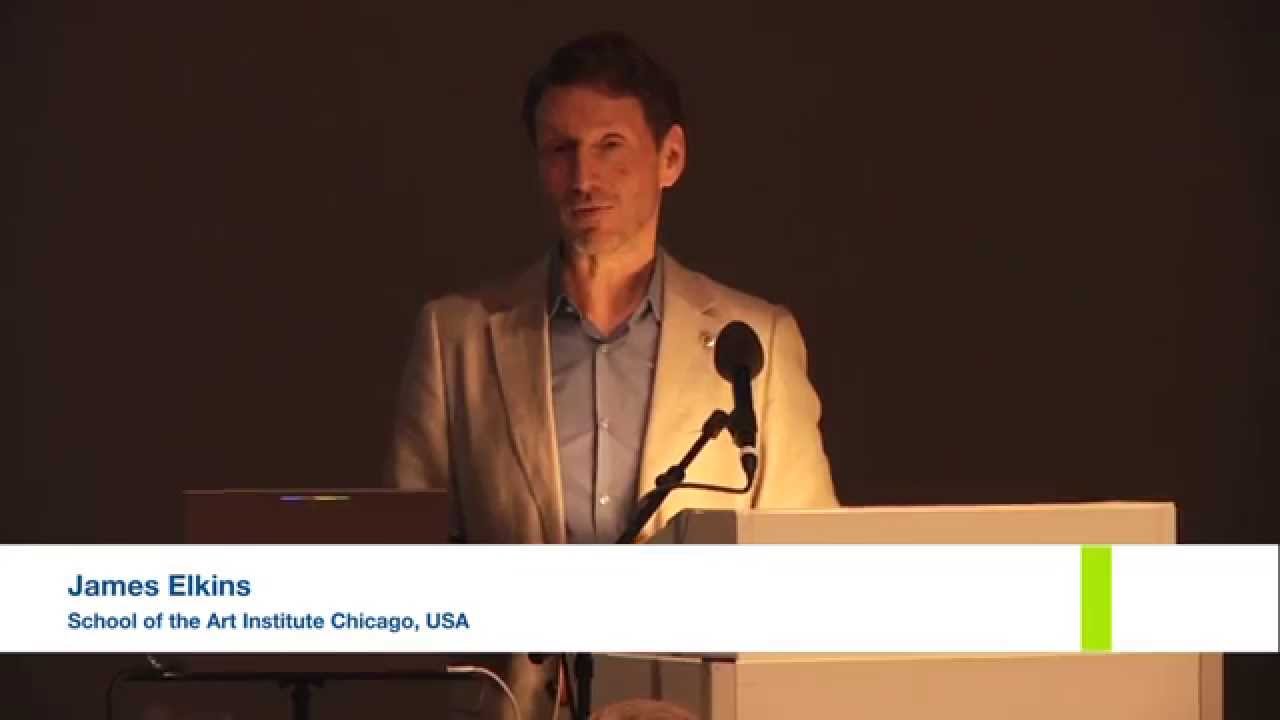
James Elkins | "What is Research?" | Black Mountain Research
7.7K
Christopher Friling distinguished between three key prepositions in art research: 'research to art,' 'research through art,' and 'research for art.' Research to art involves systematic disciplinary inquiry similar to scientific research, which Friling was not primarily interested in. Research through art is research that leads to the production of art and embodies the research itself. Research for art is lowercase 'searching' that is free from strict scientific methodologies. The term 'embodies' is crucial because it suggests that knowledge exists in various forms within or as art itself.
Click to watch →

ArtEZ finals - Bjorn Zielman, Fine Art Enschede
1.1K
Art can be understood as a form of research and investigation. The artist describes their work as an 'onderzoek' (research) into the existence of objects and realities. This perspective positions artistic practice not merely as creation but as a systematic inquiry into fundamental questions about existence, perception, and reality.
Click to watch →
Deep Dive
Decolonial and Indigenous Research Methodologies: Investigating how visual anthropology and collaborative art can be used to decenter Western academic paradigms and support community self-determination.
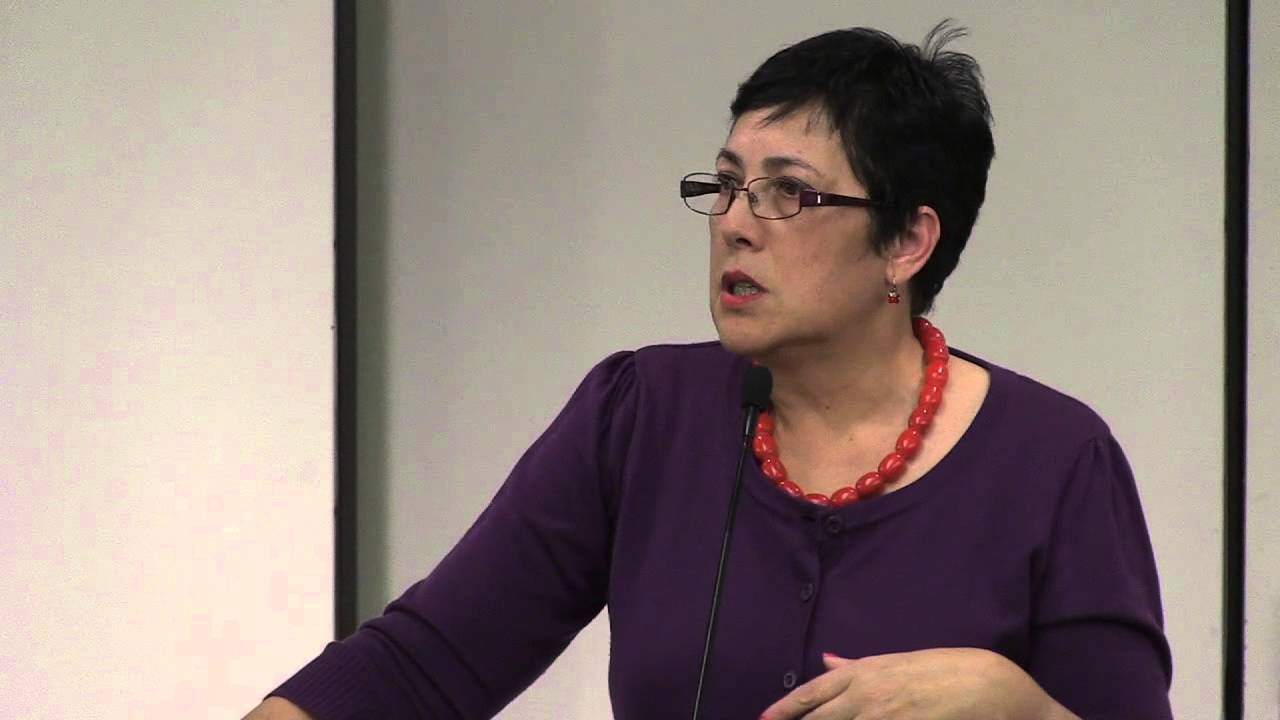
INQ13 | Linda Tuhiwai Smith and Eve Tuck - "Decolonizing Methodologies"
87.1K
Decolonizing methodologies is an approach to research that challenges the colonial foundations of academic research by recognizing indigenous knowledge systems, prioritizing community relationships over individual gain, and reframing research as a tool for indigenous self-determination rather than exploitation; this approach emphasizes that research must be conducted with permission, for the benefit of the researched community, and within frameworks that honor indigenous epistemologies and cultural protocols.
Click to watch →
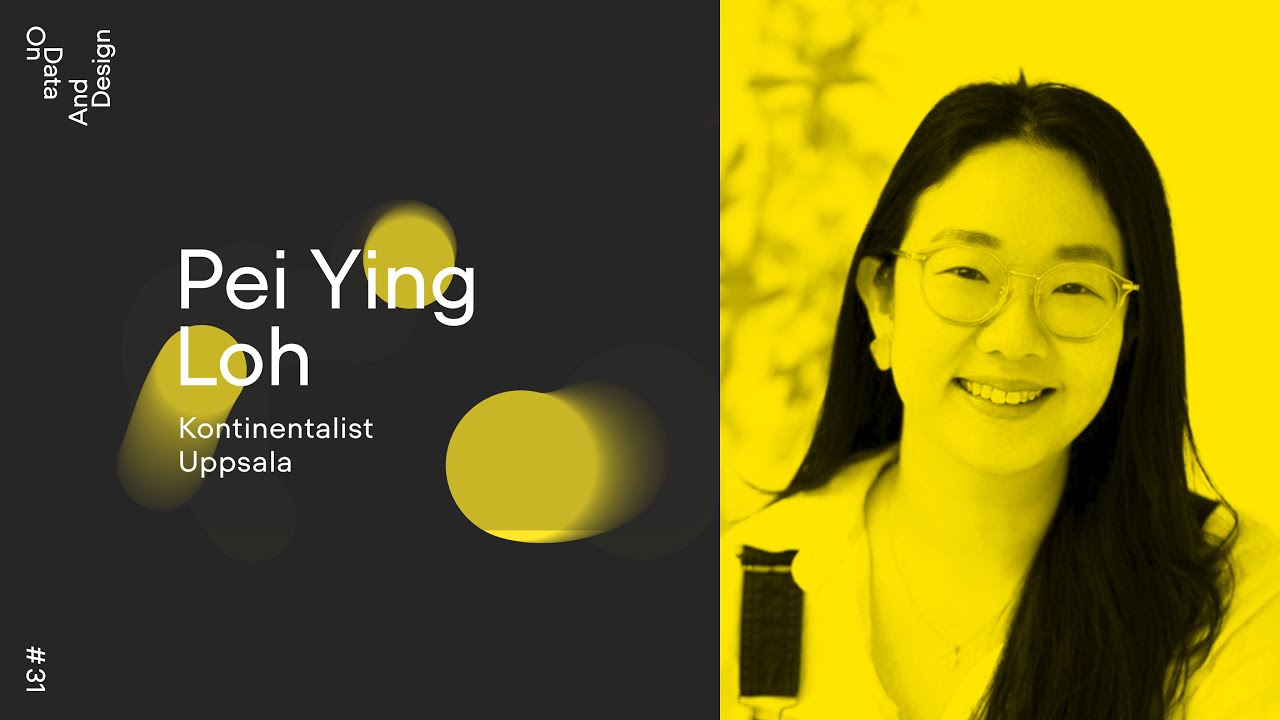
Telling Data Stories with Care · Pei Ying Loh · On Data And Design
166
Walking serves as an indigenous research method for knowledge sharing and culture mapping, embodying experiences to understand the world rather than treating environments as static objects. Fieldwork should document not just technical data but researchers' feelings, thoughts, discomforts, uncertainties, and observations. This creates embodied decolonial encounters. Researchers should walk in pairs for solidarity and safety, respect spatial sanctity, and explicitly include themselves in the work rather than presenting as separate observers. Organizations should develop community manifestos guiding relationships with reciprocity, questioning power structures, and asking whether interventions are truly needed or beneficial before proceeding.
Click to watch →

Conferencia Magistral: “La Colonialidad del Saber/Poder y Género en la Investigación Social” - UPGPG
840
This section examines how gender analysis reproduces colonial categories and epistemic violence. White feminism challenged masculine science with epistemicide against women labeled as witches, but hegemonic gender analysis focuses narrowly on women and girls, missing community relationships. Standpoint theory faces critique from Black feminists who note mixed-race women's standpoint has prevailed. Juder Espinosa argues gender is a colonial category reproducing racism. Linta Tuji notes 'research' is a dirty word in indigenous vocabularies because peoples were studied like animals for dispossession. Even qualitative research reproduces positivism. Decolonial research requires asking who is researching and for what purpose, recognizing research time differs from community time. There is no recipe for decolonial research, but key principles include: collective research over individual solitary work; avoiding tokenistic intersectionality; and recognizing that those with class privilege versus those without inhabit different worlds. Orlando Fals Borda embodies sentipensante truth—thinking while feeling and feeling while thinking. Amphibious knowledge combines reason with feeling, producing empathetic knowledge that learns by acting and acts by learning, breaking from classical social sciences imagining intellectuals outside society.
Click to watch →

Emma Goldman Awards 2025
396
Indigenous and Black feminist scholarship demonstrates decolonial methodologies challenging hegemonic research paradigms. Paulina Fiodorov, a Sami theater director and filmmaker, calls out logging industry injustices affecting reindeer herding lands and river ecosystems, using artistic methods to advocate for indigenous feminism and ancestral livelihoods. Daria Grard, a Greenlandic researcher at Copenhagen University, employs auto-reflexive arts-based approaches to unsettle research, examining Danish colonial sterilization policies that forced women to be non-reproductive to diminish their numbers. Margaret Amaka Ohanyi, a Black scholar in Poland, practices Black feminism in peripheral academia, facing isolation while advocating for Black communities. Jarak, a Ghana-Italian writer, analyzes structural racism and colonial stereotypes in Italian collective imaginary through intersectional frameworks. Bruna Christina Jako Pera, a Brazilian researcher in Spain, applies intersectional perspectives to gender-based violence against women from racial and ethnic minorities. These scholars demonstrate how decolonial and intersectional methodologies challenge who produces knowledge and whose voices are centered in academic discourse.
Click to watch →
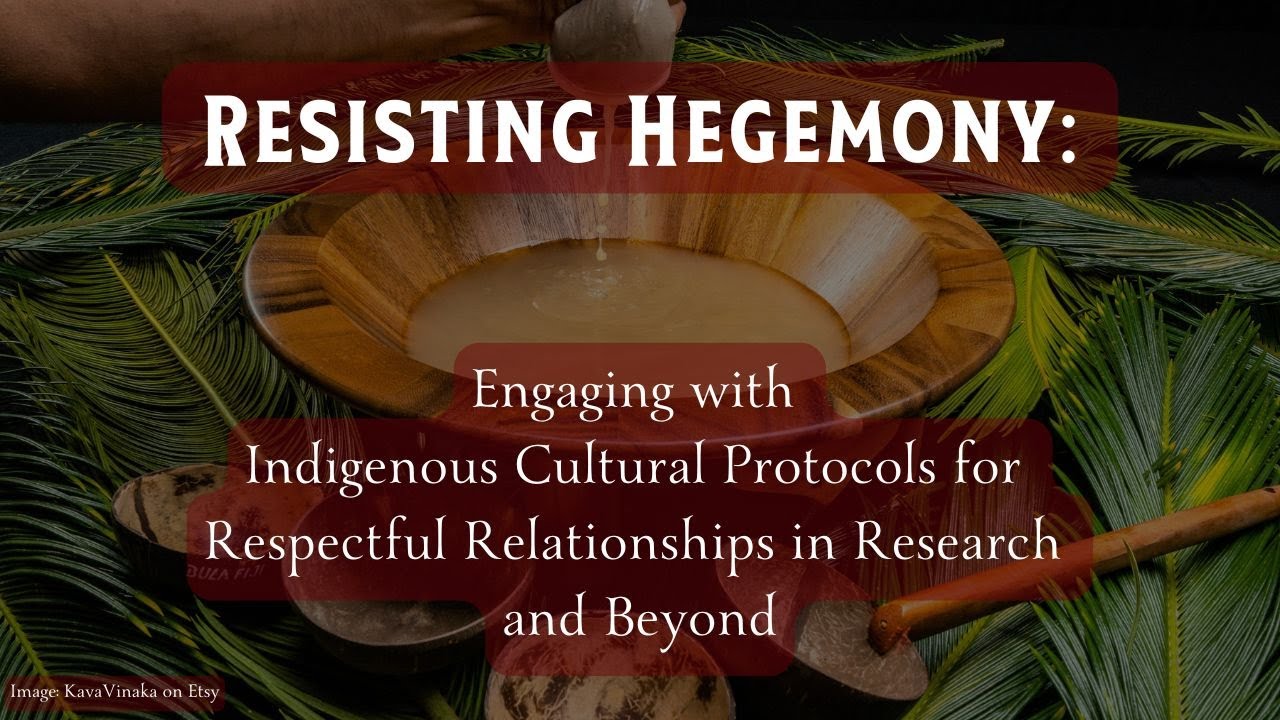
Introducing Talanoa: Indigenous Cultural Protocols for Respectful Relationships in Research & Beyond
180
Decolonial resistance in research requires transforming methodologies that perpetuate epistemological violence. This transformation involves recognizing how Western research historically justified colonial exploitation, understanding positionality as neither insider nor outsider, and rejecting transactional engagement for genuine relational practice. Talanoa exemplifies this approach through empathy, embodiment, relationality, and reciprocity, prioritizing dialogue process over predetermined outcomes. Before engaging, practitioners must deeply understand participants' cultural contexts and follow their cognitive journeys. This paradigm shift moves research from extraction toward mutual learning, honoring participants' humanity and building trust essential for ethical scholarship.
Click to watch →
Methodology
Research
Methodology
0:07- 1
Defines visual anthropology via long-term community engagement and art-based methods.
- 2
Prioritizes collaborative process and context over final produced objects.
- 3
Topic and field are shaped dynamically by participants and collaborators.
The Aesthetic Critique and the Power Dynamics of Collaborations
While socially engaged art and collaborative research are celebrated for community empowerment, critics like art theorist Claire Bishop argue that prioritizing social utility over artistic value leads to an 'ethical turn.' This perspective cautions that evaluating art solely on its cooperative process can reduce creative projects to mere social work, sacrificing aesthetic and critical rigor. Furthermore, critical anthropologists highlight inherent power asymmetries in these frameworks: despite participatory rhetoric, academic institutions and researchers often retain ultimate control over funding, final authorship, and the resulting academic capital, risking the tokenization of the communities they aim to represent.
Foundations of Cultural Anthropology: Understanding key ethnographic research methods and the cultural construction of meaning.
Introduction to Visual Anthropology: Knowledge of how visual media (photography, film, art) are used to document, analyze, and communicate human behavior and culture.
Concepts of Socially Engaged Art: Familiarity with art practices that involve people and social communities as the primary medium, rather than traditional gallery-bound objects.
Ethics of Community-Based Research: Understanding the foundational principles of reciprocity, consent, and co-design when working alongside local or marginalized communities.
Multimodal and Sensory Anthropology: Exploring advanced ethnographic techniques that incorporate sound, touch, digital media, and performance beyond traditional visual media.
Designing Collaborative Research Protocols: Learning how to draft research ethics applications and collaborative agreements for community-partnered creative projects.
Critical Analysis of Art-as-Research: Evaluating how socially engaged art projects function as academic research outputs and effective forms of social intervention.
Decolonial and Indigenous Research Methodologies: Investigating how visual anthropology and collaborative art can be used to decenter Western academic paradigms and support community self-determination.
7.1K views86likes3:24@COFAonlineRESOURCESOriginal Release: 2015-07-22
visual anthropology more than anything is defined by its methodologies which involve long term engaged involvement in a community use utilizing art forms as a means to create visibilities create forms of social engagement and create new kinds of art in which certain kinds of intervening and entired public media dominated terrains can take shape so first of all it would be a way of working with people and an orientation to a community in which the practice and the process of the work that you are doing with people may be more important ultimately than the object you produce at the end where process context collaboration itself may become the object the lab is comprised as it was of a series of different projects all of which are working out in various social and cultural fields in my field what that topic and what that field actually is is determined by the community and the participants and the collaborators far more than by myself it often gets reshaped and reformulated as you go it's one of the most exciting and most dynamic aspects of it so that the capacity is then of what it is that you're actually undertaking can transform at least for my purposes and indeed for a lot of the kind of socially engaged art that I think is being produced today those kinds of collective public engagements are really what you're aiming for you know often more than anything else that they are they are your real peers and they are your real audience and indeed a lot of these art forms require participant response they require participant engagement to complete the work they will learn methods and techniques for research which is that it provides means to understand how to conduct research where you learn about how other people think do things make things be in the world one of the things that we will do is teach students a little bit about some of the kinds of different projects that are taking shape under the banner of visual anthropology and socially engaged art today a sound artist an experimental sound artist again a long-term project in the program at the moment who's working on how to hear tactile sonically using experimental sound techniques how to hear the sound of dupa or what a personal people call the dreaming he's working with the aural people in the northern part of Australia trying to design new forms of recording tactile haptic and tactile sounds vibrations sonic energies which Aboriginal people can hear but our Western sensorium the way in which our Western body culturally hears and puts the world together can't you
Up Next

6:37
ASL Classifiers: Categories, Handshapes, and Usage
@cbuonlineasl3668
981 views•2018-09-24

12:54
Triumph of Orthodoxy Icon: Byzantine Art & History Explained
@BenCallan
2.1K views•2024-08-06

9:49
FastAPI vs Flask vs Django: Choosing the Right Python Web Framework
@TechWithTim
302.5K views•2024-05-26

1:42
Game of Thrones Opening Credits: A Cinematic Analysis
@gameofthrones
46.3M views•2011-04-18
Related Study Plans & Knowledge Roadmaps
Structured learning paths in General & Interdisciplinary Studies
general-studies
Elevator Engineering: History, Physics & Cities
01From Hoists to Safety Brakes: The Dawn of Vertical Lift
02Hydraulic vs. Traction: The Engineering Physics of Elevators
03Modern Speed, Safety, and Algorithms
+ 2 more learning modules
12h5 modules
Explore Roadmap
general-studies
Rubber: Material Science, History & Geopolitics
01Origins of Natural Rubber & Mesoamerican History
02The Chemistry of Natural Rubber & Vulcanization
03The Geopolitics of the Rubber Boom & Colonization
+ 2 more learning modules
12h5 modules
Explore Roadmap
general-studies
Containerization: Evolution, Logistics & Trade
01Ancient Trade & Bulk Cargo: Amphorae to Barrels
02The Industrial Revolution & Cardboard Packaging
03The Containerization Revolution: Malcom McLean
+ 2 more learning modules
12h5 modules
Explore Roadmap
general-studies
Textile Tech: Evolution, Labor & Global Impact
01Pre-Industrial Textiles: Handloom & Cottage Industry
02Mechanization: The Spinning Jenny to the Power Loom
03The Factory System & Global Labor Transformation
+ 2 more learning modules
10h5 modules
Explore Roadmap