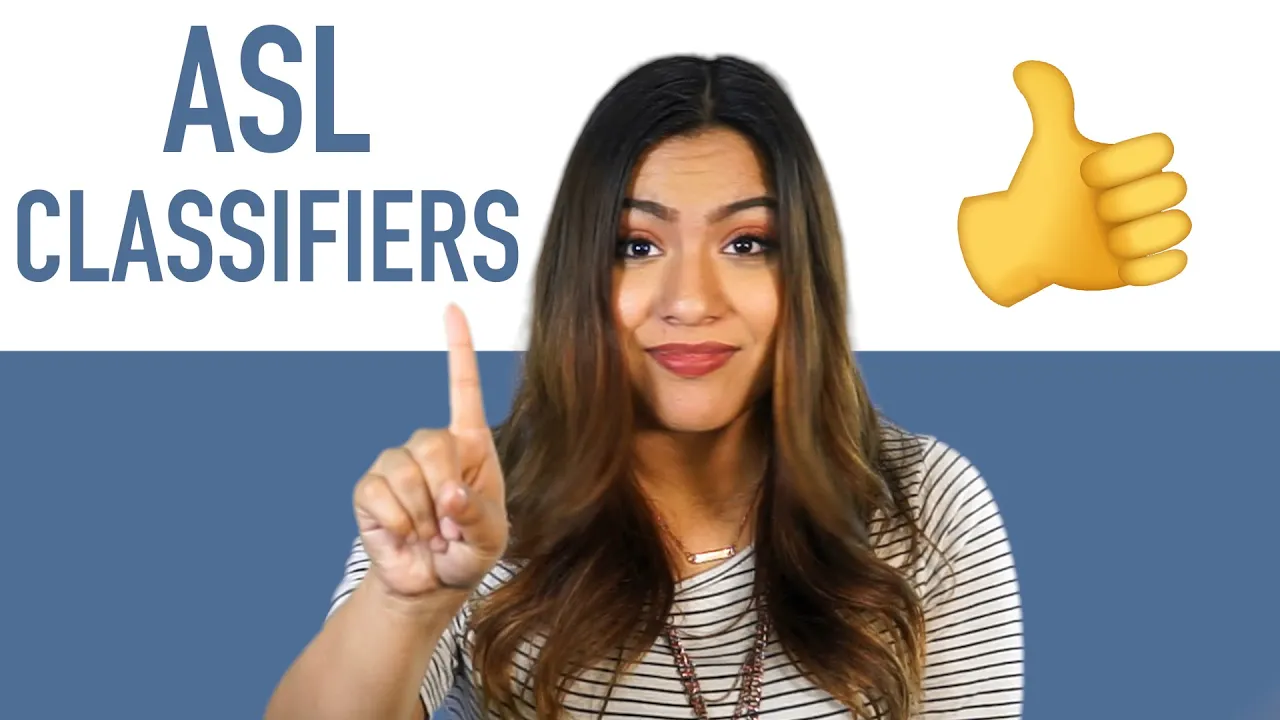






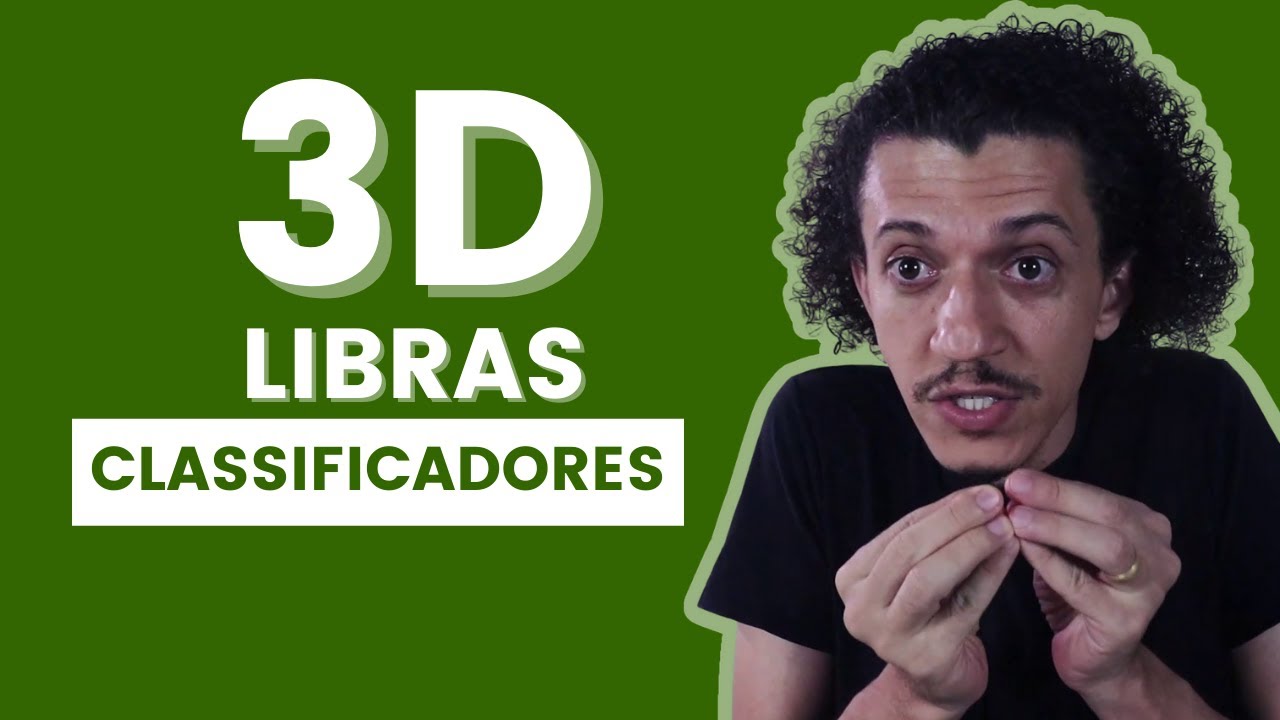




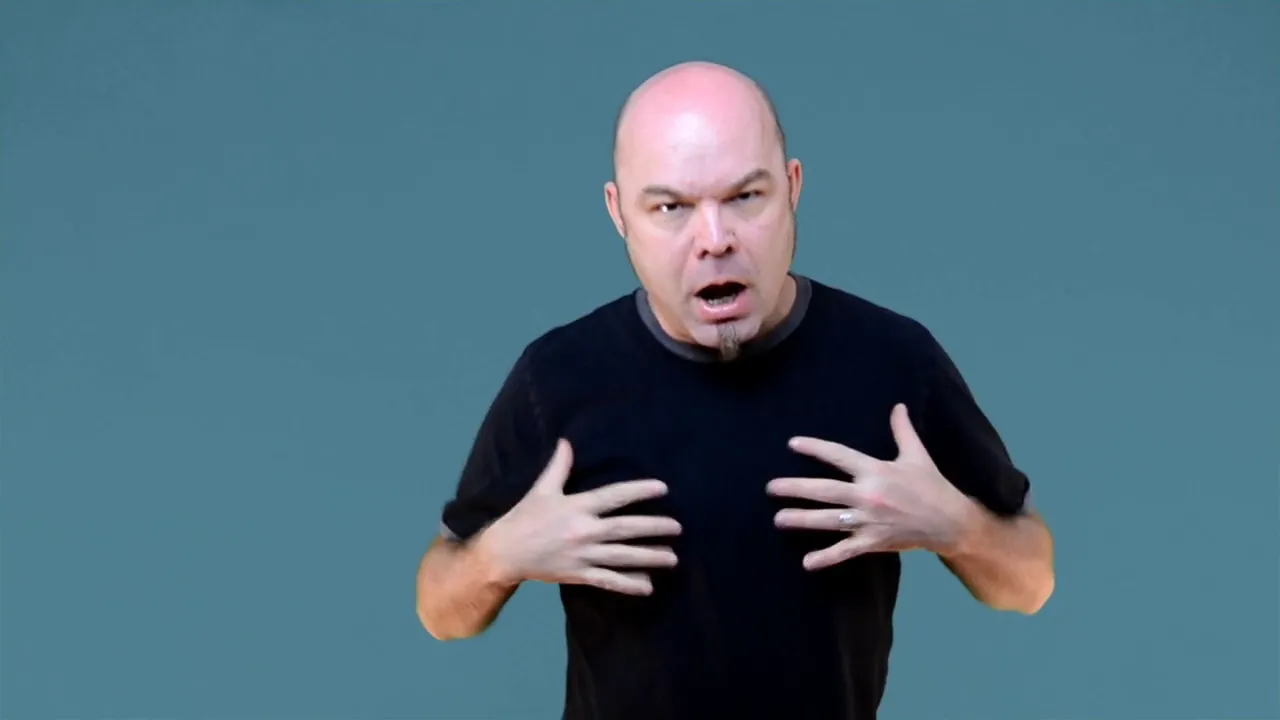



Classifiers in ASL are hand shapes that identify categories of objects, sizes, and shapes, providing additional information about appearance, movement, and environmental interactions; they are used in space and accompanied by mouth morphemes (when, mmm, ah) to indicate size and distance, with five main categories: semantic classifiers (representing people, animals, objects as pronouns), descriptive classifiers (describing shape, size, texture, pattern), instrumental classifiers (showing how objects are handled), locative classifiers (indicating location or position relative to other objects), and body part classifiers (representing specific body parts or whole persons).
ASL Classifiers: Categories, Handshapes, and Usage
Added:Familiarity with the ASL manual alphabet and basic handshapes, which serve as the foundation for classifier forms.
Understanding of the ASL signing space and how to establish spatial referents in front of the signer.
Basic knowledge of ASL sentence structure (Topic-Comment) and how nouns are introduced before they are modified.
Introduction to Non-Manual Signals (NMS) and mouth morphemes (like 'cha' or 'oo'), which are essential for modifying classifier descriptions.
Advanced study of Element Classifiers (ECLs) to depict natural forces such as liquid flow, fire, and wind.
Integration of classifiers with role-shifting (body agreement) to represent interactions between different characters or objects.
Application of classifiers in ASL literature and storytelling to create cinematic, highly descriptive narratives.
Utilizing plural classifiers and complex spatial mapping to describe intricate scenes, such as room layouts or multi-car traffic patterns.
981 views8likes6:37Original Release: 2018-09-24
[Music] in this video we'll be learning about classifiers classifiers are hand shapes that are used to identify different classes or categories of things sizes and shapes where a classifier is used in space and how you move it provide additional information about it the classifier may be representative of the entire object or only part of it allow you to describe what the object looks like shows its movement or demonstrates how it interacts with its or relates to its environment while classifiers are able to provide this information they are not used in isolation before using a classifier you have to tell what you are referring to while classifier 3 is commonly used for a car it could also be used to show the movement of a snowmobile motorcycle submarine or bicycle just like the science you will use non manuals you will inflect the classifier to show to what extent or the person's feelings or attitude during the action when using classifiers to describe something you will accompany them with the mouth morphemes when describing something small you will use when describing something medium mmm and when you describe something large similarly if something is near you will use if something is medium distance you will use mmm again and if something is far you will use ah something else you should know is that the classifier used to describe something can vary while the hand shape used is generally based on the actual appearance of something it's also possible to describe it in other ways or from other perspectives you may describe an animal sticking its head up through the ground with an S handshape but you could also use a squish toe in general classifiers should be used whenever possible instead of signing the first category of classifiers is called semantic classifiers semantic classifiers function as pronouns in ASL these represent a whole person animal object etc classifier one could represent a person or an upright animal you could also use classifier two or three to show that number of people or upright animals these can be used to show the movement for example a person walking two people walking up to a third person a really long line of people or one that is so long that even wins around because it's so long you can change the movement to show how the line is slowly inching forward you could also use a three classifier to show one or two cars when you are using more than one classifier and you are when the party's you're describing you will always be represented by your dominant hand two cars next to each other and one zooms off one car stopped in the other bumps into it from behind you could use a five classifier to show a piece of paper blowing around in the wind the next category of classifiers is called descriptive classifiers descriptive classifiers are used to describe a shape a size or a texture or a pattern you could describe how thick a jacket is by using a G or a C something thin or a thick jacket or you could use a Ford to describe the horizontal stripes that it has you could use a B classifier to show that the floor was wavy or that it was straight the next category is instrumental classifiers the handshapes of instrumental classifiers describe how an object is handled these do not have a specific hand shape but are based on real-life using a remote control twisting the lid off of your coffee cup shifting gears in a truck or flipping on a light switch the next category of classifiers is called locative classifiers a locative classifier is used to indicate the location of something or the position relative to another if you were describing your dog on the rug you would spell rug r ug and then use the B classifier in your non-dominant hand to represent the rug and the sign dog with your dominant hand and then use the bent v classifier placed on the B classifier to show where the dog is in relation to the rug you could use the bead classifier as a table and the C classifier to explain that your coffee is set on the far left side of the table body part classifiers is the next category of classifiers a body part classifier represents only one part of the body while the one classifier can represent the whole person it can also represent how the person is sitting with their legs crossed with one leg tucked under the other etc you could also use the flat hand classifier to show how person walked confidently to show how a person walked unsteadily across a balance beam or how a person walks in high heels here are the signs you'll need to know to complete your classifiers assignment car monster Lake man hair leaf you
Up Next

83:36
Hydrology & Fluvial Geomorphology: A Level Geography
@Yamesy
7.3K views•2023-10-08

12:54
Triumph of Orthodoxy Icon: Byzantine Art & History Explained
@BenCallan
2.1K views•2024-08-06

9:49
FastAPI vs Flask vs Django: Choosing the Right Python Web Framework
@TechWithTim
302.5K views•2024-05-26

1:42
Game of Thrones Opening Credits: A Cinematic Analysis
@gameofthrones
46.3M views•2011-04-18
Related Study Plans & Knowledge Roadmaps
Structured learning paths in General & Interdisciplinary Studies
general-studies
Elevator Engineering: History, Physics & Cities
01From Hoists to Safety Brakes: The Dawn of Vertical Lift
02Hydraulic vs. Traction: The Engineering Physics of Elevators
03Modern Speed, Safety, and Algorithms
+ 2 more learning modules
12h5 modules
Explore Roadmap
general-studies
Rubber: Material Science, History & Geopolitics
01Origins of Natural Rubber & Mesoamerican History
02The Chemistry of Natural Rubber & Vulcanization
03The Geopolitics of the Rubber Boom & Colonization
+ 2 more learning modules
12h5 modules
Explore Roadmap
general-studies
Containerization: Evolution, Logistics & Trade
01Ancient Trade & Bulk Cargo: Amphorae to Barrels
02The Industrial Revolution & Cardboard Packaging
03The Containerization Revolution: Malcom McLean
+ 2 more learning modules
12h5 modules
Explore Roadmap
general-studies
Textile Tech: Evolution, Labor & Global Impact
01Pre-Industrial Textiles: Handloom & Cottage Industry
02Mechanization: The Spinning Jenny to the Power Loom
03The Factory System & Global Labor Transformation
+ 2 more learning modules
10h5 modules
Explore Roadmap