






![تأثير هرمون الدوبامين في الدماغ - حوار في قناة د. سامي الديب [294]](https://i.ytimg.com/vi_webp/E2QdWw-TLuY/maxresdefault.webp)

















Social media algorithms are designed to maximize user engagement by leveraging the brain's dopamine reward system, creating a psychological battleground where users constantly struggle with their own willpower against powerful algorithms that learn from every interaction (likes, pauses, clicks) to shape what content they see, ultimately controlling their attention, emotions, and even perception of reality; users can reclaim control by living a purpose-driven life, unfollowing unhealthy content, being curious before reacting, scheduling offline time, using digital wellbeing features, and creating tech-free zones.
Your Brain vs the Algorithm: Media Literacy for Digital Control
Added:Basic understanding of social media algorithms, including how engagement metrics like clicks, shares, and watch time drive content recommendations.
The fundamental concept of the 'Attention Economy', specifically how digital platforms monetize human attention.
Core cognitive psychology principles, such as dopamine-driven feedback loops, confirmation bias, and reward pathways.
Basic media literacy, including the ability to identify source credibility and distinguish between organic content and paid advertisements.
In-depth analysis of 'Filter Bubbles' and 'Echo Chambers' and their sociopolitical consequences on polarization.
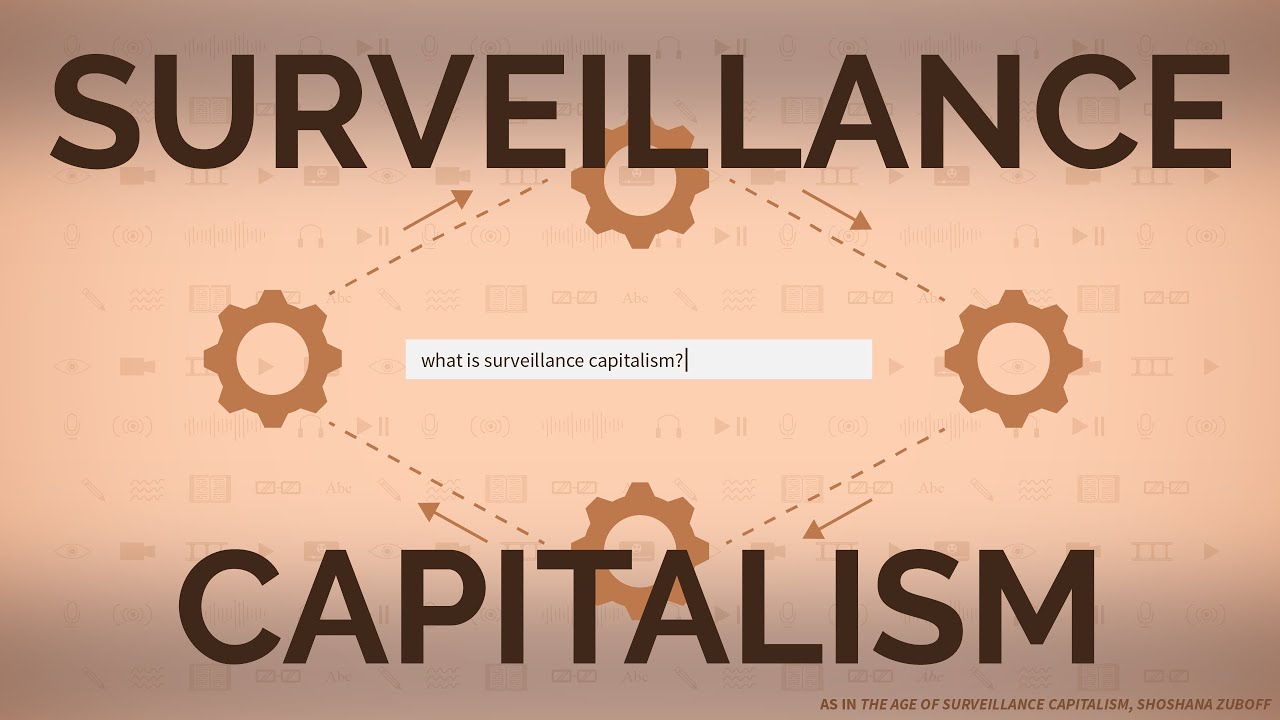
The study of 'Surveillance Capitalism' and the ethical implications of data harvesting and behavioral profiling.
Practical application of digital well-being frameworks, such as technological minimalism, conscious curation, and digital detox protocols.
Algorithmic accountability and policy, exploring how governments regulate AI recommendation engines for public safety.
121 views10likes1:04:19Original Release: 2025-11-01
I hope you can hear me.
>> Yes, loud and clear. Digital librarian.
>> Okay, beautiful. Then one more thing I would like to confirm is um is I would like to let me go to the the chat section. Um I want to know because my presentation today is going to be an interactive one. So I want to be able to see I don't know there's a way but I can't see the chats but >> we are going to sort that. We are going to sort that. We are sorting that.
>> Yes.
>> Okay. I can't see them because I would like to interact oneon one with everybody. So um Dr. Yongesa um Elvis everybody that's here thank you very much. I'm sorry I wasn't here at the beginning so I'm not sure what the protocol is but I would like to appreciate the principal to say a big thank you to everybody. It's a great pleasure to be here in your midst and thank you to everyone at Bulma International Hospitality College and special thanks to Madame Naomi. Um we're proud of the work you do in Kenya the librarian over there. Thank you so much especially in putting together this webinar as part of activities marking believe this is in line with the media literacy week or media literacy day and I've been asked to speak on the topic your brain versus the algorithm and I believe we can see my slide breathing pumping like a heartbeat right now and um when I was asked to to deliver this presentation sincerely I did not even think twice about it. I embraced it because sincerely it's something I'm passionate about. But when I saw the part of the the topic that says who really controls your feed, I was I'm like why do you want to know who is in charge? Why do you want to know who controls your field? Anyway, but that's by the way now. Is it our brains or is it the algorithms? You know, um the truth is not everything in this life happens by chance and there's always a sequence or series of other actions that may have caused something to be. And that's what algorithms actually look like in real life. They they shape the the choices and the decisions we make in the online world, right? And sometimes they also shape what happens in reality in our physical life. So today I'm hoping that we will tell ourselves some honest truth. And guess what? I'm in a very good mood today. I'm not in the mood for scholarly talks for technical presentations. I'm in the mood for interaction. If you notice Facebook, Tik Tok, not even just social media, but chat GPT and other AI platforms, they have now become a psychological battleground. When I say battleground, I mean a psychological one at that.
there's some fighting going up in our in our minds, struggling with our intuitions, our personal will and in this case our brains we are constantly engaging in a struggle with with powerful algorithms and my approach today like I said um is outlined in this agenda that we have before us. It's a collaborative kind of agenda. It's it's not supposed to be very long presentation. Um I've categorized it into three sort of models. So um it's going to be a very honest conversation. I I might share some of my personal experiences and perhaps it might also slightly be uncomfortable for some persons but it's going to be the truth. Um because we all desire control over these platforms. We we all desire attention. The platform itself desires attention. But one thing we also desire is our digital well-being. And we will first start by talking about who is scrolling who. Then we explore who um we explore how social media platforms are hijacking our brains um through this reward system. I think I saw a LinkedIn post by Naomi where she described it as the dopamine look. Dopamine. Yeah, I saw I saw a post like that. And unlike what you are expecting, please let me mention it at this point that some people think that I know so much about tech. I'm just an enthusiast and ladies and gentlemen, I'm just a librarian. H but I'm just passionate and my profession requires me to know a little about everything and that's why I'm speaking on this topic today. So, and we are going to be going through this journey together. So, please engage me using the comment section. [snorts] um hopefully at the end we'll be able to decide whether we should fight against this algorithm or whether we should collaborate with it. So in some cases you will see in this slide some text that are underlined. Please take note that they are hyperlinks for you to learn more. Also you will notice I I use some images in this slide. Most of the images are generated with AI. I can share the prompts perhaps after this event.
Now let's go into deep into my presentation.
One common activity that I engage in I I'll keep mentioning Naomi's name. Naomi and every other person. Which name am I seeing here again? I'm seeing Yonga. I'm seeing Elvis. One thing that we all do to in common that we cannot hide is that we all swipe. When I mean swipe, we always This is my phone. We are always scrolling. We are always swiping trying to check one thing or the other.
Regardless of the kind of phones we use or whether we have data on our phones, whether it's a small phone, we have that habit in common to scroll, to engage in some sort of activities on our phone. And while we do this, most people engage in online platforms and we frequently find ourselves doing all these things endlessly. And we sometimes ignore people when they tell us that we are spending so much time on this phone.
We don't even know that we are spending so much time on our device. But let's be sincere. I don't know if I'm the only one. So this is the point where I would like for for us to unmute the microphone of one or two persons who will use one minute to share with us their experiences.
But let me share my own experience with you first. Now I am someone who spends a lot of screen time doing one or two things online. [clears throat] That moment where sometimes I try to want to let's say um hey god Naomi is the problem today. I'll keep mentioning her name. Let's say I want to download an image of Naomi. I I want to prepare a flyer. The first thing that comes to my mind okay let me go to Facebook or LinkedIn to search for Naomi's photo.
Now as I go into Facebook that is my goal but I realize that my attention is dragged into something else. I don't even go to the search bar. I go to other things. I start searching for other things. Before I know it I'm spending 30 minutes on Facebook and spending 1 hour and then even two hours on Facebook without downloading that picture that took me there. Now let me assure you what just happened with my experience is not a coincidence. It is the way that platform has been designed. They want they control your mind. They control your brain. They want you to just get involved, engage and never leave their platform. So what I want to do right now is I'm stopping my screen sharing so that we can have this conversation. So if you have had an experience like this um please unmute your mic and or raise your hand. I want to hear your story. If there's any other person that goes into social media, they want to do something and they end up doing another thing. If it happens to you, please just come online quickly and let us talk please.
Yeah.
Thank you very much. So are you able to see those who are raising their hands up?
You may go on.
>> Okay. Can you hear me?
>> This conversation is going to be interesting. Yeah. Let's just hear from you and then I'll go ahead into our presentation.
>> Good afternoon from Nigeria.
>> Yes.
>> Yes. I've had experiences of what you just spoken about. Actually, this morning, let me talk about this morning.
I went to the social media to search for something.
I was actually compiling um papers sent to me, you know, for review and um I clicked on the on the message. It took me to the social media instead of the paper I was looking for. So I went there, I saw the first um the first post. It was actually interested. So I read it. I kept scrolling, scrolling, scrolling. You know, at a point I remember that I came here to search for a paper. So I went back. But to be honest with you, it was almost one hour.
>> You can.
>> So I went back again and continued from where I started.
>> So it happens. It's not a new thing. It happens. Thank you very much.
>> Thank you. You didn't introduce yourself, but this voice sounds like Dr. Anguzi. Yes, that's me. This is the Congo people from Nigeria. Thank you.
>> Thank you. So, I'm going to give opportunity to one more person so that today is not let's let's be serious.
Let's just be honest. Today's an honest conversation, right? Let us really have this conversation about our brains versus the algorithms. I'm going we are going to talk about why Dr. Unazi had that experience. Her goal was to get some paper or some assignment done but she ended up spending one hour later doing something else apart from that.
Now it doesn't happen person there.
>> Yeah we have Janet. Janet uh over to you Janet Sylvester.
>> Hello good morning.
>> Yes good afternoon Janet. Good afternoon.
>> I'm talking from the University of >> Yes.
>> Nigeria. Pleasure to have you Janet. Go on >> Miss Janet of Ben. It has happened to me several times. We have to do one or two things in the I mean in Facebook but on getting there I I will just get digressed doing something else and that will take a lot of time from me. So and that has even put me off from going to Facebook in some times. So what Dr. Sylvester has just said it's really true. So, it happens to me. I mean, it has happened to me several times. Thank you.
Thank you. Thank you. Thank you all very much. Now, you see that what we have Sylvester, you're breaking. Yes.
Oh, did you say I'm breaking? Can you hear me clearly >> now? Yes, now we can hear you clearly.
>> Okay. Please, anytime you notice I'm breaking, please just let me know so that I can switch my internet. Please, I'm sorry. Please, if it breaks, just let me know.
>> Sure.
>> Now, okay. So I was just saying that why I had to give other people chance to speak was because I needed us to u solidify or justify the importance of this event that BI research center is organizing because if we don't get testimonial by what we've heard now we would think that it's a problem that is peculiar to some people but then it's a challenge that we all place and this presentation I wish there was no AI involved but because I saw AI on the flyer I thought to mention AI and that's why I dedicated only one slide in my presentation to AI if you look at what we have here on the screen today what you see on the screen right now I did a couple of research and you will see some of them this post is a post on my LinkedIn channel that talks about your brain uncharge, accumulation of CD when using what? AI.
And many of these links you find here goes to explain overdependence on AI increases memory loss and it correlates with lower academic performance.
And like I also said in this we can also see in this screenshot here it's a news on the gadget now website the CEO of perplexity even Sam Altman of open AI and many other CEOs godfathers of AI these people are concerned about this platforms and the after effect on the people who use this platform. So imagine me creating something and also giving you an advice telling you just like those who buy cigarettes. You buy a cigarette and they tell you that smokers are liable to die young. That's what we see now with AI and charge models.
Now gone with charge. Let's come back to that presentation that exercise we did just now. Now Dr. Unazi and the other person that spoke I don't know if it's Madame Janette what actually happens is this the original purpose why you logged in to that platform or Facebook or online in the first place you don't do it and you know that these things don't happen by mistake there's something that causes it to be like that something that grabs you like a hook is catching a fish but then the question is why do these things happen if it's magic. Is it possible that it's a spiritual problem or is it that our village [clears throat] people are chasing us from our village? That's why every time we want to do A, we end up doing B. Even though we know that these things kills our time, we all know that we spend a lot of time and gradually are getting addicted. But we still cannot do away from these platforms. these platforms. I don't know if we have heard about stories of people getting depressed because of consistent addiction to um mobile screens and all that. Now before we start talking about what we can do to gain our sanity to gain our focus and help our brain to be at its best or before we start talking about gaining control over these algorithms, I want us to refer to some data. Take a look at the screen and you will see that a lot of people spend the equivalent of roughly 40% of their waking lives.
Imagine 40% of their waking lives doing what?
Engaging in digital device. Sometimes it could be social media, sometimes it could be research work you are doing.
But then the truth is we spend a lot of time on these um platforms and I want to show us um what this actually means in reality. Please give me a moment. I want to click on this slide so that we see sorry Naomi please can you see um authenticity statement on the screen?
Yeah, I can see >> authenticity statement. You see that, right?
>> Yes, authenticity statement. I can see >> for for those who are researchers, this link when you get my slide, you'll see it. It's a it's a place I go to to get any data about digital, right? I get facts and figures from this platform and it's a platform that you can rely on, right? Now this data I'm sharing with you is a global overview report and it's a very current one as at um I think for fe as at February. Now this is what the data says that we have about 8.2 billion people in the world this is according to um United Nations I believe and out of this 8.2 2 billion. You can imagine that about 5 billion people which is about 70% are unique mobile phone subscribers meaning they have a particular gadget they use in accessing the internet.
out of these people 60 it's only about 67% that uses internet and you can see the whole um um data here about this is just to establish and give um data um backing to what we just did just now if you go further there are a lot of data here you would see the internet use timeline from the year 1990 and how It has improved and increased and there are other information here about data and another particular one is the reason why people say they use internet. All of all these are important information that I want us to go and check so that you see how much we are spending and how much we are teaching these algorithms and how many people are involved in doing this. But where my concentration is today is not in this data but in this other data that you see on the screen now. What you see on the screen now is the daily time that we spend on social media on our devices.
And from this data you can see age 16 to 24 which is the genzies and the millennials which are 25 to 34. They spend over 7 hours a day on the internet.
Imagine 7 hours. I hope we know that every one of us in our mobile devices we can check. You can be able to track how long you spend on your phone every day.
From here and all these things, people are also able to collect data about how people use devices. For people like me, that's almost like the same amount I spend sleeping in a day. About 7 hours before I now think of the time I will spend off screen with my family and then perhaps walking and doing some other office related work that does not need screen. Now there are people here who I don't even need to call names anymore but I know that some of my village people are here who spend more than 7 hours on their phone in a day.
Now some of us when we wake up the first thing we do is we pick up our phones even when our eyes are not fully open the phone is the first thing we we embrace. Now let me tell us something about all these things that we do. I had to get a perfect image that describes what this is all about. When you do this you wake up first thing in the morning.
What we are simply doing is we are carrying the plugs of our brains and we are fixing them into the sockets of the algorithms.
Sometimes I want to pity our brains because this tug of war our brain is always in struggle with the algorithms struggle with our devices but to God be the glory the human brain is a very powerful part of the human system. the the human brain can do so much and can take and handle so much. The constant connection we have with our devices, swiping through our phones, all those tapping and clicking that we do and even when we don't even do anything, that's what I want to let us know. Now, that moment you are scrolling through your phone, right? The the machine is learning from you. The moment you like a post, it learns what you like. The moment you don't even like a post, the moment you just pause and start reading, just like what Dr. Unazi described, the moment you start reading that post, the algorithm still learns from you. It now tells itself, he say, "Oh, while I was while this person was scrolling fast, I was showing him some images and videos about climate change, about libraries, about education, but the person was scrolling past all these things. But when I finally showed the person something about VDM, something about Pella, something about a pornographic content, the person paused and was reading. So by that pause alone, the algorithm understands that oh it's possible that you like this thing, that is why you post and it guesses. So the moment you complete reading that you are most likely going to see similar post about what you just read about and that is just the truth. Over time your behavior doesn't just shape the feed that you see. It begins to shape even how you relate, how you perceive life, how you interact with people. And before you know it, your attention span, your emotions, you've sold it all out to the algorithms. And I don't need to overemphasize that in Nigeria for example, the political information, the political feed we see most times reflects what the algorithm wants us to see. It has shaped our perception. Are we together? I don't know if I'm making any sense and I just pray that I'm not confusing anybody right now, but hopefully let I think this is the point where I just explain what algorithm is.
Okay? so that nobody's confused about what algorithm is. And I'm going to describe um algorithm um by trying to bring my my wife into the story. Now my wife is somebody who enjoys cooking. She explores a lot sincerely. We are always buying gas in the house because she's either trying to cook something that doesn't exist. Something she finds on YouTube is either baking something or one thing or the other. And then she learns all these things from YouTube.
>> [clears throat] >> Now one thing I'm trying to explain here now is every time you try to cook something you are trying to follow a set of steps to put that ingredient together and in making for instance that jolof rice. Now the best way to explain algorithm that even amateurs or those who are just new into tech can understand is an algorithm I think I put that on the screen is simply a set of instructions. So that set of instructions when you write down the instructions and step-by-step process to make your recipe of that jelloof rice that would be called a set of what algorithm. So the algorithm we're talking about right now is the set of instructions that a computer that Facebook or LinkedIn uses in trying to push before you what you see. For instance, AI and social media algorithm, they study what we view, what we like and how we interact, what we shop for.
If you go on Jumia or you go on Alibaba, whatever you buy there, some things are dropped on your mobile devices that we call what? Cookies. I know some of us have seen that thing cookies on our phone. Ladies and gentlemen, cookies is not biscuit. Oh, cookies is not biscuit.
Every time you click on accept cookies, what you are telling the computer to do is you are lying it save a part of your experience. save a part of you on your mobile phone on from that website. So cookies are small files that are saved on your devices to help the computer remember who you are. And what they do these cookies is they work in collaboration with the algorithm of different platforms. So the algorithm learns about who you are from your cookies and the activities you do outside the platform. So and the unfortunate part in all this is while we think we are scrolling we are swiping through stories and platform of of different Facebook on different accounts. The flip side of this coin is that the algorithm and the AI models are the ones that are actually scrolling through us. They are the ones that are actually learning about us and that's why when we spend so much time there it learns more about us and sincerely with with due respect to Mag Zukerberg they are the ones in charge of all these platforms and they built all these platforms in a way that is designed to reward us and that's where I mentioned Naomi about the dopamine effect again because they know that once you get some sort of reward you you have the feeling you keep feeling good. I think I explained dopamine in my slide. Dopamine feel good. And I don't know in Nigeria, pardon me for using this word. I hope um our channels doesn't ban it. We call it in Nigeria mumu button. I don't know if anybody knows about that. So mukbang and all these platform they understand that mumu button. Are we together? So for instance, if you have a Facebook page, you will see a part of that your Facebook dashboard that tells you you have a task for one week that you have not completed your one week challenge.
If you must get up to 10,000 likes or 10,000 new subscribers, this is what you must do. So there are things and models these people puts on ground that helps to trigger that chemical reaction in our brains that makes posting liking and scrolling to feel good such that the day you don't get a like the day you don't get a a a comment your brain is worried your brain is worried I don't know can you can you still hear me um um it it feels So quiet. Can you hear me? Um, Naomi, >> loud and clear. Loud and clear.
>> I hope I'm making sense with my presentation. Anyway, though I'm driving somewhere.
>> A lot of them. A lot of them.
>> Okay.
>> Good. Thank you very much. Like I said, for those people who think we came for a technical presentation, please pardon me. We we're just here to talk about these things. All right. And I really want to come to the chat section and I yes I think I'm seeing chats now but I'll come there and we will talk about your chat. Now when you spend 7 hours on the phone sometimes um even my parents like my mom for instance exactly right now she will tell you that it's boredom but sincerely I will prove to you that it is not boredom that is worrying us.
The truth is we are being controlled whether we like it or not. We are being conditioned. We are being conditioned.
And that's what people who involve in Naira bets. I don't know. Do you have NRA bets and bets Nigeria in Kenya?
>> Yeah, we do.
>> We do.
>> Good. I don't know if you have people who play Dra. They always tell you that the thing is going to click. They will keep going for it and going for it because there's some giving them the assurance. And that's what happened to Ros has that dopamine effect. And that's why I said that the truth is some people don't know that Max Zuk and all those other people who own this platform, they are currently with the remote that controls our MU MU button. I'm I'm not I'm not going to be using that word again. So at this point, Aha, I'm seeing some reactions. That's beautiful. So at this point, I'm supposed to to digress and show us a demo on Jumia. Um but because of time I don't want to do that.
I'm supposed to click here on Jumia and then let's say we want to go and buy something on Jumia. I don't know if anybody has experienced it but if you have experiences go to the chat section and tell me. Let's say you go to Jumia or an online shopping store and you search for laptop. Let's say you want to buy laptop. Just by searching for laptop on Jumia. Go to Facebook the next minute. Immediately you're on Facebook.
Give it 30 seconds you will start seeing advertisements of Jumia and of um laptops on your Facebook. Now tell me that one is not juju according to some people because now it's actually not juju it's the cookies and the algorithms working in their favor and one thing about this algorithm let me say this now so that we hear it and we hear it clearly algorithms don't care whether what it's showing you is good or bad so long as the algorithm is that post is attracting likes so long as that post is feeling good for some people that dopamine effect people are laughing about it. will keep recommending it to you whether it is good or bad and that's why many of you if we open your Facebook platforms right now the first thing we see may be a pornographic content it be it may be about people who are showing their nakedness it could be about people who are doing just comedy meanwhile you are a professional now I want to give a class work to everybody this zoom is still going on right now the class work is this which is reflect go to your Facebook or YouTube and let us see what tell us what you see there.
Now, I'm going to try my own. I don't know. This is the point where um I could end up disgracing myself because I don't know what I will see. You don't control the algorithms entirely, right? So, I don't know what I will see, but I want to stop sharing this screen and go to my personal screen. I hope this is cool.
So, let me go to my screen.
I want to share my Facebook and let us see what my Facebook timeline looks like. Also, you two go to your Facebook and check what your Facebook timeline looks like. So, that's um where is it?
Good. Good. Okay. Yeah. Good. This is it.
Good. Good.
Good. Okay. Um can you see my my browser now?
Yes, we can see facebook.com.
>> Good. Now, I just loaded my Facebook.
Guess what? I don't know what I will see. Okay. But take note, what you see is a reflection of what you have been feeding your brain with. So those of you right now who are going to your Facebook, don't cancel anything. Just know in mind that anything you see at first in a way though it's not a hard and fast rule it's a reflection of who you are right and what you have been feeding your algorithm with now take note the first thing I'm seeing guess what is what um a post from a maker Joseph nobis right and you can see I don't want to even read what is there but then it's there for you to see now one thing I want to let you know Now the one reason why a maker nobies is showing on my screen is because a maker nobies is one of my mentors a distant mentors. He's somebody I follow. He has thousands of followers and when it comes to visibility and publicity this person is somebody I look up to in that area. I follow him. I've got a couple of his books right and I am inspired by his post. Now, don't be carried away by what he posted here. Next, take a look at my next post. My next post is about an advertisement of Nile University.
My next post following that is another post from another person I look up to in social media. His name is Elijah O. Now, this guy is is a guru when it comes to prompting AI. And if you follow him like I do, you will always learn a lot about artificial intelligence.
You always learn about artificial um intelligence. Now these are the first three posts that you are seeing and I promise you they are very perfect post for me. Now guess what? Can you see that? The next post I'm seeing, this is what I've been waiting for. A post that I do not like that does not align with who I am. A post from Pella. Pella is a real life person, somebody a social media an entertainer. Now what will I do instead of me clicking on this video to watch it? See what I would do that I'm recommending to you. You click on this button here and then you click on not interested.
You either click on not interested or you click on what? Hide post. Now why am I recommending this to you is before you watch anything on Facebook the first question you should ask yourself is who benefits from this this thing that I want to watch who am I helping number one I am enriching Pella and suffering my brain because there's nothing I'm going to gain from this entertainment right now. I am a librarian. I'm thinking of how to impact my community and all that. What Pella does is no way in line of what I do as a librarian. So I don't see any reason why the algorithm should keep showing me things like this.
So what I will do is I will click on what? Hide post. Now when you click on hide post, something else shows but I will undo it and I want to use the option of not interested. So you can either click on hide post or you click on not interested. So when I click on not interested see what happens here. It says you will now see less of post about this person. Are we together? Then when you scroll further you can see other post from New York Times.
So this is how you deliberate. This is Dr. Charles Apoki. So these are post that I know that will influence my personality and improve who I am. Okay.
So I'm just going to stop doing this for now and um let me come to the chat session and see what we've been saying.
I would like to see what we've been saying. Oh, unfortunately I really don't have access to the chats. I'm only seeing the questions here.
Yeah, we have an issue with the chat feature, but we have both comments and questions in the question and answer section. I [clears throat] think utilize that as we yeah for today. Kindly bear with us. Apologies.
Yeah, we have one Tyama is actually affirming that this morning uh she went through that she was looking for I was looking for my charcoal supplier.
something prompted me from social media WhatsApp and I found myself randomly checking other sites in Jiac.
So that happened.
>> Yeah. And we have um yeah go on please reach on brother. So yeah cookies and squids.
>> All right.
>> Thank you.
>> Yeah yeah yeah. I don't see any other question but maybe we can people can channel the questions now to the question and answer.
>> Yes. So everybody please uh for the chat use the question and answer section to put your your comments. Okay please that's where I can see your comments.
All right put your comments over there.
I've seen some of your comments here.
Now why I wanted to see your comments is I wanted you to give me an idea of what you saw when you went to your Facebook or when you went to your LinkedIn. Now I want to give you a tip. What you should do is Facebook has a way of showing you the wrong set of things, things that will keep you glued to that platform.
Now, one of the things that have helped me to maintain the sanity of my brain, of my mind, is using LinkedIn.
Now, I have noticed spending 30 minutes on LinkedIn is like everything to me. it it just covers up for all the one or two hours I waste on Facebook.
Just five minutes on LinkedIn, you will definitely learn something that will challenge you to take very important decisions in your career. So that's why I really recommend and that helped me to do away with the world of um Facebook and all these other social media platforms. So LinkedIn became the place where helps my mind and I also continue training the algorithm to know what I want. I I I try my best to be in control of this um algorithm. So now at this point what I want to show you is a video.
I've been talking so much. So I want to show you a video now. And I hope that um we all um listen and that I'm hoping that we can all hear u the sound of the video. So um this is the point where you let me know whether you hear the video. Um Naomi, so let's just be quiet. It's a very quiet video. So let's just watch.
Okay, thank you very much. So, um, Naomi, this is the point of the presentation where I really wanted everything to be quiet. So, I'm going to ask Naomi, did you hear the sound and did you see the visuals of that video?
Yes, we could hear the the like sounds of when you're liking or when our message is coming in such kind of uh uh sounds but we could also see I could also read the the caption and explaining what is happening on the video.
>> All right. So, thank you very much. So, I want to believe that the lesson and the purpose for my sharing this video was achieved. Now the thing is we don't know that we are losing track of time when we when we when when we when we get engrossed with these activities.
Now what I want to say here now is is that for for people like us I mean when I say people like us librarians or librarians educators teachers and lecturers now we are passionate about creating awareness of these things.
These different fields affects how people understand what is true and what isn't. What you see online, I mean the algorithm is not is not our friend in the first place is not after authentic knowledge. It will do everything to keep us glued to these platforms. And what what I meant by our role as Liberians is that there is need for us to keep doing awareness programs like this to people to show them what media and information literacy is especially regarding um the use of these platforms. I heard one time that the results we get on search in Nigeria when you go to Google and you make a search if you are in the US and you make the same search with that keyword you don't get the same result it is not the same thing you get so these people decide what to show to us and we are not even aware because the truth that they want us to see is what we see and if Africa needs to be painted as bad or the global south needs to be painted as bad. That is what we will see now.
And this video also goes to explain to us that we should not necessarily have to delete Facebook and all these other platforms from our phones because we want to gain the sanity of our mind. For instance, one way that I said I've been able to manage all this and the healthiness of my mind is how I leverage on LinkedIn. Imagine how can we do without all this. Just recently again if you see in this publication um as I speak with you there are plans ongoing to start showing us advertisements inside charge GPT. I don't know if we are aware of this. There are plans going on right now. charge open AI may likely start to show ad adverts to users in all these platforms just so that they are able to get the return investment or to to sell our data because those chat bots now know a lot about us. So there's possibility that based on the things we we have the conversations we have with them they are able to send to us what we need. So as I'm wrapping up my presentations, what I want us to know is that at the end of this session today, I am hoping that we would all have the awareness and know that many of us are spending more time feeling the algorithms than we should be feeding our minds. And by us recognizing these patterns and the way these things work, we will be able to begin to create a sort of balance. This exposition, this awareness I I'm trying to bring is to encourage us to be more aware of our environment, to be more aware of how this platform works. And that's why I'm wrapping up with the recommendation on what you should do to reclaim control.
It's simple. And if you think I was going to say something new, there's nothing new I'm going I was going to say. Even before this presentation started, I know that Dr. knows the answer to to the question.
I know that Naomi knows the answer.
Every one of you here today knows the answer. Can you hear me?
Hello.
>> Yes, we can hear you dig.
>> Yeah, I'm wrapping up now. Yeah, I'm wrapping up now. Every one of us knows the answer on what we need to do to reclaim control. And the question that I I I added to it is should we fight back at this algorithm? How do we gain back our focus? How do we take control over this? I'm not going to overl it because we know it. But the only thing I will share with us is we must learn to live a purpose-driven life. And that is one of my life's philosophy.
When you understand that for a reason, it's for a purpose. You will be committed to ensuring that oh I wanted to go and set for this paper. I wanted to do this particular assignment.
I shouldn't be doing this. It is only a purpose-driven life that would recall that all these things are important. And for the hard measures that we need to take that works most of these measures I apply them and they work for me is number one we must first admit everything that I have said that yes there's an algorithm and that this is how the algorithm work like we have described. Secondly, you need to unfollow just like I was doing things that you know that are not healthy for your mind.
Those unnecessary kind of jokes and comedies you watch that keeps you glued.
You need to unfollow those pages. You need to tell the algorithm that you are not interested in those kind of uh feed.
Are we together? You also need to be a curious person than you react. Most of you when you see a post you quickly like it. Immediately you click on like. The algorithm just decides and says oh this person likes this post. I must do my best to show the person more of this post. And the more you continue to like and comment on this post. They keep showing you more of it and then you keep liking and then you keep commenting on this post.
Number four is you need to schedule offline time. I know this may be difficult even me this is also difficult for me. Most times my work is in webinars. If I leave here again now I'm going to manage another event and hybrid event going on. So I have a lot of work doing on screen and so sometimes I find it difficult to schedule offline time.
So do I do number five and what is number five? There is and there's a feature in my in my Android mobile phone. I wish I could do the demo with my Android mobile phone. Now the feature is called digital and parental control.
Everybody has this in their Android phone. Now what does this thing does? It has the feature that can help you control your screen time. Like on my phone right now, if I spend up to 1 hour on my WhatsApp, the thing alerts me. It comes on the notification and says, "Hey, Sylvester, you have spent up to 1 hour on your WhatsApp today." It keeps calculating it from me. Then there's the other one that talks about you usage of your app, the apps on your phone. Then there's another one that talks about the number of locks. Now this screenshot you see on my phone was as at yesterday where I as at yesterday night where I tried to find out okay how many times have I I think okay yes my digital wellbe I'm not sure okay can you see yes this tells me that I spent 2 hours 35 minutes on my WhatsApp yesterday and I spent 48 times I opened my phone on this particular WhatsApp or this phone was open about 48 times and I received about 77 notifications.
Then on my Facebook WhatsApp WhatsApp >> Oh, okay.
>> You're clear now.
>> Am I clear now? very clear now.
>> But I hope I'm still making sense with my conversation. Pardon me. This is my second to last slide. Pardon me.
>> Please go on. Please go on dear.
>> Okay.
Um then the goal of all these things is to encourage us to we to to to withdraw from that um dopamine feeling that we have now we are now enjoying that thing that it keeps showing us to move away from that life into an intentional usage life to help us balance ourselves. Okay to help us go away from all these applications that distract us. Now I forgot to mention that some of us belong to WhatsApp groups that add no value to our life and because of respect of perhaps the admin of that group you remain in that group. Now if that group actually do not add any value to you go away from those WhatsApp group go away from those Facebook groups because all these contributes in what trains the algorithms about who you are and what you like to do, what your interests are.
create tech-free zones. And lastly, if you are a librarian like me, I see some people laughing. If you are a librarian like me and you are passionate about media and information literacy too like um Naomi and myself, one thing you must do is organize events like this. It's not every time we will come together and we are doing a presentation about methodology about something so technical. Let's just have this conversation and talk about our real life things that goes on about our minds and how we can stay safer. Let us orient our students. Orient even our children they have this phone. Some of them don't know that there is this digital wellbe in their phone. You can go there a limit as to when they can use Facebook in a day. All these things will help to reclaim the control that we need. As I wrap up my presentation, this is another image I generated. I forgot to tell us the platform I use in generating this image is using a platform called Google image FX. Google image FX. That's where I get um most of my AI images. I just give it a prompt. I give it a prompt and it gives me the best images that describe what I really want to talk about. Now, now you may be asking, let's now go back to that question. Should we leave social media so no one controls us? Please, I not I want us to put in the comment section, answer this question.
Social media, should we stop using Facebook because we don't want the algorithm to learn about our style and our lifestyle and who we are. Please, I'd like to know what your response is.
And should we defeat the algorithm? Is it a battleground? Do we have to always win or are there some relevant purposes for these algorithms? Don't you think there are ways we can use this algorithm to our own advantage in a way that it helps us? These are the questions I'm asking you as I end my presentation and as I end my presentation I want you to know that all the interaction all the engagement that we have trains these machines but every time we take a break we give our own brain an opportunity to be in control and to be trained on other issues that matters to associate with family to associate with our colleagues.
So yes, taking breaks and implementing those deliberate actions that I've shared with us in the slide before now helps to alter the process or the algorithm. So hence we need to do all these. So if you ask me I would say let us prioritize our minds over artificial intelligence. Let us prioritize our mind over the algorithms of these digital platforms we use. Pardon me, my focus is not on artificial intelligence today. So yes, they the owner of these platforms.
In fact, it is their playground and they know how to win. We can we may not be ever able to outmark them. But we all have one thing they do not have. We have the right to decide how long we want to stay on these platforms. Even if they come with their persuasion, their rewarding systems, those Facebook notification, WhatsApp we come, TEXT MESSAGE WILL COME, DIFFERENT SOUNDS distracting us, different things that we we we confuse this our brain. That's why I said our brain is powerful. All these tactics they come with, we must understand that we are not under obligation to scroll and nobody should force us to scroll.
And that takes me to the question again.
Who controls our feed? The answer is simple and it's on the screen. Who controls our feed? Is you. It is me and it is what the algorithm. They are the ones that control this feed. You don't have the f you don't you don't have to fight them because the consciousness of the human mind is a strength that needs no comparison. So once we are conscious about all these things by our awareness of webinars like this you will see that gradually there is some level of claiming the control that we really need to claim. So having said this with these few points of mind I hope I've been able to convince you that uh actually we do not need to fight this algorithm. All we need to do is gain consciousness and prioritize. live a purpose-driven life and we will be able to take control of what we see in our feed and how they they make our mind either healthy or whether they make us sick. So, thank you very much and I'm open for us to now really have a very good conversation.
Thank you so much.
>> Wow, >> I'm clapping on behalf of everyone who cannot clap just like me and I know they're clapping in the background. That was very powerful. That was very powerful, Sylvester. And what I have really captured is the seven hours you've talked about. And maybe just to give an example, we have um I don't know whether to call her social media influencer or something, but she interviews celebs. And one of the questions she asks, she asks two questions. Those two question have to be there in every uh of her interview. uh she asked what is the first thing that you do when you wake up in the morning and what is the first thing that you do before you go to bed and most of those interviews that I have watched most of those celebs say that uh before they go to bed they have to check their social media just to see how their post are engaging with um their followers and then the first thing again they do in the morning when they wake up is not even pray and thank God that they have seen the day is actually just check the very same social media to see whether there's anything new on the social media. I think that's where we get the seven hours and it's unfortunate that you mentioned the Gen Z and the millennials and um just to confirm that we have our human resource in this call and therefore I think I pity the Gen Z's because after this we're going to be in trouble that that was very powerful. Uh I think it will be unfair not to read the comments in the let's say the comment section. Uh kindly bear with us. Uh I think it will be good to to go through them. Um uh please allow me to just read.
>> Yeah.
>> Uh yeah.
>> Uh I see so many compliments here. DL. I think we'll have to do this once more some other time because uh I see this is an interesting informative and educational webinar. I have gained a lot of lessons. Uh thank you very much.
We have Stella saying we should continue using social media but in a healthy manner which I agree totally. We should not let it control us but we should take charge. exactly exactly what uh we are learning today that we should be able to take charge of our digital habits. Um I see Mousi John saying excellent presentation. I would not leave social media but rather in indigenize and decolonize it. Yeah, I think it's time we decolonize social media or maybe decolonize algorithm. So bring your interactions, knowledge, experiences and values to the platform rather than simply running away. Yeah. I have Carol Mo saying leave some and be intentional with those that we deliberately use. We don't have to be in all of them. Like I think she's talking about WhatsApp groups and uh what you mentioned about um uh maybe respect uh to the admin to leave because it will look bad. Uh Shantel Bonet very informative presentation. Thank you Sylvester and Naomi. We have noticed excellent presentation and we have uh God blessings from Malawi saying do we guess do we guess are there models for librarians to implement in academic university libraries to prevent stroke safeguard information users from getting manipulated during their time for information search online for his stroke her task uh digital librarian over to you. How do we safeguard our users as librarians?
>> Okay, thank you very very much. Now I I'm I'm really happy I I I somebody's asking that question now and I mentioned something about that right now. I as myself I as a Liberian there's something I've I've always seen myself over the years that there's a calling upon my life and that calling is to help people is to help people access knowledge which is in line with media and information literacy not I don't do just media and information literacy is is media digital um AI and information literacy you can imagine all these all together is what I'm passionate about And as a library, one thing that we can do is organize events like this, conduct webinars.
Imagine this webinar today. Now, what I did now was I shared the registration link to a lot of people because I know that there's definitely going to be some insights that people when they listen to it, it may affect one part of their life where they can some things can change for for better. Secondly, libraries can include the the awareness of algorithms, its impact, how it works.
In in my country, there's a popular course GSD that teaches use of library.
I don't know if I if I'm making a point.
There's a particular information literacy course that all 100 level student firstear students are taking in.
Now why not consider including something like this as part of that course because it's all part of information and media literacy. So this in a long term will help to empower our users. Even when our users come even that um usual um orientation we give to our users. These are things we can do. We can even do some campaigns. we can create content and then more recently there's an AI tool that I teach when I go for trainings that you can use to create a game. It's an idea you may want to adopt. Now why not think of creating an app that's a gamification platform where students play a game where of asking questions about algorithms about media literacy when they ask answer the question right they proceed to the next phase. Why not produce a game like that and put it on your library website. Just from playing a game like that, your students, your visitors, they will be learning about, oh, so this is what an algorithm means. If they get it wrong, the system tells them, no, this is the correct answer. If they get it right, they are rewarded and they go to the next phase. So all these are creative ways that as libraries we can put up models and structures that consciously creates awareness in the minds of um our users. I don't know if my response is sufficient.
>> Yes, it is. Thank you.
>> That's a beautiful question. But be before I answer that question, I I am going to pressure you and pressure Elvis. I see some of the people here. I want to hear from them. I don't want to be the only one talking. So, call your your H Aru. Hello, H Aru. Good morning or good afternoon.
>> I uh let me let me unmute her so that she can speak. Joseline, I hope you are there because you're going to say hi to the people.
>> Yeah. Is it?
Am I correct?
>> Yeah, you're correct. But it's not a subui here.
>> Okay. Thank you. I'm learning Kenya. I hope you teach me very well.
>> I will. I will. Next time you'll be speaking fluently.
>> Yeah. I would like to get opinions from other people. So because I I I actually came into this um webinar hoping to learn more and then I came to share. So hopefully if anyone has something to say just unmute your mic and let's hear from you.
>> Thank you everybody and I hope that everybody's going to have a beautiful afternoon and we look forward to the next webinar.
Up Next

5:05
Synaptic Transmission: Chemical Synapse, Neurotransmitters & Action
@Alilamedicalmedia
199.4K views•2022-09-05
21:55
Deciphering Neural Circuits Controlling Anorexia in Mice | Richard Palmiter
@AllenInstitute
2.3K views•2011-10-10

4:10
Vagus Nerve (CN X): Anatomy, Nuclei & Functions Explained
@Alilamedicalmedia
305.2K views•2022-10-31
13:03
How Exercise Benefits Your Brain: Science Explained
@TED
11.4M views•2018-03-21
Related Study Plans & Knowledge Roadmaps
Structured learning paths in Neuroscience
neuroscience
Appetite Regulation: Brain Circuits & Hormones
01Foundations of Endocrinology and Brain Anatomy
02Introduction to Energy Homeostasis
03Peripheral Signals: Leptin, Ghrelin, and Insulin
+ 2 more learning modules
14h5 modules
Explore Roadmap
neuroscience
Neuroeconomics: Value, Risk & Brain Mechanisms
01Foundations of Neuroscience and Brain Anatomy
02Introduction to Neuroeconomics and Subjective Value
03Dopaminergic Prediction Errors & Reinforcement Learning
+ 3 more learning modules
18h6 modules
Explore Roadmap
neuroscience
Spatial Navigation: Cells, Grids & Brain Maps
01Foundations of Brain Anatomy and Memory
02Place Cells and Head-Direction Cells
03Grid Cells: The Brain's Coordinate System
+ 2 more learning modules
12h5 modules
Explore Roadmap
neuroscience
BCIs: Neural Decoding & Prosthetic Control
01Neuroscience Foundations: How the Brain Signals Intent
02Signal Acquisition: Recording the Brain's Activity
03Neural Decoding: Translating Brain Waves into Data
+ 2 more learning modules
25h5 modules
Explore Roadmap