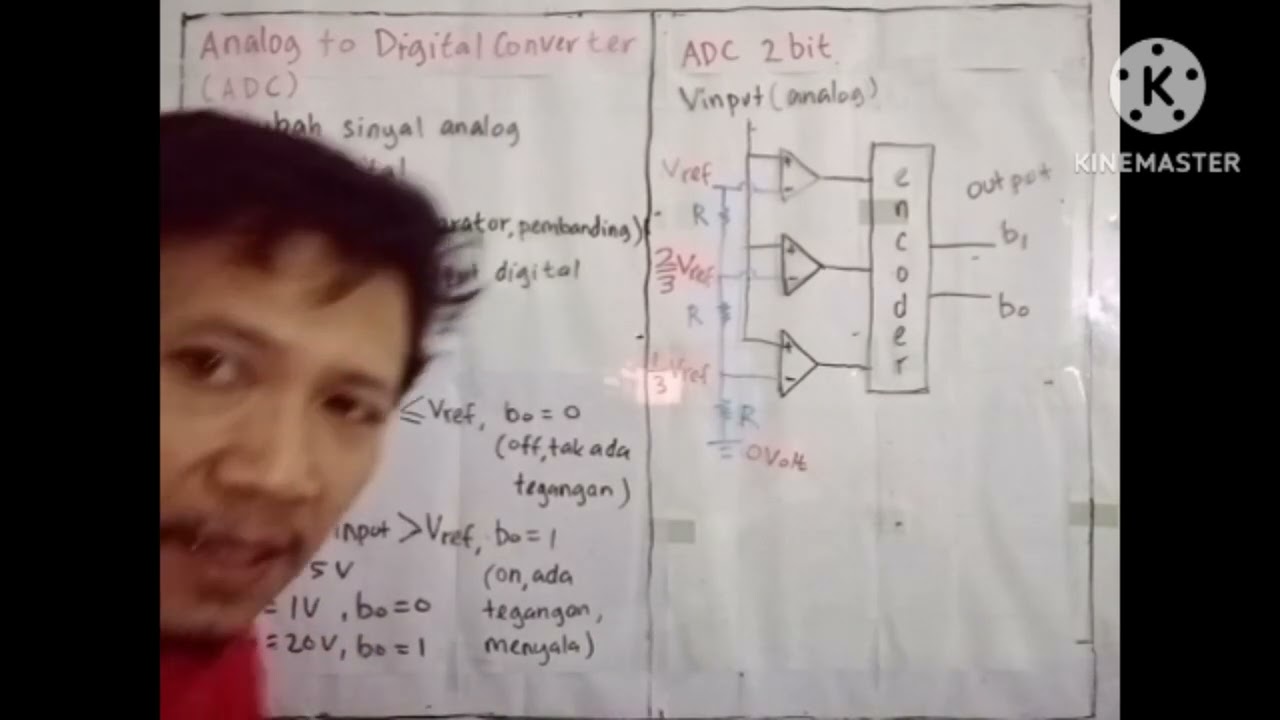
![Cyfra - [Reduktor Szumu] Odc.115](https://i.ytimg.com/vi_webp/KiYN_oMM7iw/maxresdefault.webp)




![Sound - Class 9 Science Chapter 12 [Full Chapter]](https://i.ytimg.com/vi/VL-blhj2OyQ/maxresdefault.jpg)


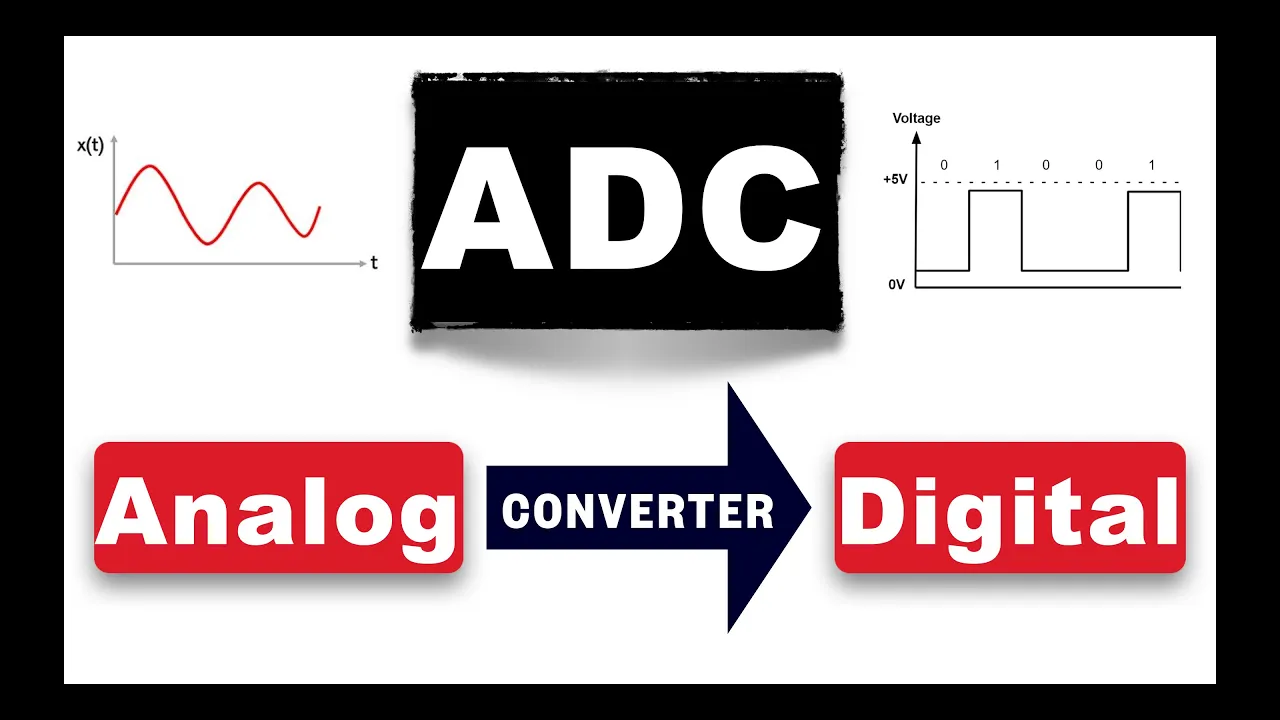



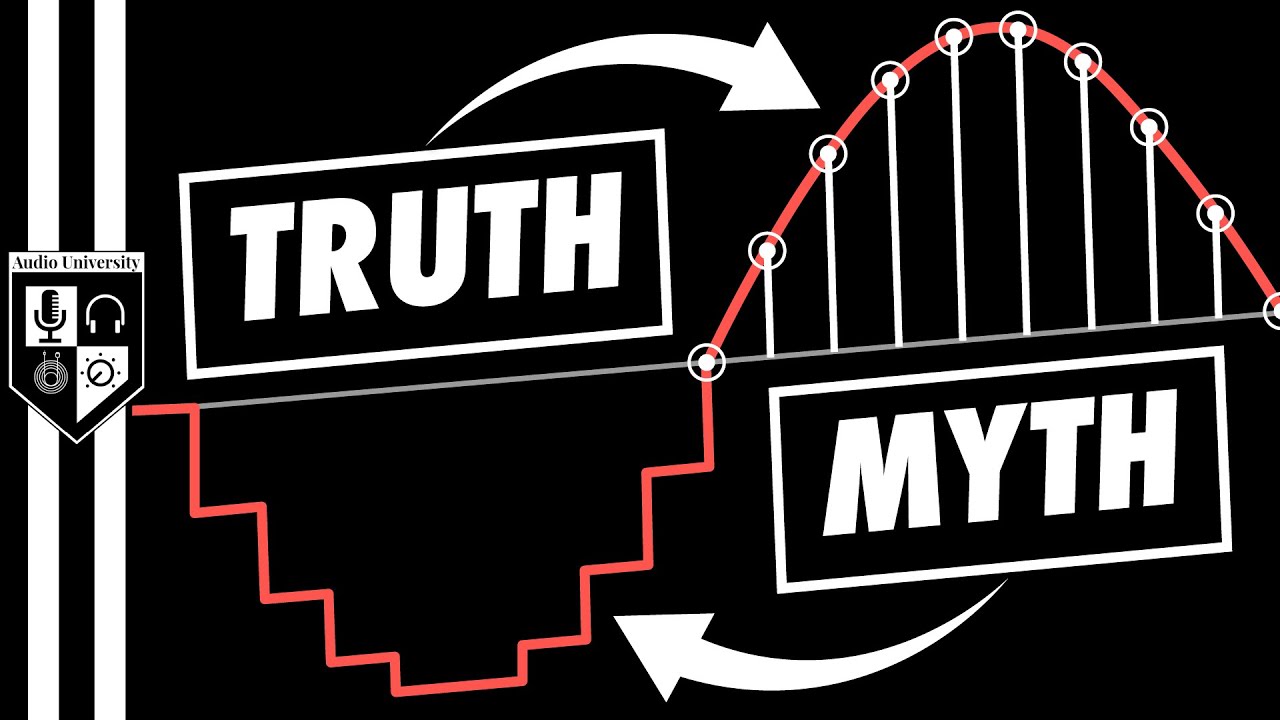
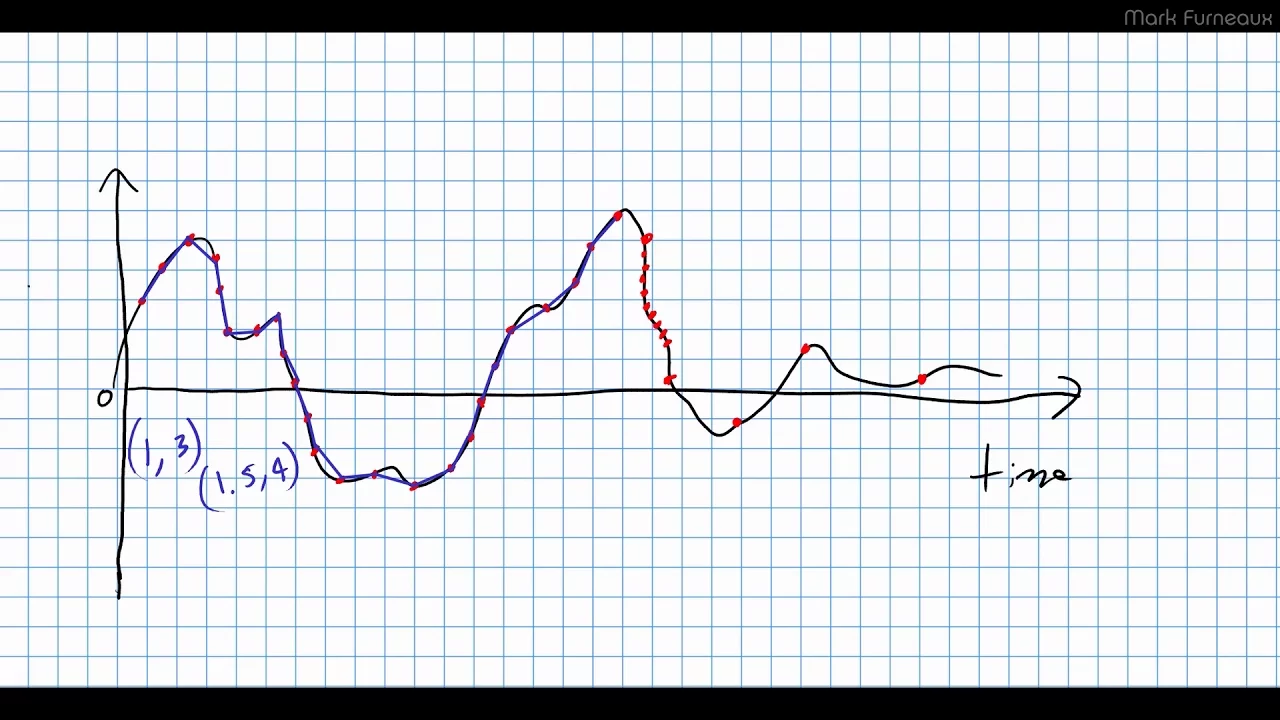

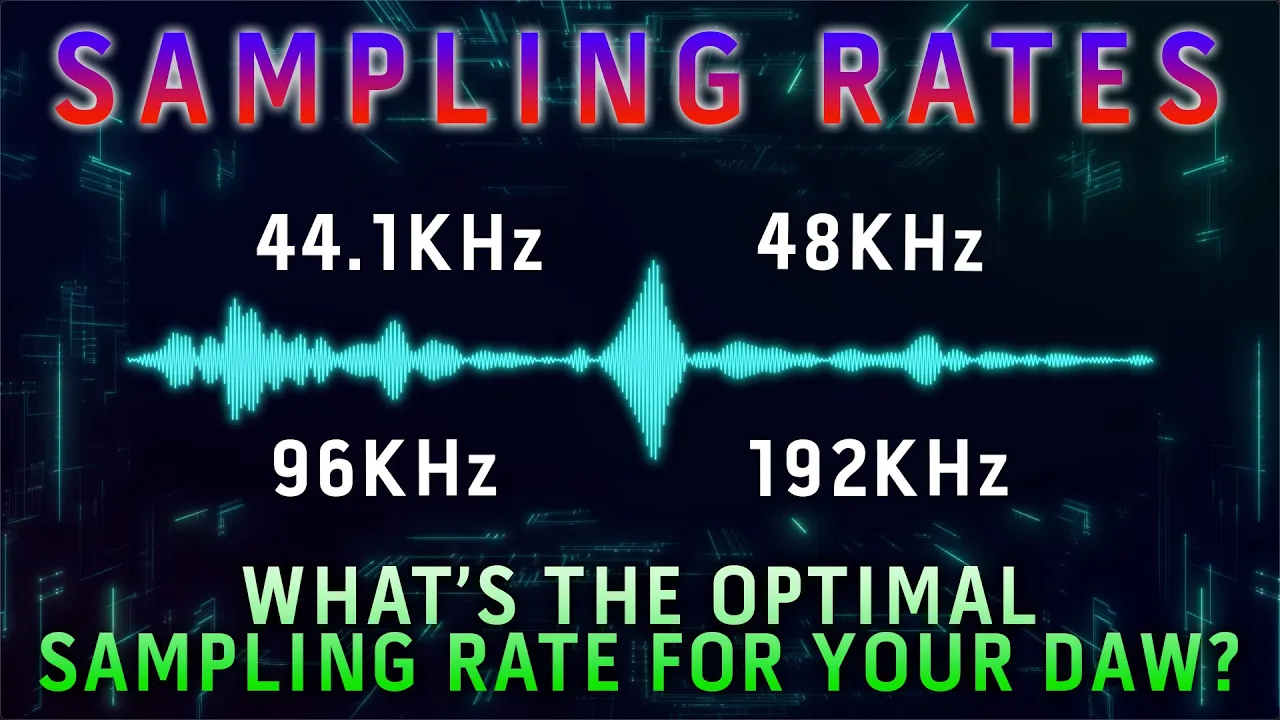




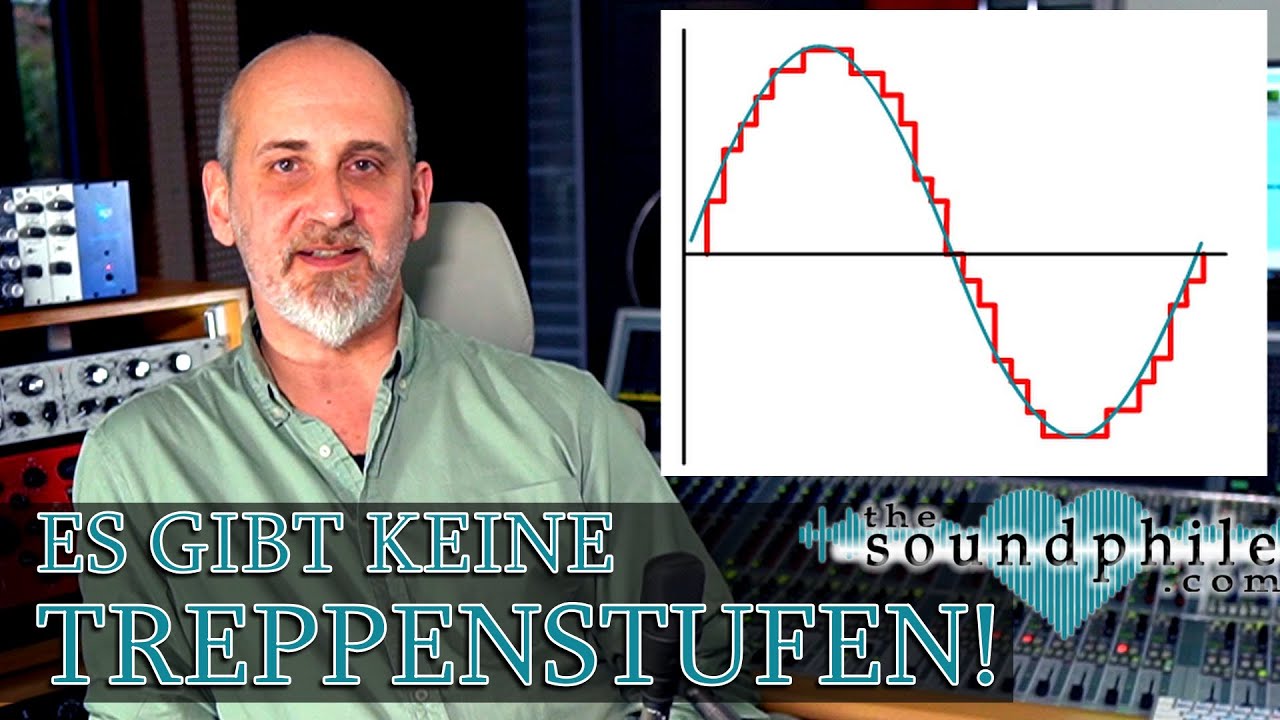

The Nyquist Theorem states that to accurately convert analog audio to digital format, a signal must be sampled at least twice per cycle of its highest frequency component; therefore, to capture the full human hearing range of 20 Hz to 20 kHz, a minimum sample rate of 40 kHz is required, which is why standard recording sample rates like 44.1 kHz are used.
Understanding the Nyquist Theorem in Digital Audio
Added:The fundamental difference between continuous analog signals and discrete digital audio signals.
The basic anatomy of a sound wave, focusing on frequency (measured in Hertz) and amplitude.
The limits of human hearing, specifically the standard audible frequency range of 20 Hz to 20 kHz.
The general concept of analog-to-digital conversion (ADC), specifically the process of taking periodic snapshots of an audio waveform.
The phenomenon of aliasing (digital distortion) and how anti-aliasing filters are used in audio hardware to prevent it.
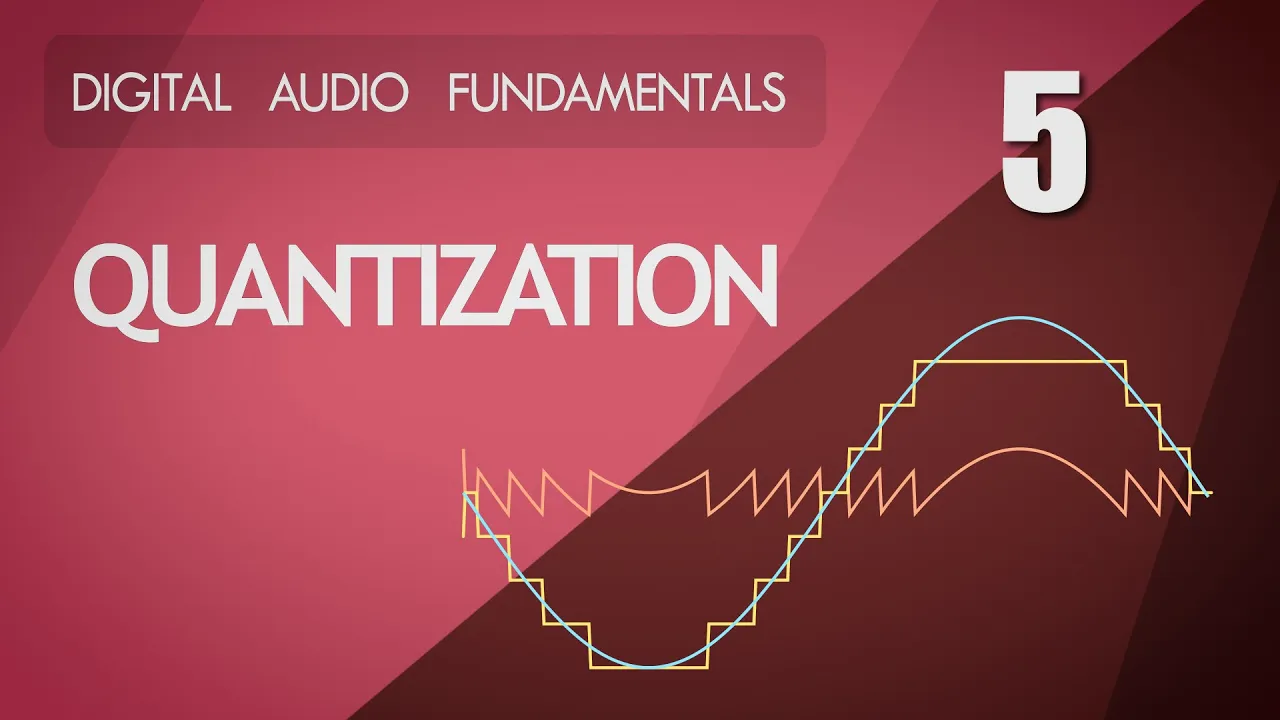
The concept of bit depth and quantization, which determine the dynamic range and noise floor of digital audio.
The technical reasoning behind alternative industry sample rates like 48 kHz, 96 kHz, and 192 kHz, and the concept of oversampling.
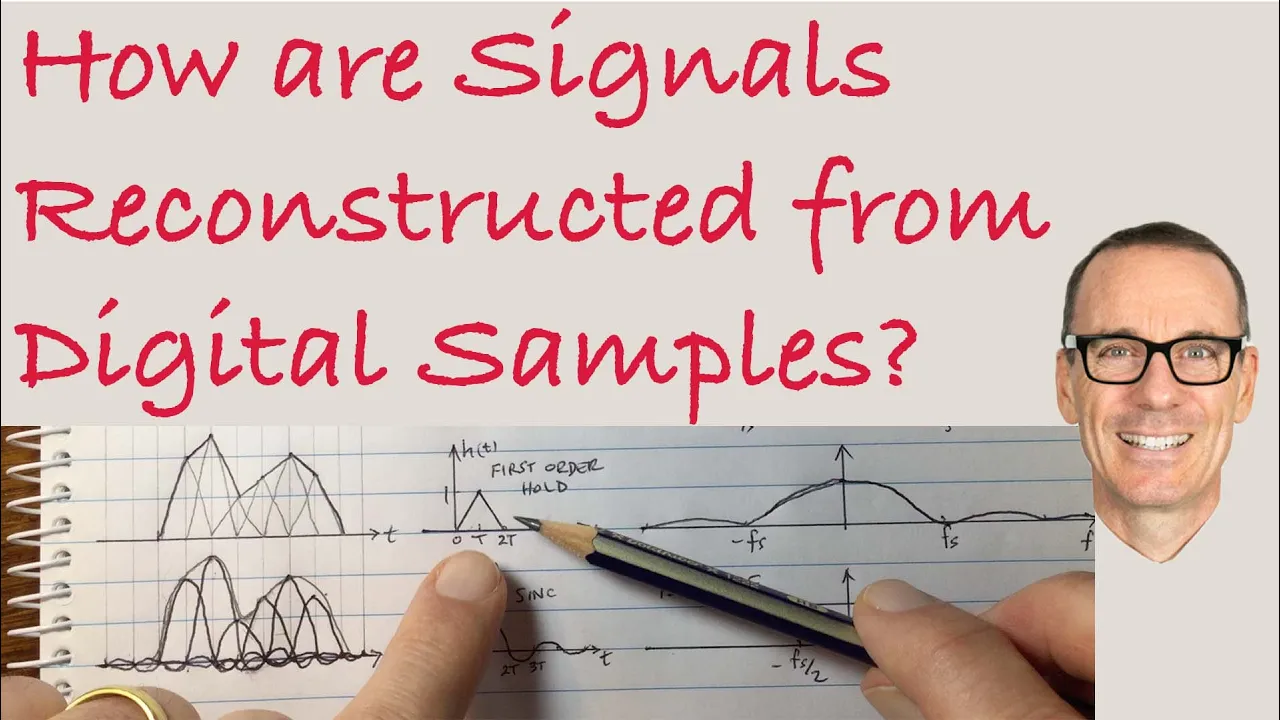
Reconstruction filters in Digital-to-Analog Converters (DACs) that convert the discrete sampled points back into smooth analog waves.
3.7K views113likes9:20Original Release: 2020-09-23
all right guys let's talk about some audio theory with the nyquist theorem all right guys so i thought i had actually covered this topic in the past but i have this document where i keep track of all my youtube episodes and i actually ran a search on the document and it looks like i haven't done a video that focuses entirely on the nyquist theorem so i've discussed sample rate but i haven't really dug into the nyquist theorem in detail so i figured that's what we would do today so the nyquist theorem is super intertwined with the concept of sample rate so if you need a refresher on the concept of sample rate i'll put a card up on the screen for you guys and you can pause and go check that out if you like i also have some handouts that are on my website which is katonois.com and those handouts are available to patreon patrons so if you guys want to pause and then go check those out as well to get a little refresher i do recommend that because what we're going to be discussing today really does require an understanding a basic understanding of what sample rate is and how it works and stuff like that and i will put links in the description below for you guys so that you can easily find that content so feel free to pause scroll down get that refresher and then come back here and please do consider becoming a patreon patron i will be showing you guys some more handouts that are new today and those handouts are going to be available on my website kitanoise.com for those patreon patrons all right so what is the nyquist theorem so when we're talking about the nyquist theorem we're talking about audio when it's being converted from analog into digital that's when the nyquist theorem comes into play and basically the nyquist theorem states that for each frequency of audio if we want to accurately recreate that frequency in the digital realm that we just have to sample that frequency cycle at least twice that's all it says so basically the nyquist theorem is a huge part of why 44.1 kilohertz is one of the lower sample rates that we tend to use in recording and i'll get into why on that in a minute here all right so i made this part of the handout so you guys can understand uh the concept behind sampling each cycle at least twice so up here we're only sampling once and down here we are sampling twice right so you look at the cycle so um basically a cycle is the pattern that it makes before it then repeats so i tell people when they're thinking about something like a sine wave it's when it's completed a circle so it goes up and around and if you were to take this part and rotate it over it would form a complete circle so um but you can also just think of it as you know when it starts to repeat its pattern so it does this up and then down and then it starts to repeat so now it's going up and down again so that's one cycle so we have the wavelength here is also dependent on the length of the cycle so what the nyquist theorem is saying is that this is not going to be adequate sampling the cycle once we're going to need to sample it at least twice to accurately recreate this frequency right and so you'll notice that these both are the same wavelength so this value is equal to this value the cycle has the same length and you could think of this as distance or time it doesn't have to be time here i just had time written down on this handout i adapted an older handout for a different um topic and that's what i had here so anyway um all this is showing you is you have to sample at least twice that's what the nyquist theorem is saying all right so let's talk about why that is so moving on to this third page here okay so we know in audio that when we have a lower frequency or a lower pitch that's going to have a longer wavelength so it's going to look something more like this one down here rather than this one up here so longer wavelengths the cycle takes longer to complete that means lower frequency lower pitch that's stuff like our base frequencies right are really low pitched frequencies and then when we're talking about shorter wavelengths so the cycle takes shorter amount of time or distance depending on how you're thinking about it to complete then you have a higher frequency or a higher pitch right so that's something that we know in audio and that comes into play here and so we also know that the frequency range of human hearing is generally considered to be 20 hertz to 20 kilohertz that's like an ish thing you know there are people with shorter ranges than that people with wider ranges than that but it's generally considered to be 20 hertz to 20 kilohertz and so that basically means you have wavelengths that range from 17 meters to about 1.7 centimeters long so that's a big range in terms of wavelength so if we think of sampling audio kind of like a connect the dots and i know it's not that simple so please don't come at me but you can kind of think of it like that kind of like a connect the dots then what we see is that if we have two samples per frequency cycle then we're able to at least get a rough idea of what that wavelength is that frequency is whereas if we only have one sample per cycle when we then connect the dots here um we're not getting anything close to an accurate depiction of that frequency so this is really why the nyquist theorem is true right once you look at it like a connect the dots kind of it really it really clarifies itself it really seems to make sense so we can see very clearly that we do need to at least sample twice to get anything close to the frequency or the waveform that we are trying to sample and convert into digital so now that we understand what the nyquist theorem is and how it's true we can talk about how it affects us so so once we realize why the nyquist theorem is true it becomes very clear to us that as we reduce the sample rate for our audio then we're going to start losing those higher frequencies first and that's because they have these shorter wavelengths right so in this example i have the amount of time between the samples here are equal but you'll notice with those higher frequencies we are now not accurately recreating this wavelength but we are able to accurately recreate this lower frequency wavelength so when we reduce that sample rate we lose these high pitches these upper frequencies and that's why you might notice when we reduce that sample rate to something like really low like 8 000 hertz for example you're gonna hear those upper frequencies dropping out and it can kind of sound underwater or like murky sounding and it's because of this concept right that that's happening and that's why you hear that difference that specific difference you know our audio loses clarity in that instance you know we're losing those upper frequencies so we're losing clarity and i'll actually link to a video that i showed to my college students in the description below here i didn't make the video it's um i think another college made the video like another professor it's kind of a silly video but it does show an experiment where someone lowered the sample rate and um it's on a song and it's the same song with higher sample rates and then lower sample rates and so you can really hear that effect in this video so i'll link to that in the description below for you guys so you can go check that out and hear it and hopefully understand a little better because of that anyway we want to be able to recreate all of those audible frequencies within the range of human hearing so since higher frequencies are a concern when we're thinking about the nyquist theorem we want to then set the sample rate high enough that we can recreate the highest frequencies of human hearing so around 20 kilohertz right all right so what does the nyquist theorem say it says that we have to sample those frequencies at least twice so if we're talking about 20 kilohertz right 20 000 hertz that's 20 000 cycles per second so in order to sample that at least twice we're going to have to double that and make it at least 40 000 right so 40 kilohertz so once we understand that concept it's no wonder that when we open up our daw and the recording studio the lowest sample rates that we even have as an option are usually over 40 kilohertz right because there usually aren't even any options that are below 40 kilohertz like 44.1 tends to be the lowest option that we tend to have in any given daw and you know i've heard a few reasons for why we have 44.1 kilohertz specifically and it's really interesting but i think that's maybe a topic for a deep dive in and of itself so i think that's going to be a topic for another video or we can talk about it in the comments below if you guys like so you know feel free to comment about that i think it's pretty cool but i think that's basically it for the nyquist theorem and for today and so i hope this made sense i hope some of you guys find this useful find this helpful i hope you guys like this type of theory video so let me know what you think in the comments below and as always if you like this video you know like comment subscribe hit the notification bell i would appreciate all those things and if you do want access to these extra documents that my patreon patrons get and if you want to support my channel more directly i do have that patreon so it's patreon.comcatonnoise and i also recently put up a mixing checklist for my patreon patrons on my website so that's something that's up there now too and there's a whole bunch of other content you can kind of preview it if you go to my website or if you go to my patreon you can preview what's there before you make the decision so um feel free to do that i'd really appreciate it so i think that's about it i come out with new videos every wednesday and thank you for watching okay
Up Next
10:08
Why 44.1 kHz Is Outdated: Optimal Sample Rates for Mixing
@ColtCapperrune
171.7K views•2022-10-10

12:54
Triumph of Orthodoxy Icon: Byzantine Art & History Explained
@BenCallan
2.1K views•2024-08-06

9:49
FastAPI vs Flask vs Django: Choosing the Right Python Web Framework
@TechWithTim
302.5K views•2024-05-26

1:42
Game of Thrones Opening Credits: A Cinematic Analysis
@gameofthrones
46.3M views•2011-04-18
Related Study Plans & Knowledge Roadmaps
Structured learning paths in General & Interdisciplinary Studies
general-studies
Elevator Engineering: History, Physics & Cities
01From Hoists to Safety Brakes: The Dawn of Vertical Lift
02Hydraulic vs. Traction: The Engineering Physics of Elevators
03Modern Speed, Safety, and Algorithms
+ 2 more learning modules
12h5 modules
Explore Roadmap
general-studies
Rubber: Material Science, History & Geopolitics
01Origins of Natural Rubber & Mesoamerican History
02The Chemistry of Natural Rubber & Vulcanization
03The Geopolitics of the Rubber Boom & Colonization
+ 2 more learning modules
12h5 modules
Explore Roadmap
general-studies
Containerization: Evolution, Logistics & Trade
01Ancient Trade & Bulk Cargo: Amphorae to Barrels
02The Industrial Revolution & Cardboard Packaging
03The Containerization Revolution: Malcom McLean
+ 2 more learning modules
12h5 modules
Explore Roadmap
general-studies
Textile Tech: Evolution, Labor & Global Impact
01Pre-Industrial Textiles: Handloom & Cottage Industry
02Mechanization: The Spinning Jenny to the Power Loom
03The Factory System & Global Labor Transformation
+ 2 more learning modules
10h5 modules
Explore Roadmap