






![Afinação é resultado de percepção musical [Não confie em seu ouvido]](https://i.ytimg.com/vi/5wOOtgkvg9s/hqdefault.jpg)









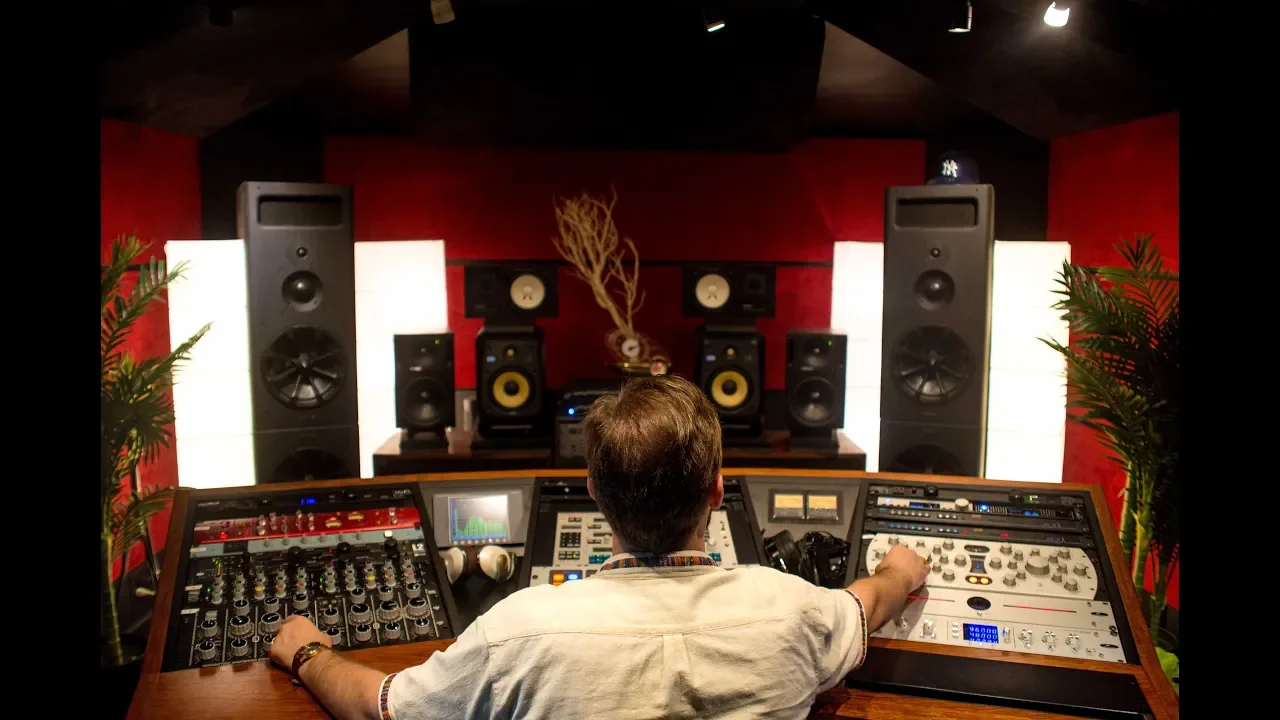





Professional music production should use 24-bit/48kHz as the minimum standard for recording, mixing, and mastering, rather than the outdated 44.1kHz/16-bit format; while higher sample rates like 96kHz may offer benefits for certain genres, 48kHz provides optimal results for most contemporary music styles including pop, rock, and metal, offering better computational efficiency and a more aggressive, edgy sound that suits dense, powerful productions.
Why 44.1 kHz Is Outdated: Optimal Sample Rates for Mixing
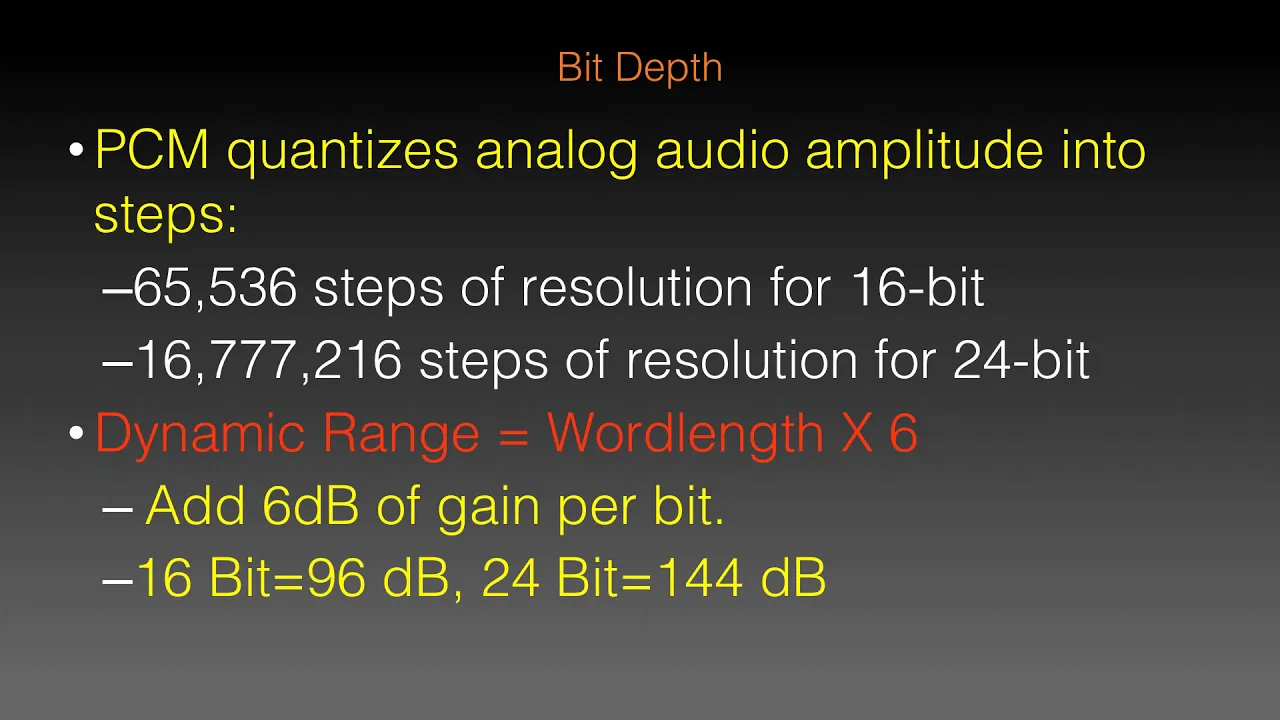
Added:Understanding of Digital Audio Basics: The fundamental concepts of sample rate (representing frequency) and bit depth (representing dynamic range/amplitude).
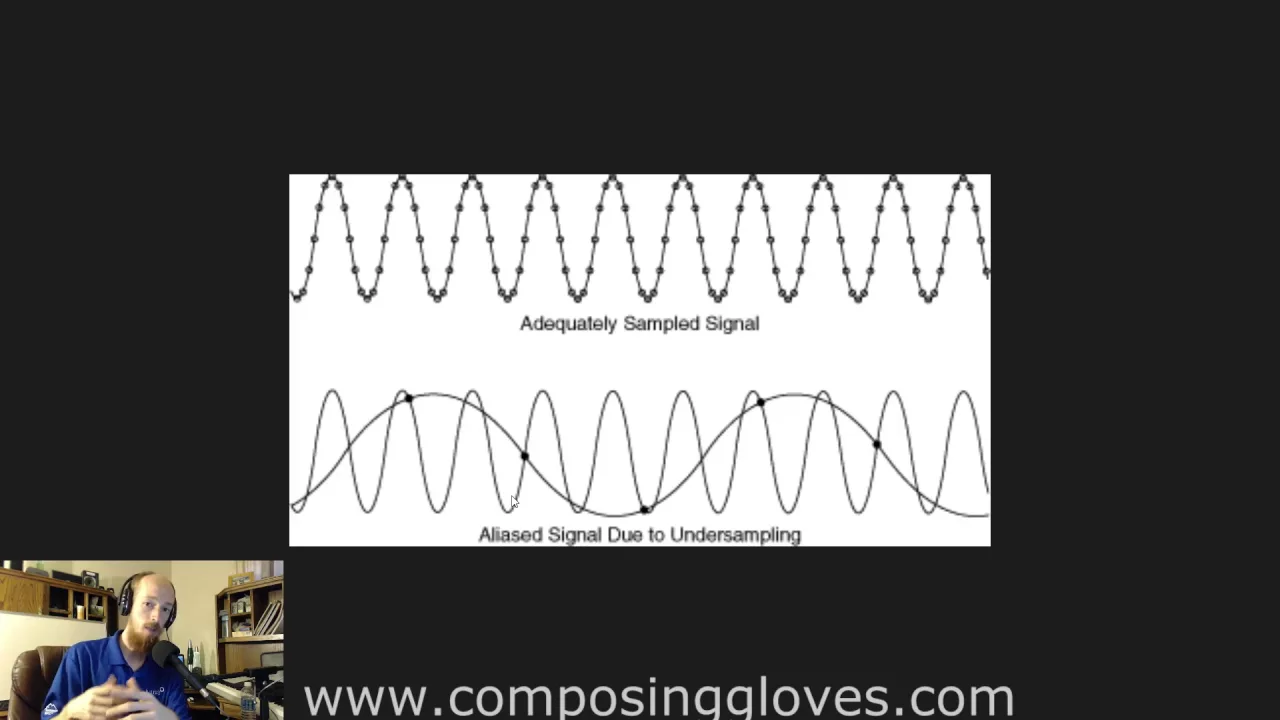
The Nyquist-Shannon Sampling Theorem: The mathematical theory stating that a band-limited continuous-time signal can be perfectly reconstructed if sampled at a rate greater than twice the highest frequency.
The Human Auditory Range: The biological limits of human hearing (typically 20 Hz to 20 kHz) and how this historically dictated the 44.1 kHz Red Book CD standard.
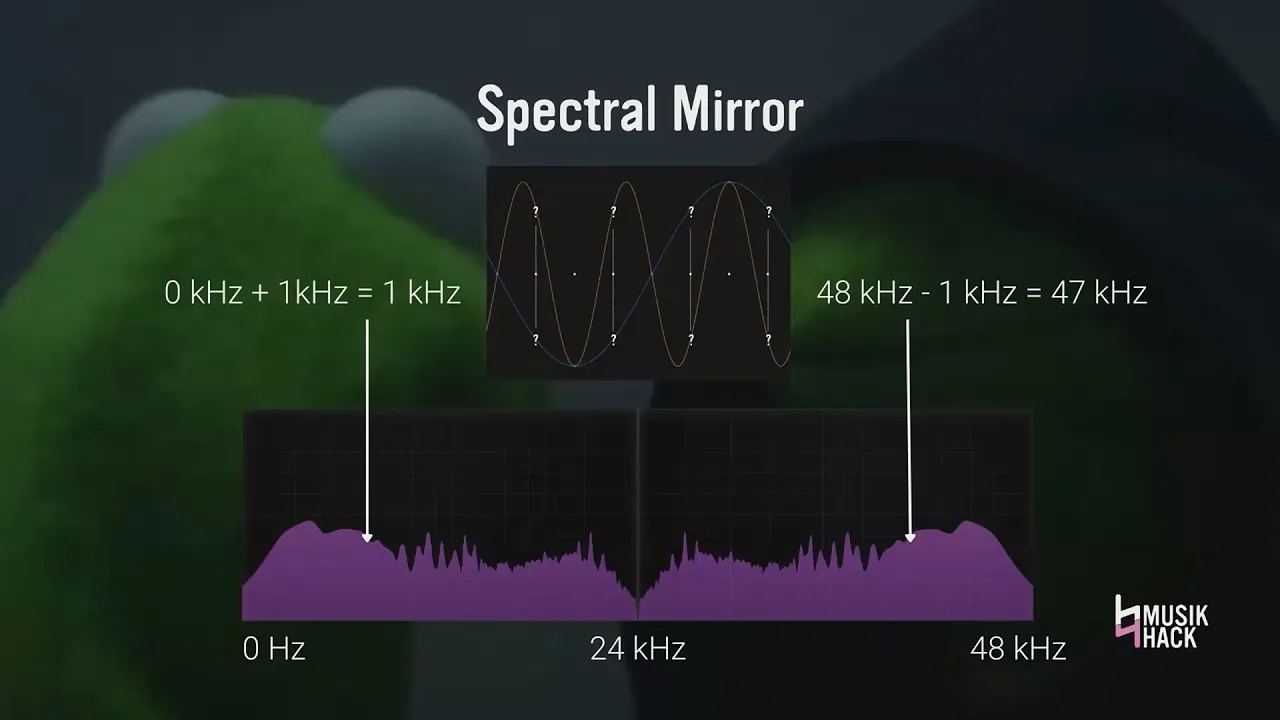
Aliasing and Anti-Aliasing Filters: How frequencies higher than half the sample rate can fold back into the audible spectrum as distortion, and how analog-to-digital converters filter them out.
Internal Oversampling in Digital Signal Processing (DSP): How modern plugins (like saturation, limiters, and compressors) use oversampling to process audio internally at higher rates to prevent inter-sample clipping and aliasing.
Sample Rate Conversion (SRC) and Dithering: How to properly convert finalized high-resolution audio files to different distribution formats without introducing quantization distortion or phase issues.
System Performance and Resource Management: Analyzing the trade-offs between higher sample rates (e.g., 96 kHz or 192 kHz) and CPU processing power, latency, and storage space in a Digital Audio Workstation (DAW).
Industry Delivery Standards: Understanding the current delivery requirements for video post-production (typically 48 kHz), high-resolution streaming platforms, and archive preservation.
171.7K views6.3Klikes10:08Original Release: 2022-10-10
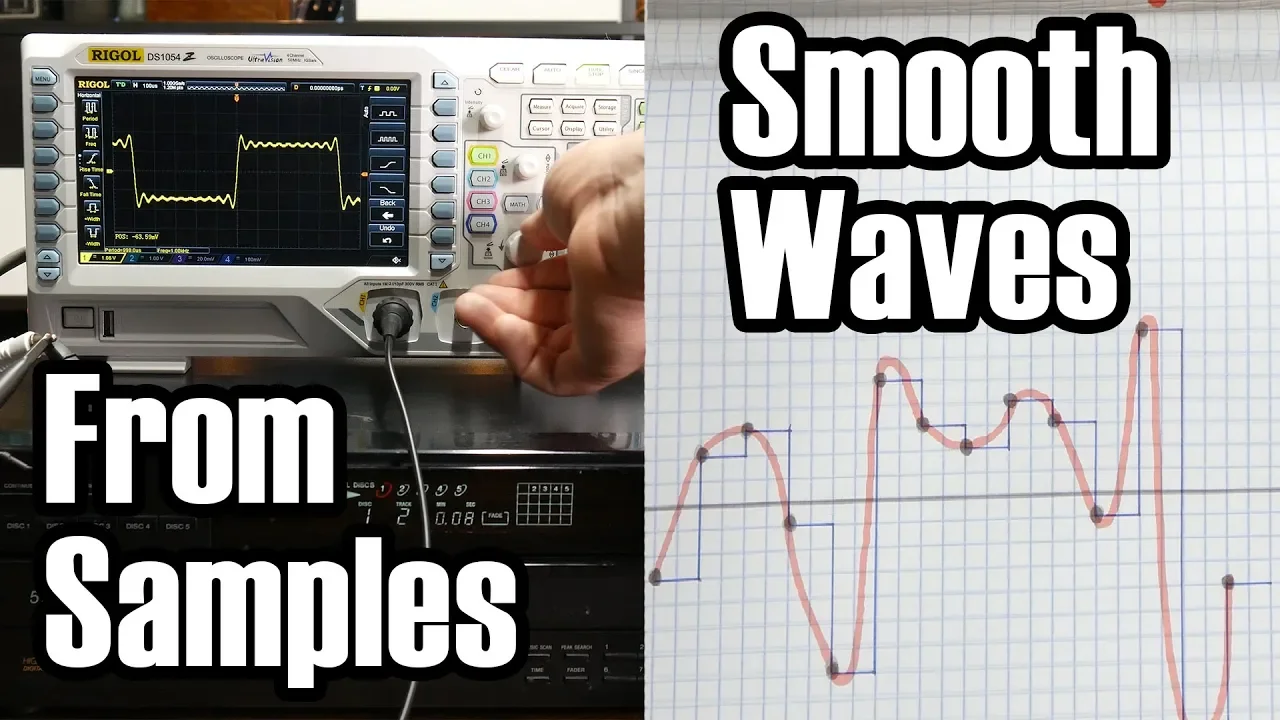
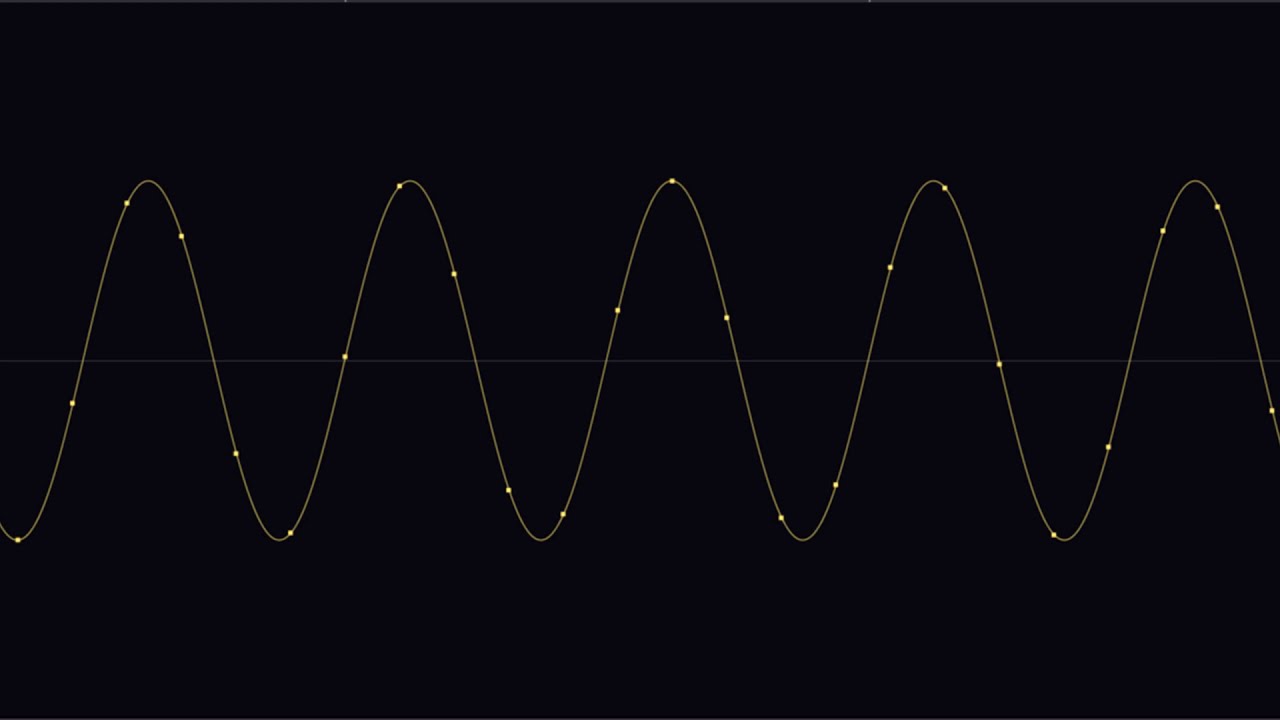
we have got to stop recording in 44.1 today I'm going to explain why [Music] those of you that don't know me my name is Cole Capri and thank you for stopping by for another video I'm a producer mix engineer mastering engineer session guitarist here in Nashville Tennessee I've charted Top 40 on Billboard I've had number ones on a whole bunch of different charts FM and online charts and I work on somewhere between 150 and 200 songs a year and a half for many many years now now I only say all that because this is coming from a place of actual experiences not just an opinion well it is an opinion but it's not just an opinion that I've formed this is based on like cold hard data and today I want to share it with you so before we talk about why you shouldn't use 44.1 and what resolution you probably should use what actually is resolution let's make sure that we actually understand this now since we're recording into a computer and there's no analog signal that happens and and lives inside a computer that means that every piece of audio in a computer has to be converted from an analog signal to a digital signal now how this conversion takes place decides on on what it sounds like and its resolution so if you take a waveform of any instrument and you put it across a timeline and a volume amplitude scale this is what that would look like now on the volume or amplitude side of things this is where your bit rate comes in so 16 bit which is what CDs have always been it's what most released music is in has less overall Headroom in the volume or amplitude Department than 24 bit now there is also a 32-bit float bin just for this example just know that 32-bit is higher than 24-bit of course what a stupid thing to say of course it's higher than 24 bit Colt what are we talking about here now if you look along the time domain this is where your sample rate comes in so the computer or your converters is actually taking a snapshot of this waveform every so often and your sample rate determines how often that snapshot is taken and so 44.1 actually stands for 44 100 snapshots per second the next sample rate further up that is very common is 48k which is 48 000 snapshots per second next is 88.2 next is 96 96 is 96 000 snapshots per second and so on and so forth now we're going to get into my opinion on the highest sample rates later because I do actually have kind of a hot take on this and real quick I just want to remind you guys that I'm running a giveaway for a pair of active oritone 5Cs love these monitors been using them for many many years I'm really pumped to be able to give away a pair of one of you there's details in the description below on the giveaway and how to enter do not send anyone any money do not reply to any comments saying that you have won the details on how you'll be notified on if you've won are below so go check that out and best of luck on the giveaway now after this many years and worked on this many songs as I have thousands and thousands of songs I'm still shocked by how often I get something to mix from other producers or how often I it's something to master from other mix engineers and the file is a 16-bit 44.1 k file or even a 24-bit 44.1 K5 now this is the standard Default Resolution in a lot of Daws that you may be working on but let's start with the bitrate everyone should be working in 24 bit or 32-bit float across the board there's literally no reason to work in 16-bit you're just giving up Headroom you're giving up resolution in the volume or amplitude Department there's there's no reason for it all computers are fast enough storage is big enough there's no reason to do anything at 16 bit ever anymore now the sample rate the 44.1 K is where things start to get a little bit interesting now 16-bit 44.1 is what CDs always were this is the resolution when you bought a CD this is the resolution that was on a CD and so forever this was the deliverable when you're mastering a song this is the red resolution you would always deliver at because it's the resolution that went on CDs Now when streaming took over pretty much all streaming platforms were also 16-bit 44.1 K was the the deliverable it's what you delivered the master in to the streaming platform or to your distributor and so for a long time I think people just got used to working in this resolution because why recorded a higher resolution and use up more CPU power from your computer when mixing and why use up more storage space on your hard drives when it's going to be reduced back down to this anyway and I didn't really have an argument against this back in the day but then as DVDs became much more popular the file format for DVDs is 24-bit 48k if you ever watched a music video on DVD if you ever watched any live concert on DVD that audio is all 24-bit 48k and so if you were doing any sort of work that was ever gonna live on TV or on film on a DVD or anything like that you wanted to record at 24 bit 48k you wanted to mix at 24 bit 48k and you wanted to master at 24 bit 48k because you never wanted to do that at 16 bit 44.1 and then up sample to 2448 why why do that just do everything at the higher rates and then down sample for your CD release and for your streaming release so this is when I first switched over to 2448 from I I always did 24 but 24 bit 44.1 is what I did for a long time and as soon as I started working on stuff that was going on DVD eventually for music videos then I immediately switched to 2448 and that's where I stayed for a very very long time fast forward to today and now about 50 percent of my clients are requesting 24-bit 48k files Masters for release because if it's going on title if it's lossless on Apple if it's a whole there's a whole bunch of different platforms that now support this higher bit rate and higher sample rate and you want to take advantage of that you want to give them the highest quality the best sounding file you possibly can and so now we're in a situation where you really really should be recording mixing and mastering at 24 bit 48k as a minimum there's no advantage to working any less than this computers are more than powerful enough hard drive space is more than cheap enough just do everything at a minimum of 24-bit 48k you're future proofing yourself you're giving your clients a better file this is why you should never work at 44.1 ever again there's no reason to but what about the higher sample rates why wouldn't you just record it 32-bit float 96k here's where I have kind of a hot take before we get into what sample rate I use and what sample rate I think you guys should use there's links in the description below for every piece of gear that I use so if you're curious about anything that I use or if you ever need any piece of musical gear hit the links in the description of my video after hitting any one of those links purchase anything you might ever need those links go to Sweetwater Sweetwater is sponsoring this video and I very much appreciate it been getting all my gear from them for a very very long time now I've done a whole bunch of experiments between the different sample rates what's incredibly difficult is that it's really really hard to to do real scientific experiments with this because you would need to record a single song one song the same song with the exact same tones and with the exact same performances in both sample rates the entire way through the project and this is this is a bigger undertaking than I've ever been able to pull off or that I've been willing to pull off for myself but what I have done is I have tracked drums in both sample rates from the same drummer from the same session and the same microphones the same everything so we did one in 48k and we did one in 96k and I purposely did this to try to hear the difference and here's what I came up with for any sort of more aggressive Style music anything harder hitting edgier with more attitude I actually like 48k better than 96k 96k to me sounds a little clinical and a little sterile it's a little boring it's a little blah now we are really splitting hairs here this is not like a song is going to be successful at 48 and not successful at 90 cat 96. we are really splitting hairs here but most the stuff that I work on is more aggressive more impactful edgier kind of music pop and rock and metal and pop country and rock country is most of what I work on and all of those things are denser more powerful aggressive style Productions and I actually think that 48k is a little bit more aggressive sounding it has a little bit more Edge a little bit more hair 96k is a little bit more clinical sounding so what I personally do is if I'm doing any sort of full production stuff it's at 24 bit 48k sometimes it's at 32-bit but at least 48k and if I'm doing any orchestral stuff if I'm actually recording a symphony or if I'm doing uh string quartets or if I'm doing like a just a piano vocal thing or something like that oftentimes with those sort of sparse more pristine Productions I will use 96k for that stuff because I think it suits it better especially for orchestral stuff and especially for like Bluegrass and stuff like that I actually like 48k better than 96 and I've I've done the experiments to work through it don't forget to hit the links down in the description if you ever need any music gear thank you guys so much for watching and we'll see you in the next one peace foreign [Music]
Up Next
17:48
Napster's Impact on Digital Media Consumption and Ownership
@nationsquid
125.5K views•2024-06-13

12:54
Triumph of Orthodoxy Icon: Byzantine Art & History Explained
@BenCallan
2.1K views•2024-08-06

9:49
FastAPI vs Flask vs Django: Choosing the Right Python Web Framework
@TechWithTim
302.5K views•2024-05-26

1:42
Game of Thrones Opening Credits: A Cinematic Analysis
@gameofthrones
46.3M views•2011-04-18
Related Study Plans & Knowledge Roadmaps
Structured learning paths in General & Interdisciplinary Studies
general-studies
Elevator Engineering: History, Physics & Cities
01From Hoists to Safety Brakes: The Dawn of Vertical Lift
02Hydraulic vs. Traction: The Engineering Physics of Elevators
03Modern Speed, Safety, and Algorithms
+ 2 more learning modules
12h5 modules
Explore Roadmap
general-studies
Rubber: Material Science, History & Geopolitics
01Origins of Natural Rubber & Mesoamerican History
02The Chemistry of Natural Rubber & Vulcanization
03The Geopolitics of the Rubber Boom & Colonization
+ 2 more learning modules
12h5 modules
Explore Roadmap
general-studies
Containerization: Evolution, Logistics & Trade
01Ancient Trade & Bulk Cargo: Amphorae to Barrels
02The Industrial Revolution & Cardboard Packaging
03The Containerization Revolution: Malcom McLean
+ 2 more learning modules
12h5 modules
Explore Roadmap
general-studies
Textile Tech: Evolution, Labor & Global Impact
01Pre-Industrial Textiles: Handloom & Cottage Industry
02Mechanization: The Spinning Jenny to the Power Loom
03The Factory System & Global Labor Transformation
+ 2 more learning modules
10h5 modules
Explore Roadmap