

















Napster, created by 17-year-old Shawn Fanning and 18-year-old Sean Parker in 1999, revolutionized media consumption by introducing peer-to-peer file sharing, which made digital music distribution mainstream and ultimately transformed the entertainment industry; despite being shut down in 2001 due to copyright violations, its innovative design directly influenced the development of legal alternatives like iTunes and paved the way for streaming services, demonstrating how disruptive technologies can fundamentally change how consumers access and pay for media content.
Napster's Impact on Digital Media Consumption and Ownership
Added:Basic understanding of Peer-to-Peer (P2P) networking versus traditional client-server architecture.
The development of the MP3 file format and the role of digital audio compression in enabling fast internet file transfers.
Fundamentals of copyright law, intellectual property rights, and the traditional physical distribution model of the music industry prior to the internet era.
The historical context of the late-1990s internet infrastructure, specifically regarding consumer bandwidth limitations like dial-up.
The business models of modern digital streaming services (e.g., Spotify, Apple Music) and the economics of royalty distribution to artists.
The landmark legal precedent of A&M Records, Inc. v. Napster, Inc. and its influence on the enforcement of the Digital Millennium Copyright Act (DMCA).
The evolution of decentralized file-sharing protocols, such as BitTorrent, Tor, and contemporary Web3/blockchain distribution methods.
The philosophical and legal shift from digital 'ownership' to licensing 'access' (SaaS and cloud media subscription models).
125.5K views6.7Klikes17:48Original Release: 2024-06-13
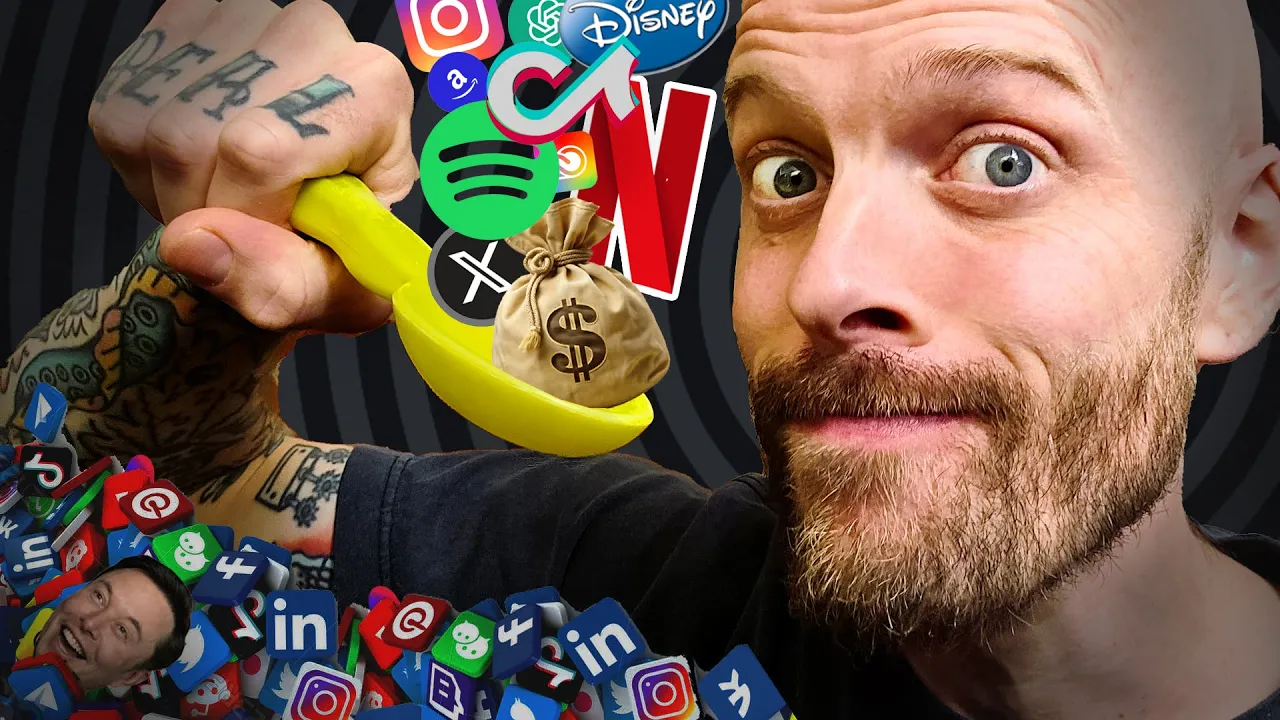
A couple of videos ago I did a deep-dive into online piracy, the history of it, how technology over time has influenced its presence, etc. And in that video I briefly talked about “Napster,” arguably the first computer program to ever make internet piracy a public, mainstream affair. It allowed you to connect online to a huge database and immediately download any song that you wanted, instantly, for free. It is no wonder why it was so huge at the time and why corporations hated it. But as I continued thinking about it, the more I realized that Napster, due to its innovative design for the time, was one of the pioneering programs that effectively changed the way we currently consume media. And in some respects, it even did it in a regressive kind of way. Piracy has always been there, but the motivations behind committing piracy have not always been the same. In the 90s, programs like Napster were a form of retaliation against the expensive, rising prices of physical media, things like tapes, CDs, and vinyl. And today, we are facing the opposite problem. People are resorting to piracy in a world full of subscriptions and rentals, where the prospect of permanently owning new physical media is virtually non-existent. And now I’m starting to think that Napster, was unknowingly, the problem.
I know you saw me during my Gentlbands pitch.
I thought you were hiding from someone. You know, the difference between you and me is that this isn't just a cash grab, all right?
I like Gentle Bands. Your idea was just soulless. I thought it was more what they wanted.
Well, as someone who actually owns “the songwriter.” [60s SWING MUSIC] I can speak firsthand about its craftsmanship, the packaging, the love that went into it.
It's more than just a ring. It has a guitar string in it, tungsten koa wood. It's symbolic of my profound love for music.
I mean, I couldn't wear it in the meeting. I had it on the chain, [MORE 60s SWING MUSIC] but it means something to me. I mean, do you even know that they're family-owned? Their workshops? You're a football player in a suit, unprepared. What was your idea again? Something about Bob Dylan?
Look, I don't like going in with two ideas. It's weak.
And you don't want to be weak. So you picked yours.
And they bought it, which is our goal, isn't it?
You know, I got it engraved too. You can do that for free, but of course, you didn't mention that. I've got a million good things to say about Gentlebands. A million.
Good. I guess I'm lucky you worked for me.
I feel bad for you.
I don't think about you at all.
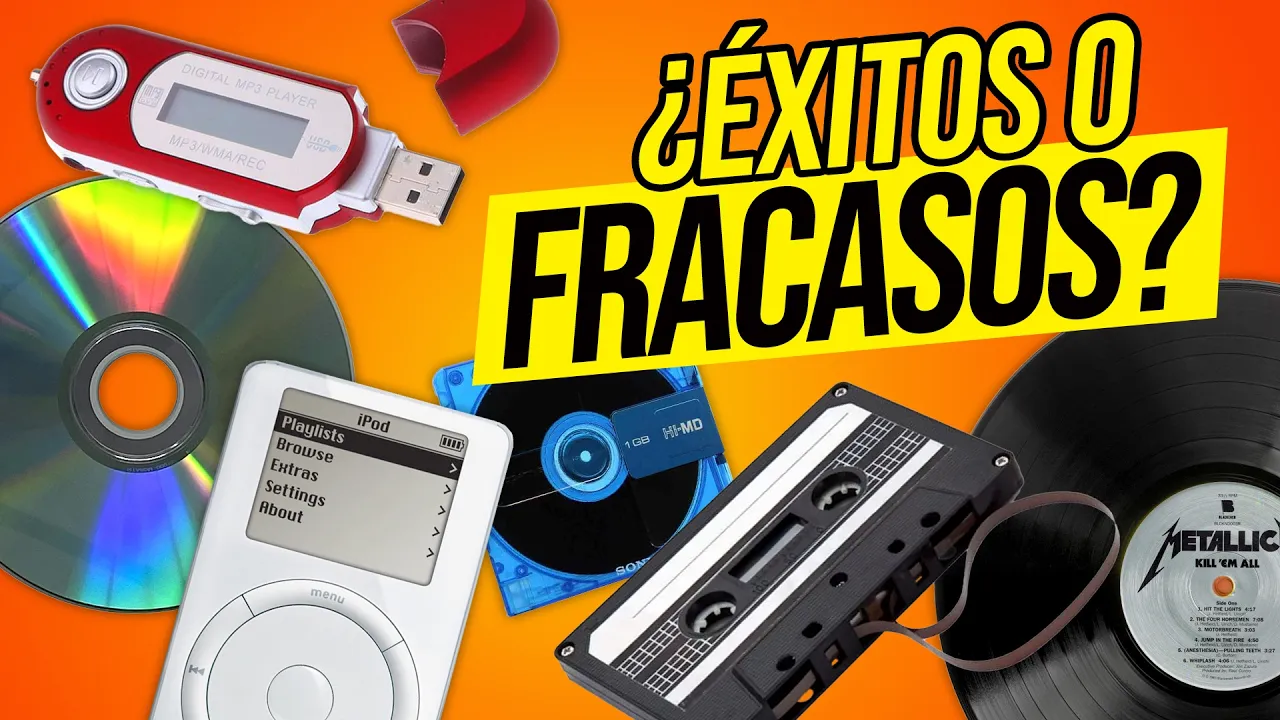
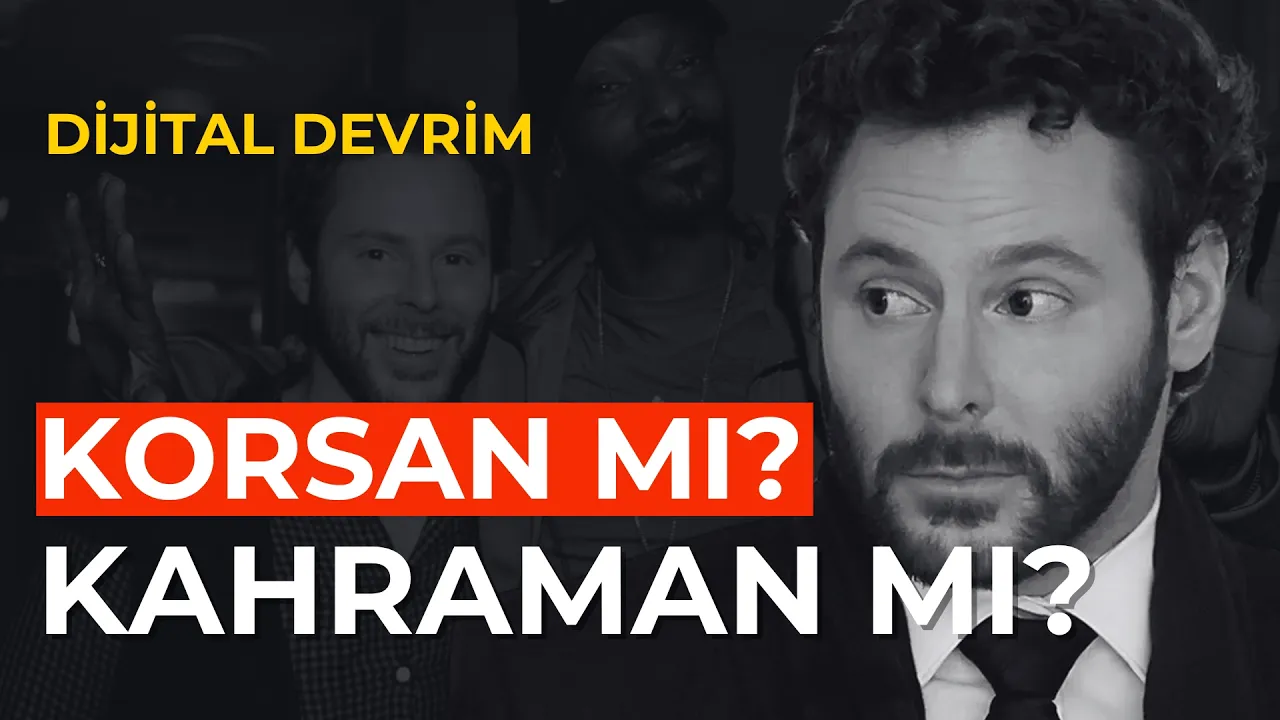
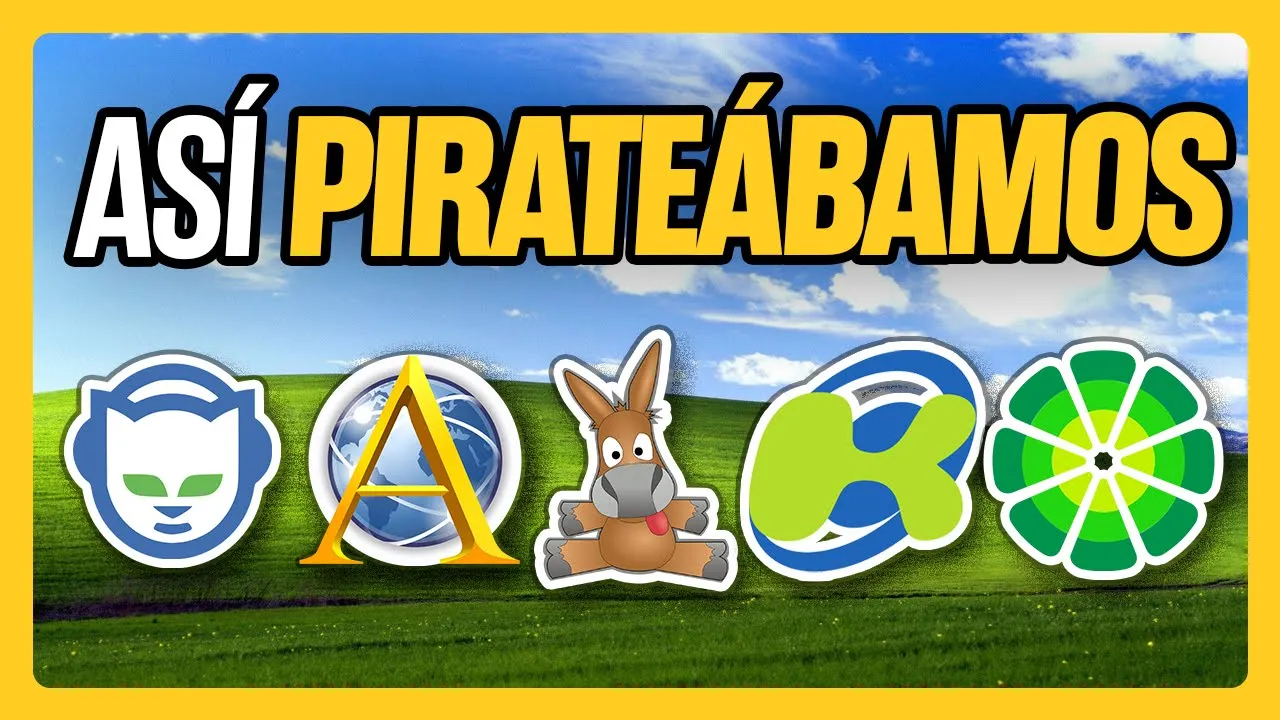
[ELEVATOR DINGS] Now, imagine it’s the 1990s. You’re driving in your car and you hear a new song on the radio, and you’re thinking “Oh wow! I like that song! If only I could listen to it again.” So, what do you do? Well, you have a few choices. You could always record the song from the radio onto a blank tape (the quality won’t be perfect, but you’ll now have it for personal use to listen to as many times as you want). But if you really want the full, immersive experience, you could always just make a trip to the music store and buy that CD, and it is yours to keep, forever. But physical music, especially vinyl, was getting expensive in the 90s. An entire album could be as much as $20. If the album was terrible, you were out of luck. Yeah, you could always rent these songs for much cheaper, but why spend any of your hard earned money at all on something that you just might not like? What if there was a third option? The ability to get high-quality music that’s also free? Well, thankfully something called the internet is garnering traction and quickly popping up in households all around the world. Now you can interact with people online who not only share the same sentiments as you do, but can actually do something about it. In 1998, a user called “Napster” appeared in an online chatroom proposing an idea for how people could easily access computer files. What if instead of relying on a centralized server from a website to have the file you’re looking for, you could just access a giant database of users and download that specific file directly from their hard drive. This was a concept known as peer-to-peer file sharing, or P2P for short, and aside from some experimental prototypes here and there, it hadn’t really entered the mainstream public eye. Most of the chat thought the whole thing was ridiculous and laughed off the idea, but one person: 18-year-old Sean Parker, thought this vision had a lot of potential. The two had already been online friends for a couple of years, but Sean would eventually meet this “Napster” in person, who was also named Shawn, Shawn Fanning who was only 17 years old. The two became friends and started working together on this project, deciding that Napster was a fitting name for it. They were able to raise $50,000 from investors to get started on the concept, and worked countless togethers putting it all together. Fanning was reportedly sleeping in the utility cupboard at his uncle’s office, because he spending so much time on his computer programming. Then in June 1999, Napster officially launched to the public. It only took less than a year for the community to reach over 20 million people. The massive success Napster had in such a short amount of time was unprecedented, but in retrospect its really not much of a surprise. Napster’s idea was both revolutionary and came out at exactly the right time. It took a relatively niche concept like P2P file-sharing, and made it simple, only requiring a couple of clicks from the user. It made the navigation of desired content way easier as well. Digitally downloading music before Napster was not impossible, but a bit of a hail mary. You effectively had to know where to look or connect with the right people to help you out. Maybe you know a guy on AOL Instant Messenger that can send you the files. Sites that *did* host the song you were looking for were, of course, centralized, so it was much easier for copyright enforcers to take them down, and therefore made it even harder. Sites like AudioGalaxy had file-sharing protocols similar to Napster, but primarily focused on Indie artists; think of a precursor to SoundCloud. But now with Napster, that wasn’t a problem. This big database allowed you to connect with anyone else on Napster, which with millions of people, allowed for virtually any song to be easily accessible for download, in a decentralized approach. Because all it took was someone taking one for the team and buying a CD, ripping all the songs off of it, and then making them available through Napster. So naturally, the program’s intuitive design effectively resolved these issues on a large scale. But it also came at a great consequence. The concept of copyright law on the internet was by no means unheard of in 1999, but it was obviously a lot less understood and enforced due to the world wide web’s infancy. A centralized website openly infringing copyright and hosting unauthorized songs is quite easy to shut down. But the thing is, Naspter wasn’t actually hosting any of the content. They were basically just a referral list that connected you to people that already had the content in question. And what are you gonna do, march over to someone’s house and force them to delete that song off their hard drive? Not to mention that, not everything accessible through Napster was copyrighted either. Many of these songs were public domain or even granted permission for download by the artists themselves. So, it wasn’t all bad. This created a very gray area for the legality of Napster, and because it was such a unique situation, copyright enforcers weren’t exactly sure what to do. This allowed the program to just continue to grow exponentially as the months went by, and by the year 2000, they were even extending to other platforms. A macintosh version of Napster, known as “Macster” would be released that same year. But then a little band called “Metallica” enters the picture. A demo version of one of their songs ended up getting leaked onto the platform, and ended up even playing on the radio, all without their permission. Needless to say, the band was furious and wanted some kind of restitution. This frustration among the record labels and artists just compounded, and so, Metallica, Dr. Dre, and the Recording Industry Association of America sued Napster for violating the Digital Millennium Copyright Act of 1998, particularly in regards to “safe harbor” laws. Now this is when the discussion of copyright gets very nuanced, because when you are dealing with something as huge as the internet, let’s be honest, a lot of things that happen on there are beyond your control. The DMCA took this into account. For example, if someone uploads an entire movie to YouTube, the company YouTube, is off the hook. Instead, the YouTube account that uploaded the video would be punished. Safe harbor laws do not punish the website hosting the copyrighted content, but rather the provider or distributor of the said content. Having said that, you also need to prove beyond a reasonable doubt that the website has good intentions. The primary purpose of YouTube is that it is a video sharing site, which users can upload their own personal creations for the world to see, but with millions of people uploading to it everyday, copyrighted is bound to slip through the cracks, and DMCA allows YouTube to crack down on it to the best of its ability. But the primary goal of Napster? Let’s be honest, it was specifically for accessing copyrighted music for free. Yeah, technically it could be used legally, but the vast, vast majority of people were not using it for that purpose. And *this* was the argument used against Napster in the courts. Napster was not only violating their duty of care in abiding to safe harbor laws, but they were actively playing a role and facilitating the ability for users to commit copyright infringement. The company was even aware that their program was being used for this reason, and didn’t take any action to stop it. The court ultimately ruled in favor of the artists and record companies and Napster was ordered to remove access to all copyrighted songs on their platform. Considering this was what 99% of people used their program for, Napster took a huge hit. Their services were temporarily shut down so that the company could take time to find a workaround. This plan failed, however, and so Napster shut down entirely in July 2001. There was finally a solution to the “buying music” problem…until there wasn’t, and people were quick to blame Metallica and the other artists that were involved for “ruining all the fun.” In fact, even other renowned musicians criticized them for it, particularly Foo Fighters. They felt that these bands had enough money already, and that people downloading songs here and there really wasn’t that big of a deal. But despite the controversies and the death of this beloved program, it was clear that Napster sparked the beginning of a new era. Physical media was now passé, and MP3s were the future. What if there was a way to create a DMCA-friendly version of Napster? In 2001, just months before Napster’s demise, Apple releases a program called iTunes. It’s entire objective was to keep the convenience of Napster while also fairly compensating the artists and, most importantly, solving the “album” problem of the 90s. Instead of spending $20 on an album that you might not even like, why not spend just $0.99 on individual songs that you already know that you like? It was the perfect compromise between the record labels and the consumers, and it’s actually quite amazing that these record labels would agree to settle on something that looks so small, but when you really look at what Napster did, it all starts to make sense. Napster didn’t just find a genius way to give everyone access to free music, but literally changed the industry. Downloading music off the internet was now the future, and physical media sales were at a decline. And honestly, anything would be better for the companies than people stealing. Apple was able to convince these labels that a “per-song” purchasing model would reverse falling profits, and sure enough, it did. And with the release of the iPod in October of that same year, this rebirth in music would dominate the whole decade. Applications like Pandora, Spotify, and even Napster once again, would pop up as online music services. With just a monthly subscription, you can get access to millions of songs online or even through your phone if you download the app. Programs like LimeWire would learn from the mistakes Napster made and more or less operate as a satisfactory, more advanced replacement. I’ve gone more into detail about the specifics of this in my video on piracy if you would like to check that out, but in short, it was easy to shut down Napster because they had the music database baked into the program, meaning in reality, it was actually a lot more centralized than it appeared. LimeWire, however, only provided the downloading tools. It was up to the user to find their own database of files online. Now the story of LimeWire deserves to be its own video, but in short, this allowed for them, and the many other pirating programs that took similar approaches, to exist a lot longer than Napster. And the advancement of technology and protocols like BitTorrent would make it possible to download things other than music, like movies, video games, or even entire programs. And much like with Napster, this would show the entertainment industry that *these* forms of entertainment were also migrating to the online space. So, they created streaming services! And these services were so affordable, many people actually found it more convenient than pirating, much like what iTunes did with music. But what happens when things get too convenient? Streaming became so commonplace in the world, they were more or less the only viable option left. During their experimental phases, streaming services were trying to lure people in by giving them attractive prices. But once streaming became the standard, these companies could now really test the elasticity of their product. Yeah, we raised our prices. What are you gonna do? Go somewhere else? You can’t! Which brings us to now. In the current market, at least the corporate market, physical media like DVDs, CDs, are more scarce than they’ve ever been, especially with video entertainment. Really your only bet right now is to buy them secondhand. And this creates the unintended consequence of movies just disappearing entirely. Because of certain contracts and licensing agreements, a lot of movies hop from one service to another, or even just disappear entirely, and because there are next to no new DVD prints being made. The only way that you CAN obtain them is through piracy, but obviously that’s illegal, so they effectively just become lost media. This was an issue that simply didn’t exist during the height of physical media. Yet we’re paying more for it. What started as a product specifically designed to give us more, is now giving us less, and we don’t even own it. And when you really think about it, the common ancestor to all of this *is* Napster. Now it’s not Napster’s “fault,” there were many moving parts to this problem, but it certainly was a cog in the machine, even if its contributions were indirect. By revolutionizing the industry, Napster effectively taught the world that this was a new medium of accessing information that could be capitalized, and it didn’t have to be hard to use either! All of Napster’s progression, in the long-term, even created some regression, both within the streaming industry, and in the form of a new movement that is slowly growing outside of it. Physical media has been slowly making a comeback. We’ve been seeing it with vinyl for years now, but now its reaching other forms of entertainment too. In dozens of neighborhoods across the United States, “free blockbuster” bins are popping up. People are buying old mailboxes, spray-painting them blue, and filling them with old DVDs, even video games, and anyone in the neighborhood is welcomed to grab one, free of charge, just as long as they put another DVD in the bin. Imagine having a mini library, but you don’t need a library card to check anything out. Nostalgia is certainly a component to this as well, but the main driving force really is that people just miss owning things. When does the subscription model become the inconvenient option? Well, when it’s the only option left. People want to have a say in things, and that was what made Napster such an attractive platform, and its rise and fall really just is history repeating itself. Rock and Roll gave power to the people, until that power was taken advantage of. Napster took that power back in a whole new way, until that whole new way was taken advantage of. It is the counterculture becoming the status quo. And perhaps the world right now is at that stage, where they are going to retransform it all once again.
You know what else will fix it? Supporting me on patreon, of course! Patreon.com/NationSquid. You can also Buy Me a Coffee. All for Napster. Let’s do it. A special thanks to my patrons and channel members for making this video possible. Thank you so much for watching. If you enjoyed this video, please subscribe, and click the notification bell, so that you never miss a future video!
Up Next
6:16
Comparing MP3, AAC, WAV, and FLAC: Digital Audio Formats Explained
@techquickie
1.5M views•2017-06-20

12:54
Triumph of Orthodoxy Icon: Byzantine Art & History Explained
@BenCallan
2.1K views•2024-08-06

9:49
FastAPI vs Flask vs Django: Choosing the Right Python Web Framework
@TechWithTim
302.5K views•2024-05-26

1:42
Game of Thrones Opening Credits: A Cinematic Analysis
@gameofthrones
46.3M views•2011-04-18
Related Study Plans & Knowledge Roadmaps
Structured learning paths in General & Interdisciplinary Studies
general-studies
Elevator Engineering: History, Physics & Cities
01From Hoists to Safety Brakes: The Dawn of Vertical Lift
02Hydraulic vs. Traction: The Engineering Physics of Elevators
03Modern Speed, Safety, and Algorithms
+ 2 more learning modules
12h5 modules
Explore Roadmap
general-studies
Rubber: Material Science, History & Geopolitics
01Origins of Natural Rubber & Mesoamerican History
02The Chemistry of Natural Rubber & Vulcanization
03The Geopolitics of the Rubber Boom & Colonization
+ 2 more learning modules
12h5 modules
Explore Roadmap
general-studies
Containerization: Evolution, Logistics & Trade
01Ancient Trade & Bulk Cargo: Amphorae to Barrels
02The Industrial Revolution & Cardboard Packaging
03The Containerization Revolution: Malcom McLean
+ 2 more learning modules
12h5 modules
Explore Roadmap
general-studies
Textile Tech: Evolution, Labor & Global Impact
01Pre-Industrial Textiles: Handloom & Cottage Industry
02Mechanization: The Spinning Jenny to the Power Loom
03The Factory System & Global Labor Transformation
+ 2 more learning modules
10h5 modules
Explore Roadmap