















Serotonin Syndrome and Neuroleptic Malignant Syndrome are both life-threatening conditions with overlapping symptoms but distinct underlying mechanisms; Serotonin Syndrome involves overactivation of the serotonergic system from SSRIs, MAOIs, or TCAs and presents with the MAN triad (mental status changes, autonomic hyperactivity, neuromuscular abnormalities) plus clonus and diarrhea, while Neuroleptic Malignant Syndrome results from dopamine receptor antagonism from antipsychotics or abrupt dopaminergic withdrawal and presents with the FARM features (fever, autonomic dysfunction, rigidity, mental status changes) plus elevated creatine kinase and leukocytosis.
Serotonin Syndrome vs NMS: Key Differences (50-60 chars)
Added:The physiological roles of serotonin (5-HT) and dopamine (DA) in the central and peripheral nervous systems.
Primary classes of psychotropic medications, specifically Selective Serotonin Reuptake Inhibitors (SSRIs) and typical/atypical antipsychotics (neuroleptics).
The concept of drug-induced toxidromes and basic mechanisms of adverse drug reactions.
Anatomy and physiology of the autonomic nervous system, particularly homeostatic regulation of temperature and muscle tone.
Targeted pharmacological interventions and antidotes, such as Cyproheptadine for Serotonin Syndrome and Dantrolene or Bromocriptine for Neuroleptic Malignant Syndrome.
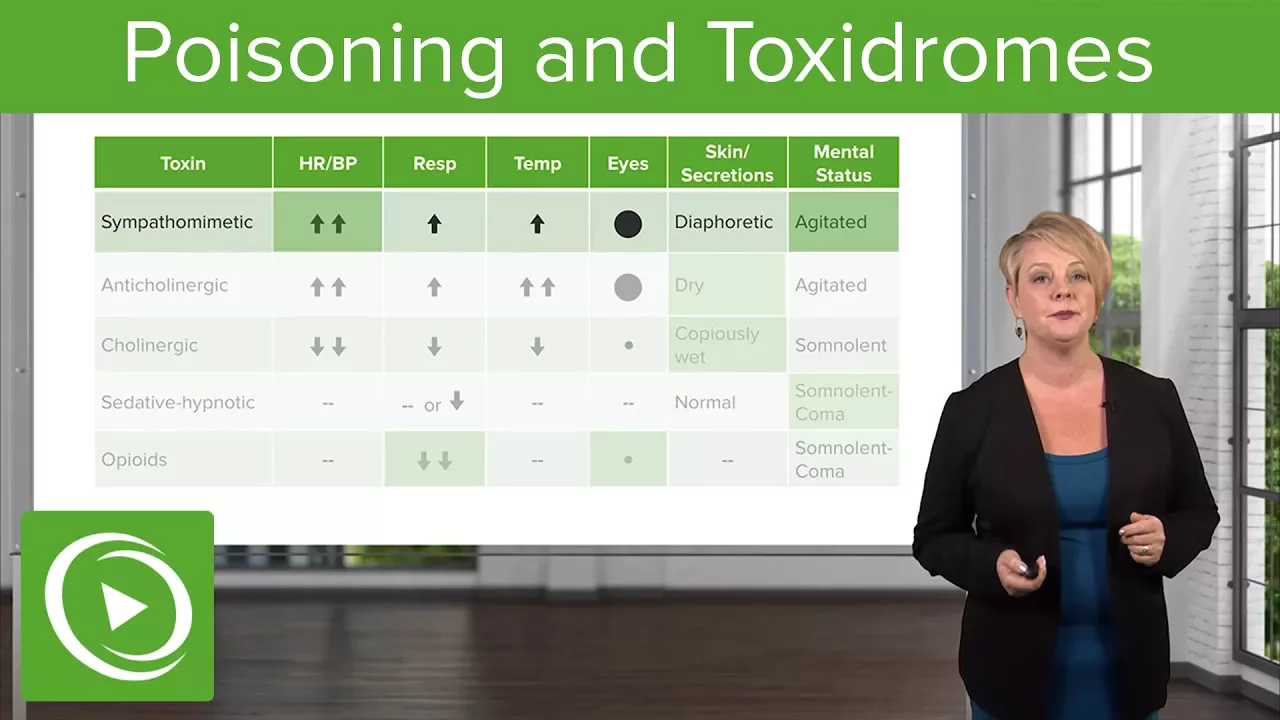
Differential diagnosis of other life-threatening hyperthermic syndromes, including Malignant Hyperthermia and Anticholinergic Toxicity.
Clinical guidelines for safely washing out, switching, or cross-tapering serotonergic and dopaminergic medications to prevent these syndromes.
Critical care management protocols for patients experiencing severe autonomic instability and rhabdomyolysis.
93.5K views1.3Klikes6:29Original Release: 2021-11-19
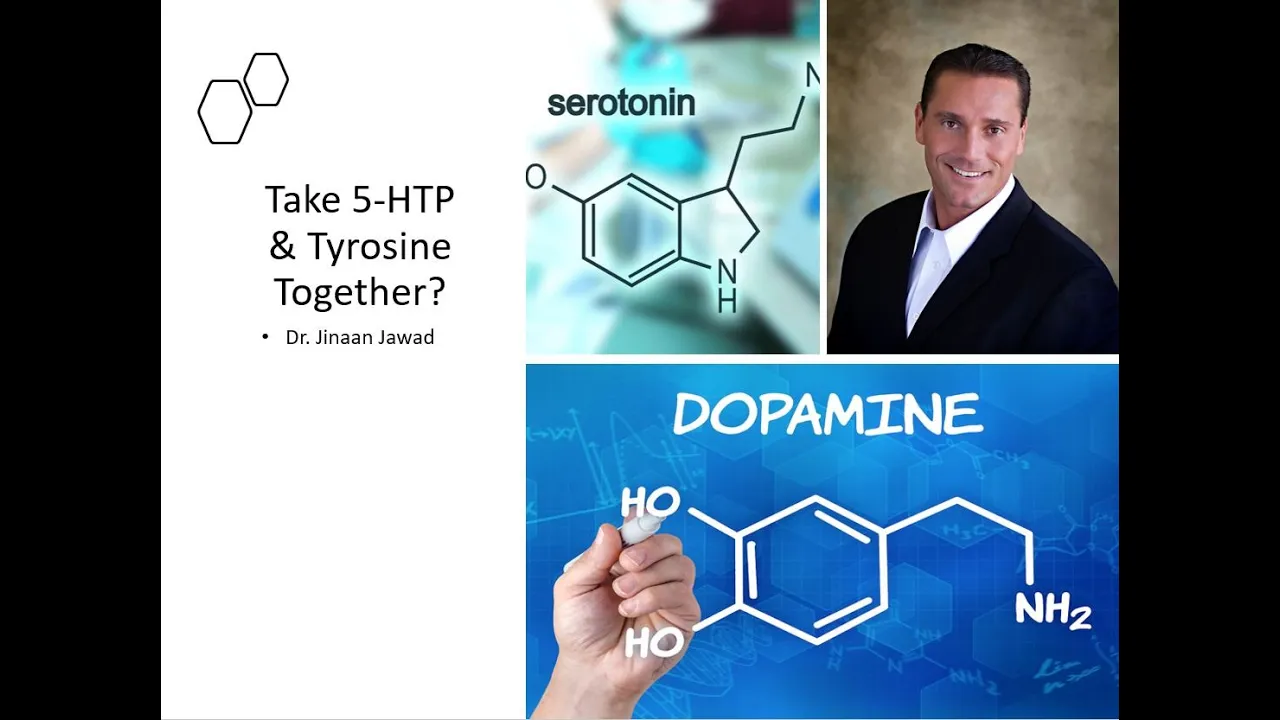
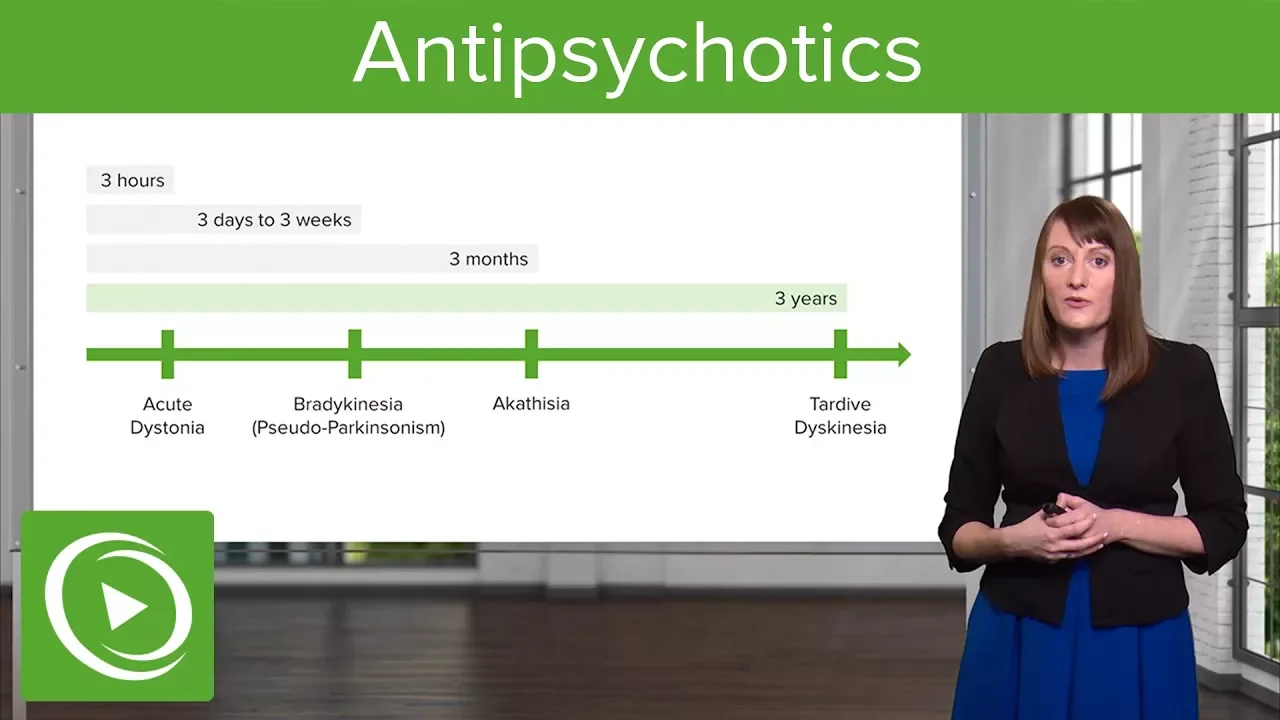
oh syndrome is a condition involving over-activation of the serotonergic system and it's associated with use of serotonergic medications we're going to go through some of those serotonergic medications in a moment so if you look at this image here we're not going to get into all the details of the serotonin pathway but if we look here this is serotonin if very high levels of serotonin are present it's going to lead to changes to regulation of several functions including mood appetite sleep and attention and changes to regulation of gastrointestinal motility thermoregulation and platelet functioning with regards to neuroleptic magnet syndrome this is a life-threatening condition associated with the use of dopamine receptor antagonist medications or abruptization of dopaminergic medications we're going to also talk about those in the next slide so neuroleptic malignant syndrome has to do with excessive dopamine or d2 receptor antagonism and this excessive d2 receptor antagonism occurs in certain parts of the brain including the nigrostriatal pathway which is involved in movement it also occurs in the hypothalamus which changes the set point or the body's temperature set point which can lead to a fever and then also occurs in the spinal cord so as we can see there are already major differences in the pathophysiology behind these two conditions now there are differences in medication uses as well with regards to serotonin syndrome it has to do with the ssris or selective serotonin reuptake inhibitors the monoamine oxidase inhibitors or maois which are going to carry some of the highest risk of causing serotonin syndrome and then the tca antidepressants but it can also be due to a combination of serotonin antidepressants so if you're on an ssri and you start taking a tca antidepressant for another reason this can increase the risk for serotonin syndrome or it can be due to a concomitant use of other medications including the supplement st john's wort antibiotics like linezolid or separofloxacin cough medications like dextromethorphan and pain medications like tramadol and mepyridine all of these can interact with some of these other medications we talked about before to increase the risk of serotonin syndrome and then in neuroleptic malignant syndrome neuroleptics are involved neuroleptics are antipsychotic medications so typical antipsychotics first generation antipsychotics like haloperidol are going to be implicated in this condition but we can also see certain other medications like the atypical antipsychotics which are clozapine and respiraton and quatipine with neuroleptic malignant syndrome anti-dopaminergic anti-medics can also play a role and withdrawal of dopamine antagonist medications particularly the medications that are used to treat parkinson's disease like levodopa if it is withdrawn rapidly this can also lead to neuroleptic malignant syndrome so there are a different set of medications that can lead to both of these conditions so those can help with the background as to figuring out whether a patient has serotonin syndrome or neuroleptic malignant syndrome but what about the signs and symptoms how do they differ serotonin syndrome has what is called the serotonin syndrome triad which is mental status changes autonomic hyperactivity which involves fever hypertension and tachycardia neuromuscular abnormalities like clonus and gastrointestinal symptoms like diarrhea nausea and vomiting and abdominal pain whereas neuroleptic malignant syndrome has fever autonomic hyperactivity so also including hypertension and tachycardia rigidity and this is a severe rigidity which is also known as lead pipe rigidity and also mental status changes but there are particular laboratory findings that can also occur with nms and these include elevated creatine kinase and leukocytosis or an elevated white blood cell count so you can see that there are many similarities between these two conditions this is why these two conditions are oftentimes compared between each other so how do we actually remember which is which how do we know from a clinical picture which condition may be occurring there are a couple of ways to remember each of these conditions with regards to serotonin syndrome the main categories of symptoms can be remembered by the mnemonic man m for mental status changes a for autonomic hyperactivity and n for neuromuscular abnormalities and with regards to neuroleptic malignant syndrome it can be remembered by the mnemonic farm f for fever a for autonomic dysfunction r for rigidity and m for mental status changes so we can already see that there are still many different similarities between these two conditions but what are the differences how can a student for instance determine what condition might be occurring based on symptoms alone so there are going to be a couple of different important differences with each of these conditions with serotonin syndrome we're going to see clonus clonus is going to be something that's going to occur with serotonin syndrome you can remember the multiple s's in serotonin syndrome cloneness there's an s in clonus clonus serotonin syndrome and then we can also see it with gastrointestinal symptoms like diarrhea these are going to be the most important way to distinguish between whether a patient has serotonin syndrome or neuroleptic magnet syndrome with regards to neuroleptic magnet syndrome rigidity is going to be very important with neuroleptic lining syndrome so remembering the mnemonic farm r is in firm so rigidity is going to be a characteristic hallmark finding of neuroleptic magnet syndrome which is not going to be typical for serotonin syndrome so rigidity for neuroleptic malignant syndrome and laboratory findings are going to be key for neuroleptic malignant syndrome these including increased creatine kinase increased ast and alt and increased white blood cell count or leukocytosis so those findings bolded in red are going to be the significant differences between these two conditions clonus and diarrhea for serotonin syndrome rigidity and laboratory findings like increased creatine kinase for neuroleptic lining syndrome if you want to learn more about these conditions please check out my full lessons on these topics and if you haven't already please like and subscribe for more lessons like this one thanks much for watching and hope see you next
Up Next
13:48
Alcohol Metabolism & Methanol Poisoning | Fatty Liver, Hypoglycemia, Fomepizole
@stomponstep1989
57.7K views•2014-06-11

48:47
Graphic Medicine: Comics for Collaborative Healthcare Communication
@nationalpatientadvocate
189 views•2023-12-04

10:28
Neuroanatomy: Central and Peripheral Nervous System Divisions Explained
@AKLECTURES
136.2K views•2014-09-20
3:05
Stages of Labor and Vaginal Birth | Childbirth Animation
@nucleusmedicalmedia
52.1M views•2017-08-18
Related Study Plans & Knowledge Roadmaps
Structured learning paths in Medicine
medicine
Abnormal LFTs: Diagnostic Workup & Pathology
01Liver Anatomy and Basic Physiology
02Introduction to Liver Function Tests (LFTs)
03Hepatocellular vs. Cholestatic Patterns
+ 3 more learning modules
12h6 modules
Explore Roadmap
medicine
Analyzing Blood Smears: RBC, WBC & Platelets
01Introduction to Blood Components & Smear Preparation
02Normal Morphology of Blood Cells
03Erythrocyte Pathologies & Morphological Variants
+ 2 more learning modules
12h5 modules
Explore Roadmap
medicine
Mechanical Ventilation: Waveforms & Alarms
01Anatomy and Physiology of Breathing
02Introduction to Mechanical Ventilation & Core Modes
03Ventilator Settings and Waveform Interpretation
+ 2 more learning modules
12h5 modules
Explore Roadmap
medicine
Neuro Exam: Localization & Stroke Syndromes
01Foundations of Neuroanatomy and Vascular Supply
02The Neurological Examination: Step-by-Step
03Principles of Neurological Localization
+ 3 more learning modules
18h6 modules
Explore Roadmap