


















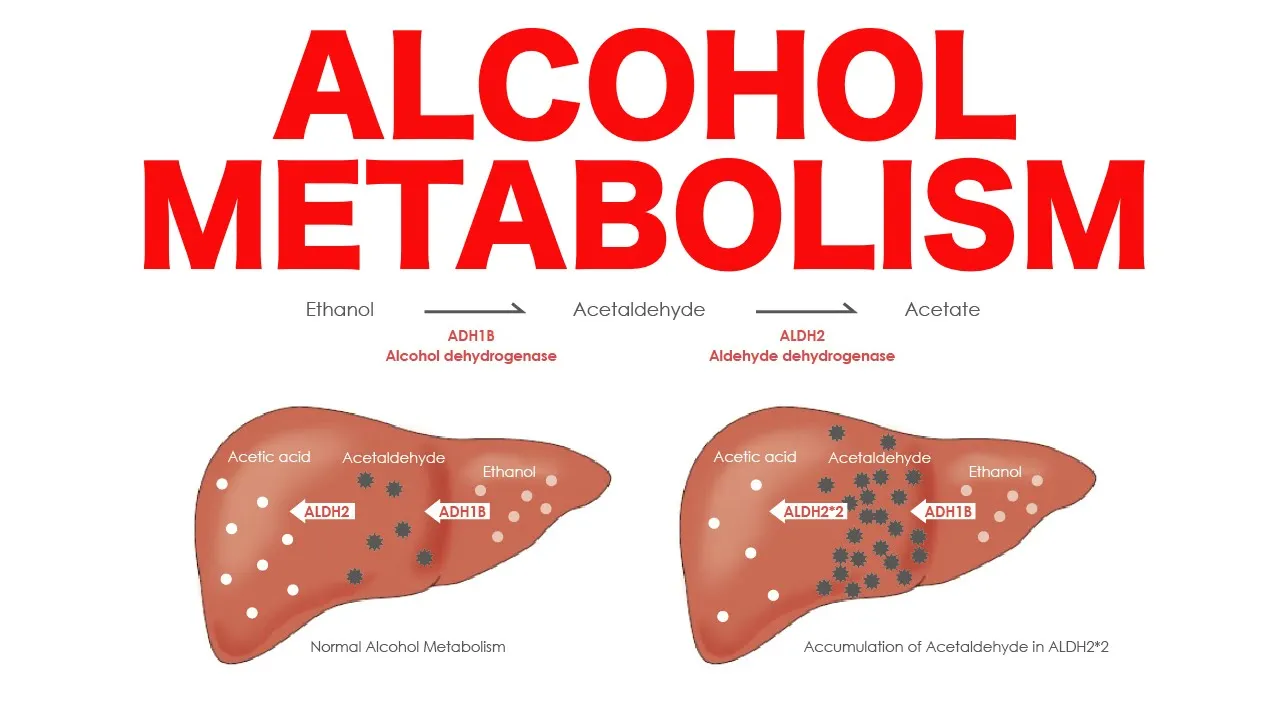


Ethanol is metabolized by alcohol dehydrogenase to acetaldehyde, then by acetaldehyde dehydrogenase to acetate; this process generates NADH which disrupts normal metabolism by decreasing gluconeogenesis and fat oxidation while increasing anaerobic glycolysis, leading to hypoglycemia, lactic acidosis, and fatty liver changes. Methanol poisoning is treated with fomepizole (which inhibits alcohol dehydrogenase) or ethanol (which competitively inhibits the same enzyme), preventing the toxic conversion of methanol to formaldehyde.
Alcohol Metabolism & Methanol Poisoning | Fatty Liver, Hypoglycemia, Fomepizole
Added:Basic enzymatic biochemistry, specifically how dehydrogenases function and the role of NAD+/NADH cofactors in cellular redox reactions.
The metabolic pathways of glycolysis, gluconeogenesis, and the citric acid (Krebs) cycle, including how they are regulated by the cellular energy state.
Fundamentals of lipid metabolism, particularly fatty acid synthesis and beta-oxidation within the liver.
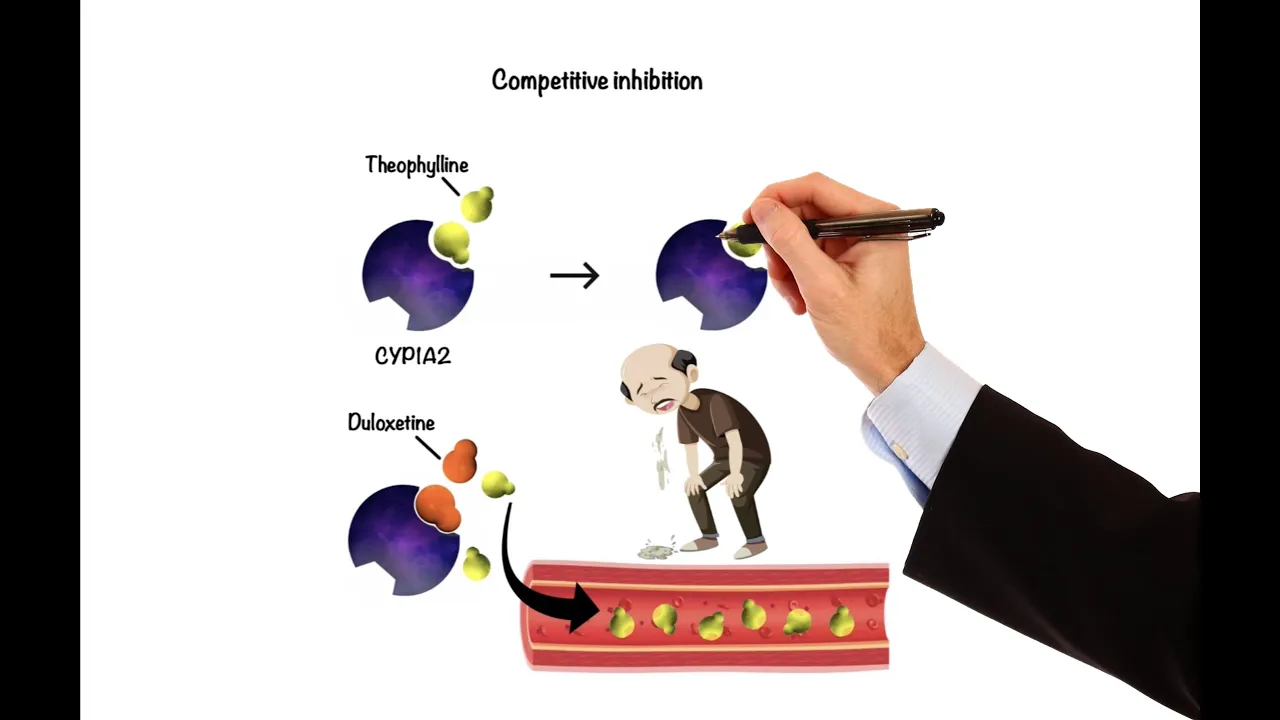
The concept of competitive inhibition in pharmacology, where different substrates compete for the same enzyme active site.
Clinical diagnosis and management of toxic alcohol ingestions, including calculating the anion gap and osmolar gap in an emergency setting.
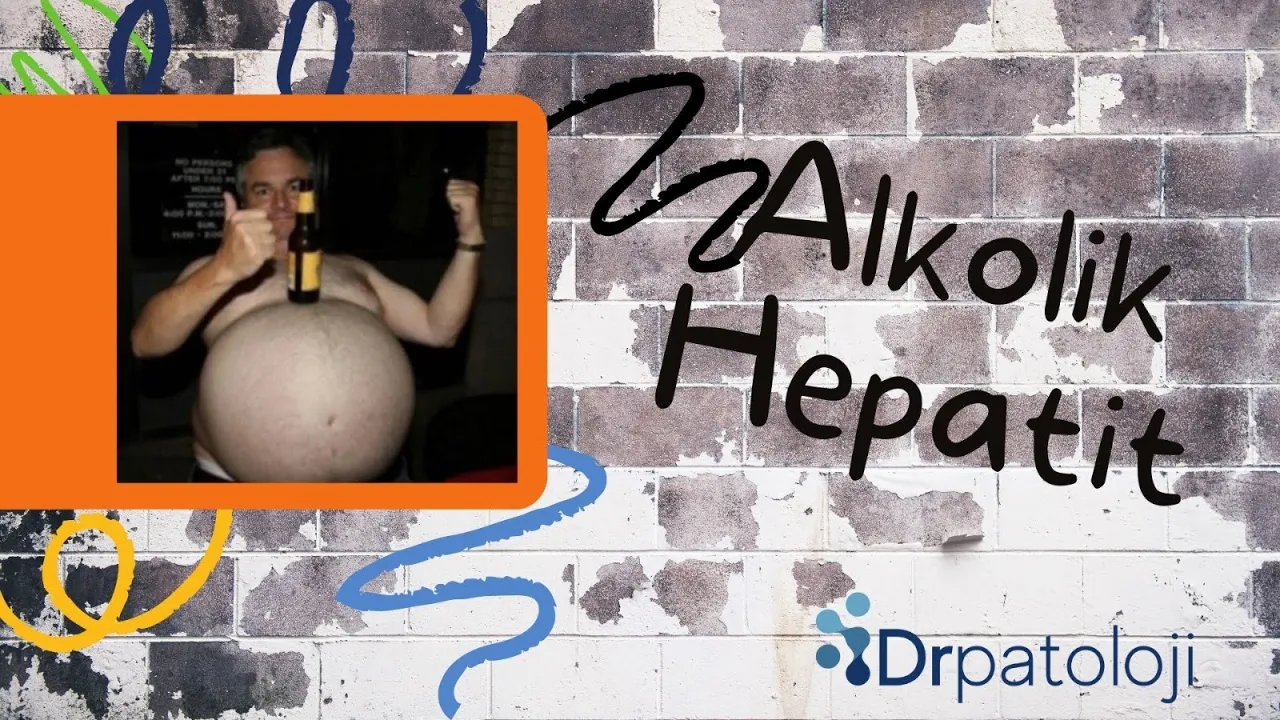
The progression of alcoholic liver disease, tracing the pathophysiology from steatosis (fatty liver) to alcoholic hepatitis and irreversible cirrhosis.
The biochemical pathophysiology of high anion gap metabolic acidosis (HAGMA) induced by toxic metabolites like formic acid and glycolic acid.
Pharmacological treatments for alcohol use disorder, such as the mechanism of Disulfiram (Antabuse) in inhibiting aldehyde dehydrogenase.
57.7K views649likes13:48Original Release: 2014-06-11
distinguished future Physicians welcome to stop on step one the only free video series that helps you study more efficiently by focusing on the highest yield material in this video I'm going to be covering alcohol metabolism methanol poisoning and the effects of either binge drinking or alcoholism this is the second video in my series of six videos covering the biochemist section I encourage you to check out all the other ones when you are done with this video we will start with alcohol metabolism and you can see here at the top right corner I give it a high yield rating of Two And for those of you who don't know what the high yield rating is it's a scale from 0 to 10 giving you a rough estimate for how important each topic is for step one and if you want to learn more about that you can go to my website here alcohol and Metabolism obviously you're going to start with ethanol which is just fancy name for drinking alcohol it's going to be broken down by two different steps to give you acetate and acetate is harmless byproduct so this is why we can drink a certain amount of alcohol and be fine now this first enzyme in the pathway is called alcohol dehydrogenase and it turns ethanol into aceta alahh the second step in the process is converting aceta alahh to acetate using the enzyme aceta alahh d dehydrogenase we will see in the pharmac kinetics section that alcohol dehydrogenase is an example of an enzyme with zero order elimination that means it eliminates a constant amount of alcohol per hour per any unit of time regardless of how much we can assume this is why it can take people a long time to sober up after drinking a whole bunch because no matter how much you drink this enzyme is still only taken care of a little bit out of a Time so when you drink a whole bunch of ethanol you're going to have intoxication and other effects of having excess ethanol in your body depending on the situation having those intoxication symptoms may actually be your goal there are also other effects to drinking in excess and this is partially due to the fact that alcohol dehydrogenase can work a little bit faster than aceta alahh dehydrogenase so what happens when you're drinking a ton of ethanol is you're sort of maxing out those two enzymes and what happens is you end up getting aceta alahh built up and aceta alahh can create problems because when it's in excess it causes some of the hangover symptoms that most of you are probably pretty familiar with obviously hangovers and intoxication are not the only effects of alcohol especially when you're drinking very frequently now a lot of these other effects are related to nadh and and you can see here that both of these steps in alcohol metabolism create nadh nadh is an electron transporter that you probably remember from your different biochim sections on glycolysis and glucogenesis and TCA cycle all that kind of stuff when nadh is present it signals the liver cells that there is ample energy present The increased amounts of nadh are going to Signal a host of different changes in the body the first being that you're going to have decreased glucose creation or decreased gluconeogenesis and increased glucose breakdown or increased glycolysis this means you're not going to have a whole lot of sugar in the in the body and that can lead to severe hypoglycemia or alcoholic hypoglycemia and obviously the brain needs sugar to function so when it's severe this can lead to a loss of consciousness another effect of having a high amount of nadh as a signal is that you're going to use up a lot of your pyruvate and convert that to lactate instead of using it to create energy or sugars this means you're going to be going through a lot more anerobic glycolysis than normal and you're going to end up with lots of lactic acid being produced and lactic acidosis is a type of metabolic acidosis where you have low PH in the blood due to an excessive amount of lactic acid building up finally the nadh signals will also lead to to decreased fat breakdown or decreased fat oxidation and increased fat synthesis this is most clearly seen in the liver where you're going to see fatty change of the liver and this fatty change can cause a bunch of other problems because as the fat accumulates in these liver cells it's going to cause inflammation and that inflammation can damage the liver cells and lead to things like therosis the buildup of nadh is exacerbated if you're consuming large quantities of alcohol and not eating anything if you're eating stuff with alcohol you're at least going to offset some of those effects and decrease that nadh to NAD plus ratio it can be a little tricky to remember the effects of alcohol consumption and the effects of nadh so I I created this little pneumonic which I hope will help you remember these things as well so first off I just imagine a half full beer bottle you can also think of it as a half empty beer bottle depending on how pessimistic medical school has made you and then I use each letter in half to remind me of what's going on here so the H is going to be for hypoglycemia a is going to be for acidosis L reminds me where most of this is going on the liver and then f is stands for fatty change it is important to be able to recognize the the effects of alcoholism or the clinical presentation of alcoholism and here are some of the most common things you can see as a result of frequent alcohol consumption I'm going to talk about most of these items in more depth in the appropriate section related to whatever organ system it is right now I'm just going to sort of mention these items and point out the association between them and alcoholism which is pretty high yield obviously if people are frequently intoxicated fall and other traumatic injuries are going to be more common and esophageal tears can also end up as a result of frequent vomiting wor niiki corov or vitamin B1 deficiency is also pretty common in Alcoholics as many of them don't consume a balanced diet they're getting a lot of their calories just from alcohol and alcohol does not have all the E vitamins and minerals that you need pancreatitis is also common in Alcoholics hepatitis and curosis of the liver now this is nonviral hepatitis different than like Hep a he B things like that this is just inflammation of the liver that I mentioned earlier was caused by that buildup of fat in the liver cells and over prolong periods of time that inflammation can lead to therosis and other problems and finally if pregnant women consume excessive amounts of alcoholic can lead to fetal alcohol syndrome now my hystology skills leave much to be desired but even I know what this picture is so you probably should too so anytime you see a whole bunch of big white circles like this it's probably going to be fat and that's what this is this is just fat accumulation in the liver cells and as I've mentioned that leads to inflammation and sometimes even necrosis and what that means is those cells are going to be breaking open and spilling out a lot of their contents and that can help us diagnose problems with the liver because when you're going to spill out certain enzymes we can detect those enzymes in the blood where they're usually not supposed to be and usually what we're looking at is a and Al and there's an important correlation to look at here because in viral hepatitis like Hep a hep B hep C you're going to have a higher level of alt than a and when you have alcoholic hepatitis you're going to have a higher a than alt in both cases both enzymes are elevated but you're looking at which one is higher than the other usually you're going to have one is about twice as high as the other one the way I remember this is think that the one with steatosis which is just a fancy name for fatty change of the liver so that's the alcoholic one so the one with steatosis has a higher a so s for steatosis and S for a withdrawal from alcohol is something that also must be considered in your clinical presentations because it can be life-threatening if it's not recognized and handled L correctly most often this is when a person who's a chronic alcoholic suddenly or abruptly stops drinking alcohol for whatever reason a lot of times that can be because they're in the hospital for some other medical condition or a surgery something like that most hospitals don't deliver mixed drinks with their pudding cups so this person who's been in the hospital for a little while all of a sudden is not getting any alcohol so what happens is 2 3 4 days after they been in the hospital they start going through these withdrawal symptoms more mild forms of withdrawal can just show up as agitation or aggression but in severe cases of withdrawal you can even see Tremors seizures tacac cardia confusion and psychosis this more severe set of symptoms is referred to DTS or delirium treemans and that name helps you remember some of the symptoms associated with it so Del room is going to be the confusion and psychosis and tans kind of sounds like tremors so that sort of gets you to Tremors and seizures the treatment for DTS is benzo and I'll talk more about benzo in the pharmacology section the best treatment for alcoholism is some sort of 12-step program like Alcoholics Anonymous but in some patients this isn't going to be enough so you're also going to try to add a drug called dulam now dulam inhibits the enzyme aceta alahh dehydrogenase this is the same enzyme that we talked about earlier it's the second enzyme in this pathway of ethanol so what happens when you inhibit aceta alahh dehydrogenase is aceta alahh built up really quick and those same hangover symptoms end up coming on a lot quicker somebody who used to be able to drink a whole 12pack without getting sick now may get sick after taking only a couple sips essentially your trying to give the person a really bad hangover on purpose to dissuade them from drinking however this drug isn't always effective it has a relatively low compliance rate which would make sense how often would you want to take a drug that really can only make you sick patients considering drinking can think ahead and just not take their drug for that day so they can avoid the consequences of drinking dulam intentionally gives people these hangover symptoms after alcohol consumption but other drugs sort of accidentally have the same effect as a side effect a lot of times this is described as having a doram like effect and the most famous example of this would be metronidazol so that's the one that's most important for knowing for step one and when somebody's on one of these drugs you want to make sure they're not going to drink because they're going to have these same really bad hangover effects now we can switch gears and talk about methanol and methanol poisoning methanol is a component of things like anifree paint thinner moonshine certain types of fuel and it's consumed accidentally more often than you might think it can be consumed by kids who really don't know better or it could be consumed by adults who mistake it for alcohol because it sort of smells and looks similar to alcohol and when you have methanol poisoning it can lead to blindness death and a whole lot of other things here is the breakdown pathway for methanol and this should look familiar because it is similar to the ethanol pathway they each use alcohol dehydrogenase as the first enzyme in the pathway so they use the exact same enzyme for the first step now the pathway for methanol converts methanol to formalde and that formaly is what causes the problems when somebody is identified as having methanol poisoning what you want to try to do is prevent that formala hide from being created because methanol by itself doesn't really cause any problems it's the falah that's the issue one way we can prevent this falahi from being created is a drug called fasol at least I think that's how you say it but this drug inhibits alcohol dehydrogenase so that means the methanol sticks around and it doesn't get converted to heraldy which causes all the issues another option is to basically just get the patient drunk since methanol and and ethanol or regular alcohol use the same enzyme if you give them a bunch of alcohol that'll competitively inhibit methanol they'll both be fighting to use the same enzyme this means that a lot less methanol will be metabolized and you'll end up with a lot less from Malahide
Up Next

7:57
Cyanide Poisoning: Mechanism, Diagnosis, and Antidote Treatments
@klossandbruce3897
71.4K views•2015-09-12

48:47
Graphic Medicine: Comics for Collaborative Healthcare Communication
@nationalpatientadvocate
189 views•2023-12-04

10:28
Neuroanatomy: Central and Peripheral Nervous System Divisions Explained
@AKLECTURES
136.2K views•2014-09-20
3:05
Stages of Labor and Vaginal Birth | Childbirth Animation
@nucleusmedicalmedia
52.1M views•2017-08-18
Related Study Plans & Knowledge Roadmaps
Structured learning paths in Medicine
medicine
Abnormal LFTs: Diagnostic Workup & Pathology
01Liver Anatomy and Basic Physiology
02Introduction to Liver Function Tests (LFTs)
03Hepatocellular vs. Cholestatic Patterns
+ 3 more learning modules
12h6 modules
Explore Roadmap
medicine
Analyzing Blood Smears: RBC, WBC & Platelets
01Introduction to Blood Components & Smear Preparation
02Normal Morphology of Blood Cells
03Erythrocyte Pathologies & Morphological Variants
+ 2 more learning modules
12h5 modules
Explore Roadmap
medicine
Mechanical Ventilation: Waveforms & Alarms
01Anatomy and Physiology of Breathing
02Introduction to Mechanical Ventilation & Core Modes
03Ventilator Settings and Waveform Interpretation
+ 2 more learning modules
12h5 modules
Explore Roadmap
medicine
Neuro Exam: Localization & Stroke Syndromes
01Foundations of Neuroanatomy and Vascular Supply
02The Neurological Examination: Step-by-Step
03Principles of Neurological Localization
+ 3 more learning modules
18h6 modules
Explore Roadmap