






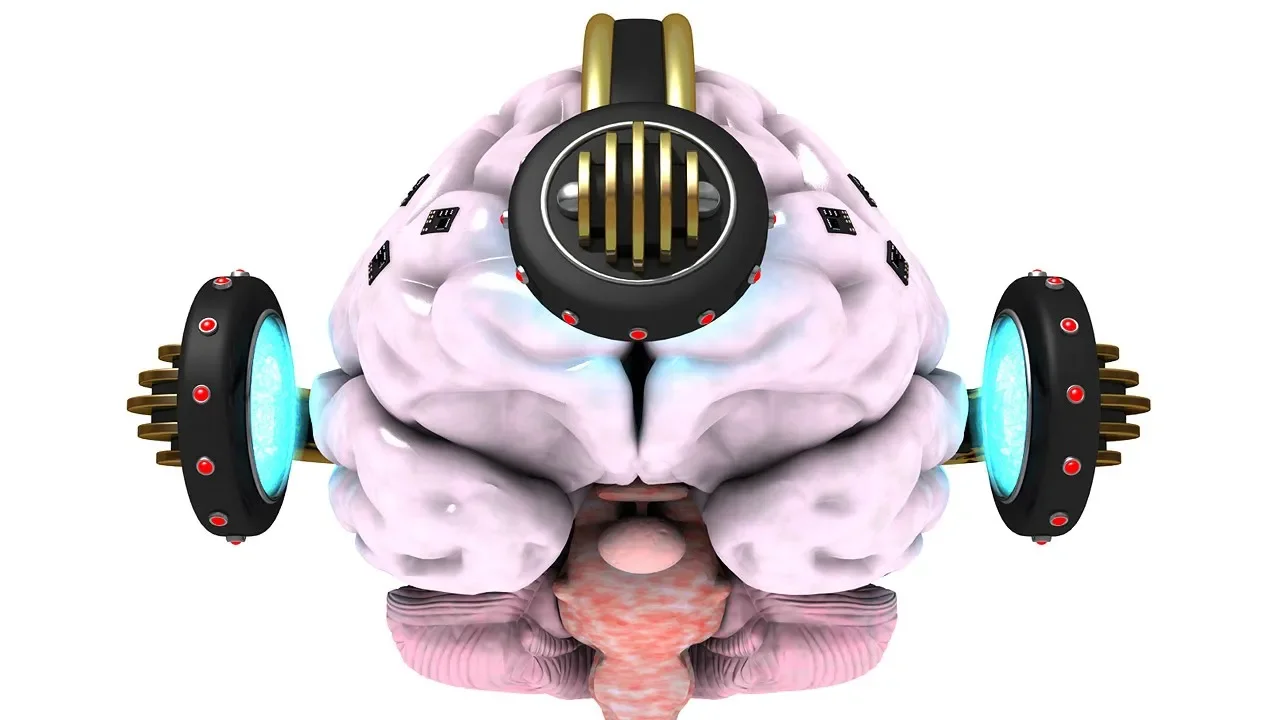














Brain-computer interface (BCI) technology enables direct neural control of robotic avatars, allowing users to remotely operate robots with amplified physical capabilities such as increased strength and dexterity. This technology bridges the mind to remote robotic systems, enabling users to feel what the robot is touching through haptic feedback and control it with natural body movements. The systems range from industrial applications like warehouse stacking and remote surgery to experimental setups where individuals can regain sensory feedback through BCI implants.
Remote-Controlled Robot Avatars: A VR Technology Overview
Added:Fundamentals of Virtual Reality (VR), including head-mounted displays (HMDs), spatial tracking, and the concept of presence.
Basic principles of teleoperation and robotics, specifically how sensors, actuators, and control loops interact.
The mechanics of haptic feedback, including how force and tactile sensations are digitally simulated and rendered to the user.
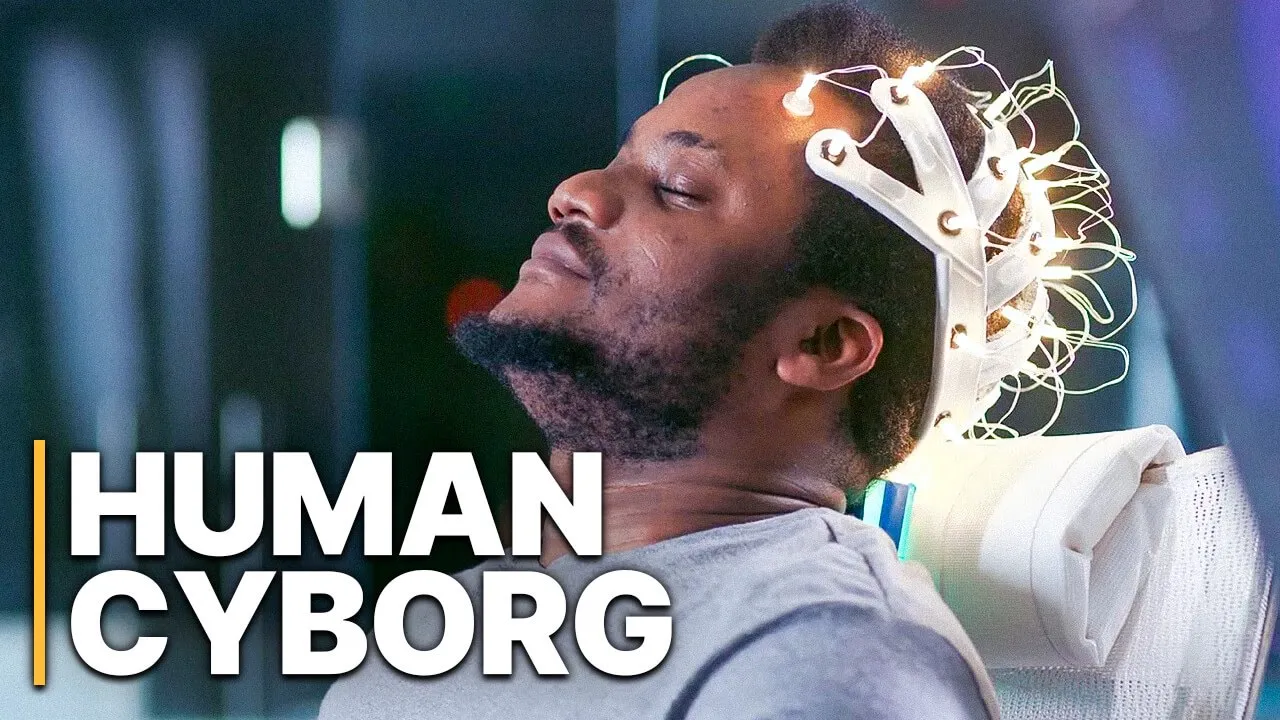
Introductory concepts of Brain-Computer Interfaces (BCIs), such as how electroencephalography (EEG) translates neural signals into device commands.
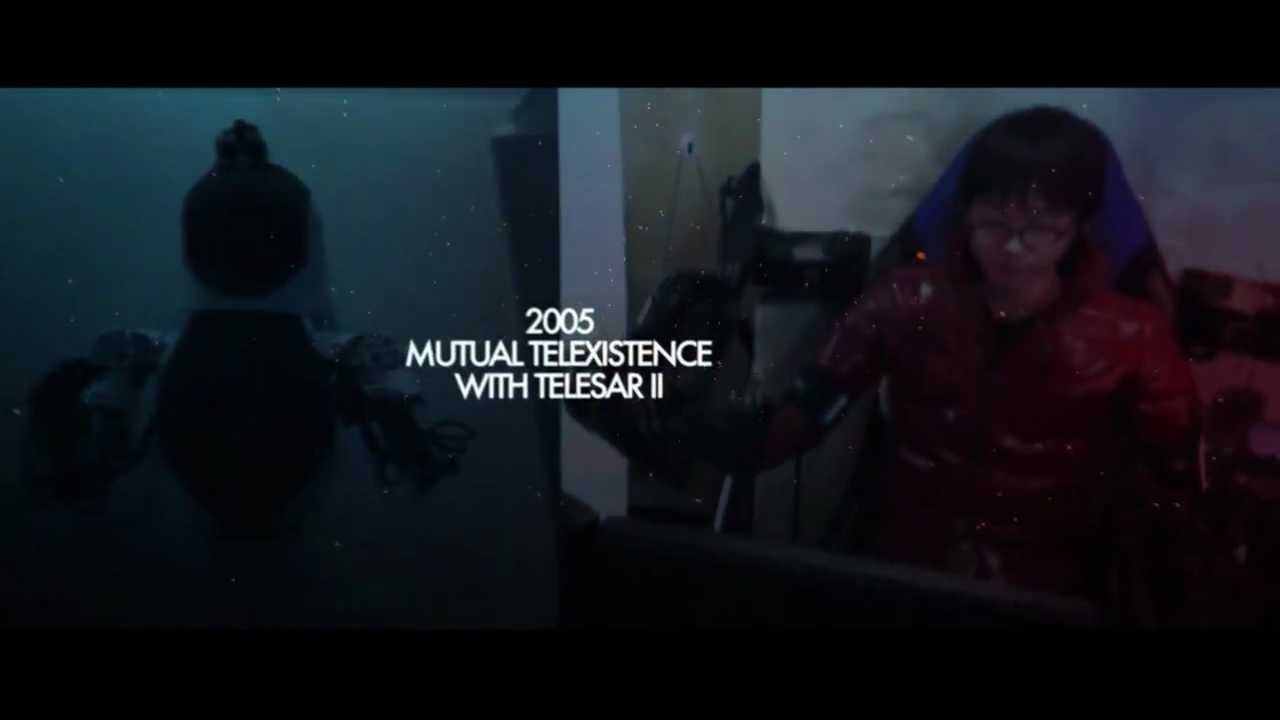
Advanced Telexistence systems and the engineering challenges of bilateral control loops to minimize latency and packet loss.
Machine learning applications in neural decoding, allowing for more intuitive and predictive BCI-to-robot translation.
The cognitive and psychological effects of avatar embodiment, such as the Proteus effect and virtual body ownership.
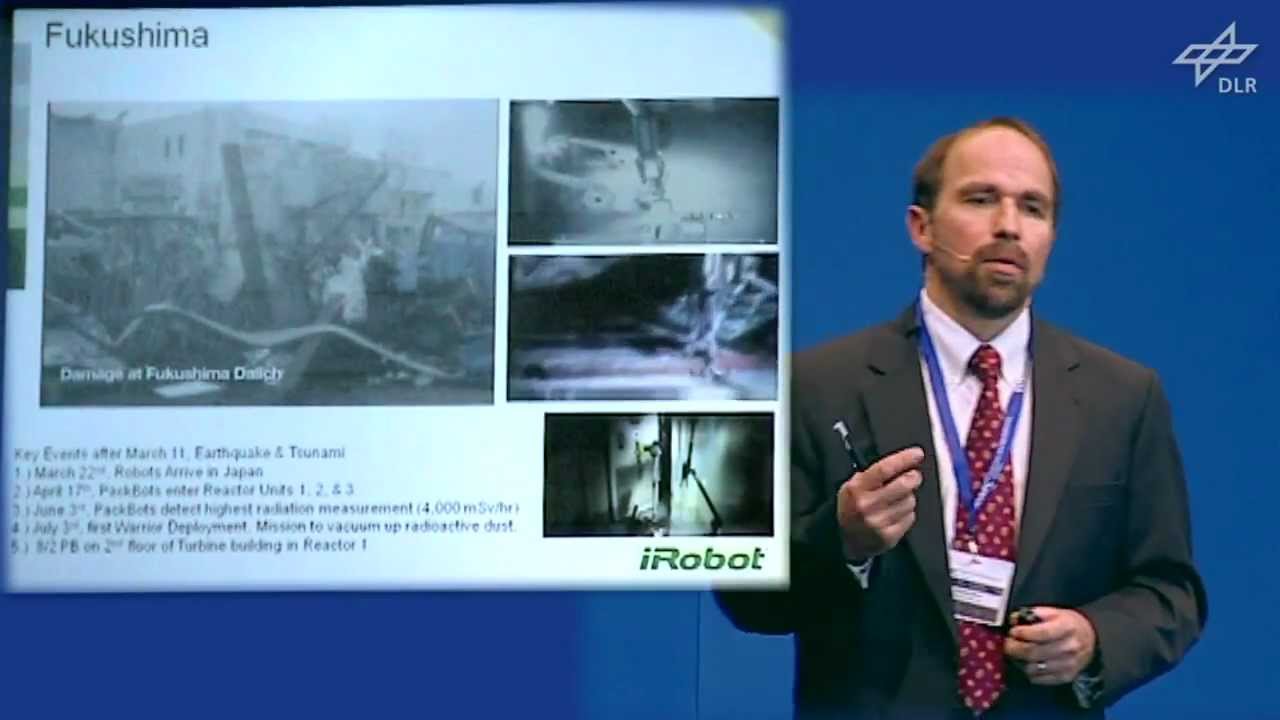
Real-world deployments of avatar robotics in hazardous environments, including space exploration, deep-sea salvage, and disaster response.
20.9K views628likes6:51Original Release: 2021-08-08
there's a new type of technology emerging which takes robotics to the next level known as avatar robotics this new innovation gives the user amplified abilities which range from increased strength to perfected dexterity the amazing point about this technology is that it's very early in development and in the future it actually might be possible to bridge the mind to remote systems software institutions have already developed artificial skin which can respond to painful stimuli in the same way as real skin but the ultimate connection would somehow be a direct link to the brain now there are some very primitive brain implants which can do this already but a groundbreaking system would probably be able to remotely fire neurons now if these technologies all pan out the future is going to be a really weird place because you would be able to directly link to another body or even another life form but getting back to this reality there are some really amazing projects which are happening right now so let's take a look at some of the most amazing remotely controlled robots one of the earliest pioneers is the th r3 and this was revealed by toyota a few years ago just like many of the vr controlled robots out there this one allows the user to remotely move its upper body it does have a few new updates including a master hand controller which executes more delicate tasks with individual finger control it also has haptic feedback so the user can somewhat feel what the robot is holding ground controllers also allow the user to walk around but this type of system will likely be upgraded to a more modern vr interactive device maybe something like the holochon where users can have a full force feedback system so there really is no limitation to the type of control you can have over these types of robots the next position might seem a little bit counter-intuitive and it's called the model t now this particular stacker is directly controlled by a human using a stock standard vr setup which means that it can be operated anywhere in the world the model t has around 22 degrees of freedom and a latency of around 50 milliseconds which is pretty decent for remote operation trials are already being performed and the model t should be utilized in about 20 stores next year now this does bring up a lot of questions because a human is doing the work anyways and it does make you wonder if they would outsource the labor to a different country and pay pennies on the dollar so there definitely would be a balance between labor and equipment costs but a larger variant in a warehouse or even a work site might actually prove to be very useful at number five the guardian xt sarcos is at the forefront for developing high-end robotic platforms they have built very impressive remote controlled vehicles including the guardian gt but now the company has built the xt which works on the progressions made from its predecessors this variant is great for using a variety of power tools at extreme heights so the user wears a suit and a headset and operates the platform from the ground now the xt is still very early in trials but visual tech such as ar or even xr can take this type of platform to the next level so it's going to be very interesting to see where the company takes this in the next couple of years number four the melting beta this particular company is once again from japan and they focus on cybernetic technology to transcend physical limitations one of their older models use cable driven operating mechanisms it was definitely impressive but their latest variant utilizes the same mechanism but with a higher degree of accuracy it also has increased mobility haptics gripping strength and freedom this allows for a wide diversity of applications and it helps supplement labor shortages which is presented by aging populations the mountain has already been extensively tested and the company plans to mass-produce a model within the next couple of years at number three the cmr surgical robot billions of people do not have access to safe and affordable surgical care so this new type of robot might be able to fix this problem because the surgeon can be in a completely different part of the world and still perform remote surgery on the patient now cmr surgical develops some of the most impressive robotics out there and it contains a set of arms which can be controlled by the surgeon who basically sits at a 3d vision console he has a direct vision input and can manipulate any of the arms at any given time theoretically this type of control can be scaled and offer a higher degree of precision to the operator and number two the gemini series this newest variant kind of looks like a praying mantis on tracks it can lift 90 pounds till 400 pounds and achieve an 8 mile per hour speed now this is all operated by a full body motion control suit which emerged from the company's research in vr motion capture and controller interfaces the suit allows the user to hear visualize and control the robot as an extension to themselves once again this is a very good company to follow as they are consistently coming out with new variants every year the robots we have covered so far have excellent input control but the brain functions bi-directionally so you need to be able to feel what the robot is feeling for maximum accuracy now a very interesting project presented by the university of pittsburgh and upmc has allowed nathan copeland to become the first individual to regain the sense of touch due to a bci implant in a haptic feedback system electrodes in its motor and sensory cortex allow him to move this robotic arm with touch feedback meaning that he can feel what the robot is touching and this has dramatically increased his response time the team also believes that they can improve this system through more trial runs so the stuff i said at the beginning of the video is not really crazy at all and it actually is possible to control systems and actually feel outside of your body at number one the jinky type zero the fun fact about robot avatars is that you can build them as big as you want now this particular machine is roughly 20 feet tall and it gives you basically super powers the machine has three fingers on each hand so it can grab and manipulate objects hopefully not people do a high degree of accuracy the operator sits in a very complex operator platform with vr goggles so it can see through the cameras on the robot and perform these maneuvers in real time it definitely has method one vibes but for now it's a stationary platform however it does show that there is no limit to robotic avatar technology so once again thanks for watching please like the video if you enjoyed it and also make sure to subscribe to my channel
Up Next

28:43
Master Inverse Kinematics: Denavit-Hartenberg vs Graphical Methods
@bencandamer3312
110 views•2024-07-13

58:25
MathWorks Virtual RoboSub Simulation Environment | Webinar 2026
@RoboNationInc
209 views•2026-03-10

11:04
How to Build a Self-Balancing Robot: Arduino Nano & MPU6050
@easytechzones
16.8K views•2022-03-09
25:22
Micromouse: The Fastest Maze-Solving Robots on Earth
@veritasium
23.5M views•2023-05-24
Related Study Plans & Knowledge Roadmaps
Structured learning paths in Robotics
robotics
Building Delta Robots: Kinematics & Pico
01Foundations of Delta Robots & Mechanical Design
02Electronics and Microcontroller Setup with Pi Pico
03Delta Robot Kinematics and Coordinate Math
+ 3 more learning modules
65h6 modules
Explore Roadmap
robotics
Building Ballbots: Dynamics, Kalman & LQR
01Embedded Electronics & Omniwheel Actuation
02Ballbot Kinematics & Rigid Body Dynamics
03IMU Sensors & Kalman Filter State Estimation
+ 2 more learning modules
42h5 modules
Explore Roadmap
robotics
Micromouse: Hardware, PID Control & Flood-Fill
01Electronics & Teensy Microcontroller Basics
02Sensors and Actuators: Motors, Encoders & IR
03Precision Movement: Implementing PID Control
+ 2 more learning modules
35h5 modules
Explore Roadmap
robotics
CDPR: Kinematics, Arduino & Winch Control
01Foundations of Arduino & Basic Electronics
02Stepper Motors and Winch Mechanics
03Kinematics of 2D Cable-Driven Robots
+ 2 more learning modules
28h5 modules
Explore Roadmap