
![Conoce Secretos y Curiosidades del Cómic [en Francés]](https://i.ytimg.com/vi_webp/k6KybVI-lsg/maxresdefault.webp)
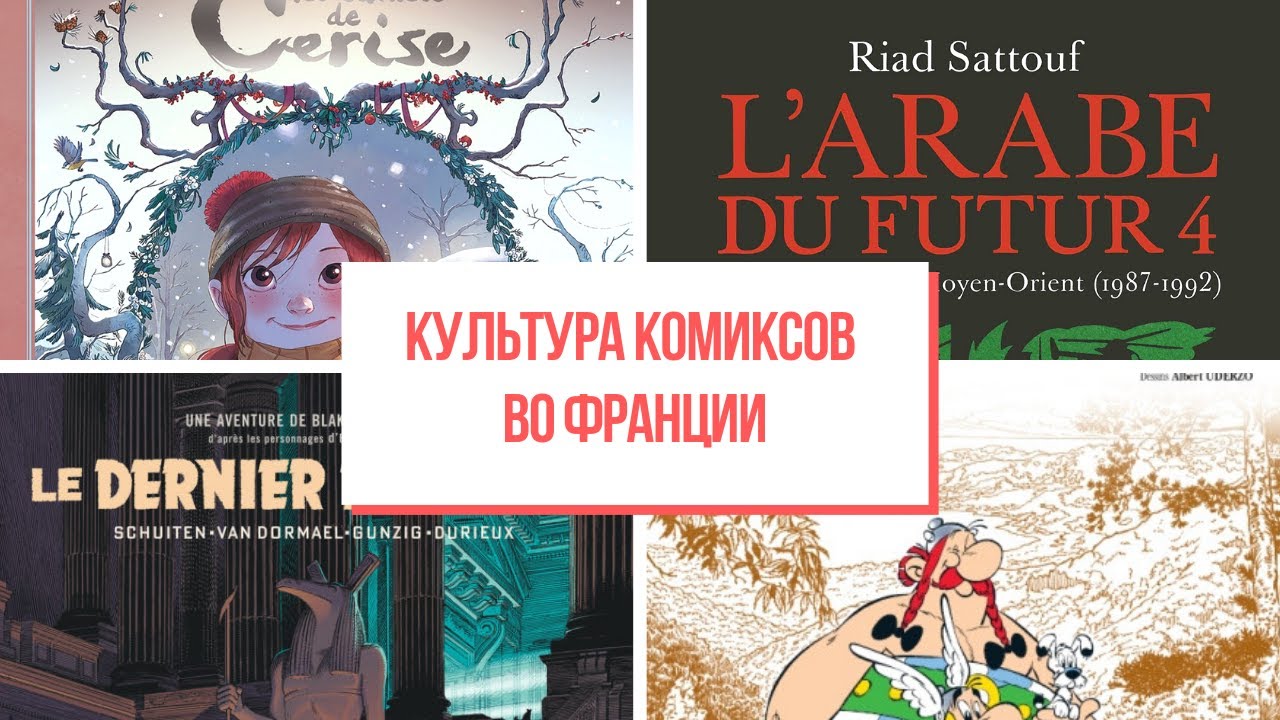



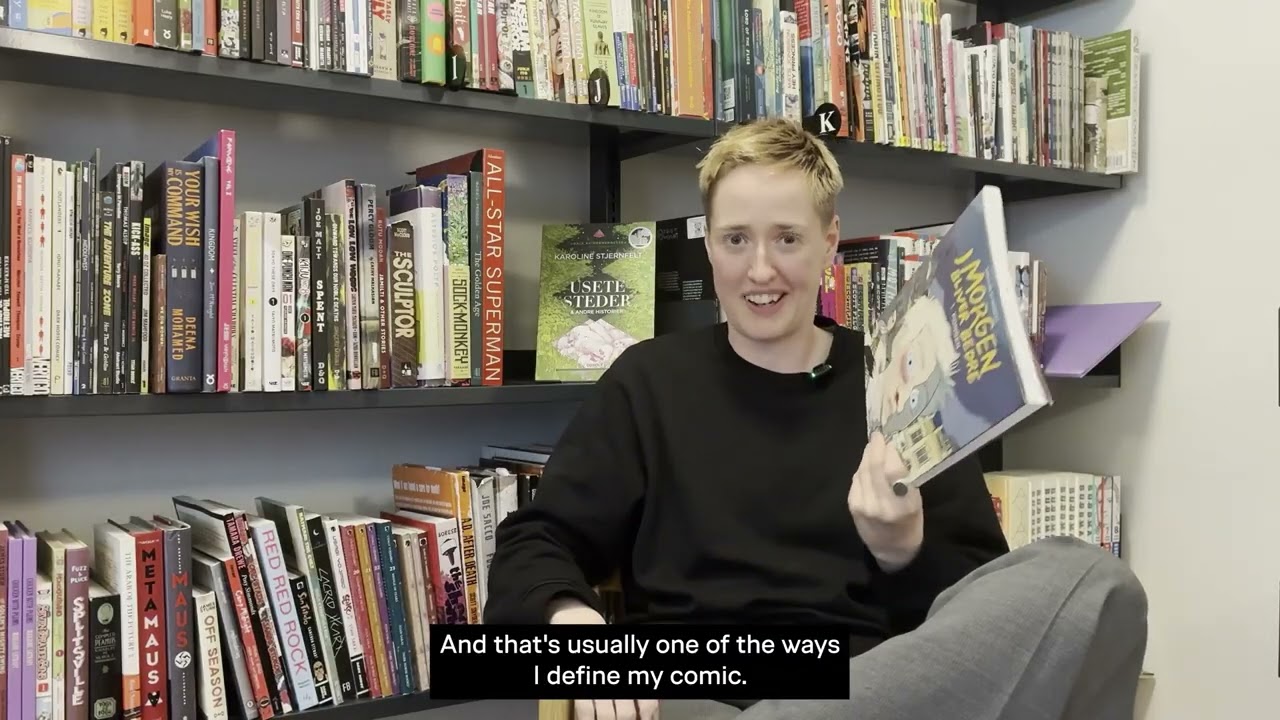













Franco-Belgian bande dessinée (comics) is a legitimate mainstream cultural medium in Belgium, where comics are integrated into the educational system for foreign language training and are considered as worthy of serious academic study as any other literary form. The medium's vitality comes from strong institutional backing, including festivals, museum exhibitions, and government grants for artists, as well as its evolution toward hybrid forms like photo-novels and installation art. A key concept in comics scholarship is the 'story world'—the dynamic relationship between narrative and setting that creators must invent, shape, and reinvent, as demonstrated in the acclaimed series 'The Obscure Cities' by François Schuiten and Benoît Peeters.
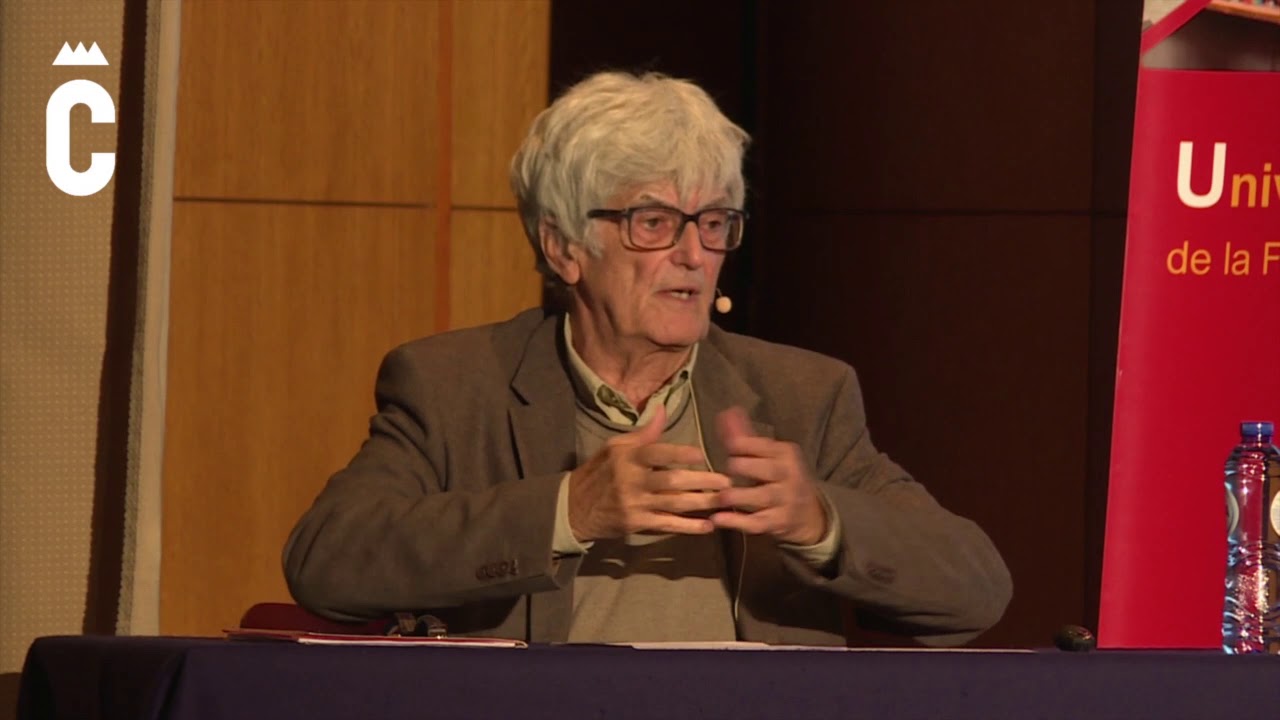
Exploring Franco-Belgian Comics: A Conversation with Jan Baetens
Added:Familiarity with the definition and cultural status of 'Bande Dessinée' (BD) in French-speaking Europe, particularly the concept of comics as the 'Ninth Art'.
Basic concepts of comic semiotics and sequential art theory, such as how panels, gutters, and page layouts construct narrative meaning.
Understanding the distinction between mainstream serialized comic books and the 'graphic novel' or European 'album' format in terms of production and narrative scope.
An introduction to the concept of media materiality—specifically how physical properties (book format, paper quality, printing techniques) shape literary consumption and reception.
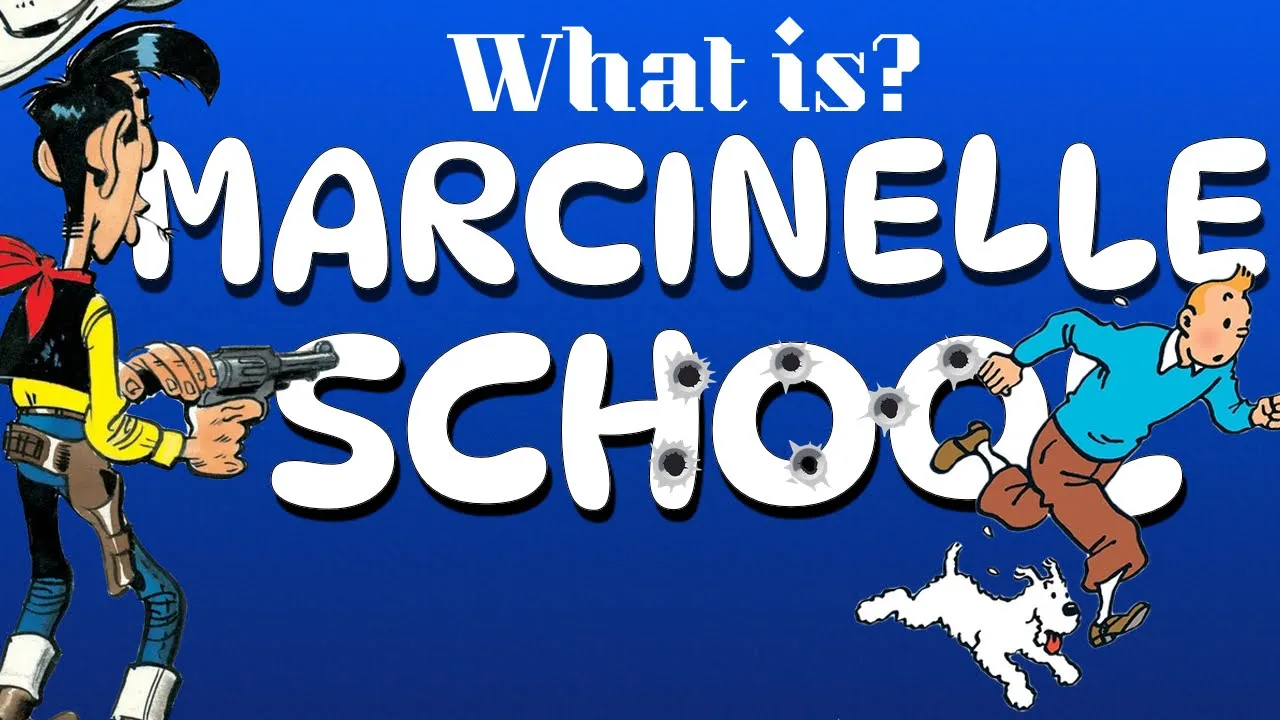
Comparative analysis of major artistic movements within Franco-Belgian comics, such as the 'Clear Line' (Ligne Claire) school versus the Marcinelle school.
A deep dive into contemporary, experimental, and avant-garde European graphic novels, particularly the work of independent publishers and collectives like L'Association.
Examination of how Franco-Belgian comics handle complex historical, political, and autobiographical narratives compared to Anglo-American counterparts.
Researching the economic and sociological structures of the European comic book industry, including the role of cultural subsidies and major international events like the Angoulême International Comics Festival.
172 views1likes1:05:19Original Release: 2020-04-16
[Music] welcome yon batons from blasting in from Europe you're gonna be talking about franco-belgian de cine welcome yon thank you welcome for having me and this I cannot say show but I it feels like a show yes well thank you yes it is it's like the professor Latin X show and you know in this time when we're all kind of locked down I feel like it's a another way for us to connect even if it's not in person it's we can share some of the things that we're thinking about and our our journeys with our students and other listeners and viewers why young research and write on comics and you are one of the pillars of this sort of research this research program also including you know pop culture the whole photo you do so much but tell us like share a little bit like was it you were a child the origin story of Yan and this sort of comics came into your life tell us how you got a bit definitely I learned to say to Rita to write with thanks to comics and it's important to let's say for an American audience it's important to know that to be aware of the fact that in my home country and Belgium comics are not at all considered that same lowbrow of popular cultural medium this perfectly part of mainstream culture it is all over the place and it is perfectly allowed to read it not just as a child as a kid but also as an adult when you read comics for instance in the in the train or whatever or even in class it is considered perfectly legitimate and it is even strongly encouraged life my parents were high school teachers that from the very beginning let's say from age five six on extremely encouraged me to to read comics certainly not considered as something that would let say prevent me from accessing serious or legitimate culture friend and all comics are also have their place and their legitimate way place in the educational system in Belgium comics are for instance used for the foreign language training and in Belgium we are supposed that high school level so the children between or Betsy and Alison's between twelve and eighteen years are supposed to learn at least two that preferably three foreign language languages at different lengths and comics are actively used to to teach French English German Spanish and so on and so forth but that's let's say my first contacts with two it comics I've been reading comics let's see thousands and thousands of comics during my youth I've always continued to do so but there's also the fact from the other completely different point of view that I am teaching in and cultural studies Department where of course the distinction between high and low text an image mainstream non-canonical should not exist and actually doesn't they just not exist at all and that of course is another encouragement to not just to to study to to investigate but also to teach comics of course I try to do it in my way and of course it's difficult to summarize it in just a couple of words but I think that what distinguishes my special take or my own take on commences let's see a kind of combination of only one and I mine as you know it I have a very formalist background and I think that kind of close reading extremely meticulous almost drilling of comics is very important because it also demonstrates that comics can be read as carefully as closely yes for instance a poem by TS Eliot I don't make any difference at that level between a poem by TS Eliot and a good comics page so I think that is one of my let's say one of the elements that distinguish my my special way of doing comics but there's also the fact that I become more and more interested in let's see the issue of what you call an English publication format which means that I try to stress as much as possible the place of comics or the possible links between comics and the discipline that is called book history and then as well is an attempt at least for my board of you to upgrade the study of comics I'm personally convinced that through the study of comics it is possible to initiate students to the to book history which may seem extremely boring from many point of view many points of you and I share let's say that the reluctance to earn to get started with book history as such but to comics these things can become much more liable and and interesting so I try to include in my teaching and study of comics a certain number of perspectives which scene I insist on the word scene the privilege of elite culture namely a strong formalist and historical point of view for me all these things that are not incompatible at all I would even say on the country I have a very holistic point of view of fan of what cultural study should be yon tell me a for our viewers our listeners and viewers a kind of important moment in comics and kind of them the materiality of the comic and I'm sure that the emergence of of comic books in states in the early thirties is really a turning point mmm as it produces a kind of clash or gap between mainstream comics as they were existing in them in the twenties federal kind of adventure Serbs which were targeting and see a kind of general audience general audience being as we say in Europe readers between seven and 77 years old and that will completely changed with the comic books as they were so the new stance extremely cheap and his comic books I think for the very first time in the history of comics were targeting only a very juvenile audience and the tricky thing with comic books is that that it could be bought and read our young readers and say without parental guidance since newspapers were bought by their parents relatives so there was a kind of social control that was still being exerted and that is something that will drop with the comic books where who one notices that said that's not only a neurologist and audience participation but a really kind of becoming independent of a youth audience which starts reading without any parental or educational control and guidance and a big let's say debate debates in the 50s Frederick worth and the seduction of the innocent City are I think direct consequence of that kind of gap between let's call it mainstream comics for a general audience and then the comic books targeting and juvenile audience and it could be juvenile audience since after all what is being shown and told in these comic books this certainly less horrible than what is happening for instance in picture books which can be very horrible as well many fairy tales are absolutely horrible but fairy tales and picture books are always read by the parents or by relatives to younger children so there's the physical presence and hence the physical and see the the direct control of what the children are reading and think which we don't have in in comic books and that is I think a good example of the way in which let's say the publication format can impact not just what is being produced but also the way in which it is being read and the and say the meaning that a society gifts to a certian in this case is superficial yeah thank you yawn of course you know the bond ACA has that long history of being bound like a book and sold in bookstores and so also in that sense a very different material history as you already kind of talked about in your own journey from child to team to adult where it wasn't comics was just a part of your childhood comics or Bondi cine has always been a part of your life my life but really I'm just I'm very representative of let's see the average Belgian if not every European part of you right yeah so let's talk a little bit about some of your many you have so much work that we could talk about but this one I'm particularly invested in selfishly because it's the one that's launching my critical graphics series with Rutgers University Press but there is a very strong sense in your of not just the materiality but also the creator the creator and the importance of the Creator right maybe you can share us a little bit of your work here with rebuilding story worlds yes and once again thank you very much for having accepted my book in your series I would like to congratulate also the work done by red Christian University Press it's really a dream working with them to book reloj get in print in a couple of weeks and I'm really ill greatly waiting for it the story building sorry rebuilding story worlds is a monograph on what is probably the most important European about the scene a serious of the last 30 years it's actually a series that started in 1983 and which finished the serious is closed now and will not be continuing which finished two years ago it is a very not a very strange of curious series but I think a very representative one in the sense that it's a typical author series but the author in question is in a double order there is the visual artist Francois skeleton with a strong background in architecture his father was a famous belgian architect and the script relative storyteller if you want the repeaters was studied with hollow bat in Paris in the seventies so he's a typical and say postmodern writers in Europe and the collaboration between these two these two orders as something very special in the sense that there is not just the collaboration between a storyteller and a visual artist that they really collaborate on all possible aspects of of the comic the sense that the visual artist participates in the writing of the story and the storyteller scriptwriter also participates in issues such as the page layout the shaping of the character's visual transitions and so on and so forth so it's really let's say and a wonderful example of essential hybridity and between inverted commas the impurity of of the medium and when I say impurity it's of course a complement since the script writing has clearly benefited from the input of the the visual arts and vice-versa but anyway that is something that makes the serious very special and personally I don't know any other example where storyteller and visual artists have really merged their competences and their comments but moreover I think that the series this also very representative of what comics artists are doing in general they have to invent a world from scratch but that world is of course not a completely fictional world it has a world it is a world that relates to a real world and while making while writing this book which is a kind of builds fictional world that isn't if you want a kind of historical science fiction to call it that way I've been thinking all the time of polymer since I'm sure that the way in which they are not this brother start building their Palomar as a kind of countercultural not in the distorted sense of the word but in the printed technical sense of the word kind of reinventing of a real world to real universe in a fictional reshaped in a fictional environment I think that the way in which they Hernandez brothers are working is not unlike what is going on in this series but serious is not only representative because they the others show how to invent the world how to invent the story world as visual background as a fictional reservoir to invent stories while relying on the physical materiality of that universe but they also show how it is possible to to progressively introduce new characters new storylines and to see how there is a direct link and a very strong link between character and world I've always had some problems with the way in which the concept of story world has been defined in the sense that for me story world is only a challenge and a challenge system in bringing together a story and a world and I think that many approaches many definitions of story will do not ask that type of question they take the spatial setting for granted what they take a story for granted and they see how a story is then simply positioned in relationship with and given background or vice-versa he the Siri really shows how altar struggle with inventing shaping permanently reinventing transforming go for world and a set of characters and a set of of storylines and one also sees how the story world the world changes when the story changes and vice versa I think that the serious demonstrates that very well moreover the the world by Scotland Bader's I pronounce cards and since it's nobody knows how to exactly pronounce that strange name in Dutch since it's a Dutch name we pronounce card actually it means embankments ships if you want the French with them I don't know how you pronounce it in the US but I will say skirted to keep it simple golf's cotton and painters have also a very very interesting or they establish a very interesting relationship with let's say an a visual tradition or a shop that is often let's say not taken into account under the study of comics or the study office the study of the history of comics namely illustration we often establish relationships between for instance comics and caricature cartooning whereas the relationship with illustration is I think very important as is as important as a relationship with caricature and in the case of the obscure cities which by the way is the title of that famous series the author succeed as well in reviving actualizing reinventing reshape reshaping the history of illustration techniques of Canaletto Western literature from the Ronettes are still till recently and then the last element which are considered absolutely fabulous and fascinating is that the obscure cities is something that is in between the one shot which is typical for the graphic novel and the series which is difficult for typical fir and say popular popular comics obscure city dogs your cities are a set of works which can be read perfectly independently you don't need to read the whole series in order to to grasp what is going on in the individual books which by the way are more and more available to the American reader as well since their work is published with IDW which is I think a great an important comics publisher in the States so you can read these things independently you can also read them as a complete series but it's not the traditional series in the sense that both the world story world the stories are never let's see how much genius there are many contradictions and transformations of the story world from one volume to another there is no that's a linear chronology from one volume to another the characters move they do not always have the same position same French in the same States we can even change let's say their psychology a positive character between inverted commas in volume P can become a very naughty and nasty one in volume B etc etc so the idea of the homogeneity of an of the series which is a kind of dogma and a priori in many other series is he dramatically challenged and that I think is something that makes the serious absolutely singular and exceptional as well thank you for that yawn and so generative you know your concepts formulation of story world story and world and the work that is required to kind of pull these together is by creators um yeah I think that's so so generative you've also worked on literary adaptations or recreations as I call them in comics and graphic novels what are some surprises some areas that you might want to direct us to to think about you know there's so much the Marvel Cinematic Universe is out there kind of bombarding us but yeah tell us share with us yarn some some insights yes actually that your book helped me to actually to completely rethink my way of tackling this issue the sense that like many other scholars I have longtime belief that good attention needed to be orders of creative interpretation namely an adaptation or a recreation that breaks or that lets say that does not respect the so-called fidelity fidelity rule also in the 40s and the 50s was a kind of imperative good adaptation needed to be faithful to the original the original was considered by definition superior to any kind of adaptation and recreation there has been a strong reaction against that stereotypical view on adaptations since the 1970s and since the 1970s a good adaptation is supposed to be let's say supposed to take some liberties in comparison with with the original and that has produced wonderful results but I think that it is now time to restart thinking on let's say the possibilities of making faithful adaptation and faithful adaptations of course not in the narrow or shallow sense of the word but faithful adaptations are actually something that is extremely difficult to realize it's much easier to take some liberties with your religion - which is for me in many cases a way of avoiding certain difficulties involved by an adaptation assignment or an adaptation duty so my it's intermediary reflection on adaptation literary adaptations as defended in the handbook has been for me a springboard - I'd say to a more radical position which I'm taking today and that more radical position would come down to let's see a new defense of fidelity not in the mechanical work of trying to make kind of a funny kind of one-to-one relationship between and a source and a target but an attempt as fidelity for me or fidelity policy for me come down to to an attempt to reinvent in a completely different medium I'd say what makes the force the power the strength of the original and let me give you a very simple example of it when you make a comic adaptation you are of course forced you to do something with dialogues in the case of dialogues there are not just let's see there's not only the difficulty of transposing written text into a different style since you cannot in a comics or in a filmic an application ask your characters to speak like in a novel that would be totally ridiculous so a faithful adaptation is forced to rewrite to do an important work of REO karate because also let's say you have the obligation to put a face on what is being set in a novel and that is extremely difficult as well you can read a novel without having a precise idea of how you have to imagine the face the body let's say the embodiment of embodiment of a certain speech this is something you cannot skip you cannot avoid when making comics or a graphic novel adaptation and I'm convinced that there are three needful ways of doing so and it's very easy when you compare say different adaptations of the same work you immediately see or you feel that there are limitations that stick better too and see to the spirit of the original then then other ones and are rather tempted to believe that since fate from adaptations are more difficult to do than non fatal adaptations that we should grow today once again into the direction of a fateful amputation fateful adaptations the same applies to very simple things like when you read for instance in a novel you read part of a dialogue and then the author can add certain small remarks like each set or he said laughingly or reset smilingly and things like that and the visual transposition of laughingly wryly smilingly and so on and so forth so the visual transpositions of these adverbs I'm absolutely fascinated by it by by that kind of difficulties and this is something I'm currently collaborating in a book that well let's hope will be published in French at the end of the year but now with covered 19th century so many publications have been or will be postponed but it's a book in which I really try to let's say to address from as many perspectives as possible all the difficulties involved by a faithful adaptation yan what's a good example for our viewers or listeners of acts akin good a fable of faithful according to your concept adaptation today in contemporary culture well the problem is that of course most of my let's say examples our french example so they may not be well known to let's say to the people who are not listening and watching but a good example of and according to me are quite faithful adaptation is the cinema to the movie version of ghosts and ghosts world by daniel gauss okay a big fan of Daniel clamps and I was quite happy discovering the movie adaptation by three Gough if I pronounced correctly yet there is ego from early twentieth century for me that is really a good example of and say AG of creative and faithful transposition of an initial work the initial work being is itself already let's see a creative reinterpretation and comics form off according to the clown specialists over Catcher in the Rye it's considered that ghost world is the kind of reinterpretation of ketchup and awry yeah they're on the Vedic now think that let's see if you take these three works together so the Petrina rind and it's complete transposition creative unfaithful but at the same time very faithful transposition to the world of the unity comics universe or graphic novel universe in Daniel Clowes serialized and then later on published in book form at work which has then been transposed to cinema by three of I think I you have an excellent example of faithful but creative temptation yeah that's perfect thank you yawn for that so teaching you are I know a beloved teacher there I've get to see I have this sort of great fortune of me some of your graduate students that you're shaping how what are what is the yon trademark you know how do you what's a what's a kind of a method of teaching comics for you at the university level there at the University that's a very difficult question since you only see my face but actually when I'm teaching I always try to bring as many books or other publications since I'm using a lot of magazines as well I try to bring as much material as possible to the class it is for me x3 Airport that the students can really touch feel and smell the real thing I already mentioned a couple of minutes ago my and say my interested in book history and from me it is extremely important that the students can see that comics and graphic novels are not just something that well that you can read in any format or in any publication format whatsoever certainly not on screen I don't have anything against reading comics on screen I want to put it very clearly but we all know that most comics authors and certainly graphic novelists are extremely reluctant to create for the screen they still stick to ink and pay even if they use the computer to produce and to print their works but once again the physical the traditional mental reality of how this works is important and then the students immediately become aware of two things on the one hand the extreme diversity of communication formats I showed them let's say comics which are what we call in Europe small formats and small formats are smaller than comic books so really something that you can slip into your pocket so more or less the size of a classic pocketbook I show them also of course 3d works like to build and storage by Chris Ware so they become aware of the extreme diversity of comics which then let's say become to a certain extent sculptures it is very important for me that the students see that comics are something that is not let's say just a sheet of paper with words and images on it but that these things circulate in the real world and circulate in very different formats that you can connect them that you can buy them swap them show them do something with within in any way whatsoever that's one thing and the other thing is that I want also the students to become aware of the extreme vulnerability of these objects since we all think that everything is available that is let's say one of the big myths of current digital culture everything is let's say available or accessible with just one click that is of course completely false when you really are looking for something you will never find it you need to put certain effort to find it and once you have it you have to be extremely careful with it since many comics and graphic novels are printed on bad paper they are not so let's say taken care of as we take care of for instance an expensive coffee table book or whatsoever things are meant to are considered disposable objects to be consumed in the negative sense of the word may be consumed and then thrown away I try to show the students how important it is to let's say to start collecting comments themselves and then to see how comments change over time and how comics do not always remain comics there is a permanent overspill from popular and mainstream culture in general to the world of comics and vice versa and I won't - and say - to highlight to to to make that lets say circulation the permanent migration from one medium and a medium as a universe also a social practice from one medium to another I want to make that visible and even tangible and then this read and see then one of the things that that's a driving force in my teaching of comics and that lets say that motivation for me as also an impact on all the rest of my teaching since I'm not just teaching comics or popular culture I'm also teaching and with great pleasure more canonical stuff and there as well it is extremely important that students realize that what we consider canonical today might have been extremely popular before and vice-versa and the migration between and saying crucial levels cultural fields cultural groups this is for me very crucial not only in the field of popular culture but also in the field of once again with many inverted commas how I quote you or in each culture I do let's say from reading I do not believe and let's say the elite and my culture should not be an ivory tower as well if I mentioned TS Eliot a couple of minutes ago you know that there are graphic novel and applications of TS Eliot of the the wasteland and this extremely important to show both at the same time to study both at the same time if not that students will never actually understand how TS Eliot himself in the wasteland and other loops other collections of poetry was actually reusing appropriating material that was often extremely popular so it's a way of that same blurring if I'd like to teach comics it is not because I like on it because I think comics are crucial to understand contemporary culture but also to let say to allow to produce a new take on mainstream n so called ti' or in each country yeah that's moderation is really the key yeah that cross migration the permeability of the boundaries that are sort of artificial actually right those those artificial boundaries you've just talked a little bit about this uh what about film young I know that film is also very important to you and I'll you know and it's different ways that it exists sometimes it's not on the screen that it exists that's true I'm I do not consider myself a film scholar I've never been trained as a film so I'm more in let's say an amateur nevertheless I have a strong interest in what I'm what I got film in print film in print this let's say she's something that I liked tackle from two different perspectives on the one hand I like to show how diverse how with your genius rich the different forms of cinema or film and print can be and then there's the whole range from novelizations to fill in novels and so on and so forth I'm collecting that stuff as well it's absolutely fascinating but that's just one perspective the other perspective is let's say more radical I I am convinced it's a personal conviction personal belief that many people only know film not in general but no certain Philips only true their print version and I'm thinking here more particularly of book you must have read as well it's certainly available and now addressing the students and the audience it has been translated in English as well it's a book by a French colleague and buyer and the title is how does I'm paraphrasing the title how to speak about books that you haven't read and the author demonstrates that actually in 99% of the cases the books we are discussing we are analyzing that we have actually read these books we only know summaries we have read reviews we have heard people talking about these books we have seen their movie adaptations and so on and so forth and the author does not want to convince us that we should be ashamed of that but that is simply part of life and that we should take seriously the fact that reading books may let's say take place in other forms than just taking the book and reading it and that these other forms of let's say accessing the richness of our literary and cultural heritage like this other popular visual and other forms that these other forms are as interesting as worthwhile as elite traditional close reading and I try to implement it in my teaching of cinema as well since I invite students to to analyze movie via their own a novelization I ask them to tune otherwise not complete movies but fragments of course they've also to friends to to draw the storyboard of a fragment of another chapter of a novel for instance and then we compare it with the way in which skiving has been adapted during movies and so a sophomore and that double perspective so on the one hand the different ways that can lead you to a given word on the one hand and on the other hand the question that is let's say race or the difficulty that is raised when you don't have access to a book unless you read the or unless you have the movie adaptation of it or vice versa the impossibility of watching a movie while you only have the novelized version of it this is something that time let's say which is for reader actually the center of my teaching of the different mediator that man-eating I always try to let's say to to break up these medium boundaries since I really believe that the way in which the audience the public readers viewers you and me are accessing our cultural heritage is a multi medium cross-platform approach we do not simply read books by reading books no we read books also we also read books true for instance movies and five subversion so that's let's say that the Alpha and Omega what I am doing when when teaching graphic novels cinema but also portly wonderful speaking of which you are also a poet and an award-winning poet yon tell me so you well there are many ways that you create you you create through your teaching but you also create through words how how does this operate in your life what you know how is poetry how is this sort of act of creating and putting something in the world for you well the answer is actually very simple I mean I've always been a very strong poetry different I've been reading poetry not since my childhood of course that would be silly to say so but I'm start reading poetry since hours let's say fifteen sixteen so it's simply part of my life but are not let stay reading graphic novels having a graphic novel in my left hand and a collection of poetry in my right hand no here as well I tried to blur the boundaries as much as possible and I'm doing so by in a very simple way I'm only writing on topics on subjects on issues on problems that I'm encountering in other elements other aspects at other moments of of my professional and private life which means that for instance I have written a collection of poetry on the history of comics I have described in poetic form weighted format my let's call it my ideal library my ideal comics library starting from the early 19th century Swiss inventor of modern comics cut off that fair till today der Greece where Charles Burns and so on and so forth there's even some some room for from what we go to the abstract comics and in some 50 1660 poems I've tried to reconstruct that history in each case to find a specific format that matches the specifics time of the author the artist the work that I'm describing it's a very traditional genre one would say it's a technical term it's called an Christine poetry but the special let's say technique I've used this tool to change style for each each different artists and and period and I like to judge - stars just like I like you to change topics and media and I'm not just writing alone on comics I've written a lot on cinema as well I've been doing novelizations in poetic form I've been doing it with famous New Wave film by Narada my life to live he was savvy in French and I'm currently finishing actually it's finished but not yet in print I made a bilingual adaptation in French and Spanish of a Spanish movie not just I collaborated with a colleague in Spain and we simultaneously wrote well I wrote the text in French he wrote the text in Spanish we did it simultaneously I was pretty well at the same time reacting one to do another and also we wrote each other once there was a draft version and the film in question is an espíritu de la Carmina the name of the director is Victor ariseth it's a film of 1973 film which is often considered one of those two who who are believing that it's off to consider the best Spanish I mean I beverage necessary Spanish speaking the best Spanish I barek a film of all times it's an absolutely fascinating work of art stylistically speaking very close to the work of the Iranian director Karros Tommy I don't know if he is known in the United States Jerris tan they are often let's say presented as a kind of say spiritual tandem directed from Iran and the director from from Spain and we completely redid it we did a kind of complete mashup of the story and we were also allowed by the director to make also creative reuse of screenshots of the movie so this the novelization the bilingual novelization and put it for me you mate it's not just a retelling of the story it's a retelling of actually four different stories since there are four main protagonists in the story and in our novelization we it's it's more or less like As I Lay Dying the default novel you have a kind of mix of different perspectives on the same topic there we have in the case of our novelization we have four perspectives on the same event or not event in four different stars and the images that we were allowed to borrow to take from the movie do not follow at all the sequential structure of the original the presenter kind of visual reinvention reshaping re-imagination of the in this case the story worlds under the universe in which the story is taking place I hope that well I will have the possibility to send you a copy well as soon as possible and I hope that that book will be read in the States as well since let's say however the text is in Spanish yeah I hope so let's and look forward to that yarn in Europe you know I when I speak with your colleagues there working in the space of comics and I asked them you know what's going on and they say manga is kind of you know on all of the young people's minds out there but where do you see the vitality and say European comics today you are absolutely writing and mentioning the manga I would call it an issue since there is a complete gap at least here and let's say the franco-belgian tradition between manga readers and on manga readers manga readers never read comics no vice versa it's really two different different universes different worlds but I personally believe that the European comics and graphic novels fierce extremely driving and then vital and for me the vitality is I would say two forth on the one hand the description to underline that there is a strong institutional backing the sense that we have excellent festivals and high-quality festivals see here on Gulen but there are doesn't said and doesn't well-organized of course the biggest word every country has three or four are golems some other ones of course but it's really all over the place more and more comics are present also in in museums they are part of that's a mainstream cultural life and strongly backed by public institutions in in the Belgian context for instance there is special funding for comics artists there are on an you know that Belgium is a very small country there are between and say 20 to 25 Comics comic artists who receive every year quite an important grant to produce high-quality comics and graphic novels so that institutional backing is really important but that's one thing the other thing is that I think that very happy to see that evolution comics are let's say no longer just comics or graphic novels are no longer just comics there is a kind of generalized merger that is going on not just via movie adaptations that would be let's say they're the US equivalent of that film business this notes let's say economically speaking powerful enough to to finance to fund that kind of to produce that kind of very expensive and habitations but what is going on is that comics are becoming 3d objects more and more comics artists are really moving towards something like installation art there is a kind of merger between comics and installation arts which opens of course the doors of galleries museums and so on and so forth and as also and I think this is really typical for Europe there is also a kind of merger between the comics or graphic novels and what we call photo novels with what you call in the u.s. who maybe then so photo novels are something that resembles or that something that really resembles commenced its comics with pictures if you want but the traditional gap between photo novels or fatigue and comics and graphic novels that gap that boundary is increasingly vanishing and there is that has to do with the current importance of graphic journalism graphic journalism in comics and in photo novel has become a very big thing in Europe today and as a result of that importance there has been a merger of both media if you want the best known traditional example is of course the photographer by LaFave and eBay it has been translated in in US as well but that is still let's say a very classic merger of that's it comics comics panels and photo novel panels within the same page within the same album the same we have to date more let's say radical mergers and hybridizations of these two types and and this is a very recent phenomenon couple of months ago a photo novel journalist so someone doing nonfiction in photo month has received a big comics prize which means that let's say that also in the that's a conceptually speaking the distinction between comics which has become that which were and are now really mainstream in European culture and photo moment which continue to be a very dispersed media there as well one notices that that kind of gap distinction boundary is vanishing and I think it's a very encouraging evolution and phenomenon certainly if one manages to to link it with that tendency to what installation art and 3d art in comics formed I think the vitality is also there he asked of course as I said under strong public and institutional backing and of course also the huge production there are still thousands and thousands and thousands new comics and graphic novels and are produced every year I wish we had that same infrastructure for our creators in the US where we had even a minimum of institutional backing but I guess we could say that kind of of the arts in general right creators of literature creators of art I think that you know governments should be you know cementing all of the Arts right yawn um gosh this has been really amazing for me and I know it will be for our viewers listeners you know university professor scholar comics creator photo novel novel easier polymath yawn Dayton's thank you so much for joining me today thank you for all the questions at a time and thanks also to all those who are listening and then watching us [Music]
Up Next

31:38
JWST Spots Most Distant Hydrogen Glow Ever | Night Sky News April 2025
@DrBecky
145.3K views•2025-04-17

12:54
Triumph of Orthodoxy Icon: Byzantine Art & History Explained
@BenCallan
2.1K views•2024-08-06

9:49
FastAPI vs Flask vs Django: Choosing the Right Python Web Framework
@TechWithTim
302.5K views•2024-05-26

1:42
Game of Thrones Opening Credits: A Cinematic Analysis
@gameofthrones
46.3M views•2011-04-18
Related Study Plans & Knowledge Roadmaps
Structured learning paths in General & Interdisciplinary Studies
general-studies
Elevator Engineering: History, Physics & Cities
01From Hoists to Safety Brakes: The Dawn of Vertical Lift
02Hydraulic vs. Traction: The Engineering Physics of Elevators
03Modern Speed, Safety, and Algorithms
+ 2 more learning modules
12h5 modules
Explore Roadmap
general-studies
Rubber: Material Science, History & Geopolitics
01Origins of Natural Rubber & Mesoamerican History
02The Chemistry of Natural Rubber & Vulcanization
03The Geopolitics of the Rubber Boom & Colonization
+ 2 more learning modules
12h5 modules
Explore Roadmap
general-studies
Containerization: Evolution, Logistics & Trade
01Ancient Trade & Bulk Cargo: Amphorae to Barrels
02The Industrial Revolution & Cardboard Packaging
03The Containerization Revolution: Malcom McLean
+ 2 more learning modules
12h5 modules
Explore Roadmap
general-studies
Textile Tech: Evolution, Labor & Global Impact
01Pre-Industrial Textiles: Handloom & Cottage Industry
02Mechanization: The Spinning Jenny to the Power Loom
03The Factory System & Global Labor Transformation
+ 2 more learning modules
10h5 modules
Explore Roadmap