


























The history of toilets spans from ancient Mesopotamian clay structures (3000 BCE) with running water pipes to modern flush toilets, demonstrating how waste management evolved from simple pit latrines to sophisticated sewage infrastructure, with key innovations like the S-trap (1775) and U-bend improving sanitation and public health.
The History of Toilets and Sanitation: From Ancient Rome to Today
Added:Understanding the Germ Theory of Disease and how waterborne pathogens such as cholera and dysentery spread.
Basic knowledge of early urban development and how population density in civilizations like Ancient Rome necessitated public infrastructure.
The core concept of public health and how collective hygiene measures differ from individual medical care.
A fundamental understanding of the water cycle and how human waste can contaminate freshwater sources.
The engineering principles behind modern wastewater treatment plants, including primary, secondary, and tertiary purification processes.
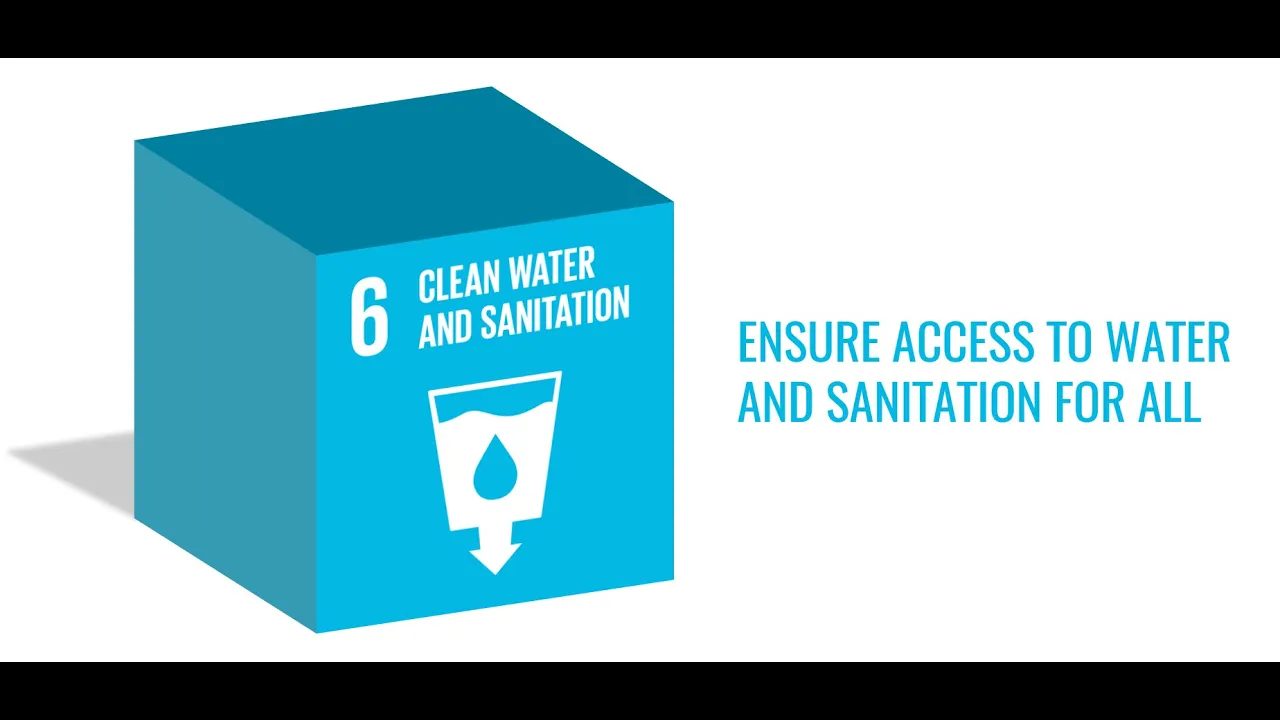
Analyses of United Nations Sustainable Development Goal 6 (SDG 6) and the economic and political barriers to implementing global sanitation infrastructure.
Innovative ecological sanitation (EcoSan) technologies, such as composting toilets and decentralized off-grid waste management systems.
The study of Wastewater-Based Epidemiology (WBE) and how analyzing sewage can track viral outbreaks and public health trends in real-time.
5.9M views63.4Klikes5:22Original Release: 2021-06-15
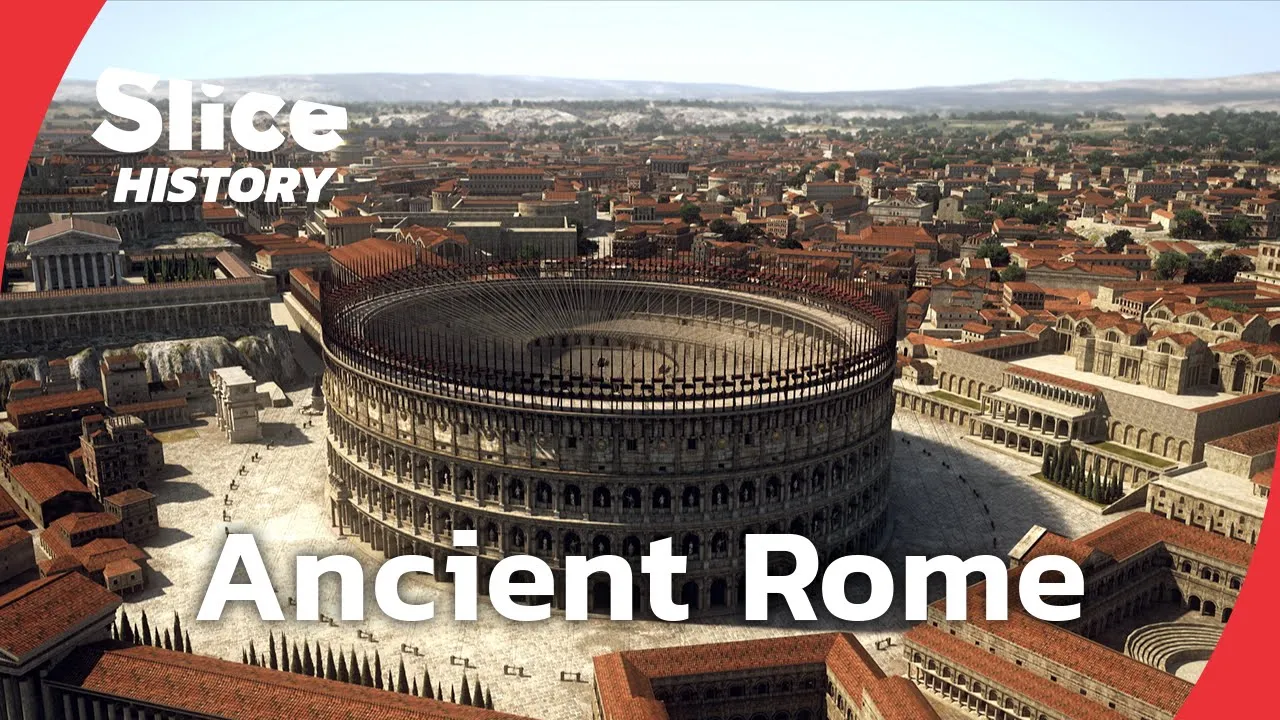
On sunny days, the Roman citizens of Ostia could be found on a long stone bench near the Forum.
Friends and neighbors exchanged news and gossip while simultaneously attending to more... urgent business.
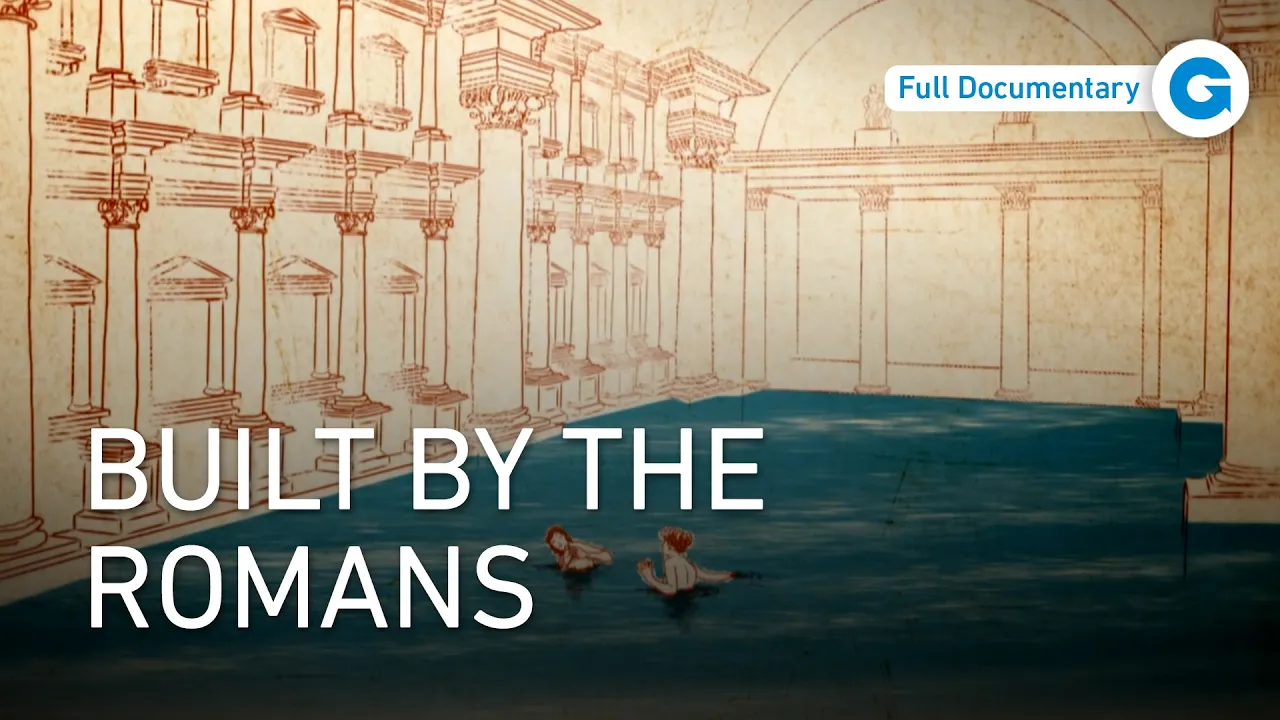
These public latrines could sit up to 20 Romans at a time, draining waste in water conduits below.
Today, most cultures consider trips to the restroom to be a more private occasion.
But even when going alone, our shared sewage infrastructure is one of the most pivotal inventions in the history of humanity.
While many ancient religious texts contain instructions for keeping waste away from drinking water and campsites, waste management took a more familiar shape as early as 3000 BCE.
Ancient Mesopotamian settlements often had clay structures made for squatting or sitting in the most private room of the house.
These were connected to pipes which used running water to move waste into street canals and cesspits.
Water infrastructure like this flourished in the Bronze Age, and in some parts of the Indus Valley, nearly every house had a toilet connected to a citywide sewage system.
Ancient Cretan palaces even offered a manual flushing option.
Researchers can’t say for certain what inspired these early sewage systems, but we do know that waste management is essential for public health.
Untreated sewage is a breeding ground for dangerous microorganisms, including those that cause cholera, dysentery, and typhoid.
It would be several millennia before scientists fully understood the relationship between sewage and sickness.
But the noxious odors of sewage have recorded associations with disease as early as 100 BCE.
And by 100 AD, more complex sanitation solutions were emerging.
The Roman Empire had continuously flowing aqueducts dedicated to carrying waste outside city walls.
Chinese dynasties of the same period also had private and public toilets, except their waste was immediately recycled.
Most household toilets fed into pig sties, and specialized excrement collectors gathered waste from public latrines to sell as fertilizer.
In China, this tradition of waste management continued for centuries, but in Europe the fall of the Roman Empire brought public sanitation into the Dark Ages.
Pit latrines called “gongs” became commonplace, and chamber pots were frequently dumped into the street.
Castles ejected waste from tall windows into communal cesspits.
At night, so-called gong farmers would load up the waste before traveling beyond city limits to dump their cargo.
Europe's unsanitary approach persisted for centuries, but toilets themselves underwent some major changes.
By the late Middle Ages, most wealthy families had commode stools— wooden boxes with seats and lids.
And in the royal court of England, the commodes were controlled by the Groom of the Stool.
In addition to monitoring the king’s intestinal health, the Groom’s... intimate relationship with the monarch made him a surprisingly influential figure.
The next major leap in toilet technology came in 1596, when Sir John Harrington designed the first modern flush toilet for Queen Elizabeth.
Its use of levers to release water and a valve to drain the bowl still inform modern designs.
But Harrington’s invention stank of sewage.
Thankfully, in 1775, Scottish inventor Alexander Cumming added a bend in the drainpipe to retain water and limit odors.
This so-called S-trap was later improved into the modern U-bend by Thomas Crapper— though the term “crap” predates the inventor by several centuries.
By the turn of the 19th century, many cities had developed modern sewage infrastructure and wastewater treatment plants, and today, toilets have a wide range of features, from the luxurious to the sustainable.
But roughly 2 billion people still don’t have their own toilets at home.
And another 2.2 billion don’t have facilities that properly manage their waste, putting these communities at risk of numerous diseases.
To solve this problem, we’ll need to invent new sanitation technologies and address the behavioral, financial, and political issues that produce inequity throughout the sanitation pipeline.
Up Next

11:44
Inside Rhode Island's Materials Recycling Facility: A Virtual Tour
@RIRRC
180.9K views•2012-10-23

12:54
Triumph of Orthodoxy Icon: Byzantine Art & History Explained
@BenCallan
2.1K views•2024-08-06

5:06
Islamic Geometric Design: A Mathematical Art History
@TEDEd
3.6M views•2015-05-14

1:42
Game of Thrones Opening Credits: A Cinematic Analysis
@gameofthrones
46.3M views•2011-04-18
Related Study Plans & Knowledge Roadmaps
Structured learning paths in General & Interdisciplinary Studies
general-studies
Elevator Engineering: History, Physics & Cities
01From Hoists to Safety Brakes: The Dawn of Vertical Lift
02Hydraulic vs. Traction: The Engineering Physics of Elevators
03Modern Speed, Safety, and Algorithms
+ 2 more learning modules
12h5 modules
Explore Roadmap
general-studies
Rubber: Material Science, History & Geopolitics
01Origins of Natural Rubber & Mesoamerican History
02The Chemistry of Natural Rubber & Vulcanization
03The Geopolitics of the Rubber Boom & Colonization
+ 2 more learning modules
12h5 modules
Explore Roadmap
general-studies
Containerization: Evolution, Logistics & Trade
01Ancient Trade & Bulk Cargo: Amphorae to Barrels
02The Industrial Revolution & Cardboard Packaging
03The Containerization Revolution: Malcom McLean
+ 2 more learning modules
12h5 modules
Explore Roadmap
general-studies
Textile Tech: Evolution, Labor & Global Impact
01Pre-Industrial Textiles: Handloom & Cottage Industry
02Mechanization: The Spinning Jenny to the Power Loom
03The Factory System & Global Labor Transformation
+ 2 more learning modules
10h5 modules
Explore Roadmap