![[공법] 기초이론 3강_국토법 용어정의 | 공인중개사 공법이상곤](https://i.ytimg.com/vi/66G1TtvtNEA/maxresdefault.jpg)















![The Invisible Horse: Basics of Land Use Planning for Horse Men and Women Part 2 [runtime 16:17]](https://i.ytimg.com/vi/8N4OVfNO-bA/maxresdefault.jpg)
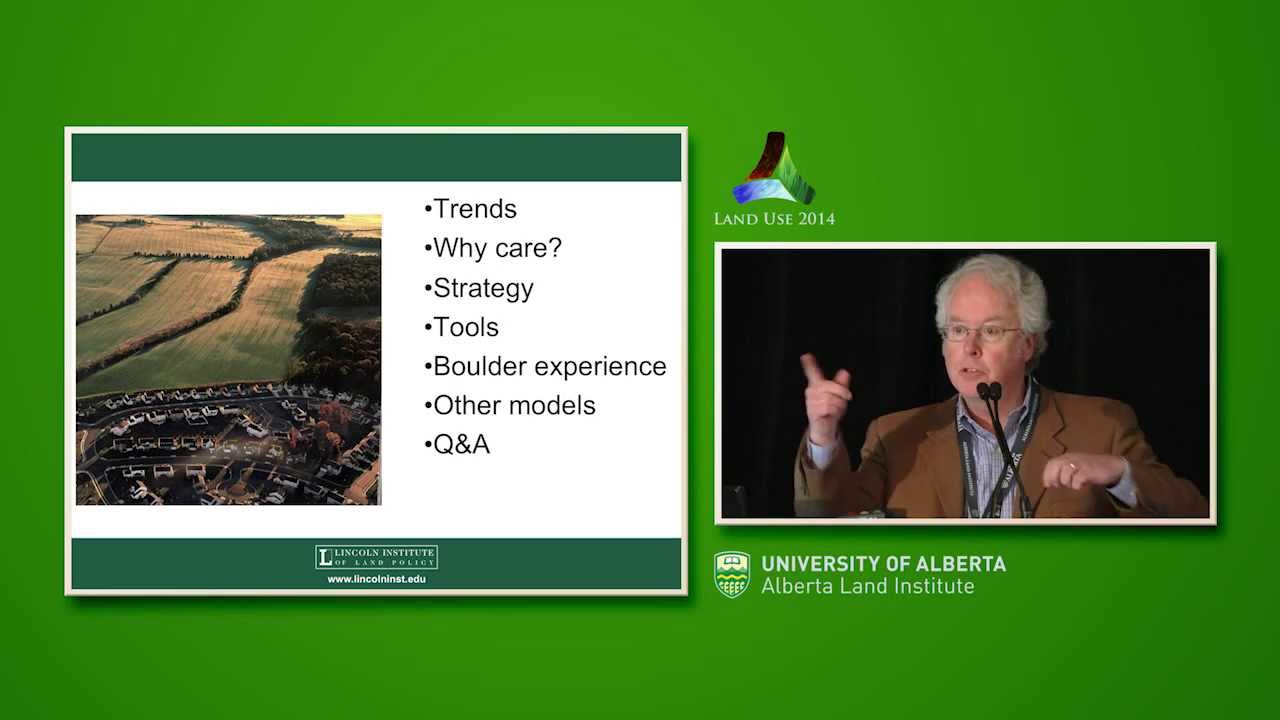


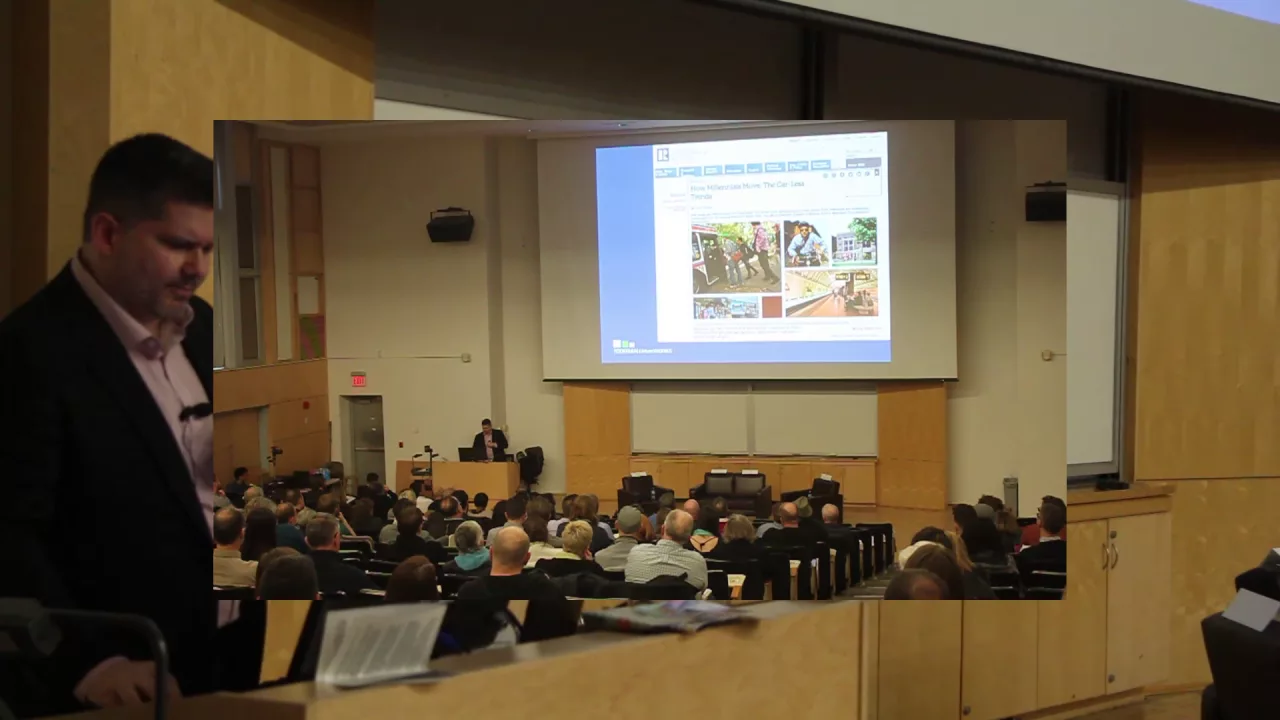

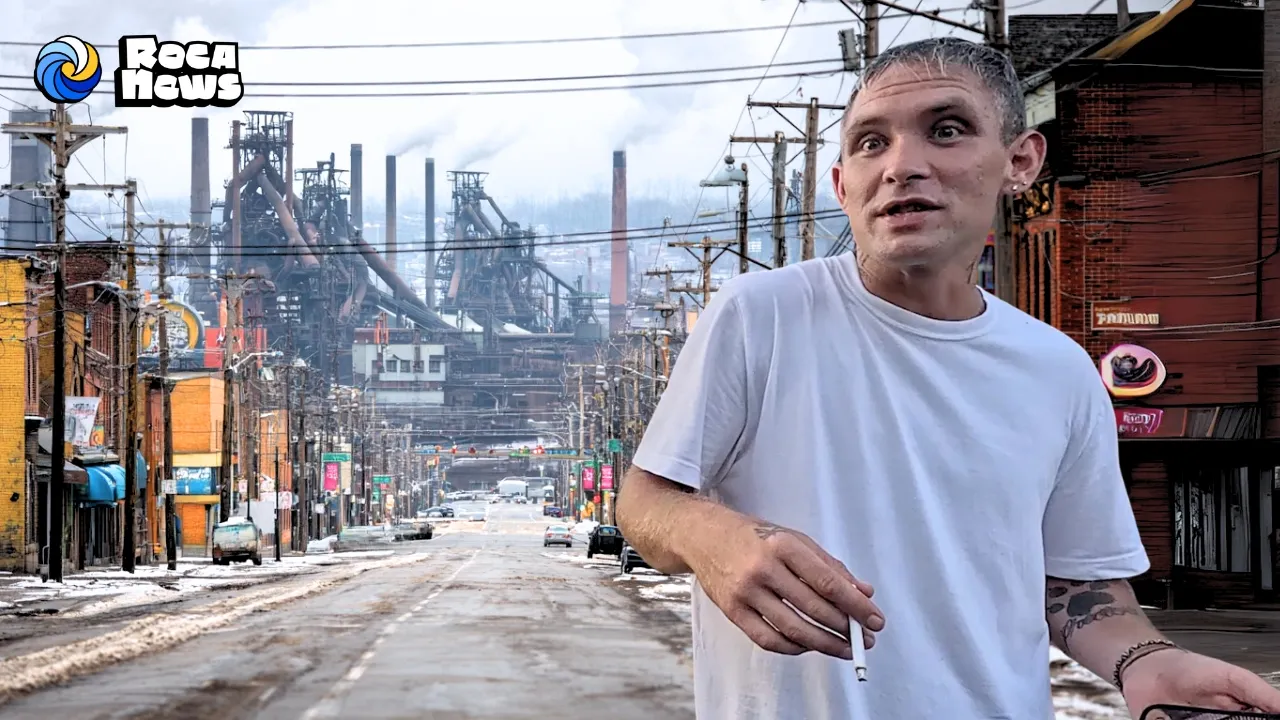
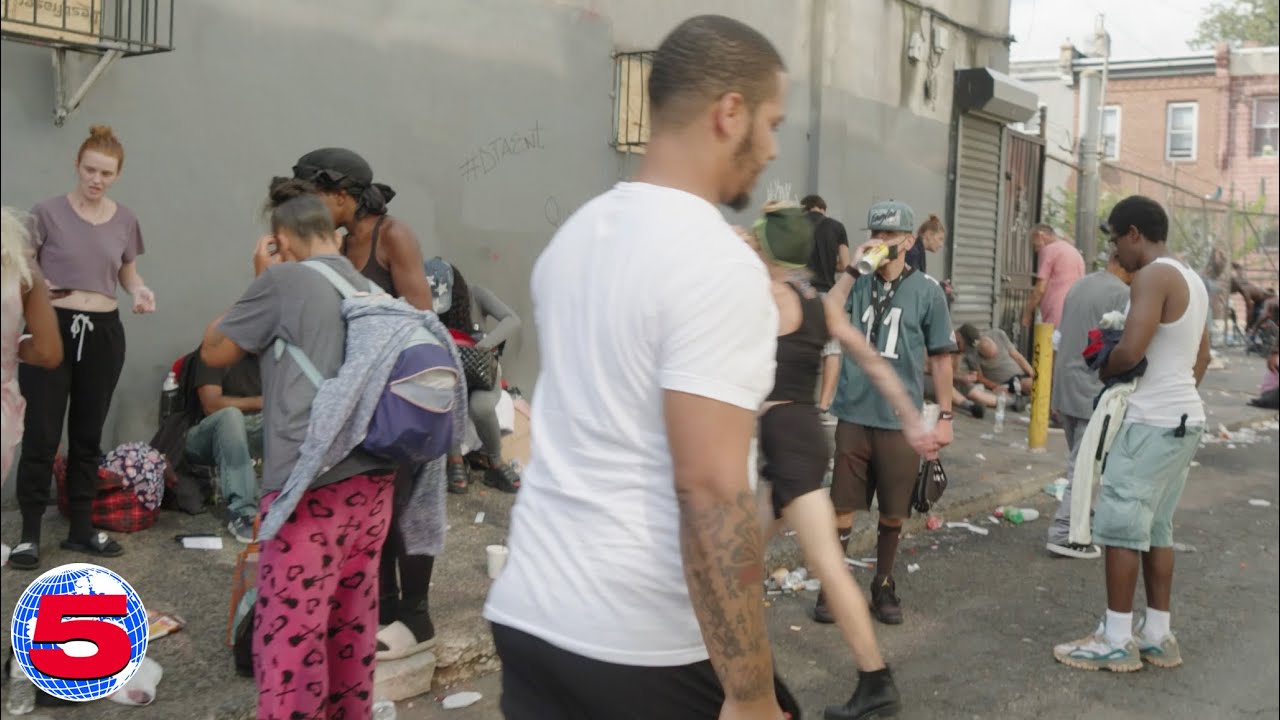

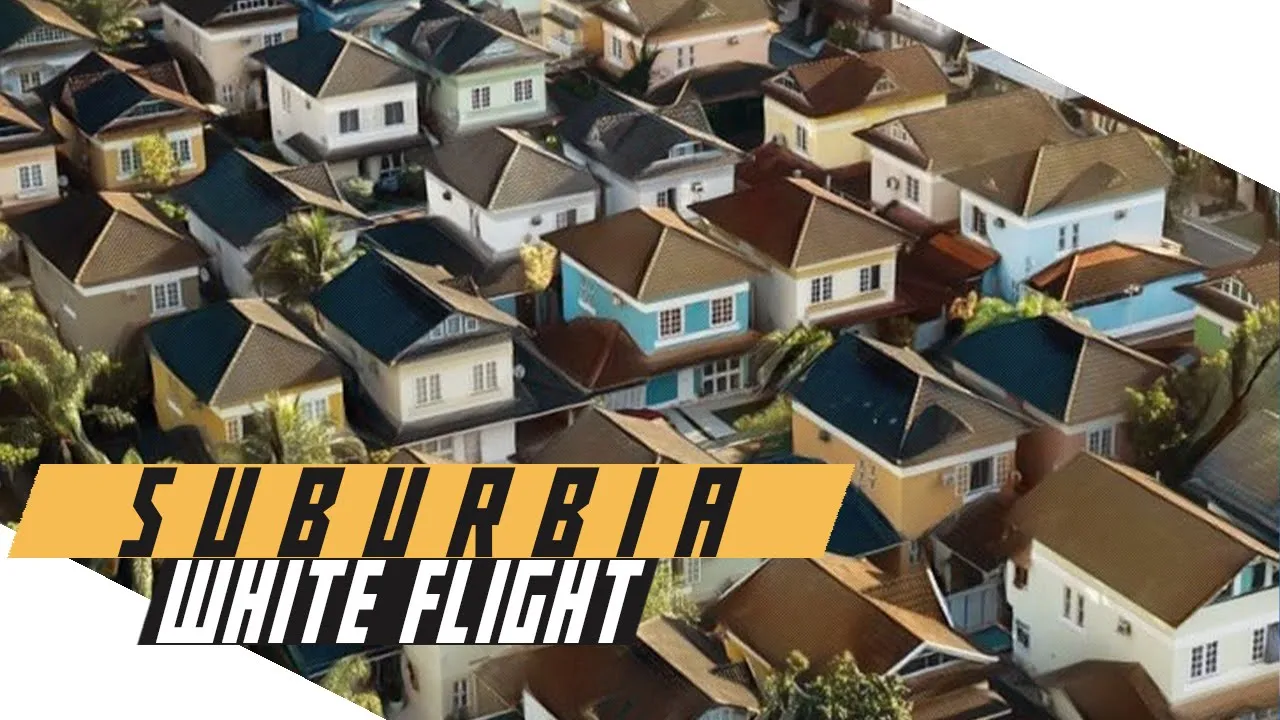
Suburban sprawl, driven by government policies like highway subsidies and zoning regulations, has caused widespread urban decay, farmland loss, and community fragmentation across America. Cities like Philadelphia and Pittsburgh have lost significant populations and neighborhoods, while Pennsylvania has lost over a million acres of farmland in just ten years. However, successful alternatives exist: England's Garden City model (Letchworth) demonstrates planned communities with walkable neighborhoods and protected green belts, while Oregon's growth boundary laws have protected 25 million acres of farmland and revitalized cities like Portland. The key to sustainable development lies in concentrating growth in existing urban areas, preserving open space, and creating walkable communities that foster social connection and environmental sustainability.
Urban Sprawl and Decline: Saving Farms and Towns in America
Added:cities tore down our best neighborhoods and forced us to be Nomads in our own country we'd be imprisoned in our cars separated from our loved ones by great distances and made to watch helplessly as our farms and forests were laid waste by bulldozers and back hoses why there'd be a revolution isn't that right right funding for this program was provided by the hindes endowments why Missing Foundation Chester County Community Foundation sasana fals graph company Montgomery County lands trust and the National Trust for historic preservation when my mom is here visiting she just can't get over the amount of time that I spent in a car you plan your life around the schedules and the drives and where you're going uh you look around on the ground today you you see broken bottles you see leaves you see trash you know drugs on our Corner people are not working they don't care you see this house in the middle of a field and you think why you know there's developments why must you wreck a whole Farm there's no large area of of open space left in this entire area I can't think of one now it's just house after house and uh you know pavement after pavement stretching into pavement and you start when you're going to the orthodontist you start you know will a 4:00 appointment be fine Mrs whitlatch well no not a 4:00 appointment coming down Fruitville Pike are you nuts the people that have moved in here like us to keep the Farms open so they can snowmobile or hunt but we we're not supposed to be on the road when they want to go to work you don't see the the grandmothers today because they are hher than their own homes they're afraid to come out uh snack we don't have control vum today I'm Tom Hilton and this is my house of 27 years 222 Chestnut Street Pottstown Pennsylvania from the front door of my house this is what I see a parking lot beneath that asphalt lies the thread connecting all the stories you just heard when my wife and I moved here back in 1973 I was starting out as a reporter for the local newspaper the Mercury and my wife got a job teaching at the local elementary school this house was perfect for us the paper where I worked was just a block away and my wife's school was just a 15-minute walk and across the street on the side of that parking lot was a beautiful old high school which had been converted into a middle school I love the sounds of the kids Milling outside in the morning I like listening to the music wafting out the auditorium door doors on warm days thinking of all the kids who had gone there over the years the thousands of powerful memories that were born there right across from my house it broke my heart when they tore it down declining enrollments they said now it's just Rubble under here and my neighborhood's never been the same what really outraged me was even as the wrecking ball swung the suburban school district just at outs side of town was building a new Middle School at a cost of millions of dollars on what had been Farmland skyrocketing enrollments just a couple of miles away and it wasn't just Pottstown it was all over America my whole life I'd been seeing wonderful towns being torn down bit by bit while we covered the countryside with strip malls and subdivisions I couldn't understand why we were doing this why it had to be this way so I started to study it and write editorials about it to figure it all out it's been a long journey which is what this program is about but one thing I knew even then when they tore down my neighborhood school they weren't just tearing down a building they were tearing down Heritage Community stability everything that's precious about a traditional town like Pottstown [Music] my love for traditional towns began here why am missing Pennsylvania where I was born a town of big trees and cozy streets I joined our first Fourth of July parade when I was one year old 50 years later it's still going strong Wy missing has become a pretty exclusive place but it began as a factory town my mother moved here as a toddler in 1918 when the town was just starting to take form we were the second H second family to move there but in about a year all the houses were sold and I had plenty of Playmates W missing was started by two German industrialists Henry jansson and Ferdinand ton to be the home of their birkshire knitting Mills at one time the largest manufacturer of women's hosery in the world Janson and toun didn't think a miltown had to be dirty noisy and unpleasant they hired the foremost Town planner of their day John Nolan who laid out wyam missing with Tree Line streets and parks and schools W missing had all the elements of society in less than one square mile our little row house was just three blocks from the Mansions of Janson and tune and just two blocks from the birkshire we walked to school and we would uh you know pick up people as we went along and we'd get to school in a great big group it was a very nice way and then we came home at noon daddy came home for for lunch and my mother had the meal ready on the table 12:15 and we had lunch and we didn't have to hurry and then we got back to school by 1:00 my father died at a young age and my family in reduced Financial circumstances moved to an apartment in nearby reading a city of 100,000 people like other American cities at that time reading was perfectly safe I walked to all my friends houses I walked to school where I had a wide range of friends from the son of a janitor to the daughter of a neurosurgeon there were adults in my life too at least once a week I would walk to my grandmother's apartment on North 10 Street I'd run errands for here at the corner store usually have at least 12 cents left over for a tasty cake in the mornings on the way to school I'd admire all the beautiful big houses on Center Avenue I never felt poor even though we didn't have much money I fully expected that someday I'd own a big house like one of these but 35 years later readings changed my old elementary school is now a mini mart the factories are vacant the downtown stores are gone the theaters I frequented on Saturday afternoons are parking lots the neighborhoods have declined and the crime rate is among the highest in [Music] Pennsylvania but no city fell as far as fast as Philadelphia this is the German Town section of Philadelphia in the 1950s it was one of the most fashionable neighborhoods in Pennsylvania then in the 1960s like scores of other Philadelphia neighborhoods it started to go downhill my wife who lived in nwn walked to Germantown Shelton which was about a six8 block walk Civic leader Joe Eagan grew up in the workingclass neighborhood of Hunting Park if you look at 6th Street here right right now where we're coming up to you had grocery stores you had taverns you had bakeries everything was here and you could walk there easily I could walk in this air any time of night any time of day absolutely safe and any section in this neighborhood any time during the 30 40s and 50s you could walk to school uh you could walk to your cleaner you could walk to your Baker um it it it had it had a a scale about it it made it very easy to live here in addition to that the housing was very very inexpensive and nice straight through good quality stock even today even with all the deterioration there are there's housing stock in this s is absolutely beautiful you no longer have the jobs here anymore because the industry that was here in the 30s 40s and 50s is gone it's either in south or it's offshore completely and when you saw you know Apex or or kebler or SF and you saw that that those losses of major industries you could see the the the economics lead the neighborhood and then that led to the physical deterioration I think one of the issues too the wild card in cities drugs I don't think anybody understood the impact of it and the enormity of the scale destruction that it's wrough I think fear is deadly to a setting I think once you have fear if people have an option to move they will move since World War II the city has lost more than a half million residents most of the middle class whites companies moved out just as quickly in 1960 Philadelphia had 2third of the Region's employment that was before it lost 250,000 jobs as more of the city's businesses and productive citizens abandoned the city they fueled a vicious downward Trend to compensate for a declining tax base the city raised taxes and lowered Services which drove away more businesses and middle class residents and when the middle class moved out taking their jobs with them what was left behind in many cases was the shell of a city this is the WEA Hotel it was once an apartment building for middle class people that's unfortunately been abandoned for 30 years since 1950 we've lost uh close to 30% of the population so we have housing units that uh people don't seem to want or don't seem to need anymore and this has really placed a terrible burden on the city we believe there are about 22,000 vacant residential buildings in the city right now um and about uh 30,000 vacant lots that resulted from the demolition of vacant houses that that couldn't be saved the white middle class also left behind the poor African-Americans Hispanics and recent immigrants today 70% of the students in the Philadelphia School District come from poor families to be a child in this neighborhood um you know that safety is an issue and so you're not playing out on the street on a regular basis uh during the day you might see you know drug activity on a regular basis walk by it uh homelessness uh there's shootings and uh gunshots are heard all all of those things become natural to the children who live in this neighborhood there's no basketball place to go play at there are no trips or or day camps and things that keep kids busy so what happens seventh and eighth graders get busy and we know what that is they either get busy by uh playing with each other or they get busy by dealing drugs or all those kind of things because that's what's Avail to them over a period of 250 years a wonderful and efficient system of Housing and employment for more than 2 million people evolved in Philadelphia Center City Philadelphia remains vibrant but slowly inexorably the neighborhood surrounding Center City began to die and it wasn't just Philadelphia hundreds of American cities and towns have lost population since the 1950s o was accompanied by eroding neighborhoods and dilapidated buildings in Pennsylvania Pittsburgh lost nearly half its population Scranton Johnstown Easton Harrisburg Chester Williamsport York Altuna and reading all lost anywhere from a third to a half of their population meanwhile the countryside surrounding these cities was experiencing a different kind of crisis when the 422 bypass was finished and the 202 around narst R 100 was straightened out development pressure started to get great in here for five generations Horus Ma's family tilled the soil of Northern Chester County about 40 mil outside Philadelphia and my great-grandfather my grandfather and my father and myself and my son but in 1988 he sold his farm and moved West to Huntington County it was hard to leave but it's a fact of life if I wanted to farm I was going to have to go farm somewhere else what happened to Horus Mau has been happening to Farmers all over Southeastern Pennsylvania in the last 25 years the area has lost a quarter of its Farmland even as its population decreased by 150,000 residents Statewide Pennsylvania has lost a million Acres of Farmland in just the last 10 years that's an area nearly the size of Delaware that will never be farmed again about the time Horus Mar was selling his farm I was chastising the Chester County Commissioners on the editorial pages of the Mercury for their failure to do anything about sprawling development the urban megalopolis was surging down the route 202 high-tech corridor from King of Prussia Into the Heart of the countryside strip malls and luxury class levit towns were elbowing into the Brandy Wine Valley from Delaware scattered development was spattering from the new route 422 Expressway into Northern townships it was like a wave it really was a wave and um people were very concerned uh people couldn't get out of their driveways um Farms were disappearing uh traffic was increasing uh the vistas that people were used to were gone people wanted development stopped what they didn't understand was that local municipalities had control over uh land use so we decided to tackle the problem with forming a task force uh made up of people that normally don't sit around the same table and discuss these issues and uh from the task force we came up with a countywide plan which led to the recommendation of the $50 million bond issue yeah the the bond the 1989 bond issue essentially was a was money being provided to manage growth and to protect open space in Chester County it turned out that a great deal of the open space that people really cared about was Farms the only way to save Farmland in Pennsylvania is you either have to buy the farm and deed restrict it persuade the farmer to give you the easement which provides you with the development rights in exchange for some tax benefits or you pay them for the development rights since the original bond issue was passed Chester County has spent more than $100 million to preserve 15,000 Acres of Farmland in open space but at the same time the County lost even more land to development than it preserved meanwhile Pennsylvania has established the second largest Farmland preservation program in the nation in the past 10 years more than $280 million has been spent to buy development rights to Farms but in comparison to the amount of land we're losing it's still only a drop in the bucket so far this program has protected barely 2% of Pennsylvania's Farmland developments like this are cropping up all across Pennsylvania displacing farmers and destroying beautiful scenery with every passing decade we've been consuming more and more land for each house store and office we build with every decade hundreds of thousands of Acres of Pennsylvania Countryside has been lost forever to strip malls parking lots and monotonous sprawl and remember at the same time thousands of Acres of formerly thriving neighborhoods in our cities have been neglected and abandoned what happened to bring this lunacy of bell we're building these houses because this these are the kind of houses that people want in today's Marketplace and in order to be a successful Builder we have to build what the people want what do Suburban homeowners want yeah certainly um where I grew up we lived uh in a neighborhood where there was a community park and that's where everybody congregated and the kids played and I could go down to the barber shop and I would walk to the barber shop I mean we take the kids for a walk around the neighborhood but there's literally you cannot walk to to anything as far as any stores or or anything I mean if you want to be with others you generally have to drive somewhere should M drive but it's 20 20 minute drive to Friday 30 minutes if I could change anything about this area I would like to have stores that I could walk to a grocery store a pharmacy something like that perhaps a pizza shop Boutique shop know a grocery store that you could go down to a place where you can just hang out or for that matter have have a beer with somebody you don't have any of that today and we don't even try to build that in I'd say if we had a little bit better sidewalks if we had some at all it would make it a lot easier to move around when I grew up we had sidewalks we had Street lamps and it would have been nice uh not only safety-wise for the kids walking around but gives you that uh more of the feel of a town rather than where you're just out here where it's so baren you've got houses and you've got land I think that the only limitation without having sidewalks for the kids is that you really don't get to know the other kids in the neighborhood unless you're in the same school or the same class and many of the kids in the neighborhood don't go to public school um I'm a very accepting person of all incomes I don't think you need to be a doctor or lawyer um to live in a certain neighborhood I think all jobs are equally important there are very few people of my age for examp well it's a shame they don't get to see more of of uh you know the older generation hear more about it and uh it's just again one of the trade-offs our big concern is the uncertainty of what's going to happen with a farm right next door because right now it's great cuz we are we live at a dead end but if that ever gets developed which it probably will then uh it may not be as quite a street anymore we can build developments that allow people to walk to work to walk to shopping and have a close relationship with nature as long as we can create zoning and planning that will allow it Builders and developers are not in the business to to fight the existing zoning laws it takes too much time too much effort too much money and so it turns out that it's not just the market but regulations that shape our communities the story of sprawl began in the 1930s times were hard it was the Great Depression in order to make it easier for Americans to buy homes Franklin Roosevelt created the Federal housing Administration the FHA ensured bank loans for homes making it possible for the first time for citizens to buy a house with just 10% down but there were a couple of roles it had to be a nice home in a good neighborhood the government defined that to mean things like a certain minimum setback from the street no stores just single family houses space between buildings and new construction was favored over older houses this meant that the house your parents and grandparents grew up in just wouldn't do and if you happened to be black forget about it naturally this was disastrous for City neighborhoods but in the boom years following the second world war it created thousands of Acres of white middle class suburbs On The Fringe of every metropolitan area in 1954 President Eisenhower appointed a commission to study the need for new highways to head the committee he appointed General Lucius clay a member of the board of General Motors 2 years later the interstate highway act authorized 41,000 Mi of new highways with the federal government picking up 90% of the tab meanwhile public transportation systems got no support and many went bankrupt in the same way the government subsidized new water and sewer systems in semi- rural areas and neglected Urban infrastructure to add insult to injury the government built all its subsidized housing for the poor in the cities instead of encouraging Diversified neighborhoods with equal opportunities for all this concentrated poverty in inner city neighborhoods some of these projects have proved so unlivable that they've been abandoned here's an example of still another good idea going arai in 1980 new federal environmental regulations made the owners of vacant industrial properties responsible to clean them up to almost pristine Garden of Eden standards before redeveloping them as a result it's far cheaper to build on Farmland in the country than to reuse Prime real estate in the city like this policies like this once they're put in place are really hard to change in Pennsylvania a lot of the bad planning of the past is effectively nailed in place by zoning laws we're in alany County here where Pittsburgh is located aligan county has 128 individual municipalities as in many other states each local municipality does its own zoning with little or no Cooperative planning or Regional oversight in alany county that means there must be zones to accommodate 128 strip malls 128 corporate centers 128 landfills not to mention 128 of every kind of residential development from Apartments to Resorts so if Walmart wants to build a store right here in the middle of a farm field and the municipality wants to say no state law says this little municipality has to find some other spot to put it even though there may be six other Walmarts within 20 miles thanks to this crazy quilt zoning system Suburban municipalities continue to attract development while cities like Pittsburgh continue to lose it what all these policies add up to is a huge historic government subsidy for Suburban living it's no wonder Pennsylvania's Countryside has gotten all built up and its City neighborhoods neglected the real wonder when you think about it is that our cities have survived at all for a long time I thought that's just the way things have to be Urban Decay and suburban sprawl are a fact of life the price of living in a modern society but then I had a revelation I was traveling here in England the first time I'd ever been abroad I'm wandering about London on my first day with my little flash map in hand all excited about seeing the famous landmarks I had read about for years I've round Ed the Tower of London and I'm heading back to my hotel when suddenly it Dawns on me I have just seen practically the whole history of England and it's only taken about an hour and a half on foot all these parks and landmarks museums theaters train stations are packed into an incredibly small area so small I can hardly believe it and in the days that followed I made another amazing Discovery except in the commercial areas London didn't feel the least bit crowded every day I sat down on this bench on the south side of the temps keep in mind this is a city of 7 million people in the height of the tourist season in front of me is the most famous Vista in England and every time I come here I've got the whole bench to myself it occurs to me you know it's really easy to get around this place on foot and when people are on foot they really don't take up much space think about it this is me walking if you measure the space around me it's about 4 Square ft now here's my house back home in potown 2,500 sare ft actually larger than the average house currently built in America there's my wife working in our yard our lot is a tenth of an acre that's just the right size to give us all the yard we want and no more than we can handle now what happens if we move to the suburbs well first off since we can't walk anywhere we need two cars one for my wife and one for me standing still each car takes about 25 times more space than a human being but put them in motion and they are real land eating machines at 60 M an hour my car needs about 1,000 square ft of pavement either that or really expensive collision insurance of course everywhere I go I need a parking space at the other end office grocery store Mall the health club since I'm not walking anymore experts estimate there are six to seven parking spaces for each of the 130 million cars registered in America that's a lot of pavement not to mention the ugly Billboards advertisers have thrown up to catch my eye as I'm speeding by I think you get the picture now where am I can you find me there I am just a little dot surrounded by all that unnecessary grass and asphalt if you look really really closely you can see that I'm studying my bank balance trying to figure out where all my money went anyway I'm in London thinking about all this and I wonder what do the British suburbs look like what do they do with their subdivisions in strip malls lo and behold there's another surprise you get to the edge of the city and it just stops there are no strip malls no endless line of car dealerships no subdivisions called Country Creek or Pleasant fista just an honest to goodness Country View keep in mind England is only slightly bigger than Pennsylvania in land area and it has four times as many people clearly somebody did something right and I discovered something else here remember why I'm missing where I was born why missing has always been a model for me of the ideal community well it turns out why missing was designed after this town just 30 Mi north of London leworth Garden City back in the frontier days when the US government was giving away land in the west it probably seemed to most Americans that we'd never run out of space in England by contrast there hadn't been any free land for centuries the cities were getting crowded and polluted and there was no place to escape in 1898 a Visionary Englishman named Ebenezer Howard proposed dealing with this problem by building small satellite cities in the countryside called Garden cities that would allow people to live and work in Lush leafy neighborhoods immediately surrounded by large areas of open space leworth was the first Garden City today leworth has 33,00,000 residents and 14,000 Jobs Plus schools churches and Parks all within walking distance of each other and all surrounded by a permanently protected expans of open country called a green belt which residents are free to enjoy the nearby Garden City of Wellen is designed around a green Central Square surrounded by shops and anchored by a large mall on the inside the mall looks like any American Galleria but Shoppers can walk to this mall and much of the parking is underground the English have firmly embraced Ebenezer Howard's ideal of carefully planned towns after the second world war instead of scattering development at random all over the countryside as we did the English continued their tradition of building self-contained towns connected to larger cities by public transportation and surrounded by permanently protected open space historic cities like bath have also been surrounded by Green belts to keep them from sprawling into the countryside nearly 60% of all new housing built in England is built on recycled land like this former industrial tract outside of London now I know what you're thinking this is England America is the land end of large lots and lavish Lawns and besides we don't want government telling us where to live but the fact is until the 1950s most Americans did live in cities and towns in close-knit neighborhoods like this one in ledgeworth it wasn't until big government came along with everything from Highway subsidies to zoning regulations that sprawl became the law of the land but now there are actually places in America that have succeeded in changing such laws this is the wamit valley which stretches south of Portland Oregon one of the fastest growing metropolitan areas in the United States I'm with Hector mcferson whose family has farmed this land since the 1920s uh have a what I what is the Peoria Road which is a road that leads directly to caralis about 6 or seven miles away and people were leaking out and buying small tracks of land along that this was simply development right along the the the major road of that area but then we also saw there were were certain actual uh subdivisions way out Beyond any possible city services that were moving in to take up the land and to move out not just one or two but in Mass and uh you know this was the kind of thing that I feared and there was no no breaks there was nothing in ly County that I could turn to to help me there was absolutely no planning or zoning no construction controls no no anything in the county so we finally we were able to get a uh position passed by the County Commissioners to invite the first to to appoint the first Planning Commission mcferson served on that Planning Commission and a few years ler later won a seat in the state senate I did not go to the to the state with the idea that I was going to uh solve the Oregon problems in land use planning I went with the idea that I wanted to uh do something significant and when I got there I found that I knew more about land use planning than most of my uh contemporary senators and representatives and so at that point I decided it was time for me to put together legislation which would help cure the problems that I saw in Oregon thanks to this leg legislation 25 million acres of land in Oregon are now zoned exclusively for farming and Forestry and the whole purpose of the land use planning that I uh believe in is to Simply make the best choices and that's what we're trying to do here is to make the best choices we have to allow a room for people but they can't just go anywhere in Oregon and expect to be able to buy a bare piece of land and build a house Oregon's main planning tool is the growth B boundary cities and counties in Oregon work together to draw boundaries around their traditional cities and towns they allow enough room for all foreseeable growth for 20 years then they say that's it we'll talk again in 10 years inside this line development is given the red carpet treatment outside it's heavily restricted to see the impact this has had compare Metro Portland with alany County Pennsylvania Portland has the same number of people but living on half the land area we've achieved the livability and that's a word I should get in here and emphasize livability is the key word in Oregon and we want to have livability above all else but I had of course a specific thing that I was trying to save farmland and that came out very strongly in the legislation that we have the remarkable thing is Oregon's land use law initially designed to protect the countryside has made Oregon cities among the healthiest in the nation Metro Portland is thriving instead of development continually pushing outward eroding the economic base of the center abandoned land in the city is being recycled instead of government pouring money into new highways to keep up with sprawl it's invested in New Light Rail lines which also helps keep the downtown from being clogged with cars living in the city doesn't have to mean town houses and apartments most residents of Metro Portland live in single family detached houses with private backyards in the 25 years since mcferson bill is passed residents and even developers have come to wholeheartedly support it oregonians prefer to live close to the outdoors and enjoy it whole rather than carving it up for Suburban SP Portland is proof that just because America has a lower population density than England doesn't mean we have to sprawl after all Oregon has twice the land area of Pennsylvania and only a quarter as many people clearly sprawl is not the inevitable result of having lots of land it's a result of bad planning still this part of Metro Portland is no Garden City it's not nearly as nice as leworth or why missing in fact looks a little uh how H hazard in fact it is haphazard in Portland growth is contained but not organized it's still a hodg Podge rather than the carefully laid out mix of spaces that make leworth and wyam missing so attractive Portland drew a line around the outside but there are a handful of places in the US that are planning from the middle as well this is Charlotte North Carolina another rapidly growing metropolitan area David Walters a professor at the University of North Carolina here was asked by several towns in the Charlotte region such as Davidson how they could plan their growth to create real communities instead of sprawl Walters is English so we turned to England's Garden cities for inspiration and we began by identifying the flood Plains the steep slopes areas that you couldn't build and then we moved on to choose are of particular Scenic Beauty you know along highways and so forth that were particularly valued by the community and which they wanted to preserve then we linked these with green ws and parks and ball fields and made a series of green edges to uh neighborhoods so that the edges were defined by the natural landscape then what happened was that this map became the basis for the official zoning maps that the towns adopted and the design standards in this design became integrated with the design standards in their zoning ordinances so far six towns in the Charlotte area have adopted new zoning ordinances to promote the development of traditional neighborhoods residential areas have houses drawn close to the street and each other to give them a traditional feel abundant sidewalks lined with large shade trees encourage walking garages are placed behind the homes on alleys so you can see front porches instead of driveways the Town Center District encourages a mix of single family detached houses Apartments offices and shops so long as the buildings blend together parking lots are placed to the rear to maintain attractive streets and a pleasant environment for pedestrians well interestingly enough one of the main uh uh catalysts in this whole process was a big residential developer here that uh at one of our countless public meetings he stood up and said now why don't you all just make a complete buildout plan for the whole Community just like towns used to do that way everybody will know what the rules are see one of his main fears as a developer trying to do high quality development was that somebody would come in next door and just produce some banale mediocrity and undercut all his good efforts so it was in his own economic self-interest to have a master plan that would embody the high standards that applied to everybody and for complying with these standards the developers are rewarded by incentive bonuses and the freedom to mix and match housing types to be creative in their own development to make the most of the market opportunities from a developer standpoint you're not building one neighborhood that's bmed up and potted over here from 150 to 180 I'm wondering if you can hit that price point in other words I can hit hit price points from 120s to 140s 140s to 200s 200s to 210 one of the things from a developer standpoint makes it attractive is that in one neighborhood you really have five or six combined you can also sell commercial property we have our restaurant sites our Tavern sites and we have several sites here to build little neighborhood Office Buildings so I can be a commercial developer a affordable housing developer a high-end developer all in one spot it's really become more of a quest than than building a development it's really trying to build something that people can enjoy that people can I always look at it where people go on vacation they go to places like Savannah or Charleston they go for a walkable neighborhood and my feeling is you can have that kind of neighborhood and live in it every day you don't have to be a tourist going to these type of older neighborhoods that have survived in Celebration Florida we can see a town like this that is well underway this town was made possible because Disney Development Corporation owned all the land and had a vision to design the ideal community of tomorrow as it turned out the ideal community of tomorrow looks an awful lot like the ideal town of yesterday my daily routine here in celebration is the kids walk to school we live about five houses down from the school I walk on to work after school my daughter walks over here to the store hangs out with me for a couple of hours and then we get to walk home together we've done away with one of our cars so we're a one car family now and it's a great place for kids we feel very safe here we feel like the the bigger kids are looking after them we feel like the other adults around know them you can't walk to downtown without seeing someone that you know you can't sit on your porch and have your cup of coffee without going oh they're so and so wonder what they're working on hey what are you working on over there there's truly a sense of community and it's a very comfortable sense of community the variety of homes available allows all the different um individuals with different G patents to pick a home that's best for them and their family members you meet people that you wouldn't in ordinary circumstances in in life you meet every anybody is in celebration you have retirees you have young families you have uh double income no children it's not oh this side of town has great big homes and this side has smaller homes nobody really looks at those things what my wife and I like to do on date nights u u my mom will keep the kids for us or we'll hire a babysitter I wife and I get on our bicycles we'll ride down Park our bikes go to the movie then go to dinner and uh come back home and we don't even have to leave the community this is Lancaster County Pennsylvania the richest Farmland east of the Mississippi for decades traditional Amish and menite farmers in Lancaster County have been getting pushed aside by development at the same time the city of Lancaster has been struggling to deal with the flight of wealth to the suburbs now we've seen in Oregon how growth boundaries protect the countryside and Revitalize towns and we've seen in North Carolina how zoning laws can be changed to make it possible to build traditional communities once again why can't we apply these ideas here well Lancaster County has been trying to follow the model of places like Portland and Davidson but as in other parts of the country Antiquated land use laws get in the way we have established Urban growth boundaries to separate the areas of the county that are appropriate for development from those areas that are not okay so what do we need to make these growth boundaries in lacaster county or anywhere else in America really effective to be really successful in Pennsylvania there are three things that we need to do first we need to change the laws that govern PL planning and zoning and taxing in the state because these laws as they exist today encourage sprawl we need to change the law to give the power to counties and municipalities to plan on a regional basis and to enforce growth boundaries secondly we need to build traditional communities like they're building in other states and finally number three we need to encourage reinvestment in our existing cities and towns America has thousands of acres of land strategically located with needed infrastructure already in place just waiting to be developed it's all those abandoned factories and other vacant lands in our cities and towns ha's Island directly across the alagan river from downtown Pittsburgh was for years derel and polluted the site of an abandoned meat packing plant and scrapyard thanks to financing and tax incentives it has been turned into a lovely residential and office Dev development called Washington's Landing the development is a leading example of Pennsylvania's land recycling program which offers grants and Loans to clean up and reuse vacant industrial sites but it's hard to imagine a less likely place to build a neighborhood than 9em run a polluted stream running through a gigantic slag dump along the Manilla River in Pittsburgh from the 1920s to the 1970s dozens of train loads of slag from nearby steel mills were dumped here every day creating 250 Acres of hideous moonscape the same Pittsburgh architects who helped design Celebration Florida have finish plans to transform this dump into thriving neighborhoods not only are we reclaiming a Brownfield site in a city but what we're putting in its place is the Great American neighborhood one of the Great Inventions we've had in our country is the neighborhood the American neighborhood which is front porches and back alleys and streets and neighborhood parks and neighborhood schools those are things that exist in the United States and here we have the example of a Brownfield Reclamation and a great new traditional American neighborhood coming together in one place and celebrating our diversity by making sure that people of all incomes could live in this neighborhood but the big idea is the park that's going to be created right down here 9M run which is now a polluted stream it's going to be transformed with with with the most current techniques for transforming streams and cleaned with new Wetlands will be created the slopes themselves which you see now are unforested will be forested with new techniques and so the front door the address of this neighborhood Somerset will be the extended Frick Park that will take you all the way to the m river right there and we haven't even mention the environmental consequences of sprawl air pollution groundwater contamination even global warming the governor commissioned a study uh that worked for a year and produced a report that said among other things that suburban sprawl was the biggest threat to Pennsylvania's environment in the 21st century the commission found that sprawl chews up Farmland in open space it destroys natural habitat for animals and plants and it increases both air and groundwater pollution projects like 9mile run are a big part of the solution to urban sprawl they reuse land we've already developed they clean up sites that are polluted they reduce the pressure to develop farms and other open space and they're good places to live there are reasons for optimism all across America more than 20 States from Maryland to Arizona have begun efforts to curb sprawling development Builders environmentalists and businessmen are finding common ground in A New Concept called smart growth that concentrates development in and around existing towns and transportation quds dozens of traditional neighborhoods places like celebration are being built in rapidly growing areas like Florida and California elsewhere they're being designed for vacant lands in existing cities and towns and there's renewed interest in preserving the wonderful neighborhoods in main streets we already have public interest groups are also involved and we'll list a few websites and phone numbers at the end of this program but frankly America will never save its cities towns and Countryside as long as the dream home for most of us includes a half acre lot in the countryside that's far from stores schools and jobs sure a sprawl seems natural to us because that's what we've known in our lifetimes but in the whole sweep of recorded history it's just been a couple of on the clock a recent experiment that's proving disastrous for America just look at where sprs brought us we've neglected our cities and towns we've turned beautiful landscapes into strip mul junk Scapes we've subdivided and paved over vast expanses of prime Farmland we've condemned ourselves to a wearisome life of constant driving and perhaps worst of all sprawl has helped to isolate us black and white rich and poor and make us fearful of one another that's no way to live and it doesn't have to be that way going back thousands of years from the days of the Ancients to the Medieval Era colonial times right up to the 1950s here in America the vast majority of people have lived in villages in towns in the neighborhoods of cities because they make so much sense as a way of life sure our cities and towns were far from perfect in the 1950s but had we continued to invest in them instead of abandoning them they could have become beautiful convenient and enriching places to live and it's not too late we still have the ability to ReDiscover and rebuild our wonderful cities and towns just down the street from my house here in Pottstown for example is a vacant Factory site a former P manufacturing plant now let's think how we could reuse that site to make a great place to live some of the old buildings are definitely worth keeping we could put shops on the first floor and offices upstairs we don't want a place that only rich people can afford and we certainly don't want another place where just poor people live so we'll put in a mixture of large and small houses and attractive apartment buildings play space for the children is really important so we'll put in lots of public greens and playgrounds no more than a few blocks from every house there's a lot of work in and right around potown so we won't need to drive long distances to work still we'd like to be able to get to Philadelphia easily so we're going to turn this former Pennsylvania Railroad line into a light rail line in fact there's already a plan in the works to do do just that we'll give our development a village feel by putting in front porches and sidewalks and Street lamps and lots of shade trees that'll make it safe and convenient for kids to walk to the nearby schools and for parents to walk to potown shopping district just a few blocks away we'll get excess cars off the street by putting alleys and garages behind the houses what else well we' like to feel as close to the countryside as we are to the downtown so why don't we create a wide Greenway along the skoo river with biking and walking trails as it happens again there's already a plan to make this area part of a Greenway that stretches from Fairmont Park in Philadelphia 35 Mi down river to Pottsville 50 Mi up River this wouldn't be just another development it would be a real neighborhood and you know every town has a site like our old Pie Factory just waiting to to be transformed I love living in potown I like the sense of place I like waking up in the morning to The Chimes of the Trinity Church Caroline and every walking errand takes me past someone I know or something I love I grew up in a white world but 27 years of living in an integrated neighborhood have taught me to respect blacks Hispanics and other people whose background and education are not the same as my own I didn't move here because I'm big on peace and Brotherhood I moved here because I wanted to walk to work and I like the architecture but now that I do live among people of all ages races and incomes I find I'm rather proud of it that's what democracy is all about that's what William Penn had in mind when he found Ed Pennsylvania sitting on the patio behind my home in a Pleasant Fall evening looking over moonlet rooftops to the clock tower of transfiguration Lutheran Church which has been standing since the days of Abraham Lincoln I feel a sense of kinship with my neighbors and the generations before me that have lived under its glow if we want to encourage caring in America I've come to believe we need places to care about funding for this program was provided by the Hines endowments W Missing Foundation Chester County Community Foundation sasana fals graph company Montgomery County lands trust and the National Trust for historic preservation VA copies of this program are available for $35.95 postpaid from bullfrog films call 1 1800 543 fog
Up Next

Master Chord Melody Snippets: Learn Peter Bernstein's Jazz Guitar Techniques
@RichieZellon
2.3K views•2025-04-12

The Internet's Own Boy: Aaron Swartz Documentary (2014) | Digital Rights & Activism
@moviemaniacs
2.4M views•2014-07-01

FastAPI vs Flask vs Django: Choosing the Right Python Web Framework
@TechWithTim
302.5K views•2024-05-26

Game of Thrones Opening Credits: A Cinematic Analysis
@gameofthrones
46.3M views•2011-04-18
Related Study Plans & Knowledge Roadmaps
Structured learning paths in General & Interdisciplinary Studies