
























![LAZO ABIERTO y LAZO CERRADO ✅ [Sistemas de CONTROL] #009](https://i.ytimg.com/vi_webp/CxGFoeJ7SD8/maxresdefault.webp)






This video demonstrates how environmental design can create behavioral nudges to encourage positive habits. The creator built an interactive plant enclosure where the grow light only activates when a phone is placed on top, meaning excessive phone use directly harms the plant. This clever mechanism uses the natural human desire to care for living things as a psychological incentive to reduce phone dependency, showing how physical systems can be designed to reinforce desired behaviors through immediate consequences.
How to Build a Plant-Based Phone Addiction Deterrent
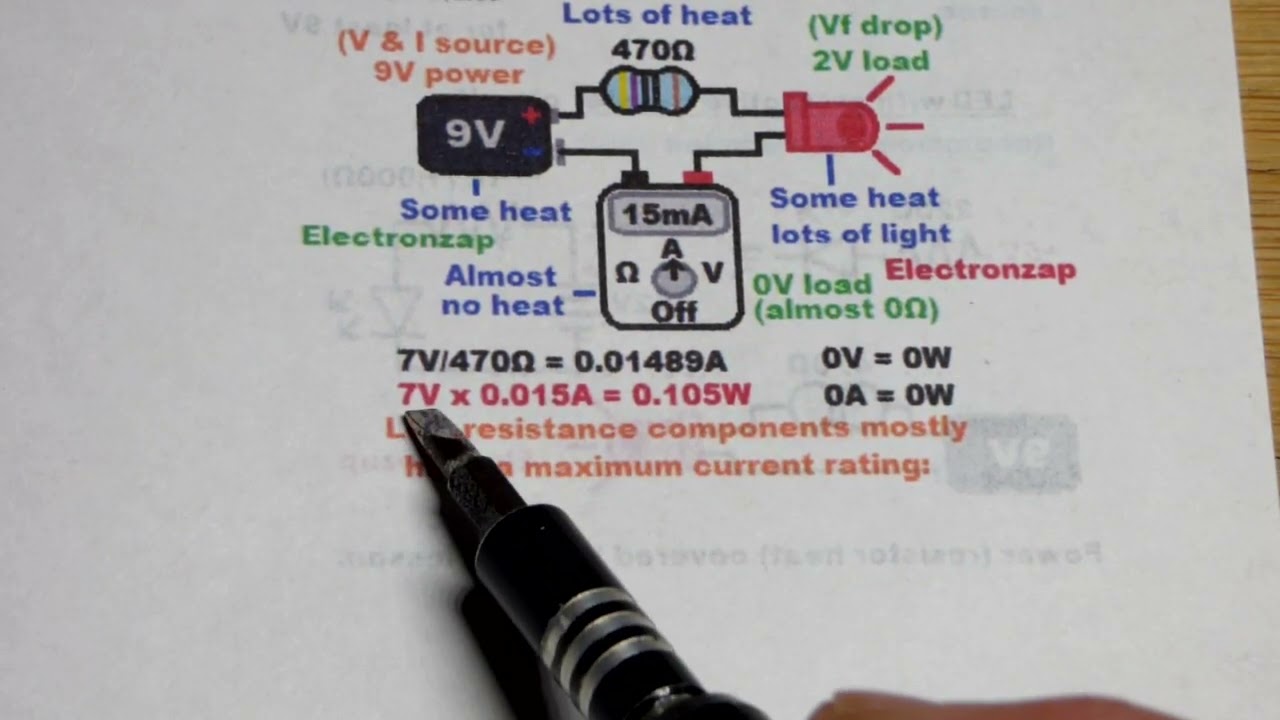
Added:Basic Electronics and Circuitry: Understanding how microcontrollers (such as Arduino or ESP32), relays, and sensors interface to control external hardware like grow lights.
Fundamentals of Behavioral Psychology: Familiarity with operant conditioning, cognitive reinforcement, and the mechanics of habit loops (cue, craving, response, reward).
Introductory Programming Logic: Comfort with writing basic control loops, reading digital or analog sensor data, and executing conditional (if-else) statements.
Plant Biology Basics: An understanding of photosynthesis, photoperiodism, and how artificial light spectrums affect plant growth and health.
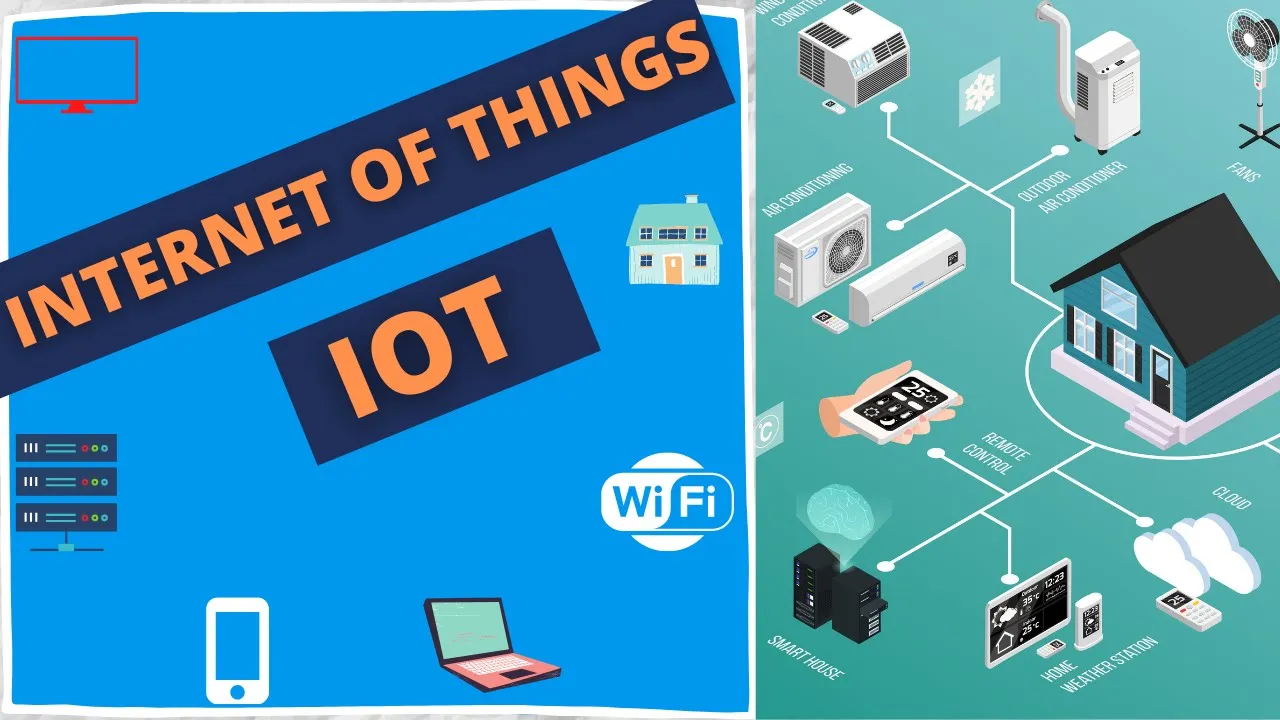
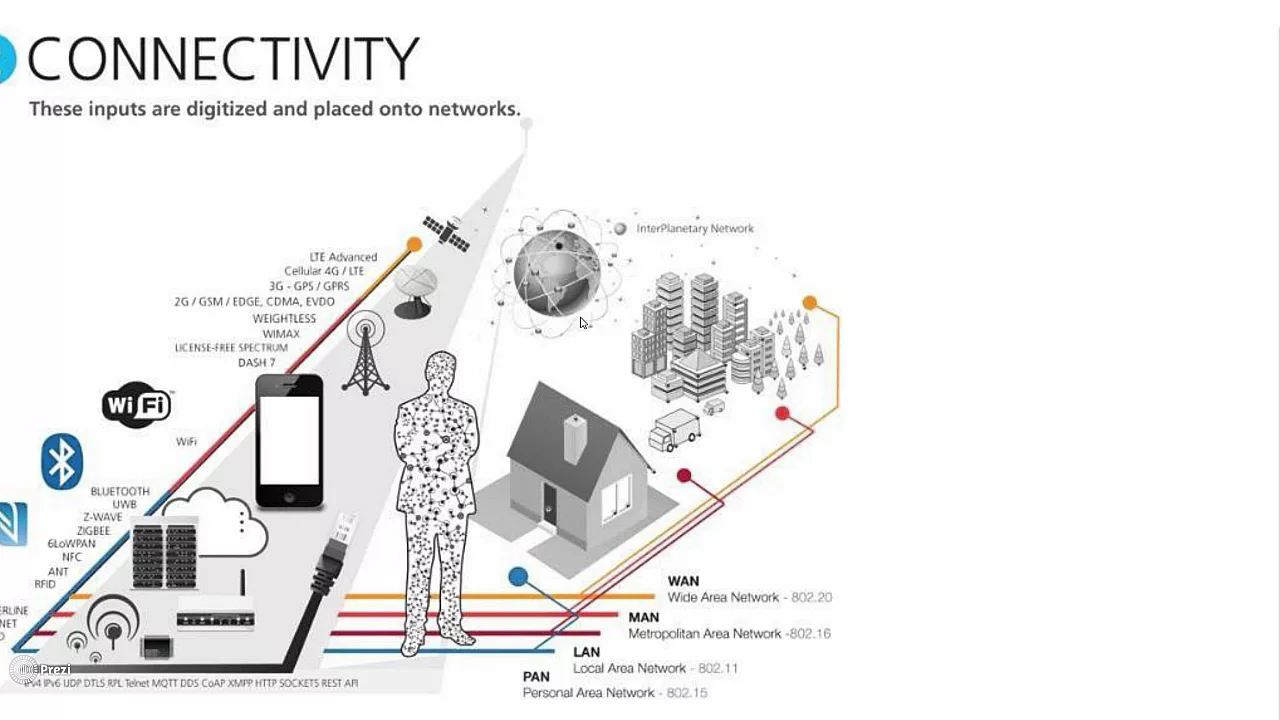
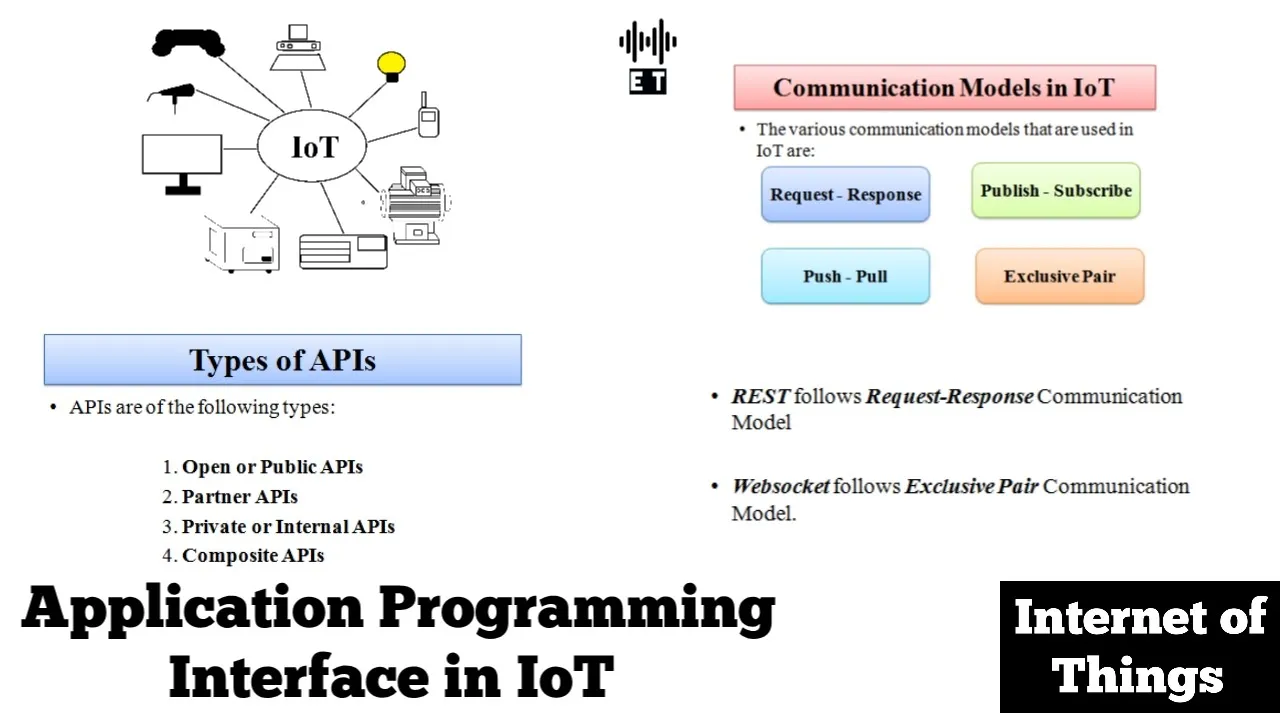
Internet of Things (IoT) and API Integration: Learning how to sync physical hardware with smartphone APIs or screen-time tracking applications to automate the feedback loop.
Persuasive Technology and Calm Design: Exploring how to design physical objects and user interfaces that subtly steer human behavior and reduce cognitive load.
Advanced Closed-Loop Control Systems: Studying automated environmental control, including soil moisture sensing and automated watering, to build a fully self-sustaining ecosystem.
Quantitative Behavioral Analysis: Collecting, graphing, and analyzing personal behavioral data over time to empirically evaluate the effectiveness of the deterrent system.
401.5K views27.5Klikes15:42Original Release: 2025-11-25
This video is brought to you by KiwiCo.
I just got a really special box in the mail and I am so excited to open it.
But before we do that, let's rewind a bit.
10 years ago I built an applause machine and it's still one of my favorite things that I made. Fast forward 9 years when I got an email from KiwiCo, which is a company that makes these educational crates for kids and they wanted to collaborate on a crate and we decided to make a version of the applause machine together.
I'm going to put this entire crate together later, but for now, I just wanted to show you how the clapping mechanism works. So, you just have to tension this rubber band.
And then And you can use it for a bunch of things. You throw away the trash, applause.
You flip down the toilet lid, applause.
The thing I would really want an applause for though is for putting my phone down cuz I'm on it way too much as we all are, but I think I might need something a little bit higher stakes. So, here's what I'm thinking. Instead of a reward for putting my phone down, what if by using my phone I'm actively killing something.
There's a plant [music] and it lives inside of a tinted glass cylinder and its only source of light is a grow light [music] and to turn it on I have to put my phone on top of it.
So, if I'm on my phone all day, the plant won't [music] get any sunlight and it will die. Is it too grim?
It's just a plant. I kill plants all the time. Suddenly I grew a conscience and I'm like, "Oh no, can't kill plants." I also eat a lot of them, so I'm on their bad list. You're going to help me win time back from the algorithms. Okay, here's my setup. I'm using an Arduino Uno as my microcontroller, a real-time clock to know what time it is, a magnetic hall sensor to detect the presence of a phone, a relay to turn the grow light on and off, and an OLED display to show how long I've had my phone in there. I got to admit I was a bit nervous to do an electronics project because I used to be the creator of shitty robots, but she is now buried in my backyard. But it works.
I just did it component by component and it was actually really enjoyable. So, I got a USB powered grow light that I want to control with this relay. Only issue is that I didn't realize they would have this logic on board, so I can't just give it 5 volts and have it turned on because then you have to like push all the buttons and set it. So, I'm going to pick it apart and see if we can like hot rod it in some way.
What if I do this one and this one?
Well, that's easy. I just get a wire, red to VCC and white to ground. Well, that was a lot easier than I expected. I feel like >> [laughter] >> every build I'm like so in fight stance and I'm like, "Huh!"
And then you're like, "Oh, this is I can just walk here." And then I'm like, "Huh!"
Yeah, this is a walk in the project park. I guess we should go and like find a cylinder and stuff that we want to torture our plant in.
For the greater good.
Want to walk?
Okay.
Come on. Okay.
Use your legs.
Nope.
She wants to stay >> [laughter] >> Like she would spend 22 hours a day in this backpack if I let her.
I want a cylinder with some diameter, some D.
High girth, high D cylinder.
These ones are kind of nice.
So, what I'm trying to decide is do I want to have the grow light and the phone station and everything on top or do we want to have everything in the bottom? One of the nice things about having everything in the bottom is that I would like me to slide my phone into it and you could make a perfect phone sized recess, which means that I couldn't just put another magnet or something like that on it to try and trigger it to think that my phone is there. I also really need to pee, so we're just going to make a decision that we're going with the round top one. I love it. It's so magical.
>> [music] [music] >> Is this looking like a montage of me being like a fake scientist? [music] Throughout my career I have become a master of fake screwing. I've become a master of fake [music] building because really often if you're doing like a show or something, they're like, "Oh, can you tinker on this project?" And all you do is like you pull out a screw, you put in the screw, you pull out a screw, you put in a screw.
This is real work, okay?
I'm not faking it. And then we have a base top, a base middle that has some room for all the electronics and then we're going to make the base bottom, which will have room for the iPhone to slide out. And the iPhone is going to stick out a little bit, so I can pull it in and out. I'm going to use my CNC to make three layers of the space and probably screw them all together or bolt them all together so I can take it apart in case something goes wrong and then we're like cooking with jazz.
>> [music] [music] [music] [music] This is going to be so hard to get out, I think.
So, it's both glue and dowels.
So, this is going to go inside of the dome and it's what's going to hold the LED light.
Very pretty.
>> [music] >> Look at what Laura made me for my [music] birthday.
I've been wanting to get a like work light and this is absolutely magnificent. [music] And it's from this really cool brand called Laura.
You know what? Let's call it intentional that it sticks out just a little bit.
Or you know what? Let's whack it.
Just a little bit. Just some gentle violence.
Oh, nice. Okay, I am never getting this out again.
The one thing I haven't figured out because I don't know how to is what glue or like adherence mechanism to use to get this to stick to up here.
Let's look at what glues we have.
All purpose cement used for rubber, wood, leather, glass, cork, metal. Ooh, nice.
Allow to cure overnight before placing into service. Kind of want to finish it right now, but it's also this is the thing I do because it's what? 4:20 p.m.
on a Friday afternoon and I just want to finish the project and I know that I'm going to make poor decisions because I just want to finish the project. But I like the look of you cuz you look newer than that one.
And I like my glues young and supple.
Oh, I hope you dry clear. I guess I should have checked that.
Oh, wow. That is really not making as much contact as I expected it to.
You know what it's like? It's like people on the last stretch to get to the peak of a mountain, but the weather's turning bad and they say, "No, let's push. Let's do it anyway."
And the right thing to do is to not push. So, I'm going to call it a night and not make mistakes that I can't reverse.
And happy Friday to you all.
Okay, let's take a quick break and assemble the rest of this KiwiCo crate.
So, something that I learned during this collaboration with KiwiCo is how important continued play is because I was like, "Let's just make an applause machine." And they were like, "Okay, but how does it connect [music] to play?"
Because they don't want kids to just make a thing, they want it to be something that they can use or play with. So, we decided to turn it into a game of mini golf.
Oh, there's obstacles.
Even one with a hole in it.
How rude.
Last, very important step. [music] Got to put the googly eyes on it.
Beautiful. KiwiCo sends these hands-on projects for kids [music] that are all about building and tinkering and discovering. So, basically everything that makes me who I am. And they have crates for kids of all ages and for so many different areas of interests.
[music] So, I'm doing a project with plants. And if you have a kid that's interested in plants, KiwiCo has crates that relate to that topic and that can help expand their curiosity.
Oh, no.
Is this cheating? Am I cheating?
Whatever.
As one of the people who helped come up with this crate, I make the rules, okay?
If you want to give your kids the joy of creating this holiday season, check out KiwiCo and use my link kiwico.com/simone and my code Simone for 50% off of your first monthly crate for kids [music] ages 3+. And maybe in the future you'll have a golfing buddy. Thanks, KiwiCo.
Okay, I've had [music] a think and there's just no way I'm going to glue this on the inside of the dome and it looking nice. So, instead I 3D printed this structure that will kind of hold it up.
It's a bit of a compromise aesthetically, but it'll be more stable.
Honestly, I think once the plant is in there and the light is shining and I kind of cleaned everything up, it's going to look good. This stresses me out so much.
This needs to be nicer. I'm going to try and see what I can do cuz this is not I cannot.
>> [music] [music] [music] [music] [music] >> I'm feeling [music] increasingly terrible about this project.
Like I think it's really good, but I don't know if I can do [music] this to a plant.
Let's go to the store.
>> [music] >> There are just so many pretty plants.
I mean, we could have a succulent.
I don't like succulents, though.
Which might be controversial to say.
Kind of freaky.
And they don't want me to touch them.
Like I'm thinking this is like a good size, maybe.
But you're too nervous and weird.
>> [music] >> Okay, now check this out.
>> [music] >> There's something so scientific lab about the plant in the glass dome and I really like that aesthetic. So, the way it's set up now is that it counts up to 4 hours. So, the max amount of grow light time that it gets is 4 hours and then it resets that counter at midnight. And on Saturdays and Sundays it just automatically turns it on for 4 hours cuz I'm not really in the workshop then. I feel like I delivered on my vision, [music] which is all I ever hoped for.
Also, I really hope that it survives. Do you have enough airflow?
We routed some channels so you would wouldn't be in like a sealed little environment. You know what it reminds me of is the pact that I have with my mom and my sister. So, I was never really a smoker, but I would sometimes like party smoke. And we made a deal that if one of us smoked, then the other two could as well. And that was like I mean, 15 years ago and I have not smoked a cigarette ever since. Because it's so much easier to look out for people and creatures you love. Like I would maybe be okay with wrecking my own body, but I would never be okay with the thought of my mom doing the same. And I feel like this taps into the same psychology.
And there's something kind of poetic about it. Like if I'm on my phone, I'm not only taking away from my own life, I'm also taking away from the life of this plant. Also, how often do you need to get watered?
Should probably look into that.
I really hope you like this video.
Okay, bye.
By the way, before we go, we just [music] released a new Edge disposable at Yeggs Studio. It's called Birthday Heist on the Hillside and it's a bunch of ants raiding a mouse birthday party.
So, if you like puzzles or if you know somebody who does, try it [music] out.
>> [music]
Up Next

21:52
The Ethics of Persuasive Tech & Hypernudge | PAIR UX Symposium 2018
@GoogleDevelopers
39.4K views•2018-07-09

12:54
Triumph of Orthodoxy Icon: Byzantine Art & History Explained
@BenCallan
2.1K views•2024-08-06

9:49
FastAPI vs Flask vs Django: Choosing the Right Python Web Framework
@TechWithTim
302.5K views•2024-05-26

1:42
Game of Thrones Opening Credits: A Cinematic Analysis
@gameofthrones
46.3M views•2011-04-18
Related Study Plans & Knowledge Roadmaps
Structured learning paths in General & Interdisciplinary Studies
general-studies
Elevator Engineering: History, Physics & Cities
01From Hoists to Safety Brakes: The Dawn of Vertical Lift
02Hydraulic vs. Traction: The Engineering Physics of Elevators
03Modern Speed, Safety, and Algorithms
+ 2 more learning modules
12h5 modules
Explore Roadmap
general-studies
Rubber: Material Science, History & Geopolitics
01Origins of Natural Rubber & Mesoamerican History
02The Chemistry of Natural Rubber & Vulcanization
03The Geopolitics of the Rubber Boom & Colonization
+ 2 more learning modules
12h5 modules
Explore Roadmap
general-studies
Containerization: Evolution, Logistics & Trade
01Ancient Trade & Bulk Cargo: Amphorae to Barrels
02The Industrial Revolution & Cardboard Packaging
03The Containerization Revolution: Malcom McLean
+ 2 more learning modules
12h5 modules
Explore Roadmap
general-studies
Textile Tech: Evolution, Labor & Global Impact
01Pre-Industrial Textiles: Handloom & Cottage Industry
02Mechanization: The Spinning Jenny to the Power Loom
03The Factory System & Global Labor Transformation
+ 2 more learning modules
10h5 modules
Explore Roadmap