












![[FULL STORY] What was the moment you lost all respect for a teacher?](https://i.ytimg.com/vi/aifxQ20V4L8/maxresdefault.jpg)


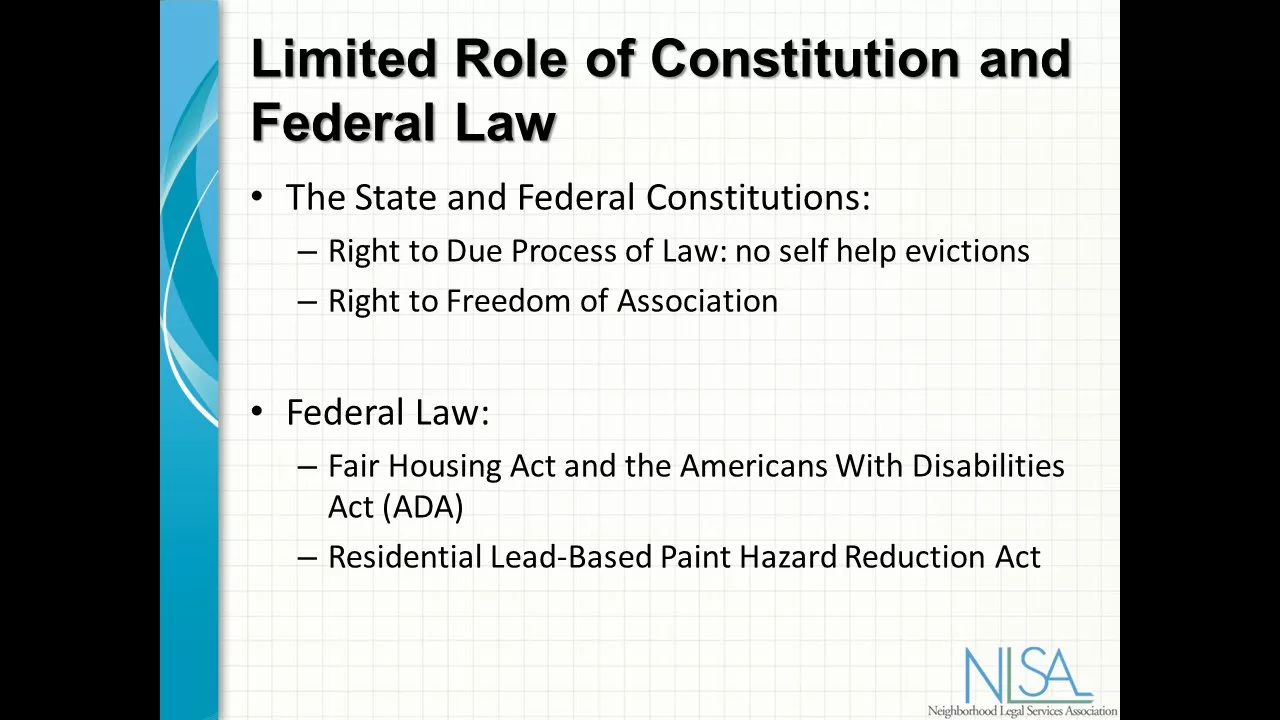





Landlord-tenant disputes in Pennsylvania follow a structured court process where landlords must file complaints in the district court where the property is located, provide proper notice to quit before filing, and prove their case at a hearing within 7-10 days of filing. Tenants have the right to appear and present evidence, and both parties must follow Rules of Evidence when presenting documents. The court may enter a pay-and-stay judgment (for non-payment of rent) or a possession judgment, with appeal rights within 10 days for possession and 30 days for monetary judgments. The process requires landlords to bring copies of the lease, notice to quit, and evidence of damages, while tenants should bring documentation of property conditions and communications with the landlord.
Landlord-Tenant Disputes in Allegheny County: Court Process Overview
Added:thank you everyone for being here um pennsylvanians for modern courts and the bough of Dormont thank you I want to give you a brief overview of who PMC is before we get into tonight's presentation uh my name is Nina shabach I'm the Pittsburgh program coordinator for pennsylvanians for modern courts and I drove from Forest Hills so I did not get as lost as I thought I would be uh pennsylvanians for modern courts is a nonpartisan nonprofit that envisions a Pennsylvania judicial system in which everyone is assured imp partiality accessibility and respect for over 35 years PMC has worked to educate all pennsylvanians about the courts and how to navigate them with confidence while we are not offering legal advice today we do hope this presentation is informative and educational to you all on behalf of PMC thank you so much for joining us tonight and thank you to the Bureau of Dormont for hosting us after the event is over you'll be receiving a recording of this program as well as a questionnaire over email filling out the questionnaire helps us bring you more workshops like this one and for our presenter judge Hillary Wheatley um judge Wheatley is elected to her judgeship in 2021 as a lawyer she focused on civil litigation focusing on real estate and estate planning she is a native of Columbus and has served as a faculty member for the Pennsylvania Bar Institute and I'll pull up our slideshow now there we go all right all right hi everybody I'm um Hillary Wheatley um like Nina said I am the magisterial district judge for the district that includes both Dormont and Mount Lebanon I've been on the bench since January of 20 22 and from 2007 until I took the bench in 2022 I worked for um papernick and gsky like I like Dina also said focusing on real estate law in that capacity I spent a ton of time in District Court offices like my own representing landlords and tenants in landlord tenant cases and then also taking those cases up on appeal to the court of common pleas so I'm going to speak to you tonight both as an experienced legal practitioner about these things but also as a judge who hears the cases um I'm not giving you legal advice but I'm talking to you about procedure I'm not permitted to give you legal advice and I won't be able to answer questions that seek advice about what to do but we can talk about procedure so we'll go ahead and move forward through the slides and we're going to start with a brief introduction about the courts in Pennsyvania so um in Pennsylvania we have like as as the slide shows a pyramid Court system lowest level of the pyramid are the magisterial district courts in Philadelphia those are called Municipal Court but they're the same idea um magisterial districts are about equal equalized by population um the Commonwealth tries to honor Municipal boundaries when they create Municipal uh magisterial districts above the magisterial district courts are County Court of Common Pleas every county has its own Court of Common Pleas except for a couple of very sparsely populated counties up in the Northern Tier of the state that have kind of combined um Courts for two counties um most courts of common pleas are divided into various um divisions based on specialty of law um and then above the Court of Common Pleas are the state's intermed intermediate appell at courts there are two um appell at courts in Pennsylvania one is the Superior Court the other is the Commonwealth Court the best way to understand the distinction is the wealth court is where appeals go where the government of any um level is involved as a party so if the Commonwealth is a defendant or a plaintiff in the case or the burough of Dormont is a plaintiff or defendant and the case is appealed that would go to the commonweal cour commonweal court and then above it is our Pennsylvania Supreme Court every single judge who sits on that all four of those levels of the Court are elected by the voters um for magisterial district courts theur jurisdiction like the slide says includes small civil claims so if you want to sue somebody like a contractor who doesn't do the work they should and the value of that um claim is $122,000 or less you can file those with me what we're here to talk extensively tonight about is landlord tenant cases so for those what's important to know about that is landlord tenant cases have to be filed in the district court where the real estate is located um for other cases jurisdiction and venue are a little bit different but for landlord tenant cases the real estate has to be located in the district and that's where you file um we also hear summary cases so if someone's charged with um minor drug possession or public intoxication or violation of truancy law or code violations um we hear those and then um all district courts also have jurisdiction over the first two proceedings in a criminal case including preliminary arraignments where bail is set and preliminary hearings where the Commonwealth has to has to prove at least a minor bit of evidence to move the case forward um so we'll go ahead to the next slide um so like I said Common Please is the next level up it has both appell at jurisdiction from magisterial district courts so if you bring a case before a district judge and you want to appeal it you appeal to the court of come and please but it Al is also a case of original jurisdiction for say civil claims over $122,000 um and all sorts of other things um relevant to tonight all appeals from landlord tenant cases will be filed in the alag County Court of Common Pleas in the Civil Division and assigned to within the Civil Division the arbitration division um and um there's a whole bunch of other cases that end up in the Civil Division um and in the court of common pleas um also relevant to landlord tenant cases are um appeals from district courts where say a landlord has needed to sue a former tenant for damage left to the property that becomes a civil case and not a landlord tenant case even though the relationship was land lord tenant and those appeals will go downtown to the court of come and please um and before we um move any further I just want to introduce um somebody who just walked in the room Melissa Evans who justed into the room she just walked in and I'm introducing her because she is an attorney um with Neighborhood Legal Services and Neighborhood Legal Services represents a whole bunch of um represents people on a whole bunch of things I invited her to attend to you know share her thoughts as we go through these slides um from a tenant representative or tenant attorney perspective and how kind of all of that works so she's here and I may ask her to pipe in from time to time and obviously like raise your hand if you want to share stuff she's also a m Leb resident so she lives in the district um so this explains how the um Court of Common Pleas is divided into divisions so we have civil which is what we talked about that's where appeals from landlord tenant cases go and um cases involving personal injury and torts and um contract disputes Criminal Division is only adults who have been charged with crimes um Family Division includes divorce child support juvenile criminal cases which is called juvenile delinquency court and then um pfas are filed there and juvenile dependency when maybe a child needs to be um removed from their home for whatever reason um that's all Family Division and then orphans court is Will's Estates um incapacitated parties and appointments of Guardians and civil commitments like when someone needs to be forcibly um committed for um mental health treatment so that's our C of Common Please the boss of all of us in in some ways is President judge or boss of me I should say not of you um is president judge Susan aashik D lente she's a former magisterial district judge um she is the boss of us in some ways but really my boss are the Supreme Court Justices and my district voters who get to decide whether I keep the job um all right so this is somewhat relevant to landlord tenant but not but we always bring it up because it's real estate adjacent um there is a program in the aligene County Civil Division that um will help people facing mortgage foreclosure um it is a special program that um will help divert your case from Full foreclosure through share of sale to um helping you reach an agreement with the mortgage lender to get caught back up on your mortgage so we bring that up there'll be information and there's a link there um that you can find in the slides on how to learn more and to determine if you're eligible all right so we went over the intermediate courts will'll just skip right over that one and these are our Commonwealth Court judges all of these judges um are elected for 10 years and some of them will be on the uh ballot this year because they'll be running for retention you won't see their names on the ballot for retention until November um but yep come off Court that's where um appeals not uh involving a government or where appeals involving a government entity go so like landlord tenant cases real estate related cases cases unless it's like eminent domain involving the government never end up before the commonweal court it would typically include things like state agencies so you never filed for unemployment compensation and you appealed that it would first go to the unemployment compensation board of review and then the and it's it's also um I lost my train that we'll move on all right Superior Court is appeals involving the L tenant cases if they would ever make it to the superior court on appeal um other real estate related appeals um contract disputes personal injury appeals of convictions by um defendants who have been charged and convicted of a crime um and we've got a lot of Superior Court judges some of them also will be up for retention they run for 10year terms and then are will be on the ballot for um retention and they've got some recent cases that are um real estate adjacent that are listed there um on the slide you can search those case names on the interwebs and find more specifics about them um so one is about license plate registration um that's a suppression motion that's like that's criminal court so we won't talk about that and then another one is nursing home stuff so we'll skip over that Supreme Court seven Supreme Court Justices um again also elected for 10-year terms um couple of them from alagan County um one of them will be on the retention ballot in November and appeals to the Supreme Court are not automatic you have to request that the Supreme Court hear your appeal and they Grant very few of them similar to the United States Supreme Court um and they uh generally preside in Harrisburg but sometimes are here hearing arguments and there are very few things that go automatically to the Supreme Court um where they have original jurisdiction most of the work they do is discretionary review on on appeals and let's SK over let's get that one all right here we go why you're all here so we're here to talk about landlord tenant cases um it is a complicated process both on the front end when you're trying to become a landlord or a tenant um trying to decide the rights and responsibilities when you're entering into the lease contract and then it becomes even more complicated when the relationship sour in one way or another and you need to seek the assistance of the courts um as with most things discrimination in housing is um against the law and so both Pennsylvania and federal law prohibit discrimination in the granting of Housing and um you can be uh reported to and essentially prosecuted for lack of a better term by both the federal and state government for housing violations um and so if you are if you believe you are the victim of discrimination either in the um your application or attempt to obtain housing or in the um use of your housing or the violation notices that you may be receiving from your landlord you can report those violations to the agencies whose phone numbers are on these slides um and there are some pretty strict requirements with respect to landlords with what they're allowed to ask when um allowing prospective tenants to complete applications what they're permitted to consider and what they're permitted not to consider um and one really important one that is of often used despite its prohibition is asking whether people have been arrested for or convicted of crimes that is discrimination you cannot and should not ask um if you're asked I you are permitted to leave it blank um and if you like I said if you feel like you've been a victim of discrimination you don't generally file in court you file complaints with these agencies and then the agencies investigate and file themselves with you as the victim for lack of a better word anything to add about discrimination claims Melissa Miss edans anyone not I mean I think maybe you get into this a little further into the slide deck but I would just point out one of the other sort of pitfalls that can come up and there's some tension is lots of landlords have a no pets policy but people have service right those two things fit together yeah and that's you I as a in my former life as a real estate attorney representing homeowners associations and plan communities that had no pet policies that was something I dealt with a lot and and expl and and explaining that under the law a service animal or a support animal is not a pet and um if if the if the person who is the animal owner is entitled to that accommodation from that no pet policy you cannot enforce the you cannot enforce pet rules on the animal um and it it is a area of developing law that is right for misstep so you know to the extent you you are a landlord who is having to consider whether to Grant an accommodation for a service or support animal it is it is a place to tread very carefully and ask for advice before before you open yourself up to a discrimination claim the other protected characteristic that's not listed here and that's probably because it's only embodied presently in the Pittsburgh city code so presumably Dormont is outside the city but if you have any housing issue in the city know that domestic violence survivors or victims are also a protected characteristic and it imposes some requirements on landlords and there is currently a bill pending in Harrisburg to add that as a protected characteristic to the Pennsylvania landlord ten so that is that's important in the works and potentially coming down the Pik okay so we'll move on I could instead of looking like this the whole time I could just look at the pieces of paper I printed in front of me give you the keyboard yeah I could do that too all right so we there's some examples of discrimination we'll go over and um it's hard to hear oh it's probably hard to hear you speak speak if Melissa if you'll stand up and press that like face button on that just turn it on now and until the light turns on and that should help and maybe pull it down a little closer thank you for that note from um our a member of our Zoom audience um all right so examples of discrimination um a landlord meets with a member of a protected class who's a potential um tenant and then quotes a higher rent than advertised that might be a basis for a discrimination claim um or denies it's available after it being advertised and confirming it's available and then you go meet with them and after the landlord meets with you they deny that it's available um they the one thing I get a lot and I got more often in in planed Community Law but it comes up a lot is um rules regarding noise of children or the ordinary play and behavior of children becoming a a basis for notices of violation or notice of eviction from a landlord having children and children behaving like children do and making the normal noise of children um is uh you can't prohibit that and to try and evict somebody on that basis um would be considered discrimination on the basis of familial status um now obviously there is a line Beyond which it might not be considered discrimination but it is it is another area to tread very carefully because um of the laws governing discrimination um again on that familial status situation you can't um restrict um properties to people without children or to you cannot restrict based on the number of people sharing a bedroom um you have a question without children does that specifically mean no children can live in yes yeah that's not like say you your children are 45 and your in your 70s it's like it would be you cannot allow children or people under the age of 18 to live here we will not let people under 18 live here um on the other side of that however there is some permissibility in um other areas of real estate that you can you can restrict be be under 55 for like um older senior citizens communities that's the only kind of um age discrimination to the it's not really age discrimination but that's that's one place where age drawing a line for age is permissible um and um another basis for discrimination that we see a lot is that service animal support animal denying of um the right to bring that animal or demanding more information or proof regarding the animal in the need for the animal than than is permitted under the law there is a ton of information and guidance on the internet from experienced practitioners from HUD from um all sorts of agencies and advocacy groups explaining exactly the process that landlords need to go through and tenants need to follow in order to be entitled to the reasonable accommodation to bring their animal um so uh to the extent you ever face those issues there's a there's a lot of great help available out there to to figure out where you're what to do next um tenant rights um in real estate there are a lot that are inherent in the contract whether the lease says it or not every landlord and every tenant every landlord has an obligation to provide and every tenant has an a an an ability to assume that the property is habitable what that means is heat in the winter water running out of the faucets a toilet that flushes doors that lock windows that close um appliances that work um a roof that doesn't leak you know the basics of housing it's it's not about luxury versus um you know it's not like Motel 6 versus the Waldorf aoria it's like can I close my doors and feel safe and can I use the toilet when I need to and can I shower and can I cook my food and and is it warm enough in here that I am not freezing um there are a lot of things that people believe are violations of the warranty of habitability that don't rise to the level of it um but it you know it's it's the basics for you know a roof over your head um mold might be another one water leaks things like that sewage backups that aren't reasonably repaired with respect to habitability um if if you're a tenant and you believe you're living in conditions that may violate that the the best process is notify the landlord IM mediately that you there is a condition that requires repair the the landlord is given the ability to reasonably repair it and and reasonableness is based on the problem if it's like I have a tear in the screen of my window they're going to probably be given more time under the law or in in the courts to fix that versus it's 20 degrees below outside and my furnace is broken so it's all based on the individual circumstances um at a certain point if that that item is and or the items are not corrected um tenants have a whole lot of rights under the implied warranty of habitability in terms of how they enforce that rate um and it's a it's a complicated process to navigate but um just know that if you believe you are living in conditions that may violate that there are rights that you have to enforce those you also as a tenant have a right to use and enjoy your unit without interference by the landlord and by your neighbors um so what that means is you have a right to assume that your landlord isn't going to walk in your apartment without announcing it or access your your apartment without reasonable notice um and again a violation of that may give you the right as a tenant to terminate your lease um or seek other damages um and that is also a way that in some instances again Beyond like reason able you know noise when you're sharing walls with a neighbor um you may have a cause of action if something going on in an adjacent apartment or an adjacent home that your landlord has authority over like if it's a single family home next door your landlord can't control that but if it's the apartment next door the apartment upstairs or downstairs um there are limited circumstances where you may have um some rights with respect to being disturbed by your neighbors anything doubt about that I was just going to go back to the implied warranty of habitability for a moment and just say one of the most important things as a tenant is to document whatever the issue is so take photographs make keep a log of dates and times when you notifi the landlord of the condition um essentially build your evidence in the event you have to appear before judge wheatle on a land tenant dispute yeah and we'll get once we get into the filing a case we'll go over all of the things us judges like to see to make our jobs easier um and you also have a right to exclusive possession and what that means is privacy unlimited access to the entire thing that you rented um and you know the flip side of that is the landlord under the law and under your lease will have a right to inspect and gain access to the apartment or the home that you're renting but they're required to give you reasonable notice of that unless it's an emergency like they know water is gushing from a shower and they need to go in and and turn it off but otherwise you have a right to expect that um you you're going to have privacy and notice before a landlord enters um so as a as a tenant what's your job your job is to comply with the terms of the lease that you signed and I would say before you comply with the terms of the lease you sign your job is to make sure you've read the lease all of it and if you don't understand ask questions until you understand and then once you move in your job is to pay your rent pay your utilities if they're separate um not smoke if you've agreed to not smoke in the apartment don't bring a pet in if you've agreed not to bring a pet in um and as long as you do all of those things you should be able to get to stay and you have a right to um assume that you um are going to live in a place with water and heat and a roof and if you don't the landlord has some obligations and some rights on how they enforce the um alleged violations of your lease and that means you you really do have to obey all of the terms it and that means if your lease says you've got to shovel your sidewalk you've got to shovel your sidewalk in the winter even if you didn't realize you had agreed to that and you would know that you agreed to it if you had read your lease before you signed it um and it's important to make sure you get a copy and keep a copy so that if and when questions arise about maybe a souring relationship you understand what your rights and duties and obligations are and what your options are if you want to terminate or move out um and again back to what Melissa said earlier about documenting the complaints or the issues that you have with respect to the condition of the property a landlord can't fix something in your property if they don't know about it you can't come in to a landlord tenant hearing where your landlord's trying to evict you for non-payment of rent and say to a judge I mean you can it's not going to be a successful statement um most times um that I didn't pay my rent because the ceiling in my bedroom has been leaking for the last 12 months and then have either me or the landlord ask you did you notify the landlord and you say no they can't fix things they don't know about um and also back to the reading the lease there may be certain conditions in the property that the lease obligates you to repair so make sure you understand what your obligations are in that regard and um you want to keep track either via text or by bya log any Communications you had with your landlord about repair requests date and time and what specifically you asked for how long it took it to took them to repair those things so that in the event the relationship finds itself in court you have documented your attempts to to get these things repaired um and then on the back end of the landlord tenant relationship your obligation is to leave the property the way you found it now that's accepting ordinary wear and tear and what ordinary wear and tear means is different depending on how long you've lived in the property you live in it for a year ordinary wear and tear is different than if you've lived there for 10 years um and you're also required to leave it broom Clean and Free of debris that is a term of Art in the real estate world that means you've thoroughly clean the apartment and vacuumed and cleaned the sinks and the toilets and all of those things before you leave and clean out the refrigerator um and if you don't do those things that may give the landlord um a cause of action for damage or repair or claims for um having to like move all your furniture out if you leave it behind or the right to retain the security deposit yes the right to retain the security deposit which we'll probably get to here at some point so a landlord because they own the real estate have the right to decide the rules of the real estate to a certain extent as long as they're not violating anti-discrimination laws um they are entitled to have a set of keys but not to use them at whim they have to notify you before they come in but um if you change the locks on your um property you have to give the landlords a key if you have a keypad and that's how you get in and out you need to notify your landlord that you have changed the key code on it um you have a right um as a landlord to seek eviction through the courts and only through the courts if a tenant violates the lease in any respect whether that's non-payment of rent or um allowing additional people to live in the property that weren't on the lease or that weren't approved by the tenant um or bringing in an animal when you're not permitted to bring in an animal smoking in the property when you're not permitted to smoke but landlords um yeah I see I see your question Noah um let me finish the thought I just had and then I will answer Noah's question was how much notice is required to access the apartment so um I I just want to go back to this middle bullet point on this piece of paper which is that the only way landlords are legally entitled to take the property back from you and lock you out and prohibit a ten tenant from access to their home is through a legal eviction where the Constable either has shown up or the Sheriff has shown up landlords may never lock you out on their own and if they have they have violated the law and you have a cause of action um the notice for Access by a landlord is generally dictated by the lease the lease should say how much notice the landlord will give you before access it does not always and the landlord tenant law is silent am I right on that do you know off the top of your head I think that's correct it's controlled by the terms of the lease except in those emergency situations like you described before yeah so um and and and if it's not in a lease and it's not in the landlord tenant law you know notice is going to be kind of based on the reasonable person standard was it reasonable for a landlord to text you at 11: p.m. saying I'm coming at 7 a.m. tomorrow maybe not um unless again it's like your emergency or something um and uh so yeah the the answer is it depends which is a great lawyer answer to a question like how much notice is required um and you landlords may require a security deposit it's not required by law that you obtain one one important note about landlord security deposits is that for the first year of a rental term landlords May hold more than one month's rent as a security deposit but if the landlord relationship continues beyond the first 12 months they are prohibited from keeping as a deposit more than one month's rent and so if when you move in your landlord asks for first month's rent last month's rent and a security deposit that last month's rent is actually security deposit um they are not permitted to hold in escrow beyond that first year any more than the first month's rent um and you have a right to request it either be applied to like month 13 or to ask for it to be returned to you um landlords are not responsible for insuring repairing replacing or protecting your personal belongings um and therefore it is advisable when you are renting property to obtain renters insurance and some leases may require it um so a landlord has to just like we talked about that implied warranty of habitability that is a um tenant right it is a landlord duty to comply with it and provide you a fit and habitable home and we talked about a lot of these conditions previously um the one important note is if if the damage or the break or the thing that needed fixed was caused by the tenant the landlord's not required to pay for it they may do the work and then Bill you and add it to your um tenant Ledger or um they may require you to come out of pocket and hire the contractor or the you know um plumber or whatever um but that's a conversation to have with the landlord if and when that happens um and if you're living in a multi-unit building obviously the landlord has to maintain the common areas provide habitable conditions in the common areas as well um and they have to also um provide a safe home and on the right hand side of that slide are in red you know some some Basics about a habitable home that we talked about earlier all right um under Pennsylvania law landlords must notify tenants of their knowledge about the presence of lead paint or lead pipes in the home there is in fact like a form notice in brochure that is required to be given um by all landlords to all tenants before a lease is signed in Pennsylvania um and if part of the lease requires a tenant to pay some or all utilities separately you um the landlord is required to provide required to provide separate meters for all of those things so if you are paying utilities separate from your rent meaning like your rent it doesn't include everything it's not like all in for one price um the landlord can only do that if they have separate meters so I'm in a six-story building okay and the the prior owners of the building the the the water was included in everything and when this new company bought the building a couple years ago they what they said is like we get the water bill for the whole building and Landscaping everything and we divide it by the number of occupied apartments and then we get that bill so it varies month to month can they not do that I don't believe they can because it's not separately metered no no and it's not included in your rent it's over and above the rent that you pay well on the statement for the rent it shows inance your this is your rent fee this is your water and sore fee this is your garage fee this is your that fee I mean and do itemized on the bill but we see the water bill and does the water um fee on your statement every month change yeah yeah I don't think I can do that would you agree with that Melissa I will be honest I do not know okay I'm not really a separate me separate metering is so that you're you're only paying for your actual the utilities you consume so I I believe that they are not permitted to do that but um that is that is a a question I'm not going to guarantee I'm right about tonight but I I I'm nearly certain that they are required to either include it in your rent or add separate water meters for each unit um and this is this is like a relatively new thing with the smoke alarm you um landlords under the law are required to replace a broken smoke alarm within 72 hours of notice of it being broken um now that's not going to give a tenant that the right to terminate the lease but it is it is an important obligation of landlords and um can result in some um fines and consequences if not complied with okay so um a landlord's not permitted to sell your personal property to pay your rent they're not permitted to lock you out they're not permitted to shut off utilities um they're not permitted to harass you in as a tenant in any way um and that's you know harassment is different to everybody but the standard in the court will be a reasonable po person standard um and so harassment to you may not be harassment to me as a person um ultimately the judge is going to have to be the decider on whether or not the level of communication between a landlord and a tenant Rises to the level of harassment um and again like we talked about earlier landlords may not enter the property or allow others to enter on their behalf without giving reasonable notice except in emergencies um like we talked about for um service animals and support animals they are not pets and you can landlords may not charge you a pet deposit or an animal deposit um or make you sign a like pet lease because they're not pets um and they may not landlord's current owners may not cancel your lease and make you move out if they've sold the building they're required to give you notice that they've sold but they are not permitted to cancel an existing lease all of that is to say down there at the bottom of the page like we talked about earlier landlords may not take possession of the property without a court order um despite some belief that you can so the one thing I want you to know is um both for landlords and tenants leases are important contracts they are legally binding and enforceable in court and it is important that you read it and you understand it um there is a form lease agreement that's been approved by um or the Attorney General will review and approve form leases to make sure that contracts are written in plain language for um the average resident of Pennsylvania um but they're still really complicated documents and um it's important that you understand what you're agreeing to before you sign it because whether you understood it and whether you read it if you sign it you're bound by it so that's an important pointer when you're looking at new um apartments to move into all right so a lease is an agreement between a landlord and a tenant where um one person owns the property and another person lives in it leases should be in wrting but the law doesn't always require them in writing unless they're for a really extended period of time um you're ired or you're entitled to a copy of it um and um you should keep it with you keep it for your reference um and you if you're not paying rent and you're living somewhere you likely are not in a landlord tenant relationship um unless you have agreed to do work or um s perform you know the landscaping services for the building in exchange for living in an apartment for free that is likely considered a landlord tenant relationship but if you are letting someone live somewhere and or you are living somewhere and there is not an exchange of rent or other consideration would be those Services we talked about you are not in a landlord tenant relationship and um to regain possession of that property is not a landlord tenant case that is a ejectment case that has to go straight to the Court of Common Police um and that goes for things like you have a 25y old son that you let move in in with you and he's not paying rent and he's not doing anything around the house to help out and you didn't have an agreement about that and something has gone wrong and you want to force him to move out that's not a landlord tenant relationship you have to file an ejectment and you can't if you've let him live there you can't under the law lock him out um and the other important thing to know about leases is once you sign it it can't be changed unless the parties agree and sign it and document that the terms have changed okay what is act 88 of 2024 I probably know what it is but I don't know it by that um by its act name can you um Noah can you um explain what the idea Behind Act 88 is of 2024 and we can talk about that I think it's a squatter's rights provision and I will say I don't know anything about it um if if if that's what it is and we'll wait for Noah to pop in with an additional comment so the landlord tenant law changed um I am not familiar with that and that's likely because if they can the law now allows people to remove squatters without um using the courts to do so I that wouldn't come before me um and so I I I'll be honest no I apologize I don't know the answer to that question um but if the landlord tenant law has been amended to allow walkouts which actually surprises me again it's just for squatters so those who do not have a landlord tenant agreement okay doesn't necessarily require that the agreement be in writing but if you are as you were describing living somewhere that you are not paying some kind of money or other consideration like services rendered you might fall within this category of squatter yeah and and a squatter is different from someone who you let live there for free even if you let them live there for free and then you want them to leave I don't in my mind without reading the ACT specifically in the definitions that's not a squatter a squatter is a is a stranger to you or the owner who found a way into this home and has decided to let themselves live there for free without the landlord's permission um all right so we went over lease terms you all right so a lease um you know basics of a lease are who can live there how many people you can how many people are living there um how much time you get to stay and how much you have to pay it will also include things like who's responsible for making the repairs who's responsible for checking smoke alarms when when and if you're allowed to have visitors when and how landlords must give notice before accessing the property who's paying for utilities what the late fee is um who's responsible for the other day-to-day maintenance of the property um how you can renew a lease how you can terminate a lease what the fee might be if you want to terminate early um and what steps you have to take to give notice of your intent to not renew or move out on both sides um it it may also provide Provisions about um who's going to repair certain things in the home let's talk about air conditioning now here's the store okay um so I'm in this big building not all the units have air condition conditioners um the prior owners of the building had a deal where if you buy an air conditioner we'll install it for you and then you just pay a little extra buth every month for the electricity for the summer very very reasonable when the this other company bought the building about three years ago or so the lease they presented with us said and then the old landlord said well if you ever move out then you know we'll uninstall the AC unit and you can take it with you well by the time this new company bought the building the AC was like 10 years old and I knew it was going to be dying and the lease they presented to us said that if you have an air conditioner we own it and I thought well if they want to own this thing it's going to die that's going to mean that they're going to have to replace it am I right in that the lease says they own the AC because I called them when it died and they said they said well we don't have any in storage if you want to buy one we'll install it and I said well no the lease says you own it and they said well we don't have any in storage ask us in the spring so I'm going to have to deal with this again since the I mean yeah technically historically I bought the and now it's dead but the lease I signed with them says specifically they own my air conditioner did I get you no I'm just trying to walk the line of not giving you legal advice okay yeah without looking at the document it's Melissa can you give me legal advice I can not I am I'm only permitted to provide legal advice to people who go through our intake process but I mean I guess I would say seals suspect to me real on their part to to decide what they own I think the question probably comes down to one if I hearken back to my law school days a 100 years ago um a question of whether the air conditioner becomes a fixture in the apartment in which case they might have some ownership interest um as opposed to something that is movable property that you would own um and so it would really break on those lines and without more information which I don't need you to give me because I can't give you any advice but that's sort of where the question lies it also just because they own it it's not entirely clear whether that imposes on them on a duty to replace it right those are different so it's all a kind of you know if this if this is a a piece of equipment or device that is diminishing value right because over time it sort of deteriorates then it may not be something that has any monetary value unless there was some kind of tradein um availability so I think it's it's an interesting question but I don't know that there's a clear-cut answer I think it could C either way and the difference between a fixture which is owned by the owner of the real estate and personal property is basically how much damage would the would you cause to the property to remove this thing yes you know if it's if it's take it out there's not going to be a window there right so that's that's where you that's where it falls like how how do you decide whether something is a fixture that once you install it it becomes property of the the owner of the real estate versus something you can take away it's like the difference between plugging in a toaster and hanging a kitchen cabinet on the wall one is a fixture and one is personal property um and then you know owners have the owners of the real estate have obligations and duties with respect to the fixtures that they don't have with respect to personal property all right um so fine print there's always a lot even if it's not fine print it's actually in probably the normal size font in the paper but um you know we talked about this earlier during the first year of a lease your security deposit cannot exceed two months rent no matter what a landlord may call it if they have more than two months rent in their escrow account they are not permitted to um and that's after the first year of the lease once you're two years or more they may not have in escro more than one month's rent um and if you're in year three if the landlord has anything more than $100 of your money it has to be in an interest bearing bank account um when you move out as a tenant if you want any or all of your security deposit back to the extent you're legally entitled to it you must provide your landlord with a 4 mailing address and the landlord's obligations with respect to either returning your security deposit or providing you with an itemization of why they're not providing all or some of it does not start to run until you've provided a forwarding mailing address to your landlord um and that time period is 30 days so landlords under the landlord tenant act are required to provide a r itemization to their tenant of what they deducted from the security deposit and any balance left 30 days from the day the tenant provides a foring mailing address so if you don't provide a foring mailing address till you know 9 months later they have 9 months plus 30 days to return your security deposit if you never provide it they don't have to do those things but if you provide it when you move out the clock starts ticking when you provide the security deposit or provide the forward em mailing address um or after you move out whichever is later you know if you provide your landlord notice that you're moving out and here's where I'm moving and then don't move out for 45 days they they get the 30 days after you give them the property back to do the itemization and return the money um the itemization has to be detailed and explain exactly what the charges were what they were for and how much it costs it can't just be like lumps some $600 cleaning fee I mean maybe it was $600 but they have to be able to produce or prove that they spent that actual money um and if you don't get the itemized list and or a refund of your full or partial security deposit within 30 days tenants have a right under the landlord tenant law to sue the landlord in District Court for double return of the security deposit so if you've deposited $1,200 with your landlord as your security deposit you move out and you clean the property and you believe you've left it broom Clean and Free of debris and there's no major damage absent ordinary wear and tear and 45 days after you move out you've gotten no itemization no money back and you've given 4 mailing address you can file a lawsuit with your district judge in the area where the property was located not where you now live unless they're the same um seeking under the landlord tenant law $400 and then would be obligated to come and defend that case and explain why they didn't or maybe they tried or you didn't you know that that becomes a lawsuit before a judge who then decides what it what to award and how much anything that about that I would just go and underscore the itemization part of the reason for it to be a detailed itemized list is to be able to distinguish between things that are actually regular RAR and tear and things that are damaged to the property because some landlords do want to kind of lump some things in and it's just you know the property ages and the carpeting sometimes the pile gets beat down over time that is not you know if the landlord wants to replace that carpeting that is not for it to come out of your lease now if your carpet looks like a crime scene that's a little bit different story and what it look like a crime scene when you need to Point document how the property looks when you move in because and document how it looks when you move out that can be very persuasive yeah it's really important on both sides of the lease to do that um because landlords um will also have claims that they will want to bring in court saying this tenant moved out and left my property in such a state of damage and disrepair that it cost me $10,000 to bring it back to the condition it was in or 5,000 or 500 or whatever the number is and in order to prove that they need to show the court what it looked like the day you moved in and and then to show what it looked like when you moved out um and then also show the court how much they actually spent to repair it estimates are not good enough you have the landlord needs to actually spent the money in order to have a cause of action to recover it um so so documenting on both sides is really important you know date stamp pictures on your phone um that you then print out and bring to the court as opposed to handing the court your phone and asking them to look at the evidence on your phone we'll talk about that in just a minute um and the other really important thing to look for in least and we're almost at 7 o'clock and we haven't even gotten to filing of cases but um so we may skip a couple of slides but the one really important thing to look for in a leas if you're attendant is seeing whether the lease includes a waiver of your right as a tenant to notice to quit what the landlord tenant act says is that landlords are required to give written notice in certain methods to tenants before they file a an eviction case with a district judge to kick you out of your home um and the amount of time landlords are required to give under the lanord Tenant Act depends upon the basis for the eviction case if it's end of term it's one thing if it's nonay of rent it's another but lease many many leases include a waiver of your right to that notice and if you have waved your right to that notice landlords do not have to give you a notice before they come to court and file a suit you however under the rules of Court are entitled to notice of the hearing which is different from your right of to notice to quit so just make sure you're paying attention to that and and understand what right you're giving up that Weaver Clause can be somewhat limited or prohibited when you're talking about subsidized which has a whole other set of rules yes yeah we are we are not talking about the very specific subsidized housing rules and procedures because they are very unique and very different um and include a whole lot more Hoops for both sides um all right lead paint disclosure we talked a little bit about it more just know that if you're a landlord or a tenant you are bound by um a a law in Pennsylvania that mandates notice to tenants um with a brochure and and documenting of that um and at least may not be enforcable If a landlord doesn't comply with that and there are pretty hefty fines if you violate your obligations in that regard um all right so we're getting to the point where we we talk about cases between landlords and tenants and like Melissa and I have talked to you about it's important that you document all the communications you've had whether you're a landlord or a tenant because that's what's going to be deter determinative of in part who wins if you end up in court so documenting everything and then printing out those Communications to the extent they are via text or email and bringing them to court um so that the judges can take a look at them um again putting get giving your landlord written notice of a complaint is really important calling them you know if you've got a landlord who's cooperative and responsive to phone calls that's great but document either by sending an email if you have an email address or text messages if you communicate with a property manager or your landlord directly that's enough written notice you don't have to put a stamp on an envelope and use the postal service for stuff like that um and in the city you may be able to call 311 to file a complaint about repairs and conditions but in um municipalities and communities outside the city limits 311 is not a a complaint place to call you may be able to call your local code enforcement officer um or um other government um officials regarding conditions all right so there are um some organizations that help provide pre-trial or pre-t mediation services for landlord tenant relationships that have soured just mediation is one um that is free and confidential and voluntary um and is a good resource um and then Good Shepherd is another one and do you know of any others Melissa that help out I don't a Neighborhood Legal I think is involved with just mediation and helps provide recruit pro bono attorneys to serve in that capacity yeah it it can be helpful because very often um the disputes that end up in District Courts not very often sometimes right they're they're just a breakdown in communication or a misunderstanding of people's rights and obligations as to who's required to do what and if a neutral part can sit down and help you all sort that out all the better because no one's having to move and nobody's having to find a new tenant and um everybody can move on from the dispute and in my experience I have not been before judge Wheatley but in my experience with other magisterial District justices there's often a pause where the judge will ask the parties to maybe step outside for a moment and see if they can work it out and a lot of times they can even without a even without an assigned neutral yeah in in my court um for landlord tenant cases because of my prior experience and and you know my my prior Life as a real estate attorney I I try to kind of do that during the hearing as opposed to leaving it to the parties in particular in landlord tenant situations because it's complicated and it's fraught and it's emotional because it's somebody's home and it's somebody's you know investment and valuable investment um and to the extent I can help the parties work something out where they maybe just need more time to get the payment plan started or more time to repair something I try to work with the parties because I acknowledge like the end goal of an eviction case is someone without a home or the end result of an eviction case is someone without a home but the longer someone who's not paying or not taking care of the real estate that somebody owns um the more financial damage the landlord experiences and those are both valuable considerations I mean having a home is essential to to everything that happens in in our life and having a safe and livable place to live um and habitable place to live is essential but um the landlord's rights with respect to the ownership of their real estate are an equally important consideration um but we all do you know to the extent we can um most magisterial District judges are interested in helping the parties work it out um because the court system when you put your dispute and the decision about this important matter in the hands of strangers it's rarely going to turn out the way you want it to on either side um and so to the extent we can help the parties control the outcome I think everybody walks away maybe a little less unhappy not everybody's always leaving happy but a little less unhappy um so sometimes leases will provide that tenants have no right of early termination or will provide provisions on how they terminate early um and if you want to move out early regardless of why and regardless of whether you got a good excuse you have to follow the terms of your lease there is an overriding federal law that deals with active duty military personnel and being able to terminate early um but unless that situation applies to you you make you have to comply with the terms of your lease regarding early termination and early termination may be impacted it is impacted inside the city limits may be impacted if that bill uh carries through the uh State Senate with regard to domestic violence if somebody needs needs to flee their domestic situation because of violence in the household that is often a justifiable reason to break the lease um again under the city code it is probably coming to the state law and also in the subsidized housing space there also can be requirements there with regard to early termination of the lease in those circumstances all right so we're going to try and we were supposed to be at 7 right or 7:30 okay we're going to Breeze through but cover the important stuff regarding um actual eviction cases because that's really like you know the the the gravy so to speak of what we're here about so like we said earlier you can't be kicked out and you can't take possession of property unless you start with the courts you have to start in a magisterial district court and you have to ask for possession and there are a couple of reasons you can ask for it the lease has ended and the person hasn't moved out the uh tenant has failed to pay rent the tenant has engaged in illegal activity or has otherwise violated the conditions of a lease um and unless notice to quit has been waved a landlord must comply with the landlord tenant act and or the terms of their lease regarding how notice to quit is given and how much time the notice to quit has to include um the one the most frequent thing that is um that trips up landlords with respect to notices to quit is the following if a lease includes a waiver of a notice to quit and you you as a landlord give a notice to quit you are bound by what you said in it so if the if the tenant has waved the notice to quit and then you post a notice on the door that says you are in default of your lease because you have failed to pay December's rent and you have 15 days to cure it you are now Bound by that and you cannot file a lawsuit for eviction in court until day 16 and if you file before day 16 the proper thing to do for the judge who sees that case is to dismiss your case without prejudice because you did not have a cause of action on the date you filed even if by the time you get to court for your hearing that notice period has expired um it is a jurisdictional issue for the court that if you file before the notice period or the Cure period in the notice expires you cannot pursue a claim until the notice period expires um and um so there are various ways notice can be given again it'll depend on the landlord tenant Act and the terms of your lease in how you give it um and how much time um and we'll skip over the the we'll skip over this slide so we can get to the kind of the nuts and bolts um um and if notice is waved and notice is not given um even if there are particular judges who may ask you or insist on notice it's not you're not legally required to give notice if both parties have have um knowingly waved that right um and that may be cause for an appeal to the Court of Common Please um we've already talked about this box in red you may not lock people out you may landlords may not engage in self-help um and if you as a landlord need to evict somebody for the three or four reasons you are permitted to you have to file in the district court where the real estate is located um and the filing fee for that will be based on um a couple of things if there are if there's money claimed and the number of people on the lease will determine the filing fee so my piece of advice about that is um always call the court that you're going to be filing in to ask what the filing fee is if you're not going to the window to um file and pay so that you know what amount of a check to mail to the court with your filing fee um okay move forward so um landlord tenant cases are between two parties the landlord's PL tenant is the defendant um and um the landlord has the burden of proof in that in the case where they're seeking possession what that means is they have to prove that there was a lease what the terms of the lease were including how much the monthly rent is how much the security deposit was um what the term of the lease was in terms of like when it was signed and or when the agreement was made and when it was going to expire um they have to prove that they gave notice if notice was required Andor prove that notice was waved the way you do that is by bringing a copy of the lease for the judge the way you do not do that is by bringing the original lease and asking the judge or expecting the judge to make copies for everybody in the room um which happens more often than you would think um and that goes for any other documentary evidence that the parties need to bring to court do not bring one copy of it and and expect that to work district courts like all courts in this Commonwealth are courts with Rules of Evidence and the Rules of Evidence require that you provide copies of every single document you want to introduce as evidence to the judge to everybody else that's involved in the case so the the best standard operating procedure if you're going to court is to bring at least three copies of everything with you one for the judge one for you and one for the other side um and um you know if you've got like a slew of pictures at least one of those should be in color so that the judge can look at them the judge may give you the color copies back and take the black and white ones you know color copies of photos are expensive but if you want us if you want a judge to understand the context and the damage and the conditions on either side color copies are going to be important and evidence is not things on your phone um you in landlord tenant cases the law does not require or um give either side the right to have a lawyer appointed to represent them um there are certain circumstances where a tenant may be entitled to um appointed representation in the court of common pleas arbitration process in limited circumstances you may be entitled to representation by Neighborhood Legal Services if you apply and the kind of case you have is within the narrow column of cases that they represent tenants on Melissa do you want to tell people sure I you also have to qualify for our uh Services financially uh we represent people who are at 125% of the federal poverty line uh which at present I think is $115,000 annual income uh one individual with no dependence and that number shifts uh so that's the FPL so I think 125% is like 17 but we do have some special programs including we provide services to anyone who is over the age of 65 without regard to income uh but we have intake staff who work closely with folks who call in and if your case is a Lamar tenant case and you qualify for our services then we can uh represent you if we have staff available to do so yeah so it's it's important to call as soon as you know you have a case and not the day of your hearing oh yeah yeah because they can't get there that quickly they can't qualify you that quickly lawyer you know our lawyers calendars are really booked way in advance um so who else is involved in a landlord tenant case obviously the judge who will preside over your case um and Court staff in the offices of the district courts just like judges are not permitted to give legal advice they can tell you and answer questions about procedure and filing fees and where to go to do this and where to go to do that but they can't give you advice on how or um how to decide what to do next we are lawyers are are not permitted to give legal advice Court staff are not even are not trained lawyers some of them maybe um but we are not permitted to give legal advice lawyers may be there representing one side or the other but you're not entitled to rep appointed representation for landlord tenant cases if you are not represented the term of Art in the law is prosay that means you are representing yourself um but even if you're prosay you are obligated to understand the rules and procedures and the laws and the um process and and prosay parties do not get a break when it comes to their obligation to comply with the Rules of Evidence the rules of procedure and their burdens of proof judges cannot and and should not hold the hands of prosay parties in helping them through their cases and helping them make the arguments they need some courts have courtroom security all of the time or some of the time some courts have metal detectors or um wands that are used by constables for um security and then if you're downtown there's significantly more security provided either by sheriffs or private um security companies um landlord tenant cases like most cases in district courts are public which means it is open to the public and absent exent or extraordinary circumstances the public would be permitted to sit in on your landlord tenant hearing if they ask um uh unless there's a juvenile involved which would not NE wouldn't be the case in landlord tenant cases um so you file your landlord tenant case in the district where the real estate is located um if you if your amount rent as a landlord that you're claiming and wanting to be awarded is over $112,000 um it is a complicated analysis to determine whether or not you can still file in District Court because district courts no matter whether you're legally entitled to more than 12 cannot award you more than $112,000 we don't have jurisdiction or authority to do that um and so um it is best not to wait so long that you need to ask for more than $12,000 in a landlord tenant case um because there's there's a possibility that you are waving anything over than $112,000 Andor um a possibility that no court has original jurisdiction because of these waiver issues so to file a landlord tenant complaint landlord has to fill out a com actual Complaint Form they're available on um the UJS website the PA Court's website they're also available in hard copy form at your district court office it is important that that is fully filled out and all the all the necessary boxes are checked um landlords need to provide the name of the landlord the name and address of the tenants phone numbers for both parties are really helpful so that in cases like last week where our courts were closed for bad weather in an emergency um or if we have to close because the lights go out or we have no water we can reach you if we can't reach you and we have to continue your case um you're going to show up and be annoyed and frustrated that we didn't notify you but we can't notify if we don't have your phone number um and uh we the courts um most courts will not have someone to help you fill out the form so it is you got to fill it figure out how to fill it out yourself um and it has to be signed um you should check local court rules and call court stuff if you have questions about procedures um the one um pet peeve or the one mistake I see most often on landlord tenant complaints is that um the box that informs the court of the basis for the eviction filing is left blank or filled out incorrectly that is paragraph five on the landlord tenant complaint for those of you who are familiar with it it says something like I am seeking possession of this real estate because the lease has expired the um terms of the lease have been violated or rent has been is unpaid if rent is unpaid you check the third box you do not check the second box and say the lease has been violated because the tenant has failed to pay rent um that Bo paragraph five of the landlord tenant complaint is consistently left blank and if it is not filled out a land a judge does not know what kind of judgment you as a landlord may be entitled to because whether you're suing for unpaid rent or for some other reason will determine what sort of judgment the judge is required to enter for you if you win um um so once a complaint is filed it is a hearing is scheduled the rules of Court require that the first hearing um absent complicated Court scheduling and holidays be um the first hearing be scheduled within 7 to 10 days of the filing of the complaint and you as the landlord or as the tenant are entitled to notice of the complaint filing and your hearing date that notice is required to either be hand delivered to you or posted on your Prof property if the Constable or the process server cannot find you personally at your home and it is also mailed um and you that what will be posted on your door is a hearing notice and copy of the landlord tenant complaint and um it will have the date time and location of the hearing where you need to appear it's important when you see those notices to look at the address in the hearing date time box to confirm that you're going to the court where the hear in was filed there are um instances where um a landlord tenant complaint I'll I'll give an example from my court maybe filed in my office um but if it is filed for example by the law firm that I used to work for or by a management company that I used to represent we had a blanket reassignment or recusal order that automatically sends those cases to a different court and so while the complaint will have my name in the top or whatever home judge of the real estate in the top left corner your hearing may be taking place somewhere else but it will still be judge wheatley's case if it's within leban and or Dormont but you may be going to see judge stevens or judge mozik because of conflicts of interest the judge may have with one of the parties so always pay attention to the address that's in that hearing notice um and a tenant is required to appear for the hearing um and if they don't landlords win by default you've got to show up if you want um anything other than the landlord winning for nearly everything they ask for um if you don't show up the landlord is presumed to be entitled to what they're asking for they don't have to present evidence um in in some I mean they have to prove that there's lease and what the rent is and all of those things but they you know if if you're um say let's say you're not paying rent um yes I yes I I see a comment now and we'll talk about it in just a second um if you're um not paying rent because of the condition of the property and you've withheld it you're you're not going to get to present that evidence and maybe win and not avoid eviction if you don't show up to present your evidence on that issue so no I just put in a a comment about um the rules of court for landlord tenant cases changing with respect to service of process or service of notice of the hearing and I went over that briefly but um what it what it does require is a a a good faith attempt to actually personally serve someone so what that what it the process used to essentially be that a constable would what we call lick and stick for lack of a better word they would you know lick a lick a notice and stick it on the door and would be considered good service of a landlord tenant complaint the rules now require a good faith effort to personally hand the tenant notice um the the way that's currently being interpreted and all a lot of mdjs are having conversations internally about what instructions to give our constables about that now what seems to be kind of what we've settled on absent more guidance is you've got to knock on the front door wait a little bit if you can find a back door knock on a back door wait a little bit um but you don't have to put like to constables you don't have to put your personal physical safety at risk if there a big dog in the backyard you don't have to go in the backyard but you got to you got to knock on the door you got to try and find the person personally if it's a secure building where you can't get Beyond a main entry door you not are not expected to try constables are not expected to try and find a way to get into a secure building but they've got to make at least a good faith effort to personally serve the tenant with notice of the complaint in the hearing and document that for the purposes of the file so that if there is a landlord hearing that takes place and a tenant does not appear the Lord is only entitled to that default judgment or the the wind so to speak um if a tenant doesn't appear if we have documentation in the file that there has been good service on the tenant um and so then you come to the hearing and there's a hearing and the parties will be sworn in by the judge it is not a court of record but we still ask you to put your right hand up and swear that you're going to tell the truth and we have to trust that you're going to we don't have lie detector tests in our court court offices not that any of us would know how to admin Minister those um and because it's a landlord's case the landlord has to meet their burden and their burden is to prove that they're entitled to the Judgment they're asking for so we talked a little bit about the documents they need and what they have to prove and what they need to bring and then once the landlord tells the judge everything they think the landlord or the judge needs to know the tenant is given an opportunity to respond whether to explain why they haven't paid their rent or why the why it's so loud or that the landlord is lying if they believe the landlord line or if there's just a differing opinion on the facts um and ultimately the judge is going to have to make a decision within three days of the hearing and [Music] um the notice of the Judgment in a landlord tenant case um that will come out to both the landlord and the Tenant will notify the tenant and the landlord of their appeal rights um how much time you have to file an appeal depends upon which portion of the Judgment you want to appeal if it is an appeal um of The Possession portion of the Judgment or the eviction portion of the Judgment you have to file an appeal within 10 days of the judge's order if it's just about money you have 30 days to file if you only want to appeal the monetary portion of the Judgment you have 30 days to file um and that's a really strict deadline so it's important that you look at the date of the notice on your judgment and count 10 days from that date and make sure you are in court before close of business on that 10th day if your 10th day falls on a Saturday Sunday or Court holiday the 10th day is the next court business day so if your 10 day 10 is a Saturday you have until the close of business on Monday or the next day the court is open to file your appeal um so this is the new notice um about people how you give notice to people who may not be tenants and it allows for intervention by Third parties um and the ability to appear at a hearing on a landlord tenant complaint um and or make an intervention request this procedure is new enough in the courts and new enough to me that I've not seen it happen in reality yet um and so there's not a lot of practiced or um real world stories to talk about how and when this applies um but just know that there are certain circumstances where someone whose name is not on the list may have intervention rights or a right to participate in a landlord tenant proceeding um so what should a landlord bring and this is the same goes for a tenant you should bring a copy of the lease not the original to hand to the judge but copies for everybody um any relevant inspection licenses or occupancy agreements if that's relevant to the case most magial District judges are not asking that you have an occupancy permit for your apartment unless it's relevant to a h habitability issue um you need a copy of the notice to quit if you gave one um not a picture of it on your phone and you need to be able to prove on what date it was given and how it was given you need to bring copies of any um unpaid bills or other um receipts for damages you are claiming um photographs of Damages proof of payment um a current tenant Ledger that shows the amount of money you're asking for it's good practice to bring one that goes back to the last zero ledger balance um so that the court can see the full picture of how we got to where we are today um and um copies printed out copies of communications between the parties not the text messages that you want to show me on your phone and I keep bringing this up because the number of people who try to show District judges their phones and think that that's admissible evidence um astounds me weekly um all right and the same goes for a tenant you bring everything you think the Judge needs to see to prove what you want the judge to know print it out copies not on your phone and do not say I can bring it next time because there is no next time your hearing is today and I can't let you come back and bring the evidence at another time unless all of the parties have agreed to continue the hearing um if you are a tenant suing for refund of your security deposit you got to bring your lease you need to provide proof of how and when you gave a forwarding mailing address and how much your security deposit was um and um if you've made a request to the landlord for return of your security deposit bring copies of those requests as well um all right so what happens you bring all your documents we swear you in the landlord will tell me what the landlord thinks I need to know the tenant will tell me what the tenant thinks I need to know some judges do landlord tenant cases very differently than others so my biggest piece of practical advice to everybody listening to this session is don't assume that because you can do it in judge A's courtroom this way that judge B or C or D are going to let you do it that way and don't assume that um the judge who used to have the office 5 years ago and let you do it one way is going to be the way the new judge lets you do things the best way to ensure that you are always going to get the result you want and think you're entitled to is to follow the rules of evidence and the rules of procedure and be prepared to present a case like you are presenting to a judge in the court of common police because those Rules of Evidence apply and if you have all of that and you've proven your case you're you're likely to win but if you don't have all of those things and you don't comply with the rules of evidence and the rules of procedure and say but judge so and so used to let me come here with nothing that's not you don't win that way and that's not a compelling argument to the newly elected judge who's sitting in their courtroom um so after the case is heard um the judge will either rule from the bench and tell you what order they're entering or they will say to you we're going to send you the Judgment in the mail a lot of times that depends on how many people are sitting in the waiting room for the Court's docket that day and whether they have time to talk about what's going to happen next in my courtroom my standard um operating procedure only for landlord tenant cases is to explain what I'm doing while you're in the courtroom because I want tenants and landlords to leave understanding what their rights are when they walk out the door I want a landlord and a tenant to understand what a a pay and stay judgment is versus a eviction judgment I want tenants to understand what 10 days per appeal means and what the consequences of missing that appeal are um and what will happen if a possession judgment is entered no appeal is filed and how a landlord May then legally evict remove somebody from the property so I generally try to explain at least procedurally what judgment I'm going to enter and what's going to happen next sometimes I need to do some math calculations in my courtroom to determine what rent is owed and what deductions need to be made for breach of warranty of habitability or take off rate fees that are too high but you're at least likely to leave my courtroom and many courtrooms knowing the big picture of what your judgment's going to be um and so if a judgment for possession is entered whether it's a pay and stay judgment which I will explain what that means or it's just a straight possession judgment um and the appeal period has expired which I have said is 10 days on day 11 or any day thereafter the landlord would if they want the property and they're legally entitled to it they have to come back to the district court office and ask that the office issue an order of possession that is what um eventually but not on the day the order is issued gives the landlord the ability to actually lock you out but it's not the landlord who's doing the Locking out so if an order of possession is requested from a district court the next step is that a Court's Constable will go to the property and post an eviction date notice on the door that is generally 10 days from the date the notice is posted and it will say specifically I Constable John will be back on this date at this time to evict you from the property um and on that date and time the Constable will show up the landlord's required to show up and um if the pro if the tenant is still in the property the Constable has to physically remove them or ask them to leave and then the landlord then and only then may the landlord change the locks on the property um and that's a that's a tough thing for constables to have to do because sometimes they do have to physically remove people from the property and then they're left standing on their front porch with all their belongings in the house and then this whole getting your getting your stuff back situation arises which is a whole another Workshop that we could talk about but only then when the Constable shows up on the eviction date is is the time when a landlord May physically lock you out um so a pay and stay judgment is the kind of judgment that l that landlords are entitled to if and only if the basis for the eviction is non-payment of rent um if it's end of term or end of term and non-payment or end of term in violation of the lease terms like you let somebody else move in or you brought a dog you don't get pay and stay in that situation but if it's just non-payment of rent if the only thing that you have done wrong is not pay your rent then the only kind of judgment a landlord may enter as a pay and stay and if and it really it doesn't say that on the Judgment that's just what we all call it it's says possession is granted if money judgment is not satisfied but it's a pay and state judgment what that means is you have until that day that the conable shows up to physically remove you from the property to pay your delinquency in the monetary judgment from the judge and if you do you get to stay so that's why it's called pay and stay and that what that means is on the eviction date at 10:30 on February 14th if that's the date the Constable's coming you can hand the Constable the $252 that you owe according to the judgment and you get to stay so um but you only get that if the only basis is non-payment of rent um you can get a state of eviction a variety of ways by filing an appeal by filing a motion for late appeal if you've missed the 10day deadline um and then by following all the rules and procedures in the court of common pleas for getting to stay in possession of the property while your appeal is pending the most important aspect of that is that very often tenants will have an OB oblation while their appeal is pending in the court of common pleas to pay their monthly rent into the Court's escrow account on certain dates and if you're a tenant and you have filed an appeal you will leave your appeal filing you know standing at the counter and filing paperwork you will leave with a form that says you have to pay X doll on this date and X Dollar on this date you know for the next couple of months and if you don't pay that money even if your appeal is still pending the landlord H there are procedures place that will allow the landlord to evict you with the Constable if you're not paying your monthly rent into court um so it's important that when you leave um Aly County Department of Court records Housing Court when you file your appeal that you understand and look at all of that paperwork you're handed because there are circumstances where you have filed an appeal as a tenant of the eviction portion um and because you don't pay your rent you get evicted but your case is still proceeding on appeal which is kind of MOT at that point point because you've been kicked out so it's important to um understand all those documents that the court hands you um and there may be some waiver um you may have eligibility for River of filing fees and appeal filing fees if you meet the inform of paparis um standards which is essentially you know poverty level standards and depends upon the number of people in the home and the community and the county um and there would be a form that you would fill out when you file your appeal requesting approval for inform poer status and you're required to pres provide some details about your income and um benefits you receive number of people in the household Etc and then that would then be reviewed and um ordered um approved or denied by a common police judge and you can also request inform a popular status um in the court of common or in District Courts for certain cases it's rare that a landlord is going to qualify for inform a proper status and tenants don't have a filing fee for district court cases for landlord tenant cases but if you're filing a civil case for something like refund of your security deposit and you cannot afford the filing fee you can request an inform aerous form and if you're represented by Neighborhood Legal there's a standing uh rule of civil procedure and a local rule that says we can just say we represent you that you are Indigent and that we are not charging you anything and that will automatically be granted it doesn't even require a motion okay great all right so like we said If either side is dissatisfied with the ruling of the court for whatever reason you have a right to file an appeal with the Court of Common Police you do that in the city county building which is the building with the mayor caleri statue out front on Grant Street in the department of Court records there is specific for landlord tenant cases something called the housing court help desk and that's where landlords and tenants go to file their appeals because they have specially trained landlord tenant procedure clerks at that desk to help both sides whoever's filing the fill the paperwork out and understand what happens next um they too can't give legal advice but they can tell you what the procedure is going to be um and you have to like we said 10 days for possession 30 days for money if you're filing an a an appeal of a possession judgment within 10 days the monetary portion of that award goes with it automatically you don't have to then file a separate appeal for the money and one thing I'll talk about before get to the websites um if you file an appeal with a court of common pleas on a landlord tenant case your case will be scheduled for an arbitration hearing before a panel of lawyers who are experienced in and knowledgeable about landlord tenant law um that panel of arbitrators is three attorneys um and your landlord tenant appeal how quickly are they how quickly are they happening these days do you know I do not okay it used to be um um preco um because I have not practiced um in the courts postco um once AIC case of started yet it used to be within a month um but they're they're generally on Tuesdays and Thursdays um and you will have a hearing before an arbitration panel and it is a brand new case so it's not a review to decide whether the judge made a mistake and then um you know overturning the judges mistake it is a brand new case like the prior judge's decision never even happened which means that you can't say I gave all this evidence to the judge before and so I don't have it with me today and you can't say well judge Wheatley ruled this way and so I want you to rule this way you've got to prove your case on both sides from scratch like the hearing in in the district court never happened because it's a denovo appeal um and then there are also appeal rights from an arbitration panel award too that would then get you before a judge or a jury for a trial um again denovo so you got to bring copies of all your documents with you for a third time all right so here's all sorts of um websites for you about um access to additional information about landlord tenant law landlord tenant rights um how security deposit Works tenants rights is the PMC um brochure about landlord tenant rights and landlord tenants available online you know that like color yeah well there's like no it's not even a brochure it's like eight and a half by 11 pamplet you know which one I'm talking about okay I have those in my district court and I love to make copies and pass them out to landlords and tenants um and it's really helpful information about the rights and responsibilities of landlords and tenants from the beginning of the landlord tenant relationship all the way to the end um all right so we've gone thir 35 minutes over the actual scheduled time I appreciate you all bearing with us if there any questions we'll take them with the caveat that we cannot give you legal advice will youing a copy of the slide back to us you read my mind um I will be sending everyone at the recording of This of tonight's presentation as well as the PDF of the slides so any addresses emails Etc you didn't catch you'll you'll have them in your email inbox if you didn't sign up uh and you walked in make sure you leave me your email address okay any questions any questions um from the online um attendees that you want to drop in the chat okay um I would be remiss if I did not mention that um 2025 is a year of judicial elections I'm not mentioning um any particular candidates but to the extent you are a registered voter and you care about who makes decisions in court cases for you or the people you love I encourage you to pay attention to the judicial elections this year there are a lot of open seats in important courts in this County um and across the Commonwealth and um your the way your voice is heard is by showing up and voting on primary day and general election day um and I know um PMC has a couple of really cool workshops and seminars coming up both about like the code of judicial conduct which I have signed up to attend because I wish something like that had been available when I was 12 PMC online.org and then um I feel like I've seen one recently talking about how judges are elected and I'm not sure if that's a PMC one or not but um judges are important and and caring about who your judge is when you're walking into the courtroom is too late where when you care and when you have a say is on Election Day so make sure you register to vote and show up and vote absolutely uh stay tuned for more programming thank you so much for being here tonight
Up Next

How Trusts Work: Revocable vs Irrevocable and Asset Protection
@MoneyGuyShow
15.2K views•2024-08-14

US Secondary Sanctions Impact on EU Businesses and Blocking Legislation
@Bureauvandijk
1.6K views•2019-03-20

Forensic Phonetics: Speaker Identification in Legal Cases
@nptel-nociitm9240
539 views•2025-03-19

Police Interrogation Tactics: False Confessions & Legal Reform
@LastWeekTonight
7M views•2022-04-18
Related Study Plans & Knowledge Roadmaps
Structured learning paths in Law