



















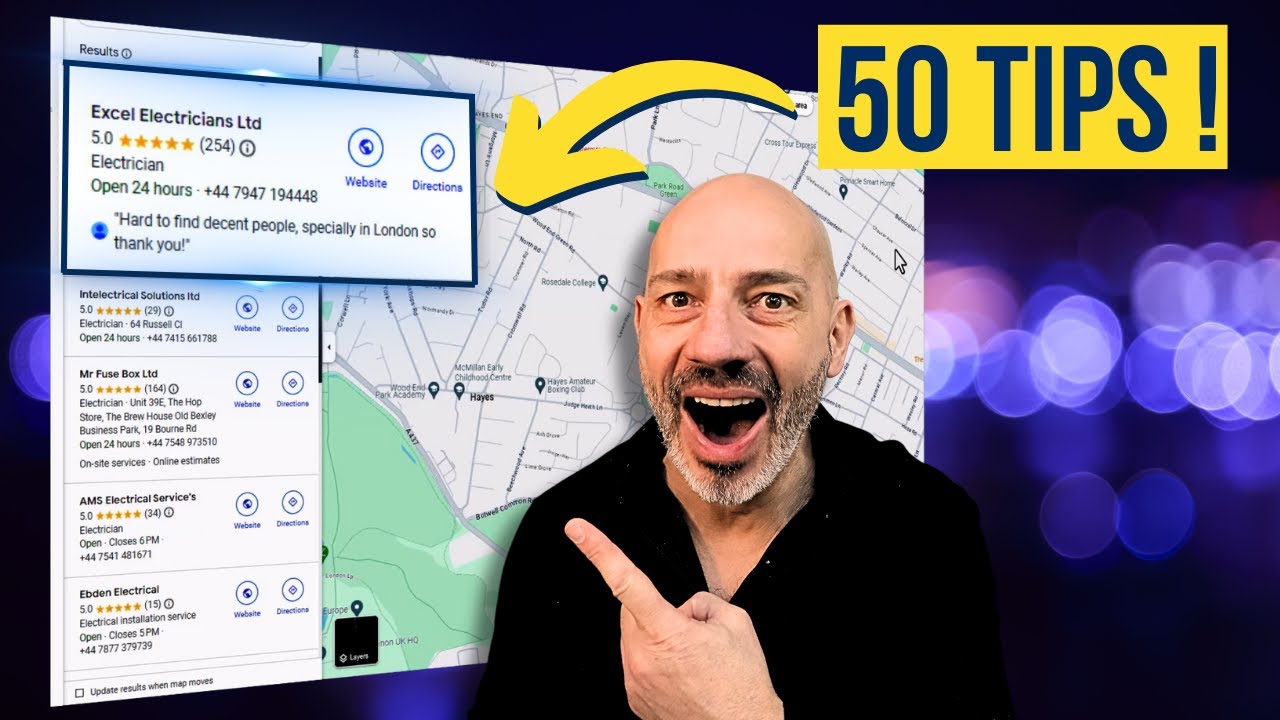


Google Maps rankings are determined by multiple interconnected factors: claiming and optimizing your Google My Business listing with complete information, building domain authority through quality backlinks and content, maintaining consistent NAP (name, address, phone) citations across directories, accumulating positive reviews and responding professionally to all reviews, establishing prominence through brand recognition and social signals, embedding Google Maps on your website, optimizing your website for local search with proper title tags, descriptions, and NAP in the footer, and proximity to the searcher's location being the single biggest factor.
Google Maps Ranking Factors: A Comprehensive Guide
Added:Understanding the basics of Search Engine Optimization (SEO), including how search engines crawl, index, and rank web pages.
Familiarity with Google Business Profile (GBP) and how business listings are created and verified.
The concept of the 'Local Pack' (or Map Pack) and how it differs from traditional organic search engine results pages (SERPs).
Basic knowledge of search intent, specifically how local search intent ('near me' queries) drives consumer behavior.
Developing a local citation strategy to ensure NAP (Name, Address, Phone number) consistency across major directories and aggregators.
Implementing localized Schema Markup (structured data) on your website to help search engines understand your business's physical location and offerings.
Formulating a proactive review management and acquisition strategy to build authority and trust through user-generated content.
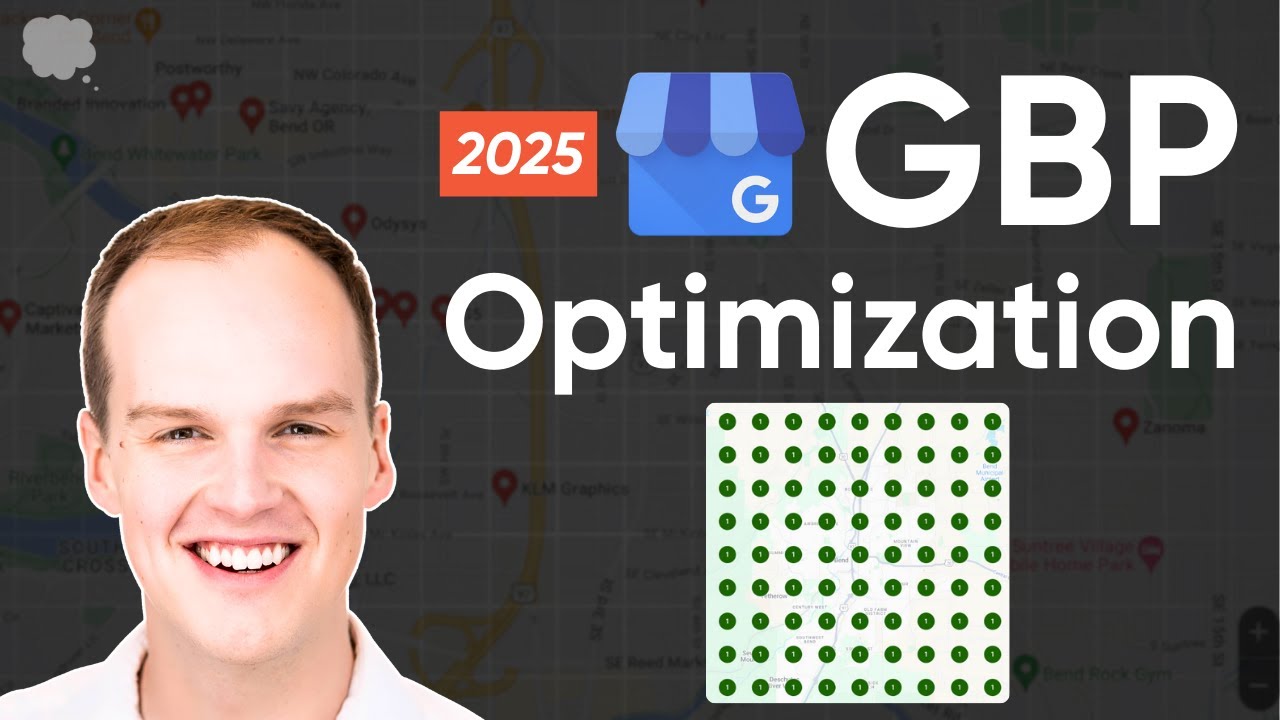
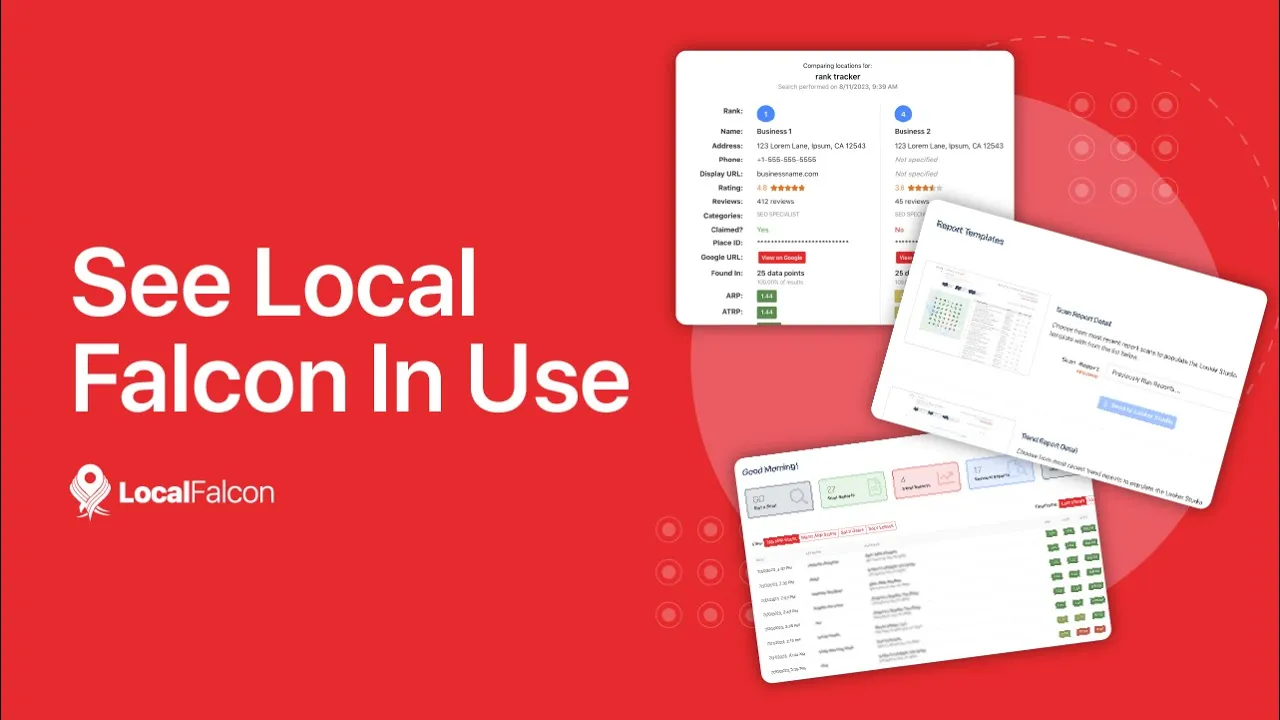
Utilizing local rank tracking and grid-tracking tools (e.g., BrightLocal or Local Falcon) to monitor rankings across specific geographic coordinates.
66.6K views1.2Klikes11:22Original Release: 2019-12-17
if you're a business selling to a local audience appearing in the top three spots of the Google map listings can get you a whole lot of customers it's actually the best place to be on a search results page but with lots of competition that's only getting stiffer you're probably wondering what can you focus more on to rank higher than your competitors today I'm gonna share the biggest needle movers and difference-makers that'll affect your Google Maps ranking in 2020 and also you'll get tips that you can use as your strategy to get more exposure compared to your competition so if you focus I'm going to talk about in this video you're gonna get the most results for the least effort so the first ranking factor is claiming your Google my business listing so this is a prerequisite you know having that listing is essential if you want to rank in Google Maps and to do so the first thing you need to do is just to claim that listing so if there's no listing yet you can start setting it up and I've got the video to teach you exactly how to do it just click right up here if you haven't done it yet okay so why is it so important and why should you start with your listing you know it's simple claiming your profile allows you to control the information that Google displays and if you don't claim your listing Google will try to provide the best information about your business as far as they can which isn't always correct so by claiming your Google my business profile you can verify and edit all the information about your business so it shows up the way you wanted to it also lets you get reviews from customers and to show up in those near me searches just make sure that you provide as much information about your business as possible and that's because the more complete your profile is the higher your chance to show up in that higher position since this is just a ranking signal to Google ad stuff like images your website link your operating hours your phone number and everything else you can fill out there all right the next ranking factor is what we call domain Authority so this is just an unofficial search engine ranking score that just can basically predict how well a website can rank and searches and there are a lot of factors that can improve a site's domain Authority including the number of clinks you got pointing to your site how old your site is you know the age of it and how good and thorough your content is also being search engine friendly and social signals now the next ranking factor that we're gonna talk about goes side-by-side with domain Authority and this is link building now there are two factors that are important to remember here first is the number of Link's pointing to your page in other words Google's ranking algorithm takes into account the number of websites and pages that link to your site you know there's a really strong tie between the number of backlinks and how well the site ranks and organic listings as well as in the map pack so it's really important for both but I do need to say backlinks are not treated equally and quality usually outplays quantity every time so you actually need to really strive for getting backlinks from quality and relevant websites rather than just chasing big numbers you know link will do you much more good if it's from a website that's in the same or a related niche to your own business Google just considers those kinds of links to make sense and gives them some extra context as soy your website is about so having just a couple of backlinks from really relevant websites or pages that are in the same niche as you or are topically relevant to your business may do you much more good than a ton of links from less relevant or spammy websites okay our next ranking factor is quality and consistent citations so what the heck is a citation right a citation is any mention of your business name address and phone number otherwise known as your nap and Google uses citations to validate your business location the more citations your business has the better you do so how do you get them you can check to find website directories related to your industry and make sure that your nap is accurate up to date and 100% consistent across all of them it also needs to be consistent across your website and your Google my business listing to you know the details definitely matter here for example if your business is listed on Google Maps as Larry's smog check 44:55 North Shore Road Fulton California nine five four three nine but then on some of your listings it appears as road or get shortened to n period shore or even removes the apostrophe in Larry's it could actually confuse Google and that's gonna lower your chances to rank in the map three pack silly as it sounds so make sure that your citations are correct and consistent across all of them alright next we have reviews so when's the last time you went to a restaurant or hired a business work to the business without seeing some good reviews first if you're like me I will go out on a limb and say it's been a while you know reviews make any business more trustworthy so Google likes to rank businesses with lots of good reviews higher on Google Maps go figure now to be completely honest with you is this the biggest ranking signal no it isn't but it's a key difference maker if all else is equal and let's even take rankings out of it for a second let's say you were to show up in the map listings above two other competitors you know even if you're on top of them and they have better or more reviews than you you're probably still gonna lose business to them so reviews are important all the way around okay so begs the question how do you get all these positive five-star reviews well I made a video all about it so click right up here to get all my best tips on that now what happens after you get that review is almost just as important as the review itself and that's your response you know you want people to see just how human your business is so be polite and write them back this is gonna show people you know future customers how responsive and on-the-ball you are as a business but when you get a bad review which happens you also want to respond to it but be very careful in how you handle it you know I actually recommend just doing the thing where you walk away from it for a day so you don't end up saying something in them in the heat of the moment that could be damaging to your with your wife and if it's a real complaint of some kind you want to apologize accept responsibility and offer to make it right publicly even if it wasn't your fault you might have to suck it up you know but if it's a fake review left by a competitor or even just an online troll I would just reply saying something like you know we love to make sure our customers are always happy with our service but we have no record of working with you can you give me a few more details please it's never a good idea to get defensive or aggressive in your reply a bad review gives you the chance to actually demonstrate your professionalism which helps you mitigate any potential damage all right next we have prominence in popularity so Google usually likes to reward businesses that are well-known liked and just all-around reputable brands so to put it simply Google wants to provide the most reliable information to its searchers and they're always gonna try to promote actual brands whenever they can as opposed to you know small businesses that they might perceive as fly-by-night or unrepeatable in any way so it usually pulls results in a plenty of positive feedback because they seem to be the most trusted businesses out there now gathering more reviews and ratings will always increase the business's likelihood of showing up at the top of the map search but this doesn't mean that Google doesn't like small businesses it just doesn't always trust them right away that's why it'll be up to the business owners and their marketing team if you have one to build up your company's reputation and make it more prominent in the surrounding community establishing prominence can be done in a lot of ways from blogged write-ups about your business to getting those reviews to just brand mentions on social media just try to cover as many bases as possible so Google can see just how widely recognized your business's alright next we have embedded Google Maps now this is another way to rank higher on Google Maps and it's 100% in your control embedding a Google map on your site is just another way to tell Google that your business is located where your listing says it is so just be sure you use the same address you have on your Google my business and if you use the Elementor plugin like I recommend to build out your site they have a built-in Google Maps drag-and-drop to make it really easy to put her on your site but even if you don't use Elementor they make it really easy just to copy the embed code and put it right on your site okay so the next ranking factor is your website itself and how optimized it is for local search you know you know by now that your website is definitely your most powerful marketing tool so Google will rely on the information it finds on your website to figure out how relevant your business is to your niche so when optimizing you to Google my business listing one of the sections you fill in is your website address and when you do that your website then acts as a landing page for your Google my business listing and this website's can have a direct impact on your ranking power so when it comes to optimizing your website for local search here's what you need to look for specifically proper title tags so the title tag also known as the h1 is the most important piece of content on any page it tells Google a lot and should ideally include your business name metro area or city name and your business category next is the page description so this is your opportunity to tell Google even more about your products or services your description should reinforce your business category location and name finally and probably equally as important as the other two is your nap remember remember that's your name address and phone number and I suggest putting your nap in the footer of your website again it should be 100% the same as it appears in your Google my business listing itself alright next we have proximity so the single biggest factor that impacts where and when you show up in the maps is still proximity you know in other words how close are you physically to the person searching and this can be frustrating especially when you were a business that doesn't need to be close to your customers like if you travel out to them or if you just work remotely from home and hopefully Google is gonna start to catch up and differentiate between different types of businesses and focus more on other factors for certain niches but for now unfortunately it generally helps to be in the center of town or at least very close to the most people searching now one of the biggest questions I get all the time is what do you do if you are one of these types of businesses with a smart a service area that you cover or if you work from home do you need to list out a physical address at all well I made this video right here to answer that question once and for all so just click right over here to get your answer
Up Next

24:33
Google Business Profile Setup Guide for 2024
@Qudusaminu
678 views•2024-04-21

26:22
Walking in the City: Urban Rituals and the Flâneur in Contemporary India
@PSBTIndia
1.9K views•2016-08-02
34:25
The Academic Guide to Local SEO and Google Maps Ranking
@WesMcDowellInc
156.4K views•2018-12-06

1:42
Game of Thrones Opening Credits: A Cinematic Analysis
@gameofthrones
46.3M views•2011-04-18
Related Study Plans & Knowledge Roadmaps
Structured learning paths in General & Interdisciplinary Studies
general-studies
Artificial Light: History, Tech & Human Impact
01The Pre-Electric Era: Fire, Oil, and Gas Lighting
02The Incandescent Revolution and Grid Electrification
03Gas Discharge and Fluorescent Illumination
+ 3 more learning modules
14h6 modules
Explore Roadmap
general-studies
Elevator Engineering: History, Physics & Cities
01From Hoists to Safety Brakes: The Dawn of Vertical Lift
02Hydraulic vs. Traction: The Engineering Physics of Elevators
03Modern Speed, Safety, and Algorithms
+ 2 more learning modules
12h5 modules
Explore Roadmap
general-studies
Rubber: Material Science, History & Geopolitics
01Origins of Natural Rubber & Mesoamerican History
02The Chemistry of Natural Rubber & Vulcanization
03The Geopolitics of the Rubber Boom & Colonization
+ 2 more learning modules
12h5 modules
Explore Roadmap
general-studies
Containerization: Evolution, Logistics & Trade
01Ancient Trade & Bulk Cargo: Amphorae to Barrels
02The Industrial Revolution & Cardboard Packaging
03The Containerization Revolution: Malcom McLean
+ 2 more learning modules
12h5 modules
Explore Roadmap