












!['초전도체'는 무엇인가! 이론을 발견하는 자는 노벨상?! [안될과학 랩미팅 28화]](https://i.ytimg.com/vi/vsPFpcITn1g/hqdefault.jpg)






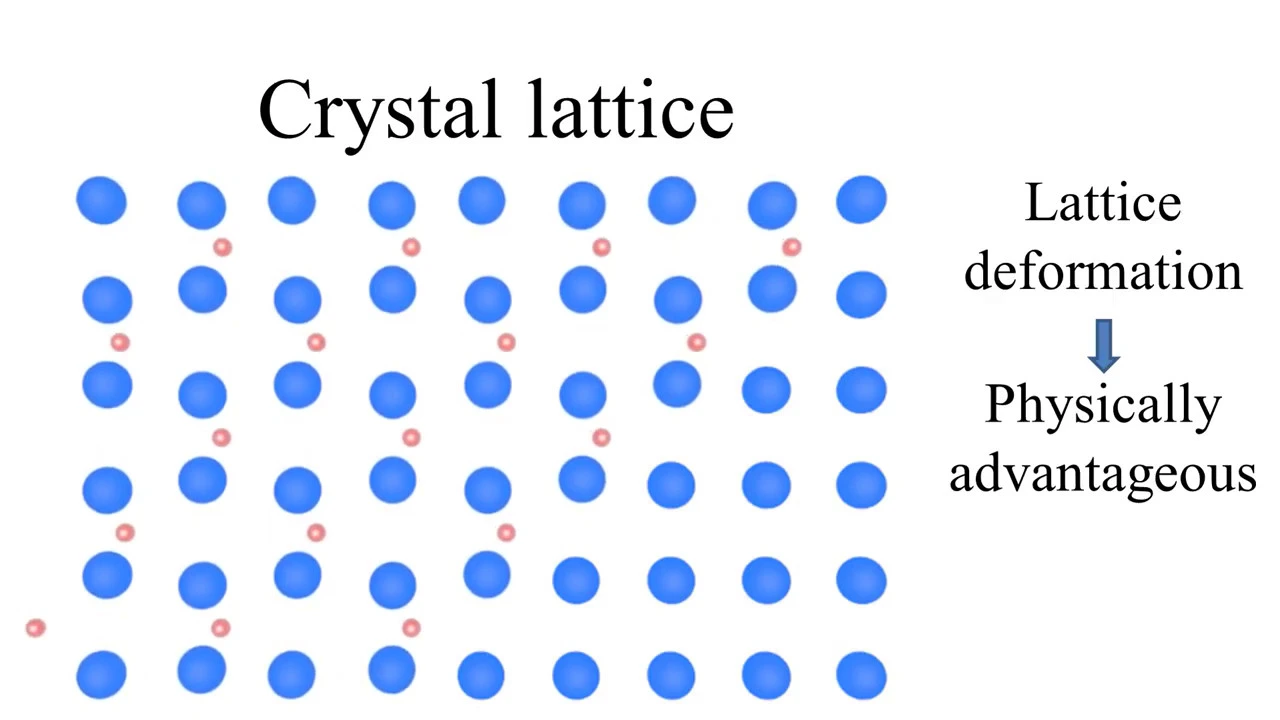
The BCS Theory, developed by John Bardeen, Leon Cooper, and Robert Schrieffer (Nobel Prize 1972), explains superconductivity through Cooper pairs: below the critical temperature, electrons form pairs by distorting the lattice and creating positive regions that attract subsequent electrons, enabling zero-resistance electron flow; however, this theory only applies to conventional metals like aluminum and mercury, not to cuprate superconductors which require different mechanisms.
BCS Theory of Superconductivity Explained | HSC Physics
Added:The fundamental concept of superconductivity, including zero electrical resistance and critical temperature.
The physical structure of a metallic crystal lattice, specifically the arrangement of positive ion cores.
Basic electrostatics, particularly Coulomb's Law regarding the repulsion between particles of like charge.
The classical mechanism of electrical resistance caused by electron collisions with lattice ions.
The physics of Type II and High-Temperature Superconductors (like cuprates) that do not adhere to BCS theory.
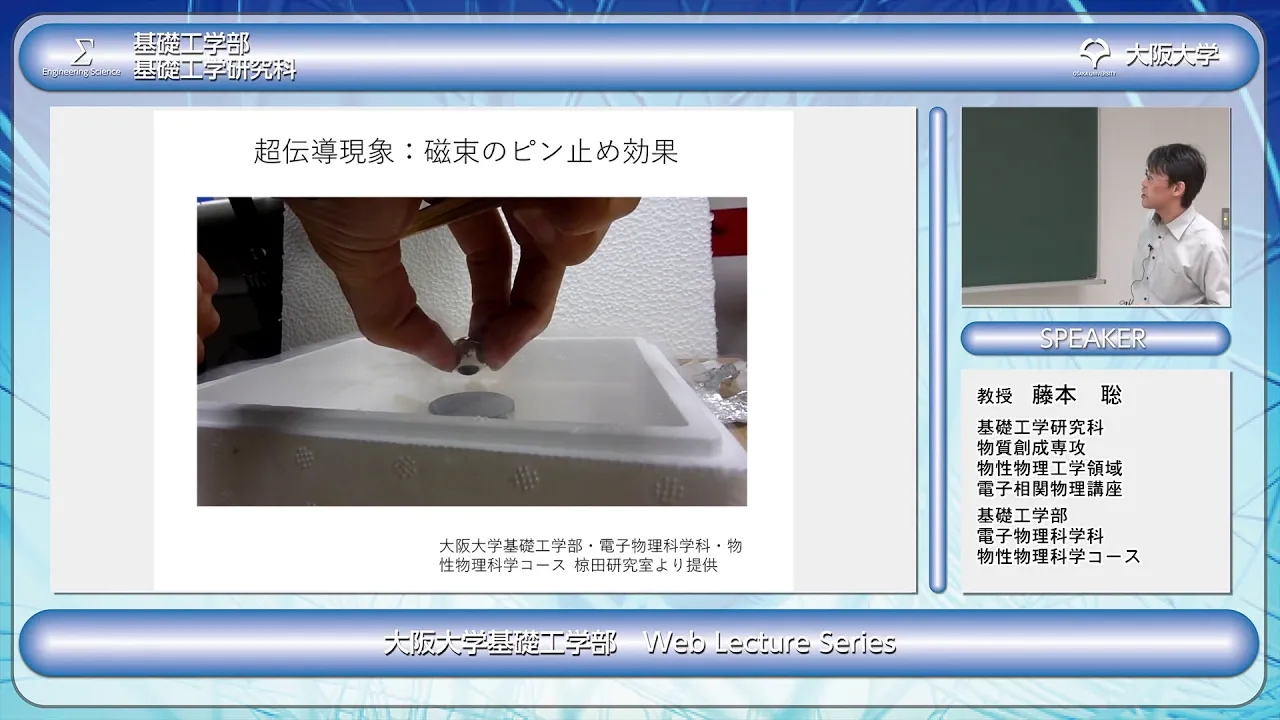
The Meissner Effect, magnetic flux expulsion, and the phenomenon of quantum levitation (flux pinning).
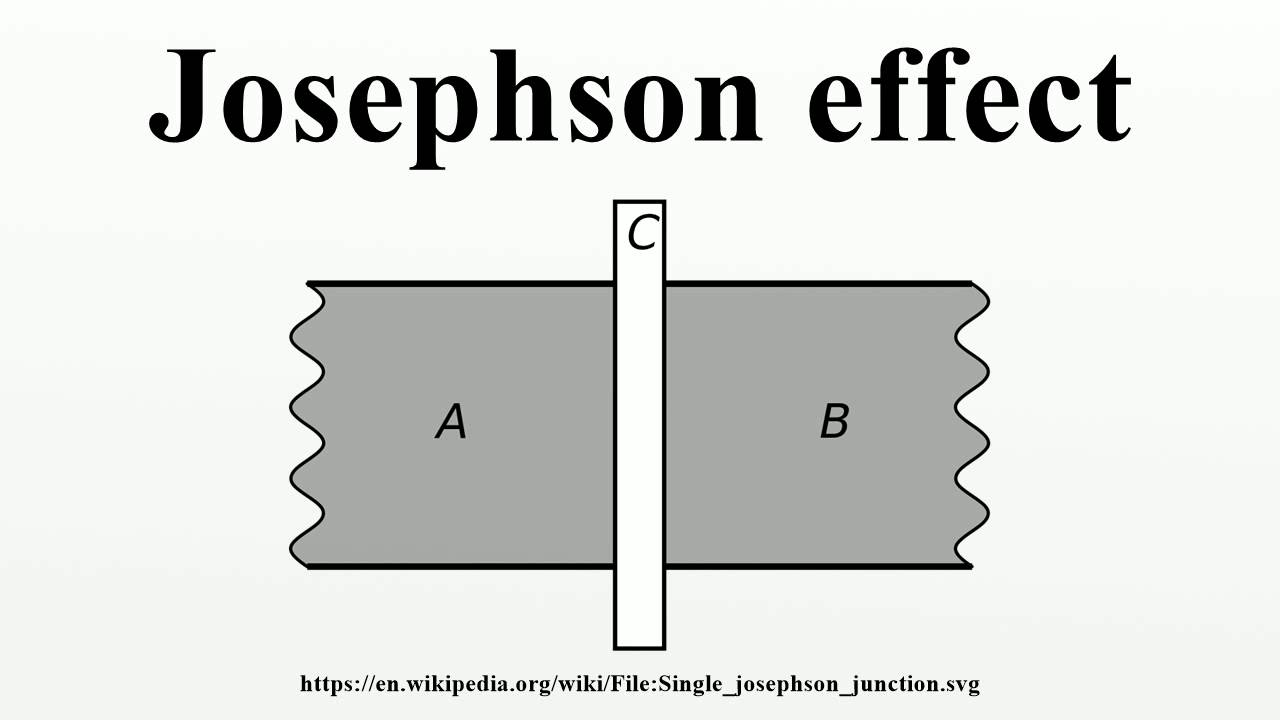
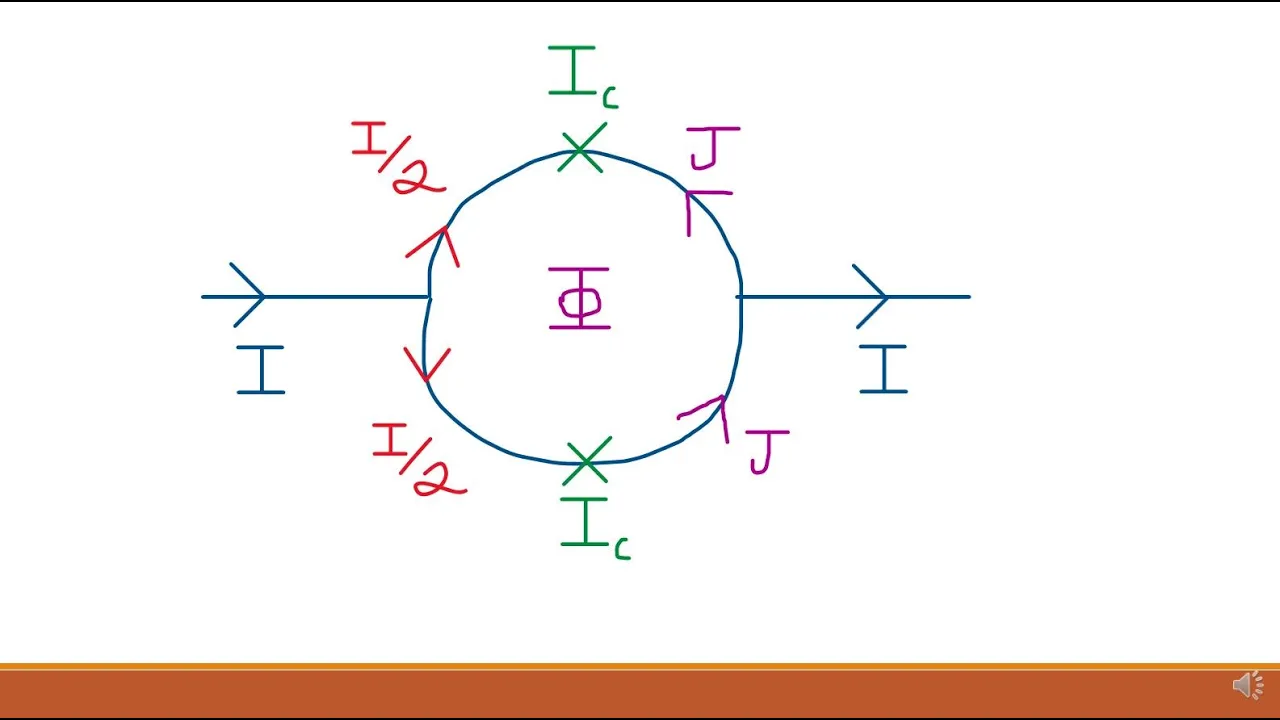
The Josephson Effect and its application in superconducting quantum interference devices (SQUIDs).
Real-world applications of superconductivity in medical imaging (MRI), maglev transport, and quantum computing qubits.
57.9K views458likes14:00Original Release: 2012-05-23
on you see there just a bunch of particles I so top words but no one can deny the words start this video with talking about three scientists who won the Nobel Prize in 1971 for a really important theory that explained super conductivity so we have John Bine which is this fell here we've got Leon Cooper this here and robot Tria and they won the Nobel Prize in 1972 for the B Cs Theory which was meant to explain why exactly there are some elements that lose their resistance when they go past the critical temperature right so obviously you can see the BCS Theory and their last names bin Koopa shifa the BSC theory is just named after them after their three last names the scientists that came up with that theory the idea behind that theory was that we observed not we but some scientists first observed the idea of super conductivity in 1912 right so 1912 was when we found this found out that the super conductivity actually exists super conductivity and what was super conductivity again that was when we have a critical temperature which we call TC same thing as crical temperature and this would be a TC right here and what this means that as soon as we get to this temperature which let's say is 1.2 kelv for example 1.2 Kelvin which will be the crical temperature for aluminium as soon as we get lowest temperature for aluminium what happens is there's virtually no resistance so anything below it is there's no resistance which means the electrons can flow unimpeded and we have perfect conduction right and this was not what we expected we expected it to behave like this where we have resistance temperature being high meaning resistance being high then moving to a point where we have no more temperatures zero Kelvin we still have a slight bit of resistance because we always expect there to be some possible collisions but we found that some elements and some Alloys and some compounds actually acted like superconductors which meant they have this crical temperature after which So Below which there are no more there's no more resistance and Albert Einstein and some of the other famous plunk um they all lived at the time so when this super connectivity super connectivity was actually kind of found out that exists Albert Einstein actually lived and he was obviously really important when it comes to Quantum Theory and how this actually all works has to do with quantum theory but he didn't he didn't know the explanation so he didn't know why super conductivity exists or how that works but in 1972 these three gentlemen came up with one theory that is there to help explain how this is possible right so Albert Einstein hadn't figured it out but these three gentlemen gave a theory which tried to explain the observed phenomenon here which we call the critical temperature of certain elements making them superconductors below this temperature right so we have to actually discuss the do Point itself says discuss and this verb in this case discuss is really important because that means not just describe but give the positive negative parts of this Theory discuss the BCS theory of super conductivity so what I'll do first is I'll quickly outline of how it actually works I'll give the steps of how this actually works and remember this is a Quantum this is a theory that uses quantum mechanics quantum mechanics are really complicated so this actual what I'd go over now these couple steps is very simplified right it's not actually exactly how it is but it's just simplified to allow you to be able to understand it and appreciate it but if you know this these five steps you're not expecting to know the exact details of the mechanics but if you know these five steps and you know how it roughly works that's good enough right you don't need to understand the whole Theory it's too complicated it will take up too much time to be able to and I don't even understand it myself so I couldn't even explain if I wanted to but the idea is just you have a simplified version which will be good enough to get you to the point where you're actually going to be able to answer your questions in your HC now we've got the five steps so first step is we want to be below the critical temperature right so below the critical temperature there will still be some vibrations so the below the critical temperature the vibrations are minimal now we call the normal vibrations we call them phonons but below the cric temperature we call them the virtual phonons because they're so small that they're almost not there they're so small they're almost not there and that's going to be important in a second I'll just talk about that in a second that's the first step we want to be below this temperature but you all should know that below this temperature there's still some vibrations actually do happen they're not called phonons anymore they're called virtual phonons the second step or second part you should noce to this theory is that the electrons traveling in front disturb the ladder so what I mean by this is these electrons right they travel in a straight path here and as they move past we have the positive nuclei this is a negative electron being shown by negative Dash these will be attracted to the negative so the positive will come a bit closer to the negative because they're attracted and that's what I mean by Disturbed and there two in the third second and third dot they come they come together so electron traveling in front disturbs lus but the latest movement is delayed so it means that it's now here it's right here it's going to pass through these two and it's not gonna they those two won't come down instantly they'll actually come down a bit delayed so once they pass that's when these guys will come down they'll come down now because it's delayed that's what I mean by delayed it's going to take them a bit of time so enough time for the electron to pass through it which is good because if it happened the same time that would mean that this electron would be going into the actual positive nuclei which means it would lose energy because it happens because it's delayed it basically doesn't happen it doesn't they don't Collide but what does happen is in this area we're going to have a very positively charged area between these two right so this area is super positive charged right so I'll go through step one two three we at three at the moment we've have this delayed lattice which I've drawn again here so we have these this electron had has already passed right so it used to be here then pass through and when it pass through we have this these phonons this is what we call the virtual phoneon it's like a tiny vibration virtual phone on and it moved closer because of the attraction to negative and now it's left a really positive area here and that's what meant is meant by step four positive region created behind the first electron right so as the first electron moves past we have this positive region being created now what happens is what is in the negative electron behind it the second electron what isra what is it what will it be attracted to well it will be attracted to the positive region here it's going to be attracted to positive and this is really positive right there so it's going to be conected to it it's going to move towards it and a good thing is if it were to if these guys were to stay there if these two nuclei were to just remain there what would happen would this negative electron would bash into it would collide with it would lose energy but because these are virtual phonons that means they have a high recoil so they recoil easily what I mean by recoil easily is they bounce back into their original shape quite easily they recall quite quickly so what will happen is once they have have created this positive field they're going to bounce back into the original shape leaving that that positive field there for a very short period of time it's not going to be there for long but it's going to be there for long enough for this electron to move into it and then that electron will have moved as well and we'll move in and then move past and I'm not meant to grab that blue stuff so the idea is that there's no Collision here at all right these virtual phonons make sure that it's going to be going there and then going back fast enough to make sure there's Absol no collision with the actual electrons but it will actually Propel the electrons these positive holes make these electrons move really fast but they make it move straight right they're always going to make move in a straight line and these two electrons that do this we call a electron pair or this case a Cooper pair so a Cooper pair yeah named after the scientist kooper but there's not just going to be these two there's going to be more it's going to be more here as well and now these two will act also like a Cooper pair and then these two will eventually act like a Cooper pair so you can imagine it be like a chain reaction one after the other and this is how we can make sure that there's absolutely no resistance so with these Cooper pairs they have no resistance which means there's no collisions at all with the actual status which means we have a perfect conductor or in other words a super conductor because there's no resistance and these guys can just move unimpeded now I'll quickly recap that again so first we need to be below the cric temperature and below this curcular temperature there are still some vibrations we call them the virtual phonons these vibrations are tiny and they recall quite easily so we have the electron the first electron the front electron moving past your actual positive nuclei and the last movement is delayed so that means these guys will take some time they won't be colliding with the negative electron they'll be delayed which means they'll move past in this area once the electron has already passed but when they do move here that means they create a positive region or positive not a hole but a region which means that the next electron will be quite attracted that posit region which means it will move straight towards it and because it has such a high recoil so step four was positive region created behind first electron step two was second electron attracted to positive region and L rebounce back into original shape so it's attracted to it but at the same time these these POS nuclei will bounce back before electron gets there which means no collisions remember that's important no collisions and that means the electron has now moved there it's in a straight line has not collided with any of the actual um phonons and these two this combination of how this worked is what we call the Cooper pair and it's going to be lots of Cooper pairs they're going to form reform constantly to make sure we have a constant stream of electrons going straight without any resistance and that's what we call the superconductor and that was their Theory the BCS Theory and that holds true for all the metals so for example um the aluminium which has a critical temperature of 1.2 Kelvin or Mercury which has a crical temperature of 3.4 Kelvin my batter is running out that's good to know um those two it will work for right so it says discuss the BCS theory of super conductivity this is the theory and it works perfectly fine for aluminium and Mercury but for your Cates which are the ones which have both copper and oxygen in its actual its actual cob SP with copper 2p copper and oxygen in actual formula so this is will be one example the one we mentioned earlier we've got copper here and got oxygen here for these guys this doesn't apply this Theory doesn't work for these guys because they don't actually have um this kind of structure they don't have this kind of metal structure they have a structure where you can see we've got these sheets of copper oxides and they are really good superconductors but it doesn't work for these Koopa pairs right Koopa pairs was for your Metals but for your actual coup rates we are guessing we don't actually know exactly how it works but we're guessing the actual way that they become superconductors is for these antier magnetism properties that these Cooper oxides produce don't need to know details of it but what you should know for this part of the top point is you when you discuss it you say okay this is a theory it works perfectly fine for your aluminium and your Mercury for example but it doesn't work for you Coupe rates which are the ones which have a higher TC crical temperature and You' say okay they don't work for it and we believe there's other mechanisms such as the antiferro magnetism that makes these superconductors not your Cooper pairs but yeah that's a research a area of research that we're trying to figure out more about but at the moment we're knowing that this Theory the BCS Theory doesn't apply to your actual C rates that was that part of that dot point so discuss means if the pros and the cons are the good and the bad sides of the actual Theory good part would be that it explains why your aluminium and Mercury are superconductors but the sort of negative aspect is it doesn't explain why cerates are superconductors because they don't work these Cooper pairs they have a different kind kind of structure I hope that was useful thank you for watching
Up Next
4:41
Cooper Pairs Explained: Superconductivity & BCS Theory
@coreofscience2130
51.9K views•2019-12-08

12:53
21cm Hyperfine Transition in Neutral Hydrogen: Radio Astronomy Basics
@AaronRobertParsons
12.4K views•2011-10-13

32:32
NMR Spin Physics I: Zeeman Effect, Resonance Condition & Larmor Frequency
@nptel-indianinstituteofsci8064
2.3K views•2024-01-17

27:14
Entropy and the Second Law of Thermodynamics Explained
@veritasium
27.5M views•2023-07-01
Related Study Plans & Knowledge Roadmaps
Structured learning paths in Physics
physics
Nuclear Physics (Decay, Fission & Reactors)
01Atomic Structure and the Binding Force
02Radioactive Decay and Half-Life
03Nuclear Fission Mechanics and Chain Reactions
+ 2 more learning modules
12h5 modules
Explore Roadmap
physics
Soft Matter (Polymers, Colloids & Rheology)
01Foundations of Soft Matter & Thermal Forces
02Polymer Physics and Macromolecules
03Colloids, Surfactants, and Self-Assembly
+ 2 more learning modules
38h5 modules
Explore Roadmap
physics
Analytical Mechanics: Lagrangian & Hamiltonian
01Mathematical Foundations: Calculus of Variations
02From Newtonian Mechanics to Constraint Dynamics
03The Principle of Least Action & Lagrangian Mechanics
+ 3 more learning modules
28h6 modules
Explore Roadmap
physics
General Relativity (Spacetime & Cosmology)
01Foundations of Relativity: Special Relativity
02The Geometry of Spacetime: Equivalence Principle & Curvature
03Einstein's Field Equations: The Mathematics of Gravity
+ 2 more learning modules
55h5 modules
Explore Roadmap