



![비즈니스 세금 절감을 위한 LLC와 S Corporation, 올바른 선택을 하려면 ‘이 차이’확인하세요. [203강 S Corporation vs. LLC]](https://i.ytimg.com/vi_webp/HUBeZIvWO48/maxresdefault.webp)












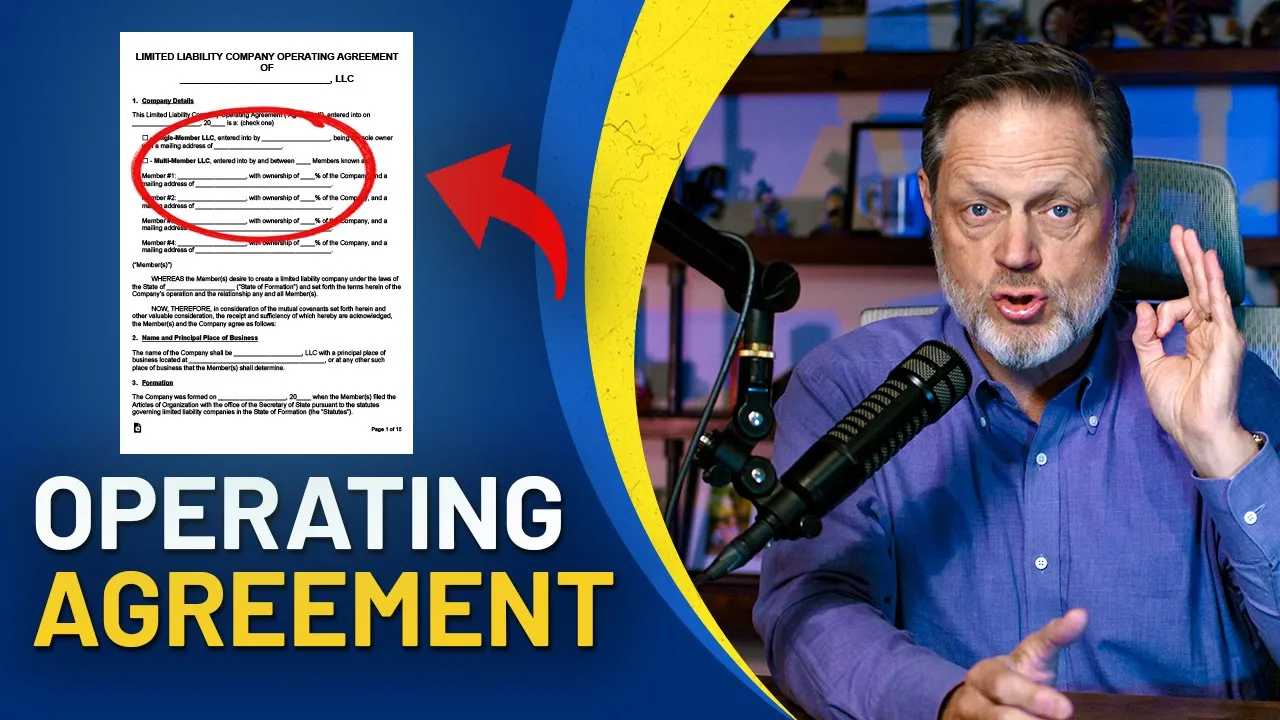

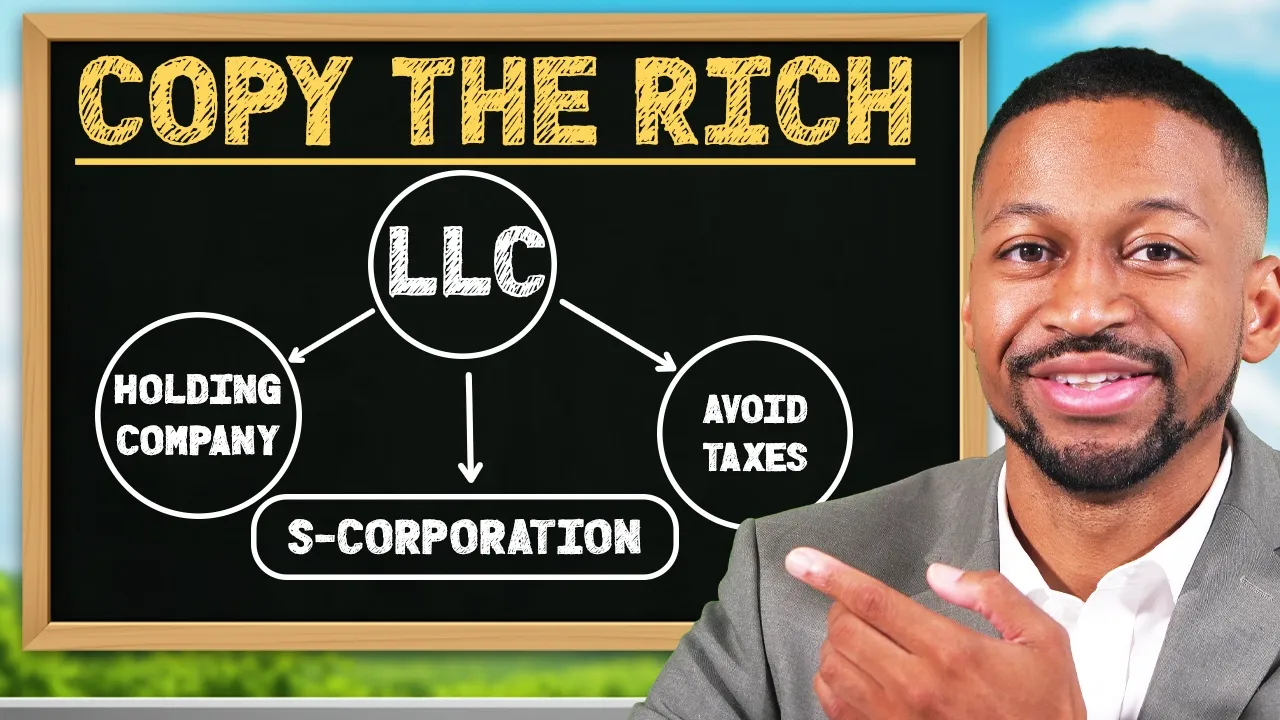





When selecting a business entity structure, entrepreneurs should evaluate four key factors: ease of setup and maintenance, asset and liability protection, ability to raise capital, and tax implications. The four main options are Sole Proprietorship (simplest but no liability protection), General Partnership (similar limitations), S Corporation (tax benefits with ownership restrictions of 100 shareholders who must be US citizens), C Corporation (separate taxable entity with potential double taxation but unlimited shareholders), and LLC (combines partnership tax flexibility with corporate liability protection). The optimal choice depends on the business's specific needs, growth stage, and long-term goals.
Selecting the Best Business Entity: LLC vs S-Corp vs C-Corp
Added:Understanding the concept of limited liability and how legal entities protect personal assets from business debts.
Basic knowledge of business taxation, specifically the difference between pass-through taxation and double taxation.
The fundamental distinctions between informal business structures like sole proprietorships and partnerships versus registered entities.
Basic financial literacy regarding business revenue, net income, and how owners draw salaries or distributions.
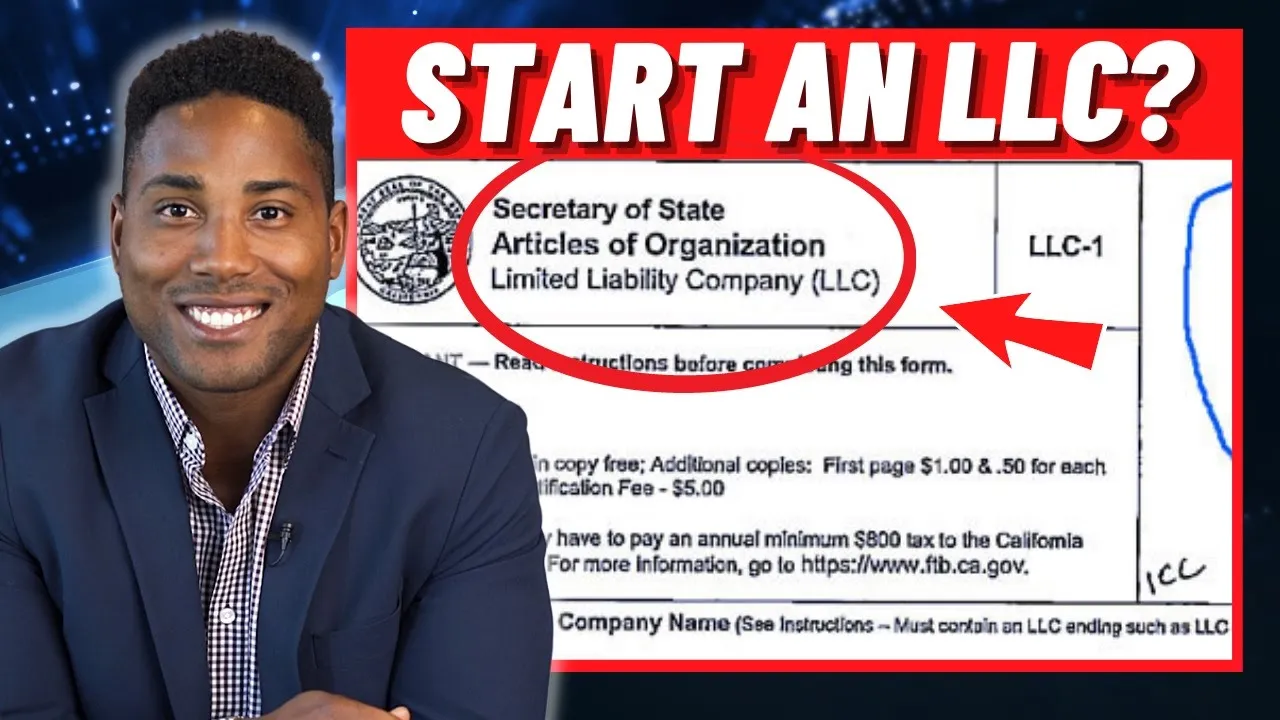
The step-by-step administrative process of filing Articles of Organization (for LLCs) or Articles of Incorporation (for Corporations) with state authorities.
Drafting internal governance documents, such as LLC Operating Agreements, Corporate Bylaws, and shareholder agreements.
Advanced tax compliance, including how to file IRS Form 2553 to elect S-Corporation tax status for an existing LLC.
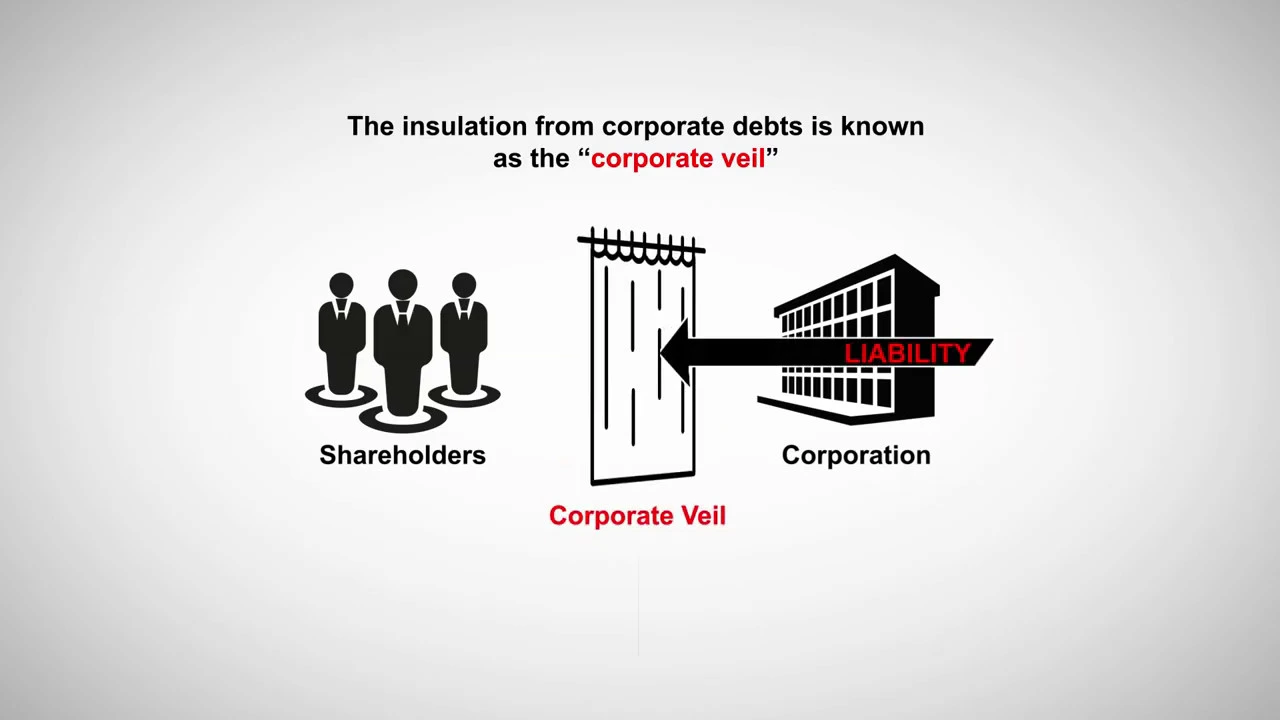
Understanding ongoing corporate maintenance requirements, such as annual reports, franchise taxes, and holding board meetings to avoid piercing the corporate veil.
283K views3.3Klikes8:35Original Release: 2014-05-26
are you in the process of deciding which business structure is best for your company perhaps you're looking to decide which entity is right for you and can't quite decide and have a few more questions well one question we often get from startup businesses is which entity should I choose an LLC an S corporation maybe a C corporation maybe a soul prop or or Partnership if you asked a 100 different business structuring professionals which entity to form you'll likely get some percentage of them recommending each of the different entities for you to choose from if you talk to a tax professional or CPA you'll get the perspective of how to set up an entity based on your tax situation a bookkeeper may have a different Viewpoint for ease of data entry talk to a lawyer and you'll probably get suggestions from the asset and liability protection side of things talk to a financing expert and you'll hear what will provide the best opportunities for obtaining credit and capital talk to investors and they'll have a specific type of entity they will only invest in talk to a branding expert and they'll tell you which entity based on image and marketability of your company how do you know what's the right entity when getting all of these perspectives from different advisors well there really isn't a wrong or a right answer there's only what meets your needs the best collectively so ask yourself a few questions to get started in deciding which entity is right for you first do you want something easy to set up do you want something with little paperwork to maintain annually are you looking for asset and liability protection from lawsuits or judgments do you want to raise capital for the company or separate your business and personal credit would you like to lower your risk of IRS audit or look at increased tax benefits well B based on the importance you place on each of these areas that will determine the type of entity that you want to consider setting up let's start with the sole proprietorship and general partnership if you're considering a sole proprietorship or general partnership it may be easy may not require a lot of paperwork to set up and it provides some type of tax benefits as well however there is no liability or asset protection they have high audit rates with the IRS and no ability to raise capital or separate your personal and business credit based on that if you ruled out which many people do the sole proprietorship or general partnership then what we want to do is look at the S corporation C corporation or LLC and decide which one of these we want to form the C corporation S corporation and LLC all are considered legal entities all enjoy certain protection under the law all have benefits as well that they share such as they help you Safeguard personal assets from business activities they allow you to conduct business with limiting your personal liability if it's run properly they allow you to raise capital and allow you to separate your personal and business credit now some disadvantages that some people give to these entities is that they can be a little more expensive to set up and have a little more paperwork but I ask compared to what compared to a lawsuit that drags in all your personal assets compared to having an IRS audit it's not nearly that expensive so all three have great benefits and are very similar in these areas so where are the differences and where do those differences occur well there's four areas number one the tax status number two the types of deductions you're allowed to take number three how and who can own the entities and number four the amount of required paperwork for asset protection purposes so let's take a closer look at each of the three types of entities the S corporation C corporation and LLC we'll start with the S corporation s corporations get their name from a unique section of the Internal Revenue Service Code s corporations are formed as CC corporations and then you must file a form called a 2553 with the IRS to elect to be taxed with s status S corporation owners report their share of profit and loss in the company on their personal tax returns a corporation can eliminate the disadvantage of double taxation of corporate income and shareholder dividends by applying for the S corporation status and shareholder restrictions on S corporations include no more than 100 owners they must be US citizens or residents and they cannot be an LLC C corporation another S corporation a partnership or other certain types of trusts s corporations also need to hold annual meetings and record the meeting minutes now let's look at the CC corporations CC corporations are separate taxable entities they file a corporate tax return separate from your personal tax return they pay taxes at corporate level rates which differ from our individual tax rates and C corporations face potential of double taxation Where You Are taxed on corporate profits and then if those corporate profits are distributed as shareholder dividends they are taxed a second time C corporations have no limit though in the number of shareholders or who those shareholders are most states require that you hold annual meetings and record meeting minutes certain deductions are allowed only for C corporations with certain fringe benefits for example certain types of health plans or retirement plans can be deducted in the C corporation that cannot be in an LLC or S corporation so now let's take a look at the LLC which is the limited liability company the LLC combines the tax flexibility of a partnership with the personal liability protection of a corporation you can choose how you want the LLC to be taxed as a sole proprietorship if one owner or partnership with multiple owners or as a C corporation the default status is a partnership LLC owners report their share of business profit and loss on their personal tax returns similar to reporting for a general partnership or S corporation when you elect the partnership status owners can report profit and loss on their individual tax returns if they've elected the partnership status as well there is no limit to the number of shareholders or who those shareholders are in most States they're not required to hold annual meetings or required to have meeting minutes for asset protection Purp purposes although it's still recommended from the Viewpoint of taxes and raising Capital as you can see all have benefits in the different types of entities so when you start to choose and decide which entity you want keep in mind the different perspectives that each of the different trusted advisers is going to provide for you in addition understand your business will go through several stages of growth as you build your business over time you need to consider long-term Strat stry not just something that will meet your needs for today when you're deciding the type of business structure and as you carry your business to new levels of success and as you take time to write down your goals you may still have a few questions about which entity is best for you so go to our website's home page and select the business startup wizard to walk you through what thousands of others in your situation and area have done the wizard actually pulls together data from several years letting you know what others in your state and Industry file it's a great tool to help you decide which entity here's an example in this situation we looked up a business in the business services company in California and found that the majority of people formed an LLC in California or about 35% of them 30% filed a corporation in California while 11% filed an LLC in Delaware and 6% in Nevada if you want more help walking through this Wizard or to file your corporation online simply call toll-free 800 818 6082 or go to our homepage at incorporate.com
Up Next
7:05
Sole Proprietor vs LLC vs S-Corp: Tax Benefits & Differences
@businessfinancecoach
103K views•2018-12-19
46:36
Retention Habits of Top DTC Ecommerce Brands Revealed
@SendItPodcast
44K views•2026-03-03

15:23
Decoy Effect: How Pricing Psychology Influences Consumer Spending
@bobinvestsUS
90K views•2026-01-05

17:30
The Planned Obsolescence of Light Bulbs and Tech
@veritasium
25.3M views•2021-03-26
Related Study Plans & Knowledge Roadmaps
Structured learning paths in Business
business
Pop-Up Retail: Strategy, Design & Execution
01Introduction to Pop-Up Retail & Strategic Goal Setting
02Budgeting, Site Selection, and Legal Essentials
03Experiential Retail Design & Visual Merchandising
+ 2 more learning modules
15h5 modules
Explore Roadmap
business
Reg CF: Startup Funding, Marketing & Launch
01Introduction to Equity Crowdfunding & Reg CF
02Platform Selection & Legal Preparation
03Crafting High-Converting Campaign Assets
+ 2 more learning modules
14h5 modules
Explore Roadmap
business
Productized Services: Scaling Solo Freelance
01Foundations of Productized Services
02Packaging and Scope Definition
03Pricing and Subscription Models
+ 2 more learning modules
15h5 modules
Explore Roadmap
business
Gov Procurement: Find, Bid & Win Contracts
01Introduction to Government Procurement & Business Setup
02Small Business Certifications & Set-Asides
03Finding and Analyzing Contract Opportunities
+ 2 more learning modules
14h5 modules
Explore Roadmap