











![How is reasonable compensation calculated? [S-corporation owner W-2s]](https://i.ytimg.com/vi_webp/RiwWU0WjuZk/maxresdefault.webp)











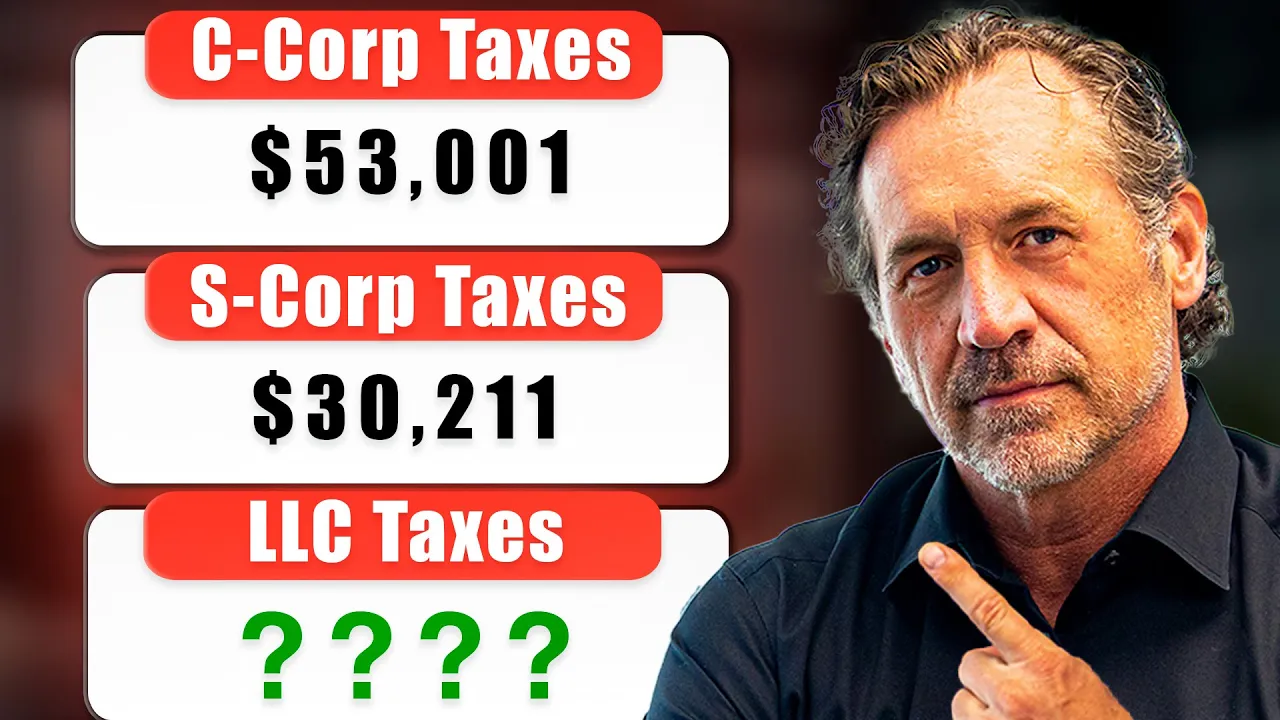



This video explains that every business has both a legal type (sole proprietor or LLC) and a tax type (self-employed, partnership, or S-corp), with different structures offering varying tax benefits: sole proprietorships provide simple self-employment deductions but no liability protection; single-member LLCs offer liability protection while maintaining self-employment tax treatment; and S-corps become advantageous when hiring more than five employees and having substantial profits, allowing owners to pay themselves dividends instead of wages to reduce self-employment taxes. The recommended approach is to start as a sole proprietor until earning over $50,000 annually, then consider forming an LLC for liability protection or electing S-corp status when ready to scale.
Sole Proprietor vs LLC vs S-Corp: Tax Benefits & Differences
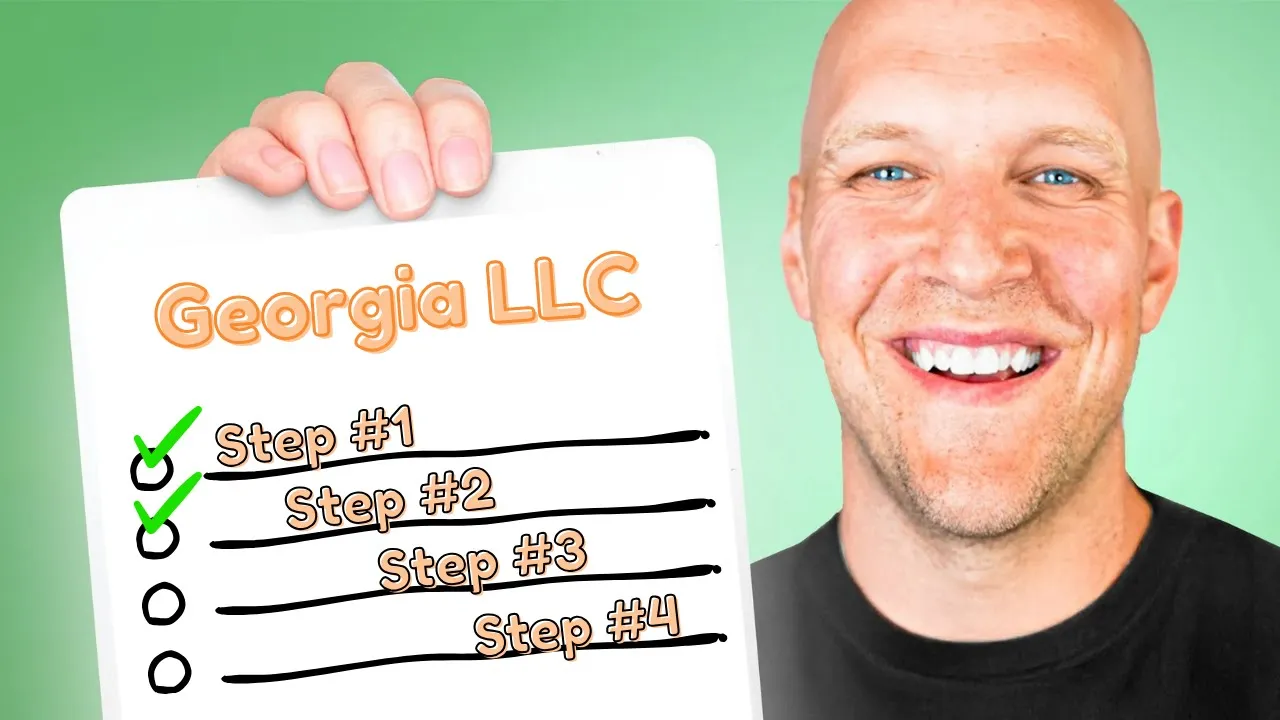
Added:hi guys welcome back to the business finance coach in this video I'm going to be answering a question from the audience one of you guys about the tax benefits of a sole proprietor versus an LLC versus an S Corp but what I'm going to explain in the video is the difference between these three and give you a really straightforward way to understand which ones you should choose when and how to save money for taxes what about an S corp as a sole proprietor as my income increases my tax increases what about the tax benefits of a sole proprietor versus in LLC versus an S Corp first comment above the fact that as your income increases your taxes increase our system is designed so that it's always worth it for you to make more money the taxes never become so much more that it wouldn't have been worth it for you now it can feel like it isn't worth it right if you don't pay as you earn then it can be really difficult and that's something I help people with my business spreadsheet template has a quarterly tax calculation so you can calculate how much taxes you owe as you're earning and be sure to at least put that aside if not pay it straight to the IRS and just get it over with now on to the tax benefits of a sole proprietor versus at LLC versus an S corp so the first thing we need to cover is that every business is a legal type of business and a tax type of business so legal type and tax type every business and there are default tax types or there are elections that you can make for tax types so the sole proprietor and an LLC those are both legal types of businesses to form a legal business you do it with your state law but if you don't form any business if you just start working you are automatically a legal type of business call sole proprietor or you can go to your state and you can form a legal LLC business and that LLC can have one member or it can have two or more members so those are two legal types the S corporation is a tax type of business so for the legal type of business of sole proprietor they must be taxed as self-employed for the legal type of business of LLC the way they're taxed depends on how many members they have a single member LLC is taxed as self-employed also while a multi-member LLC is taxed as a partnership what this does it is it allows a single member LLC to get the benefit of a separate business entity and still be taxed as self-employed if you are self-employed like if you are truly self-employed you have a personal vehicle which you use for business you work for yourself and you have a home office if you go out and you for elect to be taxed as an S corp it is not going to benefit you you are going to lose all of those special deductions it's really about choosing whatever fits where your business is that so I'm going to give you some criteria so that you know which one of these types of businesses applies to where you're at if you're just getting started doing self-employment work you should be a sole proprietor until you are profiting over fifty thousand dollars a year I don't recommend forming an LLC unless it's just something we're like you need to feel more legitimate you can create a business name and register that with a state you're still required to follow any state rules even as a sole proprietor so that can still give you that sense of validity without going out and forming an LLC no the exception to this if you have a bunch of assets so you have big retirement plans you have properties you own you have inheritance money if you have that situation where you have a lot of money and ask and you're gonna start a new business form the LLC because the LLC protects everything you own in the event you are sued so the other thing to consider is are you in a hi sue industry otherwise stick with the sole provider and being self-employed on your taxes when you're ready to grow your business when you're really established and you're ready to grow then form the LLC or if you have investments that you need to protect or if you're in a hi sue industry form an LLC with your state but stay as a single member so that you can still be self-employed for tax purposes once you are to the point where you're hiring more than five employees and you have substantial extra money around to invest in services that are required to form an S corp then you can elect S Corp status so you have a single member LLC and you can elect S Corp status being Texas self employed benefits the self-employed because there are write offs that you would never qualify for if you go out and make a higher level business like an S corp or a corporation you would no longer be able to get the home office deduction driving deduction which is huge how things get far more complicated and even text preparers if they're charging a hundred to five hundred dollars they may not know what they're doing unless they're telling you hey you're getting the best deal ever the biggest tax deductions that you're missing out on is not keeping track of your records your accounting records as you earn and spend when you keep track of that on a regular basis as you earn and spend that's how you get the most tax write-offs because your real business expenses are the things you're investing in and spending every day and if you're just getting started or if you just want to get organized I have a spreadsheet the business spreadsheet template which helps you keep track of all of your income and expenses and I'm doing a live training this Thursday you can head over to the link in the description below and get signed up for my spreadsheet and you'll hear about my live training I'm doing based on 2018 changes and should you hire a taxpro or an accountant those sorts of questions and I'll be taking questions live too so that's it for that question for Emily I hope this answers it alright I will see you in the next video if you're interested in small business topics accounting taxes and business planning you can hit the subscribe button below to get notified of my next video ok thanks for watching bye [Music]
Up Next

OPEC and the Global Oil Market: Cartel Power and Politics
@TLDRnewsGLOBAL
113.2K views•2022-12-13
Retention Habits of Top DTC Ecommerce Brands Revealed
@SendItPodcast
44K views•2026-03-03

Decoy Effect: How Pricing Psychology Influences Consumer Spending
@bobinvestsUS
90K views•2026-01-05

The Planned Obsolescence of Light Bulbs and Tech
@veritasium
25.3M views•2021-03-26
Related Study Plans & Knowledge Roadmaps
Structured learning paths in Business