












![트럼프 승리 선포, 이란 경제 붕괴ㅣUAE 미국편에 섰다, OPEC 탈퇴 선언ㅣ한미동맹 파괴 이재명, 용서 NOㅣ지방선거, 우파 결집 시작ㅣ여론조사 한자릿수 좁혀 [오전LIVE]](https://i.ytimg.com/vi/f_bNywtOrvc/maxresdefault.jpg)

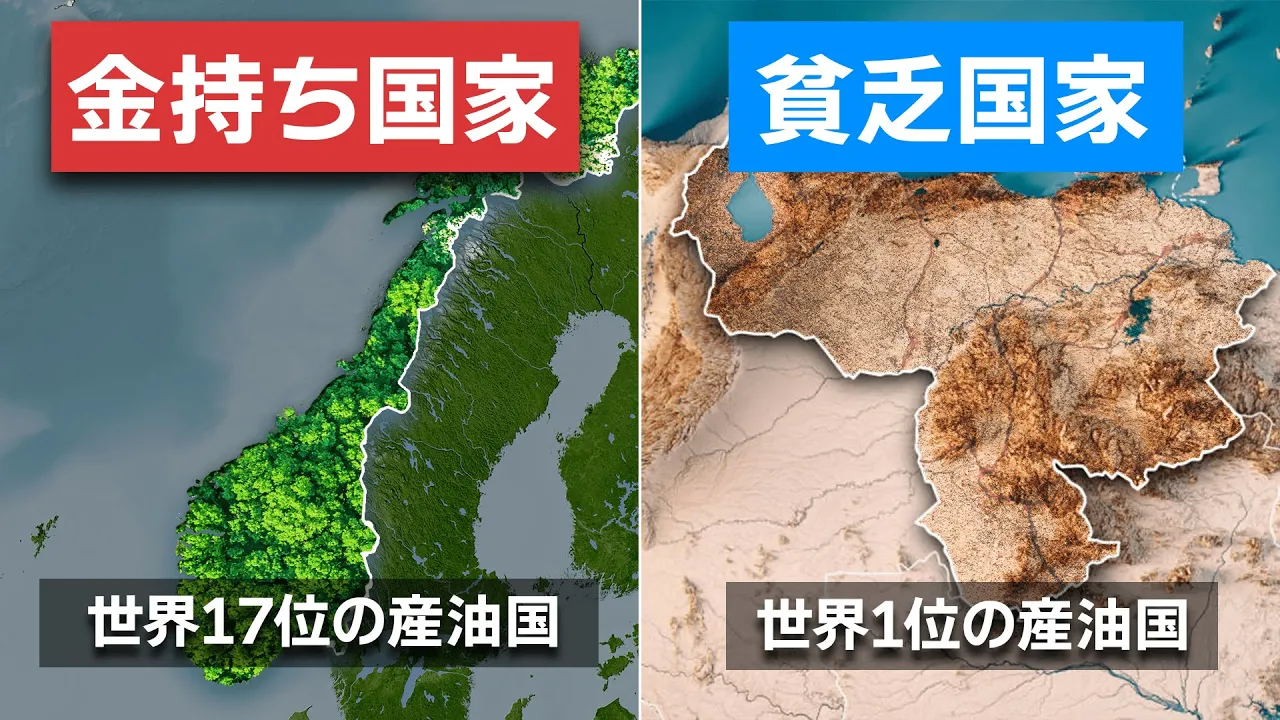

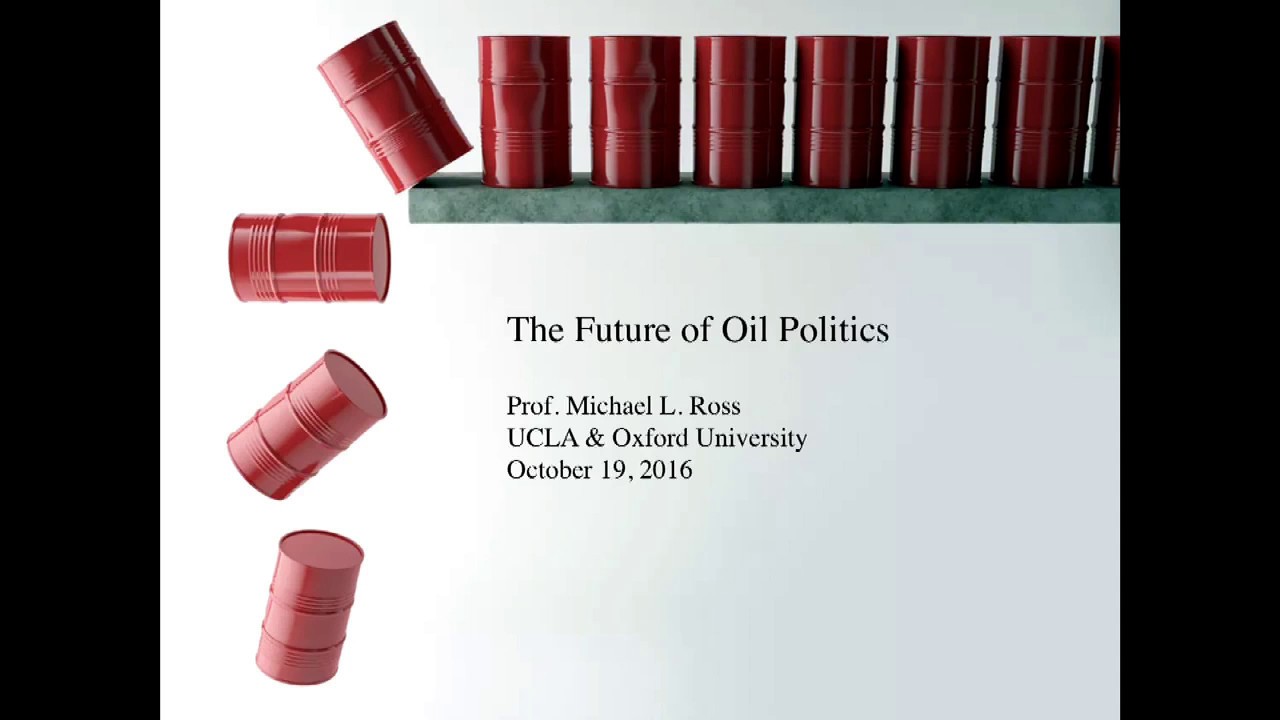






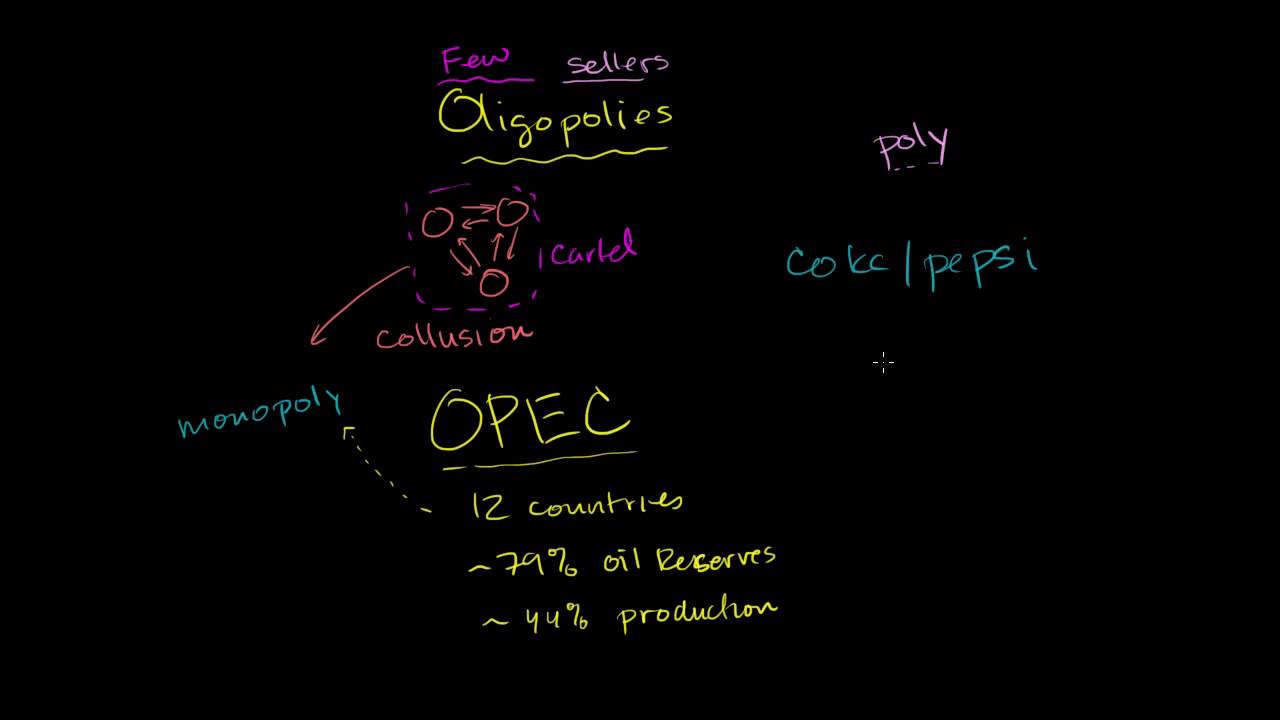
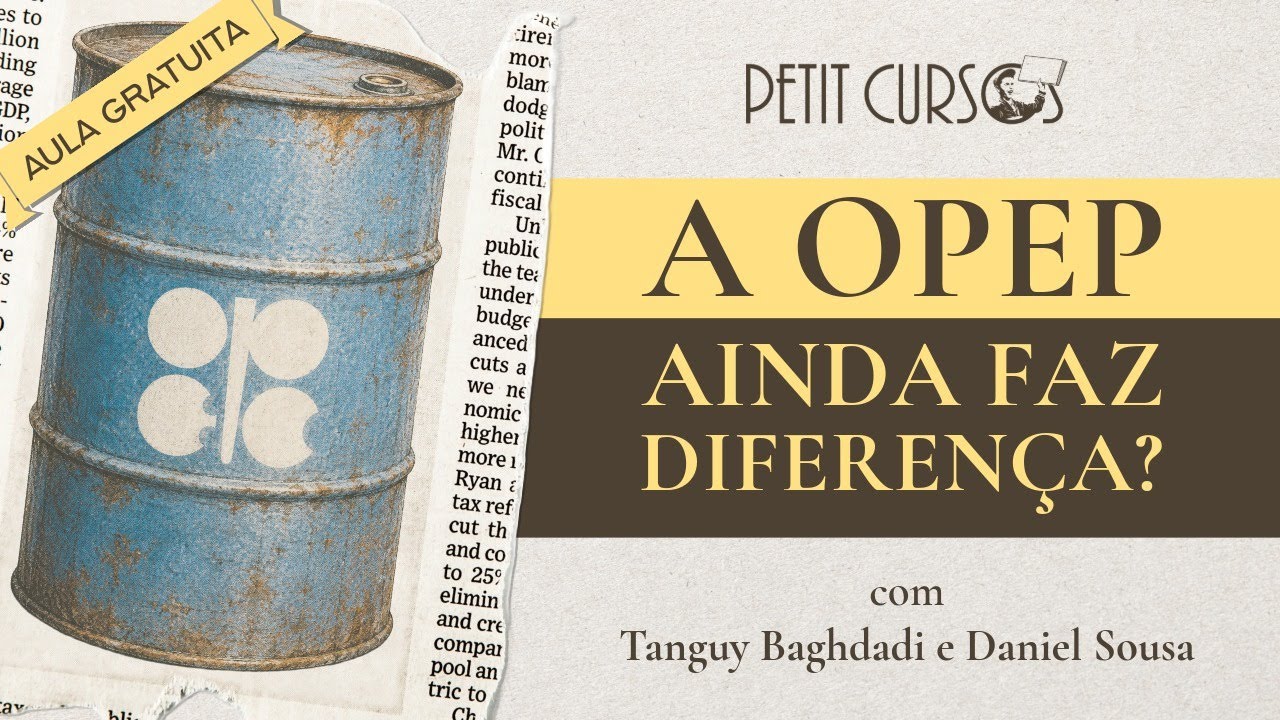
OPEC (Organization of the Petroleum Exporting Countries) is an international cartel formed in 1960 by five oil-producing nations (Venezuela, Saudi Arabia, Kuwait, Iraq, and Iran) to coordinate oil production and control global oil prices, emerging as a response to the dominance of the 'Seven Sisters' major oil companies that had previously controlled global oil markets through coordinated production restrictions; OPEC's most significant moment came in 1973 when it imposed an oil embargo that drove prices from under $2 to over $10 per barrel, establishing its reputation as a powerful economic force, though its effectiveness has been challenged by factors like the 2014-2016 oil price crash caused by American shale production and the formation of OPEC+ with Russia in 2016.
OPEC and the Global Oil Market: Cartel Power and Politics
Added:this video was brought to you by curiositystream Rising oil prices around the world have pushed Western politicians into some uncomfortable spots in Europe politicians have been quietly asking their publics to consume less while in America Joe Biden has resorted to publicly asking for more oil from OPEC the international cartel of oil producing states so with OPEC enjoying renewed relevance in today's politics we thought we'd be a good time to take a look at how the cartel came about whether it actually works and why they're in the headlines [Music] foreign so to fully grasp OPEC it helps to understand a bit about the history of global oil markets commercially viable oil was first discovered in the U.S in the mid 19th century and the subsequent oil boom created a new class of super wealthy companies often known as the super Mages by the beginning of the 20th century there are basically five American Oil super Mages Standard Oil of California Gulf oil Texaco Jersey standard and standard oil of New York the first three would go on to become Chevron while the last two would become Exxon mobo respectively the third and second largest oil companies by market cap anywhere in the world today aside from those five there were two other big oil companies in the world at the beginning of the 20th century both British Royal Dutch Shell today known as shell and the anglo-persian oil company which eventually became BP anyway as more Royal was discovered in the Middle East almost all of it was brought up by these seven companies who were supported by the British and American government now originally business was pretty good but two things very quickly started scaring the super Mages first was the continued discovery of more oil reserves in the Middle East that's because by the 1920s it was clear that if all of the Middle Eastern oil fields were extracted simultaneously Global Supply would outstrip demand causing prices and profits to Crater second in the 1930s massive amounts of relatively accessible oil were being discovered in the East Texas oil field by independent oil drillers known as wild cats this increase in Supply combined with a drop in demand created by the Great Recession cut American oil prices in half from roughly one dollar a barrel in the late 20s to 46 cents in 1930. in response to this drop in prices wildcatters just pumped more oil to try and make up for lost revenues which just pushed up oil prices even further and by 1931 they dropped 85 to just 13 cents a barrel anyway these two experiences demonstrated to the big oil companies the unhindered drilling was bad for business because in times of surplus prices would collapse threatening their profitability the seven oil companies therefore realized that the best way for them to protect against these phenomena was to create a de facto cartel of sorts which became known as the Seven Sisters this basically involved coordinating production in order to ensure that no single company produced too much oil in order to lower prices and with this deal in place oil quickly became an incredibly lucrative business in Saudi Arabia for example it cost the Seven Sisters less than 20cm to extract a barrel of oil from the sand Wells but thanks to a coordinated effort to only drill 20 of available oil they could sell it for about two dollars per barrel and it was at this point the oil producing companies quickly realized that they weren't getting a good deal while the Seven Sisters paid some of their revenues to the National governments most of it went back to the UK and us which is why beginning in Mexico in the 1930s there was a wave of oil nationalization movements throughout the 20th century originally the Seven Sisters and the US government did a good job of keeping them down they successfully boycotted Mexico's oil industry after it nationalized in 1938 and the CIA even staged a coup in 1951 to oust an Iranian oil nationalists from government and replace him with a pro-us figurehead however the tables finally began to turn in September 1960 when five oil-producing countries Venezuela Saudi Arabia Kuwait Iraq and Iran joined together to form the organization of the petroleum exporting countries or OPEC coordination by OPEC members helped negotiate better deals with the Seven Sisters and in the 1970s OPEC members started helping each other to nationalize their own oil companies by providing expertise and coordinating production in order to maintain profitability the group was such a success that by 1971 almost all of the major oil producing countries from the so-called Global South had joined up opec's big moment though came in 1973 when many of its members organized an oil embargo in response to the Arab Israeli War this embargo was hugely successful it pushed the global oil prices from less than two dollars in 1970 to over ten dollars by late 1973 and the impact of this on economies and gas prices around the world made OPEC a household name and earned them their modern reputation as an oil cartel anyway it was about this time that OPEC realized quite how much power they had an OPEC members quickly began to nationalize their oil industries by 1980 most OPEC countries had fully nationalized their oil Industries and OPEC controlled a majority of the world's known oil reserves since then OPEC has continued to set the price of oil by setting production targets for its members OPEC also provides its members with a source of political Prestige because it gives them the chance to exercise power against consuming Nations who are usually larger and wealthier this is why over the years more and more countries have signed up to the block and today has a total of 13 members as well as a bunch of so-called Observer Nations who sometimes join in with price setting now we should say here that OPEC hasn't been 100 effective for example OPEC members often cheat on their production targets producing a bit more than is allowed in order to increase their profits and members with mismanaged oil Industries sometimes fail to even meet their production targets however the organization has had a bit of a Resurgence in the past decade in the early 2010s High Global oil prices and advances in Shale extraction technology finally made American Shale production commercially viable American Shale producers therefore flooded the markets with oil threatening Opex profitability and their ability to set prices so in 2014 OPEC deliberately overproduced in an attempt to price out these new American Shale producers and well it worked oil prices fell from about 120 dollars per barrel to about 45 in just six months and many American shale producers went out of business in the aftermath of the crash and in an attempt to protect against further interference by American Shale producers in 2016 OPEC joined forces with other non-us oil producers including Russia to form OPEC plus and today high oil prices have Western politicians including Joe Biden pleading with OPEC to increase production and coordination between OPEC and Russia has made things even more complicated nonetheless obec's future remains uncertain that's because some of this recent Resurgence was triggered by some pretty unique circumstances and if the energy transition reduces Global demand for oil then OPEC will once again have to struggle to maintain cohesion as its members fight over the drags of the world's oil revenues but that doesn't mean that this is all over and they're certainly not the only cartel like this out there there's even talks to build a chocolate and green energy versions of OPEC we actually discussed that in another full tldr video exclusively available on nebula that's where you'll find a whole bunch of other exclusive videos as well as the extended version the daily briefing every single day and all of our content ad free and even better news there's a sale on right now so if you do want to sign up to nebula then the cheapest way to do so is with the Curiosity stream nebula bundle deal that way you'll be signing up to curiositystream for the crazy low price of 1150 39 a year and get free access to nebula as long as you're a member that's right two streaming services for less than a dollar a month and by the way that crazy low price only lasts for a couple more weeks and let's be honest curiosity stream is awesome in its own right it contains absolutely boatloads of high quality documentaries on all kinds of topics that I know tldr viewers will love so if you want both services for less than a dollar a month then the link is in the description and if you've ever considered signing up before now really could be your time thanks for your support
Up Next

BPMN 2.0 Notation: A Comprehensive Process Mapping Tutorial
@processmaker
166.1K views•2020-07-14
Retention Habits of Top DTC Ecommerce Brands Revealed
@SendItPodcast
44K views•2026-03-03

Decoy Effect: How Pricing Psychology Influences Consumer Spending
@bobinvestsUS
90K views•2026-01-05

The Planned Obsolescence of Light Bulbs and Tech
@veritasium
25.3M views•2021-03-26
Related Study Plans & Knowledge Roadmaps
Structured learning paths in Business