














![[CNA Exclusive] PM Lee reveals inner workings of Temasek, GIC - Pt 3/3 | Singapore Reserves Revealed](https://i.ytimg.com/vi_webp/l0dY6dk4SBM/maxresdefault.webp)









![[REPLAY WEBINAR #conformité 📌]](https://i.ytimg.com/vi/WV1W_D8krnA/maxresdefault.jpg)

The future of oil politics presents a fundamental trade-off: addressing climate change by reducing fossil fuel consumption will significantly harm oil-exporting countries' economies, potentially triggering political instability or authoritarian consolidation, while maintaining oil production undermines climate goals; historical evidence shows that oil-dependent states often experience delayed democratic transitions or regime collapse rather than smooth diversification, making international cooperation essential for managing this transition.
The Future of Oil Politics | Michael L. Ross at Oxford
Added:The Resource Curse (or Paradox of Plenty): The economic phenomenon where countries with an abundance of natural resources tend to have less economic growth and worse development outcomes.
Rentier State Theory: The political science concept describing states that derive all or a substantial portion of their national revenues from the rent of indigenous resources to external clients, which often reduces the government's accountability to its citizens.
Basic Theories of Democratization: Understanding the structural, economic, and cultural factors that typically facilitate or hinder a nation's transition from authoritarianism to democracy.
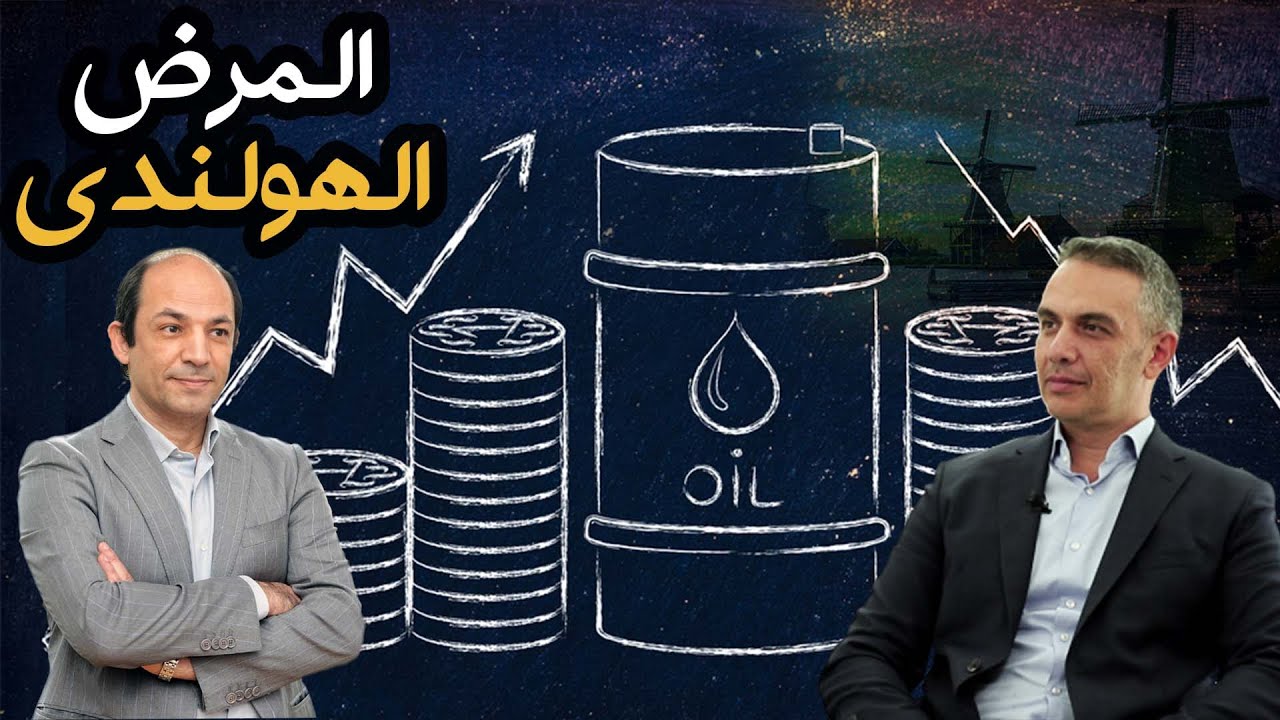
Dutch Disease: An economic concept where an increase in revenues from natural resources hurts other sectors of the economy, particularly manufacturing, by making the nation's currency stronger and exports less competitive.
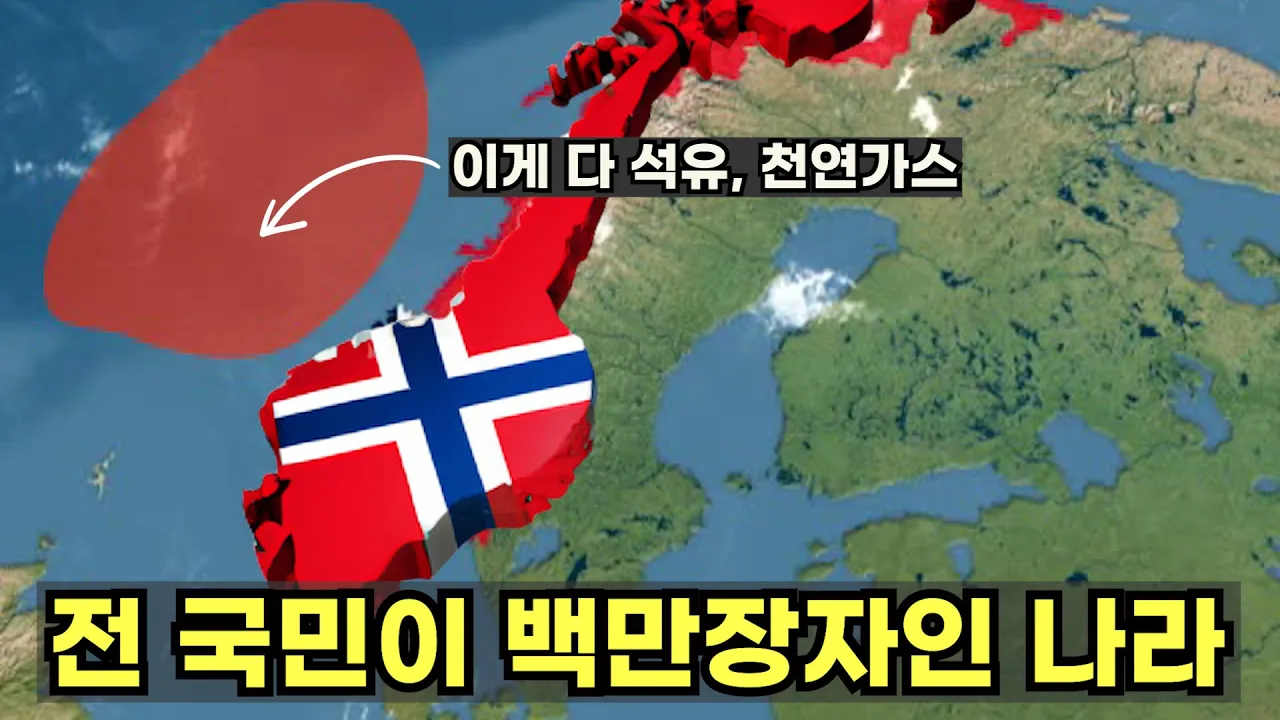
Sovereign Wealth Fund Governance: Analyzing how different nations (such as Norway vs. Gulf states) manage and invest their oil revenues to safeguard future generations and stabilize their economies.
The Geopolitics of the Green Transition: Studying how the global shift toward renewable energy will alter the geopolitical power dynamics, alliances, and stability of traditional petrostates.
Economic Diversification Strategies: Investigating the policies and real-world challenges of oil-dependent economies trying to diversify into technology, tourism, and financial services (e.g., Saudi Arabia's Vision 2030).
International Anti-Corruption Frameworks: Examining the role of global initiatives, such as the Extractive Industries Transparency Initiative (EITI), in promoting open and accountable management of oil, gas, and mineral resources.
2.5K views31likes1:26:24Original Release: 2016-10-19
I'm good guy anyway uh hello everybody uh welcome uh so I'm uh pepper Co pepper I have the great I I teach here at the botnik school as some of you know um and I have the great pleasure of introducing Professor Michael Ross um who is currently a visiting professor in the badnik school and is a professor in the department of political science at the University of California uh at um Los Angeles known to as UCLA to to some Americans um so Michael is the author of the oil curse how petroleum wealth shapes the development of Nations which came out with Princeton University press uh in 2012 um and it's been so um interesting to people that it's been translated into Russian Japanese Arabic and Portuguese uh he wrote an earlier book on Timber booms and institutional breakdowns in Southeast Asia which was published in 2001 um by Cambridge University press and um aside from the book writing uh he's published widely in every major journal in political science including um a 2009 article in the American Political Science review which was recognized by the apsa as the best article published in that journal which is the best journal in political science that year so this is this is is a man who does serious political science but who not only does that um but who writes uh frequently uh for the broader public um in aeds and other venu to to make um to help us understand uh better what's going on um in the area of um resource politics and he's going to talk to us today about oil politics but I just want you to know um that he's his Ambitions you know oil is hugely important uh in the modern economy but he's not satisfied with oil he's now going to do climate change next uh and so we all look forward um to what he has to say about that uh but today please join me uh in warmly welcoming Michael Ross okay thanks very much it's uh it's a pleasure and an honor to be here so the future of oil politics um first of all there there is some good news which is that um uh the best projection suggest that oil prices will remain low for a long time for a variety of reasons I'll get into okay and that means for consumers of petroleum uh like myself we have available to us cheap gas and uh will in the foreseeable future so that concludes the good news portion of this talk um the the remainder of the talk I'm afraid is is mostly uh uh kind of pessimistic and I'm going to argue that the future for the oil exporting countries in particular for oil politics in general U looks quite Grim that there's a tradeoff between what happens to the oil exporters and the progress we make towards dealing with climate change the more that we're able to deal with um greenhouse gas emissions the more we're able to uh reduce carbon emissions the worst things are going to get for the oil exporters and thirdly just at that point in the talk when I tell you the solution uh I'm going to instead tell you that there are no easy solutions and and in fact a look at the historical record a look at recent pattern suggests that it's going to be very very tough for these states to get out of it and that if we want to be um uh thinking about this carefully we need to work really really hard to study this issue and come up with better Solutions than the path that we are on today okay so um first of all let me let me just uh uh sort of remind everyone what's at stake um when we talk about the oil world we are talking about not just the world's largest most valuable commodity we're talking about the most valuable traded good in the world okay um the value of oil exports and petroleum product exports vastly uh exceeds that of the next category of traded Goods of Machinery of automobiles of food um world trade is to a significant degree dominated by oil so it matters a lot um it's the source also of about quarter a fifth of greenhouse gas emissions so um Central to the agenda of dealing with climate change um it is a central part of the economies of about three dozen countries um countries that are net oil and gas exporters and where that constitutes uh a significant portion of their economies and um in fact it drives the economies of course at uh not just of these countries but really all modern economies all modern economies are based on petroleum consumption today so what happens there matters a lot for everybody now it also happens that um oil seems to be a major impediment to Transitions to democracy and I'll go through the evidence uh uh for this very quickly but it has been studied now for uh for more than a decade um at many many different levels I think there's uh overwhelming evidence that countries that have a lot of oil wealth mean uh uh that leads to large revenues in in the hands of the government and whoever's in charge of the government is able to use that as a source of political power and to keep themselves in office it also is a major source of violent conflict and I'll say more about that in a few minutes but again there is a strong association between oil wealth and the incidence of violence particularly in low and middle-income countries so you might first think wow if oil is bad then maybe reducing oil rents is good and will relieve some of this political oil curse that afflicts so many countries okay um I'm going to argue it's not that simple maybe in some ways yes in a lot of ways no um and that might seem counterintuitive but think about it this way if somebody came up today uh during this talk and um stuck a spear in my gut removing that spear would not make me healthy okay um maybe in the long run it's necessary for me to get back to full health okay but simply reversing or slowing down or reducing the amount of oil in the economy and in the politics of the country does not necessarily lead to good things not in the foreseeable future okay so if we want to understand the future of oil politics where Oil politics is going to go we of course have to understand where we are now and um what are the systematic patterns that we see in the world of oil and politics um and then we can think about how those are going to change as the oil economy changes so first of all um as I said lots and lots of research has been uh going into the connection between oil and democracy and rather than run through all of the studies um I can show you a couple of things that I hope get to the uh to sort of the core uh insights but you can kind of guess where this is going if you simply look at the list of major oil exporting countries in the world right these are the top 20 oil exporters um list shifts a little bit each year changes uh uh figures are disputed a little bit but more or less this is the 20 um with the biggest exports over the last three or four years okay and about two-thirds of them are authoritarian States okay in a world where Most states are democratic the list of oil exporters is dominated by AutoCraft governments now one interesting thing to note is that this hasn't always been true not really and the fact that this hasn't always been true that it wasn't true in the past should give us some hope to the in the future right um if it can change in the past it can change in the future so there is some some reason to be uh uh not too pessimistic about this but it's instructive to look at the Democratic trajectories of states with without oil and compare it to the Democratic TR trajectories of states with oil um if you do that um you come up with something that looks like this so here I have a uh a graph that shows the polity score or the Democracy score think of it um of countries that either are major oil producers that is uh represented by the Broken uh brown red line or don't have oil represented by the black line okay so the higher the score here the more democratic the country and I'm running here from 1945 to um uh the sort of 20072 2008 period now the interesting pattern is that up until the mid1 1970s democracy was actually kind of on the decline all around the world including in the oil exporting but also the oil importing States um but sometime in the middle of the 1970s all of that began to shift at least for countries that imported oil beginning with transitions in Spain Portugal Philippines sweeping through Latin America fall of the Soviet Union and its Associated countries uh spread through much of subsaharan Africa and East Asia and Southeast Asia we see a democratic wave transforming um the world particularly low and middle- inome countries um and hence this black line moves sharply upward but the oil producing states and I'm using here a constant set of major oil producers um more or less stay where they were 40 years ago um really not much change they're a little bit more democratic overall but they've Fallen farther and farther behind the rest of the world when it comes to oil and Civil War there's kind of a similar story actually um we find you know when you think about Civil War think about the major violence around the world today um likely is not you'll be thinking about an oil producing country might be that oil seems Central it might be that oil seems peripheral but we observe this Association again and again at all different levels of scrutiny um using correlations across countries within countries uh sophisticated statistical analyses of uh geographical patterns over time again and again the production of oil is associated with heightened violent conflict um and I have here just just a few of the recent um tragic examples but um it's part of a much longer list now again this is not something that's always been true and if it's changed in the past it can change in the future we've seen over the last say 10 15 years um among oil producing states Civil Wars major violence in all regions of the world this is not a Middle East phenomenon it happens in Latin America and Southeast Asia and Africa uh even in the former Soviet Union but it's changed it's changed over time I've once again separated the oil producers from the non-oil producers and looked at their trajectory now with respect to the number of Civil Wars going on okay so the uh the blue line um all countries without oil the red line all countries with oil right and since the end of the Cold War right around 19909 91 there's been this really really uh uh important dramatic fall in the number of Civil Wars around the world in the non-oil countries okay the number of civil wars in the non-oil world has dropped by about half number of civil wars in the oil exporting States has stayed about the same so not that things have gotten worse in absolute sense in the oil producing countries but they now have not enjoyed the same improvements that we see in the rest of the world and make up a growing fraction of those countries that have Civil Wars okay and U here's one way you can think about this they're sort of different U different stories about why this is has happened but um many of the Civil Wars going on in the 1970s 1980s were funded by one or other superpowers right Soviet Union the US their various allies were funding one side to fight against the other when the Cold War ended all that funding most of that funding went away and many of those conflicts ended those conflicts that were funded not by superpowers but by an indigenous funding source oil or extortion from oil those persisted so uh so today again um a large fraction of the the conflicts going on occur in the oil exporting States so what does all this mean for the future well the new world of oil um is dominating the uh discussion among people you know in um in my area uh everybody is sort of uh um keenly aware of how many of the fundamental features of the oil economy are changing in a way that certainly they have not changed since the 1970s 40 years ago um maybe in ways that they have not changed for hundred years since the spread of the internal combustion engine breakup of Standard Oil kind of led to the modernization of the global oil-based economy okay things are are changing in a big way one indicator of this is is the slowdown in oil consumption growth the advanced industrialized democracies already seem to have peaked more or less in their oil consumption okay in Europe starting to decline the rest of the world not surprisingly oil consumption continues to increase but projections are I think reasonable able that oil consumption will Peak sometime in the next 10 or maybe 15 years in the rest of the world and hence this sort of century long growth century and a half long growth in oil consumption um may be flattening out at the same time that we still have uh tremendous reserves available to um uh to the oil exporters of course see improvements in Alternative Energy so demand uh for energy sources can be satisfied without relying so heavily on fossil fuels improvements in Battery Technology open the door toward um electric vehicles and other ways of um uh of running uh um uh automobiles um The Slowdown in manufacturing in China all of this has led to contributed to this reduced consumption growth and of course the overriding reality that in order to deal with climate change we have to find a way to reduce our fossil fuel consumption coal might be the most dangerous of the fossil fuels um uh available to us now but oil consumption will have to be curtailed as well and this implies that the existing reserves the oil that has already been discovered that is commercially exploitable at current prices under current conditions most of that will have to remain untouched if we exploit what is already currently there forget about new discoveries in you know the Arctic or the Deep uh uh offshore um uh territories if we exploit what is already there we are going to blow through the two degree carbon budget that the world has kind of nominally agreed to so the need for further reductions um is uh is front and center for anybody concerned about global climate change so what does all of this mean where will this lead to uh for the um the oil producing world and for the rest of us who are are affected by it um certainly it's already led to this drastic drop in oil prices beginning sometime in mid 2014 we see this um this very sharp drop depending on sort of when you're measuring maybe a drop of half or twoth thirds in the price of oil every major analyst who looks at this issue says that oil prices will remain low for the foreseeable future okay consumption flattens out there's lots of reserves available um it's going to be very difficult to imagine a scenario in which prices rise and stay higher the way they have um over this uh uh period uh this last sort of last 15 years so one of the consequences of this I think is going to be that fewer democracies will be producing oil fewer democracies how do I get there not surprisingly the cost of producing oil varies around the world right some countries it's very expensive some countries it's very cheap in the Gulf um that is the Persian or Arabian Gulf depending on your your loyalties um the gulf countries have very very low production costs so no matter how low the price of oil gets they will still find it profitable to base their economies to to exploit this oil to export it and have their economies based on it countries like the United Kingdom where production costs are much higher fire um Brazil Canada United States of course not an oil exporter but it's here because it is on par with Saudi Arabia and Russia as one of the world's largest producers production costs are much higher in um in these states so as consumption is curtailed and as the price of oil goes down and stays down those countries that have the highest production costs are the ones that are first going to drop off the list right now interestingly enough the four Western countries on this list um uh including the United States again not an exporter but a major consumer the major consumer um are among those with the highest production costs in fact if you look at democracies versus non-democracies on this list you find overwhelmingly that it's the democracies the blue bars that have the highest production costs and the authoritarian states that have the lowest production costs I'm not saying there's any you know causal relationship here but I think it is um factually correct that moving forward in a lowprice environment the oil exporting world will be increasingly dominated by authoritarian States right those democracies that the United States that Western Europe r on for their oil are going to disappear now um another way to uh to uh think about this is to look at this list again of the top 20 oil exporters right again the ones in red um are the authoritarian States what if you reduce the price of oil such that that if your production costs are above $40 a barrel it's no longer profitable what happens is that you lose the United Kingdom and Canada first of all what happens if you go down to $30 a barrel well you lose most of the other democracies on the list with the exception of Nigeria and Mexico so increasingly oil exporters are dominated by authoritarian States okay now the real question then the tough question is what happens to those remaining regimes if you continue to produce oil but you are getting less money for it what happens to you politically now we're sort of entering now increasingly in the world of speculation that is I am entering the world of speculation people who do forecasting in oil and there's you know many profitable firms that have devoted themselves to nothing other than forecasting oil prices and oil events their track record is terrible okay um uh as best we can tell you can't forecast oil prices out more than about six months and people who make predictions about what the oil world will look like are regularly made fools of um by surprises that nobody anticipated including this you know dramatic drop in the price uh recently so take everything what I say that I'm saying with with the appropriate cautions nonetheless uh forging ahead I think we can reasonably expect that among the remaining regimes they will have less Revenue right government governments in oil producing states even if oil is not the dominant force in the domestic economy those governments are heavily dependent on oil revenues okay it tends to be the source of most government revenue um so those revenues have already been shrinking and will continue to shrink or uh um be much lower than historically the case in authoritarian States this means much less money available for patronage uh much less money available for jobs to hire people fewer resources to buy off discontented constituencies fewer resources to keep the military uh Happy keep your generals um sort of um uh busy purchasing new um uh you know new guns and uh and tanks all of this will occur but it tends to occur with a lag right the full effects of the drop in oil prices since 20 2014 have not yet been felt in many countries why because oil states are you know for the most part smartly have stocked away a certain amount of money when oil prices were high right they typically have stabilization funds or solent wealth funds which they're now drawing down in order to finance budget deficits okay but they still have those funds how much longer are they going to last it of course varies from country to Country um in Russia I can't remember what the latest projection is but maybe one or two years okay Saudi Arabia how many five five years okay um Saudi Arabia is kind of at the extreme end with the exception of say Norway um a few countries have that much time before their their reserves are are played out now oil exporting countries also have kind of an enhanced ability to uh borrow money because they've got these major assets banks are willing to in fact eager to lend the money okay so just because the stabilization fund is running dry doesn't mean they're out of resources yet all of this is to say that the political crunch that comes when resources uh when revenues dry up has not hit the cont the oil exporters yet and will hit them in different points at different points over the next say five years now what will happen under these conditions the dictator who has been or the shake or the king or the uh military ruler who has based their regime on access to oil revenues loses a lot of those oil revenues what happens politically it's not something we have great answers to um so I'm kind of going further into the realm of speculation here but it is useful to look back at the last period when oil prices went through a similar kind of um crash or collapse in the early 1980s okay similar kind of uh problem for the oil exporters and those prices remained low for 15 years maybe two decades even if you want to depending on how you measure it okay so did that lead those count R to democratize well in at least three cases it did right um Mexico was the last major country in Latin America to democratize but it did transition to democracy when most most Scholars um time it around 1999 okay this was still after a long period so here I have on this access oil income per capita so this is um the amount of oil revenue generated for this country okay so it's the the price of oil price of a barrel of oil times the number of barrels this country produces okay so this enormous drop off um uh sort of collapsing in the early part of the 1980s but a good 14 15 years before we see an actual transition to democracy with competitive elections and an opposition elected in Nigeria similar kind of story transition democracy around 2000 again after a long period when um uh oil prices remained low and Military succession of military dictatorships were sort of struggling to survive Indonesia which has never been as dependent on oil Revenue as the other two um also underwent this transition again after a period of say 15 years of very low oil revenues uh kind of starving the suharto regime of the resources that it used to have to buy off the military keep it on their side when uh protests came when protesters came out on the street they could no longer rely on the military to remain loyal to the regime and zarto fell a transition was underway so these kinds of scenarios um I think give us some reason for optimism among the oil exporters but it's not obviously the only possible outcome um you could also have a regime collapse okay and a good example here might be the Soviet Union so um those of you who know your Soviet history know that the Soviet Union was deeply dependent on oil revenues um overwhelmingly its major source of forign foreign currency that it had failed to um modernize not surprisingly failed to modernize anything but it certainly failed to modernize its oil uh operations its extraction um production in addition to the the drop off in price production levels fell catastrophically in the um in the late 1980s and you know we now have the transcripts of the poot Bureau meetings where the um the discussion is is is a sort of desperately around how the government is going to find ways to boost its oil production because it is um uh causing a an unprecedented fiscal crisis the government can no longer continue to run the country and we see um in uh uh um the end of the 1980s beginning of 1990s this catastrophic collapse in the Soviet Union catastrophic maybe good but still a complete collapse of the regime the dissolution of the state what was followed uh was followed by uh a period of not very pretty politics um now why do you sometimes have this sort of gradual movement into democracy and other times a regime collapse yeah not great answers and we have to sort of fall back on a lot of uh uh kind of telling stories from the historical experience but I think one finding that emerges from some studies of democracy is that countries generally fail on their first try first time a country tries to put in place a democratic government it tries to hold free and competitive elections it fails okay there might be an opposition elected but then there's a coup okay one or another catastrophe averts the Democratic experiment and there's a return to autoc Ry this is a normal pattern of events um it's something we should build into our expectations about how we think about um regime change and and uh um and Democratic transitions uh we saw we've seen this again and again we saw this for example uh in Egypt not that long ago so which countries going back to our list of top exporters um and looking at the remaining uh say um I guess 12 or so countries which of these countries have some experience with democracy which to have some significant likelihood of moving through their economic crisis into a more democratic regime you know just sort of looking generously at the histories of these countries I'd say maybe we could argue that we see some um fairly recent history of competitive elections some recent history of modestly free information some movement for some room for civil society to uh to function at least in Russia in Iraq at least in recent years um again not very pretty Iran Algeria you could you could push your definition as far as possible and include azerbajan in the list but you are still left with um a set of seven states where we might be most fearful of the outcomes okay and these are just among those top 20 because what we really should be looking at are not the countries with the biggest footprint in global oil markets we should be looking at the countries that are most dependent on oil revenues themselves eles that is a country like Chad or Gabon exports rather little oil for in terms of uh uh global market share you know it can stop exporting tomorrow and it wouldn't really cause much of a blip probably but for that country it is absolutely vital those countries are indeed deeply dependent on that relatively small amount of oil and so these countries are going to be just as deeply affected politically by this um transformation in oil markets as those other countries and we have every reason to be worried about these uh uh next seven countries or countries seven seven authoritarian States further down the list okay all right um what about conflict I spoke at the beginning about the association between oil and democracy and then also between oil and Civil War and the frequency with which we observe civil wars in oil producing countries here I think the picture is a little bit uh perhaps a little bit more optimistic there is research on what happens to the incidence of violence in um countries when oil prices are are reduced there's a a wonderful study in Colombia from a few years ago um there's research in um sort of at a micro level in a number of other countries now um the less oil money there is for people to fight about um the less frequently we see that fighting now this applies mostly to a certain type of conflict it applies generally to conflicts around oil extraction sites themselves where local people are deeply affected by what happens and they want a larger share of the revenues right they feel like all of this wealth is being taken from their land and it's going to the capital how come they are bearing the costs of this operation all of the environmental costs all of the disruptions lost of their access to land and yet the benefits are going somewhere else um so there are many of these relatively speaking uh many of these types of rebellions that um that that uh arise in oil producing countries I think these will get um we will see fewer of them okay but in states where you see that kind of regime collapse that I was speaking of a few minutes ago where there isn't really room for a peaceful democratic transition we're going to see governments in crisis moreover we are talking about countries um that in many cases were more or less founded on oil wealth right it's very hard to imagine um what uh Libya would look like in the absence of oil wealth or Iraq um so you take away that oil wealth do you still have a state do you still have libyans and Iraqis okay do you still have Turk men's in Turkmenistan do you still have a viable State and these in a sense are um kind of more frightening questions I think lower prices will reduce the resources available to Rebels it will reduce the incentive to Rebel but it will also weaken the hand of the state and in some cases that might be good that might lead to more democracy more um even distribution of power across the country but let's be frank in some states it's going to lead to civil war and revolution when dictators fall in oil dependent states often the results again are not pretty okay um the consequences of the Iranian Revolution are still with us um uh the consequences of the overthrow of Saddam Hussein still very much with us and of course with the Iraqi people um the Libyan tragedy certainly very very far from being resolved okay um I fear we will see more of these the more progress we make on climate change the more we have to fear instances like this okay isn't there an upside okay is this all gloom and doom am I going to send you out into a beautiful Oxford evening completely depressed the answer is yes because I haven't gotten to the end of my story um so oil exporters will experience this loss of Revenue they're already experiencing it they experience a loss in the ability to employ the labor force State States employ um large fraction of the labor force in these countries State capacity declines the government's popularity not surprisingly declines um aren't there some positive effects well yes I've mentioned one that there's a reduced incentive for Rebellion but the you know the um economists that live in your brains are also probably saying to you ah but wait why why not diversify these countries are dependent on oil revenues they can see the future just as well as we can that oil is not going to be earning them a lot of money in the future um now is the time to move aggressively into new Industries build up their economy in new ways get off this addiction to oil diversify okay um move into the industrialized or the post-industrial world right and the Dutch disease the effect that oil has any kind of resource boom has on the currency if you have enough of that oil Revenue makes it very very hard to do everything else that you could possibly sell abroad is not competitive your labor costs are too high um your currency is too expensive nobody's going to buy your manufactured goods doesn't that go into reverse when oil prices go down well it certainly opens up that possibility but I've been looking at this issue of diversification uh for a a defit funded project looking for examples that countries can learn from of successful Pathways to diversification and I have to tell you it is very very hard to find okay diversification is like this fantasy land okay that everybody body is on their way to you know um but nobody seems to ever get there or at least it happens very rarely or when it does happen it happens in what I might say is a perverse way let me explain so I looked at the data from the uh the IMF they have a nice rather complete data set of export diversification around the world and let's look at the last 20 years okay good long period period of low oil prices period of high oil prices period with lots of increases in trade uh globally um period where countries kind of know that getting into manufactured goods and and having more diverse exports is a good thing how have they done well I've tried to display that here in a figure that shows export concentration 20 years ago here and export concentration according to the most recent figures which were 2010 up here okay countries that are on this 45 degree line have the exact same level of export concentration today that they did 20 years ago okay no change if you're above the line that means you have more concentrated exports that is you're moving farther away from diversification if you're below the line you're moving toward more diversification you want to be below the line okay if you're um thinking about diversification by and large countries are pretty close to that line but on average a little bit below it okay oh but wait a minute these are only the PO countries that don't have oil okay if we put in the oil exporters it looks like this um very very few oil exporters have moved at all below this line most have moved above further above the line and you might notice that Beyond some threshold it is just all about the oil exporters right the top 15 countries with a highest concentration of exports in the world are all exporters or all oil exporters okay it's rare to find any country that is has such a high concentration of anything as the oil exporters have of oil whover they've been moving in the wrong direction most of them um just how bad is it well let's look at another very similar indicator um but here there the data are a little bit more complete so and a little bit more recent so um I'm using it for the illustrative for for illustrating it but you find the same result if you use the other figures or any figures really um here I'm looking at fuel exports as a fraction of total exports how much you depend on oil and gas in 1995 and how much in 2014 again if you are on this line you're just about as concentrated or Diversified as you were 20 years ago okay you can see most countries are above this line they are more concentrated than they used to be okay um Iraq which depended on oil for 98% of its exports 20 years ago relatively Diversified compared to today when it's 100% okay but there are some countries that have moved toward diversification who are they well they are the Congo Republic um which has made um uh the largest uh improvements uh this is almost certainly um a statistical misreporting okay some countries do sort of drastically misreport what they're doing and looking more closely at the data this is um Almost Pretty demonstrably false um but we also have uh Yemen okay and Syria okay not very uh Happy developments in these countries recently why have they Diversified because they're exporting less oil than they used to okay not only because they're in Civil War but also because they happen to be depleting that little oil that they had before so they are diversifying but in really the worst possible way IR on somewhat more Diversified oops sorry I keep hitting the wrong button um somewhat more Diversified but largely I think thanks to sanctions which have thankfully ended so very few positive examples of moving toward diversification what this tells me is that if we care about these countries if we care about this part of the world in fact if we care about the oil exporting world and the future of oil politics we have to think harder about what viable Pathways there might be for this set of States okay the current projections the current opportunities are very Grim for the most part um and it's not just for these right now three dozen maybe in the future two dozen states because when things go wrong in these countries it affects all of their neighbors and in fact affects the rest of the world okay think of the global costs of the Iraq the disastrous Invasion and civil war in Iraq think of the global costs of Syria or Yemen or Libya or for many years Angola or the global cost even of the conflict in the Delta um on and on okay these are things we can't ignore a few final thoughts um and then we have time for uh questions and comments so I have I have offered this very grim political forecast um that fewer democracies will be among this group of exporters um the weakening of autocracies sort of sets countries on One path or another either toward State collapse or toward Democratic Transitions and we can at least make an educated guess about who's going where um but in all cases we need to be worried because these are high-risk uh trajectories diversification unfortunately the sort of easy way out doesn't seem to happen very often in fact the country that is probably the best example of diversification is Mexico really has moved aggressively to build up its manufactured exports very successful in many cases um but two things should be born in mind one is right next to the US and so it's able to attract a lot of manufacturing investment from the US right this is the longest border between a rich country and a poor country in the world okay so it gains this tremendous Advantage from proximity to the US you don't have that in say Libya right or Gabon um and secondly an important reason why this opportunity arose is that its oil production was dramatically falling why because it it uh prohibited All Foreign investment in its oil sector for I don't know 70 years and oil production was declining progressively so there was just less oil around so naturally it again became Diversified partly in this perverse way um as I've said when these countries suffer so do their neighbors um but I think what we should take away from this is not that we all should go go forth and be discouraged but that we all need to pay a lot more attention to this issue and to think a lot harder about how to develop viable Pathways for the remaining oil exporters um and those of us who depend on them okay let me close it for uh right now and let's turn to questions and U comments so um I'm going to let Michael run his own questions there are microphones in the back um so one characteristic of a question at the botnik school is it ends with a question mark right so please identify yourself uh State your question relatively briefly um and end with a question that Michael can answer and you can decide how to field them as you like one or why don't we start over here hi professor my name is po ly um I'm from the Department of politics and I took your class A couple of years ago at UCLA um my question regards asset diversification not for the dictator or for the state but for economic Elites within the state so people outside of the dictator who can now buy property um around the world because of financial globalization or financial integration of markets so what kind of effect would that have because off the top of my head I would assume that if Elites can buy property elsewhere they have a potential income coming from other sources than oil or um ASP asset specific types of resources so what do you think about that right right great question and um um mostly I would worry about that politically you know think of the fact that Russian oligarchs could um buy up all the property in London and diversify and move abroad um yes it you know probably saved their hides and their fortunes but it all also reduced the number of competitive Elites in Russia and reduced the opportunities for civil society I think there to get some uh traction um I worry when ever the the welfare of the elite departs from the welfare of the country as a whole and to the extent that and you're absolutely right you extent that those Elites can find a safety net abroad um means that they have to worry a lot less about their popularity at home and advancing the welfare at home so it's a it's a good point and unfortunately another reason to be to be worried uh yeah um well thank you first of all thank you my name is Santiago I come from Venezuela so a little Flash Forward on what happens when you have high depth and low oil prices it doesn't look um good at all um I have a comment and a question the comment is that when when you talk about failing States or States going from uh autocratic States or highly undemocratic let's call like that to a failed state or terrorism I think it's more because of the stakes at Power they less but I mean there's less stake in power so there's less an incentive to take power but nence there's less money in the economy so I I'm I'm not sure whether the argument how strong it is that terrorist groups or irregular groups do do not want to seize uh oil and my my question is about um the impact of climate change we've been talking about climate change since forever like Rio 92 and it always has good perspective but how how far away is it and and I mean the consequences how quick will we see them they have to be economic effici so yeah you know I I I don't really have any any good answer for that I mean it's it's it's the um question that's that's certainly on my mind a lot and question that I'm sure is on a lot of people's minds you know are is uh is there really going to be meaningful policy action I mean one one thing to U take away maybe from this talk is that the world is not going to be saved by high oil prices you know it it might have been possible in an alternative future that um people would consume less fossil fuels fewer fossil fuels because they were so expensive and Alternatives became cheaper the problem is that they're a lot cheaper now and so it's much harder for alternatives to be an attractive um uh substitute so um that means that places a premium on political action okay we're not going to be rescued by the market on this one um we have to find a way to raise the price of um of fossil fuels of of uh consuming um and emitting carbon um I don't know you're whether it'll happen your guest is as good as mine I'm afraid mine isn't very good yeah hello thank you for for your talk uh I'm Maria Gabriel I'm from Venezuela too um and I was thinking about the debate among economists and uh about whether to invest in in your comparative advantage uh when you're are an oil exporter country um that seems a pretty logical solution when you have very high prices of oil but when we get to the low prices um the diversification uh theme appears again so um how uh is there an alternative or what what is your position to to have to generate policies that are are going to be efficient but also to promote stability in our countries right um yeah so so uh another another good and tough question um I think I think the um important thing to remember is that it's not just a matter of political will so if you look at the um news reports from just about any oil dependent country today of course including Venezuela but you know Saudi Arabia Kuwait Nigeria everybody's talking about diversification right they also did 20 or 30 years ago um and it's not simply a matter of kind of uh sort of mobilizing the national will to do the right thing okay the Dutch disease is this sort of mechanical effect that um makes it extremely hard to compete um because your labor costs are just too high and your currency is sort of uh in the wrong direction will your currency depreciate as oil prices go down sure but you still as long as you still have a comparative advantage in oil that's going to affect um your ability to compete in other areas now that's not inevitable nothing is inevitable um but I think it does mean that we um we have to kind of collectively invest in research um and thinking about ways um to get out of this dilemma and I you know I mean I have some not not really original ideas but I mean I've been reading some you know possibilities um you know maybe if you're you know part of uh sort of a middle part of a a production chain and you're adding value to uh some sort of partially assembled Goods you can get out of this maybe in the service economy maybe it's easier maybe you focus really just on domestic diversification and try not to worry about export diversification okay none of these are quick or easy solutions um we need to to we need to sort of come together and think harder about about what what viable Solutions there are thank you for your speech uh you mentioned that uh one of the effects of the cheap oil prices is uh the uh uh decrease in government popularity in oil exporting countries and in some uh countries we've already seen this effect like Brazil or Nigeria while in some others like Russia uh which I'm from uh it's not the case uh at least uh so far uh how do you explain this and the second short question uh uh why are you sure that there's a room for a peaceful democratic transition in Russia thank you the second um I I certainly uh am not predicting a peaceful Democratic trans trans there but I think there's there's been more experience with um political competition there's been more freedom of the press than there has been in some of the other countries on that same list so just I'm not saying it is the most likely country to become a democracy tomorrow but compared to some of the others I think it's it's a a slightly better position but your first question um I've looked into this this is a great question so as you probably know in the past Putin's popularity which is measured relatively well in in uh by the levada center uh in Moscow Putin's popularity has kind of risen and Fallen with the price of oil right um until um a couple of years ago when it was falling in fact had fallen close to its level at the beginning of the 2000s when he was just still kind of new um and then it changed right I I I didn't have time to uh um produce the levada center graph that shows this but big spike upward and it stayed up very high at all record levels you know like 88 90% uh approval rating and we know what that is right that's the the timing of the incursion into Ukraine the invasion of cria Syria so there's certainly another possible pathway where um leaders take a aggressive actions that boost their popularity through other means now it would be nice if those other means were uh you know to provide um you know Universal um uh public health facilities and better education but in some cases it's also going to be through these sort of short-term cheap um and disastrous for other people measures like invasions and Military aggression not all countries will take that pathway but um we certainly need to be on lookout for for cases like this uh yeah um hello uh so my general general impression this talk is that the problem of oil curse is mainly self generating and internal um if so then are oil importers completely blameless and it not uh what can be done to elevate this problem I'm sorry I'm not sure I understand the the question can you say so my question is like um is the oil importers blameless when it comes to this kind problem right yeah yeah yeah good question okay yeah so certainly the oil importers are not blameless at all um without the um without the demand for the oil there would be no Supply and um as speaking as a resident of Los Angeles I'm as guilty as anybody um so it's um it's a big yes you you put your finger on a on a very important ethical issue you might also be aware of the uh this recent book um blood oil by the philosopher Leif wenar at um King's College London very interesting compelling argument that um that dictators who export their country's oil are essentially uh stealing something that really belongs to the people and using it for their own benefit and that the ethically correct thing to do is to do what was done with the slave trade and other examples in the past when there is a illegal internationally traded good you boycott it and that countries should boycott oil from from uh authoritarian States from undemocratic States that's the argument it's uh I think I think a very serious uh compelling argument um I try to avoid saying what I think about it because I not really sure ultimately um but there there's a lot that I find attractive about it one thing in my talk that speaks to this is that other things being equal that set of oil exporters is going to be more and more authoritarian right now the United States for example can draw on exports from Canada and Mexico that those opportunities are going to narrow as oil becomes cheaper yeah hi um I'm from the the US most recently DC um and it towards the end of 2015 and leading up to that there's a much to do about the lifting of the export ban um I'm wondering if you think this is going to have any effect geopolitically and if so um what what will that effect be so the uh the ban on on us um oil and gas exports I don't think it it'll have that much effect I mean th this is sort of a battle that went on between us oil producers oil and gas producers and us refiners you know refiners could make big money from the export ban um uh because they could you know they could mark up their their product and sell it domestically um they lose out when the ban is lifted oil companies in the US can make more money to me it these are just sort of small drops in the bucket um it doesn't uh I don't I don't I don't see that uh playing a big role I mean one thing that does touch on this which I is interesting to uh to think about is how the the cost of extracting um Shale oil and gas cost of fracking is changing in the United States okay uh very very big uh changes in the cost structure it's becoming much more um much cheaper to uh to extract Shell Oil and Gas it's still at the high end of the cost structure for prod producers around the world um but they've made a lot of changes and it's possible that um that they'll be able to to change further and stay in the game yep uh Professor what role would uh natural gas play now in World politics uh I asked this because the largest exporters of oil are also larg exporter of gas like Iran Russia and Qatar And in regards to U climate change it's a clean and efficient form of energy so do you think there would be a you know I don't I don't think that adding oil to the to gas to the picture changes a lot sometimes I use when I when I speak of oil or write about oil um I include a footnote that says you know I'm really including natural gas because um you're you're absolutely right that in general it's the same countries that are that are producing and exporting it and um and it has the same properties that is it produces large revenues for the government prices are somewhat less volatile it's sold generally in long-term contracts um there's a few other sort of differences in its ultimate political effects um it is cleaner as you as you point out and there'll be you know hopefully some um further shift toward natural gas um but um I don't see that playing a big role right now in in sort of this changing political landscape yeah I'm sorry you've had your hand up for a while um my name is Jonathan P I'm fellow Californian I actually was working for Steve Wesley who you might know was a venture capitalist in California and has been doing a lot of uh investment in energy and so my question is duv Tales back the question that Santiago asked a few minutes ago and it revolves around models for how States or actors might try to artificially raise the price of oil as we've seen if you look at at 1970s after Carter you saw a flurry of of of Investments by the US government into renewable energy when oil flatlined those went away and stabilized uh you're seeing a similar thing now in the Venture space it's just not viable for a lot of companies so with something like California's ab32 for example Be an Effective model to try to encourage that kind of investment from your research now Into Climate Change what do you think potentially has prospects of doing that yeah so so you know I'm I'm um I'm not I'm not by any stretch of the imagination um well versed in the world of alternative energy um uh what's happening California is uh exciting I think I'm um uh you know living in the UK during the presidential election uh I'm sometimes uh ashamed to be an American but at least proud to be a Californian um so you know lots of progress um in alternative energies though there is recently this um very good article in um I believe Journal of economic literature um that asks if we're ever going to get off fossil fuels and points out that even under pretty optimistic scenarios of technological change um the um the improvements come mostly in electricity generation uh not so much in um transport fuel uh that depends heavily of course on Battery Technology and you can have um you know continuous improvements in Battery Technology for a long time before you get to a technology that competes with the simple internal combustion engine in a world with very low oil prices so the the only way out of that of course you know kind of miraculous technical breakthroughs which happen unpredictably um but also government putting some kind of carbon tax in place some some kind of scheme to to raise those uh to raise that price of oil yeah um thank you Professor for the lecture I have been reading your Publications for quite a long time now and it's an honor for you for f to be here um I'm an MPP student from Kuran of Iraq so we are relatively new exporter comparing to the list you showed although we export some 650,000 barel of oil nowadays and we have also just been hit with this uh low oil price unfortunately but we have a very large public sector um but my question is with regards to would the continuation of this low oil price not be helpful in the depreciation of wheel exchange currency which eventually may help the diversification for instance um um for instance let Give an example is that um before we struck oil we had many farmers and then when when we struck oil and had a good Revenue Farmers move to the urban areas for more for higher paid jobs but uh this it has been two years now that we see a return of farmers to the to the um to their farms uh because um well their payment is not anymore as good as before and secondly also also the the the there has been a depreciation of real exchange currency so wouldn't this wouldn't this on the long run help the countries to diversify there's a kind of diversification by default that happens when prices go down and people need to do other things to earn a living and moreover because of the change in the in your currency as as as you point out Imports become more expensive it's cheaper to produce for example food locally you can sell it locally um so that that is kind of a little bit of a recovery mechanism that moves perhaps in the right direction but if you really want to find a a pathway to economic growth um ultimately to transformation to a um kind of a modern industrialized economy you really need to be exporting manufactured goods um there just is not a good model for other ways to do it maybe you can have a uh an aggressive service sector that does the same kind of thing but um simply producing agricultural Goods locally even exporting agricultural Goods It's just tough um it's it's not uh not been found to be a viable pathway um that I know of maybe there'll be a new way to think about it maybe there'll be some new developments but um the uh the difficult question is are there things that we can do to help build up a competitive export sector in Kurdistan and um uh and other oil oil exporting regions and um I'm not sure if the price of oil is going to fall far enough to make that viable um and if it does it's going to cause a lot of pain a lot more pain than we've already seen but you're asking exactly the right question um this is exactly what we need to be thinking about Tom oh oh Sor I'm sorry please were you going to ask ask a question I didn't see uh we'll go we'll go afterwards I'm I'm farit from aeran um my question I have sort of a comment all all of the people here are from oil exporting oil producing countries including the US you know the world's the world uh all right well that's good because there's people comment and then the following question related question so in case of uh aeran of my in case of my country I would I would I was thinking I was reflecting upon whether the oil was curse or blessing in our case and I would not dare to say that it was a curse I think it definitely was a blessing because uh we had a very unfortunate experience unfortunately with democracy right after the collapse of the Soviet Union in 1991 because part of our territory was occupied by the neighboring state we had a very hard Economic Times and when the oil when the when the government the autocratic government that we have now although I would not label it as a dictatorship or like autocracy something compared to turkistan or something I think we still I would rather say that it's weak weak autocracy maybe uh well well that's a different um topic perhaps but yeah in our case it brought like it it helped to the oil uh revenues helped to accommodate let's say about 1 million refugees and internally displaced people as a result of of the war with neighboring Armenia it helped to transform the country development of country totally it helped to create new infrastructure it helped in so many regards that I just would not dare to to label it as a curse but on the other hand with the falling oil prices that started in 2014 uh the future started to look green in in indeed in the in in in the course of this these two years and what I what we witness now that the government tries to uh reorganize Itself by uh having different laws we have like literally every week a new law that tries to let's say promote agriculture tourism development or entrepreneur ship so the question my question to you is like the drawing on your experience in the area do you think like the government not necessarily in case of aeran maybe but generally the question is can can the elite the government reorganize itself and let's say stay in power by creating a new sort of social contract framework in which it can further develop or do you think it's doomed to be uh displaced by by let's say Democratic wave MH or new authoritarian government new Elite MH mhm thanks yeah um oh good questions um I I had the pleasure of going to azerbajan twice once before the BTC Pipeline and once after and and clearly you know this um uh tremendous um gains in the welfare of people and and opportunities for people um good things and bad things come from oil um the question for me right now is what happens when that oil diminishes and when that money goes away um certainly I think that's a that is a possibility I I the world is more um surprising than we can ever uh sort of grasp and uh comprehend I think um nobody in political science or in the social sciences generally in public thinking you know has anticipated the big changes of Art time um in markets in politics things happen in surprising ways so um there is always reason to be um uh thinking optimistically about some problems here um I can't think of too many examples of a democratization that follows that format but as you point out I think it is fair to call aaban a sort of soft authoritarian State um there has been some you know modest freedom of the press also repression of the opposition um uh there has been this Democratic experience in the past maybe not a happy one but this is this is a common thing there's a period of democratic failure that precedes further Democratic experiments um eventually I hope one of them goes right so it's certainly possible um maybe you'll have have a role to play in in making things uh turn out better there Michael thank you for this very interesting talk although I as you say a bit of a gloomy picture um I wanted to follow up with you on the kind of differentiation you made between different countries different exporters and producers and how they'll be affected by lower prices um I wonder if you might say something a bit how different oil companies will be affected by this shift um multinationals that produce in various venues may have different levels of risk depending on which countries are their main reserves are and what kind of Technologies the employee and how those kinds of things so are there oil companies that you think will survive this transition others that won't survive um and what might uh affect that choice um and if if some survive say um companies that are headquartered in the democracies you mentioned uh uh if they survive by producing elsewhere will that change the politics regarding oil in those democracies in interesting ways um so would you see you know Canada being different from the UK in that for example um and then second question view um uh is around the kind of nature of the lower prices so we have a lot of research in political science about how commodity booms and busts affect politics and how this sort of um volatility works but I don't know of much research maybe you do of um looking at how sort of sudden transitions from say oil to um electric vehicles would affect politics and I wonder if we have should have different s of political expectations from a kind of transition um commodity to a as opposed to kind of just the normal fluctuation story yeah very interesting on the second question I really don't um and I I think we are kind of in New Territory um on the first question how are companies going to be affected you know that that's a fascinating issue and I kind of skirted it here and I'm not sure I have any sort of uh kind of conception of how to put together the different moving Parts but I'll mention a few of them um so one of them of course Cole you know the big coal companies have gone bankrupt in the United States um they're they're really on Hard Times um oil companies are consolidating they're cutting back investment um but these are I think it's useful to remember that by and large these companies are companies that have been around more or less for a century um it's sort of a remarkable thing to think about that the companies that dominated the economic landscape a hundred years ago the United States arguably globally um are the same ones that are in that sort of top 10 list of of uh um biggest uh producers you know BP Chevron shell um they're all they're all right there at the top still so they know something about survival they know something about hedging their bets um they give no ground in General on the problem of stranded assets or um uh predictions that their assets are vastly diminished and going to diminish further further their economic you know their their value of course is based on the reserves that they that they legally control and those reserves have shrunk dramatically in the US they have the accounting rules are such that they've been able to avoid declaring that in Europe they've had to declare that um uh so that's you know another thing that's uh sort of altering the um the landscape a third fact Factor um is that oil importers in um that the companies that specialize in oil imports like in China um are becoming very very big and power may be shifting toward them they have some cipc cnpc they have some Investments abroad um but they also have enormous infrastructure at home for Distributing it to this to this vast New Market um finally one final piece to sort of um put in the equation and again I'm not sure where it leads us but um but uh valuable to think about is the U the changing transparency rules that um as you know the transparency laws that are coming into effect irregularly around the world already in the EU on the horizon in the US but not yet past all of the Ian Gary was here a few minutes ago he's sort of been um the the person at Oxfam who's sort of been on the on the Cutting Edge of the legal battles there to get this provision from a 2010 law finally enacted and the most optimistic projections are that it might be enacted by 2018 um as those transparency Provisions go into effect that could be a GameChanger it's absolutely possible um but it also could mean that companies that are based in Russia and China um that list in other stock exchanges around the world that don't face these same transparency laws that they'll get uh the upper hand and remember as the list of countries where oil is exported becomes increasingly narrow to autocratic regimes the companies that maintain friendly relations with those regimes companies that are comfortable comfortable doing business there are the ones that are going to have a leg up those might turn out to be the Chinese companies they might be Malaysian they might be Indian they could be from a lot of different places but um yeah we should think about this more it's a great question uh yes thank you again Professor my name is Dakar uh I wanted to ask you if your cheerful prediction does come true and uh we have uh uh we have regimes falling across the world uh in in different parts Parts what kind of effect would that have on the climate change politics uh because as Santiago had asked a little while ago we have been talking about climate change for quite some time and yes it's happening but uh we would also have to compare it with the effect that it has on the lives of the people today uh across the world so do you see either either the climate change politics accommodating uh accommodating oil prices in a way that the transition is smoother or but would there be any effect whatsoever you know I I I was uh I had the pleasure of going to a conference here at Oxford a couple of weeks ago on uh sort of supply side responses that is responses to climate change um that focus on the oil gas coal producing countries to try to try to think a little bit more about that about what lies ahead and whether there might be as you said kind of smoother Pathways um a lot of interesting ideas I still come away pretty pessimistic one scenario certainly could be that you have lots of disruptions among the oil exporting countries and this leads to um significantly higher prices Saudi Arabia being the key example but Russia could conceivably be big enough to play a role right now we've moved from a world in which with tight supplies and tight inventories small disruptions made a big difference to a world in which bigger inventories looser supplies means that big disruptions don't matter that much okay um the Insurgency in the Niger Delta restarted you know couple months ago used to be that would have a big effect on prices today hardly noticeable so um um I just go back to the the sort of uh Axiom that I suggested at the beginning which is that there's a there's a a not very pleasant tradeoff between the welfare of the oil exporting countries and the welfare of oil importing countries and particularly on climate change um yes oil prices um if if there's sufficient chaos there um then that might send oil prices up maybe that'll have some effect on welfare I don't know um I don't know about I don't know this question but I'm glad glad you're asking it I'm glad you're thinking about it um I sorry I know there a couple of questions through out there we we've about got to end uh uh on this uh on this note which I'm trying to pull a happy note from this discussion um and so so Michael said uh you know well Mexico worked out well because it was next to the United States and of course there's a there's a famous uh Mexican presidential quote for Mexico so far from God so close to the United States and so that that is is the is is the one sort of bright light I've taken out of here um is that maybe it wasn't all bad for Mexico um but Michael's given us very much to think about um he may have time to hang around afterwards to answer questions but I I I know that some people have other commitments and so we've got to get out at 7 um but please join me uh in thanking uh Michael for this very rich talk thanks there
Up Next

57:20
Ukraine Crisis Analysis with Michael Clarke and Ben Judah
@LBCOfficial
104.2K views•2022-03-04

12:54
Triumph of Orthodoxy Icon: Byzantine Art & History Explained
@BenCallan
2.1K views•2024-08-06

9:49
FastAPI vs Flask vs Django: Choosing the Right Python Web Framework
@TechWithTim
302.5K views•2024-05-26

1:42
Game of Thrones Opening Credits: A Cinematic Analysis
@gameofthrones
46.3M views•2011-04-18
Related Study Plans & Knowledge Roadmaps
Structured learning paths in General & Interdisciplinary Studies
general-studies
Elevator Engineering: History, Physics & Cities
01From Hoists to Safety Brakes: The Dawn of Vertical Lift
02Hydraulic vs. Traction: The Engineering Physics of Elevators
03Modern Speed, Safety, and Algorithms
+ 2 more learning modules
12h5 modules
Explore Roadmap
general-studies
Rubber: Material Science, History & Geopolitics
01Origins of Natural Rubber & Mesoamerican History
02The Chemistry of Natural Rubber & Vulcanization
03The Geopolitics of the Rubber Boom & Colonization
+ 2 more learning modules
12h5 modules
Explore Roadmap
general-studies
Containerization: Evolution, Logistics & Trade
01Ancient Trade & Bulk Cargo: Amphorae to Barrels
02The Industrial Revolution & Cardboard Packaging
03The Containerization Revolution: Malcom McLean
+ 2 more learning modules
12h5 modules
Explore Roadmap
general-studies
Textile Tech: Evolution, Labor & Global Impact
01Pre-Industrial Textiles: Handloom & Cottage Industry
02Mechanization: The Spinning Jenny to the Power Loom
03The Factory System & Global Labor Transformation
+ 2 more learning modules
10h5 modules
Explore Roadmap