






![Global trends, International Relation [part 2]](https://i.ytimg.com/vi_webp/1fGjdY5TpnI/maxresdefault.webp)








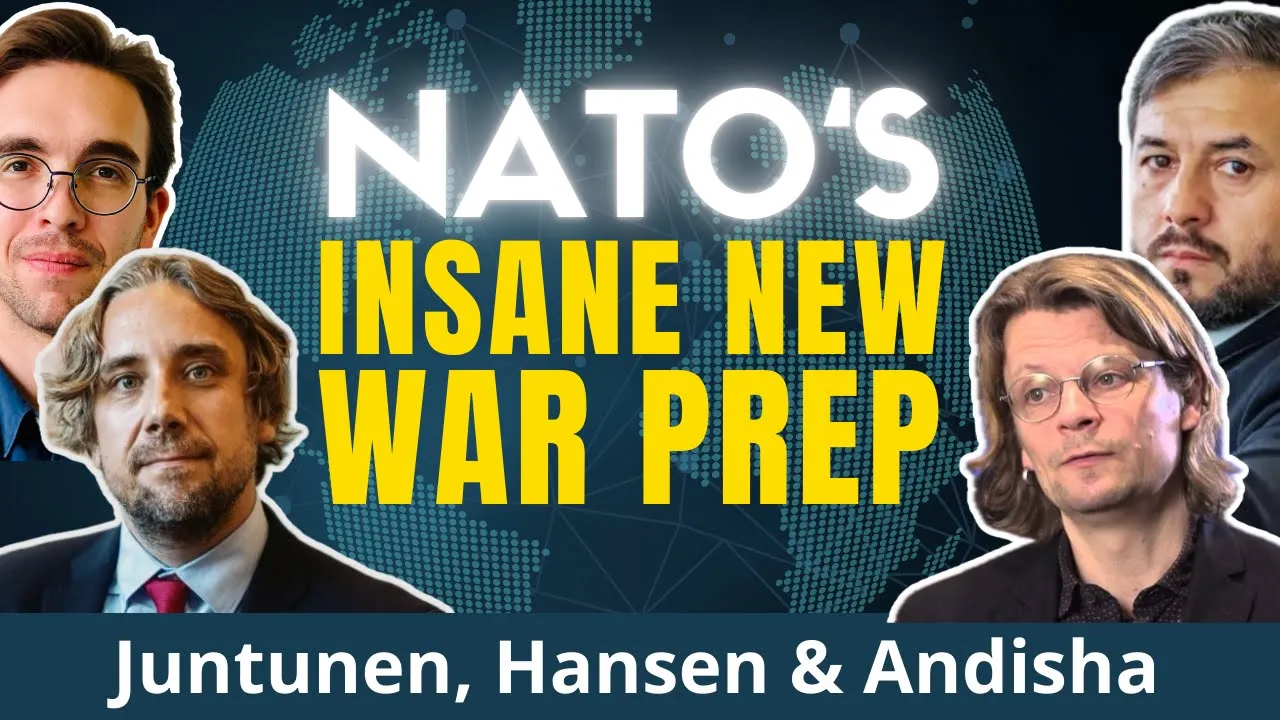
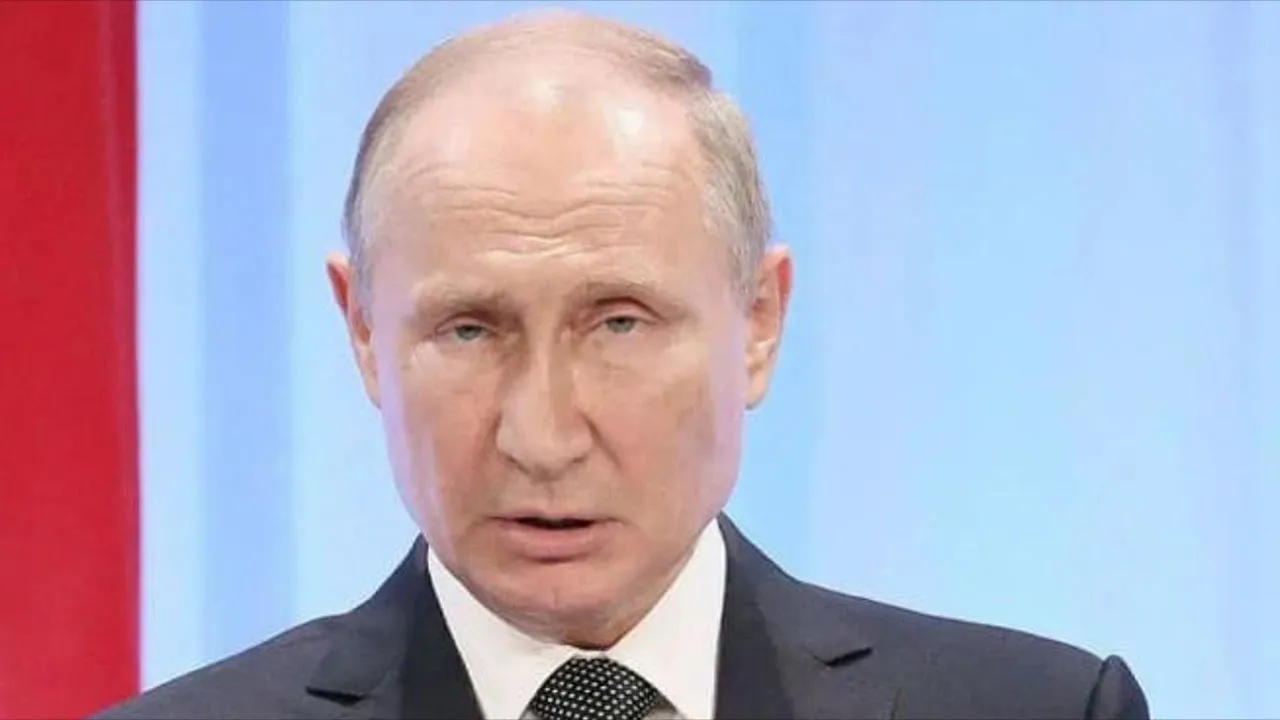




The 2022 Russian invasion of Ukraine represents a major European war that Western powers failed to anticipate, despite intelligence warnings; Putin's decision was driven by NATO expansion, Western policy failures, and his desire to reverse the post-Cold War international order, while the West's response has been limited by diplomatic miscalculations and the challenge of dealing with a regime that operates as a 'black box' of repression and strategic calculation.
Ukraine Crisis Analysis with Michael Clarke and Ben Judah
Added:The history of post-Soviet Russia-Ukraine relations, including the 1994 Budapest Memorandum and the 2014 annexation of Crimea.
The foundational purpose, structure, and historical expansion of NATO (North Atlantic Treaty Organization) in Eastern Europe.
Basic international relations theories, specifically the concepts of state sovereignty, spheres of influence, and deterrence theory.
The political profiles and strategic goals of key leaders involved, notably Vladimir Putin and Volodymyr Zelenskyy.
The economic dimensions of the conflict, including the effectiveness of international sanctions and the geopolitics of European energy dependence.
Advanced concepts in modern warfare, such as hybrid warfare, cyberattacks, and the role of information and propaganda campaigns.
The long-term shifts in European security architecture, including the accession of previously neutral states like Sweden and Finland to NATO.
The legal and humanitarian aspects of the crisis, focusing on international humanitarian law, war crimes documentation, and global refugee policies.
104.2K views1.1Klikes57:20Original Release: 2022-03-04
hello a very good evening it's three minutes past eight on lbc i i think one thing that we can all agree on is that there's a lot of armchair generals in the country at the moment many of them ring our station and tell us how they think the war in ukraine should be conducted or whether there should be a no-fly zone and all the rest of it we've all got our opinions most of them we like to think are well informed but um possibly not so much on occasion so i thought today it would be a really good idea to do a phone-in where you weren't telling me your views or posing questions to me you actually pose them to two people who know what they're talking about um so michael clark joins us uh you will know his uh voice he's been on my program an awful lot you you can see him doing his peter snow act on sky news quite a lot during this crisis he is a defense and foreign affairs analyst former director general of the royal united services institute and we also have ben judah with us from new york uh where he is at the moment he's author of fragile empire study of putin's russia good evening to you both now i'm expecting some really incisive questions from our listeners today the number to call 0-345-6060-973 and michael let's let's have a little word before we come to our first question um did you ever think that we would be in a situation in 2022 when we were looking at what could develop into a major european war no uh the world changed last thursday it did didn't it uh new world since last thursday and we you know we thought there would be crises there might even be militarized crises but the idea of a major war where russia is attacking its slavic neighbor who was unconscionable it looked a theoretical possibility before christmas there was something going on and we all thought that president putin was trying to frighten us all into making concessions on other issues and that he was using ukraine's hostage saying if you don't change the the the order of europe since 1991 i'll shoot the hostage and we treated it like that and then he either he maneuvered himself into a corner where he didn't have any choice but to do it or he always intended to do this he thought about it last year he thought about it this year and because of the collapse of of western prestige in afghanistan last august he thought this was his opportunity and he's lied and lied and lied while he carried out the plan that i don't know which of those explanations is true but one of them is [Music] ben judo which which of those explanations do you buy well thank you so much for having me uh on the show well in terms of like whether there was a possibility of a major war in europe i come from really the other side of it which is over the last uh 15 years we've seen a whole load of things that we believed would never happen happen and a international banking crisis we've seen a pandemic we've seen revolutions we've seen the west defeated at war and now in hindsight it looks very clear to me that the 1990s the long 1990s was a deeply ideological moment where we convinced ourselves of this it'll never happen in possibilities i've actually i have felt that a major war in europe was possible for uh a long time because i was sort of shaken out of that sense by living in uh russia and by watching putin's first war of aggression which was the war in georgia in 2008. great well we've got lots of calls coming in already oh three four five six so 609 73 let's go to ewin who is in lucerne in switzerland you and hi hi hi very good to speak too quick question there's a rumor going around that russians are fleeing the country because martial law is about to be introduced what does that mean ben well i can confirm that that is happening the russians are currently fleeing the uh country and let me just explain why they are over the last 40 hours we've seen a shocking uh escalation in repression putin's fighting two wars one on ukraine one on russian society we've seen the last liberal radio station taken off air the last uh liberal online tv station taken off air we've seen over seven and a half thousand people arrested and those those are only people arrested that we know about that have been uh counted we've seen the duma move towards uh law projects that would make talking about fake news from uh ukraine which you're not allowed to describe as a war only as an anti-terrorist operation punishable by 15 years in jail and even it's been reported people as close to the kremlin as kenya sobchak that's a russian celebrity of an opposition streak who is nothing less than the daughter of putin's first you know major boss and mentor in political life anatoly subchak was that marissa and petersburg who launched him into politics has fled the country and just to give a sense of the the gravity of the emotional moment like that uh woman uh who was reported by the editor of nikolai has uh fled the country putin cried at her father's funeral there are photos of her sitting next to a kind of tearful putin back at that uh somber day and as recently as 2018 there are pictures of her sort of shaking hands with putin and visiting the kremlin with various requests there's a moment of real fear in russia fear that something similar to the stalin period uh is about to happen and liberal-minded russians have no belief that they're going to be able to resist this or stand up to this because a whole series of actions which looked spiteful and incomprehensible to us over the last few years such as the attempted murder and then jailing of alex navalny the opposition leader the destruction of russian journalism as it remains now are clearly pre-meditated wow is all i can say to that i mean do you think that as well as a ukrainian refugee issue we might see another russian refugee issue as well well you know traveling around uh europe over this year it was very clear to me that something like the iron curtain was descending across the uh continent and belarus not just russia was definitely on the wrong side of it that was not simply because until now really of putin's aggression and lukashenko's repression but also by a lot of decisions that we've made such as the visa wall that separates countries in the eu and not in the eu such as russia and belarus ukrainians have visa-free access to the eu and then also our covered regulations which means a normal russian because the eu and many other countries doesn't recognize their sputnik vaccine you can't just you can't just hop on a plane and even if you've got the visa to go to vilnius or to go to kind of poland or greece on holiday because your vaccine is not recognized and very few russians are rich enough to get a different vaccine in moscow or elsewhere in the country or fly to serbia and get another vaccine so it was very clear because of our sanctions archavid rules their repression that the walls had sort of gone up uh already we just couldn't see them by this summer and now they've come crashing down michael anything and what ben says that you disagree with no not at all i mean the thing we've we've all crossed a perceptual threshold until last thursday the the the western policy not ben's writing which i've read a lot of and admire but western policy was always look we've got to live with putin he's we we've got to contain putin he's he's a nuisance he's a real nuisance and a dangerous nuisance but he'll only be strategically important if we let him and i have to say that was the view i took now we've all crossed a perceptual threshold and said you know this this man's russia not russia but this man's russia is a threat to european stability of the sort we've not seen since the 1930s and we can't play we can't play nice with him anymore um you know people talk we will used to say we mustn't fall into a new cold war well actually we're already in it and you know ben has put that point i think very well um you and do you want to come back on that yes i'm just thinking about belarus and all of this will will they introduce martial law as well the current uh fear in belarus is in fact a general mobilization and mass conscription and just over there today i've been in contact with various people who are attempting to kind of flee uh belarus and it's a moment for us to kind of really start asking really hard questions uh about europe's borders and whether we open them and then what would that do like we're dealing with dictators uh here you know one question we need to ask ourselves is should we open the border with belarus the way that the border was opened with hungary after the 1956 and the soviet uh repression of an attempt to create a more autonomous communist regime there should we open the border the way which is what we did uh in 1989 which triggered the uh such a mass flight that east germany couldn't cope with it anymore but at the same time we need to think kind of twice if we open the border does that mean they'll then close it permanently what's the best way to keep people being able to get out in the long term what are quick and easy things we should do should we lift visa restrictions and then what does that mean for us as uh europeans who've spent decades now trying to stop uh migration coming in a lot of tough questions we're going to have to ask ourselves michael yeah very quickly on belarus i mean luka shenka has hitched his wagon absolutely to mr putin there's joined at the hip in the sense that putin tells him what to do um this is a political crisis in russia as ben said i mean this is not just a crisis in european security but there's a political crisis in russia and as somebody said a while ago launched friedman my my good friend he said regime change in moscow is about as likely as regime change in kiev how long that takes we don't know but my point is when you know when putin collapses and it might be years or it might actually be quite quick and sudden lush anchor collapses they go together right euan thank you for a great opening question let's go to patrick in stratford patrick hi what's your question please yeah hello ian um i've listened to lbc about over 30 years now and i really enjoyed the station but this is the first time i've been moved to uh make a phone call i feel my work is done yeah i just have to put a question to you to your experts there um do you believe that russia has a legitimate claim when it comes to national security um concerning the war in ukraine okay michael there's a little bit of legitimacy there in the sense that nato has enlarged itself uh consistently um in ways that upset the way mr putin thinks about the world he's got i mean angela merkel always said mr putin's a 21st century leader with a 19th century attitude to security and the fact is i mean you know nato has enlarged itself eight times since it was created five times since the end of the cold war and five times since mr putin has been in power um my quarrel with nato doing that is not bid that they enlarge because it was demand-led it was everybody wanting to come into nato it was nato dealing with states that wanted to get in they all wanted to get into the eu for prosperity they wanted to get into nato for the american guarantee of their security and nato was was thinking about that my quarrel with nato was that they didn't think very strategically when it was easy in the 1990s and russia was seemed very weak the fact that the russians clearly didn't like it mr putin went to the munich security conference in 1997 and was clearly angry about the way nato was enlarging and in a way we kind of poo-pooed it said well he just doesn't understand modern politics and he doesn't really understand that nato is a defensive alliance and he's really getting himself worked up about nothing we might have been a bit more aware of that which is not to say that nato should have appeased mr putin's paranoia but we should have been a bit more strategically coherent because we've taken in we've gone from in the lines of 12 in 1949 to an alliance of 30 now and if you take a 19th century view what you see is nato's borders since the collapse of the soviet union have come a thousand miles closer to moscow and so we ought to have been a bit more strategically savvy about the way that might be thought about in russia and have done more to actually either explain it or think it through and there's all sorts of things we might have done to as it were allow countries the benefits of nato without bringing them in fully to the alliance but we are where we are and so if if i say if there's a little bit of justification in mr putin's security fears it's let's say 10 of of the paranoia the 90 is his sense of wanting to go down as a new czar of creating a new anova russia new russia of reversing the the decades of the cold war all of those things make him a revisionist politician like hitler and mussolini they are revisionists in the sense that they want to overturn the the international order that they inherited ben well i can assure you that the french president and the german chancellor worked tirelessly up to the very last moment to find a compromise for peace with putin over all of these legacy issues from the 1990s and these issues to do with nato the reason that ukraine wants to join nato ukraine is an independent country if you tell it you don't have a right to even say or even ask what alliances you want to join that's admitting you're not independent the west didn't want to compromise on the principle they had the right to ask and the principle that we had to write to admit in admit them one day in the far future but macron proposed a solution to putin was how about a moratorium this country doesn't join nato for 20 years for 30 years we stop all nato expansion and maybe you can stop your fake alliance expanding even though that's never gonna gonna happen and putin rejected it out of hand i can assure you from knowing russian diplomats and knowing uh russian foreign policy scholars who are professionals in their own way they would have taken the deal and that's why the french fought that there was a deal until the last moment that these people were overridden because putin wanted to launch a war of conquest he did not want a compromise with the very idea that ukraine could be an independent country and a compromise of us there are so many brilliant questions coming in we could do this till midnight but i i guess we probably better not and we'll come to more of them in just a moment you're listening to ian dale on lbc it's 17 minutes past eight this is lbc leading britain's conversation ian dale tweet at lbc it's 20 past eight on lbc we have michael clark with us defense and foreign affairs analyst former director general of rusi and ben judah who's written a book called fragile empire study of putin's russia they're answering your questions and it's william in orpington's turn next hello william hello good evening ian good evening ben and mr clark uh this is a question for uh michael if i may um since the beginning of the invasion we've seen the ukrainian army consolidate itself and supplement itself in the militia but what we haven't seen on open source reporting is the effectiveness or the existence of the ukrainian edge the air defense ground environment with michael would you have any comment on that as to what they're actually trying to achieve with their notable absence i mean i know that we've witnessed um a pair of um cap sorry combat air patrol and taken on two fbas yeah russian fbas but that's all we've seen i mean we haven't seen anything about the service to air or the air-to-air capabilities could you make a comment on that yeah we have yeah i mean we should translate this from military jargon i guess is that i mean what he's talking about two ukrainian mig-29s uh tangled yesterday with a couple of sukhoi-35s which out which outclassed them in technical terms but the story is that one of the mig-29s one of the ukrainian mig-29s came down but both of the su-35s came down i'm not certain if that's confirmed but that was the story so there's been a little bit of air combat one of the questions about this this first eight days of the battle is why the the russians haven't used their air power more it may be that they feel they don't need to um and that the ukrainian air defense system has been fairly heavily attacked by uh cruise missiles and may be been effectively taken down the ukrainians are putting a lot of faith in their bairata drones that you will know about i'm sure the turkish drones which are cheap but very effective if you can use them in uh in enough numbers they all each of them carries a four laser guided bombs which is what does the damage and also this this punisher drone which they morris developed themselves which an electric drone and that makes it very stealthy very hard to pick up on radar it only carries one bomb um but that's been pretty effective and this long division this armored division column that is tripping over itself at the moment running down the nipple valley weight it trying to get towards kiev it's basically stopped because of its own inefficiencies it's a huge target and the ukrainians are doing what they can why aren't they bombing it then they're trying i think they're trying but i mean it will carry a lot of its own air defense and there's quite a lot of air defense which is along the belarusian border which also covers the area that they're dealing with so the ukrainians are doing what they can but i think that they're what they have of an air force they started this with about 120 combat aircraft the russians had at least double that number in theater but we haven't seen much of either of them and i think that i don't think the ukrainians are holding them back because if ever they need them they need them to attack that armored division and they're doing their best but it's not going to stop the armor division getting to kiev sometime the next few days when they get their fuel sorted out and all the rest of it and they will encircle the city not as quickly as they wanted but they will encircle the city in the coming days william thank you my my personal assessment of this is i mean very much in agreement with yours but i think the the overlapping aspect is these standoff ranges on both sides quite long absolutely right yeah the huge range is a standoff um i suppose makes them more tentative a little bit more precautious as they move closer towards each other it's the nature of modern warfare that the place where the battle really takes place doesn't seem to have too many people in it in fact the battle is taking place you know at standoff ranges in the rear areas i mean battles are being fought now as it were 500 miles on one side and 500 miles on the other so it's not as obvious as you might have thought even in battles of 30 years ago it's the new nature of warfare william thank you a text question here from sam in cambridge it says ian put simply how do we stop a narcissistic megalomaniac now ben the narrative is developing but in some ways putin is unhinged he's narcissistic he's a megalomaniac but is that a fair fair assessment of the situation or do you think that maybe we should revise that so i think that when uh looking at dictators and regimes of this nature it's very important to craft policy not around well if we sanction a few holidays then it will do this or if we put sanctions on the russian public then it will do this the important thing is not to second guess what effect we can have on a regime when we don't really understand how it works the regime has become a black box i don't even think we can call it a regime anymore i think it's a dictatorship and putin's mind certainly from the point of view strategists or foreign policy thinkers should be a uh that should be treated as a black box and what that means is that we have to make device policies really are kind of about us and what it means in terms of how we behave so it's very important for us to go these are our red lines do not cross them this is what we're going to do this is what matters to us and we're doing things because it's good for us we're getting rid of kleptocrats from london because they're bad for us having them here and because they're sort of uh disturbing our political system and promoting uh a sort of savage war of conquest and we don't want that not because we're trying to second-guess what can happen in a regime that we don't understand i think that all of the psychological portraits of putin should not be how diplomats are approaching this i think that should be how kind of artists and you know psychologists at home should be uh approaching that that's not a way to formulate policy right let's go to david in sunderland hi david what would you like to ask hi ain't hi panel um yeah it's just it's a fairly simplistic sort of a question in the way um once one's putting sort of like he's actually got got these troops in ukraine such a vast country and are you sure he's ultimately aims to set up administration areas in different parts of the country how how would he physically sustain that a full-on military presence with all the sort of like problems at the minute with the west cutting off the logistics of fuel of air parts and and everything what would his strategy be on that it just seems to me that he's put himself there i don't see how it could sustain itself any length of time because people could say this walking quantum for such a long time i suppose i suppose in today we can but i don't know how they the russian army could physically uh sustain themselves in that in that kind of sort of um vast country that ukraine is just just some views and not really because it's the same result just doesn't seem as though in my in my clan mill remind that once you've got yourself there if you don't if you don't achieve your targets within just a short period of time it becomes well i don't know why you well it's unsustainable isn't it um michael is there any precedent for a country invading a country of this size and then being able to manage it afterwards uh no um you go back to the second world war where you're talking about vast armies of a million and a half and two million i mean there's a there's a sort of a rule of thumb in this thing and it doesn't vary very much to be honest from society to society in a settled society you need about two police or security personnel for every thousand members of the population in a settled society say like ours in an unsettled society or a society that's in in the grip of an incipient civil war you need 20 per thousand right now you can do it on the back of an envelope the the ukraine is a is a country of 44 45 million people if only two or three percent of that 45 million people were active in some way i mean if only one percent of them had weapons and another two or three percent were actively rebellious then the number of troops the russians would need on the basis of 20 per thousand is 800 000 to a million they can't do it and i promise you although they've got uh armed forces that run into the millions the the fact is they haven't got the armed forces to do it it's often said you know the russians have a large modern army well the part of it that's large is not modern and the part of its that's modern is not large the fact is they've got a lot of people in uniform and they've got a rather small part of that army that is competent in the way that we expect modern forces to be competent ben well putin has found himself in a position now where he's thinking that i am stalin in order to i've been forced to break with the west like stalin and having to push the borders as far as i can away from my borders in order to negotiate a yalta deal afterwards i'm going to have to move into stalin-like repression and we know that stalin achieved the sovietisation of eastern europe after world war ii and the sovietisation of the territories he annexed like the baltic states before world war ii through the politics of mass terror so i am extremely concerned that we are going to see if russian occupation zones emerge in large waves of ukraine large-scale deportations westwards large-scale uh large-scale imprisonments and we're already seeing in hassan which is one of the first uh major ukrainian cities to fall into the russians that there is a military police there with uh militarized kind of paddy wagons to take people uh uh away so i'm very concerned about the next uh few the next steps uh in this you want to come back michael yeah just a very quick one just to add to that really that the u.s and british intelligence on this issue have been absolutely right since last december every detail they laid it out last december a lot of people laughed about it they even put it in part of it in the washington post they've turned out to be right on every single detail so far one of the things they've also said is that as ben you know indicating the russians have got lists they've drawn up lists of the people that well the you know politicians journalists people who are a nuisance and those people will be picked up and they'll disappear and the fact is the you know as you said the the uh was it the ros gradia are in there who are the internal uh eternal police to look after the civilian population they've gone in and we with lots of images of their police wagons in convoy going in with the russians where the russians have got an area of that they control um and you know we're looking at now and probably fairly soon i think we'll go into and i don't i don't use this word lightly they'll go into a gestapo phase they'll pick people up they'll disappear and once there is some organized opposition when once russian soldiers start getting shot and groups form to resist the russians then the people who disappear will disappear by the torture chambers just so that they will reveal who else they know i mean you know ukraine could be entering a very very dark period if the intelligence that britain and america have come up with over the last six months is right and so far they've been right about everything and that's an interesting thing in itself because obviously the intelligence before the iraq war was very very wrong but we may talk a little bit more about that in a minute um nick on a text says these guests are so good learning a lot thanks here now thanks to my producers for booking these brilliant guests nothing to do with me gov although i endorse them obviously it's 8 32 lottie morley has the rbc news headlines vladimir putin insists the invasion of ukraine is going to schedule a claim that has been disputed by the west the mayor of the southeastern city of maripol has accused the russian president of genocide as citizens remain without water food and electricity ukraine says it's reached a tentative agreement with russia to organize safe corridors for civilians to evacuate and for humanitarian supplies to be delivered under the agreement ceasefires would be observed where safe corridors are created and ukraine has requested to postpone their world cup qualifier against scotland following russia's invasion the two nations were due to meet in glasgow in three weeks time to play for a place at the world cup in qatar which starts in november lbc weather rain spreading east across scotland and northern england this evening turning drier for western areas over northern ireland wales and south west england a low of one degree lbc this is leading britain's conversation ian dale tweet at lbc it's 8 36 well the fanboy and fan girl twitter texts and tweets are really coming in now please can you invite these guests back every week they bring clarity to a very scary and uncertain times we have registered that request um very funny uh road sign that uh is doing the rounds on twitter now in ukraine um a lot of ukrainians have been doctoring road signs to try and prevent the russians from getting to where they're going this one it's a massive motorway site so straight on the hague right the hague left you've got to admire the ukrainians haven't choose finding humor in these times right michael clark is with us defense and foreign affairs analyst and ben judah is the author of fragile empire study of putin's russia claire's an edge where hello claire good evening ian and phenomenal expert my goodness on education tonight much better than listening to me as britain has learned to at chagrin trade free trade tariff free trade economic success and mutual support lies within the eu would the eu expedite and fast-track ukraine into the eu they very wisely want it so desperately well is that possible michael and um would it be a good idea in these circuits that's a tough one i mean if if ukraine was in the state it was in you know a month ago that would be a tough question because the eu has got lots of convergence criteria and i mean you know we shouldn't be uh so too um holier than now about this i mean ukraine you know had a very corrupt background it only really started to uh sort itself out because it wanted to join uh the western organizations after about uh 2012 2013.
you know before that it wasn't you know it there's a lot wrong with it and the economy was still very lopsided and so on so i mean it would be a tough question anyway for ukraine but it you know in theory is is on the is on the path so it might be quite a long path but now the most immediate question is will ukraine continue to exist um after this crisis i mean what will emerge from this because european politics in general now will be completely different after this not just dealing with russia but but we've we've got to start to think now about what sort of europe do we think should emerge for the mid 2020s and that you know we can't really think about that until this is over and then we'll see where we are with ukraine but i think i don't know what ben thinks about this but i mean if if ukraine is is taken over um even if it's a civil war then moldova next door is in deep trouble you know moldova is is is very weak there is a there is a donbass version in moldova the transnistria area which is a separatist area of russians claiming to want to uh be part of russia and remember there are russian minorities in estonia and latvia who can be manipulated um big minorities as well but quite fortunately sorry 2025 yeah um so you know this crisis got a long way to run yet in terms of other countries so i i'm not trying to avoid your question but um when we get through the first part of this crisis which is what's going to happen to ukraine we've then got to address some pretty fundamental questions about european security and the new european order such as it may be ben well i think that we need to think kind of look at it strategically and one of the things that's difficult if you look at it strategically is that there's a contradiction in what a lot of people on the european continent are saying they're saying three things the first is ukraine well it would probably be a good idea if you were neutral given uh russian aggression and these questions of nato we've heard some other uh callers mentioned so why don't you be neutral after this war between both blocks two maybe there's some way that we can get you into the uh eu uh quicker but then europeans are constantly telling us number three europe is a mutual defense alliance and a security actor and a foreign policy power in its own right so they don't really stack up there and if you're fast tracking ukraine into um the eu as far as russia is concerned you're fast tracking it into another tentacle another aspect of the western military alliance which he is opposing so it's difficult and then we need to think about what is ukraine going to look like after the war and here there are two very very difficult choices uh contradictions here do the ukrainians want to put first it's their decisions not our decision the unity of their country and that might mean making com very very difficult very very painful compromises to with uh russia and allowing the russians to have some kind of role in government uh will put some brutal conditions uh on them in order to withdraw or do they want to put first the integrity of their country having a hundred percent their own military as strong as they want uh not having any russian limitations and that might mean being forced to abandon some of these uh uh territories either into a sort of permanent russian occupation zone or uh maybe depending how things develop a sort of east ukraine which is a russian puppet state or maybe they might be forced to learn some lessons of 1939. so right now the strategists in uh washington are trying to work out whether the war is it stalin's war on finland in 1939 where the finns valiantly resisted stopped the shambolic russian army from advancing and taking helsinki but they had to give up a lot of their territory to stay independent or is it hitler's war on poland where uh hitler stormed in spared no quarter and conquered the country and one thing you know i'd like to remind anyone who's passionately ukrainian is at this phase in the nazi invasion of po of poland people in the house of commons for poland are going to win and the nazis have not taken any major uh police and actually the russians are advancing faster so i think we just need to look at these kind of wars in historical big picture which michael knows a lot more about them than i do and remember hitler's invasion of poland it took six weeks cost 20 000 german uh troops uh hitler's invasion of uh france it took around the same amount of time took a similar amount of german uh troops or the franco-prussian war when uh crusher that was about to become germany knocked out uh france took six months and they lost fifty thousand men and that came to be viewed by historians as the classic short victorious war we're just at the beginning of this but russia does look like it's running its problems claire thank you very much for that let's go to romney in cardiff hello ronnie hi ronnie thank you ian you and lbc have been doing such an exemplary job reporting on this thank you and just wanted to say i first visited easter eastern europe in the late 80s and i was asked uh so much and uh why did especially from elderly people why did the west abandon eastern europe after the war and i was just wondering um or ben or this question is for ben does he think that the uh there will come a point when the russian people like uh the ex-soviet satellites will rise up against putin or the the government and the army will rise up and refuse to follow his orders or no because russia is such a vast country bigger than uh eastern europe countries were and because of the block uh the block of news i think that's a really interesting question we've had quite a lot of questions along similar lines sort of what would happen after putin here's one from paul on twitter if putin died tonight would the problem be solved so let's combine that sort of what is putin is putin's grip on power as tenuous as maybe some commentators are suggesting ben i i really wanna keep stressing we don't know what's going on in putin's head we can guess we don't really know what's going on in the kremlin the fact this war caught so many people by surprise shows that we don't really know what's going on in there we can't formulate policy towards that as well as western governments when you look at the political science it's pretty depressing to be honest the political science tells you that once you've got a one-man rule dictator like putin they almost only ever fall from coups or death and the key variable about whether or not there's even a chance of them falling by popular uh revolution is do they have oil and when a dictator has oil so when we're you know right now we are paying putin's companies rosneft and gazprom billions a day that he can then spend in slaughtering ukrainians and repressing his own people when they have money just spurting out of the ground like that they don't need to care about middle classes or about oligarchs because they've got enough money to keep the repression machine going the political science says that when a dictator has oil he is almost always going to be able to resist international sanctions and demobilize society in terms of what's going on inside the kremlin really it's palace life like i can't tell you no expert can tell you exactly what's going on and chances of a coup would depend on things there right now putin just gave a frothing speech uh to the russian people saying that the war is proceeding at schedule even though they won't call it a war he calls it terror operation and he's saying that he will never abandon his belief that russians and ukrainians are one people he's fighting neo-nazis certainly you know he he doesn't look like he's taking his foot off the gas michael yeah dictatorships i mean throughout the 20th and 21st centuries now they last an awful long time longer than anyone thinks they could because when you've got the levers of power and you're prepared to be ruthless then you can keep on going for a long time there's a famous novel by gabriel garcia marquez the autumn of the patriarch of a very very old man drifting through his policy long since become a drooling fool and that's what tends to happen to long-term dictators when they go they go with a single push and people wonder why why did why do we live through the last 10 or 15 years when this man was clearly a drooling fool they go with a single push but they last a long time before circumstances combine to give them that little push question here is whether i mean this is such a monumental mistake strategic error by putin who thought thinks of himself as cunning he thought he was incrementally clever you're always out foxing the west being able to move quickly this is a monumental error taking on something he can't possibly do i.e ukraine in any sensible way in any way that makes sense in in russian terms um that he is in this situation now where the pressure will only build on him but it might take a long time when he goes he'll go with a single push but whether that's in a month's time or five years time i wouldn't dare speculate linda says hi ian could we send in our sas to get rid of putin i think that would be a very dodgy thing to do i think the only person that could do that is jack bauer and unfortunately 24 has come to an end we'll take more of your calls in a moment it's 8 48. lbc nick ferrari at breakfast weekday mornings from seven is a ukrainian mp what is the situation as you understand it in your city i read the story yesterday of twins born in ibanka in harkeva and they were born the night before and yesterday both of their parents were killed in another bombardment they became orphans first day of their life that is what putin is doing to my native city oharke he's basically just destroying the city he's turning it to aleppo in the middle of europe in the 21st century nick ferrari at breakfast back tomorrow morning from seven listen on your radio and on global player lbc how to get bin bags lbc text 84850 it's 8 51. uh michael clark and ben judah with me answering your questions uh paul is in fort worth in texas hello paul hey good afternoon hi good evening to you guys my question is um do you think i know you said you thought he was the afghanistan which kicked it over the edge but don't you think that putin was grooming trump in the direction of this 12 18 months ago uh to push him to get out of nato and nato wasn't doing this and that but that that isn't a question i mean i thought it was pretty obvious but what do you guys think it's it's interesting a lot of people say oh what this had happened if trump had been president well the answer is we will never know but ben you're in the united states what's your view important i just think something really worth kind of pointing out is that trump actually at cpac has got a major conference of conservative forces to those who who aren't in the united states um actually was praising zielinski saying that zelinski the kind of ukrainian leader was fighting like a lion looking really impressive a lot of trump's relationship with with putin was deeply psychological and by the idea of like the manly man and the boss and like who was you know the toughest guy on the scene and now you know zelensky has turned from looking like a kind of comedian president in the eyes of the world looking like an iron joker sort of murdering russian forces with uh drones trump suddenly interested in him so i think that with trump there were obviously kind of things going on with uh russia but um you know his veneration of the warrior man is a big part of it and him seeing that putin's no longer where it's at in terms of that is a very interesting sign for american public opinion going forward michael yeah i mean i don't know that anybody outside the republican republican party in the states takes much notice of what uh ex-president trump says but i mean you know he always presented himself as a tough negotiator in fact he was an absolute pussycat you know there are four big countries in the world in the 21st century all big for different reasons america china um uh india and uh america china india and russia all for different reasons if if in some sort of play you wrote um trump went into a room to negotiate world politics with putin modi and xi jinping of china he would come out in his underwear i mean they would take him for everything because they're cunning clever people who are well briefed i mean trump you go into meetings and he wasn't very well briefed and i think he knew that he couldn't hold his own in a meeting of good leaders who actually knew what they were talking about but he wrote a deal surely that was his his selling point he was a big negotiator he was hopeless at doing deals and he would wreck meetings rather than go along with it because he knew he couldn't survive and you wouldn't he would go into meetings at nato and then he'd leave after a while all leaders leave meetings for a few minutes sometimes they go to the bathroom sometimes they go out for a quick word and they come back and he would leave after 20 minutes and not come back and everybody around the table would be making speeches for his benefit and he just wasn't there or he he he'd dominate the agenda he would say no i'm not going to talk about that we're going to talk what i want to talk about and he would wreck meetings that he couldn't control and he was in one sense he knew he couldn't hold his own in those meetings so i mean trump was never a tough guy and he was he was impressed by putin because i think he's been said it's a sort of there's a matchup it's a match almost or a homoerotic thing but it was a man it was a man's man sort of attitude someone here is disagreeing with you uh they say that that's wrong trump was praising putin after the invasion of ukraine he was to start with and then he changed he first of all said putin's done a wonderful thing and he's he said he's brilliant by calling these people peacekeepers and then within 24 hours he suddenly realized he said something i think even more foolish and he's praising zolensky i mean trump flip-flops on everything because as he just said he he he swims in the shallower end of the intellectual pool that's a good way i agree by the way okay thank you very much indeed paul um madame editor on twitter says it's not jack bauer says i feel as if we're living through an episode of madam secretary do you think putin watched that show as one of my favorite ever programs madam secretary now pat on an email says if the british intelligence was so spot on as your guests have said which i agree with but did previously doubt because of the historical lies about wnds why have we been so slow to have everything in place and ready it with regard to sanctions providing supplies and weapons and creating supply lines etc also could ukraine have spent the past few months preparing for the invasion and subsequent siege on their cities well surely one of the answers to that is that most of the commentator arty and even military people did not think that putin was going to invade and clearly people within government circles didn't otherwise they would have had these things in line michael um you know it's a very good point that intelligence says one thing but it doesn't mean to say that governments do it because intelligence is only one part of the policy picture and ukrainians they were advised by western militaries they'll drop the bridges get the bridges down or mine the bridges and they didn't do it partly because they didn't want to they knew the russians would see that they didn't want to provoke russia and so for for quite a long time ukrainians as it were felt very uncomfortable but but but in a sense pretended that this could never happen because they thought if they began to prepare it would make it more inevitable but you're absolutely right i mean just like with afghanistan we knew that we knew a year before the withdrawal that it was going to happen did we prepare no we didn't uh there is there is a sort of there's a sort of vacuum at the heart of some governments when it comes to preparing for uh things that are not inevitable but are one possibility and very often governments face face a situation where look there's two or three things here that might happen you should you should think about all of them not just the one that you think is the most likely ben um i think that when it comes to the british government the british government was one of the first in europe to really wake up to the danger because of intelligence it is actually quite impressive the way that britain at considerable cost in international diplomatic circles was the first country to raise the prospect of militarily arming the ukrainians to a new level went ahead and did that open the door for our allies in eastern europe to do that he was the first country to call or nordstrom 2 this sort of pipeline that germany and russia have been trying to build between them to uh be uh scrapped and it was one of the first countries to propose pulling russia out of the swift international payment system you know britain has done pretty well on the diplomacy in building up for this there's been a long-standing build-up in uh ukraine britain training over twenty thousand uh snipers and the weapons that britain uh gave have all seen impact and those specific hand-held anti-tank weapons because that was what the ukrainians needed in order to deal with this kind of invasion scenario in terms of where britain could have done better um the british political system really is at its best when it can rally around a strong internationally respected prime minister that can cut a dash like tony blair or margaret thatcher had done and we didn't have that uh as any british listener knows but uh the uh french for example uh did and that's how macro managed to play a diplomatic role but in terms of being ready for impact britain was more ready than uh france let's not forget that the ukrainians themselves didn't believe this was going to happen because putin might insist that ukraine and russia are one people it's obviously not true but they do feel kind of a sense of kinship and it was viewed as being as unrealistic as if england invaded scotland well i now there's a thought i i i remember interviewing many people in the last month or so because i i mean i must say i i always thought putin was going to invade i'm not saying well wasn't i right but i i couldn't believe the people i was interviewing in ukraine just going about their everyday lives without a care in the world and um well i suppose lots of books are going to be written about this over the next few years aren't they listen michael clark ben judah thank you so much for joining us over the last hour um i think it's been the most informative hour on lbc since this crisis started and i think you've really educated our audience greatly over the last 60 minutes thank you very much and let's say we can do it again very very soon
Up Next
44:45
Blood Diamonds: The True Story of Conflict in Sierra Leone and Angola
@EasyBob15907
1.9M views•2011-12-24

12:54
Triumph of Orthodoxy Icon: Byzantine Art & History Explained
@BenCallan
2.1K views•2024-08-06

9:49
FastAPI vs Flask vs Django: Choosing the Right Python Web Framework
@TechWithTim
302.5K views•2024-05-26

1:42
Game of Thrones Opening Credits: A Cinematic Analysis
@gameofthrones
46.3M views•2011-04-18
Related Study Plans & Knowledge Roadmaps
Structured learning paths in General & Interdisciplinary Studies
general-studies
Elevator Engineering: History, Physics & Cities
01From Hoists to Safety Brakes: The Dawn of Vertical Lift
02Hydraulic vs. Traction: The Engineering Physics of Elevators
03Modern Speed, Safety, and Algorithms
+ 2 more learning modules
12h5 modules
Explore Roadmap
general-studies
Rubber: Material Science, History & Geopolitics
01Origins of Natural Rubber & Mesoamerican History
02The Chemistry of Natural Rubber & Vulcanization
03The Geopolitics of the Rubber Boom & Colonization
+ 2 more learning modules
12h5 modules
Explore Roadmap
general-studies
Containerization: Evolution, Logistics & Trade
01Ancient Trade & Bulk Cargo: Amphorae to Barrels
02The Industrial Revolution & Cardboard Packaging
03The Containerization Revolution: Malcom McLean
+ 2 more learning modules
12h5 modules
Explore Roadmap
general-studies
Textile Tech: Evolution, Labor & Global Impact
01Pre-Industrial Textiles: Handloom & Cottage Industry
02Mechanization: The Spinning Jenny to the Power Loom
03The Factory System & Global Labor Transformation
+ 2 more learning modules
10h5 modules
Explore Roadmap